In this week’s episode, Joe and David team up again to discuss what news interested them the most this week: the DA dropping a felony drug charge against a mushroom rabbi in Denver due to the passing of Proposition 122; Numinus Submitting a Clinical Trial Application to Health Canada that would give in-training practitioners the ability to experience psychedelics with their psilocybe-containing EnfiniTea; and a University of Exeter-led trial moving forward with the next step in a study using ketamine for alcohol use disorder (with 2/3 of the money coming from the National Institute for Health and Care Research).
They also review a paper that analyzed the economics of psychedelic-assisted therapies and how insurers come into play; as well as The Journal of the American Medical Association stating that, based on current trajectories compared to cannabis legalization, they believe the majority of states will legalize psychedelics by 2037. So nice to see these continued steps in the right direction!
And if you missed it, we just announced that applications are open for the next edition of Vital. There are incentives to paying in-full by certain dates, so if you missed out on last year’s edition or have been curious, attend one of our upcoming Q+As!
In discussing these articles, much is covered: methylation and genetic memory; addiction; gut biome; cesarian births; how much inequality is built into the “psychedelic renaissance” due to it primarily evolving out of inherently unequal Western societal paradigms; permaculture; new ways to be together; Burning Man; the concept of the nuclear family; the power in working with your hands; creativity; harm reduction and the lack of readily available drug testing kits; and more.
In this week’s episode, Joe and Alexa talk about the excitement brewing around our first conference-meets-festival, Convergence (March 30 – April 2 at the Wisdome in LA), and some of the sponsorships starting to come in (interested? email Alexa@psychedelicstoday.com).
Then, they dive into what intrigued them the most this week: a study looking into potentiality and possible causes of 5-MeO-DMT reactivation (and what reactivation actually is); New York cannabis farms sitting on $750 million worth of cannabis as the government drags its feet on licenses; and the story of a woman who used cannabis and psilocybin as an adjunct to standard therapy in the treatment of advanced metastatic breast cancer.
In this episode, Victoria hosts a bit of a microdosing roundtable, speaking with three champions of microdosing: “The Father of modern microdosing,” James Fadiman, Ph.D.; Adam Bramlage, Founder/CEO of Flow State Micro (a functional mushroom company and microdosing educational platform); and Conor Murray, Ph.D., a neuroscientist at UCLA who conducted the world’s first EEG microdosing study.
Fadiman and Bramlage recently launched a very popular course through our Psychedelic Education Center: “Microdosing Masterclass,” which covers the history and science of microdosing, as well as best practices for microdosing safely and effectively. They discuss the roots of microdosing, decriminalization and concerns over the corporatization of psychedelics, what we’ve seen so far in research, and how we’re finding ourselves in an era where people are going to be allowed to actually help themselves.
Murray is hoping to make big waves in the promotion of microdosing with the world’s first take-home EEG microdosing study: participants will be mailed a wireless headband that will be able to track brain activity in real world scenarios – the citizen science we’ve so desperately needed in comparison to lab studies that couldn’t be more different from how people actually live day-to-day. There is no criteria to participate, and, in contrast to lab studies, they want all data possible: people who are in therapy or not, people following different microdosing protocols, people microdosing for different reasons, etc. Will microdosing improve brain scores on cognition and emotion? Will participants see measurable improvements? And how will these numbers look when comparing scores months after initial peak neurological windows?
If you’d like to participate, head to psynautics.com and sign up. The first 50 people to do so will receive the wireless EEG to track their brain for one month for only $40.
Notable Quotes
“Because it’s inherently interesting for people to find that their consciousness can be improved (not necessarily changed) and that their whole physical system can also be improved, microdosing has found a natural niche which is: it might be good for you, and as far as we can tell, it’s very, very, very, very, very rarely bad for you. And that’s a nice risk/reward ratio.” -James
“It’s hard to fool the brain. You can maybe have a good placebo effect if you’re trying to ask someone: how much do you think your cognition’s improving today or emotion’s improving today? But it’s harder to fool the brain into having a different answer.” -Conor
“There’s so many people who will not buy into this until it’s proven by modern science, and that’s why Conor and his work is so important, and this new study with the wireless headbands and the idea that every citizen scientist on the planet can write Conor at Conor@psynautics.com and be a part of this study and get a wireless headband – I mean, that is fascinating. That is taking microdosing out of a sterile lab and putting it into the natural environment where it came from, as hunter-gatherers, for hundreds of thousands of years.” -Adam
“That’s really the metaphor, which is: the more windows, the more you see different views, and there’s nothing good or bad about any particular window except how clean it is. …We’re opening up bigger windows in more directions than has been the case in the past.” -James
This week features David Drapkin, Joe Moore (for the first part), and introduces Alexa Jesse, who you’ve probably heard in ads, but who makes her first appearance on the podcast.
They discuss two big political moves in the advancement of psychedelics: the creation of the Congressional Psychedelics Advancing Clinical Treatments (PACT) Caucus (led by Representatives Lou Correa (D-CA) and Jack Bergman (R-MI)), and the filing of the Breakthrough Therapies Act by Senators Cory Booker (D-NJ) and Rand Paul (R-KY).
And they talk about the story of Jim Harris overcoming paralyzation through psilocybin; NICE (National Institute for Health and Care Excellence) determining that Esketamine is not cost-effective; new progress in Germany and Finland; MDMA-assisted therapy (and other psychedelics) showing alleviation of chronic pain; a ramp up in LSD research for Alzheimer’s studies; and more.
Plus, we hear a bit of Alexa’s story, wish Joe and Johanna happy birthdays, and talk about what’s most immediate in the PT world: Early Bird pricing ending today for our first conference, Convergence (use code PTINSIDER10 for a 10% discount!), and the next round of Navigating Psychedelics launching next week.
I had years of experience in cold water training from my Aikido career, but as my depression had increasingly grown worse, I developed a severe cold intolerance. It had become painful to stand under the shower, with my scalp almost spasming in contraction, when I used to be able to stand in late winter melt-water waterfalls and rivers with ease. But post-dosing, my cold tolerance came roaring back; allowing me to stand under a cold shower for minutes at a time with no numbness and no pain – it was almost like it was happening to someone else or there was a micro-force field on the surface of my skin. I found myself having to leave the shower because I just had other things to do. Cold water tolerance is a gold-standard for measuring pain response in clinical trials, and in fact, later that year, the Department of Psychopharmacology at Maastricht University, sponsored by the Beckley Foundation, conducted the first LSD and pain study in nearly 50 years, showing that low-dose LSD significantly increased cold water tolerance without interfering with day-to-day activities.
I had been known for my mobility and flexibility throughout my career and my ability to train others to achieve the same results, but mine had been compromised for a good while at this point. But the day after my session, I was able to resume positions that I hadn’t been able to comfortably acquire in months, if not years. Movement now felt smooth and effortless once again, and I swear there was even improvement in the tissue quality in areas that had become “crunchy.”
There was also a significant change in my inflammatory baseline. Depression is seen as a disorder that also includes fairly significant neurological inflammation and is often bi-directional with chronic pain, but many of the same receptors that psilocybin operates on are also contained within the gastrointestinal tract, and mine had altered sensation for a month afterward. I believe my systemic inflammation significantly improved during that period because within three months of my dosing, I reacquired personal training records that had become elusive, and by summer, I passed those PRs and set new ones. I also felt incredibly less “puffy.” Accidentally banging into something didn’t hurt anymore and persistent joint aches and lack of motor activation disappeared. There were additional improvements in neurological issues that will be described in a future case study, but that was just as immediate and impactful.
Lockdown Leads to the Lowdown on the First Psychedelic Pain Studies
Within the training and recovery world, patients and trainees can loosely be categorized as super, normal, non, and negative responders. I had stopped being responsive to both training and rehabilitation efforts at the peak of my depression, and was entering negative-responder territory, which was severely distressing. Fascinatingly, I now seem to be trending somewhere between a normal and high responder. I began proclaiming to the researchers at NYU that psychedelics were going to completely change chronic pain treatment within five years. And I also had a secret; the day after my dosing session, I had what’s referred to as a huge download: I realized that if you could consider things like depression, PTSD, and severe anxiety to be nociplastic outputs of the Central Nervous System (CNS) that causes iterative rumination (a.k.a. looping maladaptive outputs), that was no different from the looping maladaptive outputs that characterize chronic pain – the neurology of which I had been studying for years at that point. Due to the extreme visual qualities of the psychedelic experience and the rapidity of my own remission, I saw, in a flash, that since psilocybin was an impact booster for neuroplasticity, it would enhance the impact of mirror box therapy for phantom limb pain or likely any other neuromodulation.
“Remapping” is the term describing the tactic of using visual or other sensory receptor inputs to modify and change nociplastic or noxious/painful outputs of the brain. As this is part of the Z-Health process, I had been introduced to the concept of mirror box therapy years earlier as part of my certifications, but I thought I had come up with a whole new approach and kept it to myself, barely hinting at what I believed I had uncovered. But, since NYC was locked down and I was unable to work, I had nothing to do but go online and research what had happened to me.
Within two weeks or so, I found an old photocopied English abstract from a 1962 study in Japan, by Kuromaru, et al., using low-dose LSD to treat phantom-limb pain with 50% of its participants going into instant remission by the end of their session, and the authors pointedly declaring that stacking the LSD with movement had a far stronger impact on resolving both phantom limb pain and phantom limb syndrome. Stacking inputs is a common practice within the neuromodulation world for pain treatment, often coupling a weaker input with a stronger one, and I realized that this was what had clearly happened to me while I was in my post-dosing neuroplastic window. It finally felt like I was getting traction again; that drills and exercises were once again effective, and crucially, maintaining their own momentum. I didn’t have to be hypervigilant anymore in my daily routine for these drills to become “sticky.” I also realized that the Kuromaru study had, in fact, been released earlier than the Kast study from 1964 investigating the analgesic properties of LSD for terminal cancer and other painful conditions, which is frequently and incorrectly cited as the first psychedelic pain study. I became aware of other previous psychedelic pain studies, as well as recent ones like Dr. Charles Nichols’ work on the anti-inflammatory properties of psychedelics, and studies involving Dr. Robin Carhart-Harris’ REBUS model and cortical reorganization, which is what happens when a stimulus results in the creation of a new cortical map (essentially a vertical column in the brain cortex consisting of neurons performing specific processes).
Both of these discoveries are crucial because cortical reorganization (or remapping) and inflammation are key drivers of chronic pain. Conditions like depression and anxiety are characterized by rigid, fixed beliefs or frameworks where the same negative thought loop keeps reoccurring repeatedly, with no amount of incoming contrary information able to alter that belief. It becomes what’s known as a “strong prior” in neurology, becoming a top-down driven process in the CNS, actively suppressing any bottom-up sensory input error correction. The same mechanisms of action occur with chronic pain, where, despite the healing or resolution of an injury; a rigid, fixed pain signal is continually being sent out by the brain as a maladaptive response of the CNS’ protective suite. These are referred to as nociplastic or noxious neurological conditions. The same is true for multiple chronic pain conditions where inflammation causes maladaptive signaling and perceptions, leading to negative structural or nociplastic changes in the peripheral and central nervous system. In psychedelic-assisted psychotherapy, a non-rigid, chaotic state is induced, which allows the cortical landscape to reorganize into a more efficient and positive state.
Landmark Study in Pain and Psychedelics Confirms Insights
I sat speechless for at least five minutes, shaking my head in a feeling of wonder and disbelief, as if the universe itself had just delivered this paper to me. Other than my remission and the pandemic, I had thought of nothing else but the application of how these two approaches could be combined. Of course someone else had invented it well before me; of course they had. I knew that resourceful, capable people had been working on this for a while, and chronic pain is a singular motivator, but it was still astonishing to see my vision so vividly applied and executed.
Check out this podcast with Court and Joe interviewing Dr. Castellanos and Dr. Timothy Furnish of PHRI!
I had learned in 2015 that cluster headaches had been effectively treated with psilocybin for 25 years, and of mirror box therapy a few years before that. I had even blogged about it because people in the rehab and training communities thought that my using visual inputs to treat pain was so weird they called it “voodoo.” But there is a neural hierarchy, and many pain and performance conditions in the body actually have higher-order components within the visual and vestibular systems. That’s often why, no matter how much manual/physio therapy one does, it is often a downstream compensation within the body in order to reconcile perceptual discrepancies between the visual and vestibular system. The visual system lets you assess the surrounding environment and predict any threats that exist within it, and the vestibular system helps you orient within that space, keeping your body in balance so that you might be able to execute any motor actions in response to any perceived threats. If your eyes are telling you the horizon is 5° tilted to the left, but your vestibular system, a.k.a. your inner ear, is telling you that it’s 5° to the right, your body will compensate so that those discrepancies are reconciled and you maintain a stable, level “sight picture” – your viewscreen of the world. Having an unstable sight picture makes for poor predictions; in other words, in an evolutionary survival context, having a “shaky cam” is not so great for avoiding saber-tooth tigers.
So, those downstream bodily compensations that keep your viewscreen steady are creating distortions and possible maladaptations in the structure of your body, and are now being cemented due to repeated compensatory use. The nervous system will protectively reduce motor output and increase pain perception as a response, to slow you down in order to avoid potential injury and survive another day. Ultimately, the body has evolved towards survival, not performance. And pain is an alarm/action signal designed to keep you alive.
This self-guided class investigates the history, science, and best practices for safe and effective microdosing; hosted by Adam Bramlage, founder of Flow State Micro, Dr. James Fadiman, the “father of modern microdosing,” and a dozen expert guest faculty. Enroll today!
Mirror Box Therapy and Pain as An Output of Perception From the Brain
When we look at phantom limb pain, what we’re seeing is the phenomenon known as deafferentation: the loss of afferent or ascending inputs from the peripheral nervous system up to the brain. No limb equals no signal, and the loss of signal is very dangerous within an evolutionary context because limb loss due to injury or infection will mean, at the least, loss of sensation and loss of coordination for motor outputs/muscle contraction/movement, meaning a lost ability to gather food or to avoid threats. Or worse, it could mean signaling that you’re going to bleed to death in a matter of minutes.
Multiple pain conditions could be considered sub-clinical deafferentation: peripheral neuropathy from conditions like diabetes or shingles, or different types of phantom limb pain where the limb is still present but the nerves are so injured that they no longer transmit afferent signals – such as we see in cancer, stroke, or crush injuries. That loss of signal gets hardwired into the cortical representations of that limb, and never gets a counterbalancing signal, so the CNS registers it as an ongoing sense of threat. That creates a huge alarm signal in the form of pain perception.
What mirror box therapy does is replace that loss of signal with the image of an intact limb, generating input that dampens down that pain signal. And when you touch the remaining limb (which is generating normal signals) while seeing it reflected in the mirror in place of the missing or injured limb, it can immediately cause the pain signals to cease; so powerful are visual representations within the somatosensory cortex of the brain. Essentially, through seeing a limb appear where it wasn’t before, one tricks their own brain into thinking it’s still there, and the pain signals from the CNS for that lost limb stop being sent.
Mirror box therapy is often not enduring though; only being effective for as long as you do it, and that was the case with Albert Lin. It often takes a lot of repetition for it to become “sticky.” Neuroplasticity requires novelty and intensity, usually in the volume of work. But that can be hard to achieve, thus the issue in pain treatment that I had experienced directly as a practitioner and as a patient; everything works, nothing lasts. When it was suggested to Lin that psilocybin had strong neuroplastic properties that could impact cortical reorganization for chronic pain, he tried it a few times, taking a high dose of psilocybin mushrooms, which gave him approximately 3-12 pain-free hours, depending on the dose. But then the pain came back with a vengeance. Within the cluster headache communities, this is known as a “slapback effect” and can actually be a sign that the nervous system is adjusting and more permanent relief could be imminent.
Then, Lin’s wife suggested combining (stacking) mirror box therapy with psilocybin. He went out to the desert with a closet door mirror, and while under high-dose psilocybin, he would stare at the reflected image of his remaining leg and then at the space where his amputated limb had been, while repeating the phrase “You are safe. You are totally safe,” for approximately 45 minutes. This met all the conditions for driving neuroplasticity: novelty, intensity, and volume of work with deep assurance of emotional and physical security. Amazingly, it worked, immediately putting him into remission for the next 20+ hours, with 50% reduced pain for nearly two weeks. He shared his success with the lab, and experiments with different types of visual neuromodulation while under high-dose psilocybin quickly began.
Lin was dealing with a persistent pain in his phantom foot that felt as if a railroad spike was being driven through, suspected to be a sensory remnant from when the bones in his foot were surgically pinned together as they attempted to save it before ultimately deciding to amputate. An artificial foot and a pen with a telescoping pointer was introduced, and they covered the space between his stump and the plastic foot with a blanket, then “pulled” the telescoping pen out of his foot at the site of pain, mimicking the action of removing pins (or really, removing the pain). He felt instant relief.
Another experiment involved a novelty Halloween-store “flame” (bright light with orange and yellow fabric and a fan underneath that makes it flutter). Lin chuckled when he saw it, but when they brought it near his representational foot, he actually felt heat from the “flame,” which was intensely relieving.
Through these experiments and continued work, Lin went into full remission after five weeks, and has been free of chronic pain ever since. It’s worth noting that he had a top research team working with him that was extremely creative in creating novel inputs, and he is known for being an almost Michelangelo-type character, with a high degree of inventiveness and novelty-seeking, allowing him to discover unique, lateral approaches to solve problems. And, it bears repeating: chronic pain is a singular motivational force.
Additionally, post-dosing, cortical reorganization was happening during a psychedelically-induced “critical period reopening”; when the brain has a metaplastic quality that allows it to reset to an almost-new condition. As described in the work by Dr. Gül Dölen, critical period reopening happens during crucial phases of nervous system development in childhood, such as when toddlers can learn multiple languages without an accent or when adolescents are uniquely sensitive to social cues from peer pressure (and/or support), allowing them to quickly adopt different social customs and frameworks. This reopening is also seen post-stroke, when there is a limited window for rehabilitating from brain injury, so this likely applies very well here with chronic pain. We know that veteran groups like the Heroic Hearts Project, VETS (Veterans Exploring Treatment Solutions), and The Mission Within, who are employing psychedelics for treatment, are having striking results both in recovery from combat-induced PTSD as well as traumatic brain injury – typically seen as treatment-resistant conditions.
If there’s anything I would like you to understand after reading this article, it’s that:
We don’t have to prove that psychedelics are effective for treating chronic pain; we have to establish that this has already been proven.
Psychedelics are not an instant cure for chronic pain, but they are strong impact boosters for neuroplasticity and can make physiotherapy/neuromodulation become “sticky,” creating enduring relief.
We know that many mechanisms that create psychiatric conditions that are responsive to psychedelic-assisted psychotherapy are extremely similar in nature to the same mechanisms that generate chronic pain; it’s just that psychiatric conditions have gotten far more focus in psychedelics, perhaps because the non-ordinary states of consciousness they are known for producing seem more applicable to conditions more traditionally thought to be related to the mind.
But both arise out of the central nervous system and are rigid, fixed states of cognition and perception. With depression, you have negative outlooks and self-perceptions: “Nothing I do makes a difference,” “People are just saying that to make me feel better,” etc. At one point, these thoughts may have helped you to cope with a traumatic incident, environment, or upbringing, but now they’re maladaptive, weigh you down, are out of step with reality, and have actually caused (or are the result of) structural deficits in the neurology of your brain. It’s the same with chronic pain: when there is an acute injury or even the possibility of one, pain is part of the protective suite of responses from our nervous systems to prevent further injury and allow healing to occur – an alarm bell/action signal to change a behavior. But it can be so overprotective that it gets embedded and cemented with movement, emotions, and surrounding environments long after all tissue healing is done – getting triggered by seemingly innocuous events, maladaptively hardwired into your neurology in a negative loop of conditioned responses.
This is exactly what happened to me when I went through NYU’s psilocybin trial; an adverse financial and work environment, repeated (and under-recovered) musculoskeletal stress/injuries, and (likely) sub-clinical post-concussion syndrome and PTSD, all topped off by the sudden death of a close friend releasing long-suppressed grief and leading to a significant nociplastic output in the form of increasingly treatment-resistant depression and moderate chronic pain. Many recovery efforts were attempted using every modality I knew, but there was too much of a deficit to overcome – until psilocybin was introduced to the mix. That life-changing experience allowed for metaplasticity, cortical reorganization, descending inhibition, and anti-inflammatory properties to take root, giving all post-dosing interventions the opportunity to gain traction and for me to flourish once again.
Future articles in this “Pain and Psychedelics” series will focus on old assumptions vs. new science, additional case studies, the suspected mechanisms of action behind the interaction between psychedelics and pain, and best practices and safety concerns for working with psychedelics to alleviate chronic pain.
An NYU psilocybin depression study participant discovers an unforeseen application for psychedelics: the treatment of chronic pain. Part 1 of the series: Psychedelics and Chronic Pain.
Everything Worked, but Nothing Lasted
In the fall of 2020, I was living a pretty successful and happy life – on paper. I had co-founded a very popular, leading-edge CrossFit gym in NYC; one of the first in the world. I held multiple advanced certifications in applied neurophysiology through Z-Health, helping clients with challenging pain and performance issues. As an early adopter of kettlebell training, I became a nationally top-reviewed instructor and trained Team 6 Navy SEALs, astronauts, pro athletes, wounded veterans, and members of the FBI, NYPD, NYFD, and ROTC. I was featured in Men’s Fitness, the NY Times Sunday Routine, and USA Today. I had 30 years in the pain & performance field, training and teaching at a high level, and was becoming widely known for helping people with difficult mobility problems or chronic pain, using unique methods from the leading edge of neurological rehabilitation. On top of all of that, I was 17 years sober.
However, not all that glitters is gold. A now ex-business partner was committing a Ponzi scheme to the tune of millions, and his case followed him like a shadow, turning my life’s passion into an emotionally and financially toxic nightmare that economically devastated my family. My best friend, Kirk MacLeod, who I had completely rehabbed from chemo & cancer surgery, died six months after being declared in remission. My first son had developed undiagnosed GERD and couldn’t sleep more than an hour and half at a time, which meant my wife and I slept even less.
Unsurprisingly, my episodic depression returned after more than a decade and a half, and I was now increasingly treatment-resistant; unresponsive to psychiatric drugs that had previously worked. All my pain neuromodulation interventions that worked on my clients no longer worked for me, and I had developed chronic pain myself.
I share all my background here to demonstrate that I was not under-resourced in either knowledge, networks, or diversity of approaches, practice, or experiences. I poured over all my certification materials looking for anything I had missed, but had fallen into an increasingly deeper recovery hole; everything worked, but nothing lasted. I was hitting a new bottom in my life, deeply sinking into the midst of an increasingly treatment-resistant depression episode that had likely been ongoing for five years.
But then I became aware of ongoing studies on psilocybin for depression happening locally in NYC. I had experienced a few high-dose psychedelic sessions nearly a quarter century ago and had been an avid Terence McKenna fan (even speaking with him directly after a lecture in Seattle), but I had never taken psychedelics therapeutically, and my recreational interest had effectively vanished once I became sober from alcohol. Intrigued, I connected with the local clinical research coordinator, Leila Ghazhal, at the NYU for the clinical trial of Psilocybin for Major Depressive Disorder study (sponsored by the Usona Institute), and took all the online and over-the-phone assessments, passing them easily. The primary investigator (PI) on my study was Dr. Stephen Ross, who had been leading psychedelic research at NYU for more than a decade. Amazingly, I made it into the trial within a month and a half, learning that I’d actually beat out 8500 other applicants for just 100 spots nationwide.
Trying Not to Hope
When I first entered the trial, I was in a state of denial about how severe my depression was, but once I took the MADRS assessment, there was no avoiding that I had moderate to severe depression with suicidal ideation.
I remember a specific moment very well during this process, when I was finally cleared to enter the study and the study coordinator was speaking with me about the results of my assessment and my upcoming participation. I asked what would happen if I didn’t receive psilocybin during my session, and he reassured me that they would not just drop me off in the middle of the ocean to dog paddle – that there were other interventions and studies available and they would be sure to find me something, but there was a good chance I would receive psilocybin and hopefully get some good results. At this point, my mask cracked a little bit and some protective cynicism came out, and I quipped with a bit of a shrug: “Well, we’ll see.” I hadn’t meant it to be dismissive or sarcastic but it came out that way, and the conversational atmosphere rapidly shifted. He looked right at me and suddenly he wasn’t the primary investigator anymore, lost in the myriad details and logistics of a very involved study. Now he was the deeply experienced clinician and therapist, and, having heard something within the tone of my voice, dropped all the way in and asked softly: “What’s going on behind that, Court?” Suddenly, all the masking dropped and there was no more place to hide because I was so, so tired at this point, and had been waiting for this moment. In and out of therapy for years, dozens if not 100 self-help books, so many modalities, so many somatic systems, and here I was with a chance for something new to help me. When I realized why there was cynicism behind my statement, my voice cracked, I started crying, and I answered him: “Trying not to hope.”
The one glimmer of hope I did have was reading a 2018 paper by lead author Calvin Ly describing psychedelics’ neuroplastic activity in the prefrontal cortex. As someone who had studied the neurology of pain for years, this was revelatory. Many pain conditions are, in fact, nociplastic or noxious conditions arising out of the central nervous system (CNS); there’s no more injury or damage if there ever was, but your CNS is still continuing to put out a maladaptive alarm signal that is perceived as pain. So learning that psilocybin was creating actual structural change within my cortex – not “just” psychological change – was completely astonishing.
Applications close on March 26 for this year’s edition of Vital.
My dosing date was on March 5, 2020, and I remember looking down at the capsule sitting in the cup, saying to it: “I really hope that’s you.” I was terrified inwardly that I would receive the placebo, that I wouldn’t respond to the psilocybin, or that it would only work just a little bit, only for its effects to slowly fade. But within half an hour, there was no denying that I had received psilocybin, and I earnestly pursued all the procedures everyone on my care team at NYU had worked with me on for weeks in preparation for this day.
I was genuinely shocked at the sheer volume of psychological material from my childhood and early adulthood that came up. I had profound transpersonal experiences and healing, revisiting instances that were pivotal in my childhood. I had an encounter with the first woman I had ever loved, who had committed suicide three years after we had broken up. Her death had caused a profound grief in me that drove my drinking for a decade after. I thought I had released the majority of my grief around her once I got sober, but clearly, there was so much more to heal that had been deeply suppressed as I tried to move forward with my life.
Reset, Renewed, and Reborn
The biggest shock of all, though, was waiting for me at the end of the day when one of my facilitators casually pitched a seemingly routine question while closely watching me out of the corner of his eye: “So, how do you feel?” Without thinking, I reflexively replied, “Good,” but then, just as reflexively, scanned more deeply inward, and in a sudden rush, realized my depression was completely gone – not just better, but vanquished, exclaiming: “Good! That fast? Are you fucking kidding me, that fast? Is it gone already?”
It felt as if a huge mass had been surgically removed from me or as if an entire continent within my interior was now suddenly revealed. No matter how many times you read the word “remission” and the percentages behind it in scientific studies, very little will prepare you for the shocking reality of it. The contrast between before and after was profound. All of the iterative rumination was gone, and it took no effort for that to happen. And it only seemed to strengthen as the days passed. Miraculously, all suicidal thoughts ceased on that day and never returned.
Shockingly, only ten days after my dosing session, NYC went into a complete pandemic lockdown, my entire industry closed, and my two young boys were now at home with me 24/7, tele-learning. I cannot imagine what 2020 would have been like for me if I had received the placebo. It’s almost unimaginable.
For more on this topic, make sure to check out episode 369, where Court and Joe interview Timothy Furnish, MD & Joel Castellanos, MD of UC San Diego’s Psychedelics and Health Research Initiative (PHRI).
But here is where the story takes an even more profound and impactful turn. During the session, my leg started intensely tremoring/spasming. I had been evaluated for musculoskeletal pain and dysfunction that I had acquired through a host of injuries over the years of my performance career, and in fact, had just been in the doctor’s office a few months earlier trying to determine if I had arthritis or something worse. But right there in the session room, I started having a neurological revision, with my muscles and nerves in my right inner thigh firing in an effort to recalibrate the sensory and motor inputs and outputs in that part of my kinetic chain. It was almost like a self-generated TENS unit (Transdermal Electromagnetic Nerve Stimulation, used to generate muscle contractions and neuromodulate pain signals with micro-electric pulses) getting my leg back online by creating intense motor activity in the muscles of my thigh.
I’ve since spoken with spinal injury survivor Jim Harris and read a case series from UC San Diego’s Psychedelics and Health Research Initiative (PHRI) published in PAIN Journal where the exact same thing occurred to them under the effect of psilocybin with the same positive results, but at the time, the facilitators were concerned enough to ask the primary investigator to come and evaluate me during the session. I had to explain to him, somewhat hilariously as I was going into my peak, that, in fact, the tremors felt intensely good. I’m grateful that he let them continue because it has made all the difference.
While I partially understood what had happened, I was understandably beyond eager to learn more, and to see where else this realization could take me: Why did this work so well? Has our understanding of chronic pain been wrong? And if psychedelics are the answer, what does treating chronic pain with psychedelics actually look like?
This is part 1 of a 2-part piece and part of a larger series on chronic pain and psychedelics. In part 2, I will dive into the research around remapping and mirror box therapy, and why my psychedelic experience seemed to be so effective.
Future articles will focus on:What is pain and what causes chronic pain, old assumptions vs. new science, the suspected mechanisms of action behind the interaction between psychedelics and pain, and best practices and safety concerns for working with psychedelics to alleviate chronic pain.
In this Veteran’s Day episode, Joe checks in with two members of the Heroic Hearts Project: Founder and President, Jesse Gould, and Chief of Operations, Zach Riggle.
Heroic Hearts’ mission is to create a healing community that helps veterans suffering from military trauma recover and thrive through helping them gain access to psychedelic treatments, professional coaching, and ongoing peer support – and we’re always happy to have them on the podcast to remind listeners about the extremely important work they do.
Among other projects, they are currently running several studies: psilocybin for gold star wives (spouses of fallen soldiers), ayahuasca for combat veterans, and ibogaine for special operations veterans through the University of Texas at Austin Dell Medical School’s Center for Psychedelic Research & Therapy; a study with the University of Georgia on personality change through psychedelics; a gut microbiome study with University of Colorado Boulder; and a psilocybin for head trauma study through Imperial College London. And today, they released the short film, “It’s Time – A Documentary of Veterans and Pro Athletes Seeking Healing Through Psychedelics.”
Gould and Riggle discuss the growth in interest and acceptance in psychedelics they’ve seen over the last few years; the importance of people telling their stories; relative trauma and how people too often wait to seek help; how trauma isn’t always due to a single event; Colorado’s Proposition 122 (which passed!); the need to have standard measurements in psychedelic studies; and how people who go through trauma together can heal together.
Notable Quotes
“At what point do we ask for help? I think, just as a society, we feel like things have to be in full-on crisis before we need to seek some sort of assistance. And we want to put [it] out there that that doesn’t have to be the case – that if you’re able to look at your life and realize that there may be some areas where things could improve and you might need some help in improving them, then don’t be afraid to reach out, because we’re not going to turn you away.” -Zach
“In the standard medical world, the physicians [or] the psychologists are looking at that qualifying incident and trying to heal that, trying to address that. And there’s some things that are pretty effective …but they’re working largely on that single incident, and ignoring all the other things that may have happened over time. And that’s where psychedelics can be so beneficial, is that they address that whole issue with a full system reset.” -Zach
“You take a population that largely (due to their illness) has been isolating, pushing everyone away, and just sitting back and looking at how amazing everyone else’s life is while theirs continues to deteriorate. Well, we plug them back into a community, bring them in, and help them to heal together. That’s a powerful thing to realize: that communities that were traumatized together; they heal better together.” -Zach
In this episode, Joe invites Court Wing to co-host, interviewing two members of UC San Diego’s Psychedelics and Health Research Initiative (PHRI): Joel Castellanos, MD (Associate Medical Director of PHRI and board-certified physical medicine and rehabilitation and pain medicine physician), and Timothy Furnish, MD (Medical Director of PHRI and Associate Clinical Professor of Anesthesiology and Pain Medicine).
As one of the early participants of a psilocybin-for-depression trial in NYC, Court Wing (of REMAP Therapeutics) discovered that immediately after the session, his chronic pain had miraculously gone away. He began researching how psychedelics could be used (with or without other therapies) to continue the alleviation of pain psychedelics had brought him. Through the Psychedelics and Health Research Initiative, Drs. Castellanos and Furnish are following that that same road, and are currently recruiting for a randomized controlled trial on psilocybin for phantom limb pain.
They talk about the relationship between the mind and chronic pain: how people confuse pain with the simple act of nerves firing, but how it’s so much more. And they discuss how pain can become part of one’s identity (and how the Default Mode Network could be contributing); how physical therapy is related to neuroplasticity; mirror box therapy; microdosing for chronic pain; the unusual nature of phantom limb pain; and where the mystical psychedelic experience may come into play. If this topic is as fascinating to you as it is to us, stay tuned – we will be featuring much more on chronic pain and psychedelics, including a blog series from Court Wing coming soon.
Notable Quotes
“One of the things that may be unique about or interesting about chronic pain is that the longer it goes on, the more people start seeing pain as a part of their identity and that Default Mode Network is probably playing a role in that. And it’s possible that something like psychedelics could open up the possibility of changing that internal story so that pain is no longer so much a part of one’s identity.” -Tim “I think that people oftentimes confuse pain with simply nerves firing. …[But] there is this rich interplay between the way we think about pain, the way we perceive pain, and how we feel about it.” -Tim “When you’re not really dealing with chronic or severe pain on a daily basis, it’s really hard to think about how life-changing that is or can be.” -Joel
“When we hear things like ‘It’s only just in your head,’ I don’t think people quite get [that] the head can be a scary place to be trapped sometimes.” -Court
In this episode, Joe interviews the Co-Founders of Tesselate Therapeutics: Dr. Rochelle Hines, Ph.D. (also the CEO and an Associate Professor at UNLV), and Dr. Dustin Hines, Ph.D. (the CSO as well as an Assistant Professor at UNLV).
While Tesselate’s primary objective is the development of novel psychedelic molecules, the Hines’ work goes much deeper than that, as they are researching the ways the brain communicates with itself and other parts of the body: how neurotransmitter systems interact, why synaptic partners find each other, and how certain substances may be able to modulate the actions of specific receptors. They are exclusively studying phenethylamines and using EEG to isolate signatures that could help predict the outcome of a therapy session. Additionally, they’re attempting to build a “tripnogram,” modeled after the hypnogram that explains the stages of sleep.
They talk about the reductionist base of neuroscience; the biodiversity in human populations and how heterogeneous depression can be; the reliability of the head twitch model; the structure of the cerebral cortex; neuroplasticity; the price of bringing new drugs to the FDA and the strategy of “failing fast,” and much more. You’ll likely learn a lot from this one, especially if terms like polypharmacy, laminar, ocular dominance columns, synaptic pruning, and “psychedelicitivity” (thanks for that one, Joe!) are new to you.
Notable Quotes
“I’m really fascinated by these connections that cells form with one another in the brain. And I’m really fascinated by how they form these partnerships so reliably, and all the right equipment gets there. And generally under typical conditions, we have this really high fidelity system so that [a] neurotransmitter gets released, and the right receptors are there to receive it, and the signal gets passed on. That always struck me as just this incredibly cosmic process. How do we make it right all the time, hundreds of thousands of times during development?” -Rochelle “The average drug that gets into the clinic costs about 3 billion. And most of that cost is racked up from failures that get pushed along, pushed along, make it into clinical, a lot of money goes into them, and then they ultimately fail. So I think a big strategy now is to see how quickly you can get something to fail, because then you’ll save yourself some time and money in the long run.” -Rochelle “If you want the answer, you should listen to everyone. You should be [a] skeptic, but you should listen to everyone.”-Dustin “I’m not at the stage where I think this is our last hope; I think there’s other hopes. But I see a revolution here. I really do, because it’s impacting the basic science that we’re doing also. People need this. People deserve it.” -Dustin
Could a nation defined by inflammation find relief in psychedelics?
It’s a verifiable truth that the United States of America may be considered a global leader, especially when it comes to the prevalence of mental and physical health disorders. In fact, of the nearly 330 million people in the population, millions to hundreds of millions of Americans suffer from chronic conditions like:
These sobering statistics beg the questions: How could a single nation of relatively modest size be home to such a vast selection of chronic diseases?And how could psychedelics be used to combat these conditions affecting so much of the population?
The American diet overall is egregiously devoid of whole grains, beans, fruits, vegetables, and nuts, with the US Department of Agriculture estimating they represent a mere 11% of the populous’ typical daily food intake. Despite this lack of prevalence, these unprocessed natural foods are otherwise rich in medicinal phytochemicals found to support the immune system and strengthen the body’s resistance to infections, as well as fight cancer and diabetes; diseases that are twice as prevalent in the US relative to the global average. Shockingly, the US also leads the world in obesity rates by nearly 400%, and is first in global consumption of sugar, outranking Germany by about 26% yearly.
Although diet quality is proven to significantly impact the likelihood of disease development, what Americans eat is only one contributing factor among many. Poor diet alone doesn’t explain the exceptional amount of chronic health conditions seen in the population. In fact, it’s estimated that over 60% of Americans suffer from at least one chronic health condition, 42% of the population are diagnosed with at least two, and up to 12% of Americans live with five or more chronic diseases.
To put those percentages in perspective, the 2020 election saw the highest voter turnout in 120 years, with the most votes for a single presidential candidate ever recorded in American history. Joe Biden reportedly received over 81 million popular votes, representing less than half of the 198 million Americans suffering from at least one chronic health condition, and only marginallymore than half of the 139 million with at least two.
Despite the fact that they’re by no means a minority in the population, chronic diseases are found to disproportionately affect socioeconomic minorities in the United States of America and beyond. A recent study published in the journal, “Archives of Public Health,” used 20 years (1995-2015) of empirical data from the Organization for Economic Cooperation and Development (OECD) to investigate the impact of education on health across the populations of 26 countries, including the United States, Canada, United Kingdom, France, Germany, and other founding nations that became members when OECD was created in 1960. This data, taken from millions of people in numerous countries across the globe over one fifth of a century, clearly demonstrated that higher educational attainment in adults positively correlates with longer lifespans, better health outcomes, increased Gross Domestic Product (GDP) per capita, and reduced infant mortality rates.
Put simply, the OECD data suggests that highly educated adults with ample finances generally live up to 12% longer (8-10 years), enjoy healthier lives, make more money, and are less likely to die at birth or of cancer, when directly compared to individuals of lower socioeconomic status (SES). Unsurprisingly, adults with higher GDP per capita also spent more money on healthcare and education over their lifetime, with college and university education found to positively influence life expectancy, child vaccination, and enrollment of children in education, as well as negatively impact infant mortality. Taken as a whole, the OECD data demonstrates an essential principle:
If appropriate education and adequate income significantly increase life expectancy, then access to quality schooling, sustainable employment, and equitable socioeconomic mobility are inherent to health care services.
However, even if we factor in education and employment as essential contributors to health, the fact remains that as of 2021, over 85 million Americans older than 25 had attained a Bachelor’s Degree or higher, and US unemployment was a mere 3.7% in August 2022. Since neither education nor employment are able to fully reconcile the disproportionately large number of Americans currently suffering from chronic health conditions, there must be a deeper underlying cause contributing to the pathology of diseases reportedly observed in the country’s citizens and resident aliens.
Compellingly, inflammation has been identified as a central contributor to all aforementioned chronic health conditions and beyond, and is implicated in over 60% of all human deathsaround the globe. Some may already be familiar with acute inflammation in the form of localized pain, redness and swelling, usually in response to an injury or infection. Acute inflammation is typically a normal immune response during which the immune system is activated through the release of specific proteins, essentially called inflammatory markers. These markers then act as beacons to recruit immune cells, which subsequently migrate to the particular body part(s) in need of defense or repair.
In contrast, chronic inflammation is less apparent and far less immediate, but has insidiously dire consequences when left unchecked. Instead of causing localized pain or swelling, chronic inflammation causes systemic issues with immune cell signaling through excess “noise” created by high levels of inflammatory markers. Rather than being recruited to areas of the body most in need of healing, immune cells are drowned in an overwhelming number of biochemical beacons and ultimately disoriented. By disrupting this essential communication between immune cells, chronic inflammation prevents the appropriate direction of immune cells to critical issues needing attention, and may instead direct disproportionate amounts of immune activity to arbitrary areas – thus crippling the body’s capacity to effectively heal itself or prevent systemic disease.
In this self-guided class, we investigate the history, science, and best practices for safe and effective microdosing; with Adam Bramlage, founder of Flow State Micro, Dr. James Fadiman, the “father of modern microdosing,” and a dozen expert guest faculty. Enroll today!
Over the past 20 years, a growing body of research has further investigated the complex relationship between chronic inflammation, various mental and physical diseases, and socioeconomic status (SES). High levels of inflammation measured by markers in the blood of low SES patients were found to prospectively predict whether they would suffer from depression, heart disease, ischemic stroke, and/or mortality.
Furthermore, factors such as poverty, lack of social or educational resources, obesity, and diets rich in refined sugar were all closely associated with increased inflammatory markers, chronic diseases, and mortality rates. Stress derived from socio-political, financial, environmental (chemical, biological, electromagnetic), or psychosocial (relationship experiences, trauma, social conditioning) aspects of a patient’s life also reportedly influenced inflammation, with chronic psychological and emotional stress inducing a significant increase in observed blood inflammatory markers; thus promoting immune dysfunction and ultimately increasing the likelihood of chronic diseases in individuals of low SES.
Psychedelics as Anti-inflammatory Medicine
Despite these undeniable correlations and profound implications, the medical model of inflammation as the root of disease is not a new concept. Whether willow bark or aspirin, both traditional Ayurvedic and modern Western medicine employ preparations of anti-inflammatory drugs to treat a number of maladies, from headaches to heart disease. In fact, many over-the-counter (OTC) medications, commonly prescribed pharmaceuticals, and even psychedelic drugs owe some portion of their medicinal benefits to anti-inflammatory effects exerted in particular tissues of the human body.
For example, recent research has revealed that two of the most commonly prescribed classes of antidepressants, Selective Serotonin Reuptake Inhibitors (SSRIs) and Selective Norepinephrine Reuptake Inhibitors (SNRIs), may instead induce their expected medical effect via anti-inflammatory action within the brain itself, thus alleviating underlying neuroinflammation implicated as a central contributor to malaise, fatigue, brain fog, emotional reactivity, and other psychological symptoms. This revelation casts significant doubt on the broadly accepted model for the pathology of depression that classically purports serotonin deficiency as the primary cause. Today, a new breed of antidepressants specifically intended as anti-inflammatory drugs are undergoing feverish development by major drug corporations.
But before we herald these pharmaceutical innovations as the ultimate solution to tame the treachery of chronic neuroinflammatory disease, we must address the unjust marginalization and criminal victimization of disaffected Americans self-medicating via naturopathic means. Notwithstanding their evolutionary, anthropological, and social significance, the potent anti-inflammatory effects of cannabis, psilocybin mushrooms, and other psychedelic derivatives are now well-supported by an ever-growing body of recent scientific research. Although prohibitionist laws previously precluded a thorough investigation of their potential, the US has slowly and begrudgingly allowed the pursuit of psychedelic pharmacological power. As the barriers of outdated, impermissible, and fallacious legislative paradigms fall, clinicians are finally gaining critical insights that have enabled the development of novel pharmaceutical psychedelic derivatives with extreme precision; such that specific medical characteristics like an anti-inflammatory effect or psychedelic effect may be intentionally targeted and enhanced or diminished.
However new this scientific perspective may seem, medicinal preparations of psychedelics have reportedly been used for centuries, and even pharmaceuticals investigated and approved for clinical use decades ago were arguably directly modeled after psychedelics like LSD and psilocybin. Most notable of these compounds, Methergine (methylergometrine), is an LSD derivative used to induce contractions during childbirth since 1582, and is currently included on the World Health Organization’s (WHO) List of Essential Medicines. A similarly indispensable class of pharmaceutical psychedelic derivatives, the triptans, were first developed and patented in 1991 to treat migraines and cluster headaches, conditions which are both implicated to be caused byneuroinflammation. Interestingly, early triptans display remarkable structural similarities to tryptamine psychedelics like DMT and psilocybin.
Further progress spearheaded by brave and dutiful psychonauts in professional practice, underground social circles, and beyond has steadily illuminated the psychological and pharmacological nuances of many psychedelic drugs, revealing that they’re in fact highly safe and effective treatments for Post-Traumatic Stress Disorder (PTSD), suicidality, depression, anxiety, addiction, Fibromyalgia, various chronic inflammatory diseases, and more. Tireless efforts across decades of clinical trials using psychedelics such as cannabinoids, MDMA, ketamine, and psilocybin have paved the way to their current or imminent approval by the US Food and Drug Administration (FDA).
It finally seems quite possible that psychedelic medicines previously incorrectly admonished as “psychomimetic drugs” that imitated psychosis, damaged DNA, and were toxic to the human body may soon be available as legitimate pharmaceutical compounds aiming to alleviate the suffering of millions. With the current medical and legal trajectories, it’s highly likely that sometime in the not-so-distant future, inflamed Americans in need of psychedelic therapies will be able to access them without the unnecessarily harmful (but now still-looming) threat of social, criminal, and civil persecution. As much as one author celebrates this opportunity for a modicum of much needed progress in the United States, a single question remains:
Do a handful of state-level decriminalization initiatives for some select drugs, as well as the monetization and regulation of a limited number of pharmaceutical psychedelics at the federal level truly represent a sufficiently compassionate and broad solution to remedy the innumerable and egregious offenses against American life, liberty, and the pursuit of happiness committed by the war on drugs?
In this episode, recorded in-person at the recent From Research to Reality summit, David interviews one of the more well-known figures in the psychedelic space (who somehow hasn’t been on the show yet), David Nutt: Psychiatrist, Founder and Chief Scientific Officer at Drug Science, Chief Research Officer at Awakn Life Sciences, and Edmund J. Safra Professor of Neuropsychopharmacology in the Division of Brain Science, Dept of Medicine, Imperial College London.
At Awakn Life Sciences, amongst other projects, Nutt is working to set up clinics for legal psychedelic therapy (so just ketamine for now), and, after a successful study on MDMA in the treatment of alcohol use disorder, he’s doing something nobody has really done before in seeing if improvements can be made to MDMA. He tells the story of when he was fired as chair of the Advisory Council on the Misuse of Drugs due to telling the truth about the differences in harm between alcohol, tobacco, and “bad” drugs like LSD and cocaine, which led to the birth of Drug Science (and embracing the truth about drugs even more).
He covers a lot of ground in this episode: how serotonin seems to affect the default mode network; glutamate, cortexes, and the flexibility in the human brain; Robin Carhart-Harris’ “Trial of Psilocybin versus Escitalopram for Depression” study and the realization that psychedelics were doing something different in the brain; Measure 109 and the importance of how Oregon establishes a new paradigm around legal mushrooms; drug hysteria in the US and UK and how drastically that differs from Portugal’s incredibly successful approach to drugs; why real world evidence is the core of science; and why psychedelics seem best at disrupting internalizing disorders.
Notable Quotes
“The reality is that the psychedelic impact on depression has been so powerful, it’s changed the whole narrative about how we think about depression. Our one study in [treatment]-resistant depression spawned 40 companies now [that] are working on psilocybin for depression, which is amazing. …It’s been a spark to this amazing expansion. Why? Because for the last 40 years, there’s not been any innovation in terms of mechanisms in treating depression, ever. All the drugs we have today are essentially safer derivatives of the drugs we invented in the 1950s. So this is a new approach, and that’s really, really exciting.” “We’ve got to get our politicians, our policymakers to admit that these drugs should never, ever have been put in Schedule I. They were put in Schedule I [because] we said they were ‘very harmful’ (which they’re not), and they have no medical value (which they do), and it’s actually immoral now, reprehensible that politicians could not see that.”
“They just said, ‘Let’s try a different approach. Let’s try decriminalization and let’s treat drug addicts as human beings and help them get off the addiction rather than put them in prison.’ And that’s been one of the greatest success stories in the history of drug interventions. In the 15 years we have data since the Portuguese experiment was instigated, the Portuguese have reduced opiate deaths to one third of what they were before. In the same 15 years in Britain, using prohibitionist policies, we’ve doubled our deaths from opiates. And that, frankly, is an insult to humanity that we’ve pursued policies which we know are actually killing people.” “Real world evidence is the core of medicine.”
David Nutt is a psychiatrist and the Edmund J. Safra Professor of Neuropsychopharmacology in the Division of Brain Science, Dept of Medicine, Imperial College London. There, he uses a range of brain imaging techniques to explore the causes of addiction and other psychiatric disorders and to search for new treatments. He has published over 400 original research papers, a similar number of reviews and books chapters, eight government reports on drugs, and 36 books, including one for the general public, Drugs: Without The Hot Air, that won the Transmission Prize in 2014.
In this episode, Joe interviews Miriam Volat, MS and T. Cody Swift, MFT; Co-Directors of The Riverstyx Foundation: a charitable organization focused on funding psychedelic research and ensuring integrity and reciprocity in the psychedelic space.
Volat and Swift cover a ton of ground in this conversation; from philanthropy, research, and the hurdles of funding in the psychedelic space, to the unintended consequences of the quest for holistic healing (e.g.: iboga & peyote over-harvesting), to plant medicine biocultures and the Good Friday Experiment, to changing our relationship with waste with green funerals. They discuss psilocybin’s ability to ease distress related to cancer and death, toad conservation efforts by the Yaqui; the true sacredness of peyote amongst Native Americans, and Indigenous-led structures for future biotechnology companies.
They talk about the ever-present reality (and ripple effect) of the decimation of the Native American way of life, and break down the critical considerations for the survival of Indigenous culture; looking at the Nagoya Protocol and how sustainable harvesting structures, better relationships with the land and surrounding communities, benefit-sharing, and, most importantly, partnerships with Indigenous leaders can help to ensure a culturally respectful and informed future for the psychedelic field.
Notable Quotes
“Sometimes in the psychedelic space, people are just focused on this organism or brew or something, and that’s the focus. But really, for thousands of years, those things aren’t separated from a way of life or a cultural container that guides many things through a territory, through language. So that’s why we’re really using that term, ‘bioculture,’ so as not to dissect these things into little parts that are actually very interconnected.” -Miriam
“If we arrive in a psychedelic future 20, 30, 50 years from now and we haven’t done our work to empower those communities to survive and stay strong and stay rooted in their own traditions, we’ll be at the same place of not knowing where we came from: What were the original ways of holding these medicines? What were the original songs? What were the original protocols? And once again, [that] will have been lost. And that’s not healing, that’s more disconnection.” -Cody
“White cultures, especially on the West coast; we’re blessed with …so many amazing medicines from MDMA and LSD and ayahuasca and 2C-B, and all the 2Cs, and 5-MeO, and just– it’s incredible. And the Native American communities have, at least in this country, they have peyote. They do not regard it [as] a psychedelic. This is a sacred, sacred plant medicine. And they have no interest (from all the leadership that we’ve talked to); absolutely no interest [in other drugs]. It would be a sacrilege to consider the other pathways. All they have is Peyote. We really need to keep that in mind.” -Cody
Miriam Volat, MS, serves as Co-Director with Cody Swift of the Riverstyx Foundation, Interim Executive Director of the Indigenous Peyote Conservation Initiative, Director of the Indigenous Medicine Conservation Fund, and she is on the Board of Directors of MAPS Public Benefit Corporation. The RiverStyx team undertakes deeply engaged relational philanthropy supporting social justice; ethical and innovative integration of the psychedelic movement into broader society; addressing mental, spiritual, and ecological crises through biocultural responsibility; and respectful allyship with Indigenous traditional knowledge holders. Miriam Volat works personally and professionally to promote health in all systems. Her background is as a complex systems-facilitator, soil scientist, educator, and community organizer. Her work aims to increase broad-based community and ecological resilience through supporting high leverage initiatives at the intersection of biological, socio-cultural, and psycho-spiritual diversity.
About T. Cody Swift, MFT
T. Cody Swift, MFT is a philanthropist, qualitative researcher, and licensed psychotherapist. Through the Riverstyx Foundation, he has collaborated extensively on projects addressing healthy society through working with stigmatized populations and issues – those most likely to be overlooked for funding and support. Since 2007, he has helped to fund over 20 psychedelic research trials. He has served as a therapist-guide in the Johns Hopkins psilocybin and cancer-anxiety study, and has conducted dozens of qualitative interviews with study subjects into the subjective aspects of their experiences with psilocybin and MDMA. He has a passion for reinvigorating religious traditions through psychedelics, and has also worked for over 7 years supporting Indigenous communities in the conservation of their sacred plant medicines, such as the Native American Church in the preservation of Peyote and the Indigenous Medicine Conservation Fund.
In this episode of the podcast, Joe interviews the CEO of Mindset Pharma, James Lanthier.
Mindset Pharma is a 3-year old biotechnology company built on discovering and developing new psychedelic compounds to be used as medicine for a variety of indications. While the efficacy of the psychedelics we know can’t be denied, the goal of science is to improve, and Lanthier believes optimizing these drugs will make them safer, more predictable, and more palatable for a far greater portion of the population. He envisions these new molecules leading to a future of highly personalized medicine, where people who would never eat a mushroom would likely take a related drug prescribed by their doctor.
Lanthier discusses what’s going on at Mindset Pharma; why patents alone will not be sufficient protection from competition; the long game of biotech, psychedelic stocks, and overreaction to slow growth; the Nagoya protocol; mescaline; the need for big pharma and capitalism; the art of formulation; and how microdosing could soon be revolutionized.
Notable Quotes
“I had some fairly well-known psychedelic investors say to me, ‘You’re just building a better mousetrap.’ And my reaction was: ‘Well, that’s the march of science. That’s what science is trying to do.’ Take the example of what the German scientist [Felix Hoffman] did in the nineteenth century to go from the bark of the willow tree, eventually going through a whole bunch of intermediate chemical steps to eventually get to Aspirin. Science hopefully tries to make things better, and that’s what we’re trying to do.”
“Big pharma has skipped right past psilocybin. Why? In my view, it would be because of the lack of strong IP rights. They’ve gone right to second and third generation drugs because they’ve made the assessment that even if you own the strongest IP in the psilocybin space, you’re still quite exposed, ultimately, to competition.”
“I think if there’s a future where you have relatively low-priced classic drugs potentially available alongside more optimized, specific drugs that have the full support of the medical community, that would be a great place to get to, I think – really great place to get to. And I think we only really get there with the machinery of capitalism moving forward.”
James Lanthier is the CEO of Mindset Pharma, and is a seasoned technology executive with strong expertise in corporate finance, public markets and M&A. Most recently, Mr. Lanthier was a co-founder and CEO of Future Fertility, an innovative early stage developer of AI applications for human infertility. As a C-Suite executive, Mr. Lanthier has assisted in the growth and successful exit of numerous technology-enabled businesses through the public markets, including Mood Media, the world’s largest in-store media provider, and Fun Technologies, a pioneer in online casual games.
In this episode, Joe interviews Co-Founder and CEO of Sensorium Therapeutics, Dick Simon.
Sensorium Therapeutics was created by professionals from Massachusetts General Hospital who started to wonder: With so many plants with rich, ethnobotanical history, what if we looked to those plants for answers instead of just analyzing the trendy psychedelics so many are focused on now? Why not fully research what already has established efficacy? Their goal is to have the largest collection of psychoactive plants (which they’re calling their Neuro-Natural Library), and use machine learning to figure out exactly which molecules are doing what, to then synthesize new drugs that are safe and effective; eventually bringing these new compounds through the FDA approval process.
Simon talks about how so much of what we know to be effective and beneficial is based on assumptions or best guesses, and while that doesn’t discredit very real benefits, it does beg the question: Is this all optimized as best as it could be?
He also discusses how recent advances in neuroscience and technology are catalyzing molecular research; how we can learn about other mental health indications from studying rumination; the benefits and challenges of nutraceuticals; geopolitical conflict resolution; organoids; the necessity of the FDA; why “them” can be a very dangerous word; the challenges of benzodiazepines; Burning Man; and the problem with people needing to be treatment-resistant or seriously ill to gain access to psychedelics. He hopes that what Sensorium Therapeutics learns over the coming years will help bring better medicines to more people.
Notable Quotes
“The goal here is to look at the 500+ plants and fungi and what their component elements are (what’s actually driving that efficacy, or signals of efficacy; signals that they make a difference in a high throughput way), to really assemble massive data. Then, we’re using machine learning to distill all that down to: ‘Alright, we have all this cool information; what does it mean? What does it tell us? And how do we convert that into a drug that helps people?’” “We operate under a lot of assumptions that are based on experience, but are not based on any controls on the experience. Even something basic like the assumption [that] music and playlists are really important – they’ve been used and they seem to work. We don’t really know if that’s true. …I’m not saying that music and a controlled playlist isn’t absolutely the best answer, but it seems like it’s something we really ought to know an answer to, rather than make assumptions.” “If I would have told someone ten years ago: “No, no, we’re going to have this company, Sensorium, and it is going to be able to, in a 384-well plate, take a look at groups of neurons growing, and we’ll have sophisticated microscopy to take a look at it, and we’ll be able to do it at a high throughput basis, and we can reliably do it and replicate,’ the question would have been: ‘Alright, what other drugs are you taking? That’s not going to [happen].’ [But] we’re there.”
“Even questions as to how important the psychedelic effect is to efficacy; the assumption tends to be that somehow or another, the intensity of the experience is related to the efficacy. …There are people now who are looking at: ‘What if you removed the psychedelic effect from psychedelics? Are you still getting the same neuroplasticity, neurogenesis, and much of the effect?’ I don’t know the answer, but I think those that are ideologues on either side of that [are] silly. Let’s figure it out. …Why don’t we find the answer rather than argue for whatever our position is?”
Dick Simon is a serial entrepreneur and leader in advancing psychedelic-assisted therapies. He is the Chairman of the Advisory Council of Center for the Neuroscience of Psychedelics at Massachusetts General Hospital, Co- Founder and Board Member of the Boston Psychedelic Research Group, and on the steering committee for the Psychedelic Science Funders Collaborative. He received his undergraduate degree from Cornell University and his MBA from Harvard Business School. After September 11, 2001, he co-founded and led the YPO Peace Action Network which leverages personal and business relationships, resources, and expertise for conflict resolution on local and global levels. Dick’s work has earned him YPO’s Global Humanitarian Award, Harvard Business School’s Making a Difference Award, inclusion in Real Leaders magazine’s “100 Visionary Leaders” and in the “100 Most Influential People in Psychedelics” list.
In this episode, David interviews one of the biggest names in psychedelics and someone we haven’t had on the show until now; Founder and Executive Director of the Multidisciplinary Association for Psychedelic Studies (MAPS), Rick Doblin, Ph.D.
MAPS has recently been at the center of media scrutiny, notably through the New York magazine‘s “Cover Story” podcast series, which chronicled instances of alleged sexual abuse within the MAPS clinical MDMA trials. Since reporting on this issue has largely called into question the design of MAPS’ clinical trials, data reporting, quality control, and claims around the efficacy of MDMA in the treatment of PTSD, we wanted to provide an opportunity for Doblin to respond to these very real concerns – and he does just that.
He discusses how MAPS reacted, what could have been done better, what it has all meant for the non-profit, and how it feels to now be considered the enemy by many in a space MAPS helped build. He addresses the concerns of sessions ending too soon (highlighting how that may suggest a desire for additional therapy) and asks anyone who has participated in a MAPS trial to complete a long-term follow-up survey so the organization can improve their process and ensure their data is as accurate and robust as possible.
He also discusses what the post-approval psychedelic landscape could look like; their goals for facilitator training and how they align with requirements in Oregon; their desire for a patient registry or “global trauma index”; and the importance of collecting and analyzing real-world evidence. And he talks about MAPS and their globalization goals: how exploring psychedelic therapy specifically in countries with little to no tradition of psychotherapy can lead to new therapeutic models. Rather than exploring areas where there is guaranteed revenue, they are seeking areas that are high in trauma instead – to bring these medicines where they are most needed.
Notable Quotes
“I think you can have solutions that go too far. The podcast people put out a solution, saying that there should be no touch in therapy. …They’ve also said that [our] studies should be shut down and that we need experts to think about this for years. I think that kind of thinking is out of balance with the amount of suffering that seems to actually be alleviated.”
“The more dangerous the drug, the more important it is that it be legal.”
“We’re really wanting to bring this to the police, [and] we’ve done a lot of work with veterans. The breakthrough that we’re still looking forward to one day would be to treat the first active duty soldier. So far, it’s only been veterans, but if we can treat active duty soldiers, I think that would be [great]. The closer you can treat people to the trauma, probably the better.”
“Even though we’re focused on MDMA and there’s all these other things for MDMA, really, what we’re doing is opening the door to psychedelic medicine. So what we want, ideally, is therapists to be cross-trained with MDMA, ketamine, psilocybin, ibogaine, 5-MeO-DMT, ayahuasca, whatever. And then the psychedelic clinics of the future will not be: ‘Here’s a ketamine clinic, here’s [an] MDMA clinic, here’s a psilocybin clinic.’ It will be psychedelic clinics, and the therapists will be cross-trained and they’ll customize a treatment program for each individual patient with any number of different kinds of psychedelics at different times in a sequence.”
Rick Doblin, Ph.D., is the founder and executive director of the Multidisciplinary Association for Psychedelic Studies (MAPS). He received his doctorate in Public Policy from Harvard’s Kennedy School of Government, where he wrote his dissertation on the regulation of the medical uses of psychedelics and marijuana and his Master’s thesis on a survey of oncologists about smoked marijuana vs. the oral THC pill in nausea control for cancer patients. His undergraduate thesis at New College of Florida was a 25-year follow-up to the classic Good Friday Experiment, which evaluated the potential of psychedelic drugs to catalyze religious experiences. He also conducted a 34-year follow-up study to Timothy Leary’s Concord Prison Experiment. Rick studied with Dr. Stanislav Grof and was among the first to be certified as a Holotropic Breathwork practitioner. His professional goal is to help develop legal contexts for the beneficial uses of psychedelics and marijuana, primarily as prescription medicines but also for personal growth for otherwise healthy people, and eventually to become a legally licensed psychedelic therapist. He founded MAPS in 1986, and currently resides in Boston with his wife, with three children who have all left the nest.
In this episode of the podcast, Joe interviews cannabis expert and social ethnobotanist, Amanda Reiman, Ph.D., MSW. Reiman is the Founder of Personal Plants; an organization dedicated to promoting a deeper relationship between people and plants, and Co-Founder of Sacred Garden; a Web3 project which advocates for entheogenic plant conservation.
Reiman has over 25 years of experience growing cannabis and is intensely passionate about deepening the relationship between people and their source of healing, which she hopes is with plants they are growing. She talks about her early days of growing cannabis; the pros and cons of pharmaceutical vs. herbal plant models; the rules around cannabis regulation and taxes; the concept of retreat centers soon having liability insurance; how the different consumption patterns of cannabis and psychedelics could lead to vastly different pharmaceutical models; and what she’d like to do to promote a better connection to plants: guided tours of sacred gardens in virtual reality.
This episode swerves into territory often touched on but not fully dissected in the podcast, as they delve into the endless possibilities of cryptocurrencies, NFTs, and other Web3 projects. While the mining of cryptocurrency does present many environmental concerns, Reiman discusses how NFT groups like hers are mitigating these worries by focusing on conservation efforts, and how the benefits of being able to decentralize the internet and return control to the people may far outweigh most concerns. She sees the future bringing on the possibilities of legal defense funds and clinical trials being entirely crowd-funded, and therefore taken out of the hands of venture capitalists and the endlessly corruptible government.
Notable Quotes
“People who don’t even consume cannabis are finding joy in growing cannabis and giving it to their friends who do consume. So that’s really what Personal Plants is about: it’s taking a step back from that culture of high-level sophistication and bringing it back to the joys of gardening.”
“It becomes about profit margins and it becomes about revenue and I think that’s probably the biggest threat to plant medicine (the way we’ve seen it be a threat to healthcare). The fact that healthcare is a business means that what’s best for the people is never going to be number one, and so if we create a plant medicine system that also upholds those same values, I’m afraid the people will lose.”
“You can sit and listen to someone talk about something, [and] even if it’s freaking fascinating, it’s still not going to be the same as actually physically touching something, smelling something, [and] seeing something come alive in front of you. It just impacts the brain in a different way. So what I would love to do is have guided tours in the virtual reality space of a sacred garden.”
“I don’t think drugs are going back. I don’t think we’re going back. I think it’s too late. I was just looking at the latest Pew research figures yesterday and only 8% of the entire population thinks cannabis should be illegal. So we’re done. And I think now that we’re done with cannabis, it’s tugging on the thread of questioning about other drugs. And when I first started doing reform work, people would say, ‘Oh, you just want to legalize cannabis because you really just want to legalize all drugs.’ And you know what, Joe? I do. I do want to legalize all drugs. And I think we’re getting there.”
Amanda Reiman, Ph.D. , MSW, is a social ethnobotanist. She is the Founder of Personal Plants, a platform designed to deepen the relationship between people and flora, Co-Founder of Sacred Garden, a Web3 project focused on entheogenic plant conservation, and the VP of Public Policy Research for New Frontier Data, a cannabis-focused data analytics firm.
An internationally recognized cannabis expert and public health researcher, Dr. Reiman is a leader in the field of cannabis as a substitute for alcohol and other drugs, and has presented her research all over the world. She has written for/been quoted in The Huffington Post, New York Times, Washington Post, Rolling Stone, and Playboy, as well as numerous peer-reviewed academic journals and several textbooks.
In this episode of the podcast, Kyle interviews psychiatrist, Dr. Reid Robison, and clinical psychologist, Steve Thayer, Ph.D. Together, they host the Psychedelic Therapy Frontiers podcast and work at Novamind; Robinson as the Chief Medical Officer, and Thayer as the Clinical Director of Education & Training. They talk about their respective journeys from psychology into the field of psychedelic medicine, their current work with ketamine-assisted psychotherapy (KAP) at Novamind, and their combined efforts in educating and training future KAP therapists and clinicians – a need they feel is going to become increasingly urgent as ketamine becomes more mainstream. To meet the challenge of scaling accessibility of psychedelic therapies, Novamind recently combined forces with Numinus Wellness, creating a platform and standard of mental health care within psychedelic therapy.
Robison and Thayer discuss the different ketamine dosing modalities and purpose for each; the ketamine sessions Novamind provides for frontline healthcare workers (called ‘FrontlineKAP’ or FKAP); how difficulties in emotion-processing are often at the heart of mental health struggles; and how ketamine can help loosen emotional binding, allowing greater access to them. They also discuss current clinical trials on LSD for anxiety and alcoholism; how ketamine can be used for therapist burnout; the challenge of long LSD sessions and therapist stamina; the benefits of group ketamine sessions; the concept of combining ketamine with other therapeutic modalities (or substances); and the power of stepping aside and allowing the inner healer to take over.
Notable Quotes
“Difficulties in emotion processing are often at the heart of many mental health struggles. And if we can support the clients in developing skills and confidence in moving towards their emotions, and leverage the power of the corrective experience, the healing power of caregivers, [and] supporting them with emotion coaching skills, then we’re wrapping the client in this really powerful therapeutic healing environment and leveraging ketamine as a catalyst.” -Reid
“People will tend toward self-actualization and transcendence if you give them the environment to do so. To be well is not something we have to teach people to do, it’s something that they can remember how to do. It’s in them. If we can help them peel away the negative programming and conditioning and trauma and all that stuff, they’ll find their way to health and healing.” -Steve
“To me, it makes complete sense to use something like LSD for anxiety because what we think perpetuates something like generalized anxiety is what Steve Hayes of ACT might call ‘experiential avoidance’; that we don’t want to feel these intense feelings of fear or embarrassment or rejection or whatever it is, so we worry chronically, we get addicted to worry itself, [and that] keeps us safe from having to do scary stuff. And the LSD experience is just (for a lot of people) going to crack that open and give you an opportunity to face your fears, so to speak. It’s like exposure therapy on psychedelic steroids.” -Steve
Dr. Reid Robison is a board-certified psychiatrist and Chief Medical Officer at Novamind. He is adjunct faculty at the University of Utah, founder of the Polizzi Free Clinic, co-founder of Cedar Psychiatry, the medical director for the Center for Change, and was voted Best Psychiatrist in Utah in 2020. Over the past decade, Dr. Robison has led over 200 clinical trials in neuropsychiatry. Notably, he served as Coordinating Investigator for the Multidisciplinary Association for Psychedelic Studies (MAPS) MDMA-assisted psychotherapy study of eating disorders. As an early adopter and researcher of ketamine in psychiatry, Dr. Robison led a pivotal IV ketamine study for treatment-resistant depression by Janssen, leading to FDA approval of Spravato™. Dr. Robison is also the co-host of the Psychedelic Therapy Frontiers podcast.
Dr. Steve Thayer is a clinical psychologist and Clinical Director of Education & Training at Novamind. As a USAF military veteran, Dr. Thayer maintains his commitment to serving the veteran and first responder community through his position as the Executive Director of Therapeutic Operations for the World Voice Project. At Novamind, Dr. Thayer conducts and provides training in ketamine-assisted psychotherapy. He serves as Lead Therapist on several clinical trial studies involving psychedelic medicine. Dr. Thayer is also the co-host of the Psychedelic Therapy Frontiers podcast.
Morisano was researching the small percentage of people who experience negative effects from cannabis dependence, but in 2013, her boss retired to pursue ayahuasca research around the same time she was reading Michael Pollan’s How to Change Your Mind, and she wondered: Is there a tangible future here? She discusses the emergence of psychedelic medicine and the importance of reciprocity and inclusivity, pointing out how we often lump very different traditions together under the umbrella of “Indigenous.”
Three years in the making and planned as a one-time event, she considers the “From Research to Reality” conference to be a state of the union of the field of psychedelic science, where people from all fields in psychedelia will meet and discuss what we know, what the future could look like, and how we can get there. Each presentation was submitted and reviewed by a committee of peers, and will largely feature new research. The conference takes place May 27th to May 29th in Toronto, and a virtual option is available, with a special “Saturday night special” featuring David Nutt, Rick Doblin, Monnica Williams, and others. Check out the website for more details!
Notable Quotes
“We can’t just pick and choose what we want to gain from Indigenous knowledge. It has to be gifted to us. It has to be given freely. And if people want to incorporate Indigenous practices into their modern Western clinical practice, I think it should be done in consultation with multiple folks across different groups of different nations, and done with reciprocity in mind.”
“One person can’t speak for everybody. Three people can’t speak for everybody. 10 people can’t speak for everybody. But the more we listen to different perspectives of people coming from different nations, the more we will learn. And we includes everybody. It’s not just like we’re in one group and they’re in another group, it’s like we’re all having conversation together, hopefully learning from each other.”
“This is a place where everybody’s going to come together – government, regulators, policymakers, traditional medicine providers, neuroscientists, clinical practitioners; they’re going to all come together for the conversation. It’s a single track event, so there’s not going to be: ‘The neuroscientists are going to that room, the clinical people are going to that room.’ It’s like: No, everybody’s in the same room at the same time, listening to all the same stuff, and they’re going to learn from each other. That’s the idea. We’re going to learn from each other so that when we’re making decisions moving forward about what works best for people and for us, we’re going to have a lot of different viewpoints in the conversation.”
For our first ever Earth Day episode, Joe interviews publisher, ecologist, and planetary steward, Deborah Snyder. Snyder is the co-owner of Synergetic Press and its associated organic farm, orchard, and retreat center, Synergia Ranch.
Snyder worked with the team that designed and built Biosphere 2, and she unpacks the many ways in which understanding the planet as a biosphere – a collection of cooperative living systems – can shift our perspectives and help us to heal our precious home. She discusses how monitoring the earth from space can teach us how best to care for it; the technosphere’s disharmonious relationship with the biosphere; the anthropocene epoch;Synergia Ranch and Synergetic Press; the importance of recognizing ourselves as an integral part of nature; and the ways psychedelic and ecological spaces overlap. While both agree that the environment is in trouble, they have an air of optimism and action that we all desperately need in order to secure the future of the planet and our species. This episode also features a brief chat between Joe and Kyle, with Joe calling in from Bicycle Day San Francisco. With Vital officially launching the same week we hit 3 million downloads of the podcast (!!!), they felt it was worth doing a rundown of the top 8 most downloaded episodes, as well as highlighting some of their favorites. Thank you to everyone who has been listening and sharing your favorite episodes with friends. To 3 million more!
Notable Quotes
“I would describe the psychedelic world as tools to be able to enhance a person’s ability to explore and to understand what connections and interrelationships are. Many people that have had grand epiphanies that have led to whole new revolutionary technologies attest to this phenomenon. So Biosphere 2 was definitely an example of the creativity that came out of people that were able to do that.”
“We are very much nature and I think that we need to really work on our value of what that brings us and carefully consider before utilizing those resources for something that is perhaps just a one-way street.”
“I have never met anybody that has undergone or gone through any kind of transformative experience for themselves or looking for insight that hasn’t come out with a greater appreciation for the nature of which we are a part.”
Deborah Snyder, co-owner and publisher of Synergetic Press, Ltd., has published over 40 books in ethnobotany, psychedelics, biospherics, consciousness, and cultures since establishing it in 1984. In 1986, she was on the team that designed and built Biosphere 2. There, she met Richard Evans Schultes, publishing his two classic books on ethnobotany of the Colombian Amazonia. In 1990, she started The Biosphere Press, an imprint of Space Biospheres Ventures, producing a dozen books for children on biospheres and biomes; developed a K-12 curriculum; and helped launch the first peer-reviewed journal in closed ecological systems, Life Support and Biosphere Science. In 1999, she moved to Synergia Ranch, in Santa Fe, NM, which was established in 1969 as an intentional community and site where the Institute of Ecotechnics formed. Deborah is currently a director and VP of the U.S. non-profit. Synergia Ranch is home to a 4 acre organic orchard, a half acre market garden, and small retreat center. From 1982 to 2019, Deborah spent time volunteering most years on the Institute’s pastoral regeneration project in the northwest Kimberley of West Australia. Starting as an apprentice in savannah system management, by 1990, she became a co-owner and chairwoman of the 5000 acre freehold property). A recent documentary, “Spaceship Earth,” features the work of the Institute and its landmark ecological project, Biosphere 2. Click here for a short video on how Deborah got into publishing and her relationship with Ecotechnics on City Lights Bookstore’s Youtube channel.
In this episode of Vital Psychedelic Conversations, Kyle interviews researcher, author, Associate Professor of Psychology at the University of Greenwich, and Co-Founder and Director of the Breaking Convention conference: Dr. David Luke.
Luke talks about the importance of understanding the full range of psychedelic experiences; the difficulty in defining and measuring the transpersonal, how science has pathologized (and religion has demonized) the weird; the need for counselors to be open minded to the reality (and after effects) of their clients’ experiences; the problem of trying to apply science to something science can’t define; and how the most important thing we need is community.
And he talks about DMT and entity encounters: What could these encounters represent, or what could these entities be? And why do people who have these experiences have such massive shifts in belief afterward? While he can’t answer these questions, he shares a few stories of his own that led to prolonged, incremental ontological shock in his own life, including elves taking light from the sky and putting it into his chest, and meeting a being with “multiple snake body tentacles all morphing in a kind of fibonacci spiral covered in thousands of eyeballs.”
Reminder that each of the guests on Vital Psychedelic Conversations is a part of the teaching team for our 12-month Certificate course, Vital. We’re taking applications until March 27th, and classes begin April 19th!
Notable Quotes
“I would have these extraordinary experiences which I couldn’t quite explain, which begged me to kind of reconsider my worldview about the nature of reality. And just as I maybe started to incorporate that and go, ‘Okay, I feel comfortable with that now, that isn’t really so mind-blowing to me any more,’ …I’d have another experience which would be even more mind-blowing than that, and I’d have to try and get my head around it. And then on and on it went. …It’s a series of just shattering your beliefs and then just staring at them on the floor and wondering how to reconstruct them.”
“When your ‘boggle-threshold’ just gets exceeded, it finally finds some new equilibrium in a more expanded kind of worldview. But then that can be exceeded again. [There] doesn’t appear to be any apparent limit on how far out we can go with our beliefs. But just a word of caution: Keep an open mind, but not so much that your brains fall out.”
“Experiences are real. It’s a real experience, no matter what. If you are somewhere in another dimension encountering with impossible entities, then it’s still a real experience. It doesn’t mean the phenomena are real or the entities exist, but it’s a real experience. …And that has a profound effect. We see these profound effects and how [they shift] people’s beliefs, so they should be treated with that respect and seriousness.” “The very fact that the mystical experiences even are in the scientific parlance; [are] in the research agendas; [are] in some of the clinical research (not all of it); and being talked about is a massive shift. Basically, up until very recently, what we might consider a mystical experience was either demonized or pathologized. Now it’s completely done a 180, and it seems to be part of the solution for mental health problems instead.”
Dr. David Luke is Associate Professor of Psychology at the University of Greenwich. His research focuses on transpersonal experiences, anomalous phenomena and altered states of consciousness, especially via psychedelics, having published more than 100 academic papers in this area, including ten books, most recently DMT Entity Encounters. When he is not running clinical drug trials with LSD, conducting DMT field experiments or observing apparent weather control with Mexican shamans, he directs the Ecology, Cosmos and Consciousness salon and is a cofounder and director of Breaking Convention: International Conference on Psychedelic Consciousness.
In this episode of the podcast, Joe interviews Professor of Neuroscience, author, and Founder and Vice Director of the Brain Institute at Universidade Federal do Rio Grande do Norte in Brazil: Sidarta Ribeiro.
Ribeiro tells his story, discusses some of his work with dreams, and talks about what he’s seeing happen in psychiatry: that we’re realizing how little traditional psychiatry paid attention to set and setting, how much the creation and spread of antidepressants was influenced by conflicts of interest, and how the future of psychiatry and psychotherapy will mean more talking and less use of drugs (and not the other way around).
He also discusses research where MDMA was given to octopuses; how we’re arriving at many “new” conclusions that are actually old; why he’s primarily researching LSD; how all descriptions of the world are metaphors; the ayahuasca-like drink, jurema; how we need to look at things outside the realm of logical positivism; microdosing; and why we aren’t more tolerant of each other. And he talks a lot about biopiracy: how we need to honor the sacredness of these plants, learn from the knowledge that came before Western science, and respect the dream-state journey that many psychedelic companies are trying to figure out how to remove from the experience. We’re giving away 5 copies of Riberio’s newest book, The Oracle of Night: The History and Science of Dreams. Click here to enter!
Notable Quotes
“People need to be listened to. People need to dialogue. People need to have access to sophisticated techniques of care that can be aided by substances, but they cannot be replaced by substances.” “What I don’t like and I think it’s either naive or disingenuous or even quite misleading (and I see it [with] lots of people; scientists, journalists, and capitalists going in that direction) is to say that the non-psychoactive psychedelics are the good ones, the preferred ones – that this is the right way of doing the therapy. I think this would be similar to saying that sex without orgasm is better than sex with orgasm.”
“Because of the propaganda, because of the war on drugs, because of Nixon, because of Reagan, because of people that said that cannabis kills brain cells, because of people that said that psychedelics would make everybody psychotic. That really worked. People really believed those myths and it really took very sustained research work over many decades to overcome this. Now, I think the genie is out of the bottle. It’s very hard to portray psychedelics as something tremendously harmful and dangerous. This moral panic; it doesn’t stick anymore.”
“We are really close to a very big positive change. And the reason I believe it is because it’s obvious that we have accumulated in the past three million years such a wide and rich wealth of knowledge from many different sources, that if we were able to gather the best of all that we have and apply it, we would reach world balance and harmony quite quickly. If we think of the financial capital that has accumulated now, the technological capital, the human capital: we have it all. But we’re still confused about something that is quite basic, which is that we need to share.”
Sidarta Ribeiro is Full Professor of Neuroscience and Vice-Director of the Brain Institute at the Universidade Federal do Rio Grande do Norte in Brazil. He holds a Bachelor’s degree in Biology from the Universidade de Brasília, a Master’s degree in Biophysics from the Universidade Federal do Rio de Janeiro, and a Ph.D. in Animal Behavior from the Rockefeller University, with post-doctoral studies in Neurophysiology at Duke University. He is a member of the Steering Committee of the Latin American School for Education, Cognitive and Neural Sciences (LA School), and he is a senior research associate of the FAPESP Research Centre for Innovation and Diffusion in Neuromathematics and Scientific Coordinator and Member of the Advisory Board of the Brazilian Platform for Drug Policy and the Chacruna Institute for Psychedelic Plant Medicines. His most recent book, The Oracle of Night: The History and Science of Dreams, was released by Pantheon in 2021.
In this episode of Vital Psychedelic Conversations, David interviews Andrew Tatarsky, Ph.D.; author and developer of Integrative Harm Reduction Psychotherapy, and Juliana Mulligan; writer and head of Inner Vision Ibogaine, which supports people in their preparation for and integration of ibogaine treatment. Both are involved with our Vital program, and both are part of The Center for Optimal Living in NYC (CFOL); Tatarsky as the Founder and Director, and Mulligan as the Psychedelic Program Coordinator.
Mulligan tells her story of overcoming opioid dependence through an almost deadly ibogaine treatment, and how later, she began to see two major issues quickly becoming a problem: the continued labeling of psychedelic interventions as “miracle cures,” and the alarming lack of knowledge so many people seemed to have about preparation and integration. Tatarsky discusses his realization that traditional 12-step or abstinence-only programs were contributing to what he calls “treatment trauma,” and how breaking the rules in how he treated people led to a newfound interest in harm reduction and the creation of the CFOL.
They talk about reframing addiction, the ways society divides us by accepted behaviors, how being taught to doubt ourselves as children creates trauma, the idea of the “disease narrative” and self-demonization, how research studies support the idea of the quick fix, and harm reduction as a pathway to a better self.
The CFOL is currently running an 8-week virtual training series with a focus on intersectionality and social justice called “Working with Psychedelics to Treat Substance Use Issues,” featuring names like Gabor Maté, Laura Mae Northrup, Courtney Watson, and Dr. Carl Hart. Mulligan developed the curriculum by asking her favorite people in the psychedelic space what they were most passionate about. Check out the event page here.
Notable Quotes
“The harm reduction framework is about not imposing barriers, expectations, our values [and] our agendas on the people that we’re trying to be helpful to. It’s about radical acceptance and respect and empowerment, and therefore we can truly meet people where they are as unique humans in unique social and relational environments and create a safe space to support people in discovering their truth and their goals and what approach to positive change makes sense to them. So it’s non-ideological, it’s non-prescriptive, and I think it really is a very powerful way of engaging folks. And it works!” -Andrew
“I had to go through homelessness and getting beaten up and going to jail and all of this, but the most traumatizing thing for me was being told repeatedly that I had a disease for life that had no cure and I had to admit that I was powerless and say that I was an addict for the rest of my life, and if I stopped going to these meetings, then I would end up in a jail, institution, or I would die.” -Juliana “In the psychedelic world in general, we need to get away from this kind of ‘miracle’ language or even ‘10 years of therapy in one night.’ That kind of thing, I think, is playing into the notions that we’ve been taught in capitalism that you can buy your way into getting what you want or there’s some kind of magical overnight fix for things. There’s not.” -Juliana “We’re losing hundreds of thousands of people a year from lethal overdose or drug poisoning because of prohibition. Our American gulag is filled with mostly people of color and folks in marginalized communities because of the simple use or possession of a substance. I mean, these are catastrophic outcomes of prohibition. If anybody ever believed that prohibition was supposed to be helpful to vulnerable people, I think that’s been glaringly exposed as a terrible lie.” -Andrew
Andrew Tatarsky, Ph.D. has worked with people who struggle with drugs and their families for over 40 years. He developed Integrative Harm Reduction Psychotherapy (IHRP) for treating the spectrum of risky and addictive behavior as an alternative to traditional abstinence-only substance use treatment. IHRP brings relational psychoanalysis, CBT and mindfulness together in a harm reduction frame and meets people wherever they are on their positive change journeys, working collaboratively to support people in discovering their truth and what goals and approach to positive change best suit them. The therapy has been described in a series of papers and his book, Harm Reduction Psychotherapy: A New Treatment for Drug and Alcohol Problems, which has been translated into Polish and Spanish and is currently being translated into Russian. He holds a doctorate in clinical psychology from the City University of New York and is a graduate of New York University’s Postdoctoral Program in Psychoanalysis and Psychotherapy. He is Founder and Director of the Center for Optimal Living in NYC, a treatment, education and professional training center based on IHRP. He is a member of the Medical and Clinical Advisory Panels of the New York State Office of Addiction Services and Support. He has trained individuals and organizations in 19 countries. His writing, teaching, clinical work and leadership aim to promote a re-humanized view of problematic substance use and a harm reduction continuum of care that will extend help to everyone who needs and wants it wherever they are ready to begin their positive change journeys.
Juliana Mulligan has been an active member of the Ibogaine community for nine years and is currently working on her MSW at NYU. She runs Inner Vision Ibogaine, supporting people in preparation for, and in integration after treatment. She is also the Psychedelic Program Coordinator at the Center for Optimal Living. Previously Juliana was an opioid dependent person, and in 2011, with the help of Ibogaine treatment, she left opioids behind and set off on a path to transform the way drug users and their treatment are approached. She has been featured in DoubleBlind magazine, Chacruna, Woman’s Day magazine, and Psymposia.
In this episode of Vital Psychedelic Conversations, Kyle interviews Sam Gandy: researcher, science writer, Ph.D. ecologist, and collaborator with the Centre for Psychedelic Research at Imperial College London.
Gandy is most interested in the capacity of psychedelics to amplify or ignite our relationship with nature. He talks about our skewed relationship with nature; David Luke’s study on nature interconnectedness after psychedelic experiences; and ways to add nature into the integration and prep stages, from VR to planting seeds to even just looking at pictures or videos.
He talks about the challenge of maximizing the benefits of the psychedelic experience and the need for more knowledge on how to integrate, asking how we can use psychedelics intentionally as creativity-enhancing agents. And they discuss James Fadiman and Willis Harman’s 1966 “Selective Enhancement of Specific Capacities Through Psychedelic Training” study and how the directive priming that was used in it is similar to intention-setting today.
They also discuss the communal aspect of the music festival psychedelic experience, dream states and creativity, how more research is needed on the context around the chemicals (not just the chemicals), and the complications of trying to step into a newly-discovered life purpose while living in a capitalist society.
Notable Quotes
“People are maybe slightly focusing too much on the chemical substances themselves when the context around the usage of those chemicals is probably much more important and in need of much more attention, I think. And I feel like more exploration there could enhance the potential benefits of psychedelics in a variety of different ways.”
“Some scientists have argued, as I do in this paper, that perhaps we’ve become a little bit over-reliant on analytical thinking. Like, I’m in no way shooting down the importance of analytical thinking. It’s absolutely essential. But perhaps [these] more slightly dynamic, free-flowing, unconstrained states of consciousness that you can access through these altered states – perhaps they’ve got a place.”
“There’s not that much known, really, at this stage, about how to maximize the benefits in terms of people bringing those insights back and integrating them into their life and acting on them. That’s something that I feel needs more attention.”
“Prior to people going into an experience, you could maybe tend a bit of soil, like you’re preparing your psychic soil before going into [the] experience. And then plant a seed that you then take away and you nurture this young plant as you’re hopefully nurturing and grounding the insights in yourself.”
Sam Gandy is a lifelong nature lover and has been fortunate enough to conduct ecological field research in various parts of the world. He is a Ph.D. ecologist, researcher, and science writer, and has experience of working within the psychedelic field as a past scientific assistant to the director of the Beckley Foundation, and as a research assistant with the Synthesis Institute and a senior science writer with Wavepaths. He is a Project Manager with Norfolk Rivers Ecology and a collaborator with the Centre for Psychedelic Research at Imperial College London, with a research interest in the capacity of psychedelics to influence our connection to nature.
In this episode of the podcast, fresh off the heels of the announcement of (and opening of applications for) our new 12-month certificate program, Vital, Kyle sits down for episode 2 of Vital Psychedelic Conversations; this week with two figureheads lending their knowledge to the course: Annie & Michael Mithoefer.
While also supervising and training therapists for MAPS-sponsored trials, the Mithoefers are probably best known for groundbreaking trials they’ve been involved in, including two MAPS-sponsored Phase II trials studying MDMA-assisted therapy for PTSD, a study providing MDMA-assisted sessions to therapists completing the MAPS therapist training, and a pilot study treating couples with MDMA-assisted therapy combined with Cognitive Behavioral Conjoint Therapy. They are also both Grof-certified holotropic breathwork practitioners, and huge proponents of breathwork in general.
They talk about why they connected so much with breathwork and how it cured Annie’s panic attacks; how they’ve used breathwork in their practice in conjunction with therapy; what trusting or following the process means (for the patient and facilitator); the concept of the inner healer (or “inner healing capacity”); touch and bodywork in therapy; how the communal, group process aspect of breathwork is inspiring ideas for group MDMA sessions; how we can best scale therapy; updates on new trials for 2022; and their best advice and biggest takeaways they’ve learned from decades in the field.
Notable Quotes
“It’s not that you never offer any direction or engage and help people if they’re stuck, it’s that that only happens in service of what’s already trying to arise spontaneously; that the point is to give plenty of time and encouragement for that process to just take its own path and unfold in its own way. …You may be offering quite a bit sometimes in terms of support and direction, but it’s only in service of what’s already happening.” -Michael
“Stan learned it by working directly with thousands of people with LSD in the beginning. And of course, other cultures (in some cases, for hundreds of thousands of years) have developed knowledge about wise use of these kinds of states. So it sounds a little new-agey or woo woo (‘Trust the process’ and the inner healing intelligence, you know), but it’s based on reality that people have observed for a very long time. And we see it. We just get it reaffirmed again and again.” -Michael
“People do get better with love and care. Sometimes it’s just that extra fifteen or twenty minutes at the end of a breathwork session when somebody is still kind of shaky, or sitting with them and having a meal after breathwork, or the extra times that you take with people. Supporting people: it really makes a difference.” -Annie “There’s something great about breathwork, to know that you can have these experiences without taking anything – just having that experience of: ‘Wow. These places are not as far away as I thought they were.’” -Michael
Annie Mithoefer, B.S.N., is a Registered Nurse living in Asheville, North Carolina, where she is now focused primarily on training and supervising therapists conducting MAPS-sponsored clinical trials, as well as continuing to conduct some MAPS research sessions in Charleston, South Carolina. Between 2004 and 2018, she and her husband, Michael Mithoefer, M.D., completed two of the six MAPS-sponsored Phase II clinical trials testing MDMA-assisted therapy for PTSD, as well a study providing MDMA-assisted sessions for therapists who have completed the MAPS Therapist Training, and a pilot study treating couples with MDMA-assisted therapy combined with Cognitive Behavioral Conjoint Therapy. Annie is a Grof-certified holotropic breathwork practitioner, is trained in Hakomi Therapy, and has 25 years experience working with trauma patients, with an emphasis on experiential approaches to therapy.
About Michael Mithoefer, M.D.
Michael Mithoefer, M.D., is a psychiatrist living in Asheville, NC, with a research office in Charleston, SC. He is now a Senior Medical Director at MAPS Public Benefit Corporation (MPBC). He is a Grof-certified holotropic breathwork facilitator, is trained in EMDR and Internal Family Systems Therapy, and has nearly 30 years of experience treating trauma patients. Before going into psychiatry in 1991, he practiced emergency medicine for ten years. He has been board certified in Psychiatry, Emergency Medicine, and Internal Medicine, and is a Fellow of the American Psychiatric Association, and Affiliate Assistant Professor Department of Psychiatry and Behavioral Sciences Medical University of South Carolina.
In this episode of the podcast, Joe interviews Chairman and Chief Executive Officer of Tryp Therapeutics, Greg McKee.
Tryp Therapeutics, a fairly young, early-stage biotech company, is focusing on nociplastic pain (the hard-to-explain pain where nothing seems physiologically wrong, but a nerve signal related to pain seems to be stuck in the “on” position) and how it could be alleviated through the rewiring often possible in the psychedelic experience. They are first looking at psychedelics for chronic pain and eating disorders, and when this podcast was recorded, had just received FDA clearance to begin a fibromyalgia study at the University of Michigan (with studies on phantom limb pain, complex regional pain syndrome, binge eating disorder, and hypothalamic obesity likely coming after). They are also working on a psilocybin derivative-based novel compound and novel route of administration/protocol, possibly with the ability to stop a difficult trip when necessary.
McKee discusses the origins of Tryp, the benefits of using synthetics, 5-MeO-DMT, how the Nixon administration killed research progress, the positives to take away from Compass Pathways’ preliminary psilocybin Phase 2B trial results, MAPS and possible insurance models, Robin Carhart-Harris, why a lot of early psychedelic investors may be mistakenly panicking, and the idea of insurance covering the treatment of a patient for a period of time rather than number of visits.
Notable Quotes
“We think that there’s a huge opportunity to unleash the full potential of psychedelics, well beyond traditional mood disorders.” “It’s a fascinating field, no doubt. There’s a lot to be learned and there’s still a lot more questions, frankly, than answers. That’s the thing that’s really quite surprising. I mean, I’ve been on a learning curve [and] I got right to the edge fast, because I realized, ‘Oh shit, nobody has the answers to these questions.’”
“The thing about synthetic is that it just allows you not only to have consistency and all that that we just [talked] about, but it allows you to scale so you can impact so many other people’s lives. So it is a little bit of a pain in the backside to go through this process, and I can totally get why certain people are saying, ‘Hey, why do we need the pharma industry to do this?’, but on the other hand, if life science investors and biotech and pharma companies do get involved and push this through to market; boy, you’re going to be able to treat so many more patients.”
Greg McKee serves as Chairman and Chief Executive Officer of Tryp Therapeutics. Greg has served in executive management positions for more than 20 years. He started his career in life sciences with Genzyme before serving as Chairman and CEO of publicly traded Nventa Biopharmaceuticals. Greg also served as CEO of CONNECT, a startup accelerator, and as Co-founder and Managing Director of Torrent Ventures. Greg earned a BA in economics from the University of Washington, an MA in international studies from the University of Pennsylvania, and an MBA from the Wharton School. He has worked in Tokyo for seven years and has been a member of YPO since 2006.
In this week’s Solidarity Fridays episode, Joe and Kyle sit down for an old fashioned freestyle session, taking a macro dive into microdosing.
Inspired by their conversation with James Fadiman from a few weeks ago, they discuss all things microdosing: Why people are doing it, what they’re using, possible negative effects, how it could work with pain (pain management and/or neurogenesis), what other indications it could help, how research studies are pretty limited (yet very polarizing), how other life variables are likely at play when microdosing, and how the classic self-blinding study that many deemed the death knell for microdosing should actually be seen as the beginning of a long road of research.
Joe then shares an Instagram post from author Kelly Starrett that sarcastically showcases the problems with physical therapy in a careless healthcare system, which leads to a conversation about how one decides what a good outcome is in mental health therapy: What are the patient’s goals and how do they differ from those of the therapist (or insurer)? How do you measure progress? Can we avoid a model of “therapy forever”? And they discuss the problems with self-scoring, high cocaine use being linked to strokes, the coaching industry, chronic pain, Star Trek, and reconsidering the use of the word, “overdose.”
Notable Quotes
“This thing needs to be a long conversation. This isn’t one study and done because [Balázs Szigeti and David Erritzoe] did that self-blinded, self-reported study with a lot of samples. That’s not the end of the story. That’s the beginning of the story.” -Joe
“It would be interesting to get some data around somebody’s day. How are they actually creating their day? Are they starting off with an intention that this is going to help them? [Are] they putting a lot of value on it? Are they doing any meditation once they take their microdose? Are they engaging in any sort of ritual? Anything to enhance that? …What type of role do those other extracurricular activities play in enhancing wellbeing? …Is it the microdosing or is it actually the whole day and the activities that you’re engaging in and your mindset around: ‘This is going to be helpful for me’?” -Kyle
“I think we have to thank microdosing quite a bit for where we are in psychedelics today (no pun intended).” -Joe “Don’t just shut the door on microdosing. Understand [this] thing is really complex and we don’t know much yet. But some people? It’s fucking saving their lives.” -Joe
In this week’s Solidarity Fridays episode, we’re featuring another split podcast of recordings from Wonderland (we really recorded a lot there, huh?).
In part 1, David interviews psychiatrist, researcher, drug policy reform advocate, and Co-founder and Chief Medical Officer of Awakn Life Sciences, Dr. Ben Sessa. They discuss their frustration with the current maintenance-medication state of psychiatry and addiction treatment, how much we (and doctors!) have all been brainwashed by decades of drug war propaganda, and drug policy in the UK (with a quote that rivals any rant Joe has ever gone on!). And they discuss the impressive results from the world’s first MDMA-assisted psychotherapy study to treat alcohol-use disorder, ibogaine, and what they’re looking to research next: behavioral disorders like addictions to gambling, sex, and pornography.
In part 2, Kyle and David speak with cannabis industry entrepreneur and now Director, CEO, and Chairman of Mydecine Innovations Group, Josh Bartch. Mydecine is a biopharmaceutical company developing new compounds, the most notable being MYCO-001, which will be used in the first NIDA-funded study in nearly 50 years: a smoking cessation study being conducted across 3 Universities and headed up by Dr. Matthew Johnson. Bartch talks about their app, Mindleap Health, an educational media platform featuring hundreds of hours of interviews, guided meditations, and other patient-focused ancillary services, which also has 155 specialists of various types (with plans to add A.I.-informed technology to match users to specialists). He discusses the amazing efficacy of psilocybin (with therapy) on smoking cessation, how structural changes in molecules can affect half-life, microdosing (on which they’re also running an exploratory study), and the importance he places on reframing how psychedelics are viewed to inspire greater public adoption.
Notable Quotes
“I can’t think of any other branch of medicine that would accept the kind of outcomes that we do in psychiatry. I often talk about this; how psychiatry is this fairly desperate, lonely place to work. We don’t cure our patients. We don’t use that word, ‘cure.’ We get alongside them in a palliative care way and just patch them up with daily maintenance drugs. And the truth is, if you’re going in to see a psychiatrist in your early twenties with a severe anxiety-based disorder like PTSD or any addiction or depression or anxiety, there’s a pretty good chance you’ll be talking to that psychiatrist in your 60s or 70s. That is not good enough after a hundred years of modern psychiatry. And the reason being is that we’ve been trapped in this top-down, biological model for the last 40 or 50 years, giving people daily maintenance drugs, papering over the cracks, but never getting to the core.” -Ben Sessa
“Psychedelics are the most effective, innovative, creative form of psychopharmacology we’ve had for a hundred years in psychiatry. They really do now offer us a chance to change, completely, the paradigm by which we manage mental illness.” -Ben Sessa “I remember 15 years ago, 20 years ago, when I was a junior doctor, telling my tutors that I wanted to work in psychedelics, and they said, ‘You’re crazy. This is career suicide. This is just a bunch of crazy fringe hippies. Why are you getting involved in this?’ Well, I can tell you now: This is not crazy, fringe hippies. This is cutting edge neuroscience. This is cutting edge clinical psychiatry. Every single major clinical research institution in the world now has psychedelic programs running. This is not the fringe. This is where it’s at. Get involved.” -Ben Sessa
__________________
“When do you see success? For us, success in this industry is when this is offered in already-existing traditional medical and therapy settings and offered as a frontline treatment, not in a secondary psychedelic center or this unique infrastructure that’s being built. When it’s integrated into the actual, already-existing frontline medical community, that’s when we really think that’s a win for all of us.” -Josh Bartch
“If people’s goal, collectively, is to really bring these different molecules (which is what they are) and treatment modalities to the public and to treat large suffering populations, we need to change the context of how they’re portrayed publicly. So the whole ‘magic mushrooms’ [term] or anything that has a recreational context that has been negatively portrayed over years needs to be eliminated, and we need to kind of reboot that public perception and really take it from a recreational context that has tons of negative press and publicity and makes people scared and nervous to use it as a real treatment, and change that messaging to: ‘These are really safe, effective molecules that are showing tons of promise to really change the paradigm.’” -Josh Bartch
Dr. Ben Sessa’s joint interests in psychotherapy, pharmacology, and trauma have led him towards researching the subject of drug-assisted psychotherapy using psychedelic adjuncts. In the last 15 years, he has been part of scientific and clinical studies administering LSD, psilocybin, ketamine, MDMA and DMT to patients and volunteers. He is the author of psychedelic medical exploration books; The Psychedelic Renaissance (2012 and 2017) and To Fathom Hell or Soar Angelic (2015). He has recently completed research with Imperial College London exploring the world’s first MDMA-assisted therapy trial for the treatment of Alcohol Dependence Syndrome. Alongside Prof. David Nutt, Ben has also been a long term advocate of drug policy reform in the UK, believing that current laws hamper research and increase, rather than reduce, the burden of problematic drug use on individuals and society. Ben also has specialist training as a child and adolescent psychiatrist and is interested in the developmental trajectory from child maltreatment to adult mental health disorders, including adult addictions.
About Josh Bartch
Josh Bartch is Director, Chief Executive Officer, and Chairman of Mydecine Innovations Group (MIG). Mr. Bartch’s entrepreneurial career took off in 2009 when he co-founded AudioTranscriptionist.com and founded the Denver-based dispensary, Doctors Orders. Following these ventures, Mr. Bartch founded a boutique investment firm that operated throughout the U.S. and Canadian markets. In 2014, Bartch co-founded Cannabase.io, the U.S.’s most significant legal and sophisticated cannabis wholesale platform. Mr. Bartch took successful exits from AudioTranscriptionist.com, Doctor’s Orders, and Cannabase.io.
In this episode, Joe and Kyle finally interview legendary author and microdosing popularizer, James Fadiman, Ph.D.
He talks about Tony Sutich, Abe Maslow, and the emergence of transpersonal psychology in an era when psychology was especially uncomfortable with spiritual experience; the early days of the Transpersonal Association and their relationship with Ram Dass; how easy it was to get LSD from Sandoz Pharmaceuticals and the vastly different ways people started experimenting with it; and how society dealt with him, his ideas, and these new substances as they started to become more mainstream.
He discusses microdosing: how it emerged, dosing amounts, how you’re supposed to feel, and how researchers are finally starting to look at brain waves of microdosers. And they discuss the recent self-blinding microdose study and how he thinks the “not statistically significant” difference was actually notable; the strictness of clinical trials and how researchers often stack the deck to get the results they want, and how real world evidence (which psychedelics has a ton of) is seen as the defining factor of a successful trial.
And he talks about his newest book, Your Symphony of Selves: Discover and Understand More of Who We Are, which he sums up quite well with: “Have you ever argued with yourself? Who is the other person arguing?” He believes (and psychology believed, before Freud) that we are made up of several different shifting selves and the key to a happy and healthy life is to embody the right self at the right time.
Notable Quotes
“I’m still not acceptable. I have no University affiliation, no hospital affiliation, no clinic affiliation, and I talk about the correct use of psychedelics in ways that the people who are doing the fundamental research either don’t know or can’t talk about.”
“The level of oversight from the federal government – you cannot imagine it, knowing anything about the federal government today. You wrote Sandoz and Sandoz said, ‘I don’t know who you are. Here’s a whole bunch of LSD.’ Literally, the instructions you would get is: ‘Tell us what you’re doing.’ Because Sandoz had this wonderful problem: they had this substance that was the most powerful substance per molecule that they’d ever found and they didn’t know how to make any money out of it.” “The secret of microdosing is if you’re noticing it, that’s a little too high a dose. …The perfect definition of a microdose is: You have a really good day, you get things done that you’ve been putting off, you’re nice to someone at work who doesn’t deserve it, after work you do one more set of reps at the gym than you usually do, you really enjoy your kids, and at the end of the day you say, ‘Oh, I forgot I had a microdose.’” “The last step is always real world evidence, which is why drugs get recalled. …The funny thing with psychedelics is we have all the real world evidence pretty well stacked up to start. So I’m not waiting for the clinical evidence, because it comes in last.
“The image of the healthy self is more like a choir, where everyone is singing their correct note, but not the same note. And also they’re singing at the right pitch, at the right tempo, at the right volume, so that it works. And a beautifully organized choir doesn’t need a leader because they’re hearing each other.”
James Fadiman, PhD., has been researching psychedelics since 1961 and the effect of microdosing since 2010. His most recent books are The Psychedelic Explorer’s Guide: Safe, Therapeutic, and Sacred Journeys and Your Symphony of Selves: Discover and Understand More of Who We Are (with Jordan Gruber). He is working on a new book about microdosing and wants to hear remarkable microdosing stories: jfadiman@gmail.com.
In this week’s Solidarity Fridays episode, we have another split podcast, with side A bringing you a short PTSF check-in from Joe and Kyle, and side B featuring an in-person interview recorded at Wonderland withNuminus Co-founder and CEO, Payton Nyquvest.
Joe and Kyle first talk aboutupcoming courses (and possibly an in-person pop-up in Breckenridge?), Wonderland, Covid, and whether or not psychedelics are in an “ivory tower,” as Dr. Alex Belser, Chief Clinical Officer of Cybin, suggests they are. And they discuss Mike Tyson: his insistence on saying “toad,” his relationship to Gerry Sandoval, and the dangers of celebrities promoting the further endangerment of such highly threatened species.
Then we go back to Miami where Joe and David speak with Payton Nyquvest of Numinus, a company with two major pieces: ketamine-assisted psychotherapy and a clinical platform offered through Numinus Health, and Numinus Biosciences; which recently produced the first legal psilocybin product derived from natural psilocybin-producing mushrooms. He discusses how his mother’s substance abuse recovery and a trip to an ayahuasca retreat center taught him how to reimagine his chronic pain as a gift, the need for reciprocity, and what the recentCompass Pathways results show us about integration. And he asks an important question we don’t often ponder: Why do healthcare providers only offer psychedelics after they’ve tried everything else? Why not first?
Notable Quotes
“I was in the trauma ward at Lion’s Gate Hospital, I booked my flights while I was in the hospital, went home, packed my bags, and got on the plane. I’m hesitant to create an expectation of a panacea or anything like that, but one week with ayahuasca and I never had any chronic pain issues ever again.”
“We keep talking about treatment-resistant depression, treatment-resistant anxiety or treatment-resistant PTSD, and the reason why the psychedelic space has seen this re-emergence is there’s a huge burden on the healthcare system at the moment, and there’s this recognition that psychedelics could take some of that burden off of the healthcare system. So why are we putting psychedelic treatments at the end of a patient’s life-cycle? Why should they have to go through this prolonged period of suffering? …Why is it not a standard of care, with curative intent? Put it at the beginning. …If they’re safe and effective, why are they not prioritized?”
“When I speak with institutions and stuff like that, they say, ‘Wow, you guys really seem to be approaching this from a 3-5 year standpoint, and intentional.’ And my response is: ‘Who’s not?’ …Let’s not be short-sighted, and recognize [that] a paradigm shift in healthcare is so significant. We haven’t seen significant innovation in mental health in 35-40 years. So that’s a big shift. …Let’s not try and squeeze psychedelics into old paradigms of the pharmaceutical space or something like that. Let’s recognize that these are interventions, and where do they fit within the healthcare system?”
Payton Nyquvest is the Co-founder, Chair & Chief Executive Officer of Numinus, a company that empowers people to heal and be well through the development and delivery of innovative mental health care and access to safe, evidence-based psychedelic-assisted therapies. He has a deep understanding of the psychedelic industry from its infancy, driven by life-saving personal experiences with multiple therapy modalities. At Numinus, he guides teams leading strategy, innovation, research and clinic network expansion, and supports the marketing and capital markets functions. He is responsible for raising more than $70 million for Numinus in the past year, and is quoted widely in media such as CTV, Forbes and the New York Times. In addition, he brings more than 15 years working in finance, investment and retail banking with some of Canada’s leading independent investment firms, including Jordan Capital Markets, Canaccord Financial and Mackie Research Capital. In these and other roles, he has raised more than $100 million for a variety of small cap companies.
In this week’s Solidarity Fridays episode, we’re doing something a little different and featuring two shorter interviews, recorded in a media room at theWonderland Miami conference last week. First, Joe andDavid interview Ahmad Doroudian, Ph.D., the CEO & Director of BetterLife Pharma, and then David speaks with Dr. Abid Nazeer, Chief Medical Officer at Wesana Health.
After a brief Joe rant that touches on Wonderland, biopiracy, rising sea levels, and psychedelics for problem solving, we jump into Ahmad Doroudian’s recording, where they mostly talk about the non-hallucinogenic compound, 2-Bromo-LSD. While LSD has shown great signs at being effective for the treatment of cluster headaches, many people (including Doroudian) do not want to experience the hallucinatory part of this medicine, so BetterLife Pharma has been researching using this LSD-relative to address this very need (and it may be even safer than LSD too). They also touch on another compound, TD-010, which could be a safe and non-addictive alternative to benzodiazepines.
Part 2 of this split podcast features David sitting down with Chief Medical Officer at Wesana Health, Abid Nazeer. He talks about opening the first ketamine clinic in the midwest;Daniel Carcillo; the need for integrative wellness; and traumatic brain injuries, which they’re researching alongside MAPS. He talks about what he wants to do with Wesana Health, which is essentially creating a “center of excellence” hub where a patient can be referred to different departments (spokes) specializing in any number of possible healing modalities, all under the same network.
Notable Quotes
“Can we put this together in a way that is patient-friendly, cost-effective, all the things that are more or less a big pharma approach, to something that could really make a difference? It’s not specialized, you don’t need to have a high net worth to get this treatment, and you don’t need to worry about side effects.” -Ahmad Doroudian
__________________
“I told my wife that I want to open up a private practice ketamine/psychiatry clinic a couple of days after we found out she was pregnant with twins. She’s like, ‘Now? Is this the right time?’ There’s never a right time, but if you feel it, you should go for it.” -Abid Nazeer
“We’re complex beings and the brain is super complex, so that whole hypothesis that it’s all about up-regulation of serotonin or dopamine or norepinephrine receptors; I don’t think it’s going to hold weight in the long run. There’s too many other factors involved, and psychedelics are teaching us that you can approach this in a whole different way.” -Abid Nazeer
“It’s almost like some programs focus on therapy, some focus on biology, and the needle should be right in the middle for the best effect. And I think psychedelics are the first thing to actually bring it back to that.” -Abid Nazeer
Ahmad Doroudian, Ph.D. is the Chief Executive Officer & Director BetterLife Pharma. He has more than 20 years of experience as a Pharma CEO in finance, including M&A, and multiple IPOs, Integration of pharmaceutical operations (Whitehall Robbins, Rhone Polenc, Boehringer, Aventis). He is the Founder of Merus Labs (NASDAQ: MSLI), which sold for $300 M+ in 2017. He specializes in acquisition, integration, tech transfer and management of branded pharmaceutical products Enablex®/Emselex®, Entrophen®, Sandomigran®, Sintrom®, Vancocin®, Zaditen®.
About Dr. Abid Nazeer
Dr. Abid Nazeer is the Chief Medical Officer for Wesana Health and is a leader in the fields of addiction, ketamine therapy, and pharmacogenetics, currently spearheading research into ketamine and cognition. He was previously Chief Medical Officer for a national network of addiction focused clinics, pioneered the first dedicated outpatient psychiatric based ketamine clinic in the Midwest, and lead the PTSD clinic at Overton Brooks VA Medical Center.
In this episode, Joe interviews Erica Rex: writer and participant in one of the first ever clinical trials using psilocybin to treat cancer-related depression.
She talks about her complicated path to becoming part of the study; the study itself; her frustrations with the clinical and dehumanizing aspects of research; and how integral communication, community, and integration were toward her healing. They discuss the importance of self-analysis and doing self-work under the right circumstances: Are you too close to your everyday environment? Who or what is causing you to feel this way? Are you in a place in life where you can be ok with being destabilized for weeks or months?
And she tells three different stories of spontaneous mystical experiences; tears in the fabric of her universe where the lines between reality and dreams were blurred, including one where a friend’s deceased mother (who she had never met) spoke to her in a dream about her own family. And this leads to a discussion about the DSM, psychiatry, and how we don’t know anywhere near enough about schizophrenia or these strange brushes with the mystical.
Notable Quotes
“I just assumed, for no reason other than people encouraging me to take psychedelics, that I don’t need to take that stuff because I see horrible things when I’ve got a migraine anyway — why would I want to go there? Of course, ironically, I learned once I got to Hopkins, that in fact, that probably would have helped me.”
“[In Europe,] doctors cannot get their minds around the idea that an American (where ‘everybody has money’) has to leave the country to get treatment and care for a medical condition. This has to be gone around and around and around, both in England and in France, more times than you could possibly imagine. They cannot get their heads around it.” “I can’t stress enough that the integration part, ideally, is done where there is community involved. …This is about community and coming away from that horrible isolation of depression back into contact with the rest of the world in a constructive and more advanced and more clear-thinking and more elevated (if you want) way. …In some ways, it’s more important than taking the drug. The drug is an accelerant. The drug does its job, but the drug is not the point. The process is the point.”
Erica Rex writes about science, environment, mental health, climate, and the forces shaping all of them. She’s written for The New York Times, Scientific American, The Times (UK), and is the recipient of a National Magazine Award. She was a subject in one of the first clinical trials using psilocybin to treat cancer related depression in 2012. Her book-in-progress traces the story of psychedelics through the lens of her quest to heal from childhood trauma. Ms Rex’s unique perspective shows how psychedelic medicine provides a pathway out of trauma, a light at the end of a very long tunnel.
In this week’s Solidarity Fridays episode, Joe and Kyle recorded together from a hotel in Biscayne Bay, looking out over Miami Beach and reflecting over the Wonderland Miami conference they just attended. And that’s what this abbreviated podcast is: a quick check-in to discuss Wonderland (and Meet Delic, which Joe attended) while it’s all still fresh in their minds.
Beyond the reviews and comparisons, they talk about how it felt to attend a big conference again; Joe’s panel about what the world of psychedelics will look like in ten years; Compass Pathways’ just-released research outcomes and why Joe is reconsidering his critiques of their patent issues; and how a few of the people they met at Wonderland are already motivating them and making them consider just how much they can really do with Psychedelics Today.
Notable Quotes
“Overall, I think people are slowly coming out of their shells around Covid, which is nice. Still be careful out there, folks, but we’re seeing people lower their guard, and it seems really healthy to be with people again.” -Joe “I think you and I had some really interesting conversations walking home from the party last night, back to our hotel. And I was like, subtly in-crisis, going, ‘I need to really re-vision where Psychedelics Today lives in this space.’ I think you and I are going to do a lot of thinking over the next couple of weeks about what we actually want to do, and see what the right move is. It’s fascinating times.” -Joe
In this episode, Joe and Kyle sit down with famed anthropologist and author (most notably of The Cosmic Serpent), Jeremy Narby. He is also the Amazonian projects director for Nouvelle Planète, a nonprofit organization that works to empower Indigenous peoples through demarcation of land.
Narby talks about how he was pushed to psychedelics through a combination of long talks with Humphry Osmond and political anthropology, focusing on the conflict between the World Bank and Indigenous people over their land. He tells how his first ayahuasca and datura experiences made him feel reconciled with nature, and how he realized people in the states had started speaking highly of the ecological knowledge of Indigenous people of the Amazon without ever talking about the hallucinogenic way they attained that knowledge (and how he felt it was his place to start talking about it).
He also discusses anthropology and subjectivity; Richard Evans Schultes; the problem with trying to verify or substantiate hallucinations; the West’s focus on “the active ingredient” and how ayahuasca is much more than drinkable DMT; the overuse and microdosing of ayahuasca; the entourage effect and how it’s excluded by the “DMT explains everything” hypothesis; why vine-only ayahuasca needs to be researched more; and the differences in how people react to LSD vs. ayahuasca or psilocybin (do the plant substances have a trickster spirit in them which doesn’t like some people?).
To win a copy of Narby’s most recent book, Plant Teachers: Ayahuasca, Tobacco, and the Pursuit of Knowledge (co-authored by Rafael Chanchari Pizuri), click here!
Notable Quotes
“When I first started hearing this at the age of 25 (in 1985), I thought it was a bit of a joke because I didn’t think that one could take psychedelics and learn about plant properties. I thought one could take LSD and have an interesting time in the woods with one’s friends, but if you really started thinking that the trees were talking to you, there was a bit of a problem. That was my point of view at the time. But here were these rainforest Indians living in the most biodiverse place on earth saying: Yes, we learn about plant properties by drinking this hallucinogenic vine mixture.” “I went to the Rio summit in 1992, and suddenly there are all these governments talking about the knowledge of Indigenous people about biodiversity, talking about the knowledge of Amazonian Indians and how we have to recognize it and take it into consideration. Everybody talking about the knowledge of Indigenous Amazonians, [but] nobody talking about the hallucinogenic origin of this knowledge as they themselves discuss it.”
“If you’re an average Westerner; without really even realizing it, you kind of subscribe to this idea of The Active Ingredient. So you know what is the active ingredient of ayahuasca? Ah, it’s DMT. This is the scientific opinion that has been turned into a kind of orthodoxy, but just talk to the Indigenous Amazonian people. They’ll tell you that the vine itself, which doesn’t contain DMT, is the main ingredient.” “Just the ayahuasca vine itself; if you make an extract from it, you already have a complex cocktail. And then that mixture is used to study all the other plants. And so, it’s a cocktail to which you can add tobacco and nicotine, datura and scopolamine, coca and cocaine — you can add any plant you want to study the effect of the plant. That’s what ayahuasca also is. So, it’s, at its base, a cocktail, and then it can be turned into a psychoactive cocktail with many different plants, including DMT. …It’s Cocktail City, basically.”
Jeremy Narby, PhD, is co-author of Plant Teachers: Ayahuasca, Tobacco, and the Pursuit of Knowledge with indigenous elder Rafael Chanchari Pizuri. He became an early pioneer of ayahuasca research while living with the Asháninka people of the Peruvian Amazon in the 1980s. He studied anthropology at Stanford University and now lives in Switzerland and works as Amazonian Projects Director for Nouvelle Planète, a nonprofit organization that promotes the economic and cultural empowerment of Indigenous peoples.
In this episode, travel and preparing for Wonderland Miami made recording a fresh Solidarity Friday episode impossible, so instead, we bumped up Tuesday’s episode, where Joe speaks with accomplished neuroscientist, researcher, Professor and Vice Chair of Psychiatry at the Icahn School of Medicine at Mount Sinai, and Director of Mental Health at the James J. Peters VA Medical Center, Dr. Rachel Yehuda.
She talks about the importance and complications of research trials: the difficulty researchers have in remaining neutral; how protocols have an arbitrary beginning and end that may not make sense to the participant; how the process of getting funding for one’s own clinical trial begins with creating a simple and specific protocol; and how, while it can often feel like therapy to participants, the purpose of these trials is often more for researchers to learn from participants how to better run the trials themselves.
And she discusses much more: her background and path to psychedelic research; the current trial focusing on using ayahuasca for relational processes between Palestinians and Israelis; why knowing the pharmacology of a compound doesn’t explain enough; what she thinks the next few years of psychedelic neuroscience looks like; how to work with big corporations who may seem like they’re only in it for the money; and how we need a science to analyze what she’s most interested in: trying to predict who will or won’t respond to a particular treatment (and why).
Notable Quotes
“We don’t need everybody around the table to be gung-ho psychedelic aficionados. We want the medicine to speak for itself in clinical trials and we want to pay very careful attention to people that don’t respond the way the zeitgeist is telling us that everybody will, because we want to learn from everybody.”
“If you treat it like any other study and just go through the steps, what you’ll find about psychedelic research is there are just a lot more steps. …Start with a protocol. Start in a very concrete way, and let’s have a discussion around this particular protocol and not a theory.”
“I think we need deep humility here that we are not going to know or understand how psychedelics work in the brain for a long time, mostly because I think the tools that we need haven’t necessarily been developed. …What we do know so far, is that just understanding the pharmacology of a compound isn’t going to get us where we need to go.” “I think the more sober and conservative we are at this stage, the higher the yield we will have in the future in terms of a very big footprint for these approaches; not just as [a] last-ditch ‘I’ve tried everything so now let me try this’ approach, but as the tools that I think that people have known for years and decades (and millennia even in some societies) that they could be if used correctly at the right time, in the right place, in the right way, in the right setting, [and] with the the right people.”
Rachel Yehuda is an Endowed Professor of Psychiatry and Neuroscience of PTSD and Vice Chair for Veteran Affairs in the Department of Psychiatry at the Icahn School of Medicine at Mount Sinai, where she directs the Center for Psychedelic Psychotherapy and Trauma Research and the Traumatic Stress Studies Division. She is also Director of Mental Health at the James J. Peters VA Medical Center in the Bronx. She is the recipient of numerous federal grants and awards, has authored several hundred peer-reviewed scientific papers, and is a member of the National Academy of Medicine. Dr. Yehuda’s work has focused primarily on the neuroscience and treatment of trauma and PTSD.
In this episode, Kyle interviews anthropologist, author, ethnomycologist, and now co-designer of a new Psychedelics Today course, Jerry B. Brown, Ph.D.
Like this episode, the course he worked on with Kyle is called “Psychedelics: Past, Present, and Future,” and this podcast serves as a brief overview of what the course goes much further into, from the landmark psychedelic events that brought us here, to the current models of psychedelic-assisted therapy, to the many career avenues that have opened up (and will continue to open up) as a result of this renaissance.
Brown discusses Albert Hofmann’s synthesis of LSD, Stan Grof’s first psilocybin experience, the Nixon administration and the beginnings of the drug war, Roland Griffiths and Walter Pahnke (and Rick Doblin’s follow-up research), the early end-of-life cancer and psilocybin study, the creation of the Mystical Experience Questionnaire, and how Gordon Watson’s betrayal of María Sabina mirrors a lot of what’s going on today between Indigenous tradition and the Western money grab.
He talks about the concerns over Compass Pathways and patent law, how legalization often follows medicalization, how Portugal has handled the drug war, why we need to know our history, and the importance of recognizing the different ways of knowing. And he gives a very detailed description of his life-changing psilocybin journey many years ago that led to the discovery of his soul’s code.
“There’s a difference between standing on the shoulders of giants and crushing the people who have gone before us.” “I was completely blown away by this Jungian synchronicity; this meaningful coincidence of a mental, psychedelic experience and something physical that happened in the world. How could they possibly be connected? But they were obviously connected. And this is the way I found what James Hillman (the psychologist) called my soul’s code.”
“That magic and that resacralization of life’s experience that people talk about; this is a real deal. I mean, if you think about it, many of the founders of the field had transformative, transformational psychedelic experiences that took them from where they were in one part of their life and brought them into working on psychedelics.”
“In both trials, the intensity of the mystical experience described by patients correlated to the degree to which their depression and anxiety decreased. I mean, let’s just think about what this means: We have white-coated shamans in a clinical laboratory administering a synthetic psychedelic to predictably occasion a mystical experience, which turns out to be the key to healing. This is amazing and brings psychedelics back to its shamanic roots.”
Jerry B. Brown, Ph.D., is an anthropologist, author, and ethnomycologist. He is a Founding Professor of Anthropology at Florida International University (FIU) in Miami, where he teaches an online course on “Psychedelics and Culture.” He also co-created the “Psychedelics: Past, Present, and Future” course for us. Professor Brown teaches and writes on psychedelics and religion as well as on psychedelic therapy. He is coauthor (with Julie Brown, LMHC, an integrative psychotherapist and also his wife) of The Psychedelic Gospels: The Secret History of Hallucinogens in Christianity, 2016.
In this episode, Joe interviews Jessica Cadoch, MA: Medical Anthropologist, former Executive Director of the Montreal Psychedelic Society, and current Research Manager working at Maya Public Benefit Corporation.
She talks about her psychedelic path and two most important pieces of research: First, how the rites of passage one experiences at a psytrance festival emulates the traditional ritual structure (and how the reintegration back into society is the most important part), and second; the concerns for people in long-term recovery and 12-step programs using substances therapeutically, for getting off their problematic substances, and even recreationally (when those substances have been labelled “dangerous drugs” their whole lives).
She discusses Maya, a platform where psychedelic therapists can gain better insights into their practices by learning from one another’s reports, developing better, more consistent protocols, and creating better qualitative questions and measures for patients. She’s now seeing her main role as bridging the gap between nonprofits and for-profits.
And as this was the rare time Joe was able to record in-person, this episode feels a bit more conversational and far-ranging than some. They also discuss how people view different substances based on if they’re man-made or not, spiritual bypassing, Carl Hart and the dangers of drug exceptionalism, the need to decriminalize all drugs, the Nacirema people, 12-step programs and the risks of 13th steppers, how our culture views medicine as gospel, and how we all need to stop the in-fighting and division within our psychedelic communities and learn to work with the big corporations many are scared of.
Notable Quotes
“What is the real definition of ‘recreational’? It’s to recreate and to reconnect and maybe to fix things. So we have these really strange conceptions around recreational use being almost like an antithesis to therapeutic use.”
“I do not enjoy psychedelic exceptionalism, particularly because I did that. I did that with my best friend who died of heroin. I said, ‘My drugs are better than your drugs. You should come do LSD with me instead.’ And what did that do? It made her feel judged, it pushed me away further, and I almost didn’t get to speak with her before she died to say sorry. And that’s what psychedelic exceptionalism can do, is it puts people who are using other substances into a category lower and lesser.” “In thinking about where [we’re] going with this movement, it’s up to us. We get to write this script, and we get to be a part of it, which is why it’s really important to be in the conversations with the big companies rather than to run away from them.”
“The way that we believe in science is so cultural. We’ll believe it in the same way that another culture might have this faith in a sacrament or might have faith in a certain crystal or a rock. …We idolize the research paper.”
Jessica is a Medical Anthropologist working at Maya Public Benefit Corporation (PBC) as a Research Manager. As the former Executive Director of the Montreal Psychedelic Society, Jessica is passionate about bridging the non-for-profit and for profit world of psychedelic initiatives. With a particular interest in the intermingling of 12-step methods of managing addiction and psychedelic-assisted therapy, Jessica is concerned with ensuring that psychedelic practices are carefully and ethically integrated into modern Western society and culture. Email her at: jessica@mayahealth.com
Microdosing TikTok is a vibrant community of everyday people researching and experimenting with microdosing for mental health, and finding support in the process.
What if I told you that the microdosing movement has taken TikTok by storm? Or that TikTok wasn’t just a place for dancing or kids, but a community connecting people in a unique way? Now a cultural force, TikTok has even been invaded by psychedelics, specifically the microdosing movement. And I was there to see it unfold.
When people said I should join TikTok, I politely told everyone the same things you probably think right now. It was for kids, it was for dancing, it was too conservative for people like me mainly because I am the founder of a cannabis company. And of course, who needs another social media app in our already connected world? But during quarantine I (like many) eventually caved, and I found myself trying to make sense of an app that truly felt like another world.
At first, every word I tried to say was censored and I found myself unable to even post about my own business or much of anything outside my dog. I learned the sophistication level of TikTok’s algorithm is part of its beauty and design, and because it’s a Chinese-based company it is skilled at censorship. And don’t get me wrong, censorship is prevalent on all social media apps, but TikTok is inarguably the most strict.
Author Olivia Alexander’s viral microdosing TikTok that put her on the ‘FYP’ for the first time and connected her to a vibrant community.
As a cannabis social media influencer, I’ve dealt with my fair share of getting ‘deleted’ (when an app deletes your profile) and eventually lost 1.5 million followers on Instagram in 2017. On TikTok, I couldn’t find anything to talk about that was both authentic to me and interesting to the audience. Then one day I tried something new, I told my mental health story about being bipolar and how microdosing completely transformed my life. Given the level of censorship, I didn’t say or show much, just a photo series of myself along my journey. You could see the changes, the impact, and the joy in my face. That’s when it happened—I got my first taste of the FYP.
That’s the ‘For You Page’ in TikTok lingo. The app explains the FYP as “a curated feed of videos from creators you might not follow, but TikTok’s algorithm thinks you will like based on your interests and past interactions.” Once I made it to the FYP, I had my first bonafied ‘hit’ and two things were obvious: The first was that microdosing had slipped through the cracks of TikTok’s censorship algorithms, and the second was that the audience craved more.
It’s hard to describe what happens on TikTok when your video lands on the FYP. To be honest, in the past 15 years of being on social media, I have never seen or felt anything like it. The views, comments, and follows piled up—fast. I was in sheer disbelief that I had stumbled upon something that people wanted to know more about that also wasn’t censored by TikTok. In the months to come, I would be connected to a community I could never have imagined in my wildest dreams.
Our new 12-month certificate program, Vital, begins April 19th. Registration is closed, but sign up for the waitlist for next year’s edition now at vitalpsychedelictraining.com!
Why Choose TikTok for Microdosing Info and Community?
The TikTok community, much like I was, is mentally ill, yet at the same time disillusioned by the mental health system; they’re also desperate for healing, while being courageous and hopeful. I was excited to tell my story—despite being a relative newcomer to psychedelics—I’m farther along on my microdose journey than most TikTokers, and I wanted to use this new, powerful platform to share what I’ve learned. Over the next few months I began to contribute pieces of short form content daily from ‘How I Got Off Pharmaceuticals’, to my viral recap of microdosing with LSD for 30 days, to my mother’s microdosing journey.
Was it that microdosing—the act of ingesting 1/10th to 1/20th of a psychedelic substance for enhanced mood rather than classic psychedelic effects—was so new or was it that the psychedelic movement had successfully evaded TikTok’s strict censorship policies?
If you saw the TikTok hashtag #microdosing, which had 60 million views until it was removed in mid-August, 2021, you probably witnessed the broad spectrum of people and their reasons for microdosing. TikTok is a place where people with authentic stories and interesting lives thrive; where you don’t need to be a celebrity to be an influencer, you can just be you. Mental health TikTokers regularly show off their meds, spill revelations from therapists, and share both their traumas and explorations in healing. Microdose TikTok heavily intersects with mental health, fitness, and wellness TikTok. Even with censorship of the microdosing hashtag, the community has continued to evolve and share microdosing content. In the world of ‘the Tok’, there’s an ever evolving lexicon created to skirt the app’s advancing censorship. So soon #microdos or #mycrodose will replace #microdosing like #ouid replaced #weed.
What you’ll find in certain communities of TikTok is that you are encouraged to be yourself, which is unlike other social media platforms where a more polished version of yourself is rewarded. The people who use and create content on TikTok—referred to as ‘creators’—are as unique as the algorithm itself. And unlike other social media apps, these creators can see a quick rise, thrusting them into the spotlight, allowing them to share their journey and experiences with thousands of people seemingly overnight.
One of the most beautiful things I have found at the intersection of microdosing and TikTok are the vibrant people who tell their stories. The bravery it takes to share your life online is often overlooked by people who don’t do it or look down on social media. It’s a compelling array of stories and personal experiences that could be such a benefit to the psychedelic and scientific communities, especially at a time when microdosing research is so desperately needed.
There’s something about TikTok’s design that makes you feel instantly seen, heard, and validated, and connects you with others in an authentic way. It’s why I believe the work of psychedelic and microdosing creators is so effective and special. Being seen and heard is an important and valuable part of the healing and integration process that’s built right into the platform.
The first person I ever saw cruising the FYP was Veronica Ridge, a hair stylist who shares her story of microdosing for ADHD with candid and endearing videos that her husband Patrick Ridge, also a well-known content creator with 16 years of sobriety, often joins. Veronica’s content about microdosing was endearing and approachable; even though she was microdosing for different reasons, seeing her content made me feel less alone. I was excited to see someone else normalizing microdosing.
Next I discovered TikTok’s microdosing mom (TikTok loves moms), Coach Kathleen who has over 130K followers. Coach Kathleen, a long time coach who focuses primarily on CEOs and executives, told me she went to TikTok after seeing the speed in which users go viral. Since then, she has garnered tens of millions of views on the app. In one of her largest videos, she explains how psilocybin affects the brain’s ‘default mode network’ that has a whopping 8 million views.
Coach Kathleen’s educational content and frequent ‘lives’ (specifically microdosing Q&A’s) are much needed support to the TikTok microdosing community. Live is another feature that drives authentic conversations and page growth for creators. It allows users to get to know creators on a much more intimate level. Creators who activate these features often see their communities blossom way beyond what they imagined their reach could be.
There are also athletes and coaches like CoachJeremy305, who has over 875K followers and who has been a long time fixture on the FYP page sharing how microdosing has aided in his fitness and wellness journey. He often encourages his audience to avoid alcohol and frequently posts psychedelic legislation updates.
Another creator, HolisticHustle, who calls herself “a crunchy mom with depression” has over 60K followers, shares her microdosing and parenthood journey. She focuses a fair amount of her content at the intersections of microdosing, motherhood, and healing her own generational trauma.
While some will write off TikTok as another social media app, I truly believe that would be doing a disservice to everyone. Believe it or not, TikTok has become a cultural mecca and there is so much to learn about people and community on this app. With the culmination of the mental health crisis, opioid epidemic, and of course the COVID-19 pandemic, people needed a virtual space where they feel safe to share, and TikTok has been the answer for a lot of people.
“TikTok has influenced my microdosing journey in the most positive way. Just following you and watching your lives has helped me tons!” Zenia, a 37-year-old mom of three kids who had resigned from her job to run an online business in order to spend more time with her children, tells Psychedelics Today. “Hearing how open and real you are about your journey and experiences made me want to do my own research and create experiences through my own journey.”
“It took me a while and lots of research to start my journey because it was such a new concept to me, but I’m glad I did!” Zenia continues. “I have really felt at home knowing that there is a huge community out there going through what I’m going through.”
This content is serving so much more than likes and views to the creator. It’s carrying microdosing to people who desperately need to know there are other alternatives, and giving them a place to share their microdosing experiences within a community. On TikTok, we see ourselves in the popular creators and feel hopeful for a new therapeutic tool, like microdosing. Plus, TikTokers, like many, are terrified to even speak to their doctors about psychedelics, but are completely out of traditional pharmaceutical options. So by finding community on TikTok, they find hope, access, and most of all, people just like them being transformed in a way they dreamed of for themselves.
“I discovered microdosing [on TikTok] in January of 2021. In the fall of 2020, after almost a year of unemployment and the utter failure of my romantic relationship (epic implosion), I decided it was time for me to go off of the anti-anxiety/anti-depression pill I’d been on for the past three years. By the end of the year I wanted to learn more about how I might holistically begin to heal myself and by chance, I saw a TikTok where you’d discussed your journey with mental health, pharmaceuticals and microdosing popped up and I thought the universe must have heard my heart because this was exactly what I was looking for,” Jen, a 38-year-old project manager from NY tells Psychedelics Today. “I went through all of the videos and consumed the information like a fire. I looked up the Microdosing Institute, reached out to Psychedelic.support, spoke to and described microdosing to my personal support circle of family and friends (and urged them to do their own research), found a support group online and based in my region and reached out on Instagram to find my own healer who could act as a guide. By February, I had all of the resources to begin my first journey and so I did at the end of March.”
Microdosing and TikTok Are the Future: Will the Psychedelic Community Join?
Over my time on TikTok I have been able to come to a unique understanding of the sheer magnitude and scale of the future surrounding the psychedelic space as an industry and the mental health crisis it will be meeting. I sit up late at night and worry about the time it will take for real progress and access for the countless people who endlessly direct message me for help. I feel hopeful for the clinical trials on psychedelics, for FDA approval of these drugs as medicine, and for the legalization of psychedelics because Gen Z and Millenials are not the generations of the past.
We want to be part of the future where entheogens are regulated and accessible. We want to appreciate, know, respect, and understand Indigenous practices. We wish we could talk to our therapists, psychiatrists, and psychologists about alternative treatments. We will fight for a future where universal health care covers psychedelic therapy. But for now, we are struggling with mental health—and with the COVID-19 pandemic, there’s new people arriving to the struggle everyday. We’re dealing with despair, isolation, and the side effects of antidepressants for the first time in a broken and overloaded system, and we need help wherever we can get it.
In the unlikeliest of places I have seen and felt a snapshot of humanity that was simply unexpected. A place built so perfectly imperfect, like humans themselves, that even with censorship and sophisticated algorithms alike it could not be stopped or suppress the needs of the people. And it’s my greatest hope that progress, unity, science, Indigenous and modern culture can coexist for the greatest success for all. In the race for the golden ticket of the burgeoning psychedelic industry, TikTok has shown me what’s really at stake—our mental health and wellbeing. I hope more clinicians, researchers, leaders, and companies in the space take on the challenge of joining the rest of the community.
The cultural storm and human need for psychedelics can’t be stopped or slowed down because of the sheer speed of social media, and the psychedelic community can do the important work during this digital age on an app where the impact can be truly astounding.
This next chapter of the psychedelic renaissance will not be televised, it will be on TikTok and I hope the psychedelic community will pay attention.
About the Illustrator
Martin Clarke is a British Designer and Illustrator from Nottingham, England. Specializing in branding, marketing and visual communication, Martin excels at creating bespoke brand identities and striking visual content across multiple platforms for web, social media, print and packaging. See more of his work here.
In this episode, Kyle and Michelle interviewreturn guest, Manesh Girn: Ph.D. candidate in Neuroscience at McGill University and co-author of over a dozen scientific publications, most recently on the neurocognitive processes behind creative thinking and the potentiality for psychedelics to enhance creativity.
Girn explains neuroplasticity and how it relates to the default-mode, salience, and other networks; how his paper maps the similarities between psychedelic mind states, dream states, and different types of thought; the distinctions between objective, subjective, spontaneous, and deliberate creativity; the difference between psychological and cognitive flexibility; how it’s an oversimplification to so strongly attribute ego dissolution to default-mode network interconnectivity, and how psilocybin affected people’s creativity and perceived insightfulness in a recent study inspired by his paper.
He also looks at some philosophical concepts from a scientific perspective: Do we really understand what ego dissolution is? Do ego death and a mystical experience always have to go hand-in-hand? Could a crazy idea that science wouldn’t qualify as “novel and useful” actually lead to both (after integrating the experience)? And is the true benefit from psychedelics in learning how to use the biological benefits of neuroplasticity in harmony with self-analysis and taking consistent steps toward lasting change?
Notable Quotes
“People are just thinking that psilocybin and LSD might be similar, but the thing with ketamine is that usually, you have to take repeated dosing. The effects maybe last a week, 2 weeks if you’re lucky, and then you [have] to do it again. And that’s because, I believe, in that context, you’re not working through the psychological content that emerged, you’re not making real, lasting change. You’re just getting this little push for a bit, and then you fall back into your patterns. And you get a push and you fall back. And if you want to be cynical, pharmaceutical companies will like that model because that means you’re a returning customer, indefinitely.” “We’re not just brains that are just disconnected from the external environment, just floating around in our heads. We’re deeply intertwined with the collective, with society, with people around us, with our nutrition, with everything going on. So therefore, taking all of these things into account [is] important, not just: ‘Forget the whole systemic cause for your issue; take this drug and maybe you’ll feel better’ in almost a Brave New World-type way. And that’s the standard way of approaching it a lot of times. So it irks me when they try to put psychedelics into this box too with these different things, which I think often, are just based [on] a fear of altered states and a fear of facing your inner demons a lot of the times. It’s like, why do that when you can take a drug and feel better, artificially?” “Obviously psychedelics aren’t a panacea that are going to work for everybody and solve everything, but I think what they do do is they draw attention to the need for inner work and the possibility of radical change, of personal transformation. Because a lot of people in their 30s, 40s, and above, perhaps, are like, ‘Oh this is who I am now. This anxiety, this depression, these bad habits: that’s just me. That’s just who I am’, which is a profoundly limiting narrative to take on, but a lot of people have that. And I think not even going through a psychedelic experience themselves, but it’s seeing other people in the media or their friends being able to change; they’re like, ‘Oh, there’s hope for changing and there’s hope for transformation.’”
Manesh is a Ph.D. candidate in Neuroscience at McGill University and has been lead or co-author on over a dozen scientific publications and book chapters on topics including psychedelics, meditation, mind-wandering, and the default-mode network. His Ph.D. dissertation focuses on the default-mode network and he is also conducting research on the brain mechanisms underlying LSD, psilocybin, and DMT in collaboration with Dr. Robin Carhart-Harris and others from the Imperial College London Center for Psychedelic Research. In his free time, he also runs a YouTube channel, The Psychedelic Scientist, where he discusses the latest findings in psychedelic science in an easy to understand, but non-superficial form.
In this week’s Solidarity Fridays episode, we’re back to the original team of Joe and Kyle, who start with some good PT news: the successful launch of our first Australian edition of Navigating Psychedelics, a “partnership of sorts” with Fruiting Bodies Collective, and a few teases of more big things to come…
They first discuss psychedelic research company, Numinus, being granted approval by Health Canada (essentially Canada’s FDA) to study MDMA-assisted therapy, and later discuss Michael Pollan’s newest book, This Is Your Mind On Plants and his previous works. And they report on the launch of The Psychae Institute, a $40m psychedelic medicine institute in Melbourne that will be studying MDMA and likely DMT (which would somehow only be the second study?!).
But most of this episode centers around two topics that keep coming up. First, sexual ethics and power dynamics within the facilitator-experiencer relationship: When is touch ok? What’s the real purpose behind it? Is the facilitator aware of what their actions could be doing? Can you trust them? How do you fully establish consent, and how do you trust someone’s consent when they’re in a non-ordinary state? Is it possible to have a psychedelic session without sexual energy coming up? And when is it ok for a facilitator and experiencer to have a relationship?
And the second big conversation is a classic, but pondered from a slightly different angle: Why do we mistrust big corporations and big pharma so much, when many of us can thank them for saving our lives? And this leads down many roads: Peter Thiel, Fauci, SB-519 possession limits, the social contract, and why lying is sometimes necessary.
Notable Quotes
“The question is, if you are in that position of power: What’s your intention for touching or doing any sort of bodywork? Do you feel that it would be beneficial, or is the person actually asking for it?” -Kyle “[A friend asked me:] Is it possible to have a psychedelic session without sexual energy coming up? And I think his point was no, you can’t, and it’s kind of just something that you have to deal with. And are you mature enough to be able to have that restraint in sessions? A lot of people aren’t. I’ve certainly felt plenty of that. Breathwork, psychedelic sessions, festivals, concerts, the works. It’s everywhere. As soon as people are amplified, sexuality’s amplified and it can throw a big wrench in things.” -Joe
“What does the FDA tell us we should eat? What does science in 2021 tell us we should eat? What are doctors telling their patients [about] how to eat? Is it based on industry-manipulated science from 20, 30, 40 years ago? Or is it based on 2021 data? When doctors are suggesting a Mediterranean diet, that’s based on data. When they’re suggesting FDA-approved food pyramid stuff, that’s just an industry scam, and that’s pretty well documented. These are problems. When your profession has been manipulated more than once by industry, there’s going to be a reason why people don’t want to believe you.” -Joe “What is the agenda here with some of these companies? Do they just want to come in and make billions of dollars and they don’t give two shits about us? It’s all about the money? Or, are some of these companies actually really wanting to help and it just takes a massive amount of capital to do research and to produce these molecules and medicines to get out to the public and to create the systems that we need to properly support people moving forward?” -Kyle
In this episode, Joe interviews philosopher, author, and assistant professor in the Philosophy, Cosmology, and Consciousness program at California Institute of Integral Studies in San Francisco: Matthew D. Segall, Ph.D.
Segall discusses the relationship between consciousness and neuroscience: how science is helpful, but ultimately amounts to just one of many different tools towards describing consciousness (not truly understanding it), and how science, philosophy, and religion need to focus on their specialties but also work together towards better defining the human experience. And he talks about the importance of philosophy in trying to make sense of non-ordinary states of consciousness.
As this is a very back-and-forth, philosophically-based conversation, they talk about a lot more: William James, David Ray Griffin’s concept of “hardcore common sense presuppositions,” Richard Dawkins, scientism, positivism, how we’re slowly thinning the line between technology and humanity, Timothy Leary and whether or not anyone really “dropped out,” German idealism, how capitalism co-opts everything, John Cobb, Alfred North Whitehead, Universal Basic Income, the death denial in capitalist life, and how to use the relationship between the internet and capitalism to improve society.
Notable Quotes
“The thing about capitalism is that it lives inside each of us at the level of our desires and our drives because we’ve been shaped by it. So we can’t pretend like it’s this big, bad monster out there that other people believe in. The problem with capitalism is that it’s not just a worldview you decide to believe in or not; it is the very structure, again, of your desires and your sense of identity. It’s inside of you.”
“They say cannabis causes problems with motivation. Well yea, once you see through the value structure of our society, you lose motivation to participate because it’s no longer appetizing to you to engage in the rat race.”
“Fifty years later, after Leary was saying ‘Turn on, tune in, and drop out’, a lot of people thought that they followed his instructions, but again, capitalism co-opted the whole hippie movement, and by the 90s, they were selling Che Guevera t-shirts at the shopping mall and Apple was using the Beatles to sell computers.”
“The way that liberals tend to think about these questions [is that] they get really mad at Facebook for being biased in what ads they allow and not censoring certain things and selling ads to Russians and stuff. …A publicly traded corporation has one purpose: to maximize shareholder profits. And that’s the business model for Facebook, and so they’ll take money from anyone who wants to sell ads. They’re a private company. They’re not a public utility that has anywhere in its corporate charter as part of its mission: ‘improving civil society’ or ‘helping America maintain its democracy.’ Why would we expect a private corporation to do that? There’s no incentive in capitalism for that. And yet we get mad and blame Mark Zuckerberg. Why aren’t we blaming capitalism? That’s where the source code for this problem is.”
“Psychedelics aren’t necessarily going to wake us up, but I think that’s why we need philosophy. These substances and these experiences need to be contained within a meaningful story and a meaningful theory of reality so that we can make sense of what we’re experiencing and integrate it, and not only come out of those experiences with a profound sense of what’s wrong with our society, but with at least a good idea for what we’d like instead.”
Matthew D. Segall, PhD, is assistant professor in the Philosophy, Cosmology, and Consciousness program at California Institute of Integral Studies in San Francisco, where he teaches courses primarily on German Idealism and Alfred North Whitehead’s process philosophy. He is the author of Physics of the World-Soul: Whitehead’s Adventure in Cosmology (2021) and has published journal articles and book chapters on a wide range of topics including panpsychist metaphysics, media theory, the philosophy of biology, the evolution of religion, and psychedelics. He blogs regularly at footnotes2plato.com. His current research focuses on the panpsychist turn in contemporary philosophy of mind and its implications for the scientific study of the origins of life and consciousness.
In this week’s Solidarity Fridays episode, the crew of five from last week has been whittled to two, with Joe and the new guy (David) getting into a discussion about cynicism, mysticism, and well-being.
They first look at Senate Bill 519 again, after a listener wrote in to correct them about their understanding of social-sharing and to suggest that they were too critical in last week’s episode. And they wonder: Have we, as a subculture, become so cynical that we can’t see any progress as good enough? Has the perfect too often become the enemy of the good?
They then discuss an article stressing the need to acknowledge and attempt to study the mystical (weird) part of psychedelics that can’t be measured by changes in neuroscience, with David telling us the story of his path to Psychedelics Today involving a near-death experience with a space heater, witnessing an exorcism, and a mushroom-inspired “experience of madness.”
And they talk about a lot more: A study that measured improvements in well-being and the difficulty in defining such an open concept (the word of the day is “eudaimonia”), the star-studded panel Joe moderated this week, Kabbalah, permaculture, and the idea of thinking outside of financial terms with different forms of capital.
Notable Quotes
“We have a choice. Do I stand my ground and do I insist on getting everything that I deserve, on insisting on the change that is right, on the change that is needed that we all know is what we deserve? Or do we make these political deals and compromises and concessions and sacrifices, again, just because it’s a step in the right direction?” -David
“How do we have faith in all these various institutions that have done so much really gross stuff, and continue to participate in this democracy that doesn’t feel that way sometimes? And that’s the cynicism that I feel regularly, but then I go, “Okay, I can feel cynical, but the only way to make good change is to be involved.’” -Joe
“If capitalism can be used (and its meeting point with psychedelics) to create a model that enables mass scaling, and safe, responsible use, and accessibility to psychedelics, because of the mass scale of mental illness and ontological crisis and desperation; well, okay, then maybe that’s a pill worth taking. Because boy, do we need something right now that’s not just a Xanax or a Prozac or a 45-minute talk session. We need more than that on an individual and societal level. So I’d be willing to kind of dance with the devil of hyper-capitalism if it actually enables that kind of merging of minds to happen.” -David
In this week’s Solidarity Fridays episode, Joe, Michelle, Kyle, and David are joined by pastNavigating Psychedelics student and Ph.D. candidate in Neuroscience at McGill University, Manesh Girn.
Everyone was excited but also extremely confused about last week’s story on psilocybin inducing “rapid and persistent” growth in the dendritic spines of mice, so we thought it made a lot of sense to bring a friend on the show who understands this stuff and can explain it to those of us who don’t regularly study neuroscience. What are dendritic spines? What does “learned helplessness” mean? How about elevated excitatory neurotransmission? What is a “head twitch response”? Ketanserin? Girn thankfully explains it all and stays with the team for this week’s news.
They first review Michael Pollan’s recent op-ed in the New York Times titled, “How Should We Do Drugs Now?”, which unfortunately focused on medical and Indigenous-use as the only reasonable paths forward, and gets everyone questioning why drug use for pleasure isn’t viewed as therapeutic, where our responsibility lies as members of the media when it comes to drug safety, and how harm reduction and safety measures can increase stigma around drug use. They also talk about Senate Bill 519’s progress and the wrong turn its committee recently took in removing social-sharing from the bill, the normalization of DMT use (and the idea of “needing an escape”), and how Michelle is trying to meet aliens.
Notable Quotes
“In humans, how I think about it, is that the neuroplasticity just gives your brain more resources to encode the insights and the experiences that you go through. So you have this radical experience where you might have insight into your patterns, into your traumas, etc., but then in order to last in a lasting way in your brain, you need some degree of neuroplasticity and it’s kind of giving you the push there. I think they both synergize with each other. I think if you have this boost in neuroplasticity, you can really exploit and leverage it with conscious intention.” -Manesh
“I think a lot of folks are creating their own rituals which do ground them, and they don’t have to be appropriations of Indigenous culture or appropriations of the medical model. I think, for most folks, they’re kind of somewhere in the middle. I know my rituals look nothing like either of those approaches. …I just feel like this conversation is often forgetting what real people in real time are doing.” -Michelle
“People go to festivals or concerts and use these substances or use them in situations where there’s more social bonding happening, and doing it for that more pleasure [purpose]; why is that wrong? I’m just even thinking in terms of therapy. It’s like, ‘Oh, if we’re not digging into your biographical history or trauma, then what are we doing here?’ Can we bring pleasure into our human experience at times without feeling so guilty or some sort of shame around it?” -Kyle “I think 1/7th of the world’s population in 20 to 40 years will be a permanent migrant class with no real home. We’ve got some work to do. Do we really want to keep locking people up for cocaine when we could be solving real problems here? …How dangerous is MDMA? It’s about as dangerous as riding a horse. Why do we care so much? LSD and psilocybin? Safest drugs ever, according to David Nutt. What are we doing?” -Joe
Manesh is a Ph.D. candidate in Neuroscience at McGill University and has been lead or co-author on over a dozen scientific publications and book chapters on topics including psychedelics, meditation, mind-wandering, and the default-mode network. His PhD dissertation focuses on the default-mode network and he is also conducting research on the brain mechanisms underlying LSD, psilocybin, and DMT in collaboration with Dr. Robin Carhart-Harris and others from the Imperial College London Center for Psychedelic Research. In his free time, he also runs a YouTube channel, The Psychedelic Scientist, where he discusses the latest findings in psychedelic science in an easy to understand, but non-superficial form.
In this episode, Joe interviews psychologist and adjunct professor at Capella University, Dr. Sean Hinton.
Hinton talks about his early days at the Institute of Transpersonal Psychology (now Sophia University) and his realization of how common numinous experiences are and how seldom people talked about them at the time. And he talks about how so many research studies just reinforce what we already know or want to further prove, existentialism and existential psychologist Rollo May, and Timothy Leary and his cultural, non-medicalized approach to research.
And he talks about a lot more in this very free-ranging conversation: Portugal and their model for legalization, James Fadiman, James Hillman, addiction, heroin, Norman Rockwell, LSD, John Quincy Adams, microbreweries, William James, gun control, monotheism, and more!
But his main focus is what we do next if we get these substances rescheduled: How do we view integration outside the medical model? How do we view these tools anthropologically and sociologically and keep them from being solely medicalized? And how do we handle regulation as the “price we pay for civilization” without becoming progress-blocking bureaucrats?
Notable Quotes
“Consider the field a table. Now consider your half of the table as your half of the table and then divide that into quarters, and then divide that again, and when you get down to something that’s too small to put your plate on; that’s what you want to do your research on. It’s always a very, very small area of what is already known but hasn’t been illuminated sufficiently.”
“That’s the question: What kind of world are we going to live in? It’s fun to talk about trip stories and it’s fun to talk about the latest and greatest synthetic drugs and neuroscience, but what’s it really mean to the lives of those people who would like to have a more expansive, happier, content, paradisal life, as opposed to struggling through tyranny?” “That’s where the thinking went. It’s typical American privatism at its best. ‘You can’t show me the usefulness of it, [so] why should we pursue it?’ And usefulness means it makes money. American pragmatism is just a branch of capitalism.” “When you start confusing the roadmap to what the reality is, they’re two different things. It’s great to think of myself as a bunch of neurons and stuff like that. Well, that’s a great roadmap, but I’m sorry, what I’m experiencing is something that needs understanding, as Hillman would say. So how do we integrate this understanding part of ourselves with a society that’s cohesive enough to allow for those understandings, or open and unafraid? All the good stuff comes from places that are open and unafraid.”
Sean Hinton is a psychologist counseling individuals in their personal and spiritual growth, an executive consultant to business leaders, and a lecturer and graduate school instructor in psychology.
He often works with professionals in organizations to grow into their leadership roles in ways that both satisfies them in spirit and produces positive results in their organizational and personal life. He works with women and men in transition, stage of life challenges, and existential crisis of loss, life purpose or changing relationships.
He earned his PhD at the Institute of Transpersonal Psychology, and received an MBA in management from Pepperdine Graziadio School of Business and Management, an MA in education, and a MACP in clinical psychology.
How do you draw the line between a healthy escape and a dissociative disorder? And could dissociative psychedelics like ketamine play a part?
We live in a deeply interconnected world. From our ecosystems to our societies, the Earth is made up of living things held in dynamic relationships. We as humans are deeply woven into this fabric. But sometimes, all this connection can be too much to hold. Whether from acute trauma, overstimulation, or constant societal stress, our bodies have built-in intelligence that allows us to dissociate or disconnect from our current experience when we’ve reached our saturation point.
On the heels of the COVID-19 pandemic, the question of how we cope with and heal from traumatic experiences has been front of mind. I spoke with somatic practitioner, Claudia Cuentas, MA, MFT, and Psy.D., psychologist, ketamine specialist and founder of KRIYA (Ketamine Research Institute), Raquel Bennett, to discuss the psychology of dissociation, what happens when it becomes a disorder, the healing power of escapism, and where psychedelics like ketamine fit into the conversation.
Raquel Bennett, who has been studying therapeutic ketamine since 2002 and who teaches the Masterclass on Ketamine in our Navigating Psychedelics for Clinicians and Therapists course, put it this way: “There are different kinds of dissociation or disconnection, including dissociation from your body or bodily sensations; dissociation from your thoughts or awareness; and dissociation from your biographical history, identity, or sense of self.”
Claudia Cuentas explained it another way. “Dissociation is a physiological self protective response, and it is activated when the body feels saturated or overwhelmed by an input or by too much information at once. That information can come from an internal or external stimulus. Dissociation is our bodies’ ability to remove its attention from the present and take a break, pause and/or, hopefully, recalibrate back into presence. Children do it all the time. That gazing and daydreaming is self-regulating. It is an amazing regulatory system we have.”
While they may look the same from the outside, many experts say that dissociation is different from absent mindedness. Many of us can relate to driving home and not remembering the drive, or checking out during a meeting because we are distracted by something going on in our personal lives. Dissociation is a common experience, and not necessarily a cause for concern. The question is: Is dissociation or the dissociation patterns you have developed to cope with internal/external stressors interrupting your ability to enjoy life?
On top of this, the pressures of modern life can almost be too much to bear at times. We are inundated with unlimited newsfeeds and chaotic information overload in a way that no generation has ever been. What are embodied creatures like us meant to do with the realities of systemic injustice, climate catastrophe, and economic collapse, on top of personal concerns like relationships, mortgages, and health issues?
In response to these pressures, we’ve normalized a culture of disconnection. Checking out of life may become a habitual way of coping with the strain of daily life: binge watching TV or scrolling on social media. Gaming out. Numbing with drugs or alcohol. Swiping on Tinder. These are activities that put us in passive roles and don’t require our engaged presence or participation.
Tuning out itself isn’t necessarily problematic. When it comes as a response to overstimulation, it serves a purpose and then the person can return to present awareness naturally when they feel ready. However, this disconnection can sometimes happen involuntarily or becomes a default way of moving through life. Often, chronic dissociation comes as a result of acute or ongoing trauma.
For people living with dissociative states, this disconnection from one’s body, mind, emotions or identity can be distressing and have a major impact on relationships and quality of life. They may experience depersonalization (feeling as though they don’t control their body, thoughts or emotions) or derealization (a disruption in one’s perception of reality, as though the world is unreal, hazy or flat).
Dissociation can show up in a lot of ways: tuning out during a difficult conversation, personality changes, forgetting major memories or stretches of time, difficulty staying present during sex, or feeling unaware of one’s own body. Sometimes these episodes begin in response to overstimulation or an event that triggers traumatic memory or association.
I asked Cuentas how these disorders happen, and how they might be addressed.
“At times, we may feel that life is not that safe or that the present is not that safe. This is especially true when there has not been an ability to heal, digest and process past trauma and understand why an experience was so frightening or difficult. People don’t want to feel present because if they do, they will be overwhelmed by sensations associated with pain, sadness, overwhelm. The body sends a signal to the brain through the nervous system, and the brain and/orr the body disconnect from the present reality. So the mind says, I am going to release attention from the whole system so that you are here… but not here. I am going to keep you safe.. This way, you don’t have to feel the pain you have gone through.”
“Dissociative diagnoses arise when we are using this way of coping as an unconscious default,” she adds. “Sometimes people struggle because they aren’t feeling like themselves. Maybe everything is numb. Or they feel like they are witnessing a facade of somebody else. Most of the time, dissociative diagnoses are connected to intense, deep, unaddressed trauma from very early on stages of life.”
This questionnaire is a useful tool for distinguishing between normal and problematic dissociative experiences.
Could Somatic Practices & Dissociative Drugs Like Ketamine Be The Path Back?
According to Cuentas, the way to alleviate dissociative disorders is to increase one’s tolerance over time for sensations that may be uncomfortable or overwhelming, essentially moving through the trauma at a pace that’s comfortable and tolerable to the individual.
“We have to get beyond this self-protection mechanism that kicks in automatically. So how do we decode the experience to relieve the body from the automatic response in order to enjoy the present? If you keep unconsciously self protecting to not feel the pain, then you’re missing everything– joy, love, intimacy, all your senses. You turn off your ability to sense comfortable or uncomfortable experiences, like enjoying a sky full of colors, feeling the softness of your skin, hearing a song and go, ‘wow, I like that’. It’s numbing, and the person may not, at times, even realize.”
Finding pleasurable ways to exist in one’s body is an essential part of processing, healing, and moving through trauma. Many trauma therapists work with a particular focus on the body, known as “somatic” practices. This is essential because, although the mind can check in and out through dissociation, the body carries the load of a lifetime of experiences. Cuentas’ work focuses on the use of embodied approaches, like art, dance, music, drama and storytelling as healing modalities for families and communities.
Psychedelic substances may offer another path to doing this work. Part of the theory around why psychedelics help with trauma is related to capacity building. By promoting states of openness, they create opportunities for people to re-engage with painful or traumatic experiences and form new relationships to these memories.
Psilocybin and MDMA have received the most press in recent years, but ketamine has held a steady role as one of the only legal psychedelics clinicians can currently offer. It’s common to hear people speak about ketamine as a dissociative. I asked Bennett her thoughts on this classification.
“When you take ketamine, you may be dissociated from your body; in other words, the signals from your sensory input organs may be temporarily muted,” she says. “However, when ketamine is utilized in a physically and psychologically safe setting, people tend to be keenly aware of or connected with their own thoughts and internal images.”
The dissociation felt with ketamine is more physiological than psychological. I asked Cuentas to expand upon this. She explained that, based on a somatic perspective, it seems like ketamine temporarily disconnects the body and the mind, whereas the coping mechanism of dissociation can often disconnect people from their own consciousness as well.
“Seems like Ketamine can turn the body off so the mind doesn’t have to negotiate how to to keep the body safe or what to do with the body’s intense signals of stress, which are common during or after traumatic experiences,” says Cuentas. “So for a period of time, it may not have to navigate the usual intensity and discomfort. If this happens, the mind is released from its usual concerns/stressors, and its attention can possibly concentrate on other sensations or realms of awareness.”
“As the body experiences numbness or dissociation, it is still tracking the experience, but not reacting. When a body is affected by an anesthetic like Ketamine for therapeutic uses, it will put the body in a highly suggestible state,” Cuentas adds. “From a somatic perspective, there is a window of time as a person is coming back to feeling their body again— that is the moment of doing a lot of processing. I believe this is possibly the most effective way to work with ketamine. Whatever happens in this window of reconnection between unconsciousness and consciousness or body awareness, will be recorded in the body. You would have to be intentional because whatever you introduce in that state can have a great impact on your psyche.”
Feeling good is an essential part of our healing.
Returning To Safety From Dissociative Disorders
Dissociation is the human body’s way of trying to achieve safety. As we are unlearning automatic responses that don’t serve us, the need for a sense of safety is still present. How do we develop a sense of safety within ourselves when we can’t guarantee it in our external environment? Therapists refer to resourcing—tools that help people develop a higher tolerance for discomfort. In this way, we can stay in the present moment longer without needing to dissociate.
Especially for people from marginalized communities, creating microcosms of safety, even temporary ones, can be essential practice for dealing with life. These pods of comfort can come from affinity spaces, keeping a close inner circle, getting immersed in something you love, and for some people, exploring altered states.
In pursuit of safety, a natural response to triggering scenarios is to remove oneself from further harm. However, safety can’t necessarily be achieved in a societal context which is inherently unsafe for many people in our communities. Some people may feel they always have to be shut down or running to escape harm. For these folks, there is an even greater need for networks of support and practical tools that grow the ability to stay present. It can be empowering and freeing to stay present through a practice of pleasure, feeling the body’s sensations, and finding what feels positive and safe in the here and now.
When Dissociation Can Be a Positive
For those of us not dealing with chronic dissociation, the question to ask is whether we are habitually checking out from the present moment and if so, what shifts in these habits might help us have a more fulfilling quality of life. Perhaps instead of relying on screens or substances to wind down, we could incorporate activities that invite pleasurable presence: music, dance, breath work, meditation, meals, or the company of a loved one. It helps to view this as something to practice, rather than something to be good or bad at.
On the other hand, escapism isn’t always a bad thing. There is agency in choosing when and how to turn off the outside world for a while. In order to absorb the benefits of this freedom, dissociating needs to be something that is consciously chosen, rather than an automatic stress based response.
In some ways, escapism is a combination of dissociation and resourcing. Tuning out on purpose, or even altering one’s perception, can offer a healthy way to find rest and recovery from the concerns of daily life. It can also help us to remember what it is like to feel good and build capacity for pleasure. Feeling good is an essential part of our healing.
Grammy nominated singer Jhené Aiko often writes songs about the use of cannabis and psychedelics as medicine. As a mixed race woman of color, she poetically contrasts the peaceful haze of altered states and the harsh realities of the world outside.
She says it well in her hit, “Tryna Smoke”:
Life’s no fairytale, I know all too well/ Gotta plant the seed sometimes /Then you let it grow
Inhale, exhale some more/ Heaven in Hell/ If you know, you know/ That sh*t is beautiful
You gotta just let it go/ Spark up a blunt and smoke
Similarly, in her song “Bed Peace”, featuring Childish Gambino, she sings:
Yeah, what I am trying to say is/ That love is ours to make so we should make it
Everything else can wait/ The time is ours to take so we should take it
We should stay right here/ We should lay right here’Cause everything is okay right here
Conclusion: Dissociation Is Complex
Dissociation is multifaceted. It can signal trauma, offer temporary respite from trauma, and potentially even a path to healing trauma.
Altered states of consciousness, whether from known dissociatives like ketamine, or other substances, give us an opportunity to choose when and how to leave our physical realms and return. They shift our awareness of our spirits, minds and bodies, and often create pleasurable sensations and new insights along the way.
Cuentas closes our conversation by reminding me that the intentions we bring to these experiences are important. “You are recording information in your subconscious/psyche. So what do you want to put there?” she asks.
We can’t necessarily make the world safer today. So there is power in creating microcosms of the world we are dreaming forward. In creating a practice of pleasure and joy, we’re able to fill our spirits like a well to draw upon during difficult experiences. Perhaps eventually, as these micro-moments of safety and resourcing find their way into our embodied realities, they will spread like mycelium and we will create a world that is less traumatizing to begin with.
This article was updated on July 19, 2021 to reflect changes by one of the sources.
Rebecca Martinez is a Xicana writer, parent and community organizer born and raised in Portland, Oregon. She is a co-founder of the Fruiting Bodies Collective, an advocacy group, podcast and multimedia platform addressing the intersections between healing justice and the psychedelics movement. Rebecca served as the Event & Volunteer Coordinator for the successful Measure 109 campaign, an unprecedented state initiative which creates a legal framework for psilocybin therapy in Oregon. She is also the author of Edge Play: Tales From a Quarter Life Crisis, a memoir about psychedelic healing after family trauma, spiritual abuse, and police violence. She serves on the Health Equity Subcommittee for Oregon’s Psilocybin Advisory Board as well as the Board of Advisors for the Plant Medicine Healing Alliance.
In this week’s Solidarity Friday episode, Joe, Michelle, and Kyle talk psilocybin, the DEA, patents, IP, and more, and are joined by newest Psychedelics Today team member, Psychotherapist and now Director of Operations and Strategic Growth, David Drapkin.
They first review a recent study in which mice showed a long-term elevation in neurotransmission and improved stress reactions after receiving psilocybin, and they talk about post-experience glow, the REBUS model, and the best timing to focus on integration after an experience.
Then things turn a bit sour, with a story on the DEA asking a court to throw out a case against them filed by two cancer patients claiming the Right to Try Act should allow them to use psilocybin, on the basis that their end-of-life care would lead to more black market activity. That, combined with a Vice article pointing out that companies can patent products or techniques based solely on theories (and this is already happening) and Sha’Carri Richardson being banned from competing in the Olympics due to testing positive for cannabis in a legal state sends the team down a familiar rabbit hole on the evils of the drug war, the annoyance of patents, the race for lawyers, and the many concerns around IP, capitalism, and even climate change.
But they end on a higher note, with a Johns Hopkins study asking for participants to share their experiences with psilocybin and SSRIs, discussions on Francis Bacon, the renaissance, and eye-gazing, and a beautiful photo essay highlighting the traditions and rites of passage of the Huichol people and their relationship with peyote.
Notable Quotes
“This is not surprising from the DEA. …It does feel like we have a really big shift in drug policy and the culture around drug use in the US, and so I think the DEA’s kind of putting its foot down to be like, ‘Not so fast, psychonauts.’” -Michelle
“We’re talking about people here that are terminally ill. So this is not recreational use, this is not decrim. This is people that are terminally ill, so this is palliative care. And having worked in hospitals, I’ve specialized in addiction as well, so I know about medications that are legal. They’re not on that Schedule I, and they caused 90,000 deaths in America last year, and they’re called opioids; they’re not called psilocybin. So the whole idea of this scheduling system really doesn’t make sense anymore when we think about it from just an objective, empirical sense.” -David
“Where’s the leadership? ‘Saint’ Joe Biden said recently, ‘The rules are the rules’ in regards to this case, and it’s disgusting. I just can’t really get over his resistance on cannabis policy and his unseeing of the race issues.” -Joe “One of my favorite questions around IP: How many lives have been saved by IP and how many lives have been lost by IP? Fascinating. I don’t have any answer, I haven’t really spent the time to really think that through, but just on the face of it, you know that there’s some stuff going on there, because people die all the time from not being able to afford meds, and the meds are only expensive due to IP.” -Joe
“At the age of 21, I was electrocuted and nearly died, and literally, the next day, I went on a spiritual adventure that hasn’t finished yet.” -David
A review of The Nature of Drugs: History, Pharmacology, and Social Impact (Synergetic Press, 2021), a collection of eight lectures given by the “godfather of ecstasy” Dr. Alexander Shulgin.
And so begins one of the best classes you’ll ever take…
“Most of you have already been exposed to drugs, and most of you will personally decide if you wish to become exposed again in the future. The goal of this course is to provide specific information concerning drugs, as to their actions, their risks, and their virtues. And that’s really what my role is, I’m a seeker of truth. I’m trying to find out what’s there. I am not an advocate for nor an advocate against drug use. I have my own personal philosophies that have no business in here. You’ll find that I am quite sympathetic with a lot of drugs that people say are evil and bad. But in truth, I want you to have enough information that you can decide for yourself whether this is something that’s your cup of tea, quite literally caffeine, or whether it is something you wish to stay out of.
“I’m going to have a theme for this whole course called “warts and all.” Namely, what is known about drugs, what is to be found out about them, what do they smell like, what do they taste like, what are the goods, what are the bads. Why is it so bad to use drugs? Why is it occasionally so good to use drugs?”
—Alexander Shulgin, The Nature of Drugs: History, Pharmacology, and Social Impact
The Nature of Drugs: History, Pharmacology, and Social Impact by Alexander Shulgin is out now with Synergetic Press.
What’s beautiful about this work—a volume of the first eight lectures from Alexander “Shasha” Shulgin’s popular course on drugs at San Francisco State University—is that for those of us who never knew Sasha, or only saw him briefly, it’s a window into a beautiful soul. Like Robert Sapolsky, he’s one of those extraordinary teachers of science who brings so many layers to the experience of how science actually works. Through his anecdotes and asides, he does away with science as a function of perfect observers, removed from their subjects with ideal impartiality and presents a messy system of egos, funding priorities, ‘novelty’ and blind groping towards the Truth.
Many of us know Dr. Alexander Shulgin through the landmark books he wrote with his wife Ann, PIKHAL and TIKHAL, which are a mix of autobiography, love story, and drug syntheses. Even more of us know him through his beloved compound MDMA, which he popularized and made famous. But this book, The Nature of Drugs: History, Pharmacology, and Social Impact, shows another side: a teacher of phenomenal worth.
I’ve been studying drugs for twenty years, but Sasha Shulgin’s lectures to his students still gave me new insights on almost every page. He has a way of making the complexities of pharmacodynamics accessible by turning the human body into a bathtub. He talks about how the water gets filtered, how it goes down the drain, and how that makes a difference in the drugs you take. The understanding he imparts of how drugs work is invaluable.
But what feels so special is the glimpses you get of the alchemical man himself. In these lectures, occurring in the Year of our Reagan 1987, he makes clear his opposition to the War on Drugs. The students taking his course might not have expected a year-by-year rundown of the increasing crackdowns since 1980, but that’s what they learned. And if you sit yourself in their seat as you read this book, imagine being a student in Reagan’s Amerika learning about the Drug War from a white-haired chemist who admits in the first lecture, out of the 250 known psychedelic compounds, to have tried about 150 of them.
But he doesn’t look like Hunter S. Thompson. He looks like a tall kindly man with his pretty wife in the front row taking notes. He approaches chemistry as a ‘sacred art’. He rails against ‘holding laws’ that are simply used to hold people that the police don’t like the look of. He drops jokes constantly and calls his scribbled diagrams of molecules ‘dirty pictures’. I like to imagine myself in this classroom and I wonder if I would have been sharp enough to figure out that this was one of the greatest underground chemists of all time.
There’s a clue near the end, while he’s talking about his own history in industrial research and playing one of his imagination games with his students:
“Take, for example, how you define new sweetening agents, agents that you put in coffee that make coffee taste sweet. How would you go about finding them? It’s your job. You’re hired and you are working for Monsanto. “Find a new sweetening agent. We want to knock Nutrasweet off the market.” How are you going to find it? You’re right now at the nitty gritty of research; your task is to find a new sweetening agent. Here are our leads. Here are five materials that do cause sweet tastes, but this is too toxic, this has a bitter aftertaste, this one takes fifteen minutes to come on, this one causes cancer, and that one causes teratogenesis. We can’t use them. But we need one because we’re losing the market. Saccharine is not going to be available much longer. How do you find one?
“Well, my philosophy, that people would cringe at, is to put a damp finger into it and taste it. [Laughter.] That to me is the heart of how you find a sweetening agent. Well, what if it’s going to cause cancer of the jaw? Okay, then you come down with cancer of the jaw, but you’ve found a sweetening agent. [Laughter.] So you have risk and you have reward.”
This was the same method he used to test MDMA when he first synthesized it a decade before these lectures. Unfortunately, only three months earlier, the feds had banned MDMA by putting it into Schedule 1. They also passed the Federal Analogues Act that would be used as a wide club against any “substantially similar” molecule (a phrase that makes him shake his head. “Is the taillight structure of a 1986 Pontiac “substantially similar” to the taillight structure of a 1984 Chevrolet?”). Despite these crackdowns, his wife in the front row would go on to lead an untold number of therapists into an alliance with MDMA and its chemical cousins like 2C-B. And their books PIHKALand TIHKAL would document a beautiful love story, fertilized by his psychoactives. He knew that the drugs that interested him couldn’t be found by testing them in animals. As an alchemist, he knew you had to stick your finger into it and taste it for yourself.
In his first lecture, he shares with the students,
“My first experience with morphine was with a wound I had during WWII and I was going into England. I was about three days out of England on a destroyer and was below decks and we were playing cards and killing the time until we got into England. I was on morphine pretty much all the time because this was one hell of a painful thing. And I was dealing with one hand, I learned to deal with one hand, and the guy in sick bay would come by and say, “Is your thumb still hurting you?” “Yeah, probably a little bit more than it had before. Whose deal?” You know, the next thing you’re dealing cards. The pain is still there. It’s a beautiful, powerful tool to treat pain because the pain is there, but it doesn’t bother you.”
As he doesn’t reveal in the first lecture, in 1960 Sasha first tried mescaline while a young chemist at Dow Pharmaceuticals. He said of the experience, “I understood that our entire universe is contained in the mind and the spirit. We may choose not to find access to it, we may even deny its existence, but it is indeed there inside us, and there are chemicals that can catalyze its availability.’’
Chemicals can also catalyze profitability. The next year, he created Zectran, the first biodegradable pesticide. Dow could sell it by the ton. And as he said to his class—most likely with a wink and a Groucho Marx smile, “And industries love things they can sell by the ton.”
With his success, Dow was content to leave him alone in his lab, puttering around and doing just the kind of things he wanted. It was a chemist’s dream. And this dreamer dreamed up novel psychedelics.
As Hamilton Morris lovingly laid out, Sasha began with a simple modification to the mescaline molecule. He added one carbon to a side-chain and it became the psychedelic amphetamine that he called TMA. He continued experimenting and produced TMA-2 through TMA-6. The last one eventually went on to become a moderately popular psychedelic in the US and Japan.
As an alchemist, he knew you had to stick your finger into it and taste it for yourself.
1963 marked the beginning of the end for the cushy Dow years: Sasha synthesized DOM (his PIHKAL entry here). By 1966, with LSD illegal, this psychedelic amphetamine started appearing on the street under the name STP (Serenity, Tranquility, and Peace). It earns its name. Shulgin himself said on 4 mg, “It is a beautiful experience. Of all past joys, LSD, mescaline, cannabis, peyote, this ranks number one.”
But the effects of DOM can last much much longer than LSD. You might have been enjoying the merry-go-round, but eventually you want to get off and let the world stop spinning. At 5 mg, he wrote, “The experience continued unabated throughout the night with much tension and discomfort. I was unable to get any sleep. I hallucinated quite freely during the night, but could stop them at will. While I never felt threatened, I felt I knew what it was like to look across the brink to insanity.”
Unfortunately, just in time for the Summer of Love, some underground chemist dosed a batch at 20 mg of DOM per pill. On top of that high dosage, the full effects can take two hours to kick in and so it’s easy to imagine redosing because you don’t think it’s working. In Golden Gate Park at the huge and historic Human Be-In, thousands got way too high in trips that could last for three days. Within a year, the feds made DOM illegal and when Dow figured out the mind behind the molecule, they kindly showed Dr. Shulgin the door.
He went to his home laboratory in the hills outside Berkeley, California, and became a gentleman scientist in the vein of Ed Ricketts. But instead of the sea, Shulgin peered into the mind. He kept his Schedule 1 license by being useful to the DEA and funded himself with consultations and teaching. In plain sight of the authorities, he tinkered with hundreds of psychedelics—including the rediscovery of MDMA.
From this unique perspective, the students in Sasha’s class got to learn about two of the trickiest problems in pharmacology and sociology:
How do you define ‘drug’?
How do you define ‘drug abuse’?
He begins, “Philosophy aside, what is a drug? The FDA has given a marvelous, marvelous, long legal definition that goes on for four paragraphs”. He continues to gently mock this FDA definition until he shares a better explanation from Professor Samuel Irwin: “A drug is any chemical that modifies the function of living tissue, resulting in physiological or behavioral change.” But Shulgin takes it farther:
“I would make the definition looser yet, and considerably more general. Not just a chemical, but also plants, minerals, concepts, energy, just any old stuff. Not just changes in physiology or behavior, but also in attitude, concept, attention, belief, self-image, and even changes in faith and allegiance. “A drug is something that modifies the expected state of a living thing.” In this guise, almost everything outside of food, sleep, and sex can classify as a drug. And I even have some reservations about all three of those examples.”
Cue the laughter. In these transcripts, you often see [laughter], and you know the transcribers are probably underreporting it. It makes you want to listen to the original tapes. Those lucky kids, getting to learn about ingestion methods from one of the great alchemists of the century. Sasha teaches on how we metabolize these drugs, how they sequester to different tissues, how we form bad habits with them and how we form good habits with them.
“If you can drink modestly, if you can use tobacco modestly and have a choice, have freedom of choice, and choose to do it and you have a good relationship with it, and it applies to alcohol, it applies to tobacco, it applies to LSD, it applies to heroin—there is nothing intrinsically evil about any of those drugs. Drugs are not intrinsically evil. In fact, we are going to get into the question of what is drug abuse. The problems that are bothersome with the definition of the word “drug” are nothing compared with the ones that are to be faced with the word “abuse.””
He even had a collection of definitions of ‘drug abuse’. From his huge consumption of articles, essays and public talks, you can imagine the different versions collected in his files, like species of beetles pinned in a collector’s cabinet. He found they fell into “the four operative words: what, who, where and how.”
What a drug is…
a particularly lousy definition because drug abuse is linked directly to the shape of the molecule itself.
Who’s giving the drug…
following Szasz, if drugs from a doctor is drug use and if self-medication is drug abuse, then doctors stand between you and your drugs like priests did between you and God before the Reformation.
Where is the drug obtained…
according to Dr. Jerome Levine at NIMH, drugs from “illicit channels, and/or in medically unsupervised or socially unsanctioned settings.”
“I personally believe, most strongly, that in the improper use of drugs lies their abuse. Dr. Irwin has phrased it thusly: “[Drug abuse is] the taking of drugs under circumstances, and at dosages that significantly increase their hazard potential, whether or not used therapeutically, legally, or as prescribed by a physician.
…
“People use drugs, have always used drugs, and will forever use drugs, whether there are physicians or not…
“Any use of a drug that impairs physical or mental health, that interferes with one’s social functioning or productivity is drug abuse. And the corollary is also true. The use of a drug that does not impair physical or mental health or interfere with social functioning or productivity is not drug abuse. And the question of its illegality is completely beside the matter.”
And the Freedom Fighter in him isn’t slow to point out how these definitions are used to harm people in the real world via the War on Drugs. Plus, the sly wizard mentions the recent banning of MDMA as a textbook example of the misuse of drug abuse.
What a prof. He defines terms, rambles on to fascinating asides and uses brilliant metaphors. And of course, he made no secret of his dislike of midterms, finals and grades. He’s the kind of cool teacher who takes a Socratic poll on what kind of final to have and finally decides to make it an essay question where you have to disagree with him.
Buy The Book: The Nature of Drugs
All these lectures give the portrait of a courageous, beautiful soul. And with this book, the course is only getting started. There’s another volume still to be published where he will drill down into the various categories of drugs.
Anyone interested in psychoactives should get this book and support the further compiling of Dr. Shulgin’s work. If you’ve ever spent $30 on any of his chemical creations, helping out by buying the book seems only fair. And you get to own a lovely portrait of someone whom we are very lucky for having lived and having taught.
In this episode, Michelle and Kyle interview head of the Centre for Psychedelic Research at Imperial College London, Founding Director of the new Neuroscape Psychedelics Division at UCSF, and psychedelic research legend, Robin Carhart-Harris.
He discusses what inspired his milestone entropic brain/REBUS model research and how psychedelics drop the assuredness we’ve established through our “prediction machine” brains, contemplates how science hasn’t really answered the question of why we fall ill, and dives into plasticity, trauma, germ theory, and the sensitivity of orchids vs. dandelions. He also talks about HPPD, the need to concretize abstract experiences, DMT, how being somewhat of a psychedelic celebrity has affected him, and his thoughts on Compass Pathways and the recent “land grab” and patenting stories that have been making the rounds recently.
Carhart-Harris and his team are currently researching anorexia, psychedelic sub-states (like looping), group ayahuasca use, nature connectedness, and conflict resolution (with MAPS).
Notable Quotes
“New [drugs] will come out but they’re not really different than the previous ones, and typically, with the exception of ketamine coming on the scene, they’re drugs that you take every day, and they decrease symptom severity but they don’t do that much more, really. And they don’t do that much more than placebo as well. So drugs aren’t very good and clinicians recognize that and patients recognize that, and I think it’s come about because of our failure to answer that question: Why do we fall ill?”
“If the brain is fundamentally a model of its environment, then you can’t understand the brain without understanding the environment and the context that it exists in. So I think any human neuroscientist needs to be, in equal measure, a psychologist.”
“I think it would be useful for people to understand that plasticity, in and of itself, isn’t an intrinsically healing force.”
“[In] the domain of spiritual practice [or] meditation, then maybe a wise teacher might say something along the lines of, ‘Let it be uncertain. You don’t need to hurry an explanation here. Sit with the uncertainty, explore it.’ I think maybe that would be good advice in the psychedelic space because sometimes, there can be an eagerness to explain that can create explanations that are really tenuous, rather than just to say, “Fascinating, mysterious.” You don’t have to concretize it. The classic one, maybe is the DMT experience, where it’s so far out, you’re just thinking, ‘What the hell was that? How does that happen? Where do I start?’ It’s so compelling that the natural thing to think is: ‘I did leave. I went somewhere else. It’s another place.’”
Robin Carhart-Harris is the head of the Psychedelic Research Centre at Imperial College London, focusing on functional brain imaging studies with psilocybin, LSD, MDMA, and DMT. He has over 100 published papers in peer-reviewed scientific journals, including the groundbreaking “Entropic Brain” paper, which explored images of people’s brains while under the influence of psychedelics. He holds a Ph.D. in Psychopharmacology from the University of Bristol, and is the Ralph Metzner Distinguished Professor of Neurology and Psychiatry at UCSF. In July, he is coming to San Francisco to head up UCSF’s new Neuroscape Psychedelics Division.
In this week’s Solidarity Fridays episode, Michelle, Kyle, and Joe welcome Benjamin Mudge to talk about psychedelics and bipolar disorder, and although there was an intention to also cover some news, the bipolar topic turned out to be quite interesting- so much so that there will need to be a part 2 of this episode in the future.
Mudge, a Ph.D. candidate and Director of the Bipolar Disorder CIC, talks about his own journey of living with bipolar disorder, and how it was ayahuasca that got him off pharmaceutical drugs and to a place of self-awareness and balance he never experienced before. He discusses the taboo against bipolar people and how keeping them out of research studies out of fear for their safety is actually more dangerous to them, and how ayahuasca on its own (and in the correct setting and proportion) could actually be a very safe solution. He talks about how ayahuasca has been a scapegoat, the many factors that come into play to determine its strength and efficacy, institutional ethics, mania triggers, the effects of antidepressants, and how bipolar people are “quantificationly challenged.”
Mudge is working to become an ayahuasca facilitator, collaborating with researchers to determine the best ayahuasca component ratio, pushing to get more bipolar people in more studies, and his biggest project: creating a safe protocol for bipolar people to engage in ayahuasca ceremonies so that they can experience the peace he has.
Notable Quotes
“I was prescribed the wrong antidepressant and became manic psychotic, got locked in a hospital, and went on a journey through the mainstream psychiatric system, tried 17 different prescription pharmaceutical drugs, …I left psychiatry, tried to figure out my own way, tried a bunch of herbs from herbalists and Chinese doctors- they didn’t work. And then 15 years ago, I discovered ayahuasca, and I’ve been off psychiatric pharmaceutical drugs ever since then.” “The contraindication status is not logical, and it’s functioning more like a cultural taboo in our community than it is an evidence-based medical fact. And by the contraindication and the exclusion of bipolar people from the clinical trials, from the ayahuasca retreat centers and so on and so on- that is an attempt to ‘do no harm,’ but doing nothing when you’ve got a suicidal population does not equal ‘no harm.’” “Excuse me, but can anyone actually give me a logical reason why one peer of one minority group who has superior understanding than the rest of the population about what this other bipolar person is going through, knows how to help them, and actually has some experimental treatment medicine- can anyone actually give me a logical, ethical reason why those bipolar people can’t get together and help each other out?” “There is a role for mainstream psychiatric pharmaceutical drugs. They can definitely play a role in stabilizing someone, [but] the question is, does that really have to go on for their whole life? Or once they’ve got their life together and done some therapy, can they have a lower dose or have them less often, or come off them, or use a psychedelic or whatever? That’s not something that the profit margin and that big pharma wants to consider at this point. But I think the humans deserve it.”
Benjamin Mudge has a background in music, art and political activism, and is now a PhD candidate in the Psychiatry Department at Flinders University, as well as Director of Bipolar Disorder CIC. He taught himself the science of bipolar disorder, while working at Neuroscience laboratories and GlaxoSmithKline, to be able to manage his own personal experience of manic depression. After psychiatrists prescribed him 17 different pharmaceuticals (all of which were problematic), he gave up on pharmaceutical psychiatry and decided to find his own solution to living with manic depression. He has been managing his bipolar disorder with ayahuasca for 14 years – without any need of pharmaceuticals – and was awarded a PhD scholarship to research whether his personal protocol could assist other bipolar people. His future vision is to make ayahuasca ceremonies available to bipolar people as an alternative treatment to pharmaceutical drugs.
In this episode, Joe interviews Dr. Fernando Espi Forcen and Dr. Franklin King from Mass General Hospital’s new Center for the Neuroscience of Psychedelics.
They talk about how Jerry Rosenbaum, Dr. Robin Carhart-Harris, and Compass Pathways led to the creation of the Center, and they talk about their plans, including a study involving imaging, a study looking at ketamine use with and without psychotherapy, and their first: a study on rumination inspired by Rosenbaum’s work.
They discuss people’s “good or bad” binary opinions on drugs and the fear so many still have of psychedelics, the mystery of consciousness and how more studies can lead to a better understanding of it (and therefore better psychiatry), spiritual emergence vs. spiritual emergency, what could hurt our collective progress, and their vision of the future as a very multidisciplinary world with a lot of cross-collaboration between different fields of psychiatry and science- a future they’re already starting to see with some of the excitement coming from their neighbors at MIT.
Notable Quotes
“One of the major issues, I think, facing psychedelic research right now is that all the money is private money. …We don’t have any federal funding for psychedelic research at this point, which essentially means that people with deep pockets are able to dictate what studies get funded and that private companies get to decide what gets studied. …It’s definitely true that political bias and some of the scars of the 1960s and the Nixon laws and the Reagan era are continuing to suppress research.” -Franklin “If we’re going to hold psychedelics to this super high standard, I think we also need to hold all of our other treatments to a super high standard. So I do see within that, there’s kind of a bias where people are willing to look the other way about something like ECT or the criticism that SSRIs might not be super effective for mild to moderate depression. We look the other way for that, whereas psychedelics need to jump through so many hurdles to prove that they’re worth pursuing.” -Franklin “The amazing thing about consciousness is that we still don’t have a good model for the mind of consciousness. And as a psychiatrist, [that’s] tremendously intriguing.” -Fernando “Another piece of this is really preparing not just patients, but psychiatrists, physicians, the world, for how this works, because it’s really a completely different model of treatment than pretty much anything else. Whether you see a psychiatrist or you see another kind of physician, you’re going in and sort of asking for a treatment to be given to you as kind of a passive recipient. Psychedelics are not like that.” -Franklin “Nixon’s ghost is in my apartment, probably.” -Joe
About Dr. Fernando Espi Forcen and Dr. Franklin King
Fernando Espi Forcen, MD, PhD, works at the Department of Psychiatry of Massachusetts General Hospital, Boston, taking care of patients at the inpatient psychiatry unit and urgent care clinic. Before moving to Boston, he worked at Rush University in Chicago as a consult liaison psychiatrist with a particular focus on patients in need of liver and kidney transplants. He was born and raised in Spain and graduated from Medical School at the University of Murcia. He has more than 20 peer-reviewed publications in a variety of aspects of psychiatry, such as akathisia due to drugs, metabolic syndrome, inflammation, dissociative symptoms, history of psychiatry, and cinema. He is the founding editor of the Journal of Humanistic Psychiatry and the author of the book, Monsters, Demons and Psychopaths: Psychiatry and Horror Film.
Franklin King IV, MD, is the director of training and education at the Mass General Center for the Neuroscience of Psychedelics and a clinical instructor at Harvard Medical School. His primary clinical and research interest is in the utilization of psychedelic-assisted psychotherapy to treat a variety of chronic psychiatric conditions, including depression and anxiety disorders, and in strategies to optimize these interventions for different patient populations. In addition, Dr. King teaches and supervises residents and fellows at Mass General, and practices clinically as a staff psychiatrist at the Center for Anxiety and Traumatic Stress Disorders as well as on the Acute Psychiatry Service in the Emergency Department.
In this week’s Solidarity Fridays episode, Michelle is back, Joe is in Phoenix, news is covered, and rants are made.
They first cover Maine’s recent proposal to legalize psilocybin therapy, and how interesting it is that a diagnosis wouldn’t be needed, but a “licensed psilocybin service facilitator” would: Is this a move towards liberation or far away from it? They then discuss the excellent results finally coming out of MAPS’ Phase 3 Trial for MDMA-Assisted Therapy, which leads to a huge sidebar about the efficacy of therapy, what a diagnosis can mean, how we define “sick” and “healthy,” and how we trust “evidence-based” studies and the DSM when maybe we shouldn’t so much.
They then talk about a CEO of a $2 billion startup getting fired for using LSD at work in a microdosing experiment, the FDA proposing a ban on menthol-flavored cigarettes and flavored cigars (which Michelle refers to as what a lot of us know them as, “blunt wraps”), and the list that sparked a lot of controversy in the community, Psychedelic Invest’s “100 Most Influential People in Psychedelics” list, which, despite Joe’s inclusion at #85 (Yay Joe! Sorry Kyle!), Michelle did not entirely agree with.
Notable Quotes
“I understand that maybe totally regulating and legalizing psilocybin for sale without the facilitator component is a little radical for the mainstream to handle, but …I do hope that this is a first step toward that. Maybe we can show how safe and gentle psilocybin can be, and that the facilitator aspect should be a choice among people and not a necessity.” -Michelle
“You don’t need a clinical diagnosis to know you have shit to work on.” -Joe “Talking about diagnosis and the medicalization of therapy, I think it’s this double-edged sword where some people really find relief in having a diagnosis, and go, ‘oh, it gives me some sort of language that this is what’s going on with me and I have a path forward to treat it,’ but that also limits people from wanting to seek out therapy.” -Kyle “The establishment wants us to think that they’re keeping us safe so that they can continue to justify their existence. That’s one of my reads. I understand how that’s pretty cynical, but it’s kind of the way it’s been: ‘Oh, you’re smoking cannabis? We’re going to put you in jail and take your kids away, because it’s what’s best.’ That sounds like a nightmare, first off. And then secondly, where’s your data? Where’s your data that prohibition has ever worked? Ever, ever, ever?” -Joe
In this week’s Solidarity Fridays episode, a power outage keeps Michelle from joining in, but Joe and Kyle pick up the slack, going old-school SF style for the week.
They talk about new drugs: Cybin investigating using their proprietary psychedelic compound “CYB003” for alcohol use disorder, and scientists using a technology called psychLight to identify when a compound activates the brain’s serotonin 2A receptor (in hopes of activating the biological benefits of psychedelics without their traditional hallucinogenic effects).
They also give a legalization update, with new cannabis and psychedelic reform bills in Texas and legalization bills in Louisiana, talk about non-profit Porta Sophia’s new Psychedelic Prior Art Library and the importance of establishing a public domain, and discuss Johns Hopkins’ new study on psilocybin for Alzheimer’s-related depression (and ways to possibly combat the effects of Alzheimer’s). They also cover climate change, Leonard Pickard, the tragedy of the commons, 2C-B, the importance of looking at fringe cases, and the intelligence of millennials.
Notable Quotes
“How could we shift to more cooperative actions vs. competition all the time?” -Kyle “Our map of reality is minimized inappropriately when we exclude these fringe cases. …What does it mean that somebody can present as psychic, or present as a spirit, or meet these spirits, or go to the [afterlife] and come back (in your case) and then get set on an interesting trajectory via psychedelics? This is not what doctors can deal with, but this is what those of us outside of medicine can deal with, as a philosophical endeavor.” -Joe
“Some of these new compounds- I guess it’s exciting, and you always say we need new drugs, but …why is there a race for new drugs when we’re not even using the ones to the full potential that are not even on the market right now? ..Just thinking about all the new companies coming online trying to find new drugs for patents and development, when it’s like, have we really explored the potential of the ones that have been around for a while?” -Kyle
Taking a deep look at the trial’s Supplementary Appendix, the response from the psychedelic science community, and the choice to measure the results using the QIDS depression rating scale.
On April 15, 2021 the New England Journal of Medicine published a study comparing the efficacy of psilocybin-assisted therapy to a popular SSRI antidepressant, escitalopram (sold under the brand names Lexapro, Cipralex, and others): titled: Trial of Psilocybin versus Escitalopram for Depression. The landmark paper written by the team at Imperial College London’s Centre for Psychedelic Research, concluded that the “trial did not show a significant difference in antidepressant effects between psilocybin and escitalopram in a selected group of patients”, which caused a bit of an uproar in the psychedelic science community.
Reactions and questions came quickly on social media: Was the paper edited too heavily by the New England Journal of Medicine? Were appropriate rating scales used to judge the effectiveness of psilocybin? Are the “real” results hidden in the study’s appendix? As a participant in NYU’s study on psilocybin-assisted therapy for major depressive disorder in 2020 who received incredible benefits (my depression of five years went completely into remission and has remained there), I felt it was necessary to try and explain the latest results in more depth.
The study in question, under lead authors Robin Carhart-Harris, Ph.D, David Nutt, MD, Rosalind Watts, D.Clin.Psy and others, was a double-blind randomized trial with 59 participants for six weeks to compare the efficacy of psilocybin versus a leading antidepressant in treating depression. Each trial started with a psilocybin dose day; one group received a high dose of 25 mg, the other a negligible dose of 1 mg. Then, the high dose group proceeded to receive a daily placebo while the low dose group received 10 mg of escitalopram each day for the first three weeks. At three weeks, the psilocybin group received a second 25 mg dose of the magic mushroom compound and continued with the daily placebo. The SSRI group received a second placebo, 1 mg dose of psilocybin and also had their daily dose of escitalopram increased to 20 mg. Both groups received an equal amount of extensive psychotherapeutic support and counseling, totaling around 35 to 40 hours during the six week-trial using Watts’s ACE therapeutic model: Accept, Connect, Embody.
Prior to the start of the trial, both groups received multiple and extensive depression assessments, using four different depression rating scales; QIDS- SR-16, HAM-D-1A, BDI-17, and MADRS. Of the four depression inventories, QIDS-SR-16 is the newest, designed for convenience of use so patients can “self-rate” (that’s what the SR stands for), and crucially for this trial, it was the primary scale used to compare psilocybin and escitalopram’s efficacy in fighting depression. However, lead author Robin Carhart-Harris has now stated that should have been better considered because QIDS-SR-16 is the least established of the four scales used. There are several issues as to why it was not the best rating scale to use and its results should be viewed as less accurate, and we will explain those issues below, but first let’s review the trial results as published.
In the abstract, the NEJM concluded:
“On the basis of the change in depression scores on the QIDS-SR-16 at week 6, [the mean (±SE) changes in the scores from baseline to week 6 were −8.0±1.0 points in the psilocybin group and −6.0±1.0 in the escitalopram group, for a between-group difference of 2.0 points] this trial did not show a significant difference in antidepressant effects between psilocybin and escitalopram in a selected group of patients.”
This is an extremely conservative and staid summary for all the rating scales and secondary outcomes. Even so, in my opinion, this alone is phenomenal because they are stating that psilocybin, a psychedelic compound, is at least as effective as a leading SSRI for treating patients with major depressive disorder. But the real results are in the data contained within the appendices and tables, many published in the Supplementary Appendix rather than in the abstract or main study itself, so let’s examine them.
Analyzing the Supplementary Appendix
In clinical research, the two main items to track in depression scores are the “response” rates and the “remission (remitter)” rates. A response rate means there is an improvement in depression symptoms in at least 50% of patients. A remission rate means that a patient no longer has enough symptoms to qualify for a medical diagnosis of depression; for all intents and purposes, it’s effectively gone. So even when we look at the solely at QIDS scores for those two rates, the difference is striking:
“A QIDS-SR-16 response occurred in 70% of the patients in the psilocybin group and in 48% of those in the escitalopram group… QIDS-SR-16 remission occurred in 57% [psilocybin] and 28% [escitalopram]… Other secondary outcomes generally favored psilocybin over escitalopram, but the analyses were not corrected for multiple comparisons. The incidence of adverse events was similar in the trial groups.”
In both ratings for the QIDS scale we see psilocybin outperform escitalopram by nearly double with only two doses as opposed to six weeks of daily doses. But also notice the statement at the end about secondary outcomes favoring psilocybin and that adverse events were similar.
Honestly, these are significant understatements when you look at the secondary outcomes directly in the appendices and tables. Certainly, as a leading scientific journal it’s a far better position to conservatively report the outcome rather than promote the results, but consider the following: In the three other well-established depression inventories, HAM-D, BDI, and MADRS, the response rate for psilocybin at the 6-week mark was between 67.9 and 76.7% while for the SSRI it was only 20.7 to 41.4%. Even more striking are the remission rates, lying between 28.6 and 56.7% for psilocybin while the SSRI produced remission at 6 weeks in 6.9 to 20.7% of participants. (Check out the Supplementary Appendix, pg. 13 to see for yourself.)
As this is a two-dose study, there was a similar outperformance after the first psilocybin dose; in two scales (QIDS and BDI) 33.3 to 51.7% of participants no longer qualified as being depressed by the end of the first week. In my opinion, it can’t be overstated how miraculous these remission rates are; these are patients that have often been non-responsive to other treatments for depression, and have likely been through a gamut of approaches, including psychotherapy, exercise, other antidepressants, alternative therapies, and had yet to find relief, let alone remission after a single week.
When we look at secondary outcomes, there are even more revelations. In a score known as “wellbeing”, participants in the psilocybin group increased 15.8 points after six weeks while those in the SSRI group only improved 6.8 points. This not only shows a reduction in depression symptoms, but a marked improvement in patients’ happiness with their sense of self. This is similarly reflected in the “Flourishing Scale” which found the psilocybin group to improve 14.4 points while the SSRI group only improved by 8.9 points after six weeks.
Other similar secondary outcomes also demonstrated remarkable efficacy for psilocybin including reductions in suicidal ideation, trait anxiety, experiential avoidance, anhedonia (which has implications for chronic pain), emotional breakthrough inventory, psychotropic related sexual dysfunction, and others. A key line to take from the caption for Supplementary Table S1 that compares depression inventory rates across all six weeks is: “All contrasts favored psilocybin. None favored escitalopram.” These are well established depression inventories that are used as the standard of comparison in nearly every modern study testing efficacy against nearly any method or medication for relieving depression, but because they were not chosen as the primary scales, they were classified as secondary outcomes. But if all these scores had been corrected against each other, including the QIDS, psilocybin would have shown to be clearly superior.
So why was QIDS chosen as the primary evaluation instead of the much more frequently employed MADRS inventory? As someone who had to take the MADRS inventory repeatedly in order to qualify for NYU’s investigational study of psilocybin for major depressive disorder, I will tell you it is surprisingly precise and accurate, making it nearly impossible to hide the depths of your disease from yourself. As much as we may mask the symptoms of our disorder to others in order to function in our day to day lives, we may in fact find we mask the severity of our symptoms to an even greater degree to ourselves. According to Carhart-Harris, the choice to use QIDS was almost arbitrary and now considered ill-advised in hindsight. And other professionals on Twitter and elsewhere online are largely in agreement, arguing that QIDS was a scale not designed to measure depression so much as one designed for patient convenience and to measure response to classic SSRIs. For example, QIDS has no measure for wellbeing, emotional breakthrough, experiential avoidance or, dare we say, mystical experiences.
SSRIs modulate and downregulate distressing feelings, but do not generally resolve them, much like a daily salve that keeps negative emotions just under conscious awareness. Psilocybin not only goes to the heart of engaging the origin of troubling feelings, but due to its ability to induce neuroplasticity, it’s theorized that the psychedelic compound directly aids in a cortical reorganization of prior maladaptive circuits and strongly held associations that create the framework of a patient’s life experience and the events in it.
Evaluating the Choice to Use the QIDS Scale
Worth noting about the QIDS scale relative to the other inventories in the study is a concept in statistics known as a confidence interval or CI. When a study is performed, it’s obviously not done on the entire population but on a sample of the population. A confidence interval is a measure of how likely the mean average of the results in the study population would match the mean average of results in the general population. It’s also a measure of how likely those same results would occur if scientists were to repeat the test multiple times.
In a study like this one where two medications are being compared against each other for efficacy, their confidence intervals can be laid out on a table or graph known as a forest plot. When the CIs are displayed on a forest plot, they are shown as a range of most likely results (i.e. -2 to -15). This is key because that allows researchers to demonstrate their confidence that a given range of results would occur for 95% of the general population or in repeated studies. 95% is the agreed upon standard for proof of any statistical significance in patient response to medication for this type of study. However, if on a forest plot, your CI crosses zero (which is the midline between the two groups), there is a far greater likelihood that there is no difference in effect between the groups.
So recall now that Carhart-Harris said that choice of QIDS was arbitrary as the main depression scale for the study and that their team of researchers predicted no difference in effect size between the psilocybin and escitalopram when they submitted the pre-req application to run the study. For more than a week before the study was released, Carhart-Harris did a daily thread on Twitter describing effect size, how different measurements may in fact be measuring the same issue and could be condensed, that NEJM analysis of the results are extremely conservative, but most of all he “implored” readers to view the supplementary tables and appendices, and to particularly look at the confidence intervals for the main inventory and then the confidence intervals for the secondary outcomes.
Carhart-Harris made a very careful note that confidence intervals that do not cross zero are considered statistically significant and those that do cross zero are considered insignificant. He directed us to look at Figure S1 and Table S4 where you will see at the top that the only inventory that crosses zero is the QIDS scale, which strongly implies its result is a false negative in showing no difference in outcome between the SSRI and psilocybin, and we can be confident of that because of the redundancy of the other evaluations they also used. Every other inventory and measure shows psilocybin far out pacing escitalopram by nearly a two to one margin. You can take a look yourself by accessing the study’s Supplementary Appendix, and turning to Section S6. Supplemental Figure S4: Mean change for primary and secondary outcomes with confidence intervals (pg. 16).
Conclusion
Between the extraordinary results in the secondary outcomes, the fact that the QIDS scale was the only inventory to cross zero in the forest plot, and the strong likelihood that modern depression scales aren’t designed to capture the full range of positive personality change that underpin psilocybin’s cortical mechanisms, it’s hard to see how this is not an overwhelming win for psilocybin.
It would certainly be remiss for me to not once again state I was a participant in a very similar study myself who experienced full remission and know others who experienced the same. I would be equally remiss to not mention that for many who took the two doses, their depression returned after a few months—but not all of them. However, this is already the case with standard daily antidepressants. And with psilocybin, there are no sexual side effects, you can actually feel a full range of emotions, and the frequency of dosing is far less. But for people that have either found themselves unresponsive to standard SSRIs, or experience untenable daily side effects from antidepressant medication, psilocybin appears to offer an equal, if not superior, opportunity to recover their happiness and effectiveness in their daily lives.
About the Author
Court Wing has been a professional in the performance and rehab space for the last 30 years. Coming from a performing and martial arts background, Court served as a live-in apprentice to the US Chief Instructor for Ki-Aikido for five years, going on to win the gold medal for the International Competitors Division in Japan in 2000 and achieving the rank of 3rd degree black belt. In 2004, Court became the co-founder of New York’s largest and oldest crossfit gym, and has been featured in the New York Times, Sunday Routine, Men’s Fitness, and USA Today. He is also a certified Z-Health Master Trainer, using the latest interventions in applied neuro-physiology for remarkable improvements in pain, performance, and rehabilitation. You can find out more on his website: https://courtwing.com
In this week’s Solidarity Fridays episode, Kyle, Joe, and Michelle are joined by Tim Cools of PsychedelicExperience.net, a not-for-profit website that aims to be both an open data source for researchers, as well as a Trip Advisor/Yelp-style review site for retreat centers and facilitators that will actually allow negative reviews (something that’s oddly rare in similar sites). While the site is live now, they are having are-launch event on Saturday, streaming the documentary, “Psychedelia,” followed by a live panel discussion with “Psychedelia” director Pat Murphy, Cools, and David Luke.
The team first discusses a recent Forbes article that reported Beckley Psytech teaming up with Fluence (a psychedelic education organization that trains mental health providers) for the first 5-MeO-DMT training program, and how it felt like a press release that was both pushing 5-MeO-DMT while also ignoring many of its more important aspects.
They then move on to The New England Journal of Medicine’s recent “Trial of Psilocybin versus Escitalopram for Depression” study and the way it was reported, highlighted in a reaction blog by one of its authors: Dr. Robin Carhart-Harris. This leads to a discussion on how these studies (whether intentionally or not) so often bury important information deep within these papers, including study-related deaths. And they review responses from Katherine MacLean and Rosalind Watts that perfectly illustrate the importance of community, the efficacy of in-depth therapy, and the shortsightedness (and danger) of treating psychedelics as miracle cures.
Notable Quotes
“Learn to be aware of what you’re thinking. Learn to be aware of what your emotions are, what is in your body. This is more important because this is your real life. The psychedelic or the mystical experience is life-changing and it’s good to have once in a while, but you’re living in this moment. You’re living right now, and so it’s more important for [you] to be aware of what you have now than to chase the other psychedelic experience, one after each other.” -Tim Cools “We should have this open science to try to prove these things, but maybe the clinical model isn’t really where we need to be proving that this works. Maybe in the community model, we’re going to see more effective results. And we won’t be able to have that until it’s legal and therefore safe for everyone to participate in.” -Michelle
“I’m not totally against these capitalist groups, I’m just kind of against their fuckery and manipulation and hiding data, kind of lying in a way- selling us things but having a lot of lies hidden in the closet.” -Joe
“I think that tripping is a skill …and that you should practice that skill- build those muscles, and then maybe it can happen for you. But we shouldn’t sell it as: ‘You take a psychedelic, you have a mystical experience, you’re never depressed again.’ That doesn’t sit right. That doesn’t usually happen.” -Michelle
Tim is a conscious entrepreneur and psychedelic coach. After experiencing the profound transformational power of Ayahuasca in 2015, he realized his purpose is to advocate safe and responsible use of psychedelic plants and medicines: this is how Psychedelic Experience was born! He has over two decades of professional experience developing industrial-grade software in various industries, including smart homes, energy, payroll and logistics. In 2018, Tim re-trained himself as a psychedelic integration coach and guide, hosting legal psychedelic sessions and retreats in the Netherlands. Tim’s interests are software architecture, psychedelics and plant medicine, non-dualism, mindfulness, and helping people to reduce their suffering and improve their well-being.
In this week’s Solidarity Fridays episode, Kyle, Joe, and Michelle start out with what’s turning out to be a weekly legalization update (what a time to be alive!), this week highlighting New Mexico and Virginia’s recent legalization of cannabis and Maine representative Anne Perry filing a bill to decriminalize the possession of all drugs. Vacationland, indeed!
They then talk about a recent study that proved scientifically that psilocybin increases creativity, and another that analyzed changes in personality after ceremonial group ayahuasca use, which, based on self-report assessments filled out by both participants and informants alike, showed a reduction in neuroticism among participants. This leads to a conversation about the benefits of group work and the importance of more research being done on ceremonial ayahuasca use.
They then discuss Vice’s recent recovering of the long-lost page 25 from the CIA’s report on astral projection, why this was something conspiracy theorists have been clamoring for, and how the self-knowledge aspects of the report relate to psychedelics (other than astral projection being really freaking trippy, man). And they talk about Navigating Psychedelics (which has its next round coming up on May 20th) and remind us that although that’s the one they talk about the most, there are actually several other courses at psychedeliceducationcenter.com worth checking out. Maybe there’ll be one about astral projection soon? This guy sure hopes so.
Notable Quotes
“It’s nice to see that Virginia is authorizing home grow (up to 4 plants per household) beginning July 1st. I see all these other states being able to offer this besides New Jersey, so… F. U., New Jersey.” -Kyle, who lives in New Jersey
“Human creativity kind of got us here. Human creativity can get us out, and psychedelics can play a huge role in that, if we figure out how to leverage it properly. Let’s not use this stuff to help us get more oil out of the ground or pump more freshwater into single-use plastic bottles. Let’s use it to solve this crisis.” -Joe
“Our culture is set up in this weird way that it’s constantly making us feel bad and that we’re not doing enough. So when we can all be really vulnerable and honest and open in a group, whether it’s with psychedelics or not, it’s so important.” -Michelle “We can take an analytic approach and tear it apart and try to get to the core of ‘What is this?’ but all humans have this access to this other realm through breathwork, through meditation, through psychedelics, through near-death experiences. And if you’ve ever had that experience, how do you deny it?” -Kyle
In this week’s Solidarity Fridays episode, Kyle, Joe, and Michelle start out by reflecting on the awesome conversation with Dr. Carl Hart from earlier in the week and everything it made them think about concerning the drug war, society’s framing of addiction, how different drugs have been vilified in different eras, privilege, and how greed is keeping the truth from us.
They then launch into the articles, which really run the gamut: Nebraska’s governor saying cannabis will kill your children, the Biden administration asking staffers to resign over past cannabis use (What? A politician LIED TO US?!), a study from 2008 showing no statistical difference between SSRI and placebo effects (notable because it mirrors findings from the recent microdosing study they keep discussing), and an opinion piece on the healing power of mushrooms. They then talk about an interesting study where researchers are looking to predict who will do best with psychedelic-assisted therapy, and who might have a really challenging experience. Could you always predict that? Or is it just about getting to know a patient, supporting them, and titrating the dose, hence the title?
“Why are we only concerned about someone’s psychological well-being when it has to do with drugs?” -Michelle
“Heroin was killing a lot of Black men in the 70s and no one cared. And now that it’s killing all these white people with opioids and all this middle-class stuff, all of a sudden, we care. And we want harm-reduction and we want laws and we want drug-checking. But no one gave a fuck 40 years ago.” -Michelle
“So we had the war on drugs and ‘drugs are bad.’ ‘Weed, psychedelics- they’ll make you go crazy.’ And now we have that part of the drug war sort of ending and we’re legalizing them and we’re making money off of them, so all of a sudden, we’ve gone from one untruth which is ‘all drugs are bad’ to this kind of other untruth which is like, ‘Weed and psychedelics: they’ll save your life, they’re great, everyone should use them!’ It’s like, fuck, dude, where was the middle? Where was the neutral? Where was the actual truth?” -Michelle
“How do we catch medicine up to the state of science? Medicine seems to be 10 to 30 years behind science, often. …Sorry doctors- I don’t mean to insult you, but it’s your field, it’s not you as an individual. If you’re listening to this show, clearly you’re ahead of the curve.” -Joe “Just thinking about how transpersonal came out of the humanistic movement because they needed something new, we’re at a new point where like, how do we incorporate and integrate a lot of this neuroscience, the somatics, the transpersonal, the depth, and what could a new field look like? …What would that look like to create a new branch of psychology that really incorporates and integrates a lot of this stuff, and the impact that psychedelics have had on this? What type of theories and frameworks do we need, moving forward, as psychedelics become more integrated into the culture and into the medical realm? Do we need to bring psyche back a little bit with the psychedelics, to really help give a framework or some context to some of these transpersonal and numinous experiences?” -Kyle
In last week’s Solidarity Fridays episode, Kyle, Joe, and Michelle talked a lot about a landmark new trial to study microdosing and the placebo effect. And this week (the big SF50!), they’re joined by 2 key members of that very trial, lead researcher Balázs Szigeti and principal investigator David Erritzoe.
Szigeti and Erritzoe explain all the factors of the trial in great detail: how participants blinded themselves and the complications with capsule weight (and burping?), what substances participants took, how they were able to track which participants were in which group, what “breaking blind” meant specific to this trial, how they essentially used cognitive performance tests as a control, how depression factored in (or didn’t), why they specifically chose people with experience in psychedelics, and why this study mimics real-life microdosing so perfectly.
And they talk about the fascinating results: that while across the board, people scored better and felt better after microdosing for 4 weeks, the people who thought they were microdosing did too, and nearly as much.
They’re working on future editions of the trial- one that will likely be much longer in duration and work through the new psychedelic app, Mydelica, and one that will be more traditionally placed in a lab, where they can study the neuroscience present (or maybe not so present) in microdosing.
Notable Quotes
“If you really simplify it, you can say that …in a way, the guess was [a] 10 times better predictor of some of these acute outcomes than was the actual condition- what they actually took.” -David Erritzoe
“I’m not trying to invalidate your experience by saying, “This is placebo,” but I’m saying it could be, because that’s what the trial actually came up with. But it doesn’t mean that those experiences are not real, it’s just that a lot of those effects come from a combination of hoping, believing, expecting things to become better, and then your mind [does] magical tricks. And that’s the beauty of placebo, in particular when it comes to mental health and well-being.” -David Erritzoe
“Based on our data, there is no question that people do better after microdosing. It is just that people feel equally better after they have taken a placebo.” -Balázs Szigeti
“I was in a panel recently about microdosing where the people kept asking, ‘Oh, but what are the mechanisms?’ ‘How is it that microdosing works?’ And I’m like, ‘Let’s maybe start by seeing whether it works.’ It’s only so interesting to find out how something works if it works.” -David Erritzoe
Dr. Balazs Szigeti has studied theoretical physics at Imperial College, but turned towards neuroscience for his PhD studies at the University of Edinburgh. His main work is about the behavioural neuroscience of invertebrates, but he has a diverse scientific portfolio that includes computational neuroscience and driving forward the OpenWorm open science initiative. Balazs is also the editor of the Dose of Science blog that is published in collaboration with the Drugreporter website. Dose of Science discusses and critically assesses scientific studies about recreational drugs. Recently Balazs has started a collaboration with the Global Drug Survey to quantitatively compare the dose of recreational users of various drugs with the scientific literature.
About David Erritzoe, PhD
Dr. David Erritzoe is qualified as a medical doctor from Copenhagen University Medical School and currently holds an Academic Clinical Lectureship in Psychiatry at Imperial College London. Alongside his clinical training in medicine/psychiatry, David has been involved in psychopharmacological research, using brain-imaging techniques such as PET and MRI. He has conducted post-doc imaging research in the neurobiology of addictions and major depression. Together with Prof Nutt and Dr Carhart-Harris he is also investigating the neurobiology and therapeutic potential of MDMA and classic psychedelics.
In today’s Solidarity Fridays episode, Kyle, Joe, and Michelle once again meet through the airwaves to discuss recent news articles and see where that takes them.
They first talk about a North Wales police boss who wants to give prisoners controlled amounts of cannabis as a way to combat violence and drug addiction and how that questions the notion of prisoners being expected to suffer. Then, they head to “Missurah,” where a bill was just introduced to remove their established provision against Schedule I substances, expanding eligibility and getting them closer to how other states use 2018’s federal Right to Try Act to help people with terminal and life-threatening illnesses.
They then talk about a study that showed significant reduction in alcohol consumption after MDMA use and why the sense of connection that MDMA fosters could be the reason, a self-blinding microdosing study that proved the power of the placebo (and expectation) effect and what that might mean for regular microdosers, and a listener email highlighting the importance of establishing the idea that rituals and ceremonies don’t have to have a Shaman, healer, or some other person in an all-knowing, leadership role.
Other topics covered: how to make therapy cheaper, whether or not a lot of letters after someone’s name matters, learning survival skills, Paul Stamets, NASA, and astromycology, Zapatistas, Star Trek: Discovery, and Pauly Shore (but only a little- hopefully more next week).
Notable Quotes
“I feel like they’re getting a little out of hand sometimes with how we sell these treatments. In press releases or on websites for retreat centers, it’s like: ‘Cure everything that’s ever been wrong with you in one week!’ and ‘Addiction no more!’ -all this kind of stuff. …It’s not as sexy to sell a mushroom retreat as like: ‘Start this new relationship with mushrooms and work on it every day for the rest of your life!” That’s not going to sell.” -Michelle
“How essential is it that the therapist is even in the room? Can’t you just be somewhere really safe with a volunteer sitter or somebody that doesn’t have a huge student debt to pay off? Is the conversation being steered in a particular direction because of incentives like graduate degrees, licensure, etc? …If I can consume $30 of street MDMA and not have to pay 12 grand, and I can just go to my medicare-covered therapist a few times before and after, that’s a way cheaper proposition.” -Joe
“There’s a lot of great healers in the world that would be really amazing at doing a lot of this stuff, but could they afford their degree? The answer is probably no, and so they don’t get to even be at the table to make any of these decisions.” -Kyle
“We can say microdosing is all a placebo effect, but I think there’s something more interesting here on the power of the expectation effect, and how we’re almost manifesting our own mood change.” -Michelle
“You don’t need a Shaman there, I think, for a spiritual experience. …You don’t need someone in a seat of power. I also feel like Shamans and healers- they’re fascinating and they’re a deep part of human history, but so is the desire for power. …You don’t have to get stuck in that ‘I’m nobody, the Shaman has all the power, and I need you for learning’ [narrative].” -Michelle
In today’s Solidarity Fridays episode, Kyle and Joe are joined once again from Mexico by Michelle Janikian, and let’s take a moment to do what wasn’t done last week: welcome Michelle to the podcast, as she will be joining the guys on SFs for the foreseeable future, and possibly on other podcasts soon as well. Welcome to the revolution, Michelle!
As you’d expect, they discuss the news: Norway’s plan to decriminalize personal drug use based on recommendations from the U.N. and W.H.O. and why that may be related to Norway’s high rate of drug-related deaths (or maybe even a high suicide rate), a new bill in California to not only decriminalize psychedelics (including MDMA and LSD, and excluding peyote) but expunge records as well, a new Massachusetts bill to decriminalize all drugs and study psychedelics, a study where researchers achieved real-time communication with lucid dreamers, and Alex Jones’ (likely true) claim that government officials regularly use DMT to communicate with freaking aliens.
The most-discussed articles though, are Vice’s post about how psychedelic therapy needs to embrace the mystical side of things, and Tim Ferriss’ recent blog, pleading people to follow more ethical, safer, and more environmentally-friendly paths in their explorations of different medicines. They also talk about Ferriss’ concept of a minimum effective dose, the progress of cannabis legalization in Mexico, using caution with frameworks, Pascal’s Wager, how the idea of a psychedelic community is becoming antiquated, and whether or not Kyle is regularly astral projecting without realizing it.
Notable Quotes
“This concept of political capital- you only have so many ‘politics tokens’ to put in the machine, and being a politician, you kind of have to play the game of not only influencing what you and your constituency want but [also] ‘how do I get re-elected too?’ It’s not spending political capital to be anti-drug in most states. [To] be a really hardcore prohibitionist, you actually gain political capital in a lot of ways. But putting your neck on the line for something like this is quite risky for a politician, so, good on ya!” -Joe
“It just doesn’t fit into that narrative where it’s like: ‘Can psychedelics revolutionize mental health?’ Yes, but not just help people and cure, heal- we have to change the way we think about the human experience and we have to let in so many other weird, unworldly experiences to really, fully– like, yea, it’s going to revolutionize mental health. It’s going to revolutionize everything if we really integrate it and take all aspects of it into consideration. But that’s really hard for doctors and these psychiatrists in-training to really do- they just want a new medication to help their patients. Do they really want to like, rethink reality? [sarcastically:] That’s just for weirdos like us.” -Michelle
“Sometimes when I’m in conversations with other clinicians and it’s so pathology-oriented, I’m like, do we need to keep continuing that language? Could there be other ways of viewing and seeing this? How [can] psychedelics- or not even psychedelics- just extraordinary experiences in general help shift our view of what it means to be human? What does it mean to be well in the world? Do I always need to be sick when I come to a mental health professional? Do I always need some sort of diagnosis? I think these are the questions that my exceptional experiences have made me think about- traditional systems and how they’ve really shifted over the years.” -Kyle
“The dream world, to me, has always been so fascinating, because it’s like the natural psychedelic everyone has every night. Dreams are so weird. There’s no psychedelic that really touches how weird dreams are. And yet we go to that place every night.” -Michelle
Our regular contributor on legal matters explains how the nascent psychedelic pharmaceutical industry and grassroots reformist movement could work together to achieve both their goals, read to the majesty of the classic American musical, Oklahoma!
Interested in learning more about the legal side of psychedelics? Then sign up here to receive info on our upcoming FREE series: Religious Use of Psychedelics in the United States.
In my last article, I introduced the idea of crafting the Uniform Plant and Fungi Medicine Act (UPFMA), which could be employed as a public initiative or adopted by state legislatures as a solution to the local piecemeal reforms and slow and improbable response from the federal government to make traditional entheogens lawful outside of religious use. I am happy to report that a team is assembling to undertake drafting UPFMA.
This, of course, begs a serious and important question: Who’s going to pay for that?Cue music…
“Oh, what a beautiful morning!” …. it would be to see the burgeoning psychedelic pharmaceutical industry back and support UPFMA. Why? Because, like the cowman and the farmer, the pharmaceutical industry and the grassroots movement can be friends. In fact, they need one another. No need to struggle with your feelings over cowboy Curly McLain and farmhand Jud Fry, Laurey. You can have both!
This is no mere minstrel show; this is serious stuff. Consider:
Farmers (Played Here by Grassroot Reformists) Need a Friend
UPFMA’s promise is to provide a uniform model body of law, akin to other uniform model laws (e.g., the Uniform Commercial Code) for state reformation and regulation of plant and fungi medicines. Amongst UPFMA’s goals are to promote further options in health care, responsible use, freedom of choice, elimination of the underground market, and personal and public safety, through state adoption of a uniform reformation law that will span the gulf between prohibition and total deregulation via a reasonable regulatory structure. The model we hope to write is intended to be adoptable either by state legislatures, or by public initiative campaigns in the more than a dozen states that allow citizen legislation.
Even with the volunteers who exist and those who will come, the production and campaign will cost the sort of sums that these sorts of campaigns cost. Let’s just put it out there on the square dance floor: “Purty little surreys” ain’t cheap. UPFMA needs benefactors, sponsors, patrons, supporters, shekels. So, peering over the fence and into the grazing lands, UPFMA’s supporters want to give a loud “Howdy, Neighbor!” to our cowmen friends in the pharmaceutical industry. We cannot help but to notice that supporting UPFMA would be hugely beneficial to your interests. It need not be, “All Er Nuthin.” Can we count on you to be neighborly?
Cowmen (Played Here by the Pharmaceutical Industry) and Grassroot Reformists Are Not Competitors for Territory
The psychedelic pharmaceutical industry will derive its revenues by exploiting patents and trademarks. But, aside from modified genetics, the pharmaceutical industry cannot patent or trademark natural medicine in its unrefined state. In contrast, UPFMA would seek only to democratize natural substances and would not be aimed at the same patent-driven and trademark-driven “market” as western industrialized pharmaceuticals seek to create. UPFMA poses no challenge to pharmaceutical patents or trademarks. Indeed, discussed further below, UPFMA might even be able to help facilitate product research. Like the cowmen and farmers from Oklahoma!, pharmaceutical industry and grassroots reformists may occupy overlapping interests, but they are not competitors and do not seek incompatible goals.
UPFMA Can Help Cowmen Catch Cattle Rustlers
As the existing pharmaceutical industry can tell the future psychedelic pharmaceutical industry, the individual home grower and/or user is no threat. Rather, it is the underground market, where pirate industrializers infringe intellectual property and undercut prices, that are your true “cattle rustlers.” Unfortunately for our cowmen…errr…pharmaceutical companies, the coming FDA approval of their products also brings an increase in public interest in psychedelics, and so too an increase in the illicit market. UPFMA is no friend of the unregulated market. Rather, one of UPFMA’s goals is to reduce illicit trade, and not just in (our metaphorical) Kansas City.
You Can’t Sell the Steak, But You Can Sell the Sizzle: Pharmaceutical Companies Benefit by Supporting UPFMA
Until FDA approval is given, the psychedelic pharmaceutical industry may not advertise their products or offer them for sale. Psilocybin and MDMA are at Phase 3’s door, and FDA approval looks promising, if not inevitable. But FDA approval is still years away, and pharmaceutical companies continue to burn capital waiting for the FDA’s start pistol to fire. This delay in marketing is a costly lost opportunity.
Meanwhile, UPFMA can do what no pharmaceutical company may – begin to educate the public and draw national popular interest in natural psychedelics. While pharmaceutical companies vie for rescheduling and for FDA approval, pharmaceutical companies who back UPFMA will receive years of permissible brand awareness and marketing research, in advance of being able to bring their products to market.
Support of UPFMA Does Not Risk the Ranch
Natural medicines and their patented counterparts do not typically compete. Instead, they compliment. Because of pricing constraints, a significant population will be unable to afford pharmaceutical industry products. It is significantly that demographic – those who cannot afford these patented medicines – that UPFMA addresses. UPFMA offers an alternative to exclusion. UPFMA does not pull market share away from the pharmaceutical industry. Rather, it addresses “customers” the industry never had or was going to have. In the wise words of Obi Wan-klahoma, “These are not the cows you’re looking for.”
There’s a Bright Golden Haze on the Meadow: Support of UPFMA Grows the Ranch and Buys More Cattle
Just like the nascent psychedelic pharmaceutical industry, UPFMA optimistically predicts the public will warm to psychedelics as an optional (if not preferred) tool to fight all sorts of mental illness. As UPFMA democratizes access, a residual effect will be the encouragement of further investment, thereby enabling pharmaceutical companies to more easily explore varieties of formulations, concentrations, extractions, etc., making their products more varied and more accessible to an ever-increasingly interested market. Again, UPFMA’s focus is on natural non-branded medicines, and has no ambition to occupy the patent market.
Support of UPFMA Allows Industry Cowmen to Better-Protect Fences
UPFMA intends to consider and to factor traditional use of entheogens, including cultural and environmental interests. UPFMA’s focus is legal access, not promotion of industrialization and scale, and UPFMA resists commoditization. UPFMA can help build fences, to allow the grassroots reformists to sustain themselves while leaving scale as the province of pharmaceutical companies. And don’t forget, pharmaceutical companies will, by virtue of their patents, retain exclusivity to further refine and to sell refined products.
UPFMA Helps When the Pharmaceutical Industry Brings Its Cattle to Market
By supporting UPFMA, the pharmaceutical industry invests in itself. UPFMA helps to popularize and to normalize psychedelics and can do it more quickly than the nascent industry presently may. Not only might that help to speed FDA approval for the industry’s products, but it might help to speed acceptance by health insurance companies. In turn, that speeds up and increases revenue that can be paid back to investors or poured back into research and product development.
UPFMA Gives Cowmen Opportunity to Show the Pharmaceutical Industry’s Human Side
At the end of Act I of Oklahoma!, an unscrupulous patent medicine peddler sells our heroine actual heroin – laudanum, to be precise – promising he had her best interests at heart, whilst taking her money. While no one expects the pharmaceutical industry simply to be just a girl who “cain’t say no,” industry support of UPFMA avoids a coming public relations whirlwind over the unavoidable disjunction of the pharmaceutical industry touting the benefits of its patent medicines, while pricing them outside the reach of many.
Support of UPFMA is consistent with ubiquitous sound public policy of fostering and promoting good mental health and responsible drug use. UPFMA can help give the public an alternative, while allowing the industry a platform to openly share the benefits of supporting humanitarian goals that pharmaceutical companies hold in common with the public. In other words, if the pharmaceutical industry touts its wares as good for everyone, support of UPFMA allows the industry to walk the walk.
UPFMA Can Create a Public Health Database
For public health study, UPFMA may consider inclusion of voluntary and anonymous data gathering provisions. This may include regulatory agency ability to present program users with voluntary questionnaires regarding their experiences and other relevant health data points. Support of UPFMA fosters gathering data and sharing it for study and research.
I submit that UPFMA and the pharmaceutical industry would be fine partners at the square dance. And, like in Oklahoma!, this would be OK. Besides, UPFMA needs a partner. How about it, cattlemen? Care to two-step?
Interested in learning more about the legal side of psychedelics? Then sign up here to receive more info on our upcoming FREE series: Religious Use of Psychedelics in the United States.
In today’s Solidarity Fridays episode, Kyle and Joe are joined from Mexico by freelance journalist (who has been featured here several times) and writer of Your Psilocybin Mushroom Companion, Michelle Janikian. They first get into an email from a listener in Costa Rica highlighting a problem Michelle has seen in Mexico (and that mirrors last week’s discussion about ayahuasca gatherings): expats’ disregard for Covid safety protocols showing an egotistical disrespect for the communities that have welcomed them.
The episode then shifts to a bit of a callback to the early days of solidarity, with fewer philosophical ponderings and a whole lot of articles (just scroll down to view the wall of links). From ketamine reducing suicidality (and is ketamine a cure-all silver bullet or just an overhyped respite?) to a Rick Strassman-backed study of DMT for stroke patients, to a college in Jamaica opening a Field-Trip backed psilocybin lab, to Vermont and New Jersey’s progress on decriminalization bills, to a discussion on if drug laws violate human rights, to extremely mainstream Vogue and Rolling Stone both reporting on psychedelics, this episode has it all. And yes, it does also include anti-government and drug war rants from Joe, so it’s truly a complete episode.
“If we are at home working with psychedelics because we can’t do group work, I think it’s still really important to be talking about it with other like-minded folks, because when we don’t have any community and we just are using psychedelics, it can get a little delusional. …We can still take psychedelics, but we have to live in reality.” -Michelle
“Everybody’s saying psychedelic integration is important [and it] makes me roll my eyes. Like, yea, true, but how many times do we have to say it? I guess ‘until everyone’s doing it’ is the answer.” -Joe
“A lot of my anxiety and depression stems from an existential, spiritual root, and a lot of my experiences with breathwork or psychedelics in the past would get me there and provide that deep level of insight of: ‘I have a choice here.’ And it allowed me to change my relationship (or at least provide insight on how I could change my relationship to that), but then coming back to do the work was the challenge. Like, ‘Oh shit, I need to actually change this. And how do I do that?’” -Kyle
“Ok, Federal government: what can you do to win my trust back? And I don’t know what the answer is, honestly. I don’t think I will, at large, ever really trust the US Federal government. I don’t really hold out hope that I’ll trust them again in my lifetime because they’ve shown to be a corrupt, gross, crony, capitalist system that does not care about human well-being.” -Joe (big shock)
Could 18-MC, a synthetic derivative of Ibogaine, make treatment safer without the psychedelic trip?
With COVID-19 still spreading, mutating, and killing, it’s easy to forget the other health crises ravaging the country. One of the most concerning of these is drug overdose deaths, with opioids representing a large share of such casualties. From 1999 through 2018, nearly 450,000 people fatally overdosed on opioids in the US. While slight decreases in 2018 buoyed hopes that we were past the peak, even then, overdose deaths were four times greater than in 1999. In 2019, such optimism was dashed as the number of opioid overdose deaths climbed to 50,042, an increase of nearly 7 percent over the previous year. But, are there viable treatment options that are overlooked by the medical community and general public?
In the psychedelic community, many would argue yes, and highlight the potential of ibogaine, a psychedelic compound found in the West African shrub, Tabernanthe iboga. But ibogaine comes with more possible health risks than other psychedelic plants and substances that we’ll explore below, and of course, there remains a lingering bias in some parts of the medical establishment against psychedelics. And so, a non-psychoactive alternative, 18-Methoxycoronaridine (18-MC) was developed in the 1990s and is now advancing through the FDA’s drug development process at a steady clip, while research into ibogaine remains virtually frozen. However, the question remains: are the concerns about ibogaine’s risks valid enough to explain the differing fates of these chemical cousins, or are other factors at play?
What is Ibogaine?
Ibogaine is a plant-derived alkaloid with unique psychoactive properties distinct from those of classic psychedelics, such as LSD, psilocybin-producing mushrooms, or DMT. One of its effects is panoramic recall, often described by patients as watching a movie of their life playing in their head. Sometimes called a dissociative psychedelic, Geoff Noller, a medical anthropologist with a doctorate from the University of Otago’s Department of Psychological Medicine, prefers the term “oneiric” (pronounced ō-ˈnī-rik), which is defined as, “dream-inducing.”
This description of the ibogaine experience was seconded by Dr. Bruno Rasmussen, a physician and researcher based in Brazil who provides ibogaine therapy. “Ibogaine doesn’t make you hallucinate; Ibogaine makes you dream, but you are awake when you are dreaming,” Rasmussen said. “If you do an EKG during the effect of ibogaine, the lines will be like they are in a REM state, the rapid eye movements state, the dream state.”
How Does Ibogaine Work?
The unique, psychedelic qualities of ibogaine are not the only way it differs from more familiar hallucinogens. Psilocybin, LSD, and DMT all act in a more focused manner on the brain’s serotonin receptors. And while ibogaine does act on serotonin levels in the brain, it also acts on numerous other neural systems. Noller compares its relatively blunt mode of action to cannabis, which also acts on many different receptor sites, and contrasts it with more targeted designer medicines like Prozac.
While the exact neural systems ibogaine engages are not fully understood yet, studies show it can reduce opioid withdrawal symptoms and help control cravings. This offers a window of opportunity for patients to make changes in their life that would otherwise be more difficult due to the pain, anhedonia, and other symptoms of withdrawal. Once they have weathered this storm, the reduction in cravings increases their likelihood of not relapsing.
Furthermore, studies have shown that ibogaine reduces the amount of drugs, like cocaine, alcohol, and nicotine, that animals self-administer, despite the fact that each of these drugs has their own distinct way of influencing neural chemistry. This ultimately suggests that ibogaine acts on multiple regions of the brain. Studying this broad function could lead to new insights into the physiological underpinnings of addiction, which makes the relative dearth of research on ibogaine all the more curious — until you consider its potential hazards.
Ibogaine Risks
The benefits of ibogaine must be weighed against its potential dangers. An article in the Journal of Forensic Science examined 19 deaths that occurred following ibogaine treatments given between 1990 and 2008. Post-mortem testing revealed that at least 11 of these patients had other drugs in their systems, such as benzodiazepines, cocaine, opiates, and methadone, all of which are known to be dangerous when mixed with ibogaine.
Prior to treatment, however, a dozen of the patients who died also had one or more comorbidities known to pose risks when using ibogaine, such as obesity, brain neoplasm, and a range of diseases affecting the liver, heart, and other organs.
Although ibogaine research in the US stalled in the late ‘90s, it continued abroad. Thomas Kingsley Brown, a California-based anthropologist, worked with the Multidisciplinary Association for Psychedelic Studies (MAPS) for a 2017 study in Mexico, where ibogaine treatment is not specifically outlawed. Thirty people with opioid dependence received ibogaine treatment and were evaluated over the following year. After one month, half of the research subjects stated they had not used opioids since their ibogaine session. Further follow-ups showed sustained anti-addictive effects.
“To address the first question of whether or not ibogaine can be used safely and effectively, my short answer is yes,” Brown said. “There are going to be risks with that, but you can also minimize the risk.”
In addition to screening patients for potentially dangerous comorbidities and identifying contraindications, such as the presence of drugs that could cause harmful interactions, Brown explained that genetic tests can determine how quickly people’s bodies break down ibogaine into noribogaine. This helps those administering the treatment determine whether it’s safe for a patient to move forward with ibogaine and how to calculate an optimal dosage.
Noller also worked with MAPS on an ibogaine study, though this one was based in New Zealand, where Medsafe (the country’s equivalent of the FDA) made such treatment legally available as a non-approved medication in 2010. According to Noller, this classification gives doctors the ability to write a prescription for a drug or treatment even if it hasn’t gone through a three-phase trial testing period.
He points out that ibogaine’s mortality rate is comparable to methadone. A 2008 paper in the Journal of Ethnopharmacology reported 11 ibogaine-related deaths from 1990 to 2006 out of the 3,414 people estimated to have taken it — a mortality rate of 0.32 percent. A 2007 paper in the Drug and Alcohol Review found 283 methadone-related deaths in Australia between the years of 2000-2003 out of an estimated 102,615 episodes of treatment, which yields a mortality of 0.27 percent.
But Rasmussen believes it can still be safer, attributing the majority of ibogaine-related deaths to preventable failures on the part of caregivers, such as not having qualified doctors present, forgoing the use of cardiac monitors, and passing on testing patients for drugs that could cause harmful interactions. His strongest piece of evidence for the ability to safely use ibogaine is that none of his roughly 2,000 patients have died due to or during treatment. In fact, he hasn’t even had a subject develop complications, like severe heart arrhythmia. In Brazil, doctors can legally prescribe ibogaine therapy in hospital settings, a model Rasmussen champions.
“I think that the trick here is to face it as a little surgery,” Rasmussen explained. “We make some pre-surgical examinations, lab tests, blood tests, and EKGs. We do it in a big hospital with the emergency team aware that there is an ibogaine patient in the hospital. For anything we could need, we are backed up, but we never needed the emergency team because we do the lab tests, so we can usually prevent the complications.”
18-MC: The Non-Psychedelic Alternative to Ibogaine
Concerns about ibogaine’s psychoactive effects and potential risks led to the development of 18-MC in the 1990s. Dr. Kenneth Alper, a professor of psychiatry and neurology at New York University School of Medicine, explained that 18-MC is a structural analog of ibogaine, meaning they share a common molecular base, in this case the ibogamine ring system. At the microscopic level, even small variations can lead to big changes.
The general consensus seems to be that 18-MC is not psychoactive or oneiric, though Alper speculated that it could potentially be hallucinogenic at higher doses. 18-MC also does not seem to carry the same cardiovascular risks. MindMed, a new Canadian pharmaceutical company focused on psychedelic and psychedelic-inspired medicines, obtained the patent for 18-MC in 2019 when it acquired the biopharma startup, Savant HWP, for an undisclosed sum. MindMed recently completed Phase I testing on 18-MC. The company declined to share information about their 18-MC trials or comment for this story.
18-MC Patent and the Halting of Ibogaine Research
Karen Szumlinski, a neuropharmacologist, neuroscientist, and professor at the University of California Santa Barbara, worked on animal studies for both ibogaine and 18-MC from the mid to late ‘90s—long before Savant HWP or MindMed existed. 18-MC was first developed in 1996 by a group of scientists, one of which served as Szumlinski’s research mentor. Based on her observations, Szumlinski believes 18-MC is not psychoactive. But the bias against psychoactive compounds combined with 18-MC’s minimal cardiovascular risks are likely the reasons why ibogaine research in the US halted when it did.
Another reason ibogaine studies in the US stopped is due to profitability. Ibogaine is a natural product not eligible for a patent, according to Brown. Patenting molecules is how companies make big profits. Somewhat confusingly though, Howard Lotsof, the person credited with discovering ibogaine’s anti-addictive properties, was able to patent the use of ibogaine and related molecules in doses ranging from 1 mg/kg to 60 mg/kg given orally or rectally for treating poly-drug dependency in 1990. The patent covered addiction to one or more of the following: alcohol, heroin, methadone, cocaine, caffeine, amphetamine, desoxyephedrine, and nicotine. However, it’s the patents held by companies like MindMed that cause Rasmussen to express concerns.
“Big pharma, they like molecules that they can register as their intellectual property and make more money on,” Rasmussen said. “So, I think that’s the reason that there’s a lot of money for 18-MC and there’s no money for ibogaine research.”
Is the Ibogaine Experience a Crucial Part of the Treatment?
Ibogaine’s effectiveness for treating substance abuse disorders and addiction is established in human trials and supported by numerous first-person testimonials. We were unable to find data showing the same for 18-MC, likely because the results of clinical research don’t exist on the molecule yet. But when such information is available, it may offer additional insights into whether the consciousness-altering properties of ibogaine are essential to its effectiveness for treating various SUDs.
Alper suspects the new data will be consistent with what is shown in the existing research. “In terms of ibogaine and its effects on self-administration and withdrawal, the animal model and human experience appear to align pretty well,” Alper said. “Effects on reduced drug self-administration following treatment with ibogaine or 18-MC are not likely to be based on the processing of the content of psychoactive experience.”
In other words, Alper doesn’t think that the reduced consumption of addictive substances by lab animals is caused by psychedelic epiphanies. Rather, he believes it’s the physiologic processes induced by ibogaine. He suspects the same is true for humans, though he also accepts that the psychedelic experience could be a useful aid for patients undergoing psychotherapy.
Other researchers were less optimistic about 18-MC’s relative prospects in human trials. “I think that at least in some cases—not the majority of them maybe, but in a significant number of situations—the psychedelic experience is a key to solving the problem,” Rasmussen explained. “It’s not that I think that 18-MC will not work, but I really don’t understand how it would work as well as ibogaine does without the psychedelic experience.”
Instead of viewing the question as a zero-sum game that promotes one treatment at the expense of the other, the true win-win scenario for patients would be that both medicines become safely available. After all, the need for more effective therapies is paramount. COVID-19 and the policies put in place to contain it have only exacerbated the risks posed by SUDs. The Lancet reports that as of July 2020, drug overdose deaths in the US increased by 13 percent, with rates in some states up by over 30 percent.
If the end goal is to reduce harm and save lives over the long haul—and not pump up stock prices in the short term—then it’s up to those within the psychedelic movement to continue their decades-long struggle to end the criminalization of these potentially life-saving medicines. Otherwise, the fate of these powerful and potentially transformative substances will be decided by supporters of the failed policies of criminalization and the corporatization of psychedelics.
About the Author
Jeff Kronenfeld is an independent journalist and fiction writer based out of Phoenix, Arizona. His articles have been published in Vice, Overture Global Magazine, and other outlets. His fiction has been published by the Kurt Vonnegut Memorial Library, Four Chambers Press, and other presses.
In today’s Solidarity Fridays episode, Kyle and Joe cover several news stories, including the University of Wisconsin-Madison creating a Psychoactive Pharmaceutical Investigation masters program, a non-profit called the Healing Advocacy Fund being created to implement therapeutic-use psilocybin in Oregon, legislature in Hawaii filing a new bill to legalize therapeutic-use psilocybin and psilocin (and remove them from their Schedule I controlled substances list), Cambridge, Massachusetts joining its neighbor, Somerville, in decriminalizing entheogenic plants, and the biggest story: Compass Pathways attempting to patent such common aspects of psilocybin-assisted therapy as soft furniture, muted colors, and providing “reassuring physical contact.” This leads to a discussion on patents and what companies are really trying to do with this behavior.
They then discuss why mescaline isn’t researched more, why psychedelic exceptionalism is a problem, Dr. Carl Hart, The Weeknd, and one of everyone’s favorite topics: the drug war and why it sucks.
“Are we in a little bit of a fantasy land when we’re trying to separate ourselves from the rest of drug culture? Big portions of psychedelic culture overlap with other portions of other drug cultures. And we’re not mutually exclusive. We’re prosecuted and surveilled by the same government agencies. Prohibition hits us all really hard.” -Joe
“I think that’s how a lot of politicians win votes, is by being ‘tough on drugs’ when we should be tough on the drug war.” -Joe
“What does it really cost to end the drug war? What do we save by ending the drug war? It’s probably actually better for culture to end the drug war than to medicalize psychedelics. It’s going to be cheaper, we’re going to have a lot of our citizenry back, we’re going to have less felons, …much less racist culture, all of that. I know this is Psychedelics Today and once in a while, I feel like I’m going, “This is Drug War Today!’ but this is just a thing that keeps coming back to me, and I think it’s important that we examine our cultural baggage around our traditions. Should we really be demonizing people who use PCP? I don’t think so.” -Joe
In this episode, Joe interviews Vancouver-based serial entrepreneur, co-founder, president, and CEO of Better Plant Sciences Inc., and founder and CEO of NeonMind Biosciences, Penny White.
White works to take companies public, and was running Better Plant Sciences before creating NeonMind as a subsidiary, largely inspired by Michael Pollan and research by scientists at the University of British Columbia who were looking to treat addiction with CBD. Now that NeonMind has successfully gone public (which just happened at the end of December), her goals with the company are to develop a protocol around using psilocybin to tackle obesity (they’re in pre-clinical trials now and have 5 patents filed), to work more with medicinal mushrooms and sell products with proven health claims (they sell mushroom coffees now), and eventually get into work involving drug addiction and preventing the effects of Alzheimer’s- also likely with psilocybin.
This podcast feels like a meeting of 2 minds fully immersed in the psychedelic world having a bit of a check-in about where we find ourselves at the beginning of 2021. Among other topics, they talk about NeonMind’s path, taking companies public, how cannabis and psilocybin are regulated in Canada, the benefits of being able to prescribe psilocybin, the worries of oversaturation in Oregon, and the complications of trying to make legal cannabis businesses work in federally-illegal land.
Notable Quotes
“It’s cool for younger people who are coming of age and having money for the first time and deciding what to do with it, and people that are just interested in promoting things they believe in. It’s an opportunity for people to say: ‘I love the idea of psychedelics becoming legal or becoming available as drugs to help humanity, and so I’m going to buy some of this stock.’ It’s empowering in a way.” “We may end up doing some compound work. We may end up looking at other mushrooms and maybe combining more than just one compound- psilocybin maybe being the key compound. So we’re still at the early stages of what we’re doing, but by no means would we ever have any kind of monopoly on the use of psilocybin. I mean, it’s a plant, right?”
“There’s a lot of people who really very religiously rely on the advice of their doctor, and for them, health is going to your doctor and doing what your doctor says. And so, a lot of people won’t have access to alternative medicines unless they’re prescribed by their doctor. I think those people are going to benefit the most from a drug that contains psilocybin that can be prescribed.”
“I’m still very, very interested in drug addiction and how psychedelics can help people get off drugs, and so, if I come across any companies that are focused on this, any clinical work- if I can get involved in that or help in any way, to be a co-sponsor, something like that- that would be something I’d be really interested in.”
Penny is a serial entrepreneur with over two decades of experience building companies. She was recognized in PROFIT Magazine’s W100 most successful entrepreneurs and her private company was included in PROFIT 500 Fastest-Growing companies in 2015 and 2016. She is also Co-founder, President and CEO of Better Plant Sciences Inc. (CSE: PLNT, OTCQB: VEGGF). She was an initial officer and director for 2 years at Merus Labs Inc. (TSX: MSL), a speciality pharmaceutical company focused on acquiring and optimizing legacy and growth products, which was acquired by Norgine B.V. for $342 million in 2017.
In today’s Solidarity Fridays episode, Kyle and Joe first talk about some great news stories pushing forward the psychedelic movement: Massachusetts General Hospital creating the Center for Neuroscience of Psychedelics with backing from Atai Life Sciences, Florida pushing forward a bill to establish a legal therapeutic-use psilocybin model similar to Oregon’s (with a task force responsible for studying psilocybin), Connecticut pushing forward their own much simpler bill to establish their own psilocybin-studying task force, and a recent study using fMRI to examine brain connectivity that found that under the influence of LSD, the relationship between anatomy and brain structure on brain function (similar to phrenology) weakens, thereby allowing the brain to explore other functional connectivity patterns.
They then dive into the hot and oddly polarizing topic of ayahuasca centers continuing to hold ceremonies with as many as 80 people and 3 sessions a week during a time when people should be doing their best to avoid large groups for the hopeful eradication of the constant thorn in our side known as Covid-19. Even for centers testing people before allowing entry, tests aren’t 100% accurate, and that only really addresses people’s time at the center and not the travel and interactions afterward. When considering risk management and harm reduction, do people attending these events really need to do this now? Could talk therapy or breathwork over the internet (or taking LSD or psilocybin safely with a trusted friend) be a temporary tide over until gathering in large groups is safe again? What’s ethical here?
“A lot of people fear that folks like you and I and the psychedelic culture at large might destroy this whole medicalization thing by perhaps being too reckless, making regulators nervous. But I think because a huge money company like Atai and Mass General are working on this (and there’s so many other big institutions), that this is the kind of ballast that would resist any kind of backslide into a deepening of the drug war. …This is a nice way to say, ‘Ok, we can’t really go backwards from here.’” -Joe “Politics is regularly about gambling: ‘What is going to be politically popular, possibly make a big difference, or get me re-elected?’ And it’s kind of a weird political calculus that people have to make. The fact that politicians in these states are willing to put their name on the line and say, ‘Hey, I believe in this. I think you should too’- that’s a pretty big deal. They’re spending their political capital. Whereas years ago, it would have been maybe, ‘Let’s stop the Iraq war,’ now, it’s: ‘Let’s get these people treatment with psilocybin’ and that’s really cool progress.” -Joe
“When you’re talking about magical thinking and ‘The spirit of ayahuasca’s going to protect me,’ well, I guess we have to look back into history- did shamanistic beliefs help protect a lot of Indigenous people that fell ill from a lot of the European sicknesses and disease that came over in the early years? … A lot of people died from illness being transmitted within those communities.” -Kyle
“Does your organization have a contact tracing plan? Even if you have a contact tracing plan and testing, that doesn’t mean that people aren’t going to die as a result of you doing this” -Joe
In this episode, Kyle and Joe interview Dr. Matthew Johnson: Professor at Johns Hopkins, writer of the recent paper, “Consciousness, Religion, and Gurus: Pitfalls of Psychedelic Medicine,” and researcher (with others) on several trials through Johns Hopkins involving psilocybin: for smoking cessation, anorexia, mood and effects of early-stage Alzheimer’s, opioid addiction, post-treatment Lyme disease syndrome, co-morbid alcoholism with depression, and soon, LSD for chronic pain.
Johnson talks about his paper, which largely deals with the ambiguity of the term “consciousness” and how it applies to David Chalmers’ hard problem, and asks many philosophical questions: What is consciousness? What is phenomenal consciousness? Are things that seem like you actually similar? Do they have similar experiences or agency? How would you even know? If you built a robot that displays perfectly human-like qualities similar to yours and appears to have agency and experience, does it? Can you prove that it doesn’t?
They also talk about how clinicians and investigators bringing their own religious and spiritual frameworks to psychedelic and breathwork sessions can create unnecessary expectations and narratives and make many people think the experience isn’t for them, the theory that the default mode network decoupling just makes you feel not quite yourself and that this action can be observed with other non-psychedelic drugs, access consciousness, how it’s ok to feel things that can’t be proven scientifically, shamans, gurus, and the idea of enlightenment, the nuance in everything, and the beneficial sense of ownership people feel after getting through a challenging psychedelic session.
Notable Quotes
“It may very well be that the default mode network is a key or one of the keys that explains quintessential psychedelic effects, although it’s also possible that it’s not so special- that it explains maybe some of the effects sometimes, and that these aren’t so quintessentially psychedelic.”
“You don’t have to pretend like you have the answers. I don’t know, frankly, I think we’d all be better off if physicians had more humility. …There’s a whole lot about the human body we don’t know.” “Whether we’re talking about a Richard Dawkins style- you know, kind of a hard atheist who might be inclined to be of the spaghetti monster variety-appreciating person, or whether it be [a] Muslim- like, do we want a statue of a Buddha to tell either of those people that ‘this is not for you’ if they’re incredibly suffering from end-of-life anxiety, if they’re suffering from a decades-long addiction, if they’re depressed and are at risk of suicide? I don’t know, it just seems like we really need to think: how is this going to play out in the world and how are we really going to help people? Do we really want someone to think, ‘Oh no, this stuff is for hippies or new age folks’? They might be a political conservative, they might be a veteran, they might be someone who would never touch an illicit drug in their life. Do we want those types of people saying, ‘This is not for me’? I just see these as human experiences.” “One of the reasons why psychedelics and probably breathwork can be so effective is that people are doing their own heavy lifting. …At least in the type of work that [I do in] clinical research with psychedelics, people come out feeling they have done (rightfully so) the heavy lifting. It’s not like, ‘Oh, I took some pill, and thanks to Pfizer, who was able to figure out a way to manipulate my serotonin system, I’m feeling better. Thanks to Doc So-and-so who knew that I needed Lexapro rather than Prozac.’ It’s like, ‘No, you faced your own demons, dude. You did the hard work. You cried your heart out about that thing you did you don’t feel good about and you came out with a laundry list of what you need to fix with your life, and with this renewed sense because you feel like you’ve earned it.’”
Dr. Matthew W. Johnson, Ph.D., is Professor of Psychiatry and Behavioral Sciences at Johns Hopkins. He is one of the world’s most published scientists on the human effects of psychedelics, and has conducted seminal research in the behavioral economics of drug use, addiction, and risk behavior. Dr. Johnson earned his Ph.D. in experimental psychology at the University of Vermont in 2004. Dr. Johnson is recognized for his research in behavioral economics, behavioral pharmacology, and behavior analysis. He has conducted seminal and widely cited research applying behavioral economic principles such as delay discounting and demand analysis to decision making within addiction, drug consumption, and risk behavior.
In this episode, Joe interviews Director of ecological think tank The Institute of Ecotechnics, and publisher and CEO of Synergetic Press, Deborah Snyder.
Snyder talks about her past- meeting people from the Institute of Ecotechnics at a conference about the solar system, time working with Richard Evans Schultes, participating in a traveling theatre company, and the early days of the Heraclitus (a research ship built for a 2-year expedition through the Amazon, which is now being rebuilt to soon visit and chronicle remote coastal cultures). She also discusses Biosphere 2, ecotechnics (the discipline of relating the technosphere to the biosphere), regenerative agriculture, and the idea of natural capital- assigning economic (or other) value to an ecosystem as a way of both identifying keys to ecological longevity and increasing corporate or governmental interest in the environment.
She talks about books she’s published or work she’s been inspired by from a veritable who’s-who of names listeners of this podcast should be familiar with: Dennis McKenna, Wade Davis, William S. Burroughs, Mark Plotkin, Ralph Metzner, John Perry Barlow, and Claudio Naranjo. And she’s very excited about a 2-day symposium Synergetic Press will be putting on in May to commemorate the launch of Volume 1 of Sasha Shulgin’s course curriculum on the nature of drugs.
Notable Quotes
“I’m from Illinois. I’m from the rural midwest. All my family are farmers. There is a gulf of understanding about plant medicines and the potential of these medicines in places where people are really desperate for these kinds of tools to help with youth health and mental well-being- good well-being. So, I’m interested in bridging that gulf with the work that we’re doing next, because I think that part of the divide is this physical divide between suburban city and rural country to some degree, which we’ve seen growing over a 50-year period of time.” “Many of our shoulders on which we stand- we’re losing them. So I feel more necessity, you might say, to capture these voices.” “In doing anything, it’s very hard to do anything by yourself. You need to find a group of other individuals that have some commonality or ally yourself with other organized groups already to get something of a coalescence of wills to make something happen.”
Deborah, co-owner and publisher of Synergetic Press, Ltd., has published over 40 books in ethnobotany, psychedelics, biospherics, consciousness and cultures since establishing it in 1984. From 2000-2019, Synergetic Press published Ayahuasca Reader, by Luis Eduardo Luna, Birth of a Psychedelic Culture with Ram Dass and Ralph Metzner, Mystic Chemist on the life of Albert Hofmann, Zig Zag Zen, Ethnopharmacologic Search for Psychoactive Drugs, and Secret Drugs of Buddhism. Deborah just signed copublishing agreement with Transform Press’s CEO, Wendy Tucker. First title under the joint imprint is Sasha Shulgin’s book on The Nature of Drugs. Synergetic Press is expanding it’s line of books in the ethnobotanical and psychedelic medicine field with forthcoming titles from Kile Ortiga, Beyond the Narrow Life: Psychedelic Integration and Existential Exploration and with Chris Kilim for the Shaman’s Pharmacy.
In this episode, Joe interviews Dr. Anne Wagner: Toronto-based clinical psychologist, founder of Remedy (a mental health clinic combining therapy with research through their corresponding Remedy Institute), investigator on the MAPS-sponsored trial on cognitive behavioral conjoint therapy for PTSD, and current lead investigator on MAPS’ trial of cognitive processing therapy + MDMA for PTSD.
She talks about working with Candice Monson in 2013, having her first MDMA therapy session with Michael and Annie Mithoefer a year later, her first couples study on PTSD using MDMA, her MAPS training (she’s now a trainer in-training), her passion for relational healing, Remedy and what she hopes to accomplish there, and what she’d like to do next: a larger MDMA couples therapy study with hopes of proving its efficacy towards relationship satisfaction improvement to the point of running a study without PTSD being a factor, and a new protocol combining mindfulness-based work with psilocybin.
They also talk about the idea of personal optimization and how it relates to community, speaking at psychedelic conferences, behavioral accommodation, psychology’s struggles with being accepted in a scientific data world, how to measure what makes a therapist good, and the importance of clinicians-in-training going through extremely in-depth training and doing their own work.
Notable Quotes
On trying MDMA with MAPS: “[I] went and had that therapeutic experience for myself, and was convinced in that moment that this is really, really worth pursuing. And it honestly shifted not only the course of my research, but of my career, my personal life, everything.”
On MDMA being used in therapy: “We saw 6 couples go through this protocol, and it was very compelling. Really, as someone who works with PTSD all the time in my clinical practice and in many different trials over the years, it is the thing that’s excited me the most as a clinician and a researcher, and I feel so much hope for the potential future clients who might get to access this.”
“The advice I really give to people is to try to be an expert in something, and it doesn’t have to be psychedelics. …So, it could be that you are going to be a therapist. Fantastic. Become an amazing therapist. You could be a statistician. We’re going to need those. Become an amazing statistician. We’re going to need great lawyers, or great people who understand policy- all of these things. I really believe in this model of: become an expert in a skillset, and then apply it to psychedelics.”
“Right now, everything’s focused on the drug- this pharma model of: ‘Is it the drug or the placebo? Which one has more effect?’ When really, I think the question needs to be: ‘Should it be the therapy, or the therapy plus the drug? …Is it the process, or the process amplified?’”
Dr. Anne Wagner, C.Psych., is the founder of Remedy, a mental health innovation community, and is the lead investigator of the pilot trial of Cognitive Processing Therapy (CPT) for PTSD + MDMA and the upcoming randomized trial of Cognitive Behavioral Conjoint Therapy for PTSD (CBCT) + MDMA. This work and collaboration builds on the MAPS-sponsored pilot CBCT+MDMA trial she ran with colleagues Michael Mithoefer, MD, Annie Mithoefer, BSN, and Candice Monson, PhD. Anne is deeply committed to bridging the worlds of psychotherapy and non-ordinary states of consciousness, and has a passion for its use for relational healing. She is committed to supporting and protecting traditional and Indigenous wisdom with sacred medicines and consciousness expansion, and uplifting the voices of women in the psychedelic world. She is an Adjunct Professor in the Department of Psychology and an Associate Member of the Yeates School of Graduate Studies at Ryerson University. She is also certified in Mindfulness-Based Cognitive Therapy, and is engaged in learning and practice of somatic, emotion-focused and transpersonal methods of healing. She is the Past-Chair of the Traumatic Stress Section of the Canadian Psychological Association, is a Global Ambassador for the International Society of Traumatic Stress Studies, and sits on the Board of Directors of Casey House (Toronto’s HIV/AIDS Hospital).
In today’s Solidarity Fridays episode, Kyle takes the week off and Joe jumps into the podcast backlog for his conversation with who he describes as “the world’s foremost expert in music for psychedelic sessions,” neuroscientist and founder and CEO of Wavepaths, Mendel Kaelen.
Kaelen talks about his first mushroom experience in a Meow Wolf-like house and his realization of the similarities between psychedelic and musical experiences leading to the creation of Wavepaths. He talks about what Wavepaths has done (experiments in facilitating psychedelic (and healing) experiences through environments specifically designed to create those experiences through music that changes based on the individual and by attending to all senses for a completely immersive experience), what they’re doing next (an app that should be released soon to help people do this at home), and what they hope for the future (a mental healthcare system based less on drugs and more on experiences).
But they mostly talk about the power of music: how music is psychedelic, how listening to music can be an experience itself, and how music can be a healer. For anyone who has ever had a life-changing experience due to music, or has had a rush of overwhelming emotions just from hearing a familiar melody- for anyone who still turns their phone off, puts on headphones and truly listens to music they love rather than just throwing on a computer-generated playlist as background noise, this is the podcast for you.
Notable Quotes
“I always used to say that psychedelic mushrooms were my first introduction into altered states of consciousness, but then at some point, I realized that music actually was.” “When we project into the future and ask how mental healthcare can be (and maybe should be) revolutionized, in my opinion, it will become more and more experiential. Therapists and facilitators of all sorts will be more and more acknowledging and understanding [of] the importance of experience.”
“Music itself really can be a psychedelic, in the real meaning of the word ‘psychedelic,’ and this is really the vision of Wavepaths- that experiences can be medicine, and that we can, with the right music in the right moment and with the right framing of the music (it’s not only about the music itself, it’s also about the way the music is approached- the way one listens to the music), that music can become this mind-revealing, soul-revealing agent for change.”
“Music has this immense potential, but that potential, like the potential in psychedelics, is easily lost if those other variables are not taken seriously. And when it comes to music, it’s really comparable to psychedelic therapy. It really has to do with the same elements, like the capacity to be open to music, to be fully open, to be fully moved by the music itself, and on top of that, to be attentive, to be curious, to be engaged with the unfolding of the experience, the imagery, the thoughts, the feelings, the physical sensations- all of that, and how that is in constant flux and change with the musical experience. And if you attend to that, and are capable to surrender to that, you’re carried on a journey. You’re literally carried on a psychedelic journey inside of yourself in the same way as in a psychedelic therapy context.”
Mendel Kaelen is a musician and post-doctoral neuroscientist, specializing in the function of music in psychedelic therapy. Mendel’s work focuses on unifying contemporary arts, psychotherapies and intelligent technologies into new models of care-giving. Mendel is founder of Wavepaths, a social venture that revisions mental health care by building meaningful communities and creating accessible psychotherapeutic tools. Wavepaths centers around the concept of art works not as objects but as triggers for experiences, with new experiences posited as the most effective way to bring about positive change in identity.
In this episode, Joe interviews Medical Director of the Kuya Institute for Transformational Medicine, consultant to Onnit Labs, consultant to several international treatment centers, and author of one of Joe’s most referenced books, The Concussion Repair Manual, Dr. Dan Engle.
Engle is quite knowledgeable when it comes to concussions and traumatic brain injuries and the brain’s ability to heal. He specializes in psychiatry, neurology, peak performance methods, and healing through regenerative and plant medicines. He talks about the sadly very different stories of his siblings, the factors that affect neurological resiliency, the need for establishing neurological performance baselines for athletes, the science behind CBD being a neuro-protectant, the safety and efficacy of psilocybin, how scaling research can dilute data, the importance of dipping one’s toes into non-ordinary states of consciousness before trying psychedelics, how we seem to have hit a new phase of learning more about preparation, and how not trying to achieve transcendence is suppressing a biological need.
Notable Quotes
“It’s fascinating that, in the midst of this medical movement, we’re seeing both of these fields of medicine, in parallel, gain more and more traction- this being the psychedelic medical arena, which is more psychological-based in nature, and then you have the neurologic concussion repair arena [that’s] more hardware, brain-tissue based. So you’ve got, now, software and hardware technologies in two parallel medical paths, both accelerating at the same time, with this intermediary bridge between those two fields, which is the psychedelics.” “There’s a lot of interest, there’s a huge demand, the data’s very good, and when done well, there can be a pretty significant profit margin. And so, it still comes down to: the primary focus has to be client care and client outcome, not a profit-driven model.” “When you prepare people well, for sure, you see this magnificent improvement in rates of response, recovery, whether you’re going for healing something like one of those epidemics I mentioned, or just optimization and fulfillment and the radical remembering of our awesomeness and what we’ve come to be a part of. At that point, the whole game has changed. The whole game of life just has changed from scarcity to abundance, from ‘what I have to’ to ‘what I get to,’ from the ‘me, mine and I,’ to the ‘us, the we, and the all.’ This is a shift in consciousness. It’s a shift at the level of the psyche, and psyche means soul, so this is a process where we reconnect with the deeper aspect of our inherent humanity, and no agent on the planet is as consistently predictive to support that process than psychedelics. Near-death experience can do that, but it’s not as easy to control that process.” “We’re always evolving, individually and collectively, and these psychedelic medicines, when done well- these are sparks. They’re ignitors. They’re catalysts of consciousness.”
Dr. Dan Engle is a psychiatrist with a clinical practice that combines aspects of regenerative medicine, psychedelic research, integrative spirituality, and peak performance. His medical degree is from the University of Texas at San Antonio. His psychiatry residency degree is from the University of Colorado in Denver, and his child and adolescent psychiatry fellowship degree is from Oregon Health & Science University. Dr. Engle is an international consultant to several global healing centers facilitating the use of long-standing indigenous plant medicines for healing and awakening. He is the Founder and Medical Director of Kuya Institute for Transformational Medicine in Austin, Texas; Full Spectrum Medicine, a psychedelic integration and educational platform; and Thank You Life, a non-profit funding stream supporting access to psychedelic therapies. Dr. Engle is the author of The Concussion Repair Manual: A Practical Guide to Recovering from Traumatic Brain Injuries, as well as his new book, A Dose of Hope: A Story of MDMA-Assisted Psychotherapy.
Disclaimer
The information provided in this podcast is for general informational purposes only and does not constitute the practice of medicine or other professional health care services, including the giving of medical advice. The content of this podcast is not intended to be a substitute for professional medical recommendation, diagnosis, or treatment. The use of information in this podcast is at one’s own discretion, and is not an endorsement of use given the complexity inherent in these medicines, and the current variable widespread illegality of their usage.
In today’s Solidarity Fridays episode, Kyle and Joe talk about what they’ve been up to in the last few weeks: doing drugs!
Kyle first tells us about his recent experiments with revisiting salvia (which is legal in his state) and how different the experiences were from his young-and-dumb experiments as a teenager- how smaller doses in more ceremonial settings with years of experience in breathwork-inspired non-ordinary states of consciousness helped him see salvia differently. He talks about feeling like he just met the spirit of salvia, and the first message was to “respect the plants.” He may be seeing her again.
And Joe talks in-depth about his experience last Friday with his first intramuscular ketamine injection- the setting, the music (Sigur Rós- good call, Joe), the dose and timing, and what he heard and felt (and didn’t) in his ultimately anxiety-relieving, body-dissolving time in an empty void. Like Kyle, he’s now even more open to and supportive of ketamine after the experience.
And they also talk about a new ibogaine analog that was recently created called tabernanthalog (or TBG), of which a single injection helped against heroin use relapse in mice for 14 days and doesn’t stimulate the brain’s reward centers. And they talk about the good that could come from the drug-designing technique used to create it, called function-oriented synthesis.
Notable Quotes
“Some people tell me they like 1.2 mg/kg. Some people even like to go as high as 2. I think 2 mg/kg is essentially like, they could harvest all your organs and you wouldn’t notice one bit. Based on how high and dissociated I was, they probably could have done it to me- if they made it quick, like 5 minutes. I probably would have been fine.” -Joe
“The way I always framed it before going in was: this is an experience of consciousness without identity, without ego, without anything, really. And I didn’t really feel like there was anything there that was me. The idea of ‘Joe’ felt like a weird thing, a weird silly thing. There was just, like, I and ego and one consciousness, so it wasn’t like a Hindu, bliss consciousness thing; it was like me, as an entity, experiencing… something. Like empty void.” -Joe
“This experience was really just fascinating, like how rapidly my consciousness changed. It wasn’t a hurried, frenetic thing like DMT. It was like, “Oh, nope. You’re just here. You’re chilling. You’re not going anywhere.” -Joe “The MAPs protocol is going to be very expensive. Psychedelic Therapy is already very expensive. So, if we could have a drug that would be safe for somebody to take at home, alone, I think of course we should do that. Not everything is cured through the psychedelic experience. Though a lot of things can be, it’s not the case that everything needs to be.” -Joe
In today’s Solidarity Fridays episode, Kyle and Joe sit down and discuss several topics in the news.
First, they congratulate co-founder of Psymposia, President of Adelia, and friend of Psychedelics Today (and first podcast guest) Brett Greene, on Adelia being acquired by CYBIN, for the equivalent of about $15.75 million USD (!!). And they talk about Silo Pharma announcing an upcoming Phase 2B trial testing low-dose psilocybin and LSD on the effects of neurogenesis on patients with Parkinson’s disease and how we often forget that psychedelics can help with physical ailments (and not just depression and anxiety), 17 healthcare professionals at TheraPsil being allowed to take psilocybin as part of a training program and the need for therapists and sitters working with psychedelics to have psychedelic experiences themselves before working with others, and rock art evidence of datura being ingested at Pinwheel Cave in California.
And they also discuss a very important article about how to keep the psychedelic renaissance from going off the rails. With so much excitement surrounding psychedelics and so many underground groups and professional organizations doing so much without any centralized control, it’s too easy for people to drain their bank accounts, jump ahead of science, and overcommit to an idea, forgetting the very real risks of these substances and everything surrounding them. And if we go too far, it just raises the risk of those in power shutting it all down.
Notable Quotes
“There’s a lot of nervousness around training, I think. Like, what constitutes good training? Not only is a ton of education, but it’s kind of a ton of time. The same way psychoanalysts have to go through psychoanalysis themselves, and therapists have to do therapy themselves, why is it not the case that psychedelic people need to do the same?” -Joe
“I think we need to be having some of these honest conversations even if it goes against our mission here at times of wanting to help get these substances legalized, decriminalized, whatever that track is. And [talking about] the promise of it, sometimes maybe we do get idealistic and say ‘This is going to revolutionize and change the world!’ but I also have to think back to some of my past experiences and be like, ‘Do I want to go through that again? I don’t think so.’ I mean, it pushed me out on the other side and I think made me a stronger person to some degree, but going through what I went through in those early years, it was pretty terrifying.” -Kyle
“Education and caution, I think is the point here, moving forward, and to be really honest with yourself too, especially if you’re in a place [where you’re] educating folks about psychedelics. How can you listen to other people’s stories and hear that maybe they’re not always light and magic- that people do experience a lot of fallout from it at times and things can get worse?” -Kyle
The 2020 U.S. election has brought several significant wins for proponents of drug policy. Presidential and pandemic madness aside, these wins deserve to be celebrated. Here are the most significant changes this election has ushered into law.
1. Psilocybin Mushrooms Have Been Legalized in Oregon
For the first time since they became a Schedule I drug in 1971, psilocybin mushrooms have attained legal status in a U.S. state. With nearly a 56% majority, Oregon’s Measure 109, referred to as the Psilocybin Services Act, has significantly altered the psychoactive fungi’s future in the state, and quite possibly the nation.
Psilocybin’s newfound legality in Oregon carries important caveats: mushrooms will be legal only within state-regulated “psilocybin service centers,” their use will require supervision by a state-licensed facilitator, a preparation session will be required, and participants must be over the age of 21. Thus, it would be more accurate to state that under the umbrella of the Oregon Health Authority (OHA), regulated psilocybin mental health services will now be legal in the state.
The OHA will establish the specific protocols- i.e. supervisor training requirements and dosing standards over the next two years. So long as universal implosion has not transpired by 2022, we will witness the formation of a legal service in the United States that committed psychonauts of the last many decades never could have anticipated.
So, Oregon will not suddenly become a haven for independent growers holding ecstatic dance bashes and selling their flushes to flannel-wearers far and wide. It will, however, set the standard for psilocybin-assisted mental health services in the United States. Given that the Schedule I label has long classified mushrooms as having “high potential for abuse” and “no currently accepted medical use,” a successful implementation of these treatment facilities could pave the way for large-scale changes in propaganda-informed prohibitions long embedded into federal law.
For the sake of a bad pun at the expense of one of two U.S. Presidents most responsible for these prohibitions, let’s celebrate Measure 109 as a loss for the Gipper, and a big win for the Tripper.
2. Measure 110 Decriminalizes Drug Possession in Oregon
Beyond the psychedelic-specific world, Oregon has made another huge move in ending the war on drugs with the passing of Measure 110. The measure, which passed with nearly a 59% majority, effectively decriminalizes non-commercial possession of small amounts of some of the most heavily penalized drugs in the country, including cocaine and heroin.
To clarify the significance, Oregon’s previous classification of non-commercial possession was a Class A Misdemeanor, which was punishable with up to a $6,250 fine and one year in prison. That has now changed to a Class E violation. Instead of potential imprisonment, folks possessing small amounts of these substances will have the option to pay a $100 fine or receive a “completed health assessment” at an addiction treatment facility. According to the measure, these treatment services will be paid for “in part by the state’s marijuana tax revenue and state prison savings.”
This is a huge win for those fighting the oppression of the war on drugs on several fronts. Not only are penalties far less life-destroying, but the state is actively shifting the ethos of criminality around substance use that has dominated the nation for decades into a model of rehabilitation and social service. Within this shift is the recognition that substance addiction is not reducible to moral failures of the will, but rather a mental health illness that often requires external intervention to heal.
Now, it’s key to remember the difference between “legalization” and “decriminalization.” Mushrooms, for instance, were famously decriminalized in Denver in 2019. This meant that they remained a Schedule I illegal substance, but the prosecution of their possession became the city’s lowest law enforcement priority. The potential ambiguities of this nuance were cast in sharp relief when Denver’s infamously boastful mushroom grower/distributor Kole Milner was raided by the DEA five months after the initiative’s passing. Milner was charged on one account of possession with intent to distribute, and last month, Milner pleaded guilty in hopes of reducing his sentence to six months in prison.
The goal in sharing this isn’t to freak you out or be a downer. It’s to remind you to be mindful and careful during this propitious phase of drug policy reform and evade the pitfalls of Icarus’ ill-fated hubristic flight.
A final implication of Measure 110 is that while psychedelics may be the substances of choice for readers of Psychedelics Today, it can be dangerous to over-glorify psychedelics at the expense of other drugs. Engaging in this “psychedelic exceptionalism” can unconsciously perpetuate and embed racially-motivated, propaganda-induced stigmas around “bad” drugs. As Dr. Carl Hart told Psychedelics Today, “It’s just wrong to vilify people for wanting to alter their consciousness and the particular drug that they use, especially when you’re doing the same thing with another drug.”
At its core, using any substance is choosing to alter consciousness. Measure 110 opens a big door on the long route toward making that choice an essential human right, while simultaneously recognizing and addressing the potential for harm that substance use invariably opens.
One of the most high-profile chapters of the Decriminalize Nature movement has been Washington D.C.’s Initiative 81. Yesterday, the initiative passed by a landslide, with 76% of voters casting a ballot in its favor.
The initiative effectively decriminalizes the “non-commercial cultivation, distribution, possession, and use of entheogenic plants and fungi” in the nation’s capital, a category defined as “species of plants and fungi that contain ibogaine, dimethyltryptamine, mescaline, psilocybin, or psilocyn.”
Initiative 81’s passing makes D.C. the fourth U.S. city to decriminalize entheogens, and the fifth to decriminalize psilocybin. (Denver’s Ordinance 301 was limited to psilocybin mushrooms.) As with the decriminalization measures of Oakland, Santa Cruz, and Ann Arbor, the D.C. initiative renders the enforcement of laws against natural plant medicines among the lowest law enforcement priorities.
The decriminalization movement’s continuing spread through the U.S. has not come without controversy. The Indigenous Peyote Conservation Initiative (ICPI) and the National Council of Native American Churches (NCNAC) have spoken critically of the decriminalization movement, citing histories of oppression and mistrust of these non-Indigenous measures that could further threaten peyote, their sacred and endangered medicine. In March of 2020, these organizations made a specific request that decrim movements remove the word “peyote” from their initiatives. While Initiative 81 mentioned “mescaline,” the psychoactive chemical of peyote, the phrasing appears to have respected this request.
4. Four States Legalize Cannabis for Adult Use
Cannabis is now legal for adult recreational use in four more states: Arizona, Montana, New Jersey, and South Dakota (South Dakota!). On top of legalization, Arizona’s passed measure will also allow for people previously convicted of particular cannabis-related crimes to clear their records. With these four added to the roster, cannabis is now legal for adult consumption in fifteen States.
South Dakota and Mississippi legalized cannabis for medical use as well, making South Dakota the first state to pass medical and recreational laws under two separate measures in the same election. These advances now bring the total number of states offering some form of medical access to thirty-five.
In their debriefing of these changes, the Students for Sensible Drug Policy (SSDP) wrote, “By 2022, we could end U.S. federal marijuana prohibition.” The fight to end the war on drugs is far from over, but each new policy is a crucial step toward an optimistic conclusion.
Looking Forward
2020 has been quite a turbulent flight for many, if not an intergalactic rocket on constant verge of explosion. All predictions of where the world is headed appear to have collapsed into cosmic uncertainty. Nevertheless, amidst the turmoil these curated algorithms of frantic news churn and sell, significant changes in drug laws continue to take effect in unprecedented propulsion.
With these new laws in mind, as well as MDMA-assisted psychotherapy’s legal forecast set for 2023, the landscape of substance use and normalization is shaping up to look radically different by the mid-2020s. Plenty of folks are going to need some help rebounding from this seismic maelstrom we are collectively navigating. For those who often sink into despair lamenting the global situation, perhaps it’s helpful to remember that these new options are adorning the tables of expanding possibility.
About the Author
Sean Lawlor is a writer, certified personal trainer, and Masters student in transpersonal counseling at Naropa University, in pursuit of a career in psychedelic journalism, research, and therapy. His interest in consciousness and non-ordinary states owes a great debt to Aldous Huxley, Ken Kesey, and Hunter S. Thompson, and his passion for film, literature, and dreaming draws endless inspiration from Carl Jung, David Lynch, and J.K. Rowling. For more information or to get in touch, head to seanplawlor.com, or connect on Instagram @seanplawlor.
In today’s Solidarity Fridays episode, Joe and Kyle sit down and dissect 3 recent items in the news.
First, they discuss a 2-year study on 18 older long-term AIDS survivors (OLTAS) with a high degree of demoralization and trauma, in which participants underwent 3 hours of individual psychotherapy, one 8 hour psilocybin session, and 12-15 hours of group therapy. While the study predictably showed improvement in demoralization after a 3-month follow-up, the bigger takeaway is the effectiveness of group therapy and the ability to replace hours of individual therapy, (in this case) cutting therapist time almost in half. With many people struggling to connect with facilitators but finding connection in groups, could group therapy work better to help with healing while also cutting costs? This brings up the concept of AI therapy and what improvements we could see by adding technology to this fairly established clinical model, both in cost and effectiveness.
They next talk about Decriminalize Nature Oregon groups urging voters to vote “no” on the upcoming Oregon Psilocybin Service Measure 109 due to them finding the measure to be highly restrictive and essentially putting these plant medicines behind a paywall, making it even more difficult for those with race and income-based trauma to gain access. They wonder why DN is so opposed to what they see as progress- why not come at the problem from all angles and embrace legality alongside other initiatives, especially in a time when we are likely to see huge spikes in pandemic-related PTSD?
This leads to a discussion of David Bronner of Dr. Bronner pulling funding from DN at a national level (but still supporting local initiatives) and the in-fighting that’s seeming to happen everywhere with this battle. And that leads to money and the very common feeling that large donations usually come with ulterior motives. And how do you make sure they don’t? Does taking money from someone to further your cause automatically make you a sell out? Or is there only a conflict if you have the contingency of the donor needing some sort of return on investment that affects the end goal?
Notable Quotes
“Let’s just keep experimenting and understanding what we lose when we get a little bit more technical, and perhaps also what we might gain. What would happen if you had your clients wearing a wearable, so you could review how their week actually was in data terms vs. self-reporting? That would be an interesting adjunct. And what happens when you do a full system thing with apps and the wearable being tied to that, to say, ‘Alright, hey, you should go meditate for a little bit, [and] right now, because you are spiking’ or ‘Go do this bio-feedback thing for 5-10 and re-regulate and then go back to your day’?” -Joe
“I think a lot of people that are just starting off, that are looking for some sort of mental health treatment- they’re probably going to want this medical model. Going to a group setting scares the shit out of them. They might not want to go to ayahuasca ceremonies or these spiritually-oriented, self-development groups with people. They might want that one-on-one, individual session, maybe to start off with, until they can build up a little bit of expertise and understand their own inner psyche, where they say, ‘Huh, maybe I can explore different models and different uses of context now.’ But I think that is something that is important to try to explore too- what do the people want that are outside of these inner circles that are more seasoned psychonauts- people that are trying to push for some of these changes and trying to say, ‘Hey, this is the model that we want’? Well, does everyone want that? Is that going to work for everybody?” -Kyle
“There’s no real reason to think that laws stay forever. Laws are flexible. Laws are a pain in the butt. Laws are also amazing sometimes. So consider flexibility when thinking about laws and that citizens can change things. Perhaps we don’t get it right [on the] first try, but let’s get it right iteratively. This is the direction of right, in my mind- what OPS [Oregon Psilocybin Society] is doing.” -Joe
In this episode, Joe interviews Del Jolly: co-founder and Director of psychedelic research nonprofit Unlimited Sciences, previous Business Development Manager at Charlotte’s Web, previous Outreach Director for Decriminalize Denver, and member of the Board of Advisors for cannabis nonprofit, The Realm of Caring.
Jolly talks about his path to Unlimited Sciences and its purpose: to collect as much data as possible through an observational research study through Johns Hopkins University, where participants are asked to provide as many details as possible about their psilocybin use. Like “Cannabis moms” Heather Jackson and Paige Figy collecting years of data from cannabis users through The Realm of Caring, Unlimited Sciences aims to do the same with psilocybin. They want data from recreational users as well, and they want to know where these users are, since location often establishes comfort levels (think about how much more relaxed someone would be in a decriminalized area like Denver vs. a country where you could be killed for doing these types of drugs). The goal is to use this data to find trends in all aspects of psilocybin use and figure out where to go next, both in terms of suggested use and legality.
Jolly talks about some athlete friends who are doing a lot, from UFC fighter Rashad Evans speaking on panels, to Blackhawks player Daniel Carcillo and his work with his organization Chapter 5, to Brandi Chastain pledging her brain to the Concussion Foundation. And he talks a lot about concussions and traumatic brain injuries- how female soccer players seem to get the most concussions (and women are more prone in general), how smaller, repetitive hits to the head often cause more damage than being knocked out, and how Marcus Capone of Veterans Exploring Treatment Solutions (VETS) believes it’s not PTSD that’s leading 22 veterans to commit suicide a day, but more likely post-concussive syndrome. And he talks about his hope for psilocybin to emerge as something that can help these people (and all people) legally.
Notable Quotes
“If we never stopped studying psilocybin, we’d have about 50 years of research under our belt. Maybe there’s a slight possibility we’d be able to- and I’m not even kidding, help people walk again after being paralyzed.”
“If we want to slap on some dumbass bumper sticker that says ‘Support our troops,’ but then we really don’t, because we don’t want to look at psychedelics as an option or cannabis as an option, that doesn’t seem like supporting the troops. Supporting the troops, to me, means providing as many options as we can to these humans who have sacrificed everything to provide us the luxuries that we have. Can we please reciprocate to some degree and at least research this shit?”
“Something has to be done to unify to some degree, because at the end of the day, the champions of this are these smaller nonprofits and the community. And the cold hard facts about these nonprofits and community and the veterans of this space- we don’t have the money that big pharma does. We don’t have the power that the political side does and if we don’t unify and have a pretty common goal, we will be crushed in a New York second. …And realistically, if we just want to cannibalize ourselves by saying who’s ok and who’s not and all that jazz, it’s a waste of effort and it’s just going to speed up the opposition’s position.”
“This is a bipartisan subject in my opinion. Here’s how I see it- there’s not a single person who isn’t going to be affected or could not potentially benefit from the potential of something like psilocybin. Everybody, at least the last I checked, at some point, is going to suffer from depression or anxiety. …If we would just open the floodgates on research, we’d be able to help these people. So, this is a human issue. This isn’t a red, blue, black, white- this is a humanity issue that we need to just get responsible and realistic about. And the time is now. We have the information. There’s no excuse anymore. There’s no excuse. There’s no excuse not to be exploring and understanding everything we can.”
Del comes from a position leading business development for Charlotte’s Web Hemp oil, the world’s largest CBD oil producer. Del is currently on the community board of advisors to the Realm of caring, a high impact cannabis non-profit, and was the outreach director to the Decriminalize Denver campaign, which passed a historical initiative to decriminalize psilocybin in the city of Denver.
In this episode, Joe and Kyle interview Sara Reed, MS, LMFT, CEO and cofounder of Mind’s iHealth Solutions, and Director of Psychedelic Services at the Behavioral Wellness Clinic in Connecticut.
Reed talks about her path to psychedelics- from graduating with a masters in emerging family therapy and wanting to do research specifically with black Americans, to working with Dr. Monica Williams and eventually MAPS, to being selected as one of the therapists for a phase 3 MDMA-assisted psychotherapy trial (which focused on people of color), to making the transition from practicing with MDMA to ketamine based mostly on one woman with racial trauma and her amazing transformation through ketamine-assisted therapy.
They talk about her process and practice, from the screening process to building relationships and rapport, trying to determine if ketamine is the right path, what dosing she prefers, and setting expectations; to the post-session check-ins and integration, how she practices everything through a cultural lens and personalizes treatment based on her level of connection, how important it is to know when to intervene and when to be a silent partner, stories of purging and the meaning behind it, the significance of dreams clients have around sessions, and her concerns surrounding emerging online ketamine therapy.
Sara Reed will be giving a presentation on chacruna.net on September 3rd concerning culturally responsible care with ketamine therapy.
Notable Quotes
“Just as much as we want to emphasize how transformative ketamine can be used as an adjunct to psychotherapy, I think it’s equally as important to emphasize the integration. Because you can have these insights all day long in psychedelic-assisted sessions, but it’s really integrating those experiences and those insights into real practice where I see a lot of the therapeutic work coming in, and the importance of the therapeutic work is to really integrate those insights into practice.”
“Isn’t that so interesting how, even as therapists, we’re still, in these moments, trying to control the outcome of what happens? I think these moments definitely remind me that I’ve got the skills, and I’ve got the training, and that I also must surrender to the process and check myself about my own process as a therapist.”
“This idea that we have around the healing process- that healing has to be this painful, ‘no pain, no gain’ kind of healing that you have to go through (which, I think in some aspects- absolutely, healing can be painful. It can be challenging). But, joy can also be an important process of healing. And experiencing love can be an important process of healing, or experiencing relief.”
“I’m not trying to be the spokesperson for people of color- for black people, around what diversity, equity and inclusion looks like in this work. And I’m even trying to be mindful about how many talks I do accept, and I’m always trying to refer other folks who have equally valuable perspectives and input around this work within this field to elevate other voices too, because I also think it’s important to value other perspectives. We can’t just be the only folks talking about it, because we’ve got our blind spots too.”
Sara received her undergraduate degree in Bioethics and Philosophy from the University of Louisville in Kentucky, and her M.S. in Marriage and Family Therapy from Valdosta State University in Georgia. Prior to her move to Connecticut, she worked as a licensed marriage and family therapist associate at the Behavioral Wellness Clinic in Louisville. Sara Reed is a Marriage and Family Therapist at Behavioral Wellness Clinic in Tolland, CT. She is also a Study Therapist on the Psilocybin-Assisted Therapy research study for Major Depression at Yale University. As a socially-minded therapist, Sara works to advance health equity and upward social mobility for Black Americans.
In this episode, Joe interviews Jerry and Julie Brown. Jerry (Ph.D.) is an author and activist, who served as founding professor of anthropology at Florida International University in Miami for 42 years. Julie (M.A.) is an author and integrative psychotherapist, who worked with cancer patients with a focus on guided imagery. Together, they are co-authors of The Psychedelic Gospels: The Secret History of Hallucinogens in Christianity.
They talk about their blogpost on Psychedelics Today and inspiring studies: Walter Pahnke’s original psilocybin study at Marsh Chapel and Roland Griffiths’ recent studies at Johns Hopkins and the amazing results at each, Robin Carhart-Harris’ MRI analysis, and some of Julie’s successes using guided imagery to empower 3 cancer clients to heal after conventional cancer treatment was ineffective.
They talk about guided imagery and the body’s ability to heal itself, how mystical states actually help heal people, how disease starts in the mind, Ancient Greece’s psychedelic Rites of Eleusis, and their own personal life-changing psychedelic experiences related to Johns Hopkins’ 5 common elements of mystical experience.
And they talk about their most popular book, The Psychedelic Gospels: The Secret History of Hallucinogens in Christianity, which highlights images of mushrooms and psychedelic art found throughout Christian history (all the way back to Gnostic Gospels), and their possible relationship to the birth of Christianity and the story of Jesus.
Notable Quotes
“The questions are:Can psychedelic-assisted psychotherapy be used not only to alleviate the psychological anxiety (as we saw at Johns Hopkins) and the depression, but can it also be used to facilitate the physiological healing in cancer patients, as Julie has done through facilitating mystical experiences? That’s a big question. The second one is: in time, are we going to see what today, is long-term costly, clinical psychotherapy of a variety of different modalities, eventually be enhanced by short-term, much more affordable psychedelic psychotherapy?” -Jerry Brown
“In astrophysics, dark matter, which they say makes up most of the universe- it can not be directly detected or seen. It can only be implied through the gravitational effects that it causes. So, in psychology, mystical experience cannot be easily accessed, but it can be reliably created both through psychedelics, and as Julie’s work has shown, through guided imagery. In other words, hidden from ordinary consciousness, mystical experience manifests from the dark matter of the mind to facilitate healing.” -Jerry Brown
“F. Scott Fitzgerald, the author, said there’s no second acts in American lives, but fortunately, psychedelics is having its second act, and I think if we do it right this time, we can really integrate it into our culture, both in a therapeutic setting, and [also in settings] modeled after the Greek Eleusinian mysteries, where healthy people can go to explore psychedelics for personal growth and for spirituality and creativity.” -Jerry Brown
Jerry B. Brown, Ph.D., is an anthropologist, author, and activist. From 1972 to 2014, he served as founding professor of anthropology at Florida International University in Miami, where he taught a course on “Hallucinogens and Culture.” Julie M. Brown, M.A., LMHC, is an integrative psychotherapist, who works with cancer patients. They are coauthors of The Psychedelic Gospels: The Secret History of Hallucinogens in Christianity, 2016; “Entheogens in Christian Art: Wasson, Allegro and the Psychedelic Gospels,” Journal of Psychedelic Studies, 2019; and “Mystical Experience and Psychedelic-Assisted Psychotherapy: Insights from Guided Imagery Therapy with Cancer Patients,” Psychedelics Today, May 28, 2020.
Now that millions of dollars are being invested in psychedelics and platforms ranging from Fox News to Bloomberg are reporting positively on them, it’s safe to say that psychedelic therapy has entered the mainstream. But mainstream news tends to highlight catchy elements while glossing over other details, often resulting in an unbalanced portrait of the whole. For psychedelic therapy, you’re way more likely to hear about the “psychedelic” than the “therapy.”
No surprise there. Reports on people healing complex PTSD by taking the “party drug ecstasy” while wearing eyeshades and listening to music in a cozy office are more gripping than reports on the months of talk therapy that follow (ecstacy is not always MDMA, it sometimes contains other dangerous compounds). So, perhaps this article on the therapy side will not be as gripping as an Anderson Cooper60 Minutes special, but I hope it will prove informative for anyone who desires to learn more about how psychedelic therapy is currently being practiced, and the complex elements beyond the administration of a substance that go into achieving the astounding improvements in depression, addiction, and PTSD that have now been so broadly reported.
The Importance of Staying Humble
I’ll kick this off by recognizing it is not possible to “capture” psychedelic therapy in any sentence or article or doctoral thesis. There are as many approaches and strategies as there are practitioners, and eliminating the potential for exploration and breakthrough through a prescriptive definition would be an insult to psychedelics themselves, which have exploded understandings of phenomena for centuries.
“There’s a lot of impression about what psychedelics are, how they should be treated, and what the optimal therapy is,” explains Dr. Matthew Johnson, Associate Director of the Center for Psychedelic & Consciousness Research at Johns Hopkins University. “We need to keep humble in terms of how much we don’t know, rather than fooling ourselves into thinking something is cemented in.”
While the future is ripe for exploration, there are several trends in approaching psychedelic therapy. So, this article is simply a glimpse into these trends, rather than a concrete definition of the whole.
Psychedelic-Assisted Psychotherapy
“Psychedelic therapy” is more accurately termed “psychedelic-assisted psychotherapy.” This distinction is critical, because the psychedelic is an adjunct to the therapeutic process, rather than a replacement for the process itself. So, when I refer to “psychedelic therapy,” I am simply abbreviating “psychedelic-assisted psychotherapy.” And there are far fewer psychedelics being used in therapy than there are psychedelics in general.
Psilocybin and MDMA are the two predominant substances currently being researched in psychedelic therapy, and each has been granted “Breakthrough Status” by the FDA in separate clinical trials, which basically means even the government recognizes how promising they are in therapy. Other substances used in psychedelic therapy are ketamine, a legal medicine throughout the U.S., and cannabis, which is still fully illegal in only eight states.
Interestingly enough, only one of these substances—psilocybin—is a classic psychedelic. The other three are all noted as having psychedelic properties, but ketamine is a dissociative anesthetic, MDMA is an entactogen, and no one can seem to agree on what cannabis is.
Other psychedelics, such as LSD, ibogaine, ayahuasca, and 5-MeO-DMT, are being researched, yet none appear close to becoming legal. However, research into LSD-assisted psychotherapy in the ‘50s and ‘60s, especially as spearheaded by Dr. Stanislav Grof, provided foundational elements for common frameworks implemented with other substances today. But LSD’s stigmatization remains heavy, and its unpredictable effects are particularly long-lasting, so it has not re-emerged to the forefront of psychedelic therapy. So, the “psychedelics” of psychedelic-assisted psychotherapy of interest in this article will be psilocybin, MDMA, ketamine, and cannabis.
A Framework of Preparation and Integration
Psychedelic therapy is not as simple as administering a substance and Voila! Depression defeated! The psychedelic sessions—interchangeably referred to as “medicine” or “dosing” sessions—take place in a broader framework of preparation and integration therapy, neither of which involves the administration of a substance.
The ratios of preparation/integration sessions to medicine sessions vary widely and depend on many factors, such as dose size and financial limitations. The most widely-documented framework currently being practiced comes from the Multidisciplinary Association for Psychedelic Studies (MAPS), the organization behind the FDA-approved trials for MDMA-assisted psychotherapy for the treatment of PTSD. MAPS’ MDMA therapy involves three 90-minute preparatory sessions, a first MDMA session, three integration sessions, a second MDMA session, three more integration sessions, a third MDMA session, and three final integration sessions. In total, that’s three medicine sessions, and twelve preparation/integration sessions, a cycle that lasts about five months.
That’s five times as many non-medicine sessions as medicine sessions. MAPS’ significant results—i.e. one year after their Phase 2 trials, 68% of participants no longer qualified for PTSD—cannot be separated from this full process. Sara Reed, who worked on MAPS’ Phase 2 trials and is now the Director of Psychedelic Services at the Behavioral Wellness Clinic in Connecticut explains, “The integration sessions are just as important as the dosing sessions, if not even more important.”
Johns Hopkins University’s research in psilocybin therapy also involves far more preparation and integration therapy than psychedelic sessions. Among the many focuses of their Center for Psychedelic & Consciousness Research, Johns Hopkins is researching psilocybin therapy for smoking cessation.
Johnson is the study’s Principal Investigator. Results from the study’s pilot phase, published in 2014, found that after 6 months, 80% of participants had remained abstinent from smoking, compared to the 30-35% success rate of predominant treatment models. In the study’s second iteration, which is ongoing at the time of this writing, Dr. Johnson reports that at the one-year follow-up, 59% of the psilocybin group were biologically confirmed as abstinent, compared to 27% of the group who used a nicotine patch.
While the pilot study involved three medicine sessions, the current study involves only one. Everything else is preparation and integration. “Right now, they have integration sessions for ten weeks after the psilocybin session,” Johnson explains. “These are hour-long, weekly check-ins. With preparation, we have about eight hours across four different sessions.”
Given that ketamine therapy is being widely practiced, and numerous other psychedelic therapy trials are underway, it would take many articles to detail all the protocols being used. The trend to note is that sober preparation and integration sessions are essential to psychedelic therapy, and even tend to involve far more time than the medicine sessions.
A Relational Approach to Therapy
I’m tempted to write a section on what preparation and integration therapy looks like, but this would be impossible. These terms are vague; there is no set way to do them, no script to follow. Yet amidst common components such as intention setting, dose determination, and discussions of the particular psychedelic’s effects, the glue that connects these sessions across countless frameworks is the essentiality of establishing a strong and trusting therapeutic relationship.
“More important than the therapist’s psychological orientation is the rapport with the participant,” Johnson explains. “If you actually care for this human being you’re dealing with, and you’re making a sincere effort, and they get that—that overrides whatever descriptors you use.”
A client-centered, relationship-based approach to therapy arose in the mid-20th century in response to the dominant paradigms of psychoanalysis and behaviorism. Back then, therapists were viewed as the “expert” in the room, interpreting and diagnosing clients while remaining emotionally detached. Carl Rogers then theorized that interpretation and theoretical expertise were not essential, or even necessarily helpful; the central element to a client’s healing was the quality of the therapeutic relationship, cultivated in a climate of genuineness, accurate empathy, and unconditional positive regard. This client-centered approach laid the foundation for humanistic psychology.
Whether or not one aligns entirely with Rogers’ framework and disposition, it is widely accepted in psychedelic therapy that the therapeutic relationship is paramount.
“When you’re getting into psychedelic work, there can be a subconscious pull toward skipping aspects of relationship building,” explains Rafael Lancelotta, who practices cannabis and ketamine therapy at Innate Path in Denver, CO. “That can really negatively affect the process. If you’re going to vulnerable places with someone you don’t trust, your system’s defenses are going to come up and prevent you from moving through a healing process.”
Therapy is already vulnerable; that vulnerability amplifies exponentially when a substance is involved. Imbibing a psychedelic, a client sacrifices control, accepting the heightened uncertainty of where the session may lead. If they do not trust the therapist, the lack of trust will likely manifest in the medicine session and impede the work.
An important element to a relational approach is respecting and understanding the identities clients hold. Sara Reedis part of several committees devoted to increasing access to psychedelic medicines for underserved populations, and she brings specific attention to the complexities of clients’ social identities.
“I approach ketamine therapy through an intersectional lens,” Reed explains. “I take into account a person’s age, race, sexual orientation, gender, geography, socioeconomic status, education, and what they’ve been exposed to in the world. I’m sensitive to the way they language their experience and the way they experience the world. From that lens, we create treatment plans specific to their symptom presentation and symptom severity to give them a tailored psychedelic psychotherapy experience.”
Reed does not position herself as the expert; she positions herself humbly in relation to the client’s experience, listening to their unique background and needs in order to develop a course of action. This humility, and the trust-building that comes through it, is the essence of a relational approach.
Given that psychedelics often attract people with spiritual and esoteric worldviews, therapists must be prepared and willing to enter and understand a client’s way of seeing. Michelle Anne Hobart specializes in preparation and integration therapy—which, by the way, is a legal therapeutic modality, so long as illegal medicines are not administered. Hobart is a specialist in “spiritual emergence,” which she describes as “a space of people expanding beyond the separate sense of self into a larger understanding of interconnection between other beings and the planet.” This inner awakening can occur through psychedelic experiences and potentially be destabilizing, and Hobart’s specialty allows her to meet her clients in their expansive worldviews.
“It can be helpful to check the astrology transits in preparation for journeys,” Hobart explains, referencing the Archetypal Astrology work of Stan Grof and Richard Tarnas. “It’s making correlations between the type of medicine experience that someone might be having with the overlay of archetypal dynamics at that time. It can be really empowering to know that certain tones might show up in the medicine journey.”
If an astrologically-minded seeker comes to a material scientist whose preparation cannot extend beyond images of entropic brain states and explanations of oxytocin, the amygdala, and the hippocampus, it probably will not be a good fit. A relational approach hinges on meeting clients where they are, and many psychonauts do not view the world through a strictly scientific lens.
Therapists cannot simply assume trust due to the position they hold. They have to earn it, and that process takes time and patience. If that process is not honored, numerous problems can result, including the potential for re-traumatization in the medicine session due to an unsafe container—an issue that Hobart rightly describes as a “shadow” of psychedelic therapy. Like therapy itself, preparation and integration are most effective when relational, adaptable, and responsive to clients’ individual needs. With a trusting relationship established, an “inner-directed” process can unfold.
Learn more about our course on Psychedelics and The Shadow
Inner-Directed Therapy
Psychedelic therapists often maintain that the medicine helps incite an “inner-directed” healing process, where a client’s “innate healing intelligence” or “inner healer” can emerge from its walled-off container and catalyze the necessary internal movement.
“As a therapist, your therapeutic stance is to trust the process and not get ahead of the medicine, to follow the participant in their journey,” Reed explains. “In essence, you’re just really present with the medicine, the material, the client, and yourself, navigating that liminal space where transformation can happen.”
Again, the client is the expert, and the therapist skillfully cultivates space for a process to organically unfold. Stan Grof created the term “holotropic” for this process, which translates to “moving toward wholeness.” The therapeutic approaches then used in integration can come out of the client’s authentic holotropic experience, allowing for the integration to meet emergent needs rather than place an established framework onto a process.
Psychedelic therapists create trusting, comfortable conditions that allow the client’s inner healer to guide the medicine sessions, and all ensuing sessions by extension. What that clients’ inner healer brings forth depends on other measurable factors as well, such as the size of dose administered.
Psychedelic vs. Psycholytic Therapy
When folks are talking about psychedelic therapy, they are sometimes in fact talking about psycholytic therapy. “Psychedelic” therapy involves high-dose medicine sessions, in which the client may lose contact with the therapist, if not the physical world. “Psycholytic” therapy involves low-dose medicine sessions, in which perceptual doors are opened, but not obliterated completely.
Jason Sienknecht trains ketamine therapists through the Psychedelic Research and Training Institute (PRATI), an organization he helped found. In his therapeutic practice at the Wholeness Center in Fort Collins, CO, he facilitates both psychedelic and psycholytic ketamine therapy.
“In the psychedelic session, we use high-dose ketamine to induce a fully-dissociated psychedelic state,” Sienknecht explains. “They go in very deeply, and the ketamine and music helps them move toward insights about their life and give them clarity and perspective about their struggles.”
This high-dose, non-dialogue approach is used by Johns Hopkins with psilocybin in the smoking cessation study. “We use a high dose of 30 milligrams per 70 kilograms of body weight,” Johnson says. “That generally equates to about 5 dried grams of psilocybe cubensis. So, it’s the classic Terence McKenna ‘heroic dose.’”
In psychedelic sessions, dialogue with the therapist is kept to a minimum—sometimes by necessity, when clients temporarily lose the ability to speak. In psycholytic sessions, on the other hand, clients enter a “low-dose trance state” and stay engaged with the therapist.
“With psycholytic therapy, you don’t dissociate so much that you lose your capacity to sustain dialogue with a therapist,” Sienknecht explains. “You stay in contact the entire time. Some clients I work with really like that, as opposed to me saying, ‘Goodbye, I’ll see you on the other side,’ as we do with psychedelic sessions.”
Each approach has its uses. Some clinicians believe psychedelic sessions are necessary for clients to transgress their self-imposed limitations and open to a more expansive kind of healing. Psychedelic sessions can also be helpful for crisis situations. For example, some clinicians use high doses of ketamine for suicidal clients, as an ego-dissolving experience may be necessary to help the client “break out” of their all-consuming mentality.
Psycholytic sessions allow for conscious processing of emerging material through direct, intentional work with what arises. Further, these low-dose sessions allow clients to work directly with relational wounds by remaining in contact with the therapist through the non-ordinary state. Again, the significance of this relational element cannot be understated, especially as relationship-building extends beyond the need for trust in the session.
“I find it difficult to think of any form of mental illness that isn’t highly relational,” explains Lancelotta. “I think this work is for healing those core relational wounds.”
In this understanding, the relationship with the therapist is the relationship through which deep relational wounds can be healed. These “core relational wounds” affect people far more than they often realize, playing into numerous mental conditions and existential struggles that cannot be healed in isolation.
Whether a client’s healing will come best through psychedelic or psycholytic therapy—or a hybridization of the two, as Lancelotta envisions—depends on numerous factors, to which therapists must remain sensitive and attuned. A “more-medicine-is-better” mentality can be highly problematic and potentially destabilizing for an already unstable client. Regardless, medicine sessions cannot exist in a vacuum. Without preparation and integration to support the psychedelic experience, psychedelic therapy is no different than peer support, and while this can still be hugely impactful, it will undoubtedly diminish the potential for lasting transformation.
Bringing It Home
Psychedelic-assisted psychotherapy is an umbrella term that is far more complex than someone taking a drug in a calm and comfortable room. It is an extensive framework involving a significant amount of “regular” therapy that adapts to clients’ unique struggles and needs. As much as mainstream news may want to convince you otherwise, psychedelics are not the “magic pill” panacea that will quickly and easily make all your problems go away. Yet psychedelic experiences can bring profound insight and meaning, and a growing body of psychedelic therapists use tried and tested methods to enhance these substances’ transformative potential, so that a revelatory trip can truly change a person’s life.
About the Author
Sean Lawlor is a writer, certified personal trainer, and Masters student in Transpersonal Counseling at Naropa University, in pursuit of a career in psychedelic journalism, research, and therapy. His interest in consciousness and non-ordinary states owes great debt to Aldous Huxley, Ken Kesey, and Hunter S. Thompson, and his passion for film, literature, and dreaming draws endless inspiration from Carl Jung, David Lynch, and J.K. Rowling. For more information or to get in touch, head to seanplawlor.com, or connect on Instagram @seanplawlor.
In today’s episode, Joe speaks with spiritual coach, author, and creator of the upcoming High Together app, John Selby. Selby’s most recent book is titled Cannabis for Couples: Enhance Intimacy and Elevate Your Relationship.
Selby talks about how he got to where he is today, from signing up for a hypnosis research center at Princeton that turned out to be a secret government NIH psychedelic research center studying if psychedelic states could be induced through hypnosis, to working on the first quantitative EG study of heavy LSD users to determine if it caused permanent damage (that was marred with corrupted data and later found out to have been an MKUltra mind manipulation project), to becoming excommunicated by the Presbyterian church for teaching his youth group yoga and Buddhist meditation, to becoming a therapist, spiritual counselor and author, to his time at Microsoft and Plantronics leading to him wanting to create an app for improving cannabis use.
His High Together app (which should be available soon) works in conjunction with his latest book to help cannabis users focus their attention, augment consciousness, and in the case of couples, improve their relationships. Through short guided sessions, statements of intent, and a strong emphasis on breathwork, his goal is to help regular users aim their attention towards more rewarding ventures, and help new users get through their first cannabis experiences safely and enjoyably (some estimate that 10 million boomer couples will try cannabis for the first time within the next 2-3 years).
Notable Quotes
On leaving Plantronics: “Right when it was time to do the funding and to launch this as their first software product in your headphones, two people on the board- these two old guys- Presbyterian guys- they decided that I was some sort of subterfuge revolutionary trying to undermine American capitalism. And I had to say, ‘I think you’ve got that just about right.’”
On his High Together App: “It’s everything that I’ve found, as a therapist and spiritual guide, that’s really, really effective for helping people to focus their attention in directions that augment higher consciousness. We can either get stoned, or we can get high, and people don’t realize that really, they have the choice.”
“Most of the people, they really need help in the basics. It’s very scary for most people. If you’re 60 years old and you’ve never basically let go of control of your ego, it’s like ‘WHOA!’ I’m there to help people make it safely and enjoyably through that first 10 minutes, when you actually have the muse of marijuana come in and say ‘Okay, here we go! Let go- there’s nothing you can do about this, so enjoy the ride.’”
“There’s a pretty sober sense of responsibility that we really have a world civilization that can really self destruct if we don’t wake up and act. I think that cannabis and psychedelics are powerful medicines to help us in that direction.”
John is both a fiction and non-fiction author with over thirty published self-help/meditation books plus eleven feature screenplays and half a dozen novels and 40 published folk-jazz songs. John’s most recent book is titled Cannabis for Couples: Enhance Intimacy and Elevate Your Relationship. Over the years he has been a cognitive therapist and spiritual counselor, and conducted NIH brain-research studies examining the inner mechanics of mindfulness meditation. John has taught creative writing and publishing strategies, coached authors in book-project development, and ghostwritten over a dozen books for aspiring authors on a wide variety of themes and genres. He now continues with this satisfying work, while also developing a new app-driven approach to mindfulness training and personality growth.
In this episode, Kyle speaks with Imperial College London research assistant and past guest, Dr. Malin Vedøy Uthaug, who just earned her doctorate and published her dissertation on Ayahuasca and 5-MeO-DMT research.
Uthaug discusses how she started working in this field, why Prague is a good place for research, what past research has led to today, how certain factors could predict whether someone would have a more challenging or more mystical experience, how these experiences can treat people with PTSD differently, what dissociation actually means, the differences between vaporized 5-MeO-DMT and intramuscular 5-MeO-DMT injections and how injections typically lead towards better trauma resolution over the “too much too soon” effects of vaporization. They also talk about reactivation (re-experiencing parts of the 5-MeO-DMT experience at a later time) and why it might happen, how it is different from LSD flashbacks, and how expectations, the experience, and the facilitator all come into play.
They discuss her research and dissertation, which consisted of 2 studies on ayahuasca and 3 on 5-MeO-DMT, focusing on if participants saw improvement in convergent thinking and mental health variables (depression, anxiety and stress), and how her placebo-controlled study revealed that those who received the placebo still saw a marked improvement. This leads to a conclusion that often, context may play a larger role than the medicine- feeling safe and being heard in a ceremonial, community-based setting may be the biggest factor towards healing.
Notable Quotes
“Once you make the unconscious conscious, then you can learn from it, and [it’s not] so much about resisting anymore. Carl Jung says, ‘what you resist persists,’ and what I think is happening, especially with PTSD, is that you’re kind of just holding this ball underwater and it’s not allowed to float to the surface.”
“You need to feel safe, you need to experience being heard and seen. Psychedelics do help us remember things that we have repressed, but obviously, [they] also make us very vulnerable and things might come up. And having somebody witness that and validate those feelings that are expressed and shown can be incredibly healing for people.”
“What we can learn is to learn to sit with difficult emotions and to not push them aside. …I learned that there is comfort in the discomfort. I learned that you can basically figure out so many things about yourself if you just sit with yourself for a moment and you stay in that uncomfortable silence.”
Malin completed her PhD at the department of Neuropsychology and Psychopharmacology, at the faculty of Psychology and Neuroscience at Maastricht University, The Netherlands. As part of her PhD, she investigated the short-term and long-term effects of Ayahuasca and 5-MeO-DMT in naturalistic settings, while simultaneously initiating several other studies on the psychedelic substance Mescaline and the breathing practice known as Holotropic Breathwork (HB). Malin is currently working as a Postdoctoral researcher at The Centre for Psychedelic Research, at Imperial College London, led by Dr. Robin Carhart-Harris. Here she is investigating the effects of 5-MeO-DMT on mental health related variables, brain activity and consciousness together with Dr. Christopher Timmermann. Besides being a researcher, Malin is also an editor for the ‘Journal of Psychedelics Studies’, a board member of the American podcast-show known as Psychedelics Today, and the co-founder of the Norwegian Association for Psychedelic Science (Norsk Forening for Psykedelisk Vitenskap [NFPV]) whose main aim is to educate the general public as well as researchers, and mental health practitioners in Norway about psychedelics.
In this episode, Joe speaks with Peter Hendricks, Ph.D. and Associate Professor at the University of Alabama, currently involved in researching the effects of psilocybin on people dealing with cocaine-related substance use disorder.
He discusses the details of the pilot trial (following the Johns Hopkins model, with music created by Bill Richards), some early findings and speculations, what music might work best for these sessions, how excited he is to bring these findings to the criminal justice system, and how religion and tribalism come into play when looking at what people get out of these psychedelic experiences. Hendricks points out that while psilocybin is currently being researched as a treatment for tobacco use (by Matthew Johnson at Johns Hopkins) and alcohol use (by Michael Bogenschutz at NYU), this is the first large study with cocaine and could lead to the first medication for major stimulants. And while there have been many studies on psilocybin in general, they’ve rarely been focused on the people he’s working with, who are often poorer, less educated, often out of work, and usually struggling more than those typically involved in these studies. They also talk about what research of the past has given us data-wise, and how inspirational it has been to the work being done today.
Notable Quotes
“The participants in our trial- they haven’t read Michael Pollan’s book or others. They’re not in the know. I’ll have to explain to them what the drug is, and the common reaction is, ‘uhh, so you’re going to help me stop getting high by getting me high?’ and I’ll try to explain how the drug might differ from others, from more addictive drugs like cocaine. And as we know, it’s an ineffable experience- it’s a difficult experience to put to words…. I’m honored and I have admiration for our participants because they have the courage to dive into this study conducted at a University by people they’ve never met. It can be a very frightening experience and they say, ‘you know what, I’ve tried everything. At this point, I’m desperate, let’s give it a try.’ I probably couldn’t overstate how much courage it takes for them to do what they do. I don’t know that I could do it myself.”
“I think for most of the world’s fates, the tenants are that we’re all in this together, and we’re bound by love. And that really might be the message that most people get from psychedelics, but similar to religion, sometimes that message is perverted a bit and what you take from it is, ‘my in-group is what’s most important and I’m going to act to preserve my own tribe, even if it means treating others in an awful, inhumane way…’ Sometimes experiences that are really meant to foster a connection with everybody can go haywire and we have to be aware of that”
“One criticism of some of the studies conducted so far has been, how do we know that psilocybin might have these effects on a sample that isn’t all college-educated or doctorates or who are Professors at Universities who make more than 100,000 dollars per year and live comfortably? How do we know that this experience would have any meaning to somebody who’s making less than 10,000 per year, who has a fifth-grade education, who’s unemployed and homeless? I think in large part, this study might answer that question. If we find an effect, then we can say it appears to also have an effect among those who look different and whose life circumstances are much different than some of the earlier participants.”
Dr. Hendricks received his doctorate in clinical psychology from the University of South Florida and completed a post-doctoral Fellowship in Drug Abuse Treatment and Services Research at the University of California, San Francisco. His research centers on the development of novel and potentially more effective treatments for substance dependence, with specific areas of focus on tobacco, cocaine, and polysubstance dependence in vulnerable populations.
As the use of ayahuasca becomes increasingly widespread, the Amazonian vine has extended its roots beyond the traditional indigenous and religious contexts of South America, lending itself to a newly evolving field of practice. However, the economic viability of ayahuasca ceremonies combined with the vine’s complicated legal status opens the field to a plurality of malpractice, particularly when it comes to what practitioners actually serve in the cup.
A Closer Look at the Chemical Composition of Ayahuasca
Ayahuasca, otherwise known as yagé, is perhaps one of the most curious hallucinogenic plants of the Amazon, known for its powerful psychoactive effects and healing capacities. Generally, when we refer to ayahuasca, we refer not only to the woody liana Banisteriopsis caapi, but the visionary decoction made by pounding its stems and boiling them together with various plant admixtures.
Typically, ayahuasca, as prepared by the syncretic ayahuasca churches of Brazil, the Santo Daime, União do Vegetal, and Barquinha, only contains B. caapi and P. viridis (Psychotria viridis). However, it is increasingly common to encounter additional plants in brews made by the indigenous groups in Peru, Ecuador, and Colombia. For example, Colombian yagé is made with an entirely different DMT-containing admixture plant, Diplopterys cabrerana, which produces mild qualitative differences in terms of effect.
The psychoactive compound DMT is inactive when ingested orally, as it is the enzyme monoamine oxidase (MAO) in the gut that breaks down the vision-inducing ingredient before it is able to cross the blood-brain barrier and make its way into the central nervous system. However, the vine itself contains the beta-carboline alkaloids harmine, harmaline, and tetrahydroharmine (THH), of which harmine and harmaline are monoamine oxidase inhibitors (MAOIs). Chemically speaking, the alchemical essence of ayahuasca rests in the mixing of monoamine oxidase inhibitors (MAOIs) present in the alkaloids of the B. caapi vine with a DMT-containing admixture plant.
Determined to understand the diversity of ayahuasca brews, Helle Kaasik, a researcher from the University of Tartu, Estonia, in collaboration with researchers from the University of Campinas, Brazil, sought to illuminate the chemical differences in ayahuasca brews across traditions.
Their study, yet to be published, analyzed changing distributions of DMT, harmine, harmaline, and tetrahydroharmine (THH) across 102 ayahuasca samples. These samples were taken from different locations in Europe and Brazil, spanning across different traditions including indigenous shamanic, Santo Daime, and neo-shamanic.
Interesting tendencies emerged based on the traditions from which the samples came, with indigenous brews showing a balanced ratio between the concentrations of DMT, THH, and harmine. Samples that came from the ayahuasca religion, Santo Daime, also showed a similar balance between chemical compounds, although some brews tended towards increased concentrations of DMT.
However, when it came to brews received from neo-shamanic facilitators of different backgrounds, there was notably more variation between chemical constituents, and on average, they contained substantially greater concentrations of DMT than indigenous brews.
Of the 102 samples, 39 were further tested for additional additives and contaminants, with several brews from neoshamanic practitioners found to contain Peganum harmala (Syrian rue) andthe DMT-containing Mimosa tenuiflora, otherwise known as jurema. Similar to the ayahuasca vine, Syrian rue contains the MAOI, harmaline. The combination of the MAOI in Syrian rue with the DMT-containing M. tenuiflora mimics the chemical composition of ayahuasca, being a well-known ayahuasca analog or “anahuasca.” The substitution of P. viridis with M. tenuiflora contributed to the higher concentrations of DMT found in neoshamanic brews.
More shockingly, two of the samples obtained from Europe were found to contain no caapi at all. Rather, this counterfeit ayahuasca was found to contain a combination of moclobemide (a pharmaceutical antidepressant and MAOI), psilocin (the active ingredient in magic mushrooms), and high concentrations of DMT from M. tenuiflora.
For years now, well-seasoned psychonauts have been imitating the active ingredients in a similar manner, creating ayahuasca analogs by combining other DMT and MAOI-containing plants. Combinations made of extracted or synthesized ingredients are referred to as “pharmahuasca.” However, there is a distinction to be made between testing anahuasca, pharmahuasca, and other psychonautic cocktails on oneself as opposed to falsely marketing brews as ayahuasca. Hence, using the term “counterfeit.”
Comparatively, there was no counterfeit ayahuasca found among disciplined ayahuasca traditions such as the Santo Daime and among indigenous practitioners. In South America in general, the raw materials to make ayahuasca are both abundant and affordable, removing any incentive to replace them with other plants or pharmaceuticals.
Towards an Ethos of Transparency
Within the psychedelic community, the pressing issue of counterfeit ayahuasca is either often neglected or largely unknown. Thus, without pointing fingers, it is important that we as a community work to develop self-regulating mechanisms that foster and encourage transparent practices.
According to ayahuasca researcher and co-author of this paper, Helle Kaasik, the complicated legal situation surrounding ayahuasca combined with its lucrative viability as a business “attracts risk-prone and overconfident people who often do not understand the level of responsibility of giving a strong psychedelic to people in need of healing.” As a result of these bad actors, disciplined ayahuasca traditions should not be persecuted or forced to go underground.
“What the community can do,” Kaasik explains, “is to expect clear information about [the] composition of whatever ‘medicine’ is offered to them and avoid drinking with facilitators who don’t tell the full truth about the constituents or act offended when asked.”
Ayahuasca religions such as Santo Daime have their own self-regulating mechanisms built into the tradition. For example, amongst Daimistas, the brewing of the sacrament is a ritual in which the whole community participates, making it almost impossible for contaminants to be added while cooking.
In line with Chacruna.net’s “Ayahuasca Community Guide for the Awareness of Sexual Abuse,” we should also seek to establish guidelines for transparency among ayahuasca practitioners when it comes to informing participants about a brew’s origin and composition. Practitioners should take it upon themselves to communicate truthfully and proactively to participants what is in the brew before they decide to participate in a ceremony.
Building a culture around transparency is especially important in the case of adverse reactions. “Imagine someone ‘enrich[es]’ your ayahuasca with dissociatives, mushrooms or synthetic chemicals without your knowledge?” Kaasik adds. “This would be ethically unacceptable and unsafe, but sadly, sometimes it happens.” In such cases, knowing what was in the brew could make adverse reactions more easily remedied and avoided.
In many circles, ayahuasca is reverently referred to as “the medicine,” but would we ingest a medicine without first knowing what we were taking? To uphold the sanctity of this beautiful sacrament, it is critical that individuals keep themselves actively informed about what they are ingesting. Given the choice, people don’t want to take suspicious substances with questionable facilitators when they have access to safe communities. If we are to call ayahuasca a medicine, we should also treat it like one.
About the Author
Jasmine Virdi is a freelance writer, editor, and proofreader. Since 2018, she has been working as a writer, editor, and social media coordinator for the fiercely independent publishing company Synergetic Press, where her passions for ecology, ethnobotany and psychoactive substances converge. Jasmine’s goal as an advocate for psychoactive substances is to raise awareness of the socio-historical context in which these substances emerged in order to help integrate them into our modern-day lives in a safe, grounded and meaningful way.
“There is something about the core of this experience that opens people up to the great mystery of what it is that we don’t know.” -Roland R. Griffiths, Johns Hopkins School of Medicine
It is well-established that mystical experiences have historically played a pivotal role in indigenous shamanism and world religions (the miracles surrounding Moses’ burning bush and Jesus’ baptism). What is less well-known and quite unexpected is the discovery that mystical experiences are the catalyst for healing in contemporary psychedelic research.
Both the Johns Hopkins and NYU studies of the impact of psilocybin on cancer patients found that “In both trials, the intensity of the mystical experience described by patients correlated with the degree to which their depression and anxiety decreased.”
In other words, research scientists have consistently occasioned mystical experiences ̶ “flights of the soul” traditionally thought to be beyond the scope of empirical science ̶ in clinical settings by administering high-dose synthetic psilocybin. Furthermore, it turns out that these experiences hold the key to positive patient outcomes in psychedelic-assisted psychotherapy. Let this enigma sink in for a moment.
Three Seminal Studies
In the 1960s urban legends began circulating, claiming that psychedelics could allow intrepid trippers to meet spirit guides, to travel to other dimensions, and even to know God. In fact, the new science of psychedelics was in part inspired by the mystical experiences of early psychonauts: Grof’s cosmic consciousness revelations on LSD in Prague; Harner’s near-death journey on ayahuasca in the Amazon; and Leary’s mind-expanding awakening on psilocybin mushrooms in Cuernavaca, Mexico, to name but a few. Over time, the ability of psychedelics to generate authentic mystical experiences was confirmed in three seminal studies.
Stanislav Grof, MD, PhD
The first, the Miracle of Marsh Chapel (also called the “Good Friday Experiment”), was a psychedelic research experiment carried out by Walter N. Pahnke under the auspices of Leary’s Harvard Psilocybin Project. On Good Friday 1962, Pahnke randomly divided twenty volunteer Protestant divinity students into two groups assembled in a small room in the basement of Marsh Chapel. In this controlled double-blind study, half the students received capsules containing thirty milligrams of psilocybin and the other half received a large dose of niacin (vitamin B3) as a placebo. The results were compelling.Almost all members of the group receiving psilocybin reported profound mystical experiences.
As Pahnke reports, “the persons who received psilocybin experienced to a greater extent than did the controls the phenomena described by our typology of mysticism.” He built a follow-up survey into the research design, which found that six months after the experiment the psilocybin subjects reported persistent positive, and virtually no negative, changes in their attitude and behavior.
The second study showed that the Good Friday Experiment would withstand the test of time and scrutiny by independent reviewers. A 25-year follow-up investigation conducted in 1987 by then-graduate student Rick Doblin, founder of the Multidisciplinary Association for Psychedelic Studies, documented that “all seven psilocybin subjects participating in the long-term follow-up, but none of the controls, still considered their original experience to have had genuinely mystical elements and to have made a valuable contribution to their personal lives.”Doblin concluded that Pahnke’s research on synthetic psilocybin “cast considerable doubt on the assertion that mystical experiences catalyzed by drugs are in any way inferior to nondrug mystical experiences.”
In assessing Pahnke’s research, Walter H. Clark, recipient of the American Psychological Association’s Award for contributions to the psychology of religion, writes “There are no experiments known to me in the history of the scientific study of religion better designed or clearer in their conclusion than this one.”
A third round of studies initiated more than 40 years after the Good Friday Experiment was conducted at Johns Hopkins School of Medicine under the direction of psychopharmacologist Roland R. Griffiths. In two papers, published in 2006 and 2008, Griffiths empirically demonstrated that psilocybin could regularly result in mystical experiences with lasting benefits for participants. These double-blind studies found that: psilocybin was safe in structured, clinical settings; generated one of the five most meaningful experiences for most participants; and produced improvements in mood and quality of life that lasted more than one year (up to 14 months) after the sessions.
Roland R. Griffiths, PhD
Mystical Experience Questionnaire
Our understanding of the common elements in mystical experience is largely based on the insights of William James (The Varieties of Religious Experience, 1902) and Walter T. Stace (Mysticism and Philosophy, 1960). These elements were refined, validated, and incorporated into a 30-question operational definition of mysticism, the Mystical Experience Questionnaire (MEQ30) utilized in the Johns Hopkins psilocybin studies.
The five common elements of mystical experience are:
Unity/Sacredness – deep sense of unity with all of existence; knowledge that “all is one”; profound sense of reverence.
Positive Mood/Ecstasy – deeply felt sense of well-being; experience of ultimate peace and tranquility; irrepressible feelings of joy and amazement.
Transcendence of Time and Space/Eternity – loss of usual sense of time and space; existing beyond past, present and future; entering in a liminal, mythical dimension.
Authoritative/True Self – ability to know reality beyond the illusion of the senses; encounter with all-knowing divine presence; understanding one’s authentic or true self.
Ineffable/Indescribable – difficulty describing the experience in words; impossibility of adequately communicating it to others.
Psychedelic-Assisted Psychotherapy
Since 2006, Johns Hopkins School of Medicine has been conducting the first research since the 1970s administering psilocybin to human subjects, including studies of personality changes and of psychedelic therapy for treating tobacco/nicotine addiction and cancer-related distress.
In 2016, Johns Hopkins undertook the largest ever study of psilocybin in treating chronic depression and anxiety among patients with life-threatening cancer. In this randomized, double-blind, cross-over trial, 51 patients were given a low placebo-like dose (1-3 mg/70 kg weight) vs. a high dose (22 or 30 mg/kg) in two sessions with a six-month follow-up.
In a Journal of Psychopharmacology article, Roland R. Griffiths, Matthew W. Johnson, and colleagues report that “High-dose psilocybin produced large decreases in clinician- and self-rated measures of depressed mood and anxiety, along with increases in quality of life, life meaning, and optimism, and decreases in death anxiety.” A six-month follow-up study showed that these results were sustained in most of the participants.
Some 70% of the cancer patients rated the high-dose psilocybin sessions as among the top five “most meaningful” and “spiritually significant” life experiences. In addition, their post-session mystical experience scores served as statistically significant predictors of therapeutic efficiency in reducing anxiety and depression.
Source: Matthew W. Johnson, “Psilocybin in the treatment of cancer-associated depression and anxiety,” Powerpoint presentation, Ottawa, 2018
The daughter of one study participant noted that “This opportunity allowed my dad to have vigor in his last couple of weeks of life ̶ vigor that one would think a dying man could not possibly demonstrate. His experience gave my father peace. His peace gives me strength.” These outcomes prompted Griffiths to observe that “It’s very common for people who have profound mystical-type experiences to report very positive changes in attitudes about themselves, their lives, and their relationships with others.” And to exclaim that “As a scientific phenomena, if you can create a condition in which 70 percent of the subjects achieve positive, lasting results…in one or two sessions!”
Guided Imagery-Assisted Psychotherapy
Julie M. Brown, coauthor of this article, is a psychotherapist who for thirty years worked with women’s issues and cancer patients. In her private practice, she utilized a variety of therapeutic modalities, including guided imagery which she studied under her mentor in psychosynthesis.
Guided imagery, also known as visualization, is a technique in which psychotherapists help clients focus on mental images in order to facilitate relaxation, healing, and resolution of life issues. In guided imagery-assisted psychotherapy, a person can call on mental images to improve both emotional and physical health.
Typically, Brown’s cancer patients turned to psychotherapy after conventional treatments (chemotherapy, radiation, pharmaceuticals) failed to reduce or eliminate tumors. By combining guided imagery with a complementary cancer approach, Brown found clients could enter states of mystical experience that empowered both emotional (anxiety, depression) and physical (cancer) self-healing. The profiles and outcomes for three clients are summarized in this table.
Client Profiles and Guided Imagery Therapy Outcomes
Unlike the controlled Johns Hopkins study involving 51 participants, these three case studies were not validated by independent observers nor subjected to methodological controls. Nevertheless, the seminal role of mystical experience in both psychedelic-assisted psychotherapy and guided imagery psychotherapy raises important questions.
Comparative Questions for Future Research
In the case of Brown’s guided imagery outcomes with cancer patients, significant questions are:
Can success in healing cancer via guided imagery be validated? Beyond Brown’s anecdotal cancer outcomes have other therapists been able to reduce or eliminate tumors utilizing guided imagery? Could healing have taken place in this context without a strict sugar-free diet, or was it the combination of diet and guided imagery that facilitated remission?
Can psychedelic therapy protocols be integrated into guided imagery therapy? As an experienced psychonaut, Brown recognizes that the ability to administer psilocybin to clients could have significantly shortened the therapeutic healing process, possibly from years to months. Given that clinical trials on psilocybin for treating depression have been given “breakthrough therapy” status by the U.S. Food and Drug Administration, what changes in state and federal policies and professional regulations would have to take place so that psychiatrists and psychotherapists could legally integrate psychedelics into more conventional treatment modalities?
In the case of Johns Hopkins psychedelic therapy outcomes with cancer patients, significant questions are:
Can psychedelic-assisted psychotherapy be used not only to alleviate psychological anxiety and depression in terminal cancer patients but also to facilitate physiological healing in cancer patients?
Given the pivotal role of mystical experience in both short-term psychedelic-assisted psychotherapy and long-term guided imagery psychotherapy, could psychedelic therapy combined with guided imagery possibly reduce or eliminate tumors in cancer patients, if integrated into a mid-term treatment protocol?
Will long-term, costly psychotherapy eventually be replaced by short-term, more affordable psychedelic psychotherapy? Since short-term psychedelic therapy has achieved positive and sustained outcomes in 70% of the participants, based on one or two high-dose psilocybin sessions administered over several weeks, will it eventually replace long-term psychiatric and psychotherapeutic modalities which require years of treatment and cost thousands of dollars?
How Does Mystical Experience Facilitate Healing?
These rigorous psychedelic therapy studies of psychological stress reduction and anecdotal guided imagery therapy cases of physiological cancer remission suggest that mystical experience can facilitate both mental and physical healing. “How” this healing takes place is the theoretical Holy Grail of the new science of psychedelics.
Our quest to unravel this mystery begins with the insights of four mind explorers: Roland R. Griffiths, grandfather of the psychedelic renaissance; Robin Carhart-Harris, pioneer of psychedelic brain imaging; Stanislav Grof, founder of LSD psychotherapy; and Carl G. Jung, who with Sigmund Freud laid the foundations of modern psychotherapy.
In essence, Griffiths concludes that “the psilocybin experience enables a sense of deeper meaning and an understanding that in the largest frame everything is fine and that there is nothing to be fearful of.” How the brain expands from normal consciousness to encompass this “largest frame” is visually revealed in Carhart-Harris’s magnetic resonance imaging (MRI) of the brain’s neural pathways before and after ingesting psilocybin mushrooms. Psychedelics allow us to leave the “brain’s default-mode network,” the brain’s everyday information highways, and travel into areas of the mind only available in expanded states of consciousness, clearing the way for mystical experience.
Carhart-Harris: Brain’s Neural Pathways: Before and After Magic Mushrooms
Source: G. Petri, P. Expert, et. al., “Homological scaffolds of brain functional networks,” Journal of the Royal Society, December 2014
What is the source of this expanded consciousness? Based on guiding thousands of psychedelic sessions, in The Holotropic Mind, Grof reaches this paradigm-shifting conclusion: “I see consciousness and the human psyche as expressions and reflections of a cosmic intelligence that permeates the entire universe and all of existence. We are not just highly evolved animals with biological computers embedded inside our skulls; we are also fields of consciousness without limits transcending time, space, matter, and linear causality.”
Jung’s concept of the “spiritual self” (also called “spiritual consciousness”) embodies knowledge that emerges from these transcendent “fields of consciousness.” Beyond Freud’s three-fold model of the self, comprised of the body, emotions, and intellect, Jung proposes the existence of a “spiritual self.” Through dreams, messages from the spiritual self are brought into awareness. This paper shows that, in addition to appearing in dreams, the authentic spiritual self may emerge through mystical experiences occasioned by psychedelic-assisted psychotherapy and guided imagery.
Mystical experiences arise when the doors of perception are flung wide open so that the spiritual self can emerge from the depths of the psyche, empowering us to heal and understand that in the cosmic scheme of things “all is well.”
Grof suggests that “the potential significance of LSD and other psychedelics for psychiatry and psychology was comparable to the value the microscope has for biology or the telescope has for astronomy.” We propose that, just as in astrophysics “dark matter” cannot be directly “detected” but only “implied” by gravitational effects, so in psychology, mystical experience cannot be easily “accessed” but can be regularly “occasioned” through psychedelics. Hidden from ordinary consciousness, mystical experience manifests from the dark matter of the mind.
Hopefully, these reflections on the role of mystical experience in psychotherapy will inspire further exploration of this unique phenomena that holds a key to health and well-being.
Jerry B. Brown, Ph.D., is an anthropologist and Julie M. Brown, M.A., LMHC, is a psychotherapist. They are coauthors of The Psychedelic Gospels: The Secret History of Hallucinogens in Christianity, 2016.
In today’s Solidarity Friday’s Episode, Kyle and Joe sit down with Brett Greene, who was the very first guest on Psychedelics Today four years ago. In response to last week’s episode on the Corporadelic topic, Brett comes on the show to talk about companies and drug discovery.Show Notes
Brett Greene
Brett Greene was the very first guest on Psychedelics Today four years ago
Brett and Kyle originally met at the Horizons: Perspectives on Psychedelics conference in New York City in 2013.
He works at The Center for Drug Discovery
Drug Development
At his new company, they are making drugs from tryptamines that are more predictable
His team has not only done this countless of times with the FDA, they have also done it with psychedelics
Ethics
The psychedelic movement doesn’t own psychedelics, they don’t own molecules, but they do own their history
“We should get away from the right and wrongness of the mechanics, and get into the right and wrongness of the ethics” – Brett
“Patents are the language of invention” – Brett
“An ethical charter is one that covers cognitive liberty, business ethics, and responsibility and accountability for patient safety” – Brett
What are the minimal acceptable requirements when doing this work?
Final Thoughts
We need to be kind with each other
We need to balance truth with kindness and compassion
For those interested in a work postiton email Brett@adeliatx.com
About Brett Greene
Brett works in research administration under Alexandros Makriyannis, one of the world’s top cannabinoid researchers. His job consists of a multitude of functions, ranging from administrative support for a team of 15+ grant submitting scientists to lab equipment and lab management, and diverse recruitment for NIH grants.
In this episode, Joe interviews Amanda Feilding, Founder and Director of The Beckley Foundation. In the show, they cover topics on psychedelic research, policy work, regulation, and the benefits of psychedelics in a time of crisis.
3 Key Points:
The Beckley Foundation pioneers psychedelic research to drive evidence-based drug policy reform, founded and directed by Amanda Feilding as a UK-based think-tank and NGO.
There is some interesting research happening around LSD expanding the neuroplasticity of the mind and increasing neurogenesis.
We are in the midst of a mental health crisis, especially in the West, and psychedelics may be helpful in improving mental health.
Show Notes
The Beckley Foundation
Amanda says she felt alone for a long time, they were taking a scientific approach, and it was much too serious for the underground
The Beckley Foundation is doing policy work, medical work, scientific work, etc
Amanda has a passion for science, but felt a social responsibility to do the policy work
It’s a very destructive work with ‘drugs’, because they are all under the same umbrella, but we psychedelic enthusiasts know, that psychedelics are beneficial and different than other drugs
Joe mentions he always thought how crazy LSD sentencing is, in some places it is longer than murder charges
“The ego is really a mirror of the government, and it can be much too restrictive and damaging” – Amanda
LSD
LSD increases cognitive function by expanding the networks of integrative centers in the brain
Amanda thinks that LSD is better at increasing cognition than mushrooms
She says they are doing exciting work with LSD and how it expands neuroplasticity of the mind, and how it increases neurogenesis
She thinks we haven’t really even scratched the surface of exploring the benefits of these compounds
Joe says he is hearing about a lot of athletes using LSD as a performance enhancing drug
Neuroplasticity is like when the brain becomes hot metal and it can adapt and change
Crisis
We have a horrible mental health crisis in the west, 1 in 3 teenage girls are depressed
Out of all death causes in the US, air pollution is one of the largest
“Our society needs a paradigm shift” – Amanda
Amanda says that she doesn’t believe that all people need to take psychedelics, but that they can be very beneficial
Regulation
Joe says he would love to see regulation everywhere
The cause of most drug harms are prohibition
Portugal and Switzerland are great models for boosting public service
Recognizing the potential benefits helps (starting with medical but not stopping there)
Final Thoughts
We are all moving in the right direction
The spreading of knowledge and education is the right path
The intuitive gains are the main benefits of these altered states of consciousness
Amanda Feilding has been called the ‘hidden hand’ behind the renaissance of psychedelic science, and her contribution to global drug policy reform has also been pivotal and widely acknowledged. Amanda was first introduced to LSD in the mid-1960s, at the height of the first wave of scientific research into psychedelics. Impressed by its capacity to initiate mystical states of consciousness and heighten creativity, she quickly recognised its transformative and therapeutic power. Inspired by her experiences, she began studying the mechanisms underlying the effects of psychedelic substances and dedicated herself to exploring ways of harnessing their potential to cure sickness and enhance wellbeing. In 1996, Amanda set up The Foundation to Further Consciousness, changing its name to the Beckley Foundation in 1998.
In today’s Solidarity Friday’s episode with Kyle and Joe, they cover current events on psychedelics for treatment of COVID-19 trauma, an article on single dose psilocybin effects, psychedelic investments, self care and more.
The article states, the researchers found that self-reported emotional distress was reduced one week after psilocybin administration, but returned to baseline levels at one month after psilocybin administration
There were a few doctors and people that didn’t understand the value of psychedelics being used as psychiatric tools
Kyle thinks especially of all of the first-responders that are working non stop, without a break, for weeks on end, witnessing tons of people dying daily, and then trying to come back and process this
The mental health, long term of these people is going to be so impacted
Then we have to think about the people that can’t come together for a funeral after they lose someone
This pandemic is going to be traumatizing for people
Joe says this looks like a global ego death, all of the systems that we have had before are not adequate
The Spanish flu of 1918 was only a few years away from the Great Depression
We know that traumas influence health and behaviors, but we have tools and technologies to get ahead of this, from an epigenetic standpoint
Psychedelic Investments
Kyle and Joe talk for a while about psychedelics and money and research and funding
It’s a tricky thing, because we want there to be funding to make this accessible, but we want people to invest with integrity and to not start a monopoly on the funding
Joe says we (as a company) have been approached by investors, but we have been hesitant to stay with our vision, keep our integrity and stay on track with our mission
Self Care
Kyle says stay in the present moment, limit news consumption (watch it maybe once a day to know what’s going on, but then put the phone down and not drown in it)
It’s helpful to develop more of a spiritual practice in this time (yoga, meditation)
Self care is going to look different for everybody
Joe says ‘Maslow it’, get good sleep, drink good water, satisfy basic needs, those are first step during this time
Kyle says that he uses movement, somatic work, breathing into places in the body that are tense, etc
Kyle says that those who are doing a lot of online work, take time to move and stretch
This is a time to do a lot of work we have put off, but at the same time, its okay to give our bodies a break, take time to rest, get outside, find movement, etc
It’s important not to take on too much or do too many things
Psychedelics and the Shadow: A Series Exploring the Shadow Side of Psychedelia
Kyle’s interest in exploring non-ordinary states of consciousness began when he was 16-years-old when he suffered a traumatic snowboarding accident. Waking up after having a near-death experience changed Kyle’s life. Since then, Kyle has earned his B.A. in Transpersonal Psychology, where he studied the healing potential of non-ordinary states of consciousness by exploring shamanism, plant medicine, Holotropic Breathwork, and the roots/benefits of psychedelic psychotherapy. Kyle has co-taught two college-level courses. One of the courses Kyle created as a capstone project, “Stanislav Grof’s Psychology of Extraordinary Experiences,” and the other one which he co-created, “The History of Psychedelics.”
Kyle completed his M.S. in clinical mental health counseling with an emphasis in somatic psychology. Kyle’s clinical background in mental health consists of working with at-risk teenagers in crisis and with individuals experiencing an early-episode of psychosis. Kyle also facilitates Transpersonal Breathwork workshops.
About Joe
Joe studied philosophy in New Hampshire, where he earned his B.A.. After stumbling upon the work of Stanislav Grof during his undergraduate years, Joe began participating in Holotropic Breathwork workshops in Vermont in 2003. Joe helped facilitate Holotropic and Transpersonal Breathwork workshops while he spent his time in New England. He is now working in the software industry as well as hosting a few podcasts. Joe now coordinates Dreamshadow Transpersonal Breathwork workshops, in Breckenridge, Colorado.
Could it possibly be safe, ethical or even beneficial for psychedelics to have a role in addiction recovery?
The recovery community is huge and diverse, but the thing most members of AA and NA subscribe to is the complete abstinence from all mood-altering substances. Yet, there’s a small and controversial movement within the community that looks to loosen the strict boundaries of sobriety by allowing for the intentional use of psychedelics.
Psychedelics for Addiction in Clinical Trials
In clinical trials with classic psychedelics like psilocybin, a high dose, monitored entheogenic experience with clinical support is being shown to help people break addictive relationships with substances like alcohol, tobacco, and cocaine. For example, at the University of Alabama, Birmingham, clinical psychologist and researcher, Peter Hendricks, and his team are finishing up a study on psilocybin-assisted therapy for cocaine addiction, and their preliminary results are quite striking. Although they haven’t completed their data collection yet, Hendricks says they have looked at the first 10 participants, six of whom received psilocybin and four a placebo. And those who received the magic mushroom compound used cocaine much less frequently than those who received the placebo following their dosing session.
Hendricks believes the psilocybin group received greater benefit because of the vast insight the psychedelic experience gave them, specifically regarding their own cocaine use. “There seems to be this change in mindset, this very specific realization that ‘my cocaine use has had a very negative impact on the people I love. And the people I love are what’s most important to me. That’s what life is all about. And I can’t let my behavior continue to impact the people I love. So I am committed to stop this,’” describes Hendricks. “In the back of their mind, there’s this sense that I’m going to get back into it [sobriety]. I’m going to be abstinent. I’m going to make a change, no matter what I have to do.”
On the other hand, many in the placebo group reduced their cocaine use, but still “continued a certain pattern of use,” says Hendricks, rather than the extended periods of abstinence and drive to stay sober they saw from the psilocybin group. “I don’t know that it’s ever really a reasonable goal that someone would stop using any given substance and never ever use again, but we want to reduce as much as we can,” says Hendricks. “And if there are lapses or bumps in the road that those lapses would not turn into a full-blown relapse where folks return to their previous use patterns.”
Psychedelics in Addiction Recovery Support Groups
Although taking psilocybin in a clinical trial context is a bit different than taking mushrooms at home or out in nature, the insight psychedelic experiences provide, including the lasting motivation to prevent relapse, is a major reason folks in recovery are turning to psychedelics. Danielle Negrin, Executive Director of the San Francisco Psychedelic Society and Founder of the “Psychedelic Recovery” support group in the Bay Area explains most of the participants in her group are looking to sustain their sobriety from certain substances that cause them the most harm – like meth, opioids, or alcohol – in a practice called “targeted abstinence”. And they’re curious if psychedelics could be a part of that.
“I think that psychedelics can highlight really how harmful other substances and those behaviors can be and help us look introspectively at our lives and at our past to really reflect on the actions that we were taking and help us wake up to the fact that we are addicts and alcoholics and that recovery from that is possible,” explains Negrin.
Kevin Franciotti, who’s involved in a similar group on the East Coast, Psychedelics in Recovery, that’s now mostly an online community, tells me many members of his group are seeking out psychedelics for similar reasons. Although he couldn’t get into too much detail to protect folks’ anonymity, he says psychedelics have been helpful for people in recovery for a number of reasons, including “cultivating a conscious contact with a higher power of their understanding, which is a key component of 12 step recovery. And admitting powerlessness and then seeking the guidance from a trusting and loving power greater than oneself.” Franciotti also says he’s heard of a member using mushrooms for deeper insights into AA “step work”. For example, when it’s time to make amends with the people in their lives who they hurt with their addiction and related behaviors, they go to a mushroom trip to help them realize who else they might have hurt that they’re forgetting.
Yet even though intentional psychedelic use can seem like a good compliment to recovery, bringing this stuff up at an AA or NA meeting is risky. Most members of the program won’t want to hear it, it’s not an accepted part of the program, regardless if AA Founder Bill Wilson had life-changing LSD experiences, and so could get you ostracized from recovery communities. But that’s why groups like Psychedelics in Recovery are so important, to give a support network to folks who are trying to navigate this delicate and controversial landscape.
The Psychedelics and Addiction Recovery Movement
A new non-profit in the psychedelic community, Project New Day, is looking to support these recovery groups. Founded by Mike Sinyard and Allison Feduccia, PhD, Director and Co-Founder of Psychedelic.Support (a psychedelic integration resource), they’re inspired by psychedelic experiences helping folks overcome their addictions, and want to give back to that community. For their first order of business, they created an advisory board of four clinicians and five people who are already involved in psychedelic recovery support groups, including Negrin and Franciotti.
Feduccia says their next step is to create tangible materials, like pamphlets, for folks that go to these support groups and their family members who might be concerned about using one substance to get over another. They’re also planning on helping these support groups develop exercises they can engage participants in, as well provide referrals to clinicians for group members with more severe issues. Overall, Feduccia says they want to establish and promote best practices for such groups, and then help to promote them to a wider audience. She explains part of the plan is to expand Psychedelic.Support to include more support groups and to allow reviews. They’re also planning on providing grants to people who want to start these types of groups in their area, and to eventually expand beyond talking circles to more nature-based integration groups, like hiking or biking together.
“We’re just really in that phase of [exploring], what does the community need? How can we provide resources, information, connection to other people in a way to advance these groups?” says Feduccia. “[We’re] thinking of it as a way of modernizing an AA type program, which is really abstinence-based. We want to make this a little bit more inclusive for people as these [psychedelic-assisted] treatments become more readily available.”
Psychedelics and Addiction Recovery—A Deep Personal Journey and Decision
And a modernized, more harm-reduction focused approach to AA is desired by many in the community. Either because they find AA to be too restrictive, or like in the case of Ethan Covey, photographer and co-Founder of the Psychedelic Sangha group in NYC, they get the help they need from AA, but eventually outgrow it and are ready to move on. In Covey’s case, after four and a half years of following the program, he felt confident that his mindset and lifestyle had changed enough – away from his destructive addictive behaviors that opioids caused him – to cautiously dip his toes in psychedelic waters for personal and spiritual growth. Perhaps, psychedelic experiences could augment his new sober lifestyle. “I really felt like I learned the lessons that I needed to learn [regarding my own addictive behaviors]. And I started questioning whether the appropriate response to that was just to continue to check off time,” he says.
Covey explains, to get to that point, he really needed those four and half substance-free years to work on himself and change his lifestyle. “But as years went by doing that, I got to a point where I became very confident in my ability to not do the things that I know I shouldn’t do.” For Covey, that means maintaining an opioid-free, and for now, alcohol-free lifestyle. While telling me this story, he’s super cautious and stops himself more than once to tell me, “This is very difficult to talk about because I most definitely don’t want to say that my experience is what anyone else would experience, you know?”
And he’s right, everyone who struggles with addiction and substance misuse/abuse is on their own very individual journey. While consciously augmenting sobriety with psychedelics might work for some, it certainly doesn’t for others. For example, even though Franciotti is passionate about psychedelics in recovery, and has helped to write safety guidelines for such use, he tells me he’s not currently using psychedelics (or any substances) since his last relapse in 2018.
Ibogaine in a clinical setting helped to get him clean, but a few years later, he helped to organize an ibogaine conference in Mexico where he would have the opportunity to take a low dose. He debated with himself for months leading up, and at the same time, was going through a period of distance from his recovery community. So when the iboga opportunity fell through at the last minute, he instead spontaneously took an unknown amount of LSD in what he sees now as impulsive drug-seeking behavior and a “fear of missing out.” Even though he considered that LSD experience to be reckless and he tried to adhere more closely to an abstinence approach afterward, it was a catalyst to beginning a full-blown relapse. Not long after, he purchased a kilo of Kratom because he heard the DEA planned to ban the substance and that eventually led him back into the arms of his problem substance: opioids.
This type of narrative is a main concern for folks who attend Psychedelics in Recovery groups, that psychedelic use is considered a relapse or can push them over the edge back to the substance that causes them the most problems. Or, another related fear that Negrin points out, that they’ll replace one substance with another, like get off prescription anti-anxiety or depression meds, only to become reliant on microdosing psychedelics.
There’s also some concern around the addictive potential of psychedelics. Unlike other substances, classic psychedelics like magic mushrooms aren’t really considered addictive because they don’t promote compulsive use like opioids, meth, or alcohol. Plus, with most psychedelics, you can’t really use them to numb yourself and escape your problems like other substances. Instead, many psychedelics offer a deeper dive into those feelings, or a new perspective on your deeply held beliefs, and that can be too uncomfortable to dive back into day in and day out.
Yet that’s not to say people can’t develop problematic relationships with psychedelics. Not to stigmatize any substance further, but there’s definitely cases of people developing problematic relationships with LSD, MDMA/ecstasy, and Ketamine, particularly. But people can become “addicted” to all sorts of things, including food, sex, sugar, exercise, shopping, stealing, gambling, the list is endless. It really depends on the person and how they’re actively engaging these dopamine-releasing activities. And that’s another reason why support groups specifically for psychedelics in addiction recovery are so important, to help people navigate this tricky landscape and hold themselves and each other accountable.
If you’re in active recovery or addiction and this resonated with you, everyone I spoke to for this story recommended really checking in with yourself before engaging in any psychedelic use and taking a harm reduction approach. So be honest with yourself on your motives or intentions for use, and seek ample community support. Whether that’s your sponsor, close friends, family, partner(s), or support groups like Psychedelics in Recovery (or a combination of all of the above), because honesty, openness, and community are crucial to avoiding old, problematic, addictive behavior patterns. But psychedelics aren’t for everyone, so really do your homework before embarking on any kind of chemically-induced journey, and always practice safe use.
About the Author
Michelle Janikian is a journalist focused on drug policy, trends, and education. She’s the author of Your Psilocybin Mushroom Companion, and her work has also been featured in Playboy, DoubleBlind Mag, High Times, Rolling Stone and Teen Vogue. One of her core beliefs is ending the prohibition of drugs can greatly benefit society, as long as we have harm reduction education to accompany it. Find out more on her website: www.michellejanikian.com or on Instagram @michelle.janikian.
In this episode, Kyle interviews Jessica DiRuzza, Psychotherapist, Astrologer and Teacher. In the show they talk about how astrology can be used as a tool and framework for navigating and understanding psychedelic experiences.
3 Key Points:
Astrology can be used as an integrative tool for psychedelic and other exceptional experiences.
The planets are emitting some type of force that are letting us behave a certain way. Astrology is the one thing we have agreed upon across millennia and era.
A Saturn Return transit can be a difficult but transformative time in one’s life. This transit happens around age 28-31. During this time, we face crises in our life as we take on greater responsibility. It can feel like death and a rebirth. It can correlate to Grof’s Perinatal Birth Matrix II (“No Exit” and “Cosmic Engulfment”).
She uses Astrology to help put meaning and understanding to what happens in visionary states
She received her bachelors at CIIS and studied and taught with Stan Grof and Richard Tarnes in the Philosophy, Cosmology and Consciousness Program
Since the 70’s, Stan Grof was following his transits and all the transits of his clients
Richard Tarnas and Stan Grof studied astrology as a diagnostic tool for those who would do psychedelics
They studied transit astrology
By looking at these transits, what they found were archetypal similarities
“Our solar system is an extension of our ecosystem here on earth.” – Jessica
“For millennia, the one thing that human beings have agreed upon across cultures and eras, are the meaning of the planets” – Jessica
Astrology is the original science
Free Will vs. Determinism
The planets are emitting some type of force that are letting us behave a certain way
They are reflective, what is happening in the sky is indicative of what’s happening here
Astrology is like a clock, a clock does not make it be a certain time, it just helps us tell the time
Interest in Astrology
Psychedelics brought Jessica to Astrology
Jessica went to her first Burning Man at 20 years old
She received an astrology reading there and said it broke her open
She went to CA to see the reader that gave her the initial reading
She did a high dose LSD session
She re-lived her birth experience, and gave birth to her new self
The person who gave her the reading was teaching with Stan Grof and Richard Tarnas at CIIS
She dropped out of college and moved to attend CIIS
She was in a Uranus conjunct Ascendant transit
Through these experiences she uprooted her entire life
Astrology Lingo
Sun represents our sense of self, our identity in the world, egoic consciousness
Moon represents our relational matrix, our early childhood experiences, our emotions and experiences, and a deep sense of belonging
Rising represents who we are from moment to moment, how we initially meet existence
Zodiac means belt of life
Each aspect carries a different quality
Conjunct means new moon, representing a new beginning
A full moon represents when the sun is opposite than the moon, a blossoming or fruition.
Astrology is a language, the language of the stars
There are so many ways to speak this language, and so many schools of thought
What really matters is the cosmology that goes behind the description
“Both astrology and psychedelics are a tools for self reflection, that hopefully we are using to become more kind and more caring” – Jessica
“Astrology provides a world view or a cosmology to hold what happens in those visionary states, it’s a grounding place to integrate and make meaning of what’s happening” – Jessica
Saturn Return
Saturn return happens from age 28-31
During our Saturn Return, we face crises in our life and take on greater responsibility
It can feel like a death, but also like a birth
“The greater the death, the greater the rebirth” – Jessica
The 4 bpms correspond to the four outer planets
It’s not just in entheogenic spaces that this is applicable
“Working with the resistance consciously, actually helps us move into what the divine or the universe wants us to step into our life, karmically, what we are here to do” – Jessica
Astrology and Psychedelics
Kyle asks about using astrology to pick a time of when to do psychedelics
Jessica responds saying that if you have a strong calling to do so for healing and balance, and you have all the components for proper integration, then it’s a good time
Then, astrology can be used to help find themes and help dissect the experience
Your Saturn transits contain a difference component in each person
The sense of responsibility grows in you
“My deepest calling in this life is to bring Astrology and Psychology together in one unified field” – Jessica
Final Thoughts
Jessica is so proud of the honest integrity that people are bringing to this work
She send best wishes in the great reckoning, and the great becoming
Jessica is a licensed psychotherapist, astrologer, and teacher. Her life is guided by a passion for engaging with people, understanding relationships, and staying connected to the larger world around us. This passion and curiosity led her into the healing profession as a counselor in 2007. For over a decade she has worked collaboratively with individuals, couples, and groups on their transformative journeys. Helping people on their path of exploration and healing is the privilege of a lifetime. Jessica received her Master’s in Counseling Psychology with an emphasis in Depth Psychology from Pacifica Graduate Institute. She completed her undergraduate degree at California Institute of Integral Studies, where she studied and taught archetypal astrology and transpersonal psychology. Her greatest joy is working in sacred and revolutionary ways with people in psychotherapy, teaching, and astrological consultations. She also shares her work through podcasts and writing on her site.
In this episode, Joe interviews Clinical Psychologist, Alicia Danforth. In the show, they cover topics including how to get involved in the space, consent, research, MDMA, Autism and more.
3 Key Points:
Alicia Danforth is a Clinical Psychologist who will be having a talk on Ethical Challenges in Psychedelic Medicine at the ICPR Conference in the Netherlands, April 2020.
There is a possibility for MDMA to have a non-responder effect. No one has done research dedicated to why some people don’t react at all to MDMA.
Psychedelic science is very hard to talk about. We have the language of science that studies the psychopharmacological effects of drugs but no language that holds the effects of an altered state of consciousness yet.
Her path to her current place is such a random road that led her to where she is
She was going to burning man and getting into harm reduction when she realized the untapped value of psychedelics, its where her interest began
She began volunteering, doing administrative work for a doctor
She was offered to be a study coordinator
She got introduced to the power of psilocybin as a medicine, for dying cancer patients
The patients had a prognosis from 6 months to a year
To see how this state of consciousness helped people transition to the end of life so smoothly, that is what inspired her
5 months after she started working on the study, she got a cancer diagnosis
Getting Involved in the Space
Alicia would always get people approaching her about how to get in the field and she tells them “what field?”
Her Power Point making skills, are what technically got her involved in this field
“You never know what skill may be needed in this field” – Alicia
Alicia encourages people to look into their own collection of skills, and dig deep into that, find your niche, and then use that to contribute to the movement
Clinical therapists and psychologists are not the only people in this field We need accountants, marketers, etc
Consent
People start to get really religious around this field
Joe mentions a story where someone performed non-consensual reiki
Current Research
She is currently looking at why psychedelics appeal to people who typically like to abuse power
She did a talk at burning man about ‘coming down from the psychedelic power trip’
She tries to cite as many references and research as possible
Her talk at ICPR is going to be the very professional, version of that talk
Why are individuals who seek to abuse these tools so irresistibly drawn to psychedelics?
“If someone gets abused, and people say don’t come out about it because it’s not good for the movement, then what kind of movement is that?” – Joe
Empathogens
MDMA is known as an Empathogen
Can empathogens help people who are not empathetic, become empathetic?
Cohen’s D is the measure of effect size
Big pharma uses this all the time, to determine the effects of one drug compared to another
The Cohen’s D is how large that difference is
Non-response MDMA
There is a known, non-responder effect with MDMA
There was a few double-blind sessions, where the patient received MDMA, and they didn’t react, their vitals didn’t change
At the end, it was revealed that they truly received MDMA, and then even to be sure, they would do a blood test, and it showed up in the blood
No one has done research dedicated to why some people don’t react at all to MDMA
It’s probably common, that for people who are relying on MDMA to work as their last resort option and try it and not feel anything at all, to end their life afterward
Media and Support
It’s the most difficult thing in dealing with the media
When you are entirely dependent on funding, if you don’t talk about what you’re doing, then you can’t get funding at all
There is a crisis in science on the replicability on these studies
Joe says its cool to have these studies replicated outside of the US
“Psychedelic science is very hard to talk about due to the subjective nature of the psychedelic experience. We have the language of science that studies the psychopharmacological effects of drugs. There is no language that holds the effects of an altered state of consciousness yet.” – Alicia
The rapport that the patient and facilitator have, and the effect of that relationship, is a variable
Alicia received her doctorate in clinical psychology from the Institute of Transpersonal Psychology in Palo Alto in 2013. Since 2006, she has worked in clinical research at the Los Angeles Biomedical Research Institute at the Harbor-UCLA Medical Center on clinical studies for adults with anxiety related to advanced-stage cancer and with autistic adults who experience social anxiety. She is currently a lead clinician and supervisor for a clinical trial at UCSF for psychological distress in long-term survivors of HIV/AIDS. She is also certified in Trauma-Focused CBT and Focusing-Oriented Psychotherapy.
If you want to learn how to become a psychedelic therapist, we’ve outlined the five main legal paths.
More people than ever are curious to try psychedelics for mental health and personal growth. But even though “psychedelic-assisted therapy” is going mainstream, the actual substances, like psilocybin, MDMA, LSD, and ayahuasca are still Schedule I substances in the U.S. Yet despite their illegality, doctors and therapists are regularly getting inquiries from their clients about psychedelics for addiction, PTSD, depression, and more. So, what can professionals do to start working with psychedelics—legally?
How to Become a Psychedelic Therapist Path One: Legally Facilitating Psychedelic Journeys
At the moment in the US, the only way for clinicians to legally facilitate psychedelic experiences with MDMA or psilocybin is in a clinical trial (we’ll get to substances like cannabis and ketamine below). These trials are being held at select universities in the US, like Johns Hopkins, NYU, and others. Each substance requires their own training by the different organizations that sponsor these trials. In the case of MDMA, that training is provided by the Multidisciplinary Association for Psychedelic Studies (MAPS), and for psilocybin, it’s provided by either Compass Pathways or the Usona Institute, depending on the trial.
MAPS is currently training physicians (MDs, DOs, psychiatrists, and other “eligible prescribers”) as well as licensed therapists to work on phase 3 clinical trials using MDMA for PTSD and to form therapy pairs to open potential “expanded access” sites in the near future. MAPS training consists of five parts, beginning with an online course, which covers the basics from their treatment manual as well as recent scientific research and study protocols.
For part B, trainees attend a 7-day in-person retreat with “senior MDMA-assisted psychotherapy researchers,” which is often Michael and Annie Mithoefer. “[the Mithoefers] are really the core people that have been doing this since the beginning,” says Angie Leek, MA, LMFT who completed Parts A and B of the training in 2019.“Even if I never get to do this work – which I hope I do – but even if not, it was phenomenal,” elaborates Leek. “It influenced my clinical work without being able to do the MDMA part, for sure.”
Then, parts C, D, and E become more hands-on and include days of experiential learning with an opportunity to have an MDMA session, a day of role-playing, and then, supervision and evaluation of trainees’ first few sessions.
While getting trained to work with MDMA may seem simple and straightforward, the problem is that the training isn’t free. In fact, it’s out of budget for many, especially on a therapist’s salary. For instance, because Leek doesn’t live near a clinical trial site, she has decided not to complete training until the future of the therapy is more concrete. Until then, she can’t afford to keep paying out of pocket. She tells Psychedelics Today she paid $3,500 for the first two parts of the training, and she was told completing all 5 parts costs $7,000. As of now, MAPS has not announced training costs for 2020. Interested clinicians can apply for MAPS MDMA training here.
To work with psilocybin, professionals are trained by either Compass Pathways or the Usona Institute, however (as far as I can tell) training to work with either of these organizations is not currently open to the public. At the moment, only research professionals at universities hosting this research can currently be trained to work with psilocybin.
It’s also important to note that both MDMA- and psilocybin-assisted therapies are on track to become legal, FDA-approved medications for specific conditions in the near future. The FDA has granted both substances “breakthrough therapy status” which fast-tracks them for approval. According to MAPS’s Director of Communications, Brad Burge, MDMA is expected to be approved for the treatment of PTSD by 2021. Yet, in an email, Burge tells Psychedelics Today that MDMA could become available for expanded access in as soon as a few months.
The expanded access program, also known as “compassionate use”, gives patients with life-threatening conditions the right to obtain and use unapproved drugs and medical devices outside of clinical trials. In early 2019, MAPS applied for expanded access for MDMA to treat PTSD, considering the high risk of suicide those with treatment-resistant PTSD face, and it’s expected to pass in early 2020. Therefore, many trained MDMA-assisted therapists and prescribing physicians could be needed very soon to open expanded access MDMA sites around the US.
Which is why another route many in this field consider is applying to the California Institute for Integral Studies (CIIS) Center for Psychedelic Therapies and Research. This one-year long certificate program is an in-depth study on psychedelic-assisted therapy and research, taught by the leading experts in the field, including Anthony Bossis, Rick Doblin, Charles Grob, and Michael and Annie Mithoefer. The program is only available to licensed professionals, like licensed family therapists, medical doctors, and registered nurses. Plus, acceptance into the program is competitive. According to an email CIIS sent to a recent applicant, they will be accepting a total of 75 students for their class of 2020, meaning one in four applicants will be admitted.
The program is completely accredited and considered the most prestigious training for psychedelic-therapists, yet completing the certificate does not guarantee graduates the ability to work with psychedelic substances or even on clinical trials. After completing the certificate, graduates will still have to undergo training from organizations like MAPS, Usona or Compass, and pay for it themselves.
Path Two: Training in Trauma and Transpersonal Psychology
Before professionals jump right into psychedelic-assisted therapy training, there are a few schools of psychological thought and therapy modalities they can get familiar with that can inform their work with “non-ordinary states of consciousness”.
For instance, although CIIS’s psychedelic therapy program may not be the best fit for everyone right now, two therapists we spoke to for this story received their master’s degrees from the university, and chose it for its focus on transpersonal psychology.
Transpersonal psychology is a school of psychological theory that considers the spiritual and transcendent aspects of life alongside modern psychological thinking, and it has been used by professionals to help folks work through altered states for decades. If you’re interested in learning more, check out the books and articles by Stanislav Grof as well as educational programs at Sofia University and Naropa University.
Another important area to be well versed in professionally before working with psychedelics is trauma. In fact, all the experts we spoke to for this story stressed the importance of training in different trauma modalities, especially somatic practices, as well as understanding and being comfortable with transference and projection. This level of comfort comes from both training in the subject matter and doing your own inner work.
While some of the training programs we’ve listed cover these issues, both Leek and Saj Razvi of Innate Path recommended Peter Levine’s Somatic Experiencing training as an informational and trustworthy source of trauma and somatic therapy work. Other integration coaches and therapists have also recommended the Hakomi Institute, a body-centered, trauma-based psychotherapy method that helps people work with strong emotions through mindfulness and guided meditations.
And of course, many in this field stress the importance of professionals doing their own inner work with psychedelics as an important aspect of training. While this can be contested in the community, it does seem like processing one’s own non-ordinary states of consciousness can help others do the same. For now, MAPS’s MDMA training does include an opportunity for clinicians to receive their own MDMA-assisted therapy session. While the CIIS program does not currently include any medicine work, they do incorporate opportunities for transpersonal breathwork and other drug-free forms of altering consciousness.
Path Three: Psychedelic Integration Therapy Training
Both therapists I spoke with for this piece, Robin Kurland, LMFT and Angie Leek, LMFT, told me they’d be interested in getting trained to facilitate psychedelic-assisted therapy in clinical trials, but haven’t found the whole process to be very accessible, especially considering the uncertainty of this work, it’s just not worth it to shell out over $10k for training. However, they both found a compromise in offering their clients “psychedelic integration therapy.”
Unlike psychedelic-assisted therapy, integration therapists do not provide clients with any type of guided psychedelic trip. They can, however, help interested folks in preparing for and then integrating their psychedelic experiences by discussing what it means to them and how they can use any insights or realizations they had in their everyday lives. It’s a very new thing for licensed therapists to offer even though psychedelic therapists in clinical trials and underground have been providing clients with prep and integration sessions for decades. But with the increased interest in this work and in people trying substances on their own or at retreats abroad for healing, aboveground therapists have begun helping people navigate the sometimes tricky emotions that come before and after these peak experiences.
Training for psychedelic integration is limited but exists and is growing quickly. The organization Fluence, based in New York City, hosts accredited classes for interested clinicians, called “Psychedelics 101 and 102” taught by Elizabeth Nielson, Ph.D. and Ingmar Gorman, Ph.D. In their two-day long workshop, they cover everything doctors didn’t learn in medical school about psychedelics, from past and present research to harm reduction and how to help clients prepare for and integrate their sometimes troubling experiences. Gorman and Nielson are also hosting a 3-day long retreat this January 17-20, 2019 in the Catskills, New York called “Psychedelic Integration in Psychotherapy: A Retreat for Clinicians.”
There are also options for life coaches and other interested individuals who are not necessarily licensed doctors and therapists. One popular choice is Being True to You (BTTY), which offers a four-month long, psychedelic integration coach training program that’s completely online for $3,500.
Here at Psychedelics Today, our founders Joe Moore and Kyle Buller also host an online course for clinicians, therapists, and coaches looking to expand their knowledge of psychedelic research and provide psychedelic integration to clients. The next eight-week live online course is enrolling now and begins on February 6th, 2020. The first four weeks cover the basics, including the history of psychedelic research, safety tips like preparation and navigating the space, and an intro to Stanislav Grof’s transpersonal psychology framework. Then in weeks 5 through 8, classes get more specific to clinicians, and cover topics like how to support psychedelic-curious clients, how to help clients integrate their experiences, and how to navigate the legal and ethical considerations.
MAPS is also a source of psychedelic integration education and has provided webinars as well as in-person training sessions in the past. This year, MAPS is planning another webinar series for April 2020 with a session on integration, Burge confirms. “Integration tends to be one of the most popular topics we address in our webinars, conferences, and educational materials,” Burge says.
Despite recent training offerings, many psychedelic integration therapists can still get frustrated by this work, mostly because it has to be substance-free at the moment. Kurland says she mostly worries about people taking mushrooms by themselves in less than ideal situations. “That’s really why I want to hurry and get the ball rolling with the FDA and have that certificate [from CIIS]. I would love to just be able to say, I’m going to sit with you and you’re going to be safe. I’m going to hold space for you and whatever comes up, we’re going to work through it and I’ll be there to hold your hand,” says Kurland.
Path Four: Working with Legal Altered States of Consciousness: Cannabis, Ketamine, and Transpersonal Breathwork
A new option emerging in this field is working with legal or prescription substances, like cannabis and ketamine. Psychiatrists already have the ability to give ketamine to patients in their offices as an “off-label use” for treatment-resistant depression, PTSD, and other conditions. It’s becoming increasingly popular, with ketamine infusion clinics opening around the US. Naturally, there are a number of ketamine training programs emerging alongside. So many, in fact, that we decided to dedicate a whole future piece on ketamine-therapy training, so keep an eye out.
Then there’s cannabis, which many argue is psychedelic in its own right and is legal in a majority of states for adult or medical use. And there are two programs in Colorado taking advantage of that fact. The first was Medicinal Mindfulness; they offer group psychedelic cannabis ceremonies, 1:1 cannabis therapy sessions, and now, cannabis “trip-sitting” training for any interested party.
There is also Innate Path, who began offering cannabis-assisted therapy to clients in 2018 in a very similar fashion to psychedelic therapy, and are now offering training to professionals. Innate Path co-founder and Director of Education, Saj Razvi tells me his cannabis-assisted therapists don’t actually give clients any weed, the client has to bring their own, which avoids any legal conflicts. This allows providers to practice psychedelic therapy before MDMA or psilocybin pass through the FDA, and if it catches on, has the potential to expand access drastically.
Razvi explains the cannabis-assisted therapy modality he and his co-founders have been developing over the course of several years is very body-focused and influenced by his own work as an MDMA-assisted therapist in MAPS’s phase 2 clinical trials, as well as the work of Peter Levine and Eugene Gendlin, the theorist, and philosopher who inspired Levine. At Innate Path’s training workshops, they teach therapists their somatic method, transference work, and psychedelic-therapy principals, which they use for both ketamine and cannabis-assisted therapy.
Of course, there is also the option of working with non-substance induced altered states of consciousness. “Holotropic” or “transpersonal” breathwork is a non-ordinary state very similar or indistinguishable from the psychedelic experience for many. Developed by Stanislav and Christina Grof, they have their own training program called Grof Transpersonal Training (GTT) that teaches practitioners to facilitate and process breathwork experiences with clients.
Dreamshadow Holotropic Breathwork is another group of trustworthy breathwork facilitators who offer an educational training program. Their founders, Lenny and Elizabeth Gibson, are colleagues and close friends of the Grof’s and are also who trained Psychedelics Today founders, Joe Moore and Kyle Buller, in this work.
Path Five: Trip Sitting
For clinicians and non-professional folk alike, getting trained to trip sit by MAPS’s Zendo Project is a great entry into the world of psychedelics. Zendo sets up shop at music festivals like Burning Man to provide a safe and tranquil place for people going through difficult psychedelic experiences to come and relax. They train sitters to be a calm and supportive presence for trippers without “guiding” their experience in any direction.
Zendo hosts trip sitting training workshops around the US to prepare interested participants for volunteering at events, and is a great way to learn the basics of “holding space” and to get experience working with those under the influence of a psychedelic substance. Zendo also has great resources for interested folk, like webinars and their book, The Manual of Psychedelic Support.
All in all, there are many options for all skill sets and types of professionals to get involved in this work. While becoming a psychedelic therapist right now might be expensive, it is possible. For those who can’t budget the risk until this therapy becomes more available, there are plenty of other options with lower price tags. We hope this piece cleared up some misconceptions in the community and can help folks choose the right path for them.
We realize there are also underground training options but they can be unreliable and hard to vet, so we decided to only focus on aboveground options for this piece.
About the Author
Michelle Janikian is a journalist focused on drug policy, trends, and education. She’s the author of Your Psilocybin Mushroom Companion, and her work has also been featured in Playboy, DoubleBlind Mag, High Times, Rolling Stone and Teen Vogue. One of her core beliefs is ending the prohibition of drugs can greatly benefit society, as long as we have harm reduction education to accompany it. Find out more on her website: www.michellejanikian.com or on Instagram @michelle.janikian.
Given the overall state of the world’s mental health, this research is sorely needed, and long-overdue. With the kind of success rates we’ve been seeing, with lasting relief sometimes from one or a few sessions, it’s reasonable to predict that these remarkable substances will play an increasingly important role in the treatment of many mental illnesses, and hopefully will also be sanctioned for safe use in other contexts, as well.
While their effectiveness is becoming more and more established, psychedelics’ “mechanism of action” is perplexing to many psychologists, particularly to believers in prevailing ideas about mental illness and treatment. They’re clearly working, but why or how are they working? What is the cognitive or neurological basis for their sometimes near-miraculous treatment success?
One thing that’s not yet being discussed enough is how the high success rate of psychedelic therapies can be seen as a challenge to dominant mainstream paradigms about psychiatric epidemiology (the study of what causes mental illnesses), particularly the reductionist biological chemical imbalance theory, and related ideas. While we’ve all heard psychedelics are working, the largely untold story is how the way they seem to work should cast doubt on prevailing theories of mental illness.
Reductionism in Psychology
Psychology today has become dominated by the idea that most common mental disorders, particularly mood disorders like depression, can be explained by reducing mental activity to things like chemical imbalances in the brain, a wrench in the neurochemical gears so-to-speak, which are generally more or less random and/or biologically predetermined. While the psychological sciences have acknowledged more recently that depression is more complex than that, the idea remains prevalent among psychiatrists, and the overall view of mental illness in general remains mechanical and biological.
In other words, scientific reductionism in psychology dominates the scene, and determines how mental illnesses are understood, and treated. Like the universe itself, according to philosophical materialism which many think of as “the scientific worldview”, mental illness is considered a random, meaningless occurrence, which is best controlled by adding new chemicals to the brain to offset the error, and perhaps implementing cognitive-behavioral changes through the efforts of the conscious, rational mind. We are biological robots in a meaningless universe, and mental illness is like a computer malfunctioning.
There are many reasons for objecting to biological reductionism in psychology, but the general idea is that a sizeable dissenting minority of psychologists believe reducing everything to brain chemistry and other scientifically measurable variables isn’t enough when it comes to understanding the human mind. Even in a purely materialistic universe, the inability to account for the role of emergent qualities in psychological health goes largely ignored, under this model. While this skepticism of the reduction of the psyche is a powerful intuition in itself, there are also good reasons for believing in the limitations of biopsychiatry on a rational basis, as well.
Psychology has a rich history of non-reductive theories which emerged from other types of methods of investigation, including the humanistic and depth psychology traditions, as well as transpersonal and contemplative approaches, to name a few. Could these now alternative theories of the mind help us understand the findings of the psychedelic renaissance; to go even further, could their legitimacy even be implied by psychedelic experiences, themselves?
These alternative perspectives often pertain to branches of psychology which recognize and deal with things outside the purview of biopsychiatry (meaning things that aren’t so easy to measure), and which aren’t taken seriously by materialism. These include phenomena such as the dynamic between the conscious and unconscious mind, and its importance to psychological well-being, and potentially transcendental components of the human psyche, or at least the importance of transcendental states of consciousness. Because they are difficult to measure and prove, all these are things which the biopsychiatry crowd usually relegates to the realm of pseudoscience, or speculative fancy, and denies their very existence.
Yet, in light of the therapeutic and transformative effect of psychedelics, these ousted theories do seem to be granted a rise in validity. This is not to say that the findings of cognitive neuroscience research into psychedelics are no longer relevant, but an honest assessment of the psychedelic experience in all it’s profound strangeness coupled with its therapeutic success should at least call reductive assumptions into question. If psychedelic experiencers and researchers observe the emergence of unconscious material, and mystical or other non-ordinary states of consciousness, and these seem to act almost like a miracle cure for many of our psychological ailments, why should we ignore what that implies about the ailments themselves?
Depths and Heights Encroaching
The problem (for reductive explanations) is that some of the findings of psychedelic research indicate that their unique action, which can sometimes bring almost overnight cures or at least long-lasting one-time treatments, may pertain to both the emergence of psychological content from the unconscious mind, and also their ability to take people to the heights of human mystical experience. Most people who have encountered psychedelics in culture know of the profound realizations or otherworldly qualities they’re said to have, and in the lab, they are not so different. What’s surprising to those totally disconnected from the very idea of spirituality is that they work so well.
It’s not uncommon to hear recipients of psychedelic therapy say things like, “It was like years of therapy in one night,” or therapists reporting that “Miracles are becoming — not mundane, but pretty normal around here.” Since psychedelics are being found to accelerate psychotherapy by allowing people to discover underlying issues which had been inaccessible to normal therapeutic practices, this arguably implies that there are unconscious elements that influence and perhaps cause mental illnesses, a view long held by depth psychology known as psychodynamics.
Although the unconscious is not necessarily outright rejected by all cognitive scientists, some of whom have proposed a more reductive “New Unconscious”, it has generally been rebuked or deemphasized by the more science-oriented modern trend in psychiatry. The subjective psychedelic experiences of therapy recipients where unconscious material seems to be brought to the surface of consciousness, therefore, calls this rejection into question and deserves further investigation. This is compounded when some neuroscience indicates the validity of psychodynamic models, as well.
While psychedelics’ effects on the unconscious psychodynamics are only slightly explored in the literature, psychedelic mystical experience is a far more heavily researched topic, and its long-lasting psychological benefits have been a central point of the larger discourse around psychedelic research since the time of the Good Friday experiment, in 1962. Some have noted that the benefits of psychedelic mystical experience may relate to their ability to enhance the perception of meaning, another area where science remains agnostic beyond questionnaire measurements. The phenomenon of ego dissolution, where a person’s sense of self is temporarily obliterated to be born anew like a phoenix, also seems to be a major part of what creates these transformative effects.
Tracing from Cure to Cause
Although we typically approach illness by first investigating its cause and then using that knowledge to find its treatment, it is possible to do the reverse, when effective treatments already exist. We can learn more about the cause of a problem through what treats it best; in this case, a better understanding of the epidemiology of mental disorders may be derived from the very fact that the psychedelic experience treats or resolves them better than other methods, and this is most pointedly true in the case of depression.
The negative implications of psychedelics’ success for the chemical imbalance theory of depression aren’t difficult to see. Conventional biopsychiatry wisdom says that depression is a random chemical imbalance, although in more recent years they have broadened it to include “caused by a combination of genetic, biological, environmental, and psychological factors. (NIMH)” The ability of psychedelic mystical experiences to drastically improve or even cure depression, potentially by enhancing meaning, should be a clue that depression may have causes which are simply difficult to measure, and therefore not amenable to a scientific definition.
For instance, some have proposed that a major part of the epidemic of depression is something deeper than a mere chemical imbalance, but is instead a side-effect of a cultural swing towards the philosophy of materialism. Of course, many deny this connection, or even that materialism is inherently depressing, but it’s hard not to see this as straw-grasping. You don’t have to have a doctorate in philosophy to recognize that scientific materialism is dreary, as it basically tells us that we are little more than dust in the wind of a meaningless, purposeless, cold and cruel universe. To deny the inherent bleakness of this perspective is an exercise in futility; I won’t belabor the point here. What’s worse, this is now put forward as the intellectually orthodox worldview.
Naturally, this is not to say that scientific materialism and its intrinsic nihilism are the only reason that people get depressed; no doubt, various factors like economic disparity and poverty, political chaos, childhood development issues, and trauma play a huge part. Regardless, the fact that psychedelic experiences both help with depression and tend to make people more spiritually-minded should give the bio-centric psychiatrists pause. Just because it’s difficult to measure or explain, is it really so hard to see how psychedelics’ ability to show that we might be more than just space dust successfully treats people’s depression, and that this might shed light on a major cause or contributor to the disease itself?
A War of Ideas On the Battlefield of the Mind, and It’s Casualties
The point of critiquing reductionism in psychology is not that we should leave the psychiatric sciences behind us, but rather that a pluralism of methodologies and theoretical approaches have their place, in our quest to understand and heal the human mind. Measuring the activity and chemical levels of the brain during mental illness, or during the psychedelic experiences that seem to treat them, need not lessen or replace other theoretical systems, but instead can supplement them. It doesn’t have to be either/or.
This seems like a fairly pragmatic, diplomatic, and agreeable assessment, but unfortunately, psychology has become a casualty to a much larger ideological war of scientism against all things immeasurable. Psychology is merely one domain, one battlefield in this philosophical conquest, but a critically important one because so much of our suffering or well-being hinges on our having the best understanding of the human mind we can achieve.
One result of this parsing out of anything that can’t be scanned, measured, or repeated in a lab is that the default treatment for mental disorders has become (conveniently for pharmaceutical giants) psychoactive daily medications like antidepressants. We have reached a point in psychiatry where the central goal is essentially to chemically engineer the population’s neuro-soup, until all can be productive members of society, ideally in a way that is highly profitable. The fact that antidepressants aren’t really working comes as no surprise to those who never believed in the adequacy of biopsychiatry, in the first place.
While many seek refuge from guilt or blame in the biological definition of their mental illness, the reality is that understanding our illnesses to be more than just random neurochemical accidents, but perhaps fragmentations or distortions of the psyche which can be healed, can replace biological fatalism and reliance on daily doses of Xanax with hope and progress towards restored mental health. Psychedelics can help us make great leaps towards that brighter future, once we recognize and integrate the things they are showing us, and let go of our outdated ideological assumptions.
About the Author
Jonathan Dinsmore is a writer and digital freelancer with a degree in psychology, and a passion for all things philosophy, science, spirituality, and psychedelics.
In this episode, Joe interviews Jon S. on his experience in the psilocybin-assisted trials for alcohol dependency at NYU. In the show, they dive into Jon’s background and how psilocybin assisted therapy helped him out of his alcohol dependence and into a new life.
3 Key Points:
Jon participated in the NYU Double-Blind Trial of Psilocybin-Assisted Treatment of Alcohol Dependence.
The study was double-blind. In each session, he didn’t know if he was going to receive psilocybin or Benadryl.
The sessions helped him so much with this dependence on alcohol, he believes he is a better father, husband, and human overall. He hasn’t had a drink in 5 months (or a desire to).
He spent a lot of his life DJing, so he has spent a lot of time around alcohol
He found out about a psychedelic therapy study at NYU from someone at a Holotropic Breathwork Retreat
The study took place in New York City
He had always wanted to explore the psychedelic side of things
He read Michael Pollan’s book and it said in the book that the Holotropic Breathwork community would be a great group to help find a guide
The Trial
In his assessment, he found out truly how much he was drinking
He would crack a beer before even playing with his kids
He was into craft beer and at 8% a beer, his 3 beers were more like 5
He was asked to not have his sessions recorded so he could be as open as he could be
The session was very focused on curbing drinking
His wife knew he was going down the path of psychedelic healing
“I’m not doing this to have a good time, I’m doing this to be a better person” – Jon
His trial was double-blind
He was never told when he was receiving the psilocybin at each session
He was told that he was either going to get 1 or 3 doses in the trial
The First Session
The first session with the eye shades on (on psilocybin), was very visual
In that first session he kept seeing this pirate ship underwater
His sons would say “come on daddy, lets play on the pirate ship”
He would go to the pirate ship with his sons and then say “I need to go back down and do some work”, and he would swim back into the depths
He came home that day, and his youngest son greeted him at the door, and said let’s play power rangers, I’ll be the red power ranger and you be the pirate
It hit him in a float tank session, the message of that session was to play with his sons more
He had a moment in his first session of rebirth
Integration
There is a 2 hour integration session the very next day
He didn’t think it was going to be as important as it turned out to be
He had the choice to keep it at the same dose or up it
He upped the dose to 40mg instead of 25mg
He was told his second session wouldn’t be anything like his first
The medicine was so intense the second time, he couldn’t even remember the music
In his second session, he saw a body being chopped up (realizing it was his body)
He realized that he was one with the universe, love is the only thing that matters
He wanted to be a part of everything
He was compensated about $100 per session
“When the university gives you financial compensation, you buy everyone in the ice cream shop ice cream” – Jon
Jon says he has a new baseline for anxiety
He never thought he had anxiety, but after his sessions, he found that he is way less anxious than he was, even though he really wasn’t
He didn’t have a desire to drink, he hasn’t had a drink in 5 months
He has never felt better or happier
He’s a much better dad, and husband
Life After the Experience
He is re-reading Aldous Huxley and is finding a whole new meaning to it all
He is spending more time with his family and being present with the
He spends a ton of time with his kids now
Stuff that used to worry him, doesn’t worry him anymore
His experience was everything he hoped for and more
He genuinely believes, that whatever he got out of a session, is what he needed
Final Thoughts
He is talking to the Decrim Nature in NY
He appreciates the platform (Psychedelics Today) for the space to talk about his experience
He appreciates everyone at NYU for the work they are doing
Modern neuroscience has demonstrated that psychedelics such as LSD, psilocybin, the active ingredient in magic mushrooms, as well as ayahuasca operate to significantly reduce activity in the brain’s default mode network (DMN). This reduction in DMN activity functions as a kind of ‘rebooting’ of the brain, and is thought to be linked to one of the most enduring therapeutic effects of psychedelic substances.
What is the Default Mode Network?
The default mode network refers to an interconnected group of brain regions that are associated with introspective functions, internally directed thought, such as self-reflection, and self-criticism. Increased activity of the DMN is correlated with the experience of mind-wandering and our capacity to imagine mental states in others (i.e. theory of mind) as well as our ability to mentally “time travel”, projecting ourselves into the past or future.
The functioning of the DMN is considered essential to normal, everyday consciousness and is at its most active when a person is in a resting state and their attention is not externally directed on a worldly task or stimulus. For example, if you put somebody in an MRI scanner and don’t give them anything to do, their mind will start wandering and you will see the regions that make up the DMN light up.
The functional connections that make up the DMN increase from birth to adulthood, with the DMN not being fully active until later in a child’s development, emerging around the age of five as the child develops a stable sense of narrative self or “ego.”
As we mature, we learn to respond to life’s stimuli in a patterned way, developing habitual pathways of communication between brain regions, particularly those of the DMN. Over time, communication becomes confined to specific pathways, meaning that our brain becomes more ‘constrained’ as we develop. It is these constrained paths of communication between brain regions that quite literally come to constitute our ‘default mode’ of operating in the world, coloring the way we perceive reality.
Evolutionarily speaking, it has been hypothesized that the DMN plays a major role in our survival, helping us form a continuous sense of self, differentiating ourselves from the world around us. The DMN has been described by psychiatrist Matthew Brown as the part of the brain which serves to “remind you that you are you.”
Overactivity of the Default Mode Network & Mental Health Conditions
The DMN has been found to be particularly overactive in certain mental health conditions, such as depression, anxiety, and OCD. Matthew Brown likens DMN overactivity to experiences of “hypercriticality”, “rigid thought patterns”, and “automatic negative thought loops” about oneself.
Imagine that you are at a party, telling a joke that gets met with an awkward silence. Initially, people might think “Oh no, that wasn’t so funny,” but they tend to quickly move on to the next leg of the conversation, forgetting about it entirely. However, you go home that evening, finding yourself completely unable to sleep because you are wrought with worry about the bad joke you told, what a fool you appeared to be, and how others might be judging you harshly for it. This is a classic example of DMN overactivity and the negative thought patterns which tend to be visible in people who suffer from depression, anxiety, and OCD.
How Do Psychedelics Affect the Default Mode Network?
Psychiatric doctor and ayahuasca researcher Simon Ruffell likens the effects of psychedelics on the DMN to “defragmenting a computer.” When you ingest a psychedelic, activity of the DMN is significantly decreased whilst connectivity in the rest of the brain increases.
“Brain imaging studies suggest that when psychedelics are absorbed they decrease activity in the default mode network. As a result the sense of self appears to temporarily shut down, and thus ruminations may decrease. The brain states observed show similarities to deep meditative states, in which increased activity occurs in pathways that do not normally communicate. This process has been compared to defragmenting a computer. Following this, it appears that the default mode network becomes more cohesive. We think this could be one of the reasons levels of anxiety and depression appear to reduce.”
Dr. Simon Ruffell, Psychiatrist and Senior Research Associate at King’s College London
Due to psychedelics’ ability to disrupt the activity of the DMN, they have a particularly strong therapeutic potential when it comes to changing negative thought patterns. For example, a study by Imperial College London assessed the impact of psilocybin-assisted therapy on twelve patients with severe depression. Results demonstrated that psilocybin-assisted therapy was able to dramatically reduce their depression scores for a period of up to three months.
A follow-up study suggested that the therapeutic impact of psilocybin was linked to its ability to ‘reset’ the DMN, turning it off and reconsolidating it in a way that is a little less rigid than before.
In general, it has been shown that psychedelics produce increases in psychological flexibility, positing another explanation for why we see decreases in depression and anxiety following a psychedelic experience. Based on what we know about the DMN, we could hypothesize that it plays an influential role in one’s ability to be psychologically flexible.
Matthew Brown gave an analogy for how psychedelics are able to reset the DMN, enabling an increased sense of psychological flexibility:
“If you do the same thing repeatedly, it is like you are walking down the same path all the time. Naturally, that path becomes very well worn and easy to walk down. However, you realize that maybe there is another path that might be more advantageous for you and you want to try walking down that path. Psychedelics ‘mow the lawn’ so that it doesn’t seem that the weeds are quite so high and you can walk down that new path a little bit more easily.”
Entropic Brain Theory & The Reducing Valve
Psychedelics tend to disrupt the activity of the DMN, temporarily disintegrating the highly organized system of networks that it is made up of, allowing for “less ordered neurodynamics”, and a greater degree of entropy within the brain. That is to say that open, freer conversations begin to take place between brain regions that are normally kept separate.
According to the ‘entropic brain’ theory, the state of consciousness associated with psychedelics is comparable to that which exists in early childhood – we experience awe and wonder, looking at everything in the world around us as wholly novel.
These findings are in line with writer and philosopher Aldous Huxley’s early reflections on the psychedelic experience, in which he described psychedelic consciousness as “Mind at Large” in that it grants us access to a larger set of brain functions, allowing us to tap into an unbounded state of consciousness which extends beyond the individual and into the collective. He theorized that in order “to make biological survival possible, Mind at Large has to be funneled through the reducing valve of the brain and nervous system.”
In this case, we can think of the “reducing valve” as a metaphor for the DMN which in some sense serves “to protect us from being overwhelmed and confused by this mass of largely useless and irrelevant knowledge, […] and leaving only that very small and special selection which is likely to be practically useful.”
This self-guided class investigates the history, science, and best practices for safe and effective microdosing; hosted by Adam Bramlage, founder of Flow State Micro, Dr. James Fadiman, the “father of modern microdosing,” and a dozen expert guest faculty. Enroll today!
The Default Mode Network & Ego Death
In 2016, a breakthrough study by Imperial College London used a combination of neuroimaging techniques to measure electrical activity and experiential reports from participants to investigate the link between brain activity and reported psychological responses to LSD in twenty volunteers.
Results demonstrated that LSD dampens the function of the DMN, and that this decrease in activity strongly correlated with the subjective experience of “ego dissolution” or “ego death”, indicating that the DMN performs a vital part in sustaining the “ego” or “self.”
Similarly, researchers at Johns Hopkins University published a pioneering study, demonstrating that psilocybin is able to produce mystical-type experiences in participants, such as the experience of ego death. These experiences were considered to be deeply meaningful by participants and were seen to elicit sustained positive changes in attitude and behaviour.
Generally, it’s our ego – our sense of “I” – that tends to create and harbor negative thought patterns. In conditions such as depression and anxiety, we become self-absorbed, narrowly focused on thoughts about ourselves, unable to take a step back and see the bigger picture. The ego erects boundaries that can lead to us feeling isolated from the people around us, disconnected from nature and even ourselves.
In a state of ego dissolution, these boundaries are let down and a great “zooming out” takes place where you begin to see things on a macroscopic level. You are no longer an individual isolated from life as it takes place around you, but rather you are interconnected with everything through the web of life. It is not a logical, but rather a felt experience of incredible love and reconnection.
When asked about the therapeutic implications of having an experience like ego dissolution, Matthew Brown explained that it can be tremendously healing as our consciousness is able to extend itself beyond the confines of our individual experience, and become one with nature’s larger whole.
“You realize that you are extremely insignificant, and perhaps that sounds defeating. However, it can be very freeing to realize that you are just one human who is existing for a very small blip of time in the grand scheme of the universe.” — Dr. Matthew Brown, DO, MBA, ABPN, Child, Adolescent, Adult Psychiatry
It is important to note that although experiences of ego death can lead to deep personal insight, and thus have therapeutic benefits, they can also be terrifying. Author of Changing our Minds, Don Lattin reminds us that ego death can be a “fearful and/or enlightening experience” that “depends in large part on whether mind travelers are ready for the journey, what baggage they bring along, and who’s accompanying them.”
Perhaps what is most interesting about the ego death experience, and the temporary rewiring of the brain enabled by psychedelics, is the long-lasting, enduring therapeutic effects that remain beyond the temporality of the drug. The resetting of the DMN combined with the powerful experience of ego death induced by psychedelics are often described as amongst the most meaningful of experiences in a person’s life. Such experiences help us to break free from negative thought patterns, become more psychologically flexible as well as dissolve the barriers between ourselves and the world around us, realizing our place in the interconnected web of life.
About the Author
Jasmine Virdi is a freelance writer, editor, and proofreader. She currently works for the fiercely independent publishing company Synergetic Press, where her passions for ecology, ethnobotany and psychoactive substances converge. Jasmine’s goal as an advocate for psychoactive substances is to raise awareness of the socio-historical context in which these substances emerged in order to help integrate them into our modern-day lives in a safe, grounded and meaningful way.
In this episode, Joe interviews Joost Breeksema from the Netherlands to talk about the Interdisciplinary Conference on Psychedelic Research. In the show they cover topics on ICPR 2020, and the importance of accessibility.
3 Key Points:
The Interdisciplinary Conference on Psychedelic Research takes place April 24-26, 2020 in the Netherlands.
It’s important to acknowledge the indigenous, ethical, and political dimensions to psychedelic use at conferences.
Although this conference will be catered toward mainstream science and research, personal experiences and stories are important too.
Nobody before was doing research on psychedelics in the Netherlands
William James work sparked Joost’s interest in psychedelics
ICPR
Starting with the OPEN Foundation, the conference has been very scientific
It is interdisciplinary, but also taken very seriously
This field is so broad, you could really never get bored
Wade Davis, Alicia Danforth, Matt Johnson and more will be speaking at the conference
There will be over 80 speakers
Joost expects it to be a pretty international conference, half local, and half from abroad
Psychiatrists are usually short on time, and they like things compressed more
It’s really easy and cheap to grow psilocybin as mushrooms or truffles
Even in Mexico, they need to use GMP Psilocybin
Accessibility
“If this is going to be the treatment, how are we going to help people afford it?” – Joe
There is some tricky stuff happening, companies trying to patent different parts of psilocybin to use it for therapeutic use
Ketamine has been off patent for years, but you can develop a new route of administration, patent that, and make a ton of money
Spravato is making it to the UK
Conference Themes
Joost is both excited and scared that they are bringing indigenous practitioners to the conference
It’s important to acknowledge the indigenous, ethical, and political dimensions to psychedelic use
Talking about concepts and approaches to healing is going to be an important aspect
The goal would be to do research with the indigenous communities to be able to address the needs of psychedelic use
There are also a few neuroimaging people coming
For mainstream scientists, the conference has to be as close to a scientific conference as possible, they may be turned off to the cultural aspects of psychedelics
It’s the conservative nature of psychedelia
Joost also says that although the scientific research is important, it is really cool to hear the personal experiences
Joost Breeksema is a part of the OPEN Foundation, which from it came the Interdisciplinary Conference on Psychedelic Research. His current research focuses on the experiences of patients that are undergoing therapy assisted by psychedelic substances. His aim is to better understand psychological mechanisms of action/change, to tease out salient themes, and finally to learn about what works and what does not work in psychedelic-assisted psychotherapy.
In this episode, Kyle and Joe interview Chris Bache, author of LSD and the Mind of the Universe. Chris went through 73 high dose LSD sessions and talks about his experience in the show.
3 Key Points:
Chris went through 73 high dose LSD sessions, but he says that pushing the edge of high dose and high frequency use brought on increasingly intense difficulties. He does not recommend high dose sessions like he did.
The mind of the universe is where someone goes when one completely dissolves.
In the show, they discuss psychedelic therapy and the debate on whether or not therapists should have to have psychedelic experience to do the therapy. Chris believes that the level of experience a therapist has had will impact the type of support they will be able to give.
He was the professor of Religious Studies, sticking to his traditional life
He knew there would come a time for him to share his experiences with a larger audience
Chris says he’s always been locked into his body and his physical experience
He had no background in psychedelic states of consciousness
Protocol
He said you’re always working with a sitter and same context/setting
As the dosage increased, he began creating a more intense music playlist
Chris thinks music is very important for psychedelic sessions
Chris does not recommend working with high doses
“When you’re working with opening consciousness that radically, music has a tremendous effect, it has an amplifying effect by 5 or 10x than doing it without music” – Chris
Chris said he has experienced all the common layers of the psychedelic unconscious that’s talked about
Consciousness Levels
Chris experienced 4 different death/rebirths
Chris differentiated 5 levels of the universe
The first is at the personal mind, where an ego death happens
The second takes places at the collective mind, about species
The third level is an archetypal mind, the high subtle mind, moving beyond the species existence
The fourth level is causal mind, causal oneness, profound states of non-dual reality
The last is Diamond Luminosity, its absolute clarity, pureness
Psychedelic Therapy
Chris says that there is a certain level of support that one needs to truly let go of themselves and let go to the experience
He says that he thinks the level of experience will impact the type of support a therapist will be able to give
Subtle Level
The mind of the universe is where someone goes when one completely dissolves
Pushing the edge of high dose, high frequency use brought on increasingly intense difficulties
Chris says he was very secret about his psychedelic use, his students didn’t know about it
But he said after he had gone deep and touched these different levels of consciousness, his students became alive
The deeper he went in his own work, the more it touched the students at a deeper level
Potency
Chris thinks that LSD is a little cleaner than other psychedelics
His basic sense is that psilocybin tends to be less evocative, disruptive
Ayahuasca is more disruptive in opening up to deeper levels
LSD is the most disruptive in opening people up to really deep levels of consciousness
With LSD is was less about his personal experience, and more about the collective unconscious experience
Realizations
With one of his experiences, he had seen everything in his whole life all at once
He then entered into archetypal experiences, the platonic domain beyond the time-space reality
The beings he ‘met’ were as large as universes, responsible for creating time and space
He went into ‘deep time’, different magnitudes of time experiences in a broader frame of reference (where we are in the history of time, what our future looks like)
He reached that diamond luminosity level only 4 times out of all of his LSD sessions
“If we keep this up, sooner or later, the totality of this consciousness is going to wake up” – Chris
“We are moving toward a collective wake up, it’s not a personal experience, it’s a collective experience. An evolution of our species.” -Chris
If Chris has one tip, is to let go of our fear of death, when we die, we go back home
After so many sessions, and not taking the time to stop to integrate, after years, his body was screaming for community, and he felt this deep existential sadness and felt as if he was just waiting to die
It took 10 years to integrate his deep exploration, and to finally feel okay and comfortable again in his body suit and in this life
The universe is an infinite ocean of possibilities, we will never reach the end
“The collective psyche is being cosmically stimulated by the trauma that we are entering into” -Chris
Christopher M. Bache is professor in the Department of Philosophy and Religious Studies at Youngstown State University where he taught for 33 years. He is also adjunct faculty at the California Institute of Integral Studies and a Fellow at the Institute of Noetic Sciences. An award-winning teacher, Chris’ work explores the philosophical implications of non-ordinary states of consciousness, especially psychedelic states. Chris has written three books translated into six languages: Lifecycles – a study of reincarnation in light of contemporary consciousness research; Dark Night, Early Dawn – a pioneering work in psychedelic philosophy and collective consciousness; and The Living Classroom, an exploration of teaching and collective fields of consciousness. His new book is Diamonds from Heaven ~ LSD and the Mind of the Universe (2019).
In today’s episode, Joe visits Naropa in Boulder, CO to sit down with Rafael Lancelotta and Alan Kooi Davis. Alan is a Clinical Psychology Professor at Ohio State and Rafael is a legal Psychedelic Therapist operating out of Innate Path in Colorado.
3 Key Points:
Facilitation is a huge problem in the 5-MEO-DMT space. Some people take it without the intention of working on it afterward, they are commonly given too much, and also in a poor context. This recipe of poor facilitation and guidance leads to a lot of challenging experiences and a lot of integration work.
The feeling of oneness typically arises when taking 5-MEO-DMT. It can be great for some, but for others, it can be extremely overwhelming and harmful when not provided the correct intention, context and tools to work through it.
Privilege is a huge issue in the psychedelic space. The goal in this space is to make everyone’s voice heard, not just those of privilege.
Rafael studied Mental Health Counseling at the University of Wyoming
He is currently at Innate Path in Lakewood, CO doing Ketamine and Cannabis assisted Psychotherapy
Alan
Alan is on the Faculty at John’s Hopkins
He is a Clinical Psychologist
He is currently doing clinical research on psychoactive substances
5-MEO-DMT
It is a psychoactive substance that comes from the Sonoran Desert Toad
It’s a fast acting and powerful psychedelic substance that is challenging to predict
Some have amazing, beautiful and transcendent experiences, but it also has the ability to bring up challenging and dark things to deal with
It isn’t as visual as other psychedelics, it has to deal a lot more with consciousness itself
“It may feel like being shot right into the center of love, or the center of the universe” – Alan
DMT can be more visual, while 5-MEO-DMT can be more spiritual, not that they can’t dip into each other
5-MEO-DMT Harms
Alan did a talk on 5-MEO-DMT at Horizons
There are a lot of harms when using 5-MEO-DMT
Both Alan and Rafael have been contacted numerous times about looking for facilitators or about trying to integrate massive and difficult experiences
An ego death, in the right context, can be transformative, but in the wrong context, can be extremely harmful.
The facilitators are the problem
If the facilitators are delivering the medicine in a shamanic practice, and the people using it are coming from a Western mindset, then with goals misaligned, there can be some major issues
People have these grand, god-like experiences when using psychedelics, then feel like they need to become shamans and facilitate these experiences for others and have literally no clue or education on how to properly care for these people using the Toad
Joe says facilitators commonly overdose their users because the toad venom is hard to predict potency
Alan says that the fear response needs to be initiated when extracting the venom from the toad
He thinks it can come up as a huge problem when using 5-MEO-DMT from a fear-stricken animal
Alan says there is a lot of reports of feeling abducted by aliens, and it could be related to the fear response from the toad being hunted for its venom
It’s a similar concept to the traumatization of any other animal by the way it is killed and then eating the meat of that traumatized animal
On average, there is roughly 10-20% of 5-MEO-DMT in the venom
Oneness
When someone becomes ‘one’ with everything, it takes a lot of detailed integration
When someone becomes ‘one’ with everything, that would also mean that they experience the suffering of everything around them
When the rational mind comes back online, if the person does not decide to take action, it can be seriously overwhelming to feel that oneness
Integration has part to do with the experience but then the other part is everything before it, our family, relationships, job, our personality, etc.
“Yeah its cool that we are one with the universe, but so is everything else” – Rafael
Power and Privilege
Privilege means having a voice, but it also means position in society, gender, race etc
In psychedelics, for so long, it has been so hard to find a voice
But with this psychedelic renaissance, it has become so much easier to speak up about psychedelic use, research, etc
The people within the scientific community get put on a pedestal to speak about psychedelic research
Alan says his goal as someone in the middle of the research role, is to create community, to bring every voice to be heard
Being connected to psychedelics in anyway, used to mean prosecution
There are still imbalances that need to be looked at
The psychedelic renaissance is a chance to look at systemic issues
We need to determine what our personal values are, and values of the whole community, and whether or not they are aligned
Final Thoughts
Alan says his goal is to continue having a voice and allowing others’ voices to be heard in this space
Rafael says his goal is to make this therapy more available to those who can benefit from it and not just for the privileged
Rafael is a graduate from the University of Wyoming in Mental Health Counseling. He has worked as a wilderness therapy guide with adolescents and young adults experiencing a wide range of emotional and psychological challenges. He has also worked as a counselor at the Behavioral Health Services unit of a psychiatric hospital treating severe and persistent mental illness and medically supervised drug and alcohol detox. He has worked on several research projects studying the epidemiology of 5-MeO-DMT use in the global population and is also the administrator of 5meodmt.org, an online forum dedicated to hosting community discussions on harm reduction, integration, and safe practices around 5-MeO-DMT use. He is interested in the use of psychedelics paired with therapy for increased resiliency, mental health, and openness. He believes that the counseling relationship is essential to deepen, enhance, and actualize the benefits of psychedelic-assisted therapy. He is passionate about finding ways to make psychedelic-assisted therapies available to all those who may benefit from it as well as helping to raise awareness as to responsible clinical applications of psychedelics/entheogens.
About Alan Kooi Davis
Dr. Alan K Davis is an Assistant Professor of Social Work at The Ohio State University and an Adjunct Assistant Professor in the Psychedelic Research Unit at Johns Hopkins University. Dr. Davis’s clinical experience includes working with people diagnosed with trauma-based psychological problems such as addiction, PTSD, depression, and anxiety. His clinical expertise includes providing evidenced-based treatments such as motivational interviewing, cognitive behavioral therapy, acceptance and commitment therapy, and psilocybin-assisted psychotherapy. Consistent with his clinical interests, his research interests and expertise focus on contributing to the knowledge of and ability to help those suffering with substance use and mental health problems, understanding how to improve clinical outcomes through examining new treatments, and developing ways to conceptualize substance use and mental health problems through a strengths-based approach.
The psychedelic revolution is upon us. After receiving an FDA “Breakthrough Therapy” designation for psilocybin (a hallucinogenic compound in magic mushrooms) and MDMA-assisted psychotherapy against treatment-resistant depression and post-traumatic stress disorder (PTSD), hallucinogens are finally finding place amongst the most viable psychiatric protocols of the modern-day. With appropriate dosage, set and setting, psychedelics have demonstrated unparalleled clinical efficacy in alleviating symptoms of some of the most prevalent and pressing psychological disorders and afflictions—depression,1,2 PTSD,3 substance abuse and addiction,4,5,6,7 obsessive-compulsive disorder,8 anxiety in the terminally ill…9,10 The list goes on. And whether its the decriminalization of psilocybin by Denver and Oakland, new strides in clinical research with MDMA, or microdosing LSD to enhance corporate creativity in Silicon Valley, I open the paper to a new headline every day. The reach of these psychedelic agents is great, and only becoming greater.
With the second advent and accruing legitimacy of these therapeutic tools, we are confronted with an entirely new era of psychiatry and consciousness studies. It is the marriage science and spirituality, or, in the words of UCLA psychiatrist and psychedelic researcher Charles Grob, a form of “applied mysticism.”11 Under the auspices of integrative medicine, individuals are benefitting tremendously from psychedelically-occasioned mystical-type experiences. They are afforded feelings of unity, euphoria, vastness, unbridled love, and profound peace and joy.12,13,14 Also referred to as “plant teachers” and “entheogens”—literally translated to that which “releases the divine within”—psychedelics seem to open us up, to expose us to ourselves and the entire palette and majesty of existence, and then return us graciously to our more familiar form of being, endowed with an enhanced capacity for the fundamental human tenets of empathy, love, and compassion.
Undoubtedly, then, it is an exciting time — But a provocative and precarious time at that. There is still so much to know. So we must learn from the lessons of our psychedelic past, temper our excitement, and exercise faith and patience in the gradualism of empirical science. In order to fully realize the potential of psychedelics in psychological healthcare, we must all act together, slowly, steadily, and with altruistic intention.
As a recent undergraduate, I completed an independent Senior research project on the biochemistry of hallucinogenic mushrooms, in order to do my very small part. Word got around that I was studying psychedelics, even quicker than you would expect at a small liberal arts college in the middle of a rural farm state. To strangers, I became “the girl who studies shrooms,” and I did not mind.
Magic mushrooms? Spirituality? And Biochemistry? At an academic institution? How could that be?
To those inquisitors, I was prepared and passionate to discuss my findings. But I never could have anticipated the explosion of interest and many thoughtful inquiries I did receive.
My email inbox was deluged with “your research,” “looking to connect,” or “coffee?” subject headings, from people of all walks of life—those that fit the psychedelic archetype, and those remarkably unsuspecting or straight edge; those in tie-dye and those in polo shirts; students of every grade and social circle, athletes and artists, of red and blue states, all races, religious ideologies or lack thereof, and socioeconomic class; professors of music and mathematics, biology, economics, gender studies, and yes, of course, physics and poetry. Many were already knocking on Alfred Huxley’s Doors of Perception and finding that their particular variety of everyday existence just wasn’t cutting it anymore.
I was startled by how many were curious to try psychedelics, or were already actively exploring the subtlest realms of their unconscious mind; how many aspired for a better understanding of themselves, or felt spiritually deprived and were seeking validation or comradery of the soul; how many sought antidote to their feelings of anger, alienation, or dissatisfaction in “recreational” psychedelic use, and spoke with me in crisis of the psyche, believing there is and wanting more.
I wondered, is this a time of collective awakening and curiosity, but occurring behind closed doors? According to the 2010 National Survey on Drug Use and Health, 17% percent of people surveyed between ages 21 and 64 reported lifetime use of one or more psychedelics, LSD, psilocybin (magic mushrooms), mescaline, and/or peyote.15 That is an estimated 32 million Americans tripping. People are doing psychedelics — on a therapist’s couch, in National Parks, in your very own neighborhood streets. And, consistent with accounts from clinical therapeutic psilocybin and MDMA trials, people are having extraordinary revelations. They are experiencing undiluted joy or traversing phantasmagorical landscapes of kaleidoscopic complexity. Some are enduring adversity there, confronting buried traumas and subconscious discontent, while others come face-to-face with God. Some experience an extinction of self, sheer terror, or utter bliss. Psychedelics are reawakening individuals to life, and sometimes, to love as its essence. And upon return to baseline “consensus reality,” many don’t quite know what to do.
The majority of those with whom I spoke or exchanged emails with were concerned with reintegration. They were apprehensive of the applicability of their psychedelic insight into day-to-day life. Put simply, they worry, where to put all the love? How to incite this change?
And I hope we can agree, it is sad that this dilemma exists. That inspired individuals struggle to find practical or quotidian applications for newfound senses of interconnectedness, peace and joy. Many feel estranged or paralyzed in the aftermath of a psychedelic experience, under the impression that their come-to-God realizations or mystical musings are not compatible with their preexisting way of life. Some worry that if they speak of their journey, eyes will roll, and their story will be met with skepticism. People do not feel adequately supported, socially or societally.
One friend of mine, a highly successful financial analyst in his mid 50’s, wrote to me after a particularly potent psilocybin journey, “society is not a place for the loving. It is ill-compassionate in conception and now character. And I am afraid I will be called a hippie.” I, too, struggle with this. My goal is to become an integrative psychiatrist, but I have been counseled to refrain from mentioning psychedelic research in my medical school application. I am not supposed to speak openly about my belief that hallucinogens are tremendous tools for personal transformation, or of the love and gratitude I have been afforded by incredible psychedelic insights of my own. I am not Michael Pollan and lack his immediate credibility. How may we legitimize our curiosity and excitement?
I believe the power to do so is in the hands of the people. By practicing acceptance, acting with kindness, cultivating community, and welcoming the return of psychedelic voyagers with open ears and arms, we, as an evolving society, may eliminate the stigma. We may realize the full potential of these medicines, in and outside of sanctioned medical settings. Because let’s face it, people are tripping anyway. Much like clinical psychedelic-assisted therapeutic models, in which debriefings are held, explorers of the mind may benefit from similar sympathetic settings to decompress, review and reflect, to derive meaning from their experience, assimilate and grow. In the absence of a mediating shaman or psychiatrist, by default, this responsibility may be assumed by friends and family. People should not be left to confide only in “the girl who studies shrooms.” Not to mention, risks associated with psychedelic use are most pronounced when used recklessly and/or in unsupervised settings. The likelihood of experiencing panic and paranoia of potentially lasting psychological detriment, or of injury or fatality due to impaired judgment, is reduced in safe and supportive physical session environments, which we may create and hold for one another.
May we remain leery and methodological regarding the process of legalization, then, to the extent that it does not inhibit personal growth, freedom of expression, cognitive liberty, and the propagation of love. While psychedelics are finding their rightful nook in modern medicine and perhaps, impacting the lives of some you hold dear, we should engage in communion, and indulge in the most effectively human thing about us, our ability to care and connect. To give and listen and learn. Hopefully, someday soon, there will be formal research and psychiatric training facilities, providing comfortable, secure environments for sensible psychedelic use. But in the meantime, may we embrace this important avenue of self-exploration, by being there for one another.
About the Author
Zoe Moynihan graduated in May, 2019 from Middlebury College, with a Bachelor’s degree in Biochemistry, Summa Cum Laude. Zoe completed independent senior research on the biochemistry of psilocybin mushrooms, which culminated in her final paper entitled Magic Mushrooms: A Reconciliation of Science and Spirituality; Psilocybin Phenomenology, Pharmacodynamics, and Psychopharmaceutical Applications.
Psilocybin for depression is becoming a major avenue of clinical research. The Usona Institute out of Madison, Wisconsin is about to begin the largest psilocybin-depression study in the US. Part of the FDA’s drug approval protocol, this phase 2 clinical trial will test the magic mushroom compound in 80 individuals for safety and efficacy in treating major depressive disorder (MDD).
When Usona co-founder, Malynn Utzinger, MD presented at this year’s Horizons Conference, she explained that she and co-founder Bill Linton originally wanted to look at psilocybin for depression and anxiety in those with terminal cancer. But when they brought the idea to the FDA, the government organization basically said: Why limit yourselves to depression in cancer patients? And so they changed gears to research psilocybin for depression more generally.
“It is our duty to make sure a potentially effective medicine gets to the widest… group of medical need,” Utzinger said on stage. She went on to explain that depression affects 300 million people worldwide and is predicted to be the second-largest cause of medical morbidity by next year, to further show the need for this research.
Psilocybin Depression Studies
So could psilocybin help those millions of people? Usona is hopeful, especially among the large portion of people with depression for whom traditional treatment, like anti-depressant medication, does not work. They’ve recently secured 7 clinical trial sites that will conduct this research and give qualified participants psilocybin along with therapeutic support. The sites are located around the US and include Johns Hopkins University in Baltimore, the University of California San Francisco, Yale University in Connecticut, University of Wisconsin-Madison, private testing sites in Chicago and Miami, and NYU in Manhattan – which is also the first site to complete training of facilitators and begin recruiting participants.
People are very interested in trying this new depression treatment. In fact, Utzinger said in her talk that over 6,000 people have volunteered for the 80 available spots in their phase 2 trial.
Although this is the biggest study in the US looking at psilocybin for depression, this isn’t exactly a new concept. Outside of clinical trials, folks have been reporting reduced depression symptoms from psychedelic experiences – and peak experiences in general – for a long time. In fact, a 2017 study that looked at lifetime psychedelic users in “naturalistic settings” (meaning outside of a trial, but whether it’s for fun or ceremony is unknown) found them to be less “psychologically distressed” and suicidal than users of other substances.
Over at Imperial College London, their team of psychedelic scientists have been looking into this even further, trying to figure out how psilocybin works for depression, both on a psychological and neurological level. Clinical psychologist from the Imperial team, Rosalind Watts, PhD and her colleague Ashleigh Murphy-Beiner, spoke right after Utzinger at Horizons, and presented a paper Watts authored which gives practitioners a framework for facilitating psilocybin for depression therapy, called the “ACE (Accept, Connect, Embody) Model.”
Watts developed this idea after facilitating participants’ psilocybin experiences during Imperial’s first psilocybin for treatment-resistant depression trial. During “psilodep 1” 20 people were given psilocybin-assisted therapy, and 19 had decreased depression symptoms at week 1 and nearly half at week 5. Plus, none of their participants began a new course of anti-depressants until after week 5.
Now, she tells Psychedelics Today over the phone that Imperial is halfway through their second study on psilocybin for depression; they’ve seen 38 out of “65, possibly 70” participants in a trial that’s comparing psilocybin to an SSRI antidepressant for depression treatment efficacy.
Psilocybin for Depression: The ACE Model
The ACE Model (which should be published before the end of the year) highlights psilocybin’s ability to promote psychological flexibility as a key function in how this therapy works. Essentially folks move from a psychologically rigid place where they’re stuck ruminating on negative thoughts to a more flexible, open, and accepting place, post-psilocybin session.
Watts describes it to me in terms of a ski slope. That our minds, or our “default mode network” is like a skier who follows the same path in the snow until they’ve become deeply ingrained grooves. Then a psilocybin-assisted therapy experience is like a snowplow that comes in and evens out the entire mountain. And so folks are suddenly freed from their ruminative ruts and now have the option to ski anywhere (or think about anything) they please. “They feel that they can think a different way. That they can have new thoughts and see themselves slightly differently,” Watts says. “They can have a sense of space and freedom, mental clarity, not stuck in those deep groves.”
It’s this same idea that her colleague at Imperial, Robin Carhart-Harris, PhD, made famous, that psychedelic experiences can “reset the brain” or “shake up the snow globe” allowing for new thoughts and perspectives. “It’s a disruption,” says Watts. “It’s actually that disruption that allows for a reset.” Yet, she explains that doesn’t happen so easily for everyone, and she doesn’t think it’s healthy for folks to go into these experiences with that expectation, because if they aren’t magically “reset”, they can be extremely disappointed.
“They’re often in very, very desperate states. Sometimes they haven’t been outside of their homes for years and their relationships have suffered and they’re feeling very isolated,” Watts says of the depression participants. “The amount of expectation and pressure that is on them for those experiences is huge.”
Therefore, in the ACE Model, they frame the whole experience in terms of a journey – rather than a reset – for participants, to try and lower the pressure and encourage the acceptance of all experiences as they come. That includes accepting challenging material that may arise as well as not making participants feel like a failure for “resisting” the medicine; in the ACE Model, it’s all part of the experience. And that’s where preparation and integration become critical to the whole healing process.
“It needs to be a therapeutic intervention where that person’s unique set of fears and hopes can be gently sat with, processed and held so that the person that’s sitting with them has some sense of the complexity of the whole scenario,” Watts explains. “Because so often the healing isn’t actually just in the trip, it’s in the environment, it’s in the relationships that you have in the room. And actually, often it’s as much about the narrative, the story you co-construct [as the psilocybin].”
When all the pieces come together, when people feel fully supported and understood, then psilocybin can help folks out of depression by helping them see themselves and their lives more clearly. The process can also include planning actionable steps during integration that participants can take to improve happiness, like being less hard on themselves and spending more time with community or in nature.
Watts described the psilocybin healing process in a 2017 paper as people “moving from disconnection to connection” or “from avoidance [of emotions] to acceptance” and that’s very much part of what they try to instill during the therapy sessions. The ACE Model also includes guided meditation, and during a preparatory session they have participants visualize a journey, often a diving expedition where they’re encouraged to go deep into the dark parts of their mind in search of pearls of wisdom. The therapists remind divers that pearls are often found in scary, prickly oyster shells, so it may not always be easy, but the value will be great and worth the struggle.
This process of psilocybin-assisted therapy for depression is personal, and experts like Watts and Utzinger both point out its high rate of success is likely as much about the deep connections participants feel with their therapists as it is about the effects of psilocybin. Unlike taking anti-depressant medications for depression – which tend to numb people’s feelings – psilocybin and the therapy surrounding it encourage people to dig deep into their emotional worlds to try and heal themselves from the inside out.
The Future of Mushrooms for Depression
Even though psilocybin-assisted therapy is working for people in initial studies, it’s often not a permanent fix. Watts says many people from her trial have found that their depression symptoms come back after a few months. However, when I ask her about this, and about the potential future of legal mushrooms for depression therapy, she’s hopeful folks will have more options, including opportunities to do psilocybin sessions once every few months or so. She also adds that she thinks there’s lots of room to develop integration practices for more long-term depression relief, which could include integration groups that go out and do meaningful activities together, like planting trees.
Obviously this is just the beginning of scientific research looking into this treatment. And hopefully, as law and science catch up with nature, there will be more options for folks to access this therapy for depression in the near future.
About the Author
Michelle Janikian is a journalist focused on drug policy, trends, and education. She’s the author of Your Psilocybin Mushroom Companion, and her work has also been featured in Playboy, DoubleBlind Mag, High Times, Rolling Stone and Teen Vogue. One of her core beliefs is ending the prohibition of drugs can greatly benefit society, as long as we have harm reduction education to accompany it. Find out more on her website: www.michellejanikian.com or on Instagram @michelle.janikian.
This is the fourth and final blog of a podcast recorded in John Cobb’s apartment in Claremont, California. This was recorded during a small weekend conference on psychedelics titled “Exceptional Experience Conference.” You can listen to the full talk in this episode of Psychedelics Today.
John Boswell Cobb Jr. is an American theologian, philosopher, and environmentalist. Cobb is often regarded as the preeminent scholar in the field of process philosophy and process theology, the school of thought associated with the philosophy of Alfred North Whitehead.
John Cobb: Obviously, I’m not going to put this forward as a great psychedelic experience, it still doesn’t feel like it’s just simply my talking to myself. It feels like I didn’t know what to do. I hadn’t thought about this before. Suddenly, yes, of course, that’s what I need to do.
Kyle: It feels like it comes from somewhere else, but it is inside.
John Cobb: But of course somewhere else is not as special somewhere else.
Kyle: Right.
John Cobb: It doesn’t come out of my normal ego consciousness. It feels like that there’s a wisdom in it that was not my wisdom. There’s an otherness about it.
Kyle: Right. And that it’s coming from somewhere.
John Cobb: I know. They’re coming from somewhere, it is immediately… Vision is so spatially oriented that if we talked in a visual language somewhere else is going to be very prominent. With just hearing music, the location of the music isn’t that important, is it? It’s the music in your ear or is it inside your body? Is it in the airwaves around you? Is it where the orchestra is? Well, yeah, any and all of the above. But you see a book, all right, that book is on top of that book. It’s so very clearly located and each object that you see has boundaries. And so that just creates a language and a culture.
The difference between Gautama and the other great Indian thinkers, for Gautama when you seek the self, there is nothing. But the others there is Atman, and Atman is the same as Brahman. The ultimate substance. And Gautama and many of the Buddhists assume that if you conceptualize at all, you will be misled. That just shows how powerful concept and visualizing is such a scene too. Whereas I belong to the view that it should be possible to have… like Bohm was saying, “Okay, let’s just use gerunds.” I don’t think it’s impossible to conceive process. That’s the part, I hope you understand, this is not me anti-Buddhist. I think it’s amazing that 2,500 years ago somebody was able to think so deeply. I regret that the tendency even today is to become anti-concept, when what we need are better concepts.
Joe: Yeah. I’m feeling like you say you can’t skillfully conceptualize process, but perhaps it’s more about feeling like
John Cobb: You can conceptualize feelings.
Kyle: Right. True.
John Cobb: It’s just that our Indo-European languages haven’t, so you can’t quickly think of examples.
Joe: That’s interesting.
John Cobb: And conceptualize maybe the wrong term. But I don’t like a kind of retreat into mysticism. If you say it’s mystical, then you say you can’t think about it anymore. I think we can think about it, and if you don’t want to call it concepts, call it whatever you want. But we can think about processes. And science needs to think about them. And thinking about them doesn’t necessary… I mean, what it has so often meant is locate it in a sight oriented world or substance oriented world, then you’ll see then you’re not really thinking about them anymore. Anyway, that’s why David, I think, has done a remarkable job of thinking about process. And has given us a language that can help us do it. And I think that’s very useful.
Joe: Yeah, I think it’s really helped me quite a bit with perhaps handling psychedelic experiences with a little more grace because it’s not so… Just Lenny has put a lot of this knowledge on us and it seems like it’s really helpful. And it’s hard to put, for me, at this point, to really phrase that well. But it’s certainly been a Boon.
Johanna: What was the one thing that was helpful for you? I’m sure there’s lots of things.
Joe: Lenny’s complicated. And as a result that…. probably more of a gerund type attitude towards the thing as opposed to this is this, this is an Apple. It’s more like, wow, this is just a dynamic flow of things through this very complicated system.
John Cobb: I see. I don’t know Chinese, so my statement that it is not so substance oriented. But when I’ve tried to talk about this with Shahar he points out that the same character can function as either.
Joe: Oh, wow.
John Cobb: An example of a word that this has happened to in English is the word pastor. It was a noun for a long time. You were a pastor. But now people talk about, “I’m going to pastor such and such a church.” No, I think that that gets closer to reality to say a person is a pastor, what does it mean? It means that he pastors. But when you locate it as a pastor, it’s just sort of strengthens this individualistic thinking rather than a focus on the activity.
Kyle: It is versus it’s doing or it’s happening.
John Cobb: Yeah. Well to pastor people means you listen to them when they have something to say and you hear them without judgment. I could go on and on. But that’s what a pastor does. And to call a pastor is really to be pointing into that dimension of activity. The same person who is a pastor is also a preacher, but unfortunately we have a verb to preach so we don’t say to preacher. I just wish there were more cases where I could point to how a noun has just come to be used as a verb. And there are others, but at the moment I’m not thinking of them.
Joe: Do you recall the first time you heard something that made you interested in the positive impact of psychedelics or anything around the beginning?
John Cobb: Lenny was certainly one of the early ones. But I don’t want to say his first because I just don’t know.
Johanna: Right. It was southern California in that period of time when it was probably pretty intense.
John Cobb: But obviously having him, he was really trying to convert me. I appreciated it. This is not a criticism. Anytime one discovers something that’s very helpful, one wants other people to benefit from it. So my relation to him was the first time this had become something that I really had to deal with. But that doesn’t mean I hadn’t heard of it before. Probably I had heard of it more negatively than positively. Because of course the hippie culture included some negatives. I grew up in a context where drinking was already a bad thing to do. And the tendency in circles I moved in, which by that time has ceased to be particularly strongly against drinking, was to associate alcohol and psychedelics.
I was quite sure alcohol did a lot of harm as well as working well for conviviality… You know what I mean. Of a mixture. So I thought psychedelics, and I had no doubt that some people had great experiences and other people that may found them very attractive, but it… Generally, I suspected that society was better off not to have it. So Lenny was probably the first person who really opened my eyes to the potential of very positive use.
I had another experience not too long after I came to Claremont. I had always assumed that civilization was a good thing. There was a professor at Pitzer College, who I worked with quite closely. We co-taught courses. He was very convinced that civilization was the basic evil. I’m not convinced. I mean I think every civilization we’ve had has been pretty horrible. I wouldn’t have said that if I hadn’t had to interact with him about that. But I think if there are people today of course, who just think we need to get rid of civilizations and then we’ll be all right. My impression is today it would be very remarkable if 10% of the world’s population survive without civilization.
Even though I appreciated his opening my eyes, I didn’t walk through that door. And the same thing was true with Lenny, I really appreciated his opening my eyes, but I didn’t walk through that door.
Kyle: I appreciate your openness and curiosity of the subject. For somebody that didn’t walk through the door, you seem to very curious about it.
John Cobb: I’m confident there’s much good that could come from it. And so when there are people who are using it for good, I want to be as supportive as I possibly can. A lot of people today will say, “Yes, we really need basic changes.” But you know what it means to make basic changes in worldview, and most of them don’t. So it’s very comfortable to be in a group of people who when they talk about changes, they know what the-
Joe: Extraordinary change.
John Cobb: Yes.
Joe: Yeah.
John Cobb: Whitehead has made me understand what I think would be the changes that might make us behave in responsible ways. So I don’t feel the necessity of having unusual experiences.
Johanna: And what would be some of those changes?
John Cobb: Have to change from our substance thinking to our process thinking. This would be a change from our thinking of every individual as self-contained, to understanding that we are all our products of our relationships with each other, and that the human individual is… Well, for one thing, I mean from Whiteheadian viewpoint, any individual is the many becoming one. That’s what it is to be an individual. So to be an individual is to be part of everything, is to have everything being part of us.
Economics, as an example, I think economics is the worst, because it is the most powerful shaper of the world and is the worst expression of the university. It assumes radically individual and really the only relationships that count are economic relationships. I think those are just two absolutely erroneous views. If they are not changed, then they have to be changed existentially, not just, oh, that philosophy might work better or something. And it’s because what you do helps to make the existential change that I in no way want to say, “Oh, all we have to do is to do philosophy.” No, no. I think the change has to go way beyond that.
I had one experience out there, which made me very high. So in that sense, but it had nothing, it wasn’t a matter of breathing exercises. It was being in a group where I just felt completely accepted, completely loved. I think that can happen just by the way a group of human beings relate to one another. I was still feeling that deep comfort when I came home. It took my wife a little while to puncture the balloon. So I’m not suggesting that everybody should always be in that state, but nevertheless that’s a feeling of being one with that group of people that people need. The church should be doing this. I’m not trying to push me into the church, you should understand that’s important for me in my understanding.
When I was in the army, one night I said, “Kneel beside my bed.” And the whole room just simply itself felt like it was filled with love and acceptance. You’re not just an individual when that kind of thing happens. You are part of something else. So I’m just saying you could call them psychedelic experiences, if you want, they don’t have many of the characteristics that people describe as psychedelic, but they are experiences of a different possibility that is still a perfectly human possibility.
There is a woman by the name of [unclear Thandeka 01:13:05]. She’s Afro-American and Bishop Tutu. He gave her the name. And she’s spent a lot of times studying neuroscience and gotten getting acquainted with key people in the field. And she’s created an organization called Love Beyond Belief. She seems to be able to help. She’s Unitarian, and she has worked with Unitarian churches, which are not the places that I would have thought, which I say most readily, but sometimes it turns out that people who have been putting all their emphasis upon reason and rationality and so forth, other ones who are really ready for something else. She thinks it’s possible to organize a service of worship in such a way that people will really existentially feel loved. And to whatever extent she can do that, I think that will accomplish much of what I’m interested in. But obviously a number of people in this group, and in almost any group I’m at, have had a completely different experience of a church. That church is a place of judgment and condemnation and guilt and all of that. And that is of course the absolutely opposite of what is needed.
I think the church has great potential for good. It has great potential for evil. It’s like almost everything else. Education has great potentials for good, great potentials for evil. And I think the modern world has tended to bring out the potential for evil in both. But that doesn’t mean, I think, in the middle ages everything was wonderful. I really think Europe was better off in the middle ages than it has been in modernity. But I’m not interested in going back.
John B. Cobb, Jr., Ph.D, is a founding co-director of the Center for Process Studies and Process & Faith. He has held many positions, such as Ingraham Professor of Theology at the School of Theology at Claremont, Avery Professor at the Claremont Graduate School, Fullbright Professor at the University of Mainz, Visiting Professor at Vanderbilt, Harvard Divinity, Chicago Divinity Schools. His writings include: Christ in a Pluralistic Age; God and the World; For the Common Good. Co-winner of Grawemeyer Award of Ideas Improving World Order.
This is part three in a four-part series recorded in John Cobb’s apartment in Claremont, California. This was recorded during a small weekend conference on psychedelics titled “Exceptional Experience Conference.” You can listen to the full talk in this episode of Psychedelics Today.
John Boswell Cobb Jr. is an American theologian, philosopher, and environmentalist. Cobb is often regarded as the preeminent scholar in the field of process philosophy and process theology, the school of thought associated with the philosophy of Alfred North Whitehead.
John Cobb: There were lots of biologists who have worked with us that they rather resent being constantly pushed into mechanism when in fact they’re dealing with organisms. That organisms are only complex mechanisms. A lot of biologists know that isn’t right. So we have a chance of making breakthroughs, whereas I don’t think Rosemary Ruether, brilliant as she is… I hope you understand that I’m picking people. We get it. We take her with us when we are promoting process theology. Even if she will say, “Oh, I’m not interested in process theology.” What she says is process theology, so we don’t (laughs)… So the label is not that important, the insights are important. And in a foundational way, they are common sense.
I think the common sense is that our knowledge of each other is not just by visual and auditory clues. But people have been told so long that it is. If you could just have people who never went to school (laughs)….
Kyle: What else would it be informed by if it wasn’t visual and auditory?
John Cobb: Just by our immediate experience of each other.
Kyle: So a felt experience?
John Cobb: Yeah. I think that we’ve had an experience of being in a group where when you walk in, you feel a climate there. If you go into a room where everybody is angry with everybody, of course, you are told that you really are get visual and auditory clues. It doesn’t feel like that. You just feel this is not… The vibrations here are not good. Okay. So we need to deschool. Are you familiar with Ivan Illich’s book, Deschooling Society?
Joe: It’s great.
John Cobb: But of course we also need schools, and there’s no reason, in principle, that schooling has to be indoctrination into a bad worldview. It could be something else. And there are a few schools that are already doing something else.
Kyle: I think a lot about the education system, but I’m curious what would your vision of an education system be if it’s not working right now?
John Cobb: Well, I think the one that Matthew Siegel teaches at in San Francisco CIIS. CIIS and Naropa are examples of a different educational system. I have not studied either one of them enough to hold up one and say it’s better than another. Another educational system that I think well of is The Great Books Program. It needs revision because in the past it’s only been the great Western books. And at Chicago when I was there, the college was operated on a great books basis. And I hope by now they have incorporated great books from other parts of the world.
It’s very different. I’m just saying, I think there are different kinds of educational systems that are better than what we have. If I’m just going to have the opportunity to create a school, it’s going to be a school that teaches ecological civilization. Because in my mind, a healthy human survival is a goal that ought not to be regarded as an eccentric and marginal one, but ought to be regarded as what all we human beings ought to be getting behind collectively together. And if you have a school for that, again, curriculum could really be quite varied, but you would try to see what do people most need? And I think that the production and consumption and sharing of food would be a very, very central part of it. But also we need to understand technology and understand how it can be used for truly humane purposes. We need to understand that capitalism has ignored much of reality.
In economics 101, you can find out what the assumptions are. They are wrong. So people should be told what the assumptions have been and why they’re wrong. Reflect together about better assumptions and what their implications are. How we can go about changing. I’m not giving you a curriculum, but you will understand. I’d try to get the people who know the most about curriculum in the abstract in general. What students at a certain age are likely to be ready to do. All those things are relevant to developing a curriculum. My role is deconstruction. I just want to make it clear what’s going on now is absolutely absurd.
Enlightenment is the worst curse of humanity. We have been enlightened into not believing all kinds of things. The disappearance of subjects from the world of actuality. If that’s enlightened, I don’t want to be enlightened. But I think we need a lot of reflection about the language we use. And of course language is a very popular topic. But the questions that I think are most important are very rarely asked.
Joe: One of my favorite parts of Whitehead is the re-framing of language. In kind of your book, Whitehead Word Book, that’s a really foundational thing. Our language carries weight, our words carry inertia that we’re not aware of.
John Cobb: And I’m sure that the reason we have 36 universities with Center for Process Studies in China and zero in the United States is that the Chinese… The idea that process is more fundamental than substance doesn’t seem strange to them. To us, we know it ain’t so because we got to talk about books and tables. Those are the really real things. And how do we know that? We know because we’ve been speaking that language the whole time.
I’m sure language is important. Western intellectual history I have increasingly come to think of as for a long time a marriage of Hebrew hearing oriented with Greek sight oriented. And hearing oriented has made history important. And now, the universities have succeeded in excluding hearing oriented ideas completely. It’s a complete victory of Cartesian sight oriented thinking. History is no longer taught.
Sight oriented people can know that there have been past events and they can study past events, but history as meaningful, as helping you to locate yourself in a long process, that comes only from Israel. And that used to be very important. I mean a lot of very secular… I mean you didn’t have to be believing Jew and believing Christian in the West to think history was important. If you’d think Hegle and Marx, I mean these are all history thinking people.
We need to understand how things got to be the way they are. What are the issues today coming out of that history? And I think that’s very important. But the university has finally excluded it almost completely. You see for science only what can be repeated in the laboratory (is true). First of all, what can be repeated. But the whole point of history is that events cannot be repeated. That automatically excludes history. Excludes a lot of other things too.
Kyle: I’m curious, you said you haven’t had any experience with psychedelics, but you feel really hopeful about their reintegration in society.
John Cobb: Yes, if they reintroduction in the way this group would do it (regarding a private conference at Claremont College). Obviously if they are reintroduced primarily for the profit of the reintroducer, I’m not confident it would end up being a benefit. The more people use the most expensive drugs, the more profit.
Joe: Right. And you know, skillfully used, you probably need less than 10 LSD experiences to heal most of what you’ve got. And to do some really creative work. Some people just have one and that’s it for their life. That’s a very different thing than drugs that are around for our whole life.
John Cobb: That would be sort of like a near death experience. One is usually enough.
Kyle: I’d say so.
Johanna: Were you there for Kyle’s story? Kyle had one at age 16.
John Cobb: No. I was not there yesterday afternoon.
Kyle: I got in a snowboarding accident and ended up rupturing my spleen, and I lost about five to five and a half pints of blood internally. I guess like where it started to become mystical was when I was in the MRI machine, CAT Scan machine, and they were trying to figure out where the blood was coming from. I was on the other side of the room with the doctors, but I was also in my body at the same time. I kind of describe it as like an orb of light kind of surrounded me, and a voice kind of appeared and said… It wasn’t an external voice. It seemed a little bit more internal, or maybe it felt experienced. I don’t know how to really put it into words.
John Cobb: You felt internal, but nevertheless, it wasn’t just you talking to yourself.
Kyle: Yeah. And something just said, “You’re going home, going back to the stars where y’all come from. And this is just a transition. The more you relax into it, the easier it’s going to be. This physical life’s going to cease to exist, but you’ll continue on.” And it was a really blissful kind of experience at that point, and I got excited, I was like, “Oh, I’m going home.” But then coming back to reality, it was difficult to reintegrate that.
John Cobb: Within the experience itself, there was nothing about coming back to reality?
Kyle: No, there’s a-
John Cobb: Because many people report a kind of moment when there’s a decision made.
Kyle: Yeah. I think they caught me at the right time as I was really starting to slip away. They put me under anesthesia, but I didn’t remember anything. There was a felt sense that I went somewhere and I talked to something. But I couldn’t remember it. And when you say, we’re so fixed on the visual aspect, I mean, that’s what I think irritated me the most that sometimes people report going down a light or they see something. This was a felt experience. Like I knew something happened, but I couldn’t describe it.
John Cobb: In the auditory world, the location of the words… in the auditory, sometimes a meaning is communicated. And if you explain to somebody else, of course you have to put it into words, but it’s initial reality is not words. I think a lot of the time in the Bible when it says, God spoke to me and said such and such, people just felt called. And I’ve had that kind of experience. I’ve never had hearing in the liberal sense. But I just sometimes sit quietly for a while and then it just comes to me, there’s something I need to do.
John B. Cobb, Jr., Ph.D, is a founding co-director of the Center for Process Studies and Process & Faith. He has held many positions, such as Ingraham Professor of Theology at the School of Theology at Claremont, Avery Professor at the Claremont Graduate School, Fullbright Professor at the University of Mainz, Visiting Professor at Vanderbilt, Harvard Divinity, Chicago Divinity Schools. His writings include: Christ in a Pluralistic Age; God and the World; For the Common Good. Co-winner of Grawemeyer Award of Ideas Improving World Order.
Keeping Tabs
A microdose of all things psychedelic news, all in one place. Get bi-weekly updates, education, and events straight to your inbox.
We won’t share your information. Unsubscribe at any time.


 David Nutt


 Miriam Volat, MS, serves as Co-Director with Cody Swift of the
  T. Cody Swift, MFT is a philanthropist, qualitative researcher, and licensed psychotherapist. Through the
 James Lanthier
 Dick Simon
 Rick Doblin, Ph.D., is the founder and executive director of the
 Amanda Reiman, Ph.D. , MSW, is a social ethnobotanist. She is the Founder of
 Dr. Reid Robison is a board-certified psychiatrist and Chief Medical Officer at Novamind. He is adjunct faculty at the University of Utah, founder of the Polizzi Free Clinic, co-founder of
  Dr. Steve Thayer is a clinical psychologist and Clinical Director of Education & Training at
 Dominique Morisano, Ph.D., CPsych, is a clinical psychologist, professor, and researcher. She holds academic appointments at the
 Deborah Snyder, co-owner and publisher of
 Dr. David Luke is Associate Professor of Psychology at the University of Greenwich. His research focuses on transpersonal experiences, anomalous phenomena and altered states of consciousness, especially via psychedelics, having published more than 100 academic papers in this area, including ten books, most recently
 Sidarta Ribeiro is Full Professor of Neuroscience and Vice-Director of the Brain Institute at the Universidade Federal do Rio Grande do Norte in Brazil. He holds a Bachelor’s degree in Biology from the Universidade de Brasília, a Master’s degree in Biophysics from the Universidade Federal do Rio de Janeiro, and a Ph.D. in Animal Behavior from the Rockefeller University, with post-doctoral studies in Neurophysiology at Duke University. He is a member of the Steering Committee of the Latin American School for Education, Cognitive and Neural Sciences (LA School), and he is a senior research associate of the FAPESP Research Centre for Innovation and Diffusion in Neuromathematics and Scientific Coordinator and Member of the Advisory Board of the Brazilian Platform for Drug Policy and the Chacruna Institute for Psychedelic Plant Medicines. His most recent book,

 Andrew Tatarsky, Ph.D. has worked with people who struggle with drugs and their families for over 40 years. He developed Integrative Harm Reduction Psychotherapy (IHRP) for treating the spectrum of risky and addictive behavior as an alternative to traditional abstinence-only substance use treatment. IHRP brings relational psychoanalysis, CBT and mindfulness together in a harm reduction frame and meets people wherever they are on their positive change journeys, working collaboratively to support people in discovering their truth and what goals and approach to positive change best suit them. The therapy has been described in a series of papers and his book,
  Juliana Mulligan has been an active member of the Ibogaine community for nine years and is currently working on her MSW at NYU. She runs
 Sam Gandy is a lifelong nature lover and has been fortunate enough to conduct ecological field research in various parts of the world. He is a Ph.D. ecologist, researcher, and science writer, and has experience of working within the psychedelic field as a past scientific assistant to the director of the Beckley Foundation, and as a research assistant with the
 Annie Mithoefer, B.S.N., is a Registered Nurse living in Asheville, North Carolina, where she is now focused primarily on training and supervising therapists conducting MAPS-sponsored clinical trials, as well as continuing to conduct some MAPS research sessions in Charleston, South Carolina. Between 2004 and 2018, she and her husband, Michael Mithoefer, M.D., completed two of the six MAPS-sponsored Phase II clinical trials testing MDMA-assisted therapy for PTSD, as well a study providing MDMA-assisted sessions for therapists who have completed the MAPS Therapist Training, and a pilot study treating couples with MDMA-assisted therapy combined with Cognitive Behavioral Conjoint Therapy. Annie is a Grof-certified holotropic breathwork practitioner, is trained in Hakomi Therapy, and has 25 years experience working with trauma patients, with an emphasis on experiential approaches to therapy.
 Michael Mithoefer, M.D., is a psychiatrist living in Asheville, NC, with a research office in Charleston, SC. He is now a Senior Medical Director at MAPS Public Benefit Corporation (MPBC). He is a Grof-certified holotropic breathwork facilitator, is trained in EMDR and Internal Family Systems Therapy, and has nearly 30 years of experience treating trauma patients. Before going into psychiatry in 1991, he practiced emergency medicine for ten years. He has been board certified in Psychiatry, Emergency Medicine, and Internal Medicine, and is a Fellow of the American Psychiatric Association, and Affiliate Assistant Professor Department of Psychiatry and Behavioral Sciences Medical University of South Carolina.
 Greg McKee serves as Chairman and Chief Executive Officer of

 Dr. Ben Sessa’s joint interests in psychotherapy, pharmacology, and trauma have led him towards researching the subject of drug-assisted psychotherapy using psychedelic adjuncts. In the last 15 years, he has been part of scientific and clinical studies administering LSD, psilocybin, ketamine, MDMA and DMT to patients and volunteers. He is the author of psychedelic medical exploration books;
  Josh Bartch is Director, Chief Executive Officer, and Chairman of Mydecine Innovations Group (MIG). Mr. Bartch’s entrepreneurial career took off in 2009 when he co-founded AudioTranscriptionist.com and founded the Denver-based dispensary,
 James Fadiman, PhD., has been researching psychedelics since 1961 and the effect of microdosing since 2010. His most recent books are The Psychedelic Explorer’s Guide: Safe, Therapeutic, and Sacred Journeys and Your Symphony of Selves: Discover and Understand More of Who We Are (with Jordan Gruber). He is working on a new book about microdosing and wants to hear remarkable microdosing stories:
 Payton Nyquvest is the Co-founder, Chair & Chief Executive Officer of
 Ahmad Doroudian, Ph.D. is the Chief Executive Officer & Director
  Dr. Abid Nazeer is the Chief Medical Officer for
 Erica Rex writes about science, environment, mental health, climate, and the forces shaping all of them. She’s written for The New York Times, Scientific American, The Times (UK), and is the recipient of a National Magazine Award. She was a subject in one of the first clinical trials using psilocybin to treat cancer related depression in 2012. Her book-in-progress traces the story of psychedelics through the lens of her quest to heal from childhood trauma. Ms Rex’s unique perspective shows how psychedelic medicine provides a pathway out of trauma, a light at the end of a very long tunnel.

 Jeremy Narby, PhD, is co-author of
 Rachel Yehuda is an Endowed Professor of Psychiatry and Neuroscience of PTSD and Vice Chair for Veteran Affairs in the Department of Psychiatry at the Icahn School of Medicine at Mount Sinai, where she directs the Center for Psychedelic Psychotherapy and Trauma Research and the Traumatic Stress Studies Division. She is also Director of Mental Health at the James J. Peters VA Medical Center in the Bronx. She is the recipient of numerous federal grants and awards, has authored several hundred peer-reviewed scientific papers, and is a member of the National Academy of Medicine. Dr. Yehuda’s work has focused primarily on the neuroscience and treatment of trauma and PTSD.
 Jerry B. Brown, Ph.D., is an anthropologist, author, and ethnomycologist. He is a Founding Professor of Anthropology at Florida International University (FIU) in Miami, where he teaches an online course on “Psychedelics and Culture.” He also co-created the “Psychedelics: Past, Present, and Future” course for us. Professor Brown teaches and writes on psychedelics and religion as well as on psychedelic therapy. He is coauthor (with Julie Brown, LMHC, an integrative psychotherapist and also his wife) of The Psychedelic Gospels: The Secret History of Hallucinogens in Christianity, 2016.
 Jessica is a Medical Anthropologist working at Maya Public Benefit Corporation (PBC) as a Research Manager. As the former Executive Director of the Montreal Psychedelic Society, Jessica is passionate about bridging the non-for-profit and for profit world of psychedelic initiatives. With a particular interest in the intermingling of 12-step methods of managing addiction and psychedelic-assisted therapy, Jessica is concerned with ensuring that psychedelic practices are carefully and ethically integrated into modern Western society and culture. Email her at:


 Manesh is a Ph.D. candidate in Neuroscience at McGill University and has been lead or co-author on over a dozen scientific publications and book chapters on topics including psychedelics, meditation, mind-wandering, and the default-mode network. His Ph.D. dissertation focuses on the default-mode network and he is also conducting research on the brain mechanisms underlying LSD, psilocybin, and DMT in collaboration with Dr. Robin Carhart-Harris and others from the Imperial College London Center for Psychedelic Research. In his free time, he also runs a YouTube channel,

 Matthew D. Segall, PhD, is assistant professor in the Philosophy, Cosmology, and Consciousness program at California Institute of Integral Studies in San Francisco, where he teaches courses primarily on German Idealism and Alfred North Whitehead’s process philosophy. He is the author of Physics of the World-Soul: Whitehead’s Adventure in Cosmology (2021) and has published journal articles and book chapters on a wide range of topics including panpsychist metaphysics, media theory, the philosophy of biology, the evolution of religion, and psychedelics. He blogs regularly at


 Sean Hinton is a psychologist counseling individuals in their personal and spiritual growth, an executive consultant to business leaders, and a lecturer and graduate school instructor in psychology.


 About Benjamin Mudge

 Franklin King IV, MD, is the director of training and education at the Mass General Center for the Neuroscience of Psychedelics and a clinical instructor at Harvard Medical School. His primary clinical and research interest is in the utilization of psychedelic-assisted psychotherapy to treat a variety of chronic psychiatric conditions, including depression and anxiety disorders, and in strategies to optimize these interventions for different patient populations. In addition, Dr. King teaches and supervises residents and fellows at Mass General, and practices clinically as a staff psychiatrist at the Center for Anxiety and Traumatic Stress Disorders as well as on the Acute Psychiatry Service in the Emergency Department.


 About Tim Cools


 About Penny White

 About Dr. Matthew Johnson


 About Dr. Anne Wagner
 About Mendel





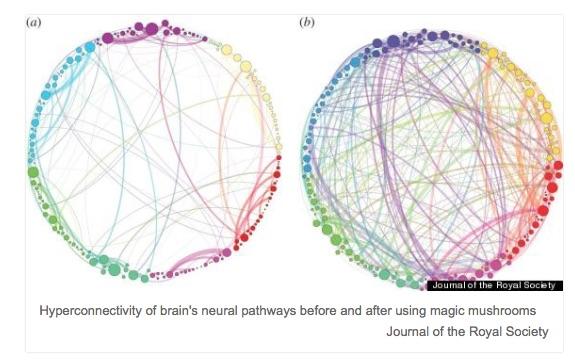






 Dr. Alan K Davis is an Assistant Professor of Social Work at The Ohio State University and an Adjunct Assistant Professor in the Psychedelic Research Unit at Johns Hopkins University. Dr. Davis’s clinical experience includes working with people diagnosed with trauma-based psychological problems such as addiction, PTSD, depression, and anxiety. His clinical expertise includes providing evidenced-based treatments such as motivational interviewing, cognitive behavioral therapy, acceptance and commitment therapy, and psilocybin-assisted psychotherapy. Consistent with his clinical interests, his research interests and expertise focus on contributing to the knowledge of and ability to help those suffering with substance use and mental health problems, understanding how to improve clinical outcomes through examining new treatments, and developing ways to conceptualize substance use and mental health problems through a strengths-based approach.


