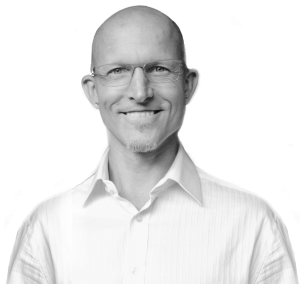
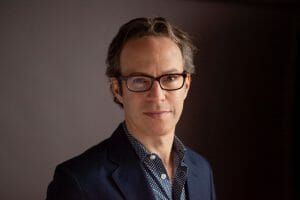
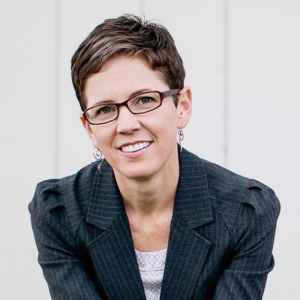
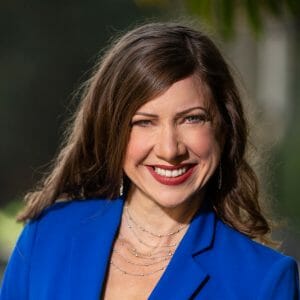
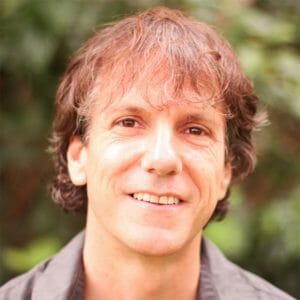
In this episode of Vital Psychedelic Conversations, Kyle interviews Michael Sapiro, PsyD: clinical psychologist, writer, meditation researcher, integrative coach, former Buddhist monk, Vital teacher, and now 3-time podcast guest.
They begin with what he feels is the most vital conversation we should be having now, then he discusses the idea of bringing psychedelics to prisons; his mental time travel work with The Institute for Love and Time (TILT); building an ecosystem where those with means pay full price to enable those with less money a discount; rebuilding trust in the medical community; and the difference between a diploma and real-world experience and proper training.
And he talks about the mystical experience, working with clients, and education: how so much more training is necessary than people realize, and how so much of the true education is learning how to vocalize an internal experience (and then integrating the positive aspects into everyday life). He talks about the complicated dynamics involved in what many see as a fantasy career; how he knows when to intervene; how he views “doing your own work”; whether or not the work can be gentle or joyous; the idea of joking during a session; his work with combat veterans and the intensity of 5-MeO-DMT; mainstreaming mysticism; and trusting that the universe has our backs.
Notable Quotes
“We want people to have real, internal experiences that they’re aware of and they can vocalize, and that is the actual education; not just the knowledge I’m giving them about what this drug does to the brain or how you identify something. It’s really: What is alive in you, how do you identify what’s alive in you, how do you use it in real time, and then how do you navigate those circumstances and change and grow? That’s the real learning process.”
“The mystical experience is a present moment experience where the universe unfolds in front, within, and around you, and then we integrate that into our human self. So Mike gets this amazing introduction to the universe through an experience and then it comes in and becomes insight and knowledge, and then hopefully practical application. So that’s where I think, in the end, we actually transform; is when that knowledge becomes integrated into the fabric of our own being [and] into our personality, and now Mike and the universe are more melded.”
“Zen is serious until you learn the universe is playful, and then you get to be kind of playful with it.”
“My hope is that all of us touch on the unconditional love that’s here for us, within us. And once you touch that, you can’t not offer it. You can’t not take care of other things. …This work gives us access to what’s already fundamentally true, and helps us bridge that with everything else.”
Michael Sapiro, PsyD, is a clinical psychologist, writer, meditation researcher, and former Buddhist monk. He is on faculty at Esalen Institute, is a Fellow at the Institute of Noetic Sciences, and is completing a study on time travel, hope, and love with Dr. Julia Mossbridge of The Institute for Love and Time. Dr. Sapiro teaches nationally on the art and science of transformation, expanded human capabilities, and futuremaking. He is the integrative psychologist at the Boise Ketamine Clinic where he offers Ketamine-Assisted Psychotherapy (KAP and KAT) sessions, and is an integrative coach with VETS, helping former Navy Seals and other special operations team members recover from combat exposure with psychedelic-assisted therapy. He hosts a syndicated radio program called Radio Awakened out of KRBX. His work is dedicated to personal awakening for the sake of collective and planetary transformation. He can be found at Michaelsapiro.com.
In this episode of the podcast, Kyle interviews Laura Mae Northrup, LMFT: author, educator, somatic psychotherapist, and host of Inside Eyes, a podcast focusing on the use of psychedelics for healing sexual trauma.
Northrup is the author of the just-released Radical Healership: How to Build a Values-Driven Healing Practice in a Profit-Driven World, which, although not focused on psychedelic work specifically, was largely written on or inspired by psychedelics, and is beneficial for people entering the field as psychedelic practitioners (she calls it “a self-help book for healers”). She talks about the book and ways to make a sustainable path towards a healthy practice, with the most important factors being to build in time for joy and inspiration, and to continuously do your own work.
She discusses what “doing your own work” really means; what people struggle with when entering the field; the idea of ”action movie therapy”; the ways gained power, unconscious motivations, or issues you haven’t worked on can influence the ways you work with others; why preparation is maybe more important than integration; capitalism and why practitioners shouldn’t feel bad about charging money for their services; the importance of trauma training; the need for community and developing relationships with colleagues; and why, while society usually feels differently, you don’t actually have to be perfect to become a healing practitioner.
If you’re interested in Radical Healership, we have a discount code for you thanks to North Atlantic Books! Go here and use code psychedelicstoday for 30% off and free shipping!
Notable Quotes
“What you’re doing, especially if you’re working in a psychological or spiritual realm, is that you’re using your own being as your instrument. And so, just like somebody who is a surgeon that is using a surgical knife; you would want that person to be cleaning that surgical knife and replacing it when it’s dull and really tending to this surgical knife. This isn’t the same as just trying to cut up a tomato for dinner and it’s okay if the knife gets a little dull over the years. You want to make sure your instrument is well cared for, and that is you. It’s your being.”
“We’re so obsessed with the pinnacle moment or the peak experience that we don’t value appropriately all of the more mundane experiences that actually allow that peak experience to happen safely. Absolutely, the people I see doing the most profound healing work for themselves [and] getting a lot out of psychedelic medicine; they did a lot of prep. We talk a lot about integration, I think, in the community, but we don’t talk as much about preparation, and I actually think integration flows a lot more easily if you’ve done a lot of preparation.”
“There’s kind of this fantasy healing practitioners can get into where they’re like, ‘I’m not going to charge anything’ or ‘I’m going to charge really little.’ And I would say one individual person driving themselves into lifelong debt and not charging enough money is not actually changing the system. I think it’s masochistic. I think a lot of healing practitioners do it, and to all the healing practitioners listening right now that struggle with this, I want to speak to you and I want to say: I want you to be a okay, because we fucking need you so that you can actually help people heal, and when you’re driving yourself into the ground and stressed out and you can barely support yourself, you’re not taking care of yourself enough to support other people. So please charge enough to be okay.”
“Finding our way through capitalism involves connecting ourselves to a deep, deep, deep sense of love.”
Laura Mae Northrup, LMFT is an author, educator, somatic psychotherapist, and podcaster. Her book Radical Healership (Feb 2022) is a spiritually-informed and anticapitalist guide for healing practitioners who seek to build a values-driven healing practice. She is the host and creator of the podcast Inside Eyes, an audio series about people using entheogens and psychedelics to heal from sexual trauma. Her work focuses on defining sexual violence through a spiritual and politicized lens, mentoring healing practitioners in creating a meaningful path, and supporting the spiritual integrity of our collective humanity. You can learn more about her work here: www.lauramaenorthrup.com.
Prolonged negative body image will often lead to depression and anxiety, and unfortunately for many people, can lead to body dysmorphia or an eating disorder. Could psychedelics help reframe one’s relationship with their body?
These conditions primarily impact women, and now more of them are coming forward to share how psychedelics are helping them leave a constant cycle of dissatisfaction, body dysmorphia, and the accompanying anxiety, depression, and stress. They explain how the use of psychedelics helped them develop a new relationship with their eating disorders and improve their self-image.
While large-scale studies are (currently) scarce, the anecdotal evidence of these shifts is powerful.
“The first time I sat with a hero’s dose of magic mushrooms, I realized I could put my eating disorder down and never carry it again,” shares Francesca Rose, who is now an eating disorder recovery advocate. “It finally clicked: my eating disorder was not part of me. It wasn’t even mine. It all made sense. I was free from my eating disorder. I no longer needed to control food or my body to feel safe or worthy.” Having her life changed through the use of psychedelics and being on the recovery path for 13 years, this psychedelic-assisted shift is part of what led her to add her current work; supporting other women with eating disorders along their healing journeys.
For many women, talking about their insecurities is still seen as a taboo, weakness, or shameful. Yet finding a supportive space to speak of one’s challenges, plus engaging in embodied experiences – including psychedelic sessions – can offer a gateway to healing. Rose’s work also includes leading embodiment practices via yoga and conscious dance. By helping women speak of their struggles and reconnect to their bodies, she aims to break these stigmas.
Adding in the intentional and safe use of psychedelics can allow women to reconnect with their bodies and cultivate a gentler relationship with themselves. Rose says, “An eating disorder is unconsciously employed as an attempt to feel protected in the world and to even give a sense of meaning and identity. The internal world is fractured and the eating disorder is a way to try to stitch things together, even if it’s an unsustainable method. When we are journeying with psychedelics and engaging in post-journey integration, people can find they rely less on the eating disorder because there is a general sense of ease in the world and more internal wholeness. We can get in touch with our essence, and connect with our inherent worth, belonging, dignity and divinity. Psychedelics can help us embody pride and self-acceptance. We can connect to love, and feel our capacity to give and receive love.”
To have a better understanding of these conditions, we need to first comprehend body image. For most women, it’s not as simple as liking or disliking their own bodies. Body image is complex, and can include a combination of our feelings, beliefs, and perceptions of how our body looks to us and others, the understanding of what it can do, and its estimated size.
Body image issues can start as early as 5 years old. Changes to our physiques kicked off by puberty can deepen our dissatisfaction. Culture also exerts a huge influence on the way we view ourselves. The way society sees gender, the color of skin and hair, and countless other things can also impact the way a person thinks and feels about their physical appearance.
Body dysmorphia is a psychological disorder characterized by an excessive concern for the body, causing the person to overvalue small imperfections or even imagine imperfections. This creates a negative body image and lowers self-esteem. It can drive possible eating disorders and problems in social, professional, and personal lives. Both men and women may experience body dysmorphia and eating disorders, though women are three times more likely to have their lives affected by it.
In the United States, approximately 30 million people suffer from some type of eating disorder. Of these 30 million, 70% do not have the assistance of a specialized professional. As a consequence, anorexia nervosa, one of the most common eating disorders, has a 5.9% mortality rate – one of the highest rates within mental health conditions.
The Potential of Psychedelics in Building a Positive Body Image
Eating disorders are notoriously challenging to treat relative to other mental health disorders. Traditional treatments, such as Cognitive Behavioral Therapy (CBT), have a remission rate of about 45%, a relapse rate of about 30% within one year, and can be hard to follow. Now, some experts and researchers are considering psychedelic therapy as an alternative, and are analyzing the potential benefits of this treatment.
“Eating disorders typically develop as maladaptive coping mechanisms when internal resourcing is overwhelmed by what’s happening in a person’s life,” says Lauren Taus, a California-based therapist who offers ketamine-assisted sessions. Taus and other therapists who contributed their perspectives for this piece say that psychedelic therapy can alleviate the symptoms that are normally associated with these conditions, such as depression and anxiety, in ways that traditional therapy fails to achieve. As Dr. Adele Lafrance points out in this article for EdCatalogue, psychedelic therapy has “the potential to alleviate symptoms that relate to serotonergic signaling and cognitive inflexibility, and the induction of desirable brain states that might accelerate therapeutic processes.”
Taus shared an example of her own work with psychedelics as an alternative treatment that helped her with many of her challenges, including her eating disorder: “My experience with empathogens has invited me to see how much conflict was warring inside of me. I saw all the pain of my personal history, and all that was beyond my control in my family system. Fundamentally, these psychedelics invited me to directly process what was beneath the surface. I accessed great grief, rage, and fear while opening to deep levels of love and compassion for myself and everyone else. I understood my parents and the choices they made, so I could forgive them. I also sourced the willingness, desire, and strength to fight for myself – and my life.”
Listen to Lauren Taus in her episode, “Wellness Through Yoga, Meditation, and Psychotherapy here.
So what is it about psychedelics specifically that can facilitate profound breakthroughs like Taus’? For starters, they can positively impact the Default Mode Network (DMN), which handles communication between brain regions. This region appears to be hyperactive in some mental health conditions, including depression, anxiety, and OCD. And certain hallmarks of eating disorders, such as the poor cognitive flexibility seen in many anorexia nervosa patients, may also be related to an overactive DMN. Studies such as “Rethinking Therapeutic Strategies for Anorexia Nervosa: Insights From Psychedelic Medicine and Animal Models” indicate that psychedelics lower the activity in this area, and, by doing so, allow us to create new thought patterns, giving us a fresh perspective on life, the world, and ourselves.
Another way that psychedelic psychotherapy can be effective is by helping a person understand the true source of their feelings of dissatisfaction. A 2013 analysis of why eating disorder therapy fails reveals that a patient’s resistance stems from the disorder’s “ego-syntonic” nature. Ego-syntonic means that the ego’s demands and aspirations drive many of the disorder’s behaviors, feelings, and values. Psychedelic substances can offer a temporary dissolution of the ego, allowing the possibility of transformation, healing, and change of certain behaviors, thought patterns, or addictions.
Taus explains that “Psychedelic assisted psychotherapy supports embodied change where traditional psychotherapy often stays in the realm of cognition and intellect. A person, for example, may come to understand with depth and clarity their patterns in therapy, but still struggle to shift them.” For example, a woman might know that purging is a harmful behavior that leads to feelings of shame. “She may even know exactly why and when it all started, but still she may not be able to stop. Psychoactive substances can create experiential shifts that more efficiently translate into internally-led and sustained behavioral change. The job of the therapist is to provide a safe container for the exploration and a good relational context for a person to make sense of the experience and to anchor in the good that comes from it.”
It’s important to highlight that the use of psychedelic substances on their own does not work as a magic bullet and treatments must be done alongside psychotherapy and/or other healing modalities such as journaling and yoga. A holistic approach seems to be the most effective path to long-term healing for women with eating disorders and body dysmorphia.
Ketamine, ayahuasca, MDMA, and psilocybin are the four psychedelics that have been the focus of the majority of the latest research for the potential treatment of eating disorders. Let’s take a look at how each one could help with eating disorders:
Ketamine:
Ketamine is a non-classical psychedelic that can alter consciousness for a short period of time. This synthetic compound’s antidepressant qualities have been researched for treating severe depression, PTSD, and OCD.
Ketamine can be administered through IV, injected, taken orally, or it can be insufflated (blown into a body cavity, such as the nasal passages). The dose is titrated according to weight, with the understanding that everyone metabolizes the medicine differently. Ketamine is known for its dissociative effects, such as feeling like things are moving in slow motion or that you are separated from reality, with objects looking different and other characteristics that can be seen in this study.
“With regards to ketamine, the dissociative experience can translate into more joy in embodied experience. Ketamine-Assisted Psychotherapy (KAP) creates a break from the ordinary mind and a loosening of the belief systems that eating disorders are so rigidly held by. From a scientific perspective, psychedelics interrupt the default mode network, which governs self-image, memories, beliefs, and patterns.” says Taus. “The drug essentially creates an opportunity to reorganize the brain into a system that is more supportive for good living. Ketamine also results in increased neuroplasticity, which creates a golden hour opportunity for potent therapy work with a client 24-48 hours after a KAP experience.”
Ayahuasca is a fermented herbal drink that contains dimethyltryptamine (DMT), one of the most potent psychedelic drugs known for its role in shamanic or religious ceremonies. The brew has been utilized as a sacred ritual by various South American Indigenous tribes for at least 1000 years. Journeyers frequently claim mystical and transcendent visions that lead to self-discovery.
The ayahuasca experience has the ability to favorably affect behavior, stimulating self-reflection and increased awareness. Studies suggest that drinking it can aid in the treatment of anxiety, addictions, and depression, as well as eating disorders by also shifting body perceptions.
MDMA, another laboratory-created compound, has a physiological effect that alters people’s behavior such as openness. MDMA boosts serotonin levels while also upping oxytocin, dopamine, and other chemical mediators, resulting in feelings of empathy, trust, and compassion. The substance also has an effect on the way people process trauma and emotions for a period of several hours.
In clinical settings, MDMA is taken orally in capsules. The patient first takes a full dose (75-125 mg) and has the option to add a second dose about 2 hours into the session. An MDMA session will typically last between 6 to 8 hours.
MDMA causes an increase in prefrontal cortex activity, which is important for information processing, and a slowing in the amygdala, the part of the brain that is key in processing memories and emotions associated with fear. The key therapeutic benefit of MDMA is its capacity to excite the brain, allowing it to create and store new memories. Patients become more emotionally flexible and capable of exploring challenging memories during psychotherapy sessions, which often leads to long-term changes in how they react to emotional changes.
Psilocybin is a substance generated by more than 100 different mushroom species around the world. Psilocybin is said to have the best safety profile of all psychedelic substances. The fungi could be useful in the treatment of eating disorders by targeting the brain’s serotonin imbalance and therapeutically shifting the person away from symptom-focused treatment. This could establish changes in self-worth and self-compassion.
Aside from that, the efficacy of psilocybin therapy in the treatment of OCD shows how it could be useful in the treatment of eating disorders, as obsessive thoughts and compulsive and obsessive actions are also common hallmarks of eating disorders.
Reclaiming Ownership of Your Body with Psychedelics
Psychedelics can help women see their eating disorder as a coping mechanism and not as part of their identity. Once they embody this insight, they can also slowly start to replace bad habits with healthier and kinder new habits. They can rewrite the inner narrative of lies and self-limiting beliefs about their bodies.
Once more, there is a need to emphasize the importance of integration, relationships, and a holistic approach alongside other therapeutic methods and modalities. Change comes with time, effort, and consistency, especially when deconditioning behaviors that have been a big part of our lives for many years.
When asked about how long it takes for those changes to fully take place, Rose points out that “Eating disorders and addiction are transformational experiences that hold enriching value. Indeed, the word, ‘transformation’ means change or conversion. When thinking about recovery, it is not about stopping or restricting a behavior but rather allowing it to change and transform, taking us along for the ride so that our beliefs, feelings, thoughts, behavior, and action take a new form. Grounded, sustainable change does not happen overnight.”
“For me, recovery is about inner personal and spiritual growth, and incremental daily, positive changes. My experience with eating disorders and addiction has led me to believe that they offer lessons and advantages, transforming me into more of who I truly am: alive, free, appreciative, and connected.”
Although more research is still needed to better understand the safety and efficacy of psychedelic medicines and therapy in the treatment of eating disorders, the promising results we’re seeing show that this is a worthy goal to pursue. Stories such as Rose’s and Taus’ are just two among many other women who have experienced transformational change thanks to these compounds.
“With the support of therapy, community, spirituality, and relationships, I no longer judge my body, or effort to dominate her,” says Taus. “My experiences with plant medicines have supported me in understanding my body as a perfect part of nature, and in much the same way that I don’t complain about the shape of a leaf or a wave, I accept – even appreciate – the parts of me I’ve historically struggled with.”
“The power of psychedelic-assisted therapy is in its experiential quality,” she says. “When knowing meets feeling and understanding, we can galvanize the courage and strength needed to shapeshift our lives and reconstruct ourselves.”
In this episode of Vital Psychedelic Conversations, David interviews Andrew Tatarsky, Ph.D.; author and developer of Integrative Harm Reduction Psychotherapy, and Juliana Mulligan; writer and head of Inner Vision Ibogaine, which supports people in their preparation for and integration of ibogaine treatment. Both are involved with our Vital program, and both are part of The Center for Optimal Living in NYC (CFOL); Tatarsky as the Founder and Director, and Mulligan as the Psychedelic Program Coordinator.
Mulligan tells her story of overcoming opioid dependence through an almost deadly ibogaine treatment, and how later, she began to see two major issues quickly becoming a problem: the continued labeling of psychedelic interventions as “miracle cures,” and the alarming lack of knowledge so many people seemed to have about preparation and integration. Tatarsky discusses his realization that traditional 12-step or abstinence-only programs were contributing to what he calls “treatment trauma,” and how breaking the rules in how he treated people led to a newfound interest in harm reduction and the creation of the CFOL.
They talk about reframing addiction, the ways society divides us by accepted behaviors, how being taught to doubt ourselves as children creates trauma, the idea of the “disease narrative” and self-demonization, how research studies support the idea of the quick fix, and harm reduction as a pathway to a better self.
The CFOL is currently running an 8-week virtual training series with a focus on intersectionality and social justice called “Working with Psychedelics to Treat Substance Use Issues,” featuring names like Gabor Maté, Laura Mae Northrup, Courtney Watson, and Dr. Carl Hart. Mulligan developed the curriculum by asking her favorite people in the psychedelic space what they were most passionate about. Check out the event page here.
Notable Quotes
“The harm reduction framework is about not imposing barriers, expectations, our values [and] our agendas on the people that we’re trying to be helpful to. It’s about radical acceptance and respect and empowerment, and therefore we can truly meet people where they are as unique humans in unique social and relational environments and create a safe space to support people in discovering their truth and their goals and what approach to positive change makes sense to them. So it’s non-ideological, it’s non-prescriptive, and I think it really is a very powerful way of engaging folks. And it works!” -Andrew
“I had to go through homelessness and getting beaten up and going to jail and all of this, but the most traumatizing thing for me was being told repeatedly that I had a disease for life that had no cure and I had to admit that I was powerless and say that I was an addict for the rest of my life, and if I stopped going to these meetings, then I would end up in a jail, institution, or I would die.” -Juliana “In the psychedelic world in general, we need to get away from this kind of ‘miracle’ language or even ‘10 years of therapy in one night.’ That kind of thing, I think, is playing into the notions that we’ve been taught in capitalism that you can buy your way into getting what you want or there’s some kind of magical overnight fix for things. There’s not.” -Juliana “We’re losing hundreds of thousands of people a year from lethal overdose or drug poisoning because of prohibition. Our American gulag is filled with mostly people of color and folks in marginalized communities because of the simple use or possession of a substance. I mean, these are catastrophic outcomes of prohibition. If anybody ever believed that prohibition was supposed to be helpful to vulnerable people, I think that’s been glaringly exposed as a terrible lie.” -Andrew
Andrew Tatarsky, Ph.D. has worked with people who struggle with drugs and their families for over 40 years. He developed Integrative Harm Reduction Psychotherapy (IHRP) for treating the spectrum of risky and addictive behavior as an alternative to traditional abstinence-only substance use treatment. IHRP brings relational psychoanalysis, CBT and mindfulness together in a harm reduction frame and meets people wherever they are on their positive change journeys, working collaboratively to support people in discovering their truth and what goals and approach to positive change best suit them. The therapy has been described in a series of papers and his book, Harm Reduction Psychotherapy: A New Treatment for Drug and Alcohol Problems, which has been translated into Polish and Spanish and is currently being translated into Russian. He holds a doctorate in clinical psychology from the City University of New York and is a graduate of New York University’s Postdoctoral Program in Psychoanalysis and Psychotherapy. He is Founder and Director of the Center for Optimal Living in NYC, a treatment, education and professional training center based on IHRP. He is a member of the Medical and Clinical Advisory Panels of the New York State Office of Addiction Services and Support. He has trained individuals and organizations in 19 countries. His writing, teaching, clinical work and leadership aim to promote a re-humanized view of problematic substance use and a harm reduction continuum of care that will extend help to everyone who needs and wants it wherever they are ready to begin their positive change journeys.
Juliana Mulligan has been an active member of the Ibogaine community for nine years and is currently working on her MSW at NYU. She runs Inner Vision Ibogaine, supporting people in preparation for, and in integration after treatment. She is also the Psychedelic Program Coordinator at the Center for Optimal Living. Previously Juliana was an opioid dependent person, and in 2011, with the help of Ibogaine treatment, she left opioids behind and set off on a path to transform the way drug users and their treatment are approached. She has been featured in DoubleBlind magazine, Chacruna, Woman’s Day magazine, and Psymposia.
In this episode of the podcast (and episode 3 of Vital Psychedelic Conversations), Kyle interviews Kylea Taylor: M.S.; LMFT; Grof-certified Holotropic Breathwork® practitioner; Vital teacher; and author of several books, including her newest, The Ethics of Caring: Finding Right Relationship with Clients (which you can win a signed copy of here).
She discusses her past and what she’s doing now, from learning breathwork from the Grofs at Esalen; to working through (and with) her 5-year spiritual emergency; to her work bringing breathwork to a residential substance abuse recovery program; to her InnerEthics® program, which she developed after realizing how traditional ethics education didn’t come close to covering the intricacies of working with non-ordinary states of consciousness.
They talk about how much the psychedelic community undervalues the reciprocity and knowledge one can gain from sitting for someone else; how a facilitator’s simplest question to ask when looking to intervene is, “Who’s this for?”; the need for therapists to have their own experiences and learn the territory of the medicines they’re using, how our multiple selves complicate already-complicated relationships, and three tools likely not yet mentioned in this podcast: Angie Arrien’s naming ceremony, SoulCollage®, and Brainspotting.
Plus, they talk about having dreams about taking psychedelics (have you ever had one?), and Kyle tells the story of his psychic dream – or as this show notes writer believes, his “making-prank-calls-while-sleeping” incident (sleep-pranking?).
Notable Quotes
“Informed consent is completely different, because how do you describe what a person is going to go into if they’ve never been into it? They’ve never had an extraordinary state of consciousness, let alone experience with that particular medicine. So you can describe it, but do they understand it? And can they really make an informed consent?” “There’s exponential kinds of connections between the multiple selves, and it gets really confusing to sort out, so it’s another reason to know ourselves as well as we can, and to have experience in these states, and also to trust – when in doubt, go back to trusting the inner healing intelligence.” “Therapists, with psychedelic-assisted therapy, need to be properly prepared and experienced, and know their scope of practice, and know themselves. I think trainings are doing a good job and we’ll get better as we go, but I think experience is the part that it seems like people are going to have to take care of themselves. If they really want to do the best they can for their clients, then they need to do it. We need to do it. We all do.”
Kylea Taylor, M.S., LMFT developed and teaches InnerEthics®, a self-reflective, self-compassionate, approach to ethical relationship with clients that she is now teaching in psychedelic psychotherapy trainings. Kylea started studying with Stanislav Grof, M.D. and Christina Grof in 1984 and was certified by them as a Holotropic Breathwork® practitioner in 1990. She worked with Stan Grof and Tav Sparks as a Senior Trainer in the Grof Transpersonal Training throughout the 1990s, and worked for nine years in a residential substance abuse recovery program. She is the author of The Ethics of Caring: Finding Right Relationship with Clients, The Breathwork Experience, Considering Holotropic Breathwork® and is the editor of Exploring Holotropic Breathwork®.
In this episode of the podcast, Joe sits down with Co-Founder and CEO of Numinus, Payton Nyquvest, this time for a full episode (you may remember that he had a brief segment in Solidarity Friday #86).
Nyquvest tells the story of how ayahuasca became the cure for his chronic pain, and discusses pain in general and how we deal with it: how people so often fall into a box where their diagnosis becomes their identity, and how so much of healthcare is about alleviating the symptoms but never getting to the root cause.
He talks about how Numinus came about; how Health Canada’s Special Access Program could be huge towards more legalization; his concerns with the rush to ketamine and virtual therapy; patents and Compass Pathways; the importance of a safe container and community; and the need for a shift in how we view psychedelics and self work, from something we view as a last ditch resort to something we treat more as regular preventative tune-ups or check-ins.
Numinus is working with MAPS in their Phase 3 MDMA for PTSD study, and due to a license amendment by Health Canada that now allows them to produce a product from natural fungi, they have just produced what may be the first legal psilocybin mushroom since the 1970s.
Notable Quotes
“[I] saw this possibility [that] someone, through shifting their mental health and mental state, could greatly become a better version of themselves. And so, in my mid-to-late teens, became very, very passionate about mental health and my own mental health, and the intersection of mental health [and] physical health, and the recognition that you can’t compartmentalize the two. They’re all part of the same thing.”
“If you look at AA for example, there’s not a city on the planet I think that you could go to where you don’t find an AA community. And while certainly all these communities have their strengths and weaknesses, it really shows that with a really, really strong community, you can really help facilitate a lot of healing. …While the psychedelic experience is important, the integration and ongoing support and community is, I would argue, as important or more so.” “I encourage everybody to read the results from the MAPS Phase 3 work, which is probably, I would argue, the most astounding clinical data we have on psychedelics for treatment-resistant PTSD, which, for anybody who doesn’t know; treatment-resistant PTSD is– this is a population of people who have tried every other treatment and have failed. Over 80% of people who went through the MDMA protocol saw a significant reduction in their symptoms and 67% actually no longer met the PTSD criteria after three treatments. That’s a cure for treatment-resistant PTSD, which is just an astounding thing to be able to say.”
Payton Nyquvest is the Founder, Chair & Chief Executive Officer of Numinus, a company that empowers people to heal and be well through the development and delivery of innovative mental health care and access to safe, evidence-based psychedelic-assisted therapies. He has a deep understanding of the psychedelic industry from its infancy, driven by life-saving personal experiences with multiple therapy modalities. Additionally, Payton has deep business leadership experience, particularly in the finance sector, and is a recognized innovator and visionary in mental health care. At Numinus, he guides teams leading strategy, innovation, research and clinic network expansion, and supports the marketing and capital markets functions. He is responsible for raising more than $70 million for Numinus in the past year, and is quoted widely in media such as CTV, Forbes and the New York Times. In addition, he brings more than 15 years working in finance, investment and retail banking with some of Canada’s leading independent investment firms, including Jordan Capital Markets, Canaccord Financial and Mackie Research Capital. In these and other roles, he has raised more than $100 million for a variety of small cap companies.
“Education is not the filling of a pot, but the lighting of a fire.” – William Butler Yeats
The interest in psychedelics as a therapeutic tool is growing at a rapid pace, both by individuals looking for better solutions outside the current medical regime, and by practitioners looking for new and better ways to help their patients.
Even though regulatory systems lag behind, a paradigm shift in healthcare is clearly under way. The demand for safe, ethical, and effective treatment and integration is growing exponentially. Now more than ever, it is vital that educated, informed practitioners are ready and equipped to provide care when called upon.
After enrolling over 9,000 students in our eLearning platform and graduating over 500 in our eight-week, 47-hour program, Navigating Psychedelics, we’ve heard a lot about what people want and need from an in-depth training program – and also, what isn’t being offered out there. Our students have told us that training can be overly prescriptive, rigid, and clinical, with logistical hurdles and barriers to acceptance.
That’s where Vital comes in. Our new 12-month certificate program fills gaps in the current landscape of psychedelic training – both in course content and structure – and takes a holistic, experiential, and reflective approach to psychedelic practice and integration.
Here’s how Vital is different:
A truly inclusive training program. Vital welcomes students of all backgrounds – licensed or unlicensed clinicians, medically-trained healthcare professionals, legacy operators, and integrative wellness practitioners. All previous experience, informal learning, and formal training will be considered when reviewing applications.
A drug agnostic approach that equips practitioners with the knowledge to work with clients who use or are interested in exploring a range of psychedelics. There is no one-size-fits-all approach to psychedelic therapy, and the potential benefits are not limited to a handful of substances.
A holistic curriculum balanced between clinical and scientific research and protocols, while also focusing on philosophical self-reflection, transpersonal psychology, Indigenous traditions, and somatic approaches to healing trauma.
An opportunity to learn from and interact with world-renowned researchers at an economical scale.
A modular and malleable curriculum with finance and scheduling flexibility, designed to accommodate a global student population.
An open forum on harm reduction that encourages honest discussion on personal experiences with substances in a safe space.
Vital at-a-Glance:
Vital was created by Psychedelics Today Co-Founders Joe Moore and Kyle Buller, M.S., LAC, and a team of people dedicated to helping others master the elements of psychedelic practice and contribute to the healing of the world. The culmination of over 15 years of work in psychedelic practice, the first Vital cohort of 100 students kicks off on “Bicycle Day,” April 19th, 2022.
Course content is packaged into five core modules, covering: psychedelic history and research; clinical therapies; the art of holding space; medical frameworks; and integration theories and techniques. Each comprehensive module spans between seven to ten weeks of specialized lectures led by guest expert teachers as well as more intimate study groups facilitated by our instructors.
The best teachers are those who show you where to look, but don’t tell you what to see.
-Alexandra K. Trenfor
World-Class Teaching Team:
Over the years, Psychedelics Today has developed relationships with a humbling number of leading researchers, historians, clinicians, and bright minds working in research and application, advocacy, spiritual practice, and patient care. We’ve assembled some of the very best to work with Vital students, including:
Ben Sessa, M.D. Chief Medical Officer at Awakn Life Sciences, licensed MDMA and psilocybin therapist, academic writer, and psychedelic psychopharmacology researcher.
Ayize Jama Everett, M.A., M.F.A. Fiction writer, practicing therapist, and Master’s of Divinity who teaches a course called “The Sacred and the Substance” at the Graduate Theological Union.
Richard Schwartz, Ph.D. Developer of the Internal Family Systems (IFS) model, adjunct faculty of the Department of Psychiatry at Harvard Medical School.
We believe that no amount of learning from clinical studies, reading textbooks, or listening to an instructor can make up for first-hand experience with holotropic states. Furthermore, we believe openness and sharing of experience validates clinical evidence, helps inform research and the approach to patient care, and helps undo stigma and misguided perceptions caused by the war on drugs.
Throughout the course, students will be challenged to deepen their personal understanding of psychedelics and reignite their transformation by attending one of six experiential retreats (in either the United States or abroad). Stay tuned for more details on dates, locations and pricing.
While the deeply experiential nature of the course supports the growth of practitioners, the course is also designed to equip participants with the knowledge they need to establish a psychedelic-informed practice from the ground up. For coaches, facilitators, mental health and complementary health practitioners, Vital provides a thriving community of specialists to support their mission.
Promoting Equal Access and Career Development:
Fair access to psychedelic medicine begins with fair access to essential education. In addition to flexible payment plans for all students, we’ve committed to provide scholarships for 20% of students from each cohort, sponsoring up to 100% of tuition to support their mission.
Scholarships are awarded on a case-by-case basis, and are reserved for people who:
Are in demonstrated financial need
Identify as BIPOC
Identify as LGBTQIA+
Are military service members/veterans
Serve marginalized or geographically underserved communities
At the end of the program, graduating students receive a certificate in Psychedelic Therapies and Integration. CE credits will be offered, but stay tuned for more details.
Full details on scholarships and credits are in the extended course brochure, available on the Vital website.
Program registrations are open now, and close at midnight EST on March 27th. Acceptance will be offered based on eligibility and order of submission (with priority to students receiving scholarships). Once all seats in the initial cohort are filled, subsequent approved students will be placed on a waitlist and invited to join the course when a spot becomes available. Interested students are encouraged to apply as soon as possible. Apply here.
Gathering as professionals in psychedelics has taken on new meaning. It’s more – a lot more – than just networking now.
In early December, Horizons: Perspectives on Psychedelics (an annual conference often referred to just as ‘Horizons’) re-emerged from the proverbial ashes of COVID-19; a pandemic that led to the dismantling of social connectivity and a general feeling like we were moving with momentum. With the pandemic came distance: social distance, emotional distance, and psychological distance. We stopped going to work together, we stopped learning together, we stopped moving and growing together. Reconvening at Horizons was therefore much more significant than just attending a regular conference.
Pandemic or not, the Horizons conference already played the role of a psychedelic sandbox where the psychedelic community convenes each year – a place where we get to see how widespread the community really is, and where each conversation is an opportunity to learn from our peers. It is a place where we can learn together, cry together, break bread together, and dance together. It is a place where we can be our most authentic selves, see others, and be seen. And it is a place where difficult conversations are encouraged to be had.
I heard a colleague explain that at other conferences, we are often introducing psychedelics to a new audience that sometimes lacks the capacity to grasp the shadow of psychedelic therapy. Contrarily, Horizons seeks to shed light on our shadow. It seeks to broaden our collective dreams of what is possible in the psychedelic space while learning from our past. By having those difficult conversations in front of 2,000 people, we get to grow collectively – as a community, and as a movement. And this year’s Horizons, more than ever, was an opportunity to rebuild a sense of collective effervescence.
Collective Effervescence
Sociologist Emile Durkheim coined the term “collective effervescence“as a “shared state of high emotional arousal related to intensification of emotions by social sharing, felt in religious and secular collective rituals, irrespective of their content (joyful feasts or sad funerary rituals), which empowers the individual.” Essentially, collective effervescence occurs when there is a shared sense of engagement with something bigger than the self, warranting a personal sense of empowerment. In developing the Perceived Emotional Synchrony Scale, psychologists Anna Wlodarczyk, Larraitz Zumeta, and their fellow researchers determined that some of the key conditions for collective effervescence to emerge are a “shared attention on one or more symbolic stimuli” and a sense of “intentional coordination or behavioral synchrony among the participants in a given gathering.” Ultimately, they argued that “the relevance of emotional synchronization in collective gatherings [is] conducive to strong forms of social identification, particularly the overlapping of the individual with the collective self.”
Our new 12-month certificate program, Vital, begins April 19th. Registration is closed, but sign up for the waitlist for next year’s edition now at vitalpsychedelictraining.com!
By blurring the lines between the individual and the collective self, Wlodarczyk and her colleagues suggested that a sense of collective effervescence ultimately “pulls humans fully but temporarily into the higher realm of the sacred, where the self disappears and collective interests predominate.” It is no surprise that a conference discussing the ethics and future of the psychedelic movement would incite a collective effervescence so strong that a perceived sense of emotional synchrony may occur, where there is indeed a “co-present other” that becomes closer and closer to a perceived sense of self.
This is how I want to see the psychedelic movement evolving and growing, with the collective interest dominating a sense of self. The uniqueness and radicalness of this movement will only come from our ability to enter into this shared sense of togetherness, and into a “higher realm of the sacred” and not to bypass it. How can we do this?
“Shadow work” is a term those in the psychedelic movement have heard countless times. In psychedelic healing, shadow work is not about eradicating the shadow. Rather, it is about shedding light on it and getting to know it deeply, so that when it shows up, it is not unfamiliar. By working with the shadow, we become better equipped to handle what may come up as a result of trauma. If we do not have a safe space to have these conversations, to be held in our confusion, and to be educated on our blind spots, then how can we move forward? How can we call ourselves a revolution if we are not rethinking the way we engage with our work each and every year?
Horizons is a place where we learn about cutting edge research in science and in the clinic, new models for approaching business, and cultural matters. But more importantly, it’s an opportunity to converge as a community and reflect on the previous year together, shedding light on our blind spots and engaging in shadow work to build a sense of collective effervescence and a unified goal. While there were many great presentations this year, three in particular really encapsulated all of this.
Doing the Work with Laura Mae Northrup
Without a doubt, the most impactful talk of the weekend for me was from marriage and family therapist, Laura Mae Northrup, who, in light of recent events, spoke about sexual misconduct in the psychedelic space. Shivers ran down my spine as she powerfully proclaimed these words into the microphone: “Mental health clinicians self-report engaging in sexual violations with their clients at rates of 7-12%. We don’t have data on corresponding rates of psychedelic therapies, but we have no reasonto believe it would be any less than our non-psychedelic counterparts.” She spoke with conviction, with grace, and emotion. She had us all in tears, reflecting on the very real fact that the clinicians who are at a higher rate of sexually abusing their clients are male clinicians who were sexually abused as kids.
Northrup highlighted that we are in a cycle of abuse; that healing trauma is painful, and without doing so effectively, we will continue to cause harm to others. She did not name names, and she did not stand on that stage building a pedestal for herself (regardless of how compelling it seemed, as she noted). Instead, she served her community and said what needed to be said. If there was one takeaway from her powerful talk, it was that “we need to heal ourselves.” She took what was frantically scrambling around everyone’s minds and hearts, and put it into powerful and sensical words. She made it make sense.
Tears continued to flow down my face as Horizons founder Kevin Balktick approached the podium, applauding Northrup for the outstanding courage it took for her to get on that stage and speak from her heart. He then declared that sexual abuse and misconduct should not be a “women’s issue”; that it always has, and certainly should be, a men’s issue as well.
Eradicating the Promise of a “Miracle Cure” with Juliana Mulligan
The second presentation that captivated my attention was from ibogaine treatment specialist, Juliana Mulligan, who spoke of her experience of being sent to jail for using heroin, being thrown on the streets in the middle of Bogota, Colombia, and finally seeking refuge in what she was told was a miracle “cure” for opioid dependence. She then shared her own horrifying journey of getting off of opioids by going to an ibogaine center that did not have the proper protocols in place.
She brought about gasps in the crowd when she told us that the clinic did not have a heart monitor and that they gave her twice the safe dose of ibogaine – certainly enough to kill anyone, she clarified. When the clinic noticed her abnormal EKG readings and decided to seek professional and medical help, she was refused by three hospitals largely due to a lack of understanding on how to handle her situation, being overwhelmed with patients, and not believing that someone her age could be having a heart problem. Finally, when the fourth hospital almost turned her away, she had her first of six cardiac arrests due to her high dose of ibogaine. She explained that she remembers very little about her experience on ibogaine, but that she woke up with a tiny fraction of the usual opioid withdrawal symptoms, the feeling of a huge weight lifted from the guilt and shame of years of substance use, and a newfound clarity around her life’s mission.
Despite her experience at this ibogaine clinic, Mulligan has not turned her back on the promise of ibogaine in treating opioid dependence. In fact, she has dedicated part of her career to ensuring that people are equipped with the tools and knowledge on how to choose an ethical and effective ibogaine clinic – something she realized was necessary due to the many vulnerable people who don’t know what to look for when choosing an ibogaine clinic. Often, people do not take the time to learn about the proper protocols needed to provide this treatment, with many acting out of desperation in an attempt to “fix” their issues as quickly as possible. Her main point was to remind us of the dangers of selling ibogaine as a “miracle cure,” and how damaging it can be for people to have the idea that Ibogaine will fix their issues overnight.
Speaking Softly in Recollection with William Leonard Pickard
Finally, ex-convict William Leonard Pickard held us all in a state of awe as he eloquently and captivatingly shared his story of spending 21 years in prison for allegedly producing 90% of the United States’ supply of LSD. He spoke softly, and took long pauses between his sentences, his descriptive tone allowing me to truly visualize the scene where a CIA agent pointed a rifle at his forehead while uttering, “I’m going to blow your brains out.” He told us about the violence that occurred in prison, and how he became desensitized to fights and killings while he would quietly sit and eat his lunch. He showed us photos of a prison cell, and told us about how he fell in love with American Literature, and that without that – coupled with deep meditation, he may have not survived.
Pickard reminded us all why we were sitting in that room and why we need to change the way psychedelics have been viewed since the 1970s. The majority of the people in that room are privileged enough to never experience going to jail for psychedelics, and getting a glimpse into that reality reminded us why rewriting the psychedelic script in America is critical.
Composting Emotions into Inspiration
In exploring rituals where collective effervescence is powerful, Wlodarczyk and her team discuss the way in which both positive and negatively valenced rituals ultimately lead to a shared sense of emotion and heightened well-being. Indeed, what truly comes through in these rituals is “the creation of a positive emotional atmosphere in which grief, sadness, anger, and fear are transformed into hope, solidarity, and trust.”
Contextualizing these experiences –sexual misconduct in psychedelic healing, the wrongful advertisement of ibogaine as a miracle cure, and the harsh realities of the drug war and the American justice system – provides our collective community with the opportunity to transform these emotions of grief, sadness, anger, and fear into a shared sense of solidarity. We were provided with the opportunity to compost these moments of disappointment and turn them into something productive, where the unified goal of ethically bringing psychedelics to modern American lives empowers each and every one of us, both on a collective and individual level. This is how we can heal and move forward as a collective movement.
These three presentations are simply a glimpse into the moving stories that were told on that stage. The breadth of content shared allowed us the opportunity to reflect on what the world could look like once we systematically dismantle the war on drugs, and what is effectively involved in doing so: the clinical trials for which researchers have put their careers on the line, the endless volunteer hours that policy makers and lawyers have been putting toward changing legislation, the repairing of relationships with Indigenous communities through the work of the Native American Church and the Religious Freedom Restoration Act, the importance of doing our own work in order to help others heal from their trauma, and the dangers of presenting psychedelics as a magic bullet.
There are many pathways to attain psychedelic healing. Horizons provides a space for the entire range of themes that ought to be considered in bringing psychedelics to the modern world. In order to achieve this goal, we must do so collectively. We must reimagine what it means to be successful, and we can only do this by building a collective sense of self. To do this, we must continue to have these conversations, processing fear and anger into hope and solidarity. If we want to see the psychedelic movement radically change the world we are living in, we must face the music by continuing to have these difficult conversations and seek to elevate collective effervescence.
In this episode of the podcast, Kyle and David interview Andrew Penn: nurse practitioner, Co-chair for Sana Symposium, Associate Clinical Professor at the University of California–San Francisco School of Nursing, and Co-founder of OPENurses; a professional organization for nurses interested in psychedelic research.
Penn discusses how he came into the world of psychedelics and how in his early days, the only way to talk about psychedelics for therapeutic use was in a sidebar to speeches on drug abuse. He talks about reframing that conversation, the progress he’s seen, why psychedelics and SSRIs may actually work together, microdosing and the placebo effect, how the placebo effect may play into other aspects of healthcare you might not have thought about, why psychedelics needs more skeptics, and the importance of care in healthcare.
He talks about OPENurses (The Organization of Psychedelic and Entheogenic Nurses), which he co-founded to make sure more nurses are involved (and front-facing) in the psychedelic space. He feels that nurses are more prepared for psychedelic treatment than other professions, but the biggest hurdle they’ll face will be learning when to not intervene and just let something play out (something that’s very common in psychedelic therapy but not at all in traditional medicine).
And lastly, he talks about how we need to stop romanticizing the idea that you need to have a huge experience with re-lived trauma in order to heal, and that we should have an appreciation for the subtle – that change is gradual, and often it’s more about creating a better relationship with the thing we can’t change than eliminating it.
Notable Quotes
“Back in those early days, the only way I could talk about psychedelics was, essentially, embedded in a talk about drug abuse. In fact, the very first time I talked about MDMA as a therapeutic agent was in a talk about bath salts.”
“I think it’s interesting that as a community of people who really are not necessarily rational materialists – you know, we’re not necessarily mechanistic in our way of thinking – that people get really mechanistic about microdosing; that it’s like, ‘Oh, it’s this tiny little dose of LSD or whatever that is making this change.’ And I’m a little puzzled why people want to essentially take a regular dose of a psychedelic. I mean, how is that any different than taking a regular dose of Fluoxetine or Lexapro or something like that? I just don’t see it as being that radical, quite honestly. …LSD is not a naturally-occurring compound. It has to be synthesized. So does Fluoxetine. I mean, maybe psilocybin, but I’m just a little puzzled by the phenomenon.”
“I think psychedelics needs more skeptics, honestly. I think we either have to bring the skepticism ourselves, or other people and other forces who are not as convinced as people in the psychedelics community will do it for us. I used to have a therapist years ago who liked to say, ‘Do you want to be uncomfortable on your terms or on somebody else’s?’. And I think that’s a great question that the psychedelics field could ask themselves, because if we don’t bring this level of scrutiny and skepticism to our work, then other agencies like the FDA will.” “When you’re trained in healthcare, we’re often explicitly taught (or implicitly taught) that we need to dosomething; you know, what’s the intervention? What’s the thing you’re going to do? And often in psychedelics, the thing to do is to hold still. …I think the drive to intervene is well-intended but often, ultimately can be incorrect. What we all need to learn (not just nurses, but just all of us in this profession) is that sometimes the right answer is to watch this unfold. Choosing not to intervene is actually an active process.”
Andrew Penn, NP was trained as an adult nurse practitioner and psychiatric clinical nurse specialist at the University of California, San Francisco. He is board certified as an adult nurse practitioner and psychiatric nurse practitioner by the American Nurses Credentialing Center. He has completed extensive training in Psychedelic-Assisted Psychotherapy at the California Institute for Integral Studies and recently published a book chapter on this modality. A leading voice for nurses in psychedelic therapy, he is a cofounder of OPENurses, a professional organization for nurses interested in psychedelic research and practice and was a study therapist in the MAPS-sponsored Phase 3 study of MDMA-assisted psychotherapy for PTSD and is a Co-I in the Phase 2 Usona sponsored study of psilocybin-facilitated therapy for major depression. Additionally, he is a co-author in a recent article in the American Journal of Nursing on psychedelic assisted therapies, the first in 57 years. He is the Co-chair for Sana Symposium, a leading national CME meeting on psychedelic therapies.
Currently, he serves as an Associate Clinical Professor at the University of California-San Francisco School of Nursing and is an Attending Nurse Practitioner at the San Francisco Veterans Administration. He has expertise in psychopharmacological treatment for adult patients and specializes in the treatment of affective disorders and PTSD. As a steering committee member for Psych Congress, he has been invited to present internationally on improving medication adherence, cannabis pharmacology, psychedelic-assisted psychotherapy, grief psychotherapy, treatment-resistant depression, diagnosis and treatment of bipolar disorder, and the art and science of psychopharmacologic practice. He also keeps regular blogs on all things psychiatric and has been interviewed in Forbes, the Los Angeles Times, and on the BBC World Service.
In this episode of the podcast, Joe interviews Chairman and Chief Executive Officer of Tryp Therapeutics, Greg McKee.
Tryp Therapeutics, a fairly young, early-stage biotech company, is focusing on nociplastic pain (the hard-to-explain pain where nothing seems physiologically wrong, but a nerve signal related to pain seems to be stuck in the “on” position) and how it could be alleviated through the rewiring often possible in the psychedelic experience. They are first looking at psychedelics for chronic pain and eating disorders, and when this podcast was recorded, had just received FDA clearance to begin a fibromyalgia study at the University of Michigan (with studies on phantom limb pain, complex regional pain syndrome, binge eating disorder, and hypothalamic obesity likely coming after). They are also working on a psilocybin derivative-based novel compound and novel route of administration/protocol, possibly with the ability to stop a difficult trip when necessary.
McKee discusses the origins of Tryp, the benefits of using synthetics, 5-MeO-DMT, how the Nixon administration killed research progress, the positives to take away from Compass Pathways’ preliminary psilocybin Phase 2B trial results, MAPS and possible insurance models, Robin Carhart-Harris, why a lot of early psychedelic investors may be mistakenly panicking, and the idea of insurance covering the treatment of a patient for a period of time rather than number of visits.
Notable Quotes
“We think that there’s a huge opportunity to unleash the full potential of psychedelics, well beyond traditional mood disorders.” “It’s a fascinating field, no doubt. There’s a lot to be learned and there’s still a lot more questions, frankly, than answers. That’s the thing that’s really quite surprising. I mean, I’ve been on a learning curve [and] I got right to the edge fast, because I realized, ‘Oh shit, nobody has the answers to these questions.’”
“The thing about synthetic is that it just allows you not only to have consistency and all that that we just [talked] about, but it allows you to scale so you can impact so many other people’s lives. So it is a little bit of a pain in the backside to go through this process, and I can totally get why certain people are saying, ‘Hey, why do we need the pharma industry to do this?’, but on the other hand, if life science investors and biotech and pharma companies do get involved and push this through to market; boy, you’re going to be able to treat so many more patients.”
Greg McKee serves as Chairman and Chief Executive Officer of Tryp Therapeutics. Greg has served in executive management positions for more than 20 years. He started his career in life sciences with Genzyme before serving as Chairman and CEO of publicly traded Nventa Biopharmaceuticals. Greg also served as CEO of CONNECT, a startup accelerator, and as Co-founder and Managing Director of Torrent Ventures. Greg earned a BA in economics from the University of Washington, an MA in international studies from the University of Pennsylvania, and an MBA from the Wharton School. He has worked in Tokyo for seven years and has been a member of YPO since 2006.
In this episode of the podcast, Joe interviews Clinical Professor at the University of Florida, College of Pharmacy: Oliver Grundmann, Ph.D.
While Grundmann’s focus is the neuropharmacology of natural products in general (especially those with potential for dependence), this episode is entirely about a substance that has been mentioned on the podcast, but never fully dissected: Mitragyna speciosa – otherwise known as kratom.
And they cover it all: What to look for when purchasing kratom; possible risk factors and drug interactions; the contaminants most often seen; its history with the FDA; its safety profile; what the veins mean when people describe kratom as “red vein;” what is being researched today; what an alkaloid is; how to safely explore kratom and monitor dosing; what the future could hold; and of course, the science behind how it works. Get ready for mitragynine, 7-hydroxymitragynine, and the μ-opioid receptor to be part of your vernacular!
Grundmann is currently analyzing Top Tree Herbs‘ products to see how they differ from others, specifically looking at how much mitragynine people are actually getting when drinking a tea dissolved in water (vs. levels from the whole plant dissolved in methanol, which most current research shows). He believes more real world evidence could help push kratom in the direction of being considered a dietary supplement. If you use kratom and want to add to the conversation, you can fill out his questionnaire here.
Notable Quotes
“You tell the FDA something acts on the opioid receptor and they see, immediately: Oh my gosh, we’ve got something else that might contribute to the opioid epidemic. I think that was kind of the concern of the FDA, which is a legitimate concern, but I think, as you pointed out; there is more to the story. You need to look at the whole picture.”
“If somebody who has used alcohol for years in advance is then using kratom and shows signs of liver injury or failing liver, then contributing that to relatively recent kratom use appears to be a stretch. But yet, it is being done in the literature.”
“It doesn’t necessarily always have to be an illicit use of the drug. It can be that somebody was completely, legitimately prescribed an opioid (a benzodiazepine) and then they did not feel adequate symptom relief and they added kratom to it. And the self-treatment of kratom then resulted in a potential drug interaction that led to a fatality. Does that mean that kratom was the causative agent? That is the problem, since we do not know exactly what the effects of kratom are.”
Dr. Oliver Grundmann is a clinical professor at the University of Florida, College of Pharmacy. He serves as the Director of the graduate programs in Pharmaceutical Chemistry and Clinical Toxicology, is a fellow of the American College of Clinical Pharmacology, and his primary research interest is centered on the neuropharmacology of natural products, especially substances with potential for tolerance and dependence development. He has authored over 75 publications, 5 book chapters, and given over 40 presentations at national and international conferences. Dr. Grundmann obtained his BS in Pharmacy from the Westfälische-Wilhelms-Universität Münster in Germany, and his Ph.D. in Pharmaceutical Sciences, MS in Forensic Toxicology, and MEd from the University of Florida. He has been teaching on the subject of natural products, drug abuse, forensic & clinical toxicology, and pharmaceutical sciences for the past 13 years.
In this week’s Solidarity Fridays episode, we tried to have a 2-parter, but like many things in 2021, that just didn’t quite go as planned. Hopefully, the Compass Pathways patent analysis (with patent attorney Stefan J. Kirchanski) can be re-recorded for a future episode. Stay tuned…
In the part that was successfully recorded, Joe and Kyle highlight some recent news: most notably the emergence of the Natural Medicine Healing Act, which will allow Colorado voters to decide whether or not to legalize possession and personal cultivation of ibogaine, DMT, non-peyote-derived mescaline, psilocybin, and psilocyn up to 4 grams (of the actual drug, meaning 4 grams of psilocybin, not 4 grams of mushrooms containing psilocybin), as well as establish “healing centers,” where adults could receive treatment from trained facilitators.
They then cover the University of Texas’ Dell Medical School opening a center to study psychedelics, YouTube user Psyched Substance’s recent admission that his drug use had gotten out of hand and he has quit everything, and Colorado health leaders working to establish specific guidelines around how police, paramedics, and EMTs handle ketamine – which obviously needs to happen after Elijah McClain’s 2019 death from being forcibly given entirely too much.
Also discussed: drug exceptionalism, Carl Hart, Run Ronnie Run!, and how much having family involved in ketamine-assisted therapy could help with the process (even if they have absolutely no understanding of it).
Notable Quotes
“Yes, decriminalizing psychedelic compounds is a step in the right direction. To me, it’s not a holistic step, because we’re still putting people in jail.” -Joe “We do need situations like this with really weird drugs like ketamine. …Are the authorities using it properly? And I think this is a good sign that, in some cases, even though it’s years late, we can improve drug policy.” -Joe
“You have this massive transcendent experience. Who’s to say your friends, family, and people you’re around are going to have any way to relate to that, especially a way that’s positive for you?” -Joe
In this episode, Joe interviews seventeen year veteran of federal policy, past Navigating Psychedelics student, and founder of Healing Equity and Liberation (HEAL) Organization, Micah Haskell-Hoehl.
Haskell-Hoehl talks about growing up in Pittsburg and seeing disparities in how the school system treated him in comparison with people of color, discovering psychedelics and their healing potential, his path to federal policy and creating HEAL Organization, and his realization that psychedelics can not only help heal deep wounds, but also do something less talked about when considering race relations: help white people deal with how they fit into a culture founded in colonialism and white supremacy. He also discusses the nuance in patenting and IP; how private companies have financially benefited from taxpayer dollars; and how, while he’s excited for the future, he’s worried that mental health disparities will get even worse in the coming corporate wave if these medicines are only available to the rich and connected (or if policymakers aren’t thinking of everyone).
Through HEAL Organization, he’s working to gather evidence that proves to providers that it makes financial sense to cover all types of psychedelic therapy, get public funds allocated to give everyone access, and fix barriers so people have the time and resources necessary to work with these medicines. He has worked with the Plant Medicine Coalition to create the National Council on Federal Psychedelics Priorities to collect like-minded individuals and organizations, figure out exactly what psychedelic policy should look like, and take the first steps to get this (unfortunately slow-moving) process going.
Notable Quotes
“From as early as I can remember, [I] can recall thinking there’s not that big of a difference between these kids and [me]. We’re all human. We’re all very much the same. So there’s something going on here that is warping our experiences and our life trajectories, and that’s external to who we are as individual people.” “As a white guy, I know my experience, and I just want to say that I think that there’s really tremendous possibilities out there for white people to deal with our racial shit through psychedelic healing as well. So you know, there’s the whole concept of white fragility and the shirking away of confronting issues of race and systemic oppression; that is a common experience for white people. The way that we, I think, as white people, have internalized trauma that is premised on white supremacy as well. …Psychedelic healing is a real amazing opportunity for us to dig at those issues in ourselves, because the systems of oppression operate external to us, but also through us, and exist inside of us too.”
“I just don’t believe that psychedelic healing can reach its full potential inside of this broken social container where these systems of oppression are just running roughshod over entire communities of people. I just fail to see how that’s possible. So I think as a movement, I would challenge folks to think about why it’s psychedelic to promote a full end, hard stop to the war on drugs.”
Micah is the founder of Healing Equity and Liberation–or HEAL–Organization. It is working to create a justice framework for psychedelic decriminalization, regulation, and healing, using federal policy. He’s worked in federal policy for nearly two decades, including at Vera Institute of Justice and the American Psychological Association. Micah’s both found healing from depression through the use of psychedelics and struggled with substance use, for which he’s been in long-term recovery for over eight years.
Our understanding of the brain in the 1800s was quite different from what we know today – and pretty weird, too.
You can’t throw a tab of LSD without hitting a story about psychedelics these days. While psychedelics are going through a scientific renaissance, 150 years ago, the field was a circus of misinformation and racism. Occasionally though, through that potpourri of misguided madness, it nailed some concepts that still hold up today. Granted, future scientists will most likely write an article clowning the state of psychedelics in the early 2000s to today, but let me be the first to start that vicious cycle by highlighting some of the more ridiculous concepts people believed in the 19th Century.
While there may have been many ethnographic studies of psychedelics dating back to the Bronze Age, the concept of modern neuroscience is a fairly new field. In the 1880s, the interest in neuroscience formed from humanity’s attempt to explain mental illness and addiction through scientific terms as opposed to supernatural spirits possessing bodies. Some neuroscientists in the 19th century believed a person’s cognition, along with predisposition of behavioral traits was rooted in neuroanatomy, which some believed was reflected in the physical structure of the skull. The idea that chemistry played a role in brain functionality was a novel concept that didn’t have much support in the scientific community in the early 1880s. In fact, the closest thing science got to neurochemistry was in 1809, when Johann Christian Reil soaked a brain in pure alcohol for a week just to see what would happen (if you’re wondering, it got really hard and took on the texture of shoe leather).
To first understand the state of neuroscience in the 1800s, we must first comprehend the state of science at the time, and it was bonkers.
Cell Theory, Darwin, and Phrenology
The idea that all living organisms consisted of cells and that all cells originated from pre-existing cells (cell theory) proposed by German physiologist Theodor Schwann in 1839 was revolutionary. It shifted the deeply-held religious belief that life originated supernaturally, and instead, emerged from biological means. It sounds trivial now, but society took a collective seat and came to the realization that each person was a community of cells working in unison to create a ‘Bob,’ Connie,’ or ‘Karen’ (and of course, all those Karen cells wanted to see the manager shortly after being created).
Twenty years after the world recovered from Schwann’s cell theory, Darwin dropped The Origin of a Species, giving birth to the concept of evolution, a radical idea that once again shifted humanity’s focus away from divine creation and more closely towards the modern worldview we hold today.
Science in the 1800s was also notoriously racist. Many people used Darwin’s evolutionary theory to justify hateful pseudoscience that revealed the most vile aspects of humanity. While he was able to consciously remove himself from the 19th century racism that prevailed in science at the time, most could not. Franz Joseph Gall constructed the basic ideologies of phrenology in 1808, which was a belief that a person’s mental aptitude could be determined by bumps and ridges in a person’s skull — evidence Gall believed was the pressure of the neuroanatomy of the brain on the skull. More specifically, he believed a person’s behavior was localized in different compartments in the brain — a total of 28 areas to be exact. Things like ‘the firmness of purpose,’ ‘love of poetry,’ and even a place in the brain that’s responsible for a person’s tendency to murder, Gall insisted, could be determined through cranial anatomy.
When phrenology emerged in Europe in the 1800s, most scientists discarded the idea since its foundations were based on faulty neuroanatomical information. Gall was tossed out of Austria for proposing such an obviously absurd idea and eventually ended up in France, where even Napoleon Bonaparte ridiculed his concept of phrenology. When the rest of the world seemed to collectively reject phrenology as the pseudoscience it truly was, it found a home in America — because at that conflicted time, obviously it would.
With abolitionist movements spreading across the country along with the social underpinnings of what would be known as the Civil War, phrenology was used as a “scientific” reason to justify slavery in America and the overall disgusting treatment of Indigenous people as land continued to be removed from tribal territories. However, phrenology did have its fierce opponents, like John P. Harrison, editor of the Western Lancet, a peer-reviewed medical journal that caught the attention of Southern political leaders when it was introduced to America (and is still in print today). With the assistance of books like Phrenology Vindicatedby Charles Caldwell and Crania Americana by Samuel Morton, political leaders had the “scientific” backing to make absurd claims like Africans were neurologically designed to be enslaved and Indigenous Americans were biologically a different species than white people — which made stealing their land a natural process ordained by God.
Amongst the incendiary nature of science during the 19th century, the unlikely emergence of psychedelic neuroscience occurred — and like all things in the 1800s, it was undoubtedly a product of its time. That’s a nice way to say it was sometimes wrong and mostly racist, but interestingly enough, it got some things right.
Neuroscience can be defined as the objective study of the brain and the central nervous system. The first neuroscientist to analyze the effects of psychedelics was Germany’s Louis Lewin in his book, Phantastica. Although it was officially released in 1924 when Lewin was 74, it contained his collected psychedelic research that took place in the late 1800s. Among the many drugs he categorized, he decided not to call psychedelics “hallucinogens” since not all substances elicit a hallucinatory response. “Phantastica” was the word he decided on, along with other equally interesting names like “Inebriantia” for drugs like alcohol, and my personal favorite, “Excitantia” for substances like caffeine and nicotine.
Lewin was never really a scientific rock star in his time though, mostly because he refused to renounce his Jewish heritage in 19th-century Germany – racism and anti-Semitism in the scientific community at this time went hand-in-hand. However, Lewin did get the props he deserved in psychedelics when Paul Henning of the Berlin Botanical Museum named peyote Anhalonium Lewiniiin Lewin’s honor.
Around the time Lewin came on the scene, most people were describing psychedelics in a subjective manner, wrapped up in pseudo-science and religious mysticism. People weren’t tripping because of psychedelic-induced neurological activity — evil spirits possessed the taker of the psychedelic, which meant evil behavior was soon to follow. Metaphysics, with its focus on the nature of human consciousness and existence, was rapidly growing in the 1800s. Lewin believed that describing psychedelics in metaphysical terms would ruin what we could potentially learn from them. His research was wholly focused on dispelling the pseudoscience that surrounded psychedelics, yet Lewin fell into the trap of anointing psychedelics with otherworldliness with his idea that an invisible force called ‘vital energy’ surrounded all living things. Lewin believed this vital energy governed all chemical, mechanical, and physical properties of each person and that psychedelics had the ability to interrupt this energy. He also believed a person’s resistance to psychedelics was dependent on the strength of their vital energy.
This wasn’t the first time Lewin would take an L in his neuroscientific research of psychedelics. When assessing the capability of certain psychedelics on the brain, he assumed (1924, p. 8) that black people naturally had a higher recovery rate than whites:
“We may take it as a fact that Negroes have greater recuperation powers than white people. This is due not to climatic conditions but to certain innate qualities possessed by them.”
In his writings, he didn’t seek to prove this theory — it was just taken as matter-of-fact; another symptom of the 19th century. Lewin also insisted Indigenous people knew of their own racial inferiority, which is why they self-medicated with psychedelics:
“The Indians of South America are said to have an intuitive appreciation of their own defectiveness, and to be ever ready to rid themselves of such melancholy feelings by intense excitement, i.e. through kola and similar drugs” (p. 2).
Still somehow, Lewin believed psychedelics ‘form bonds in people of all walks of life’ (p. 7). He realized the diversity of people was so great that a one-size-fits-all explanation of human physiology and psychology in regards to psychedelics wouldn’t suffice. Likely influenced by Darwin’s The Origin of Species, Lewin made a strong case for the adaptations of organisms to a variety of external influences like psychedelics. He believed a skilled anthropologist could trace the development of culture directly to the availability of psychedelics, an idea shared 100 years later in Terence McKenna’s Food of the Gods. Lewin was also one of the first scientists to see the health benefits of psychedelics, mostly based on accounts of Indigenous people taking them for mental health.
In the 1800s, a small but prevailing idea amongst scientists was that psychedelics created a “trip” by activating ductless glands in the body to secrete hormones into the endocrine system. Lewin thought the theory was BS and instead theorized that psychedelics excite certain “brain centers” to “transmit agreeable sensations” (p. 3) through the chemistry of the substance. He basically described what we now know as psychedelics acting as serotonergic agonists that bind to mostly 5-HT2A receptors in the brain — an original theory Lewin established nearly 50 years before the discovery of serotonin.
Lewin’s assumption that psychedelics hit specific cortical regions through something like the serotonin system was remarkable, but only because he made other successful guesses like recognizing that every chemical study on the brain up to that point was conducted ex vivo, or on a dead brain, and that in vivo neuro research conducted on a living brain may have chemicals that were not present or didn’t transform into something else upon death. He also knew about the brain’s need for oxygenated blood and suggested that psychedelics may affect this process. Neuroscience had to wait 100 years for Lewin’s idea to be tested with BOLD (Blood Oxygen Level Dependent) brain imaging through MRI.
When it came to theoreticals, Lewin had a few. One of his notable ones was the idea of a toxic equation, which is a loose formula that dictates everyone has a certain resistance to the effects of psychedelics based on their neurophysiology and overall physiology. On the surface, it sounds like a reasonable idea, but digging deeper, it gets a bit irrational. His general belief was that people built up a resistance to psychedelics due to parts of the brain weakening and not being able to process these substances. There’s still no proof of this over a century later though, and in 2021, Dr. Ling-Xiao Shao conducted research that pointed to the opposite. Psilocybin actually strengthens dendritic density in the brain and repairs neurons that have atrophied due to stress and depression. Lewin also believed cells had ‘will-power’ and when a person takes a psychedelic after not taking it for a long time, the memory of the ‘agreeable sensation’ is just too strong to resist and that’s how people become addicted again (p. 18).
Learning From the History of Psychedelics
Unfortunately, psychedelic neuroscience research didn’t really catch on in the 19th century, mostly because civilization almost collapsed due to a global opioid addiction that crippled nearly every economy and led to prohibition in the early 1900s. The bigotry and racism of the 19th century confined Louis Lewin’s research of psychedelics into a box that takes a lot of ethical unpacking to fully absorb.
The origin of neuroscience is shrouded in poorly constructed science and whacky ideas which were specifically designed to marginalize groups of people from the discussion of who could be considered human. It has a dark past, but with a more defined scientific method and newer ideas, the future of psychedelic neuroscience is whatever we make it. In every natural system, diversity is the key defining factor for the progression of that system. These ideas aren’t mine or even new — Darwin wrote several books on this. This same need for diversity also applies to psychedelic neuroscientific research. History shouldn’t serve as an obstacle for the exponential amount of discovery that can be revealed if we all work together. We will get there.
This week’s Solidarity Fridays episode is another 2-parter: A Joe and Kyle discussion followed by the recording of Joe’s interview from Meet Delic with CEO of MINDCURE, Kelsey Ramsden.
In part 1, Joe and Kyle address a recent issue with the Facebook group and a rather accusatory tweet, then discuss something most people who are excited about the prospect of ketamine as medicine aren’t talking about: whether or not ketamine is addictive and therefore a concern for people with substance-abuse issues. And they talk about a Vice article showing some of the shortcomings of Mindbloom and how they highlight the various issues with at-home ketamine therapy and what really counts as ketamine therapy vs. just simply using ketamine. And lastly, inspired by PT writer Zeus Tipado‘s tweet, they wonder if “mystical” is the word we should be using to describe the psychedelic experience – and is the mystical what we should always be striving for?
And in part 2, recorded in a White Castle parking lot in Las Vegas, Joe briefly speaks with Kelsey Ramsden, CEO of MINDCURE. She discusses iSTRYM, their app designed to use A.I. to examine real-time data from users and provide drug-agnostic insights and recommendations, as well as collect and update different protocols for physicians to use with clients. And she talks about MINDCURE’s other big piece, the Desire Project, which is researching MDMA (and possibly other drugs) to help with Hypoactive Sexual Desire Disorder (HSDD), an affliction that leaves women unable to feel sexual desire (and is much more common than you may think). MINDCURE will also be manufacturing synthetic ibogaine for research studies.
Notable Quotes
“It is interesting when I hear people talk about psychedelics and always wanting to talk or be oriented towards the mystical. …Is it always mystical? Is that something that we always need to point towards for these experiences?” -Kyle “When my undergrad was going on, I was kind of obsessed with this idea of enlightenment, opening up the chakra system, kundalini experience, etc., because I was positive that once I had that, everything else in my life was going to be solved. …I found an intellectual runaround to the suicide thing. It was a spiritual, intellectual solution to my deep dissatisfaction to how my day-to-day was looking. So I was really obsessed with transcendence and mysticism and all this other stuff as a way to avoid my life – classical spiritual bypass. And people may wonder why I have a little bit of snark around this topic. It’s because I lived it. I was there, I was in it. I was not doing very healthy stuff on the regular and also having this kind of interesting transcendent thing I was looking for that would ‘solve everything.’ And that’s what people are looking for, is a single thing to solve their lives and then everything’s good from there. Well, no. You’re not going to get that.” -Joe
From Kelsey Ramsden’s segment:
“I think the sleeper (the secret sauce, if you will) is the protocol catalogue: this idea that a therapist can unlock a variety of protocols in there for different patients and get personalized care at that level, as well as it lets all of us who are developing protocols and drugs get a new revenue line. …We have the content and we distribute it and so that allows us to pick up value at every segment of the value chain, and create an amazing product that can unify mental health care globally. That’s a big statement, but there’s no reason we can’t.”
“I think data’s going to move the science. We know that and that’s what we’re all working on. But story is going to move the culture. I was on a panel the other day and someone was smacking down one of the people who has enrolled a celebrity spokesperson. But for a segment of the population, we’re still in an echo chamber. We’re still in our small world. [Celebrities can move the needle] if it’s the right person with the right message at the right time, for the right audience. …If the right people can put their hand up and say ‘I did this, it helped me, it changed my life,’ and that makes someone explore it and make their own opinions? Amazing. There was someone like that for me.”
With Over 15 years founding, scaling, and operating innovative businesses across several industries, Kelsey Ramsden has built multiple eight-figure companies from the ground up. She is an experienced leader and acclaimed entrepreneur, twice recognized as Canada’s Top Female Entrepreneur of the Year. After serving as MINDCURE‘s COO, Mrs. Ramsden steps into the President and CEO role as of December 1, 2020. She possesses a thorough understanding of the mental health industry and a clear vision of where it is going.
In this week’s Solidarity Fridays episode, we have another split podcast, with side A bringing you a short PTSF check-in from Joe and Kyle, and side B featuring an in-person interview recorded at Wonderland withNuminus Co-founder and CEO, Payton Nyquvest.
Joe and Kyle first talk aboutupcoming courses (and possibly an in-person pop-up in Breckenridge?), Wonderland, Covid, and whether or not psychedelics are in an “ivory tower,” as Dr. Alex Belser, Chief Clinical Officer of Cybin, suggests they are. And they discuss Mike Tyson: his insistence on saying “toad,” his relationship to Gerry Sandoval, and the dangers of celebrities promoting the further endangerment of such highly threatened species.
Then we go back to Miami where Joe and David speak with Payton Nyquvest of Numinus, a company with two major pieces: ketamine-assisted psychotherapy and a clinical platform offered through Numinus Health, and Numinus Biosciences; which recently produced the first legal psilocybin product derived from natural psilocybin-producing mushrooms. He discusses how his mother’s substance abuse recovery and a trip to an ayahuasca retreat center taught him how to reimagine his chronic pain as a gift, the need for reciprocity, and what the recentCompass Pathways results show us about integration. And he asks an important question we don’t often ponder: Why do healthcare providers only offer psychedelics after they’ve tried everything else? Why not first?
Notable Quotes
“I was in the trauma ward at Lion’s Gate Hospital, I booked my flights while I was in the hospital, went home, packed my bags, and got on the plane. I’m hesitant to create an expectation of a panacea or anything like that, but one week with ayahuasca and I never had any chronic pain issues ever again.”
“We keep talking about treatment-resistant depression, treatment-resistant anxiety or treatment-resistant PTSD, and the reason why the psychedelic space has seen this re-emergence is there’s a huge burden on the healthcare system at the moment, and there’s this recognition that psychedelics could take some of that burden off of the healthcare system. So why are we putting psychedelic treatments at the end of a patient’s life-cycle? Why should they have to go through this prolonged period of suffering? …Why is it not a standard of care, with curative intent? Put it at the beginning. …If they’re safe and effective, why are they not prioritized?”
“When I speak with institutions and stuff like that, they say, ‘Wow, you guys really seem to be approaching this from a 3-5 year standpoint, and intentional.’ And my response is: ‘Who’s not?’ …Let’s not be short-sighted, and recognize [that] a paradigm shift in healthcare is so significant. We haven’t seen significant innovation in mental health in 35-40 years. So that’s a big shift. …Let’s not try and squeeze psychedelics into old paradigms of the pharmaceutical space or something like that. Let’s recognize that these are interventions, and where do they fit within the healthcare system?”
Payton Nyquvest is the Co-founder, Chair & Chief Executive Officer of Numinus, a company that empowers people to heal and be well through the development and delivery of innovative mental health care and access to safe, evidence-based psychedelic-assisted therapies. He has a deep understanding of the psychedelic industry from its infancy, driven by life-saving personal experiences with multiple therapy modalities. At Numinus, he guides teams leading strategy, innovation, research and clinic network expansion, and supports the marketing and capital markets functions. He is responsible for raising more than $70 million for Numinus in the past year, and is quoted widely in media such as CTV, Forbes and the New York Times. In addition, he brings more than 15 years working in finance, investment and retail banking with some of Canada’s leading independent investment firms, including Jordan Capital Markets, Canaccord Financial and Mackie Research Capital. In these and other roles, he has raised more than $100 million for a variety of small cap companies.
In this episode, Joe and Kyle interview CEO & Co-founder of Nue Life, Juan Pablo Cappello, from his home in Miami during the Wonderland conference.
Cappello first talks about growing up in Chile and provides some history; covering how peyote became religious and how Catholicism spread through the Americas like a franchise system. And he talks about his family’s relationship with San Pedro, his entrepreneurial past (starting the first online bank in Latin America), and how selling that company for $700 million felt like an abject failure.
He discusses how the idea of depression and PTSD being symptoms of an unaddressed root cause led to the creation of Nue Life, and what he wants to do with what he considers a primarily data-based company: use the massive amounts of data connected devices are already harvesting from us (digital phenotyping) for our benefit rather than our detriment. He believes most medical models focus primarily on the continued income from maintenance medications like antidepressants, and instead, A.I. could use this data to recognize patterns in behavior and make recommendations based on each user’s specific data points – a sort of health ecosystem attuned to what works best for each person.
While he’s very excited about the progress so far (data from 2k people, Nue Life being licensed in five states with five more coming soon), he also talks about his concerns with the current psychedelic gold rush: how Big Pharma is pushing pioneers in the space into restrictive models, and why we will soon see a flame-out of many of these emerging highly-appraised companies.
Notable Quotes
“At the height of the drug war under Clinton, we had 2.2 million people going to jail for drug crimes. This year, it’ll be 2.1 million. So we still have huge, huge numbers of people being incarcerated and going to jail, and for me, that’s because of the way we’ve managed the cannabis industry. And I really, especially at a conference like this where it becomes about the money (not about the impact); I’m very, very concerned that we’re going to find ourselves missing this once-in-a-generation opportunity to make real progress. And real progress really begins with decriminalizing these amazing substances.”
“We’re not a psychedelics-focused company. We’re a mental wellness-focused company that’s going to use whatever technologies are available to drive these extraordinary patient outcomes.”
“How can we, rather than having our phones be a source of body dysmorphia and negativity and a place I feel compelled to go to but it ultimately is bringing me down – how can we turn that technology around and have it be something that helps elevate our patients? …We’re constantly giving out [data] but that data can be used, like a lot of tools, for good as well as for bad, and we’re in a position where we’re really saying: let us be one of the first companies that’s going to use this data for good.”
Juan Pablo Cappello is a passionate entrepreneur who believes in the power of technology and innovation to address humanity’s biggest challenges — mental wellness being one of them. In his home country of Chile, Juan Pablo has seen both the trauma caused by years of a military dictatorship and the power of psychedelic therapies to heal that trauma. As Nue Life‘s CEO & Co-founder, Juan Pablo measures the company’s success by how many lives Nue Life positively impacts.
In this week’s Solidarity Fridays episode, we’re doing something a little different and featuring two shorter interviews, recorded in a media room at theWonderland Miami conference last week. First, Joe andDavid interview Ahmad Doroudian, Ph.D., the CEO & Director of BetterLife Pharma, and then David speaks with Dr. Abid Nazeer, Chief Medical Officer at Wesana Health.
After a brief Joe rant that touches on Wonderland, biopiracy, rising sea levels, and psychedelics for problem solving, we jump into Ahmad Doroudian’s recording, where they mostly talk about the non-hallucinogenic compound, 2-Bromo-LSD. While LSD has shown great signs at being effective for the treatment of cluster headaches, many people (including Doroudian) do not want to experience the hallucinatory part of this medicine, so BetterLife Pharma has been researching using this LSD-relative to address this very need (and it may be even safer than LSD too). They also touch on another compound, TD-010, which could be a safe and non-addictive alternative to benzodiazepines.
Part 2 of this split podcast features David sitting down with Chief Medical Officer at Wesana Health, Abid Nazeer. He talks about opening the first ketamine clinic in the midwest;Daniel Carcillo; the need for integrative wellness; and traumatic brain injuries, which they’re researching alongside MAPS. He talks about what he wants to do with Wesana Health, which is essentially creating a “center of excellence” hub where a patient can be referred to different departments (spokes) specializing in any number of possible healing modalities, all under the same network.
Notable Quotes
“Can we put this together in a way that is patient-friendly, cost-effective, all the things that are more or less a big pharma approach, to something that could really make a difference? It’s not specialized, you don’t need to have a high net worth to get this treatment, and you don’t need to worry about side effects.” -Ahmad Doroudian
__________________
“I told my wife that I want to open up a private practice ketamine/psychiatry clinic a couple of days after we found out she was pregnant with twins. She’s like, ‘Now? Is this the right time?’ There’s never a right time, but if you feel it, you should go for it.” -Abid Nazeer
“We’re complex beings and the brain is super complex, so that whole hypothesis that it’s all about up-regulation of serotonin or dopamine or norepinephrine receptors; I don’t think it’s going to hold weight in the long run. There’s too many other factors involved, and psychedelics are teaching us that you can approach this in a whole different way.” -Abid Nazeer
“It’s almost like some programs focus on therapy, some focus on biology, and the needle should be right in the middle for the best effect. And I think psychedelics are the first thing to actually bring it back to that.” -Abid Nazeer
Ahmad Doroudian, Ph.D. is the Chief Executive Officer & Director BetterLife Pharma. He has more than 20 years of experience as a Pharma CEO in finance, including M&A, and multiple IPOs, Integration of pharmaceutical operations (Whitehall Robbins, Rhone Polenc, Boehringer, Aventis). He is the Founder of Merus Labs (NASDAQ: MSLI), which sold for $300 M+ in 2017. He specializes in acquisition, integration, tech transfer and management of branded pharmaceutical products Enablex®/Emselex®, Entrophen®, Sandomigran®, Sintrom®, Vancocin®, Zaditen®.
About Dr. Abid Nazeer
Dr. Abid Nazeer is the Chief Medical Officer for Wesana Health and is a leader in the fields of addiction, ketamine therapy, and pharmacogenetics, currently spearheading research into ketamine and cognition. He was previously Chief Medical Officer for a national network of addiction focused clinics, pioneered the first dedicated outpatient psychiatric based ketamine clinic in the Midwest, and lead the PTSD clinic at Overton Brooks VA Medical Center.
In this episode, Joe interviews Erica Rex: writer and participant in one of the first ever clinical trials using psilocybin to treat cancer-related depression.
She talks about her complicated path to becoming part of the study; the study itself; her frustrations with the clinical and dehumanizing aspects of research; and how integral communication, community, and integration were toward her healing. They discuss the importance of self-analysis and doing self-work under the right circumstances: Are you too close to your everyday environment? Who or what is causing you to feel this way? Are you in a place in life where you can be ok with being destabilized for weeks or months?
And she tells three different stories of spontaneous mystical experiences; tears in the fabric of her universe where the lines between reality and dreams were blurred, including one where a friend’s deceased mother (who she had never met) spoke to her in a dream about her own family. And this leads to a discussion about the DSM, psychiatry, and how we don’t know anywhere near enough about schizophrenia or these strange brushes with the mystical.
Notable Quotes
“I just assumed, for no reason other than people encouraging me to take psychedelics, that I don’t need to take that stuff because I see horrible things when I’ve got a migraine anyway — why would I want to go there? Of course, ironically, I learned once I got to Hopkins, that in fact, that probably would have helped me.”
“[In Europe,] doctors cannot get their minds around the idea that an American (where ‘everybody has money’) has to leave the country to get treatment and care for a medical condition. This has to be gone around and around and around, both in England and in France, more times than you could possibly imagine. They cannot get their heads around it.” “I can’t stress enough that the integration part, ideally, is done where there is community involved. …This is about community and coming away from that horrible isolation of depression back into contact with the rest of the world in a constructive and more advanced and more clear-thinking and more elevated (if you want) way. …In some ways, it’s more important than taking the drug. The drug is an accelerant. The drug does its job, but the drug is not the point. The process is the point.”
Erica Rex writes about science, environment, mental health, climate, and the forces shaping all of them. She’s written for The New York Times, Scientific American, The Times (UK), and is the recipient of a National Magazine Award. She was a subject in one of the first clinical trials using psilocybin to treat cancer related depression in 2012. Her book-in-progress traces the story of psychedelics through the lens of her quest to heal from childhood trauma. Ms Rex’s unique perspective shows how psychedelic medicine provides a pathway out of trauma, a light at the end of a very long tunnel.
In this episode, Joe was in Las Vegas for the Meet Delic conference, and, inspired by the presentation by Jesse Gould and Roger Sparks, decided to record an episode with three veteran friends for a special Veterans Day release.
While the three vets chose to keep their names and personal details anonymous, they share a lot about the military and the difficulties of transitioning back into civilian life. They talk about how there’s actually a lot of drug use in the military (and how essential nonstop stimulants or painkillers are to some); how little there is in the way of a transition process; and how the normal mind state for most soldiers is a combination of tucking all emotions and anxiety away, assuming they’re going to die, and powering through until there’s time to work through it all (which of course never comes).
They also talk about a lot of issues the rest of us don’t necessarily think about, like how hard the demanding schedule of deployment is on one’s personal life, how much families are affected by the mental health of someone on deployment, how tough it is to become like family with fellow soldiers only to have them go away, and how challenging it is for someone who has good mental health practices in play to be able to continue them once in the service.
But it’s not all dark, as they also talk about how psychedelics, meditation, breathwork, wilderness therapy, and long hikes have helped them reevaluate their lives, see themselves (and others) from different perspectives, and get to places of happiness (but with continued work). This is a glimpse into the camaraderie of vets, and their laughter and support of one another really drives home one of their main points: the importance of finding a community of people who support you, understand you, and don’t judge you.
Notable Quotes
“I did more drugs on deployment than I’ve ever done in my life. That’s a fact.” “You get in this habit of pushing things off, pushing it away, pushing it away. And that shit just builds up and then, now the lid doesn’t stay on and you just fucking pop. …You’re told to just shove it down, push through, whatever. ‘You’ll get through it, you’ll figure it out later.’ But you don’t ever have that time to figure it out.” “You’ve got to be willing to put yourself in these uncomfortable situations that oftentimes accompany doing a psychedelic drug, and accepting the thoughts and emotions that are going to arise, and working through those with the knowledge that: ‘Hey, I’m doing this to better myself.’”
“[My friend] finally said ‘This is fucking bullshit, I need to help myself’ and took a trip to Costa Rica, did ayahuasca, and completely changed his life. He still struggles — it’s not an end all be all, you’ve still got to work on yourself — but he was able to enjoy life after that and spend time with his kids and appreciate what he has and build and grow from that. …[He had] a decision-making turning point in his brain where [he said], ‘I’m not going to rely on the army medical system [or] the VA to fix this mental issue, this mental battle that I’m having; I need to do this for myself.’ And I really hope that, if anything, any veterans out there listening, if they get anything from that, it’s: You can be helped, but you’ve got to want to help yourself first, and that’s ok. It’s ok.”
“No two struggles are going to be the same. No two traumas are going to be the same. No two solutions are going to be the same. …It took a psychedelic trip for me to realize all the things that we’re talking about. It doesn’t have to be that way for everybody, but you won’t know what your solution is until you start trying things.” “If you’re a veteran that’s thinking about suicide or that nothing else is working for you, you’re not alone. There are a lot of us out there that have had a lot of issues that we’re trying to work through and you can work through it. Even though it seems like it’s not going to happen, there is a way. …Ask for help. Talk to others. And don’t bottle it up, don’t be ashamed. Nobody’s going to shame you. If they do? Fuck ‘em. Whatever. They shouldn’t be in your life.”
In this episode, travel and preparing for Wonderland Miami made recording a fresh Solidarity Friday episode impossible, so instead, we bumped up Tuesday’s episode, where Joe speaks with accomplished neuroscientist, researcher, Professor and Vice Chair of Psychiatry at the Icahn School of Medicine at Mount Sinai, and Director of Mental Health at the James J. Peters VA Medical Center, Dr. Rachel Yehuda.
She talks about the importance and complications of research trials: the difficulty researchers have in remaining neutral; how protocols have an arbitrary beginning and end that may not make sense to the participant; how the process of getting funding for one’s own clinical trial begins with creating a simple and specific protocol; and how, while it can often feel like therapy to participants, the purpose of these trials is often more for researchers to learn from participants how to better run the trials themselves.
And she discusses much more: her background and path to psychedelic research; the current trial focusing on using ayahuasca for relational processes between Palestinians and Israelis; why knowing the pharmacology of a compound doesn’t explain enough; what she thinks the next few years of psychedelic neuroscience looks like; how to work with big corporations who may seem like they’re only in it for the money; and how we need a science to analyze what she’s most interested in: trying to predict who will or won’t respond to a particular treatment (and why).
Notable Quotes
“We don’t need everybody around the table to be gung-ho psychedelic aficionados. We want the medicine to speak for itself in clinical trials and we want to pay very careful attention to people that don’t respond the way the zeitgeist is telling us that everybody will, because we want to learn from everybody.”
“If you treat it like any other study and just go through the steps, what you’ll find about psychedelic research is there are just a lot more steps. …Start with a protocol. Start in a very concrete way, and let’s have a discussion around this particular protocol and not a theory.”
“I think we need deep humility here that we are not going to know or understand how psychedelics work in the brain for a long time, mostly because I think the tools that we need haven’t necessarily been developed. …What we do know so far, is that just understanding the pharmacology of a compound isn’t going to get us where we need to go.” “I think the more sober and conservative we are at this stage, the higher the yield we will have in the future in terms of a very big footprint for these approaches; not just as [a] last-ditch ‘I’ve tried everything so now let me try this’ approach, but as the tools that I think that people have known for years and decades (and millennia even in some societies) that they could be if used correctly at the right time, in the right place, in the right way, in the right setting, [and] with the the right people.”
Rachel Yehuda is an Endowed Professor of Psychiatry and Neuroscience of PTSD and Vice Chair for Veteran Affairs in the Department of Psychiatry at the Icahn School of Medicine at Mount Sinai, where she directs the Center for Psychedelic Psychotherapy and Trauma Research and the Traumatic Stress Studies Division. She is also Director of Mental Health at the James J. Peters VA Medical Center in the Bronx. She is the recipient of numerous federal grants and awards, has authored several hundred peer-reviewed scientific papers, and is a member of the National Academy of Medicine. Dr. Yehuda’s work has focused primarily on the neuroscience and treatment of trauma and PTSD.
In this episode, Joe interviews New York-based writer, comedian, and performer, Adam Strauss.
Strauss tells his story of growing up with Obsessive-Compulsive Disorder; struggling with decisions, control, and anger, and how a small 2006 study on psychedelics and OCD mixed with meeting someone who had had a life-changing ego death at age 16 led him to try to fix his OCD with psilocybin. The subsequent trips (especially the bad ones) became a template for how to work with his OCD, as they taught him to accept, feel, and breathe through the emotions his OCD was trying to protect him from. He tells the full story through his one-man show, “The Mushroom Cure,” which he’s hoping to turn into a special.
He also talks about comedy in the era of Covid and why he doesn’t do much stand-up anymore; the creation of his YouTube show, “The Trip Report” (which originally was co-hosted by last week’s guest, Hamilton Morris); Terence McKenna and the concept of humans coevolving with psychedelics; drug urban legends and the misinformation of the drug war (Oprah and MDMA causing holes in the brain); and why psychedelics may be the best tool towards saving the planet.
Notable Quotes
“OCD is entirely a disease of thinking. If you don’t have thinking, you don’t have OCD. It’s this trying to figure out and get things perfect in your mind, but the roots of OCD, I believe (and I believe this is true of all what we would call mental illness): …it’s always in the body. There’s always an emotion, which is basically a physical sensation that we don’t want to experience. And so with OCD, there is a fear or a loss, and the idea is that if I can figure everything out in my head or if I can arrange things perfectly in the world, then that feeling in my body will change. …And so if you’re able to accept that anxiety, to really feel the fear in the body, that takes the wind out of the OCD’s sails.”
“I don’t think psychedelics are necessarily going to save humanity, but I think our odds of survival without psychedelics are vanishingly slim.” “If you’re talking about OCD, you’re really talking about this absolute inability or unwillingness to trust anything. You don’t trust yourself (that’s why I have to check the stove 47 times), but you also just don’t trust the universe. You don’t trust that things will be okay. And on psychedelics, I’ve had these spiritual, religious, ‘plus four’ experiences where there is a deep sense of a profound intelligence …at work- an intelligence that transcends my own consciousness and probably transcends human consciousness. And I think so much of why we’ve gone off the rails (at least in Western society) is this real loss of religious and spiritual experience.”
“Having people who should know better believe drug war propaganda is not top of the list, but it is significant. It is significant, and I think it tells you how effective this propaganda has been. We laugh about “Reefer Madness,” but a lot of these same people who laugh about “Reefer Madness” do believe that LSD can give you a flashback because it still stays in your spinal fluid.” “I think one thing psychedelics reliably do at high doses is they can be humbling, and I think humility; it doesn’t always lead to compassion and empathy, but I think it often can.”
Adam Strauss is a writer and performer based in New York. His monologue, “The Mushroom Cure,” is the true story of how he treated his debilitating obsessive-compulsive disorder with psychedelics. The New York Times said it “mines a great deal of laughter from disabling pain,” The Chicago Tribune called it “arrestingly honest and howlingly funny”, and Michael Pollan called it “brilliant, hilarious and moving.” Adam is also the creator of The Trip Report, a psychedelic news show streaming now. Adam also speaks about OCD and psychedelics in articles, on podcasts, and at conferences.
In this week’s Solidarity Fridays episode, Joe and Kyle have a serious discussion about abuse in psychedelics, talk about upcoming conferences, and even cover some news.
They’re both attending Wonderland this November 8-9th in Miami (and now both on panels too?), so they start the show by excitedly talking about that (use our affiliate link here to buy tickets to attend or stream at home).
But then things turn more serious, with discussion of the recent accusations of abuse against two prominent figures in this space by friend of the show, Will Hall – something you may have been wondering when we’d address (and which Joe wrote about in yesterday’s blog). They talk about the frustrations of not knowing what to do with stories people have confided in them, the complications of sexual energies coming out in psychedelic sessions, the cult-like mentality of protecting abusive facilitators, the politics of becoming a narc, the financial dangers of defamation, and how the best way to tremendously improve safety in psychedelic work would be to end the drug war.
And they cover some news: Bank of America canceling the account of the Scottsdale Research Institute likely due to their research of psychedelics; Prime Minister Boris Johnson considering legalizing psilocybin (which is actually pretty newsworthy); and legalization progress in Luxembourg, Switzerland, and East Hampton, Massachusetts.
Notable Quotes
“Going to bed at night knowing that I’m keeping my mouth quiet; is that complicity?” -Joe “At a certain point, you will become that elder that you were seeking for guidance, given diligent effort and careful attention to detail and a lot of integrity. Those things can really add up to you becoming the elder that you were seeking in somebody else.” -Joe “By doing this stuff, often, you are breaking the law and you expose yourself to a lot of legal risk. And by people inviting you into their world, they’re exposing themselves to tremendous amounts of legal risk. So there has to be this trust, and as soon as the trust is gone, what the fuck is left?” -Joe “To feel good about yourself years later; the trick is to have integrity now, so you know you handled that situation to the best of your ability.” -Joe “Don’t touch people without consent. If you’re going to do something where you’re touching people, make sure you have a lot of conversations (pre-dosing) about it. Maybe you need to totally re-vision how you’re doing underground intake. Maybe it needs to be a lot longer and you need to charge a little bit more to be able to allow for that kind of informed consent. …Be very careful, please. Very, very careful — over the line with consent. Overboard with consent.” -Joe
In this week’s Solidarity Fridays episode, Joe sits down with photographer, entrepreneur, veteran of the cannabis industry, and current CEO at Microdose; Patrick Moher.
Moher talks about his path through the cannabis world and to Microdose; entrepreneurship, his business ethics, and how to build a team; the openness of psychedelic companies; Tim Ferris; the bravado in cannabis; the war on drugs; and everything Microdose is working on, including CME-accredited training, a magazine, and a documentary. But they mostly talk about Moher’s biggest project right now, the massive psychedelic expo happening November 8-9 in Miami: Wonderland.
We’re psyched to announce that we’re Silver Sponsors of the event, and Joe, Kyle, and David will all be attending. Featuring an insane lineup of speakers (Robin Carhart-Harris, Rick Doblin, David Nutt, Mike Tyson, Matthew Johnson, Ben Sessa, and many more), projection mapping, VR applications, an art exhibit, wild decorations (giant mushrooms), and sure-to-be memorable afterparties, Moher’s goal was to create a business-minded event that people would actually have fun at.
We’ll surely be talking more about Wonderland as we get closer to the already-very-close first day, but if you want to act now and save some serious cash,use our affiliate link here to buy tickets! Oh, and we’re nominated for a fewMicrodose awards as well, so vote for us and vote often! (you can vote once a day)
Notable Quotes
“As an entrepreneur, the way I want to do my business is ‘win-win or no deal.’ If everyone’s not benefitting and we’re not contributing to the future that we want to see, then I’m not really interested in engaging.” “A lot of people give a lot of grief to a lot of things. But it’s like, is that benefitting your life at all to just be hating on what somebody else is doing? They’re clearly following a passion, doing what they feel is important, doing their life’s work. Why don’t you go and do yours?”
“If it’s not your cup of tea, there’s 20 other teabags sitting on the shelf. Go find it.” “Mike Tyson and Lamar Odom: I know they’ve had their troubles in the past, Mike being a particularly controversial figure. [But] do you believe in second chances? Do you believe that these things can help people become better and do you believe that we can heal together? [That’s] the unifying story there.”
“When people talk about ‘what is the psychedelic industry really going to change?’, I’m trying to think way further. What happens when you have a society of people that aren’t in jail, they’re happier, they’re healthier, [and] they’re not dealing with mental health implications? You’ve got less people in jail, less people in the medical health care system, more people [being] creative, innovative, [and] open to building things for good rather than having this inner narrative of shame and regret and fear. To me, this is one of the only things that I’m an absolutist on. I believe that absolutism is generally what’s causing a lot of our world’s chaos and negativity right now, but if you don’t think that psychedelics or drugs in general are a fundamental human right, and if you don’t think they’re actually going to benefit humanity; I’m sorry, but you’re wrong. They are, and they’re doing it in real time, and we will continue to see that change.”
Patrick Moher is an industrious entrepreneur working in psychedelics and cannabis, currently the CEO at Microdose Psychedelic Insights. As a passionate and unapologetic environmentalist, his relentless work ethic has directly translated to previous success in his photography career, as well as founding Ethical Image, co-finding Alan Aldous Communications, Goodwood Accessories, UCannAcademy & and becoming a partner at ADCANN. Patrick is focused on helping combine creativity, CSR, and sustainable profitability for companies. He has a dynamic ability to unite individuals across social and corporate spectrums to create unique business solutions. His dedication to community service has seen him actively collaborate with many volunteer organizations, photograph hundreds of events/portraits/weddings, & sponsor the planting of over 20,000 trees (and counting).
In this episode, Joe interviews Rebecca Kronman, LCSW: Brooklyn-based therapist offering ketamine-assisted psychotherapy, writer, and founder of Plant Parenthood; a digital platform investigating (and de-stigmatizing) the relationship between family and psychedelics.
She dives into the very controversial topics of psychedelics and parenthood and psychedelics and pregnancy, discussing the safety concerns (medical, emotional, spiritual, and legal); the difficulties of drawing conclusions from inadequate data; the many confounding factors in analyzing children born of psychedelic-using parents; the near impossibility of ethically researching the outcomes of pregnancy and psychedelic use; and why, when you consider the multitude of prescription drugs and unnatural foods so many of us consume, does the idea of a mother taking a psychedelic during pregnancy feel so wrong to so many?
And they talk about much more: the need for affinity groups and how the safety they can provide can lead to better decisions; the concept of considering psychedelics as life-saving medicine (or at least a factor towards the happiness (and therefore health) of the parent); the societal scrutiny mothers face; harm reduction; the idea of addiction being a complication of PTSD; drug exceptionalism; and how disclosing drug use to your children is a great opportunity to move the conversation into one of both compassion and injustice.
“When we look at doing an environmental study (where people are already doing this and then we’re looking at the outcomes), then we have another issue, which is the confounding factors. I can’t put you in a bubble and feed you the food that I want to feed you or [not] expose you to environmental toxins …and not expose you to stress in your personal circumstances and your sociocultural circumstances- that’s not a thing. There’s a lot of different substances that birthing parents are exposed to during their pregnancy, and to parse that out and say, ‘Does this one create a birth defect?’ for example; it’s very, very difficult. And maybe not even possible.”
“We need to really take a look at how the criminal justice and child protective system is intervening in cases where yes, [the] birthing parent is using drugs, but does that necessarily mean that they are not parenting adequately? We’ve made the leap that it must be true that if you’re a drug-using parent, you must be an inadequate parent. But that’s bullshit.” “We’re moving into this phase of psychedelics where people are using these as life-saving treatments. Literally. You don’t take away a life-saving treatment during pregnancy. We don’t have a framework for doing that with SSRIS, for example. We don’t have a framework for doing that with heart medication. So why are we thinking about this so differently?”
Rebecca Kronman, LCSW, is a licensed therapist, mother of two and founder of Plant Parenthood, a digital and in-person community of parents who use psychedelics. She is a psychotherapist with a private practice in Brooklyn, New York, where she offers ketamine-assisted psychotherapy and works with clients to prepare for and integrate after psychedelic experiences. She is also a writer, and wrote “Psychedelics and Pregnancy: A Look Into the Safety, Research and Legality” for us.
In this week’s Solidarity Fridays episode, Kyle speaks with integration specialist, past Navigating Psychedelics student, and Netherlands-based legal psychedelic guide, Liam Farquhar.
Farquhar talks a lot about trauma and how it needs a rebranding: how it’s a far more common part of life than psychiatry has led us to believe, and how it’s much more wide-ranging, in that whatever is overwhelming the body and causing its fight or flight response could really be anything. They talk about Covid-related burnout and the struggle for healthcare workers to show up for patients; how working through trauma is not a rational, “talk it out” process; how the body can’t differentiate between what’s causing it pain; the concept of the body keeping score while the mind hides it; and how the best way to work through trauma might be by physically shaking for long periods of time- an exorcism of energy.
He also talks about his “7 Lens” approach, Internal Family Systems as modern-day shamanism, Peter Levine, the Newtonian-Cartesian paradigm (are we stuck in it?), Bernardo Kastrup and idealism, how the brain is a receiver (not creator) of consciousness, how our Self is our best healer, and the idea that even by defining “soma,” we’re separating the mind and the body. This one will definitely get you thinking, folks.
Notable Quotes
“Overcoming [trauma] is primarily a physiological process. Traumas in the body and overcoming it isn’t a rational process. It’s not a thinking process. It’s a much deeper process than that, and in fact, the more you can tune your rational mind down, I’ve found, the more an instinctual healing process can happen; a healing process that our bodies have evolved over millions of years to instinctively know how to do. Often the thinking mind gets in the way of that.”
“I think to say that you don’t work with trauma is to say that you don’t understand trauma.”
“All I do is provide a process using the model where the client interacts with their own parts [and] the parts then tell the client what they need. But the most important relationship to establish in Internal Family Systems is that between the client and their self, because it’s the self that’s always with them, and it’s the self that heals. The self does all the healing. So I simply just support that process. I don’t actually need to be too clever about it. All the answers, all the potential, all the wisdom is within the client.” “Just because we can’t make something falsifiable doesn’t mean it’s not true. We’re reaching the limits of what we can measure. We won’t be able to prove multiverse theory (if that’s true), but it’s not to say that it might not be true. And something like consciousness: How are we going to prove that, really?”
Liam Farquhar is a legal psychedelic guide and integration specialist, working between London and Amsterdam. He also does men’s group work and therapeutic work. He uses a ‘7 Lens’ approach that he developed as the foundation for all his services, combining: Internal Family Systems; Grofian (based on the work of Stanislav Grof); Jungian (based on the work of Carl Jung); Mindfulness; Scientific; Shamanic; and Trauma/Somatic. He is also a past Navigating Psychedelics graduate.
In this week’s Solidarity Fridays episode, Kyle discusses Hulu’s show, “Nine Perfect Strangers“ with previous guest, Dr. Ido Cohen.
If you haven’t watched “Nine Perfect Strangers” yet, it’s a show that takes place at a boutique wellness resort, promising healing to nine stressed city dwellers as they begin a 10-day retreat. This episode (which does contain spoilers!) focuses on the themes portrayed in the show and how they relate to the psychedelic space, looking at the role of community and accountability when abuse is happening within healing containers (whether at a retreat or in the larger community). They also look at the negative aspects of the show such as poor protocol, lack of consent, and the facilitator, Masha, having her own agenda and providing trauma treatment without being trauma-informed.
For those of us doing our own healing, how do we develop boundaries on saying no when something doesn’t feel right, but let those boundaries down when they take away something meaningful or helpful? How do we learn to discern when the space isn’t more important than the abuse within it? How do we distinguish between a desire for healing and a desperation for it?
Hopefully, shows like “Nine Perfect Strangers” open space for us to think together as a community and create more integrity, support, and honesty around facilitators and psychedelic retreats. And hopefully they also encourage us to become more empowered to acknowledge in ourselves when to draw the line when we don’t feel safe.
Notable Quotes
“When you open yourself up with plants or psychedelics, you really give the other person a non-verbal permission to look deeply at yourself. You’re really putting yourself in someone else’s hands in a very, very vulnerable way, even if you’re an experienced psychonaut.” -Ido
“I think when it comes to abuse, the lines should be very clear. If someone is touching someone inappropriately, that’s what it means. There is no working around it. If you feel repetitively shamed or you don’t feel safe in your body or you feel confused around someone repetitively, that’s a sign. “ -Ido
“Needing that element of death, a real threatening of our safety, does produce something within us at times. It gets us to some sort of experience that goes, ‘Holy shit, this is real.’” -Kyle
Dr. Ido Cohen is based in San Francisco, working with individuals, couples, and groups, and the Founder of The Integration Circle. Ido has been working with individuals and groups in the context of preparing, understanding, integrating, and implementing experiences from altered states of consciousness for the last 7 years. He also has supervised doctoral interns at the California Institute of Integral Studies for the last 4 years. Using Jungian, relational, and holistic psychologies, as well as eastern/shamanic and kabbalistic cosmologies, Ido believes in the ability to work psycho-spiritually and turn the lived experience into knowledge and a meaningful, embodied, and whole life.
In this episode, Joe interviews Boston-based teacher, coach, facilitator, and podcaster, Gibrán Rivera.
Rivera talks about the importance and benefits of group process: How we’re in a crisis of meaning and connection, and group work creates the structure of belonging so many people need. And they dig into the spectrum of healing itself: How so much Western psychedelic work is hyper-individualized, but over time, with spiritual maturation and self-sovereignty, the act of helping others can become a necessary part of one’s own healing journey.
He talks about affinity groups, how different groups can have their own distinct energy, and his “What Should White People Do?” project, which aims to add a mythos to the act of learning history and trying to improve on past mistakes. And he talks a lot about masculinity: How the recent focus on toxic masculinity, to many, has felt like a demonization of any masculinity, and how The Better Men Project aims to rethink masculinity as not only a good thing that’s needed in this world, but also as the perfect compliment to femininity; and how, to truly grow, it’s best to learn how to embody the best aspects of both and not repress the direction you’re most drawn to.
They also discuss Puerto Rico, how trauma can be weaponized, decentralization, the idea of saying ‘congratulations’ to news of divorce, how social movements often give people a license to hate, the concept of emergent consciousness dialogue, the commodification of experience, the dangers of focusing too much on the abstractions in psychedelic trips, rites of passage, Holotropic Breathwork, and the importance of shaking your hips.
Notable Quotes
“We live in a culture that yields anxiety, that yields depression, that yields loneliness. That is a crisis of meaning and a crisis of connection. And so, we can use these medicines to adapt ourselves to a culture that is unhealthy, or we can work with these medicines to actually shift the culture. But we don’t shift the culture just by improving our mental health and spiritual health. That helps, but it is about what we’re doing together that matters.”
“There’s something good in masculinity, something that the world needs. And we are here to try to remember what that is, to make it a conscious thing, to embody conscious masculinity rather than toxic masculinity. We have a well-developed discourse on toxic masculinity, but a very undeveloped discourse on what conscious masculinity is.”
“To the male psychonauts in this space: …this can be such a place where you discover so much of yourself, but if you’re doing it alone, if you’re tripping hard and only going towards abstraction, if you are not learning to come into your body, if your heart is not opening, if you’re not making yourself more vulnerable to others; all of that understanding, all of that awe, all of that seeing- you’re only getting halfway there. I just know so many psychonauts that are in that trip, in that super heady trip, and I’m just saying: Let the energy move down into your body, not just in your head, not just [being] in awe of what is happening. Feel it. Let your heart break. Let yourself be held. Do this work with others, and learn to become a person that way.”
Gibrán Rivera is a teacher, coach, guide, and Master Facilitator. He is devoted to the development of leaders and leadership networks. He works to help figure out how to thrive in times of VUCA (Volatility, Uncertainty, Complexity, Ambiguity). Gibrán is the originator of the Evolutionary Leadership Workshop, host of the Better Men Project, and one of the teachers of What Should White People Do? His work brings close attention to dynamics of power, equity, and inclusion. He has designed and facilitated the coming together of some of the most prestigious fellowships in the country, and he specializes in transformational offsite retreats. His work is based on the understanding that our next evolutionary leap depends on trust and the currency of love, and he is devoting his life to defining better ways of being together in this world.
In this week’s Solidarity Fridays episode, Joe and Kyle sit down and tackle a question we are often asked at Psychedelics Today: “How do I get involved in the psychedelic field?”
While Kyle wrote apretty helpful blog about this a few years back, they dig in deeper this time, really highlighting the various paths one could take, from the more obvious roles we typically see (therapists, clinicians, guides, trip-sitters, scientists, researchers, and journalists) to the less-discussed (politicians, marketers, artists, accountants, SEO experts, social media consultants, and more). It’s really about figuring out what skills you have and what you could bring to the emerging field, what solutions you could find answers to, and what’s realistic based on your experience, age, geography, willingness to learn, and degree to which psychedelics are involved. And would you still want to take that path if they weren’t? Could your path simply be doing what you’re good at for a company involved in psychedelics?
They discuss the benefits of volunteering, attending any event you can (to both learn and network), and even just starting a club and letting the power of community steer your direction. And they touch on a bit more: how some educational programs don’t allow the underground to participate, how body shame affects the body, and how somatic energy and bodywork can be enhanced by psychedelics. Hopefully this podcast helps you take your first step down a new and exciting journey!
Notable Quotes
“Models should improve over time, and you can contribute to us collectively evolving our models. And what is this relationship, long-term, that we’re trying to culture here between psychedelics and the human race? I think there’s a lot. How do we go ahead and manifest that mindset that might save the world from ecological collapse, [and] re-enable families to be healthy systems again? …There’s plenty of issues out there. You’ve just got to pick a couple or one or two and just really go for it. There’s no way any of us as individuals are going to take on every issue out there. Revel a little bit in your limited scope.” -Joe
“There are going to be limits to primate knowledge. This kind of brain is going to only go so far, so when we’re dealing with these really strange frontiers like psychedelics, we should just respect that. The mystery might just keep on going.” -Joe
“You can get involved in the psychedelic space. There’s plenty of room for everybody. This is going to be a really, really big space as things come more online, more states have legal access, more countries have legal access, [and] things are approved by the FDA. There’s going to be room for probably everybody who’s listening to this podcast today and more. So stay tuned, figure out where you want to go, get a nice foundation, and see if you can make some progress.” -Joe
Microdosing TikTok is a vibrant community of everyday people researching and experimenting with microdosing for mental health, and finding support in the process.
What if I told you that the microdosing movement has taken TikTok by storm? Or that TikTok wasn’t just a place for dancing or kids, but a community connecting people in a unique way? Now a cultural force, TikTok has even been invaded by psychedelics, specifically the microdosing movement. And I was there to see it unfold.
When people said I should join TikTok, I politely told everyone the same things you probably think right now. It was for kids, it was for dancing, it was too conservative for people like me mainly because I am the founder of a cannabis company. And of course, who needs another social media app in our already connected world? But during quarantine I (like many) eventually caved, and I found myself trying to make sense of an app that truly felt like another world.
At first, every word I tried to say was censored and I found myself unable to even post about my own business or much of anything outside my dog. I learned the sophistication level of TikTok’s algorithm is part of its beauty and design, and because it’s a Chinese-based company it is skilled at censorship. And don’t get me wrong, censorship is prevalent on all social media apps, but TikTok is inarguably the most strict.
Author Olivia Alexander’s viral microdosing TikTok that put her on the ‘FYP’ for the first time and connected her to a vibrant community.
As a cannabis social media influencer, I’ve dealt with my fair share of getting ‘deleted’ (when an app deletes your profile) and eventually lost 1.5 million followers on Instagram in 2017. On TikTok, I couldn’t find anything to talk about that was both authentic to me and interesting to the audience. Then one day I tried something new, I told my mental health story about being bipolar and how microdosing completely transformed my life. Given the level of censorship, I didn’t say or show much, just a photo series of myself along my journey. You could see the changes, the impact, and the joy in my face. That’s when it happened—I got my first taste of the FYP.
That’s the ‘For You Page’ in TikTok lingo. The app explains the FYP as “a curated feed of videos from creators you might not follow, but TikTok’s algorithm thinks you will like based on your interests and past interactions.” Once I made it to the FYP, I had my first bonafied ‘hit’ and two things were obvious: The first was that microdosing had slipped through the cracks of TikTok’s censorship algorithms, and the second was that the audience craved more.
It’s hard to describe what happens on TikTok when your video lands on the FYP. To be honest, in the past 15 years of being on social media, I have never seen or felt anything like it. The views, comments, and follows piled up—fast. I was in sheer disbelief that I had stumbled upon something that people wanted to know more about that also wasn’t censored by TikTok. In the months to come, I would be connected to a community I could never have imagined in my wildest dreams.
Our new 12-month certificate program, Vital, begins April 19th. Registration is closed, but sign up for the waitlist for next year’s edition now at vitalpsychedelictraining.com!
Why Choose TikTok for Microdosing Info and Community?
The TikTok community, much like I was, is mentally ill, yet at the same time disillusioned by the mental health system; they’re also desperate for healing, while being courageous and hopeful. I was excited to tell my story—despite being a relative newcomer to psychedelics—I’m farther along on my microdose journey than most TikTokers, and I wanted to use this new, powerful platform to share what I’ve learned. Over the next few months I began to contribute pieces of short form content daily from ‘How I Got Off Pharmaceuticals’, to my viral recap of microdosing with LSD for 30 days, to my mother’s microdosing journey.
Was it that microdosing—the act of ingesting 1/10th to 1/20th of a psychedelic substance for enhanced mood rather than classic psychedelic effects—was so new or was it that the psychedelic movement had successfully evaded TikTok’s strict censorship policies?
If you saw the TikTok hashtag #microdosing, which had 60 million views until it was removed in mid-August, 2021, you probably witnessed the broad spectrum of people and their reasons for microdosing. TikTok is a place where people with authentic stories and interesting lives thrive; where you don’t need to be a celebrity to be an influencer, you can just be you. Mental health TikTokers regularly show off their meds, spill revelations from therapists, and share both their traumas and explorations in healing. Microdose TikTok heavily intersects with mental health, fitness, and wellness TikTok. Even with censorship of the microdosing hashtag, the community has continued to evolve and share microdosing content. In the world of ‘the Tok’, there’s an ever evolving lexicon created to skirt the app’s advancing censorship. So soon #microdos or #mycrodose will replace #microdosing like #ouid replaced #weed.
What you’ll find in certain communities of TikTok is that you are encouraged to be yourself, which is unlike other social media platforms where a more polished version of yourself is rewarded. The people who use and create content on TikTok—referred to as ‘creators’—are as unique as the algorithm itself. And unlike other social media apps, these creators can see a quick rise, thrusting them into the spotlight, allowing them to share their journey and experiences with thousands of people seemingly overnight.
One of the most beautiful things I have found at the intersection of microdosing and TikTok are the vibrant people who tell their stories. The bravery it takes to share your life online is often overlooked by people who don’t do it or look down on social media. It’s a compelling array of stories and personal experiences that could be such a benefit to the psychedelic and scientific communities, especially at a time when microdosing research is so desperately needed.
There’s something about TikTok’s design that makes you feel instantly seen, heard, and validated, and connects you with others in an authentic way. It’s why I believe the work of psychedelic and microdosing creators is so effective and special. Being seen and heard is an important and valuable part of the healing and integration process that’s built right into the platform.
The first person I ever saw cruising the FYP was Veronica Ridge, a hair stylist who shares her story of microdosing for ADHD with candid and endearing videos that her husband Patrick Ridge, also a well-known content creator with 16 years of sobriety, often joins. Veronica’s content about microdosing was endearing and approachable; even though she was microdosing for different reasons, seeing her content made me feel less alone. I was excited to see someone else normalizing microdosing.
Next I discovered TikTok’s microdosing mom (TikTok loves moms), Coach Kathleen who has over 130K followers. Coach Kathleen, a long time coach who focuses primarily on CEOs and executives, told me she went to TikTok after seeing the speed in which users go viral. Since then, she has garnered tens of millions of views on the app. In one of her largest videos, she explains how psilocybin affects the brain’s ‘default mode network’ that has a whopping 8 million views.
Coach Kathleen’s educational content and frequent ‘lives’ (specifically microdosing Q&A’s) are much needed support to the TikTok microdosing community. Live is another feature that drives authentic conversations and page growth for creators. It allows users to get to know creators on a much more intimate level. Creators who activate these features often see their communities blossom way beyond what they imagined their reach could be.
There are also athletes and coaches like CoachJeremy305, who has over 875K followers and who has been a long time fixture on the FYP page sharing how microdosing has aided in his fitness and wellness journey. He often encourages his audience to avoid alcohol and frequently posts psychedelic legislation updates.
Another creator, HolisticHustle, who calls herself “a crunchy mom with depression” has over 60K followers, shares her microdosing and parenthood journey. She focuses a fair amount of her content at the intersections of microdosing, motherhood, and healing her own generational trauma.
While some will write off TikTok as another social media app, I truly believe that would be doing a disservice to everyone. Believe it or not, TikTok has become a cultural mecca and there is so much to learn about people and community on this app. With the culmination of the mental health crisis, opioid epidemic, and of course the COVID-19 pandemic, people needed a virtual space where they feel safe to share, and TikTok has been the answer for a lot of people.
“TikTok has influenced my microdosing journey in the most positive way. Just following you and watching your lives has helped me tons!” Zenia, a 37-year-old mom of three kids who had resigned from her job to run an online business in order to spend more time with her children, tells Psychedelics Today. “Hearing how open and real you are about your journey and experiences made me want to do my own research and create experiences through my own journey.”
“It took me a while and lots of research to start my journey because it was such a new concept to me, but I’m glad I did!” Zenia continues. “I have really felt at home knowing that there is a huge community out there going through what I’m going through.”
This content is serving so much more than likes and views to the creator. It’s carrying microdosing to people who desperately need to know there are other alternatives, and giving them a place to share their microdosing experiences within a community. On TikTok, we see ourselves in the popular creators and feel hopeful for a new therapeutic tool, like microdosing. Plus, TikTokers, like many, are terrified to even speak to their doctors about psychedelics, but are completely out of traditional pharmaceutical options. So by finding community on TikTok, they find hope, access, and most of all, people just like them being transformed in a way they dreamed of for themselves.
“I discovered microdosing [on TikTok] in January of 2021. In the fall of 2020, after almost a year of unemployment and the utter failure of my romantic relationship (epic implosion), I decided it was time for me to go off of the anti-anxiety/anti-depression pill I’d been on for the past three years. By the end of the year I wanted to learn more about how I might holistically begin to heal myself and by chance, I saw a TikTok where you’d discussed your journey with mental health, pharmaceuticals and microdosing popped up and I thought the universe must have heard my heart because this was exactly what I was looking for,” Jen, a 38-year-old project manager from NY tells Psychedelics Today. “I went through all of the videos and consumed the information like a fire. I looked up the Microdosing Institute, reached out to Psychedelic.support, spoke to and described microdosing to my personal support circle of family and friends (and urged them to do their own research), found a support group online and based in my region and reached out on Instagram to find my own healer who could act as a guide. By February, I had all of the resources to begin my first journey and so I did at the end of March.”
Microdosing and TikTok Are the Future: Will the Psychedelic Community Join?
Over my time on TikTok I have been able to come to a unique understanding of the sheer magnitude and scale of the future surrounding the psychedelic space as an industry and the mental health crisis it will be meeting. I sit up late at night and worry about the time it will take for real progress and access for the countless people who endlessly direct message me for help. I feel hopeful for the clinical trials on psychedelics, for FDA approval of these drugs as medicine, and for the legalization of psychedelics because Gen Z and Millenials are not the generations of the past.
We want to be part of the future where entheogens are regulated and accessible. We want to appreciate, know, respect, and understand Indigenous practices. We wish we could talk to our therapists, psychiatrists, and psychologists about alternative treatments. We will fight for a future where universal health care covers psychedelic therapy. But for now, we are struggling with mental health—and with the COVID-19 pandemic, there’s new people arriving to the struggle everyday. We’re dealing with despair, isolation, and the side effects of antidepressants for the first time in a broken and overloaded system, and we need help wherever we can get it.
In the unlikeliest of places I have seen and felt a snapshot of humanity that was simply unexpected. A place built so perfectly imperfect, like humans themselves, that even with censorship and sophisticated algorithms alike it could not be stopped or suppress the needs of the people. And it’s my greatest hope that progress, unity, science, Indigenous and modern culture can coexist for the greatest success for all. In the race for the golden ticket of the burgeoning psychedelic industry, TikTok has shown me what’s really at stake—our mental health and wellbeing. I hope more clinicians, researchers, leaders, and companies in the space take on the challenge of joining the rest of the community.
The cultural storm and human need for psychedelics can’t be stopped or slowed down because of the sheer speed of social media, and the psychedelic community can do the important work during this digital age on an app where the impact can be truly astounding.
This next chapter of the psychedelic renaissance will not be televised, it will be on TikTok and I hope the psychedelic community will pay attention.
About the Illustrator
Martin Clarke is a British Designer and Illustrator from Nottingham, England. Specializing in branding, marketing and visual communication, Martin excels at creating bespoke brand identities and striking visual content across multiple platforms for web, social media, print and packaging. See more of his work here.
In this week’s Solidarity Fridays episode, Joe and Kyle are joined by return guest Jesse Gould: Founder and President of the Heroic Hearts Project, a 501(c)(3) nonprofit helping military veterans find healing through psychedelic-assisted therapy.
Gould discusses the acceleration of the Heroic Hearts Project over the last few years and the need for UK and Canadian divisions, SB-519’s progress and how its pause can be seen as a good thing, Oregon’s trajectory and how what happens there will be a model to build on, how the container around a drug experience can make all the difference, how silly it is to put psilocybin through the same research ringer we put new drugs through, and his feelings on leaving Afghanistan and the trauma soldiers are already experiencing as a result.
And he talks about new allies and the many projects they’re involved in, how we need to look at what models haven’t worked and create ones that do, and the biggest challenges he sees right now: 1) creating more long-term, multidisciplinary, integration and community-based models of care, and 2) making sure that if these drugs go the medical, insurance-based route, we take care of the people who often fall through the cracks of those traditional systems. And he reminds us that while small failures are frustrating, it’s important to put things in context: Not every measure will be perfect and not every bill will pass, but slowly, many politicians are changing their minds, and every small step is just that- a stepping stone in the right direction.
It costs about $4,000 to drastically change 1 veteran’s life through the Heroic Hearts Project, so pleasedonate.
Notable Quotes
“They have the initial reaction, they have the stigma of ‘those are bad, those are for crazy hippies.’ But when they see what’s going on right now (the science, the people that are actually being helped, especially veteran communities), for politicians; it’s hard for them to ignore. And to their credit, a lot of them will listen to the evidence, listen to what people are saying, listen to their constituents (which is the point of the public servant) and change their mind.”
“A lot of enthusiasm around psychedelics is that they do a lot of the heavy lifting and they have all the fireworks and all the things that grab our attention, which can oftentimes overshadow all the small details before, after, and throughout that are absolutely essential.”
“The way to really empower voices and the way to make change, I think, is you have to heal trauma first. For people to actually come back, learn from their story, and help others, they need to be helped first. So that’s the first step that we’re trying to help out, because there’s nothing more powerful than a veteran that’s gone through a program, that’s been completely reaffirmed in their life.” “A lot of the people you see that are dedicating their lives or are advocates, or changing, about-facing on this; it’s because they’ve had personal healing or healing within their family. You’re starting to get other groups (the ones that are looking to make money and all this other kind of stuff) but the core group and the ones that continue to be the loudest voices are still those that saw the light, that saw healing. And so I think that comes with sincerity of trying to push it forward.”
Jesse Gould is Founder and President of the Heroic Hearts Project, a 501(c)(3) nonprofit pioneering psychedelic therapies for military veterans. After being deployed as an Army Ranger in Afghanistan three times, he founded the Heroic Hearts Project in 2017 to spearhead the acceptance and use of ayahuasca therapy as a means of addressing the current mental health crisis among veterans. The Heroic Hearts Project has raised over $350,000 in scholarships from donors including Dr. Bronner’s and partnered with the world’s leading ayahuasca treatment centers, as well as sponsoring psychiatric applications with the University of Colorado Boulder and the University of Georgia. Jesse helps shape treatment programs and spreads awareness of plant medicine as a therapeutic method. He has spoken globally about psychedelics and mental health, and received accolades including being recognized as one of the Social Entrepreneurs To Watch For In 2020 by Cause Artist. Driven by a mission to help military veterans struggling with mental trauma, he is best known for his own inspiring battle with PTSD and his recovery through ayahuasca therapy.
Understanding what spiritual emergence and spiritual emergency are, how they differ from psychosis, and how to integrate them as a psychedelic traveler or practitioner.
This is part of our ongoing series on transpersonal psychology and how it can help us understand psychedelic experiences. Check out part 1, ‘What is Transpersonal Psychology?’ here.
In recent years there has been a resurgence of interest in the therapeutic potentials of psychedelic substances within both clinical and non-clinical settings, with many seeking out psychedelics and plant medicines for spiritual purposes and attempts at self-healing. Psychedelics have the ability to catalyze immense shifts in our understanding and perceptions of reality as well as the potential to bring forth that which is latent within the psyche. Although the sudden eruption of psychic content or change in ways of seeing the world is at the core of psychedelic healing, it can be a destabilizing process that occasionally triggers a type of unintended psychological distress known as “spiritual emergency.”
Our new 12-month certificate program, Vital, begins April 19th. Registration is closed, but sign up for the waitlist for next year’s edition now at vitalpsychedelictraining.com!
What Is Spiritual Emergency?
The term “spiritual emergency” was introduced to the field of transpersonal psychology by psychiatrist Stanislav Grof and his late wife, psychotherapist Christina Grof, in the 1980s to refer to a kind of spiritual or transformative crisis in which an individual could move towards a greater state of integration and wholeness. In their groundbreaking book on the subject, Spiritual Emergency: When Personal Transformation Becomes a Crisis, the Grofs describe spiritual emergency as “both a crisis and an opportunity of rising to a new level of awareness.”
Intentionally constructed as a play on words, the term “emergency” indicates crisis, all the while containing within it the term “emergence”, pertaining to the process by which something becomes known or visible, implying that both—crisis and opportunity—can arise. The Grofs thus differentiate between a spiritual emergency and the more gradual, less disruptive process of spiritual emergence.
Compared with spiritual emergency, the process of spiritual emergence, sometimes referred to as ‘spiritual awakening’, consists of a slower, gentler unfoldment of psychospiritual energies that does not negatively affect an individual’s ability to function within the various domains of their life. Thus, spiritual emergence is a natural process of attuning to a more expanded state of awareness in which individuals generally feel a deeper sense of connection to themselves, others, and the world around them.
Conversely, cases of spiritual emergency usually share many characteristics with psychosis, and as such are often misunderstood and misdiagnosed. However, spiritual emergencies differ from psychosis in that they are not suggestive of long-term mental illness, and provide individuals with an opportunity to use their woundedness to go deeper into themselves and find healing.
The fact that the concept of spiritual emergency is not known and widely accepted beyond the context of transpersonal psychology is partially bound up with an age-old argument that has long permeated Western science and culture. In culture at large, spiritual and mystical-type experiences have long been ridiculed and pathologized, being considered delusional and reflective of mental illness. Dominated by materialist approaches to consciousness and mental health, Western science generally lumps spiritual crises together with psychosis, attributing their origins to biological or neurological dysfunction and treating them on the physical level. However, in the context of transpersonal psychology, spiritual experiences are considered to be real and integral to the evolutionary development of the individual.
Inherent to the Grofs’ concept of spiritual emergency is their holotropic model that revolves around the central tenet that we have an innate tendency to move towards wholeness, possessing within us an “inner healing intelligence.” Similar to the way the body starts its own sophisticated process of healing when we injure ourselves physically, the psyche possesses its own healing intelligence that takes place unseen within us. Just like fevers fighting off infections, spiritual crises can be understood as the psyche’s way of signalling that imbalance needs to be overcome as it moves toward a state of greater integration.
Although experiences of spiritual emergency are highly individual, they all share in the fact that the typical functioning of the ego is impaired, and the logical mind is overridden by the world of intuition. Scary and potentially traumatizing, spiritual emergencies can be interspersed with moments of fervent ecstasy in which an individual believes that they have special abilities to communicate with God or cosmic consciousness, giving way to a temporary messianic complex.
Conversely, a person might become possessed by a potent feeling of paranoia, feeling that the universe is conspiring against them, or they may feel detached from material reality, only connected to this realm through a fine, ephemeral thread. Happenings and material objects might become imbued with symbolic, other-worldly meaning. For some it means spirit possession, compulsive behaviors which lead them to forget to eat and sleep, or a soul-crushing sense of depression that makes them choose to isolate themselves from others.
Join us for our live 8-week course on everything professionals need to know about psychedelics, integration, and so much more, Navigating Psychedelics for Clinicians and Therapists. Next semester starts on September 23, 2021.
Spiritual Emergency Triggered By Psychedelics
Although states of spiritual crisis can come about spontaneously, they can be triggered by emotional stress, physical exertion, disease, near-death experiences, childbirth, meditative practice, and exposure to psychedelics, among other things.
Psychedelics, in particular, have the ability to trigger spiritual emergencies in that they rapidly propel a journeyer from one state of consciousness to another in a mere matter of hours. If an individual is not adequately prepared, these sudden encounters with the numinous can be incredibly destabilizing and have challenging, unintended impacts.
Furthermore, psychedelics can activate parts of the psyche, throwing us off balance by rapidly bringing forth material from the unconscious that we need to integrate. The Grofs expand on this further in their book, Stormy Search for the Self: A Guide to Personal Growth through Transformational Crisis, writing, “Occasionally, the amount of unconscious material that emerges from deep levels of the psyche can be so enormous that the person involved can have difficulty functioning in everyday reality.”
According to Kyle Buller, Co-Founder and Director of Education here at Psychedelics Today, M.S. in Clinical Mental Health, and certified Spiritual Emergence Coach, psychedelics and engaging in spiritual and contemplative practices can make individuals more prone to spiritual emergencies. “Psychedelics and plant medicines open us up to new ways of seeing the world, and this new way of being or seeing can be destabilizing for some,” he says.
Additionally, Buller explains that those with existing traumas or underlying mental health disorders are more at risk for spiritual emergency-type experiences. “I come back to Grof’s notion that psychedelics are ‘non-specific amplifiers of mental or psychic processes,’” he explains. “If someone is already dealing with a lot and difficult content is brought to the surface and amplified, they might not be able to contain it without a proper set and setting or support.”
In the context of psychedelics, spiritual crises can occur when there is an expansion of consciousness that happens without adequate containment. For that reason, most spiritual emergencies triggered by psychedelics don’t occur in the context of clinical studies, but rather through recreational use, self-exploration, and even ceremonial use. Arguably, within plant medicine ceremonies, there are clear parameters that contain the experience as it is unfolding, however, upon leaving the container of the ceremony, most individuals go back to their normal, everyday lives, and this shift can be challenging.
Research fellow at the Centre for the History of the Emotions at Queen Mary University of London, Jules Evans, detailed his experience of a psychedelic-induced spiritual emergency in his self-published, Holiday From the Self: An Accidental Ayahuasca Adventure. In Evans’ case, he went to the Peruvian Amazon to participate in an ayahuasca retreat.
Although Evans gave it careful consideration and had a positive experience at the retreat, once he began travelling back to Iquitos, he found himself feeling disconnected, and moreover disorientated. As the days passed by, an eerie and intense feeling of doubt around his sense of reality washed over him. In an article recounting his experience he writes, “When I got texts from loved ones, I thought my subconscious was constructing them. I felt profoundly alone in this fake reality.”
Evans had previously spent time studying ecstatic experiences academically, and was partially familiar with the concept of spiritual emergency, helping him to not “freak out.” However, for most of us, that isn’t the case and when spiritual crises start to unfold, not knowing what is happening can plunge us into a deep state of fear and terror.
Another reason why those who experiment with psychedelics are more prone to spiritual crises is the lack of cultural support. Buller places emphasis on the need for adequate cultural containers, suggesting that the fact that psychedelics and plant medicines are not accepted by dominant culture poses another hurdle for integrating these experiences.
“When a person has a profound experience, where do they turn or seek support? Does the cultural cosmology around them embrace these types of experiences and if not, how does that exacerbate one’s difficult experience?” Buller says.
In Western culture, we have lost the cultural frames and mythological maps that could usher us through intense experiences of psychospiritual opening, a process which we need to go through at times. Reflecting on this subject in a 2008 paper, medical anthropologist Sara Lewis, explored how Westerners are at increased risk for experiencing spiritual crises and psychological distress following ayahuasca ceremonies due to what she describes as a “lack of cultural support.”
Spiritual crises have been suggested to resemble instances of ‘shamanic illness’ as experienced by shamanic initiates in certain Indigenous cultures. Compared with those in Indigenous communities, however, Westerners lack community resources and guidance to contextualize experiences produced by psychedelic plant medicines, and often fear becoming mentally ill as a result.
Distinguishing Between Psychosis and Spiritual Emergency
The Grofs suggest in their book, Spiritual Emergency, that mainstream psychiatry and psychology make no distinction between mystical states and mental illness, tending to treat non-ordinary states with suppressive medication rather than recognizing their healing potentials.
For psychedelic practitioners and integration providers working with those experiencing psychological distress after a psychedelic experience, evaluating whether the individual is a danger to themselves and others, and determining personal or family history of mental health disorders can be incredibly helpful in understanding whether the phenomenon is a psychotic break or a spiritual crisis. An additional indicator is understanding how a given individual relates to their spirituality, ascertaining whether it brings them a sense of hope. Further, it is useful to rule out any form of neurologic or physical disorder that would impair normal mental functioning such as an infection, tumor, or uremia.
Another crucial factor is the client’s ability to understand the phenomenon as an unfolding psychological process that they can navigate internally as well as cooperatively with the mental health provider, being able to differentiate to a substantial degree between their internal experience and consensus reality.
In a 1986 paper on the subject, the Grofs caution, “It is important to emphasize that not every experience of unusual states of consciousness and intense perceptual, emotional, cognitive, and psychosomatic changes falls into the category of spiritual emergency.” Further highlighting that the concept of spiritual crisis is not intended to counter traditional psychiatry, but rather offer an alternative to those who are able to benefit from it.
Thus mental health practitioners looking to learn how to distinguish between spiritual emergency and psychosis must learn there is a fine line between the two which often makes it difficult to discern. While there is a tendency for traditional psychiatry to pathologize mystical states, the Grofs jointly warn of the dangers of “spiritualizing psychotic states”, placing emphasis on the need to use proper discernment around a given individual’s experience.
Speaking to the subject, Buller offers advice, “I would encourage a combination of open-mindedness and critical thinking. For many mental health professionals, this concept is going to push against most of our training, however, we need an open mind to explore this area and do our best to listen to the experiencer.”
In a culture where spiritual issues are not easily understood, spiritual crises can be incredibly isolating and shameful in that the person undergoing them feels that they cannot open up and share about their experience with others for fear of being labeled as “crazy.”
Reflecting on people’s reluctance to share about these types of challenges, Buller offers, “I think this highlights some distrust in the current system around these types of experiences.” He adds, “It also makes me wonder how many people may be struggling with difficult experiences and aren’t reaching out for help because of fearing what might happen if they disclose their experience to a mental health professional.”
For those undergoing a spiritual emergency, it can feel comforting to know that they are not alone in their struggle, and that many other people have been through similarly challenging experiences. It is also helpful to remember that the crisis is part of the healing process, and that it too will pass.
One resource is the Spiritual Emergence Network (SEN), founded by Christina Grof in 1980, or its global sister project, the International Spiritual Emergence Network (ISEN) which provides practical advice for navigating spiritual emergency as well as offering a specialized mental health referral and support service for those seeking help. Additionally, for those merely looking to learn more about the subject, Psychedelics Today offers a free webinar called, “Spiritual Emergence or Psychosis,” which explores some of the research around psychosis and spiritual emergence.
When experiencing a spiritual emergency as a result of psychedelic use, it is important to factor in set, setting, and integration, just as one would factor those components into an intentional psychedelic trip in the first place. In terms of ‘setting,’ the person experiencing the spiritual crisis should seek out a non-judgemental space in which they feel safe and supported—whether that be with a mental health practitioner or in the hands of family and friends.
Beyond the environment, ‘set’ refers to our mindset and the way we frame the experience. Because there is a conceivable amount of stigma surrounding spirituality, cultivating one’s mindset means understanding that there is nothing ‘wrong’ with the person experiencing a spiritual emergency, and that the difficulty may very well be a crucial stepping stone on their personal path to healing.
Lastly, meaning-making in the context of psychedelic integration is of paramount importance as it allows individuals to take the crucial step of transforming negative experiences into something of value, which could take anywhere from a couple of months to the rest of their lives.
When working with someone experiencing a spiritual emergency, it is important to take a destigmatizing and non-pathologizing approach. Recognizing this, Stanley Krippner, psychologist and parapsychologist, wrote in a 2012 paper, “The naming process is one of the most important components of healing.” As such, mental health practitioners working with those experiencing psychological distress after a psychedelic experience need to be mindful in how they frame what is happening.
Spiritual Emergency Beyond the Scope of Transpersonal Psychology
While the Grofs’ concept of spiritual emergency was undoubtedly ahead of its time, there is still room for growth and maturation, and some suggest it may be helpful to use different terminology around the concept.
David Lukoff, professor of psychology at Sofia University and licensed psychologist specializing in the treatment of religious and spiritual crises, was influenced by the Grofs’ concept of spiritual emergency early on in his career, and has partially used the concept to inform his work in co-authoring new diagnostic category of “Religious or Spiritual Problem” included in the Diagnostic and Statistical Manual (DSM) 4 and DSM-5.
Lukoff suggests that although the term spiritual emergency, which is well-known in transpersonal psychology, is not used or necessarily accepted in mainstream circles, spiritual and religious issues are now becoming understood through different terminology.
“I think Stan and Christina nailed the concept, but as soon as you use the term ‘emergency’ in the healthcare field, it implies the worst case scenario in which a person might need hospitalization,” Lukoff tells Psychedelics Today. “The more neutral term ‘problem’ is now used within psychiatry as a result of the DSM category that I helped author, and the term ‘struggle’ is now used within psychology.”
Further, Lukoff emphasizes that he has seen a major shift, even though it is still a minority, in psychology and psychiatry programs on the coverage of religion and spirituality. “I know that the transpersonal world doesn’t always pick up on this, but there is a real renaissance within the healthcare field in which more attention is being heeded to religious and spiritual strengths as well as problems and struggles,” he says.
“There are definitely times when spiritual issues can become crises or conflicts, however, it is also true that for the majority of people their religion and their spirituality are sources of strength, more often associated with positive coping,” shares Lukoff.
In his early 20s, Lukoff experienced his own LSD-induced spiritual crisis in which he believed that he was a reincarnation of Buddha and Jesus, manifested in his present form to unite the peoples of the world. In part, Lukoff attributes his career trajectory as a clinical psychologist and professor of psychology to the psychosis-like transformational crisis he experienced early on.
Reflecting on his own psychedelic-induced spiritual crisis, Lukoff offers the view that careful preparation goes a long way in being able to mitigate the potential negative effects of psychedelics. Even so, it is important not to trivialize or reduce psychedelic-induced spiritual crises to conjectures about “bad trips.” Spiritual crises need not merely be the product of challenging psychedelic experiences as they can be similarly triggered by potent positive experiences.
Spiritual Crisis and The Future of Psychedelic Healing
Psychedelic healing is not linear. It is not as simple as popping a pill and being miraculously cured. Rather, it is a messy process which sometimes involves psychospiritual distress that is integral to the healing process. As medical and mainstream interest in psychedelic substances continues to expand, and more and more people have these kinds of experiences, it is imperative that psychedelic practitioners develop literacy around the concept of spiritual crisis, as well as develop frameworks to help individuals contextualize their challenging experiences.
With increased awareness and use of psychedelics, are practitioners ready to deal with some of the transpersonal experiences that clients will bring to them? Buller emphasizes the need for diverse and nuanced perspectives as we move forward into the psychedelic renaissance.
“While I appreciate the trauma focus and narrative in psychedelic research, I worry that we might end up reducing everything down to psychological terminology, discrediting a person’s experience,” he shares. “What happens when someone has an entity encounter in a psychedelic experience? Do we just reduce that experience down to a possible traumatic event in someone’s life or write it off as unreal because we have a mechanistic understanding of what that experience is?”
Moving towards the future, it is important to remain open-minded, and take holistic approaches that interweave multiple narrative frameworks, including that of transpersonal psychology, through which people can understand and make meaning of their experiences, including the potential for spiritual emergencies and their transformational—yet difficult—outcomes.
In this episode, Kyle interviews psychiatrist, co-founder/CEO of Brooklyn Minds, and co-host of the Clubhouse show, New Frontiers: Carlene MacMillan, M.D.
MacMillan talks about the importance of systems: how there is a ton of work between FDA approval and actually getting drugs into the hands of the people who need them, and how we too often talk about the life-changing effects of psychedelics but not the importance of insurance companies being able to cover them (and having the infrastructure in place to handle it all). She talks about how many clinicians don’t want to offer ketamine because of costs but will offer Spravato due to insurance covering it, and how a colder, more clinical model of healthcare is exactly what many people are looking for.
And she discusses a lot more: How medicine needs to move from the procedure-based, fee-for-service model toward value-based care, why self-insured employers can be more flexible around mental health care, how the intentions of good people at insurance companies are halted by bureaucracy, the notion of nonprofits all being good (and for-profits all being bad), why public benefit companies are better for the future, why she’s worried we might see what we saw in medical cannabis again, and how we need to apply the same multidisciplinary approach we take in medicine toward our ideal vision of legal psychedelic care.
Notable Quotes
“Either it does nothing like it’s a bust, or it’s dramatic. There doesn’t seem to be a lot of: ‘Well, maybe it worked, I’m not sure.’ It’s really: ‘No, like, wow. I feel completely different. That suicidal voice in my head is just gone now.’ It’s just remarkable when it works.”
“I hear more about the interesting science and trials, and I hear stuff about accessibility in terms of scholarships and nonprofits and grants and things like that, and I think that’s all very important. But I think if we really want this to be mainstream and widely part of the mental health toolkit, we need to also really focus in on this insurance piece.”
“I’m very much for decriminalization and regulation. I think if you look at the dangers of most of these drugs compared to alcohol, they are far safer than alcohol. And I don’t think that they should be for children and I think they should be regulated and in moderation, but I don’t find a criminal approach is at all productive. It doesn’t fit with how we think about any of this.”
“People can’t ignore that system part of the equation and we really do need to think about how payment models and clinic models are going to be ready. I think of it like: people are building the planes and we need to build the runways. And so I would encourage people to get in touch to start to build those runways and airports so that we’re ready. Because the planes are coming.”
Carlene MacMillan, M.D. is the co-founder/CEO of Brooklyn Minds. She is a Harvard-trained adult and child psychiatrist who pioneers team-based and tech-enabled mental health care that helps individuals with complex psychiatric concerns live meaningful lives. She collaborates with stakeholders to build novel value-based (as opposed to volume-based) care models. Dr.MacMillan is also known for her role as the co-host of New Frontiers, an award-winning show on Clubhouse where mental health experts weigh in on aspects of our culture. She is an internationally recognized leader in Mentalization Based Treatment, collaborating with leaders at the Anna Freud National Centre for Children and Families. She is on the Clinical Advisory board of Osmind and a member of the Ketamine Taskforce for Access to Safe Care and Insurance Coverage. She is on the Clinical TMS Society Insurance Committee and is the co-Chair of the American Academy of Child and Adolescent Psychiatry Consumer Issues Committee.
In this week’s Solidarity Fridays episode, Joe and Kyle sit down for a discussion spanning spiritual emergence, the concept of the transpersonal, and a simple but huge question: What is healing?
They dissect the concept of healing and how it relates to psychedelics and inner work: Is the psychedelic experience always healing? What needs to be done to turn traumatic experiences into catalysts? Is it fair to relate the psychedelic experience and post-experience integration work to surgery and the body healing on its own? Can we create a realistic and affordable model for retreat centers with built-in, long-term, communal support systems? How do we know when to trust the radical insights psychedelics may steer us toward? And how do we prepare for the changes in relationships they may create as well?
And they discuss plenty more as it relates to these topics: The difference between spiritual emergence and spiritual emergency, Ben Sessa’s idea of MDMA as an antibiotic for psychiatry, Ram Dass’ idea of not starting down a spiritual journey unless one intends on finishing it, the work of Ken Wilber, Erik Davis and the mysticism in Grateful Dead lyrics, the challenge of earthly expectations, consensus and compromise, decadent mysticism, and the concept of a spiritual quest itself as healing.
Notable Quotes
“Maybe that’s a good way of looking at it: You’re having a massive intervention and then you heal afterwards. My tendons were so thrashed before a lot of my surgeries that I needed the surgery and then I needed to heal. The surgery wasn’t the thing that triggered the healing, but it set up the initial conditions from which I could then heal.” -Joe “Is there something about a spiritual quest that heals? I think, on a somewhat occasional basis, yes. …I think there’s something there. Intentionality and deep focus and reverence in the mystical experience; as we’ve seen at the Hopkins trials: the higher the mystical experience on the MEQ, the more healing. So there seems to be some sort of correlation there.” -Joe
“It’s normal, I think, to maybe not always feel healed even though a lot of the mainstream articles are kind of portraying it as that. And I think that’s the danger around not being honest about our own experiences and our own process, [and just] putting out the highlights of the experience [instead of] really just trying to be real and say there’s some challenging stuff that comes up. …People really just want to highlight the peaks. But there’s a lot of juice in the valleys.” -Kyle “A friend I was talking about earlier talked about all these other changes that happened in clinical trials and found a researcher attached to a major university that said, ‘Well, you know, I have seen some pretty dramatic relationship changes (outside of healing) in these folks that have gone through the trial.’ …What does that mean? And how do we prep people for that? Like, are you going to be able to stay with your wife after you’ve seen God two or three times in session?” -Joe
Psychedelic VR—or virtual reality claiming to give users a psychedelic trip—is here, but is there any truth to the claims? And theoretically, how would it work?
A few years ago I took five grams of psilocybin mushrooms and went to the E3 video game expo in Los Angeles only to be lost in a world of virtual reality. It’s not something I would suggest for everyone, unless you want to spend the rest of the day wondering if cosplayers are just regular people from the future.
There’s an untethered prism of technological potential that has been emerging from VR in the past decade. However, you’re reading this because you want to know if a person can have a psychedelic trip while in VR. The short answer is ‘no,’ and any VR company that makes these claims is not being truthful. The long answer is—definitely not right now, but the more neuroscience and technology advances, the closer we will come to having a psychedelic trip exclusively in virtual reality. I’ll explain one of those ways, but first how did we get this far with virtual reality?
Join us for our live 8-week course on everything professionals need to know about psychedelics, integration, and so much more, Navigating Psychedelics for Clinicians and Therapists. Our next semester starts September 23, 2021.
A Brief Rundown on the History of VR
Let’s get the definitions straight. Virtual Reality (VR) is the complete immersion within an artificial world usually through a headset. Augmented Reality (AR) is the addition of virtual components to reality, like an email notification that appears in your vision, usually through glasses. Mixed Reality (MR) is the combination of VR and AR that brings together the digital and real world. An example would be a real-world object that is QR-coded so a person can see a virtual image emerging from the object when wearing mixed-reality glasses. Microsoft HoloLens is pioneering this technology. Finally, there’s Extended Reality (XR) that’s a blanket term that combines VR, AR, and MR.
When was Extended Reality invented? The history is debatable—was it the Ancient Greeks that constructed theaters and used the science of acoustics to mimic reality on stage, or should we go back to cave dwellers and their ‘subterranean cyberspaces’ they crafted filled with imagery that replicated the outside world? Let’s skip a few centuries, past Sir Charles Wheatstone’s 19th century stereoscope and Ivan Sutherland’s ‘Sword of Damocles’ machine of the 1960s, and go straight to Thomas Furness’ VCASS (that is, Visually Coupled Airborne Systems Simulator) built in 1982. It was astronomically expensive, and the technology alone filled up several rooms with computers. However, it was the first VR headset to fully immerse the user in an interactive artificially-manufactured world.
Aside from a few Hollywood films like “Lawnmower Man” and “Johnny Mnemonic” in the early ‘90s, VR didn’t really explode into mainstream culture like it was intended to. By 1999, the VR industry was deceased. Not like it laughed itself to death, but the world laughed the technology out of existence. It would take another decade and a 17-year-old named Palmer Luckey to invent the Oculus Rift, the current standard for virtual reality. Now, every VR headset available on the market is built on Luckey’s binocular LCD innovation.
Our new 12-month certificate program, Vital, begins April 19th. Registration is closed, but sign up for the waitlist for next year’s edition now at vitalpsychedelictraining.com!
The Neuroscience of Psychedelic VR
You’re a virtual reality history buff now, so let’s talk about the capabilities of the technology and why all claims that it can induce a psychedelic trip are misleading and erroneous—if not outright lies.
Currently, the only way we know a psychedelic trip can happen is through direct interaction with 5-HT2A neural receptors. When a person ingests psychedelics, those substances sit in these receptors. The molecular neuroscience of this process is largely unknown, and psychedelics can also induce other neurological changes like thalamic afferents and shifting cerebral blood flow between cortical regions. We’re still trying to understand why this happens, but the one consistent occurrence is the excitement of the 5-HT2A receptors in the brain.
That should be the end of the story, but you guys want to dive deeper in the rabbit hole—so let’s do it.
I spoke with neuropharmacologist and founder of Psychedelic Support, Dr. Alli Feduccia, about the possibility of inducing a psychedelic trip exclusively through VR—without the interaction of 5-HT2A receptors. She said while it’s highly unlikely, it’s theoretically possible through what’s called ‘neural oscillations.’
Neuroscience discovered some neurons and even entire regions can be activated through neural oscillations, which is the synchronization of activity in certain regions of the brain. For example, when a person speaks you understand them better when you look at their face to receive visual information (happiness, sadness, etc.), which aids the auditory information (what they’re actually saying) that’s being processed in your brain. Those two sensory inputs (auditory speech and visual facial cues) are coupled as a neural oscillation.
It’s been proposed that oscillations also reflect changes in the excitement of neurons from these sensory inputs. Excitement from these neural oscillations mostly show dendritic synaptic activity in the brain—the place where serotonin receptors reside. The synaptic activity seen through this neural oscillation is a ‘ping-pong’ effect bouncing between pyramidal cells (the brain cells that process serotonin) and inhibitory interneurons (neurons that assist the activity of pyramidal cells). Theoretically if any extended reality device can create a collection of sensory inputs (visual, auditory) and vestibular inputs (balance, direction) to create a ‘transient evoked’ (a response to discrete stimuli) or a ‘steady-state evoked’ (response to periodic rhythmic stimuli) neural oscillation that would be strong and complex enough to excite certain brain regions responsible for psychedelic trips like the medial prefrontal cortex—then we would be able to see technology like VR induce a psychedelic trip.
All of this sounds like it’s possible only because I explained it to be understood. In reality, neural oscillations from an exogenous stimuli like VR that would activate a cortical region like the prefrontal cortex to excite the 5-HT2A receptors and induce a trip is a scientific and technological process that hasn’t been invented yet. In fact, we aren’t close to having even the fundamental understanding of these systems to begin the research and development of technology that would be capable of doing this. It would be like creating the Deathstar and all the technology inside entirely from cardboard. Oh, that’s happened already? Well I take that back.
When I spoke with @Trippy, the largest psychedelic community in the world (1.7 million followers and counting), about the potential of creating a psychedelic trip through technology, the curator said,“It’s impossible to deliver or duplicate an authentic psychedelic experience utilizing only technology. Humanity finds a sense of comfort in believing we can quantify or recreate all things. We have an unending desire to control things outside our understanding.”
The long and short of it is, there are a lot of VR companies out there that want you to believe they have invented a way to have a psychedelic trip through digital means. This could be the result of overzealous writers dropping extraordinary headlines and less about the CEOs of the VR companies that are represented. Everyone wants a good story, especially when you’re in the market of garnering investor interest for a capital raise.
A company that was brought to my attention is the Los Angeles-based VR company TRIPP (not to be confused with @trippy). Judging by the name one would easily believe the company is rooted in the psychedelic experience. Even their site suggests that for only $19.99 you can “start TRIPPing”. When I reached out to the company with a few questions (the first being, “Why do you think TRIPP works?”) the PR department sent me this:
“TRIPP does not elicit a psychedelic experience, nor does it act as/mimic a serotonergic agonist. TRIPP is simply a digital tool to help you manage stress and your emotional well-being. We don’t make claims on therapeutic efficacy.”
Certainly not the response many were hoping for—considering in June 2021, CEO of TRIPP Nanea Reeves told TechCrunch: “Many people that will never feel comfortable taking a psychedelic, this is a low-friction alternative that can deliver some of that experience in a more benign way.”
We’re not picking on TRIPP, there are far more dubious claims from individuals that suggest they have the technology to put the brain in altered states. Right around the VR craze in the mid ‘90s, Stanley Koren came out with the ‘God Helmet,’ a device that claims it can give the wearer a feeling of otherness, similar to the subjective effects of DMT and ayahuasca.
Through oscillations of low magnetic fields, the God Helmet allegedly disrupts the communication between the left and right brain lobes, which gives a person the perception of another ‘godly’ presence. There’s only one problem: No one has fully been able to replicate Stanley Koren’s claims with their own God Helmet study.
None of this is meant to degrade VR’s therapeutic use, which has been proven in clinical studies. For instance, Hunter G. Hoffman’s 2004 ‘Snowworld VR’ study showed patients can withstand pain longer in a tranquil virtual environment, the first evidence in history that VR changes brain activity during painful procedures.
VR is not an alternative that can deliver a psychedelic experience. If there’s one thing from this article to take away, it’s that. In the future, however, this statement has the possibility of turning around, and judging by the advancements in neuroscience along with an array of psychedelic research being unraveled, it will most likely be untrue. But for now, we’re still a long way to go before VR will give you a psychedelic trip.
In this episode, Joe interviews Dr. Tiago Reis Marques: senior fellow at Imperial College, lecturer at the Institute of Psychiatry, King’s College London, psychiatrist at the Maudsley Hospital, and CEO of Pasithea; a biotech company developing new drugs for the treatment of psychiatric and neurological disorders.
Although Pasithea is creating new drugs, Marques talks a lot about the importance of repurposing existing ones. Due to the insane complexity of the human brain and the myriad of possible problems one can experience; until we have new drugs to address everything, we need to use what we have. And he discusses how this repurposing process comes about: how companies have to run big, expensive trials to prove efficacy and do so while they still have the patent (because once they lose the patent, there’s no financial incentive to continue).
And as Pasithea is also offering at-home ketamine infusions (first in New York and California, but soon, all across the US), he talks a lot about ketamine: How it covers a wide range of disorders, the pros and cons of intramuscular ketamine and IV infusions, drug interactions, its similarities with other psychedelics, and the (maybe surprising) lack of side effects.
He also discusses how making a pharmacoeconomic analysis can show how a few expensive ketamine infusions could create incredible savings, why new drug development is a very high-risk, high-reward industry, what “responded” means in clinical trials, how Covid-related spikes in PTSD relate to the pandemic timeline, the importance of talking about mental health more, and what we can do with historical and outdated (but important) data.
Notable Quotes
“What you’ve seen in this revolution that is happening in psychiatry is [this] renaissance of substances that we consider …as bad [or] toxic and we’re actually using them again. We have laughing gas for treatment-resistant depression, we have MDMA for PTSD, you have ketamine for treatment-resistant depression, PTSD. …We’ve been rediscovering these drugs that we thought were lost [to] the dark side and we’re using them again.”
“If you look across the spectrum, the majority of disorders are rising in the field of psychiatry and that’s due to environmental conditions [and] now Covid. We see an exponential rise in psychiatric diagnosis and we see that a large majority of patients; either they do not receive the treatment (in this case, drug treatment, pharmacological treatment) or if they receive it, they experience side-effects, or they don’t like [it], or these treatments don’t show efficacy. So we need to create new drugs.”
“There’s always a problem with ketamine. Some of these patients end up relapsing after a period of approximately one month. But if you meet someone who has experienced PTSD symptoms, even one month of relief of symptoms is tremendously helpful. They make them live again. So, we’ll see a space for ketamine in the treatment of PTSD, for sure. Let’s hope the medical community embraces this.” “There’s people out there in the past that have tried things and there’s reports and so on, that any researcher that is reading them should read them in a way that’s at least [to] increase their curiosity for why, 50 years ago, someone tried this and experienced this. That’s a bit how psychedelics were rediscovered, because there were all these trials in the seventies that were completely forgotten until someone read them again and saw that they’d been used and they show efficacy. …So maybe a lot of research is just redoing it again using new methods, new drugs, new delivery ways (using brain imaging as a biomarker or response) and trying to improve our knowledge, just trying to not only replicate it but also adding something.”
Tiago Reis Marques is a senior fellow at Imperial College, a lecturer at the Institute of Psychiatry, King’s College London and a psychiatrist at the prestigious Maudsley Hospital. The Maudsley Hospital and the Institute of Psychiatry constitute the largest psychiatry center in Europe and ranks among the 3 best in the world. During his research career, he has received numerous prestigious awards, including the Young Investigator Award from the Brain and Behavior Research Foundation, the Research Award from the Royal Society of Medicine’s psychiatry section and the Young Investigator Award of the International Congress on Schizophrenia Research. He is also a co-funder and CEO of Pasithea, a biotech company developing new drugs for the treatment of psychiatric and neurological disorders.
In this episode, Michelle and Kyle interview Ph.D. candidate and return guest, Benjamin Mudge.
You may remember Benjamin Mudge from Solidarity Fridays episode 59, where he talked about the controversial topic of bipolar people taking psychedelics: something he knows a lot about as someone who has been managing his own bipolar disorder with ayahuasca for 12 years (to the point where he now considers himself “post-bipolar”).
In this “Part 2” episode, he discusses what his options are as a Ph.D. candidate who is certain he’s figured out a way to help save countless lives but doesn’t have a ton of expendable money, a massive team behind him, or a clearly defined path: What are the requirements necessary for creating a protocol for bipolar people? How can you prove efficacy and appease ethics departments the fastest? How do you actually begin a research study?
And he talks about a lot more surrounding bipolar disorder and ayahuasca: why people with bipolar shouldn’t have other reactionary substances with ayahuasca, why THC can amplify brain destabilization, the work of Dr. Leanna Standish and Dr. Victoria Hale, how clinical methods too often strip away spirituality in favor of reductionism and results, how “micro ceremonies” have helped save his life, the idea of “pharmahuasca” and maintenance medications, the importance of sacred reciprocity, and why the best path toward affordable access may be a combination of the efforts of nonprofits and for-profits.
Notable Quotes
“All I can say in truth is it’s a theory, but I honestly believe that I’ve worked out something that the community as a whole does not get yet, and that’s about how the other ingredients (harmaline and tetrahydroharmine) play a crucial role in the brew. And I’m aware that that’s a very arrogant thing for a guy without a PhD …to talk about, but this is what I believe I’ve figured out.”
“Every psychiatrist says to every bipolar person: ‘You need to take pills for the rest of your life.’ And actually, I agree with them. But I’m saying these could be freeze-dried ayahuasca or it could be pharmahuasca pills. It doesn’t have to be Seroquel. It doesn’t have to be something that numbs your creativity and your spirituality and your libido.”
“In a lot of ways, I would prefer to work with someone who’s going to make millions of dollars out of this if it’s going to get the medicine to my people quicker than working with [a] University or working with a not-for-profit like MAPS, who are going to take 20 years to do it.”
“This whole concept of pharmahuasca is really, really controversial. And quite frankly, it is, effectively, biopiracy in the sense of: it is taking an Indigenous, traditional medicine, turning it into a pill, and selling it in the Western market. There is a lot inherently wrong with that unless a huge amount of the profits from that goes back to the Amazon.”
Benjamin Mudge has a background in music, art and political activism, and is now a PhD candidate in the Psychiatry Department at Flinders University, as well as Director of Bipolar Disorder CIC. He taught himself the science of bipolar disorder, while working at Neuroscience laboratories and GlaxoSmithKline, to be able to manage his own personal experience of manic depression. After psychiatrists prescribed him 17 different pharmaceuticals (all of which were problematic), he gave up on pharmaceutical psychiatry and decided to find his own solution to living with manic depression. He has been managing his bipolar disorder with ayahuasca for 14 years – without any need of pharmaceuticals – and was awarded a PhD scholarship to research whether his personal protocol could assist other bipolar people. His future vision is to make ayahuasca ceremonies available to bipolar people as an alternative treatment to pharmaceutical drugs.
Raising children requires a lot of patience, compassion and energy, which is why parents like me turn to microdoses of LSD.
My introduction to LSD happened in 1997 at Penn State University. Phish’s Lawn Boy CD acted as the soundtrack and de facto tour guide for that trip. It was such a fantastic experience that I crammed seeing dozens of Phish concerts on psychedelics into my college curriculum. The acid ignited my senses and soothed my soul; worries about my future and body fat percentage faded and I could live in the moment; one with the music. Then late one night in 2004 atop a muddy mountain in Coventry, Vermont, Phish momentarily ended and a new era of my life began.
I met a man. We fell in love. Swept up in the fairytale romance, I was blissfully unaware that my freewheeling, psychedelically enhanced Phish festival days were being replaced with the crushing realities of juggling a job with family life and childcare concerns. For years I feared that I would never find balance without making myself—or my husband and kids—miserable. Luckily Phish and LSD still play an important role in improving my life, though in much smaller doses. So how does a modern mom—between work, cheer practice, swimming lessons, and PTA meetings—find time to start microdosing lysergic acid diethylamide?
Join us for our live 8-week course on everything professionals need to know about psychedelics, integration, and so much more, starting on September 23, 2021: Navigating Psychedelics for Clinicians and Therapists.
How Does One Become a Microdosing Mom?
In 2009, I was too busy working long hours at a weekly tabloid magazine, planning my wedding, and buying a house to care that Phish reunited. During the next few years, life changed so rapidly in such a short amount of time that I lost sight of my own needs and could feel the light inside me dimming. I got married in October and was pregnant by Christmas. Those were happy days, but just a week before my daughter’s first birthday (and the day before my own birthday) my father died undergoing heart surgery.
The day after his funeral, I dropped my one-year-old off at my mother-in-law’s house in an utter haze before heading to my first day of work at a brand-new celebrity weekly magazine. Quietly sobbing in a bathroom stall during lunch and panic attacks before editorial pitch meetings became my normal routine, while everyone I loved told me that the demands of the job would be the best way for me to get through my grief. I wanted to believe them. Instead, I felt sadder and meaner to those closest to me as they reminded me that I was no different or special than any other working mother. My doctor gave me a lecture on my weight gain and a Prozac prescription.
For years, I self-medicated with too much cannabis and wine and popped Prozac. I quit it all to get pregnant again. My second daughter was delivered in distress at 31 weeks. She weighed just two pounds. I was too scared to celebrate her birth and fell deeper into depression. Today she’s a strong-willed, fearless five-year-old and I love her more than words can express. The entire NICU experience left me with severe PTSD, which I had no time to truly treat because I had to get back to my magazine job. I spent just two hours a weekday with my girls and half that time I couldn’t wait to put them to bed because I was too mentally drained and depressed to find any joy in the motherhood journey.
When I got laid off a year later, I felt relief for a brief moment before the anxiety, despair, and depression of not having a steady income crept back into my brain. Of course, there is no time to properly deal with those feelings when you’ve got a teething toddler and curious kindergartner. I desperately wanted to be a better mom, but some days all I could do was prop them up with snacks and the Disney channel and weep silently in the next room. I know I’m not the only parent that experiences this.
Our new 12-month certificate program, Vital, begins April 19th. Registration is closed, but sign up for the waitlist for next year’s edition now at vitalpsychedelictraining.com!
Could Parenting and Psychedelics Go Hand in Hand?
“When you’re a trauma survivor, you think you’ve healed and then you have children and they just push you into your shit,” Pepper Wolfe, a New York-based yoga therapist and wellness coach tells Psychedelics Today. “After my first was born I was struggling with postpartum [depression] and then my mom was diagnosed with pancreatic cancer. She died when I was six months pregnant with my second and I could not snap out of it. No amount of meditation, yoga, talk therapy, or breathwork made me feel better. I was hitting a wall, not getting better.”
While Wolfe, who is also a licensed social worker, recalls feeling short-fused and super-triggered by normal childhood things, like tantrums and messy meals, I flashback to my own experiences with my young daughters. “I fell apart and was not the mom I wanted to be,” Wolfe tells me. Her dark days could be my dark days. And then, while cleaning her basement she found a long-forgotten stash of magic mushrooms. She took them. “And it was powerfully transformative in my perspective, my reactivity, my patience, and how I felt my body,” says Wolfe. “It was like the lightness came back.”
While that was a full-on trip, Wolfe says that she has since learned how to use psychedelics “in a more disciplined, formal way,” which has helped her to be a better parent by healing her past wounds. “I found that things that I had been working on for years in talk therapies, these issues were just clearing up, these blocks were being removed, and I was having new insights.”
Curiosity got the best of me once I noticed microdosing being discussed as a sort-of-Hail-Mary-miracle in my Phish-loving parents’ social media group. I recalled the bliss of tripping at a show immersed in the sounds and lights and energy. Though I have no desire to melt my face off and then attempt to make patty melts for family dinner, I did wonder if microdosing could be the key to calming my short-fuse and lack of patience for the nitty-gritty of parenting.
I am still in awe of the fact that a tiny bit of LSD helps me to be the mother I’ve always imagined I’d be. I can’t say the same for Prozac.
Obviously, taking a do-it-yourself-at-home approach to dabbling in psychedelics is not for everyone. I’ve used cocaine in conjunction with Weight Watchers to lose 100 lbs., so I may be a little crazy, but I’m also open to experimentation for the sake of self-improvement. That’s how I ended up asking a friend to “get me some Lucy.” I skipped the shrooms and went right for the chemical because I have never been a big fan of psilocybin—it gives me intestinal distress, that is, if I could even chock them down, which for me, is a bad way to begin a trip. Plus, I’ve always preferred the smooth climb to the peak and comedown cycle of an acid trip as opposed to the continuous up and down sensations I experience on psilocybin-containing mushrooms.
A Microdose Experiment
My friend showed up with a little, inconspicuous bottle and said, “This is such a small amount, I can’t charge you.” He left with a carton of eggs from our backyard flock. I stood, alone, in my kitchen looking at that tiny drop encased in amber glass. No one was home; I had hours alone ahead of me. I thought back to that night at Penn State and all of the Phish shows where I felt carefree. Yearning to feel some iota of that joy again, I touched the tip of the dropper to my tongue. Must be a microdose, right?
Twenty minutes later I was at the grocery store, giggling about cheese names and wandering around the glossy stacks of apples and pears in produce. I patiently waited with a smile on my face to pay for the manchego. Back home the living room curtains rippled and dewdrops glistened like chunky metallic glitter on each blade of grass in the backyard. Giggling uncontrollably, I realized this might be more than a microdose.
An acid trip can last anywhere from eight to 12 hours on average. When my husband walked in, I informed him of my microdosing misjudgment. We laughed and he promised to get the kids off the school bus and handle homework duty. I asked Alexa to “play Phish songs” and danced while dusting the house, enjoying the burst of energy. As the sun set on that evening, I began to come down but still had energy to run around the backyard helping my girls catch and release fireflies. I felt genuinely connected to them for the first time in as long as I can remember.
Brad Smith* had a similar experience. The father of two tells me that microdosing LSD “continues to bring me to a more open and understanding place in my daily life, which includes dealing with my two toddler boys. Empathizing with a struggle they are enduring that I would have considered trivial previously, has helped me to better communicate and provide for them.”
Remember, the whole point of microdosing for me was to get mentally healthy and happier without actually hallucinating. Since that day, I’ve learned 10 micrograms works best for my body—I spent a week experimenting while my daughters were on vacation at their grandma’s farmhouse. And I can honestly say that microdosing has made me a better parent by easing my depression and making me more approachable. Plus, I’m more active, aware, and available to my girls both emotionally and physically. I delight in playing games and crafting with them and even have the energy to race around the backyard playing Freeze Tag. I am still in awe of the fact that a tiny bit of LSD helps me to be the mother I’ve always imagined I’d be. I can’t say the same for Prozac.
What The Experts and Other Microdosing Parents are Saying
Much like my own experience misjudging a microdose, it’s a common occurrence. Adam Bramlage, who hosts a microdosing course for DoubleBlind Mag and is the Founder and CEO of Flow State Micro, explains to me that the very first thing a person needs to do is dial in their dosage. “It’s important to remember that a very small amount of LSD—especially in liquid or even paper form—can be very, very strong,” says Bramlage. “It is important for parents to start low and go slow—that’s somewhere between 5 or 10 micrograms. Once they find the ‘sweet spot,’ which is the dose that they feel but doesn’t have that classic psychedelic effect, they can experiment with protocols.”
Bramlage recommends microdosing a few days in a row to properly start the process. The Stamets protocol—either five days on and two days off or four days on and three days off—is a popular approach. For beginners, Bramlage usually recommends the Microdosing Institute protocol, which is one day on and one day off. He says, “There is a 48-hour effect to psychedelics, even in small doses. We call it the afterglow or the halo effect. If starting specifically with LSD, which can be considerably stronger than psilocybin in small doses, the user wants to make sure they have the right dose; having the day off will let them see how it’s affecting them.”
According to Bramlage, the Fadiman protocol, which is one day on and two days off, is “a great one for parents because again you’re getting the day off, which is the afterglow, and then the second day off, you’re getting back to baseline so you can notice a difference.”
He speaks from experience. As a single dad with shared custody of a 7-year-old daughter and a 12-year-old son, Bramlage says that microdosing LSD “helps increase my energy and stamina throughout the day. It seems to block that default grumpy old man that overreacts to the spilled milk. It puts you in a flow state and when you’re more in the moment and not thinking about other things you can be more present. It allows people to live in the moment instead of worrying about the future or ruminating over the past.” Who couldn’t benefit from that?
Wolfe says she has a lot of friends that “microdose on LSD and are having a lot of peak experiences, flow states, and great work performances. And I just kept thinking, ‘I just want to be a better parent. I want the generational trauma to stop with me. I don’t want to make my wounds their wounds.’ And for me, that’s what psychedelics did.”
Microdosing for Parents: Not a Miracle Cure for Everyone
Of course, microdosing doesn’t work for every parent. Oregon mother of five, Ashleigh Stevenson*, didn’t see any benefit from trying microdosing. “I was looking to improve my mood and allow me to be a more present parent to my crew, which includes 2-year-old twins,” she says. After getting no relief from magic mushroom capsules, she moved on to LSD. “But it still didn’t do anything for me. I knew it wouldn’t make me trip or anything like that, but it didn’t make me feel any happier or at peace with my crazy home life. I just felt more anxious, like what is wrong with me? Why won’t this work?”
She’s not alone. Washington D.C. native Leo Greene* is disappointed in his microdosing experience, too. “I’m normally a pretty happy-go-lucky guy. But the pandemic and being home with the kids nonstop for like a year really put me in a difficult place, and I struggled not to default back to yelling. Parents in my social circle were raving about finding their joy and having the energy to chase their kids around the National Zoo,” he shares. “So I tried [microdosing] a few times, and what a letdown. I felt nothing, nada, zilch.” Though Greene says, he is open to continued experimentation. “I will keep messing around with the dosage and hopefully find one that works for me. My kids are the best, and I want to be my best as a dad for them.”
Due to restrictive drug policies, placebo-controlled studies on psychedelics are few and far between. Despite that, the Imperial College of London managed to conduct the largest placebo-controlled trial on microdosing psychedelics, although it was ‘self blinded’ meaning participants did it all themselves. The results suggest that the benefits of microdosing may be the result of the ‘placebo effect’—or all in our minds. In other words, we might be creating our own microdosing euphoria more so than the LSD. During the study, 191 participants followed online instructions on incorporating placebo control into their microdosing routines to observe whether it can improve cognitive function and psychological well being. There was significant improvement of all psychological outcomes for the microdose group, however the placebo group—who had no idea they weren’t taking the psychedelic—also experienced nearly equal improvements.
However, that doesn’t stop many parents from having very positive effects, like Oregon native Danica Aria* who is positive that microdosing LSD makes her a better mom, too. “I don’t think it’s hindered my parenting skills but rather helps bring me more patience and calmness to many scenarios that would normally stress me out. I wish other parents would know the beneficial qualities hallucinogens can provide,” she says.
Bramlage believes that day is coming. “We have long known that LSD has been an amazing chemical and agent for change,” he says. “I believe that psychedelics and microdosing are the secret to saving our society and that all starts with re-educating people. We need to break the myths down, to tell the truth—let parents know that there are amazing potential benefits and uses for LSD.”
Until then, you can find me hanging out with my friend Lucy whether I’m at home getting crafty with my kids or at Phish shows surrendering to the flow.
*Name has been changed
About the Author
Amy L. Hogan delights in writing about celebrities, cannabis, psychedelics and sometimes even witches for both print and digital media. In 2001, she received her Bachelor of Arts degree from The Writers Institute at Susquehanna University. She resides on the East Coast with her husband, two daughters, three cats and a chicken named Fluffhead.
In this episode, Kyle interviews Dr. Devon Christie: Vancouver-based counsellor, instructor, and Therapeutic Services Director for Numinous Wellness Inc., and Will Siu, MD, DPhil: Los Angeles-based Psychiatrist. Both are MAPS-trained in MDMA-assisted psychotherapy and are currently co-investigators on a study investigating MDMA-assisted therapy for fibromyalgia.
They talk about chronic pain: how it overlaps strongly with PTSD, why MDMA is the best candidate for success in treating it, and how we can retrain the brain and shift our relationship in how we experience pain. And they talk about how psychedelics are great tools but also a risk for retraumatization: If the movement for access to these medicines outpaces both the science and the amount of people trained in helping someone work through an experience, could we be creating even more trauma?
And they discuss the mind-body connection: how implicit memories and lack of touch and reciprocal engagement can lead to a developing brain not learning how to manage pain; the concept of learned response looping, how to complete a survival impulse in an organized way, and the optimal arousal zone; how oppression and religious or cultural judgement changes one’s relationship with their body; and how learning more about the fascia could be the key toward understanding how the body’s different systems influence each other.
Notable Quotes
“Even in modern medicine, when people get sick, you can almost see this philosophical orientation of: ‘The body is not to be trusted; I’ve been betrayed by my body.’ There’s a lot of fear people have towards their bodies, which I think is perpetuated in how Western medicine holds things in general (not necessarily intentionally, but through the legacy of time), whereas in my post-graduate learnings and forays into somatics and trauma and functional medicine, it’s like: Actually, the mind-body split is false, and every single moment, my felt experience is informing my cognitive processes and my thoughts and vice-versa. And so I think where this then brings us, in terms of pain management, is needing to really acknowledge this as true and start to really empower people back into trusting the wisdom of their bodies.” -Devon “In my first intramuscular ketamine experience, I sat in my Doctor’s office and I was doing all these different movements, which, at the time I didn’t know what they were, but they were different yoga poses (yoga is nothing I’ve ever been into). But I was able to do [them] and flex and be more supple in so many different ways during my ketamine session, and that made very little sense to me at the time. …I wonder if ketamine- it’s so physically dissociative and it’s so unique compared to the other psychedelics- is it almost like opening up and loosening the unconscious of the fascia itself, and is that why we’re able to move and dance and flow from a physical nature much more differently than with other psychedelics?” -Will
“One of the things that we know in healing chronic pain is that we need to help people reconceptualize pain, and perhaps pain, instead of being this big, bad, awful thing that’s happened that I have to live with; well, what if pain had a voice? What would it be saying? If our body-mind is intelligent, then what is this manifestation of physical pain about? And to get curious about that and to then be able to explore it and with the help of psychedelics …there’s tremendous opportunity to really shift our internal relationship, not only in how we think about it, but truly in how we experience ourselves.” -Devon
“When we really shift our attitude and we have a very powerful emotional experience in terms of maybe reconceptualizing who we think we are [or] our relationship to our pain, and that has a very positive emotional valence, then there’s this opportunity that that’s really going to stay with us. If a traumatic experience can have such a lasting impact on us, well, why not also an extremely positive experience, and one that’s shared relationally, where we’re witnessed and there’s connection?” -Devon
Dr. Devon Christie, MD, is a clinical instructor with the UBC Department of Medicine and has a focused practice in chronic pain. She is a Registered Counsellor emphasizing Relational Somatic Therapy for trauma, and a certified Mindfulness Based Stress Reduction teacher (UCSD) and Interpersonal Mindfulness teacher (UMass). She is trained to deliver both MDMA-assisted therapy for PTSD (MAPS USA) and ketamine-assisted psychotherapy. She is passionate about educating future psychedelic therapists on trauma-informed, relational somatic skills and is co-founder of the Psychedelic Somatic Psychotherapy training program. She also teaches for the California Institute of Integral Studies (CIIS) Certificate Program in Psychedelic Therapy and Research, the Integrative Psychiatry Institute Certificate Program in Psychedelic Assisted Therapy, and the ONCA Foundation Psychedelic Therapy program. She is currently Principal Investigator and study therapist for a Canadian MAPS-sponsored open-label compassionate access study investigating MDMA-assisted therapy for PTSD, co-investigator on a study investigating MDMA-assisted therapy for fibromyalgia, and is the Medical and Therapeutic Services Director with Numinus Wellness Inc.
Will Siu, MD, DPhil, completed medical and graduate school at UCLA and the University of Oxford, respectively, before training as a psychiatrist at Harvard Medical School. He remained on the faculty at Harvard for two years prior to moving to New York City to further pursue his interest in psychedelic medicine as a practitioner and public advocate. Will is an advisor to Bexson Biomedical and People Science. He, along with Devon Christie, MD, and People Science, is preparing a pilot research study for MDMA-assisted psychotherapy for fibromyalgia. Will has been trained by MAPS to provide MDMA-assisted therapy and maintains a private practice in Los Angeles. He teaches and supervises therapists and psychiatrists as part of his clinical practice.
In this episode, Kyle and Michelle interviewreturn guest, Manesh Girn: Ph.D. candidate in Neuroscience at McGill University and co-author of over a dozen scientific publications, most recently on the neurocognitive processes behind creative thinking and the potentiality for psychedelics to enhance creativity.
Girn explains neuroplasticity and how it relates to the default-mode, salience, and other networks; how his paper maps the similarities between psychedelic mind states, dream states, and different types of thought; the distinctions between objective, subjective, spontaneous, and deliberate creativity; the difference between psychological and cognitive flexibility; how it’s an oversimplification to so strongly attribute ego dissolution to default-mode network interconnectivity, and how psilocybin affected people’s creativity and perceived insightfulness in a recent study inspired by his paper.
He also looks at some philosophical concepts from a scientific perspective: Do we really understand what ego dissolution is? Do ego death and a mystical experience always have to go hand-in-hand? Could a crazy idea that science wouldn’t qualify as “novel and useful” actually lead to both (after integrating the experience)? And is the true benefit from psychedelics in learning how to use the biological benefits of neuroplasticity in harmony with self-analysis and taking consistent steps toward lasting change?
Notable Quotes
“People are just thinking that psilocybin and LSD might be similar, but the thing with ketamine is that usually, you have to take repeated dosing. The effects maybe last a week, 2 weeks if you’re lucky, and then you [have] to do it again. And that’s because, I believe, in that context, you’re not working through the psychological content that emerged, you’re not making real, lasting change. You’re just getting this little push for a bit, and then you fall back into your patterns. And you get a push and you fall back. And if you want to be cynical, pharmaceutical companies will like that model because that means you’re a returning customer, indefinitely.” “We’re not just brains that are just disconnected from the external environment, just floating around in our heads. We’re deeply intertwined with the collective, with society, with people around us, with our nutrition, with everything going on. So therefore, taking all of these things into account [is] important, not just: ‘Forget the whole systemic cause for your issue; take this drug and maybe you’ll feel better’ in almost a Brave New World-type way. And that’s the standard way of approaching it a lot of times. So it irks me when they try to put psychedelics into this box too with these different things, which I think often, are just based [on] a fear of altered states and a fear of facing your inner demons a lot of the times. It’s like, why do that when you can take a drug and feel better, artificially?” “Obviously psychedelics aren’t a panacea that are going to work for everybody and solve everything, but I think what they do do is they draw attention to the need for inner work and the possibility of radical change, of personal transformation. Because a lot of people in their 30s, 40s, and above, perhaps, are like, ‘Oh this is who I am now. This anxiety, this depression, these bad habits: that’s just me. That’s just who I am’, which is a profoundly limiting narrative to take on, but a lot of people have that. And I think not even going through a psychedelic experience themselves, but it’s seeing other people in the media or their friends being able to change; they’re like, ‘Oh, there’s hope for changing and there’s hope for transformation.’”
Manesh is a Ph.D. candidate in Neuroscience at McGill University and has been lead or co-author on over a dozen scientific publications and book chapters on topics including psychedelics, meditation, mind-wandering, and the default-mode network. His Ph.D. dissertation focuses on the default-mode network and he is also conducting research on the brain mechanisms underlying LSD, psilocybin, and DMT in collaboration with Dr. Robin Carhart-Harris and others from the Imperial College London Center for Psychedelic Research. In his free time, he also runs a YouTube channel, The Psychedelic Scientist, where he discusses the latest findings in psychedelic science in an easy to understand, but non-superficial form.
Stigma against PCP or “angel dust” contradicts the science of this misunderstood psychedelic. But, will the psychedelic community ever look at phencyclidine favorably?
The retro schlock horror of cannabis turning teenagers into murderous sex fiends is nothing but laughable today. The same Reefer Madness applied to psychedelic drugs like LSD or psilocybin “magic” mushrooms is also rightfully judged to be an absurd relic of the Nixon era. Even attitudes on heroin, cocaine and methamphetamine have slightly relaxed—sure, these drugs can be highly addictive, but few believe they turn you into a bloodthirsty monster.
Yet one narcotic still remains in the public consciousness as nothing but a lethal menace that will drive users into fugues of brutal rage: PCP.
Ever since its arrival on the black market in the 1960s, PCP, or phencyclidine, has been saddled with a reputation of extreme violence, cannibalism and superhuman strength. Urban legends of “angel dust” consumers breaking squad car doors off their hinges or bursting from handcuffs persist—despite the fact that scientific evidence for PCP causing any such behavior is non-existent, to put it lightly.
Like many other demonized drugs, such as ketamine or MDMA, PCP has a long history of therapeutic use. And PCP is a psychedelic, too, not just a dissociative anesthetic. But while drug policy reform advocates are pushing the Overton window when it comes to so-called “classic” psychedelics, PCP is notably left out of the conversation. But why?
“I am deeply disturbed that there is a deafening silence from the psychedelic community while fellow drug users continue to be brutalized as a result of PCP-related misapprehensions,” Dr. Carl Hart, a neuroscientist and professor of psychology at Columbia University wrote in his most recent book, Drug Use For Grownups. But he acknowledges a likely explanation: “Drawing attention to the fact that PCP is also a psychedelic might jeopardize the reputation, and thus the availability, of other psychedelics.”
PCP could be seen as another example of “psychedelic exceptionalism,” in which certain drugs are seen as “better” than others because they are used by certain people and not others. For example, the Decriminalize Nature movement has taken the U.S. by storm, loosening laws against “plant medicine” like ayahuasca, ibogaine and mescaline cactus, not to mention psilocybin fungi. But these laws—which have passed in at least seven cities, including Oakland, Ann Arbor and Cambridge—exclude other plant medicines like opium, coca leaf, khat and more.
The same narrow-mindedness or lack of political scrutiny could be said about PCP, according to Hart and other experts, such as Dr. Jason Wallach, a neuropsychopharmacologist and assistant pharmaceutical sciences professor at the University of the Sciences in Philadelphia. Wallach has closely studied PCP, ketamine and related drugs like 3-MeO-PCP, publishing numerous reports on this class of drugs (known technically as arylcyclohexylamines), including a textbook chapter devoted to dissociative anesthetics.
“I don’t see anything about PCP that makes it inherently more dangerous than other dissociative drugs, like ketamine, for example,” Wallach tells Psychedelics Today. “I think the stigma around PCP is almost exclusively of the media’s creation.”
Understanding how that myth of PCP was created—and how the power structures it serves persist today—is essential for anyone who truly cares about drug policy reform.
Like many drugs, the profound psychoactivity of PCP was an unexpected discovery. On March 26, 1956, a medicinal chemist named Dr. Victor Maddox was developing various compounds for Parke-Davis and Company in Detroit, Michigan. Maddox showed one molecule, which he temporarily named GP 121, to his coworker, Dr. Graham Chen, who said it was the most unique compound that he had ever examined. This was phencyclidine, or PCP.
Structurally, PCP resembles a stupor-inducing drug that is produced in Corydalis cava flowers called bulbocapnine, which was used by the CIA in the agency’s Project MKUltra mind control experiments. Chen dubbed PCP a “cataleptoid anesthetic” and began giving it to animals. Some of the cats he injected with PCP would remain in a state of rigid, fixed posture for 24 hours, while a wild rhesus monkey became so calm it allowed researchers to jam their fingers in its mouth without biting.
Following further testing in animals, a Dr. Edward Domino revealed that PCP was much less toxic than opioids and human trials began around a year later. By 1963, PCP was patented and sold as a drug with the brand names Serynl and Sernylan, which come from the word “serenity.” (Not exactly the word most people associate with PCP today.)
“As patients were anesthetized with PCP, it became obvious that the drug, when properly administered by an anesthesiologist, was indeed very safe, far safer than most anesthetics that were then available,” Domino wrote in the Journal of Psychedelic Drugs in 1980. But there was a problem. Some patients experienced “the sensation of feeling no arms or legs and being in outer space,” Domino wrote.
The side effects of PCP—hallucinations, delirium, confusion—were too much for many clinicians. Chemists quickly cooked up an alternative and in 1962, chemistry professor Calvin Stevens presented a new drug to the world: ketamine. PCP was voluntarily withdrawn from the market in 1965.
“PCP and ketamine are chemical cousins,” Hart tells Psychedelics Today. “So if you’re going to classify ketamine as a psychedelic thing, you have to classify PCP as a psychedelic.”
Yes, ketamine and PCP are very similar in nature. But while ketamine is heralded as the latest “breakthrough drug” for treating mental health—which it very well could be—PCP is still considered by some to be the “most dangerous drug.” But how dangerous is it really?
For Brian, who lives in the Washington, D.C. area, PCP was like “the boogie man.” He was familiar with stories of people taking it and stripping naked in the street, so he’s not sure what finally motivated him to try it. But a friend with sickle cell anemia was dipping cigarettes in liquid PCP—what locals call “the dipper”—and said, “If this guy has fucking sickle cell anemia and he’s not scared, I can’t let him go out by himself. So I hit it too.”
Brian, whose real name is not being used, says the first thing he noticed was ringing in his ears like an alarm going off in the distance, followed by a feeling of being immersed in water. On the phone, he made a warbly sound, like batteries dying in a cassette tape deck.
“It feels fucking odd and awkward,” Brian says. “But once you come down, it’s like clarity out of the chaos. I just descend it to a single cell organism and feel in tune with every fucking thing.”
Brian says he’s had multiple, profound psychedelic experiences on PCP. “I’ve literally had moments where I definitely feel that my fucking heightened crown chakra just exploded,” he says. “It actually exploded to a different consciousness, where I was an observer of myself.”
However, Brian, who has also used DMT and mushrooms, is first to admit that it’s “not all peaches and cream,” as he puts it. Several times, he says he’s woken up in the hospital. “It’s more chaotic, and more traumatizing and more negative than it has been positive,” he says. “But those positive times have been extremely fucking groundbreaking.”
Filmmaker and chemist Hamilton Morris has tried to show both sides of this drug. In fact, Morris says PCP was behind the entire genesis of his drug documentary series on Viceland, Hamilton’s Pharmacopeia. Morris recalls arguing with an executive producer about the show’s content, who said, essentially, “Well, you have to admit that some drugs are bad.”
Morris tells Psychedelics Today that he responded, “No, I don’t have to have to admit that at all. And he said, ‘Well, what about PCP? You couldn’t possibly say that PCP is good.’ And I said, certainly I could make the case that it’s not what people think it is. And that was sort of the origin of the show.”
Episode two, “A Positive PCP Story”, aired in 2016. It features Morris as he journeys across the U.S. to speak with PCP chemists, both clandestine and legitimate, as well as people like Timothy Wyllie, a British author, a founding member of the Process Church of the Final Judgment, and artist who illustrated sacred landscapes while under the influence of phencyclidine.
In contrast, Morris also interviews people who have struggled with PCP addiction, as well as Christ Bearer, a rapper who attempted suicide on PCP after amputating his penis. Christ Bearer survived his attempt, but now says he’s “proud” of what he did.
“He felt his penis had a negative impact on his life, and cutting it off allowed him to focus on his art,” Morris told The Guardian. “If he stands by it and thinks his life is better as a result, does that really mean he did something bad?”
Horrific self-amputation stories aside, it’s clear that PCP tales like these are anomalies. It doesn’t take much Googling to find almost identical stories involving alcohol. But few people are worried about booze driving people to such violence. Yet, when it comes to PCP, stories like this tend to rise to the top.
“What you shouldn’t do is then try to extrapolate that and say, ‘This is a normal response with PCP,’” Wallach says. (Side note: Wallach and Morris are friends. Wallach appears in the “Positive PCP Story” episode, and in 2014, Morris and Wallach published a scientific review of dissociative drugs, including ketamine and PCP.) “There absolutely have been horrible things that have happened while people were intoxicated. But you could say the same thing about any intoxicant, including ethanol. There’s no good, solid evidence that PCP has a higher propensity to cause this type of response.”
Morris has himself sampled PCP, both by snorting the hydrochloride salt and smoking the freebase. “My experiences with it were, on one hand, unremarkable,” Morris says. “Given that this is a substance that is almost exclusively associated with psychosis and adverse responses of one kind or another, the major takeaway for me was that whatever supposed problems are associated with this drug are not intrinsic problems of PCP. The problems [are] associated with poverty, lack of control over the dosing, black market distribution patterns, mental illness, and so on.”
Will the psychedelic community ever come to terms with PCP like it has other synthetic psychedelics like MDMA, LSD or ketamine? Similar horror stories and misperceptions have plagued these drugs in the past, but today most people recognize the medicinal and (relatively safe) recreational value of psychedelics. PCP seems to remain a hold-out.
“I think it’s certainly something that has been ignored partially because of its association with impoverished people who have no connection to the counterculture, really,” Morris says. “Maybe the biggest issue of all is that this is a substance that middle upper class people don’t use. So in order to really change people’s minds on a large scale, it’s often the case that people have to have direct experience with the substance.”
However, the people I spoke to for this article didn’t seem optimistic that the stigmatizing attitudes toward PCP would change any time soon.
“That sort of myth is too important to opinion makers in our society, including law enforcement, including some people who are trying to distance their favorite drug away from something like PCP,” Hart says. “PCP does not have an advocate. It’s bad enough you don’t have an advocate, you need to have a powerful advocate. And I don’t see PCP having such an advocate.”
Morris agrees perceptions about PCP have been hard to change, even after the success of his TV show. And even the most adventurous psychedelic startups probably won’t want to investigate the scientific, therapeutic value of PCP, although analogs of the drug gacyclidine (a PCP derivative) are being trialed for tinnitus treatment.
“I don’t predict anyone will advocate for that in the near future. But you never know,” Morris says. “It’s just another one of many instances of a substance that has a reputation that has been sculpted, not by any intrinsic property of the substance itself, but by the social framework in which it’s used.”
Troy Farahis an independent science and drug policy reporter that lives in Southern California with his wife and two dogs. His work has appeared in National Geographic, The Guardian, VICE, WIRED and others. He co-hosts the podcast Narcotica and can be found on Twitter @filth_filler or on his website troyfarah.com .
In this episode, Michelle and Joe interview writer, psychedelic advocate, and creator of the online community and non-profit, Black People Trip: Robin Divine.
Divine talks about her path from pandemic depression and knowing nothing about psychedelics to becoming a figurehead, mentor, and people-connector through her Black People Trip Instagram account. She talks about how psychedelics are not seen as options in the Black community partly due to a fear of being arrested, but also because so few Black people are open about therapy, and even fewer talk about psychedelic use. She discusses ways to destigmatize psychedelics in the Black community, the challenges of quickly becoming a representative for others in a new field, the difficulties of living paycheck-to-paycheck and trying to take time to integrate an experience, the extra work and small pieces of “fuckery” BIPOC people have to deal with that so many people don’t think about, “The Gods Must Be Crazy”, Carl Hart, drug exceptionalism and privilege, and the racism of the drug war.
And she talks about all she hopes to do with Black People Trip: a 4-week course on the basics of psychedelics, safety, and trip-sitting, a psychedelic equity fund for Black women, a BIPOC-centered conference, and the continued encouragement of more Black people getting involved in this space. If you follow Black People Trip on Instagram, you know that her last few months have been, in her own words, “hot trash,” and she could use some help. Donate via herGoFundMe or Venmo (@divinerobin) to help her get back to helping others.
Notable Quotes
“I think it’s going to be on Black people to actually get out into neighborhoods and share their own stories and teach each other, because honestly, for me, it helps for me to learn from someone that has a shared history and that looks like me and that I can relate to. I don’t want to go to a conference and hear from a white woman that has a different life story than me. I just can’t relate to that. I can’t relate. It’s all love, but I can’t relate. …I did a very brief ad campaign on my own page just to share Black folks’ stories. People were like, “Oh yes, I want to see more of that.” And it was really so simple, but just seeing someone’s face that they can connect with made a huge difference.”
“I’ve had so many women tell me that they’ll go to a group and they’re the only one. And they’re like, ‘Yeah, it was fine, but I wanted somebody else there.’ So I really want to create spaces where we aren’t the only– we’re it.” “We’re big on church. We love our church. I don’t, but a lot of Black folks do. And so the answer is supposed to be [that] if something is wrong, go to church. Pray it away, go repent or whatever we do, and mental health is not for us. Again, it’s something that white folks do. ‘We shouldn’t need that.’ So when people do go to therapy in the Black community, we’re seen as crazy, we’re labeled as weak, and who wants that? So we avoid it, and if we do go, we don’t talk about it. Me? I love therapy. I go twice a week. I tell everybody about it.”
“I’m in full support of Black-only spaces, the same way I’m in full support of queer-only spaces and women-only spaces. Sometimes you just don’t want to be on guard.” “I think about my own family and our own history of trauma and how I can literally visibly see it just being passed down. And I think if we had been able to sit together, Grandmother, Mother, and me, and just do mushrooms or have MDMA, how different would our lives be right now?”
Robin Divine is a writer, psychedelic advocate, and the creator of Black People Trip: an online community with a mission to raise awareness and create safe spaces for Black women interested in psychedelics.
Robin discovered psychedelics last year as she searched for relief from the symptoms of chronic depression. As she became more involved in the community, she noticed a definite lack of diversity. As a result, she started Black People Trip. Her goal is to raise awareness about psychedelics in marginalized communities. She is also in the process of establishing the Entheogenic Equity Fund, a non-profit which will raise funds to help make psychedelic therapy more financially accessible and available to Black women. Donations accepted via Vemno: @divinerobin
In this episode, Joe interviews freelance writer Jasmine Virdi, who, in addition to writing for Chacruna and Lucid News, has been writing for us for the last year and a half.
She tells the story of her path toward becoming a psychedelic-focused writer: An early interest in mysticism to a high-dose solo psilocybin experience, to volunteering with David Luke at a retreat in Wales, to eventually interning at the Institute of Ecotechnics, which led her to Synergetic Press. They talk about peyote conservation and the IPCI, 5-MeO-DMT and the protection of toads, how ayahuasca churches and facilitators have dealt with Covid, and the concept of plant medicines protecting people from Covid and other diseases.
They also talk about neurodivergence and how psychedelics could help autistic individuals, the environmental impact of having kids, panpsychism, Hamilton’s Pharmacopeia, how language has changed us, the concept of “slow is smooth,” perennialism, the Mystical Experience Questionnaire, and more.
Notable Quotes
“Culture moves so fast nowadays. …We need to move at the pace of nature in order to align ourselves with its values.”
“A general trend among facilitators is that they had noticed [that] throughout Covid, they actually felt the demand for ayahuasca ceremonies increasing as opposed to decreasing. …I think it kind of speaks to the fact that the world is in dire need of healing, and also, maybe people are connected with a sense of what they really value and want to move towards when they’re confronted with their own mortality. And building community is now more important than ever, and I think a lot of people find community in plant medicine circles.” “I don’t think that psychedelics are the only answer or even the answer, but for me, I feel so passionate about them because they have been tools in turning me onto what I feel are greater parts of this reality.”
Jasmine Virdi is a freelance writer in the psychedelic space. Since 2018, she has been working for the independent publishing company Synergetic Press, where her passions for ecology, ethnobotany, and psychoactive substances converge. Jasmine has written for Psychedelics Today, Chacruna Institute for Plant Medicines, Lucid News, Cosmic Sister, Psychable, and Microdosing Guru. She is currently pursuing an MSc in Spirituality, Consciousness, and Transpersonal Psychology at the Alef Trust with the future aim of working as a psychedelic practitioner. Jasmine’s goal as an advocate for psychoactive substances is to raise awareness of the socio-historical context in which these substances emerged in order to help integrate them into our modern-day lives in a safe, culturally sensitive, ethically-integral, and meaningful way.
“Until you make the unconscious conscious, it will direct your life and you will call it fate.”
-C.G. Jung
This is the first article in a series called Psychedelics in Depth, in which we will explore the many ways that depth and Jungian psychology intersect with the many multicolored permutations of the psychedelic experience.
Our intention is to provide readers with a foundational understanding of the depth psychological tradition, define important terms like shadow or archetype, and explore how this way of interfacing with the psyche can inform psychedelic work for both facilitators and psychonauts alike.
There is a high likelihood we may encounter a mythical beast or two along the way as well. Thanks for being here. Onwards.
When you think about psychology, what images come to mind? A person laying down on a couch, talking about their mother? A man with a thick European accent, cryptically jotting down someone’s dreams? Ink blot tests? Cigars?
Believe it or not, all of these clichés come from the tradition of depth psychology. Sigmund Freud and Carl Jung, who’s work we will examine later, were both depth psychologists. But before we get any further, let’s take the advice given to young Alice during her first bleary steps into Wonderland, and begin at the beginning.
What Is Depth Psychology?
Traditionally, depth psychology was any method of psychoanalytic work which focused on the unconscious. Today, the term “depth” is often used as a shorthand for the various permutations of thought influenced by Carl Jung, which can include everything from mythology, to archetypal astrology, to Internal Family Systems Therapy.
Despite Jung’s enduring association with the term, “depth psychology” was actually coined in the early 20th century by one of his colleagues, the Swiss psychoanalyst Eugen Bleuler, who also coined the term schizophrenia.
Depth psychology differs from other schools of psychology (behavioral, cognitive, humanistic, etc.) in that it takes the unconsciousas the primary driving force on our behaviors and emotions. Because it is itself unconscious, the unconscious cannot be known by our usual, logical, and rational ways of “knowing.”
Therefore, depth psychology employs the use of symbols, images, and metaphors to translate the language of the psyche, which historically was approached through dreams and patterns in mythology. Working with myth is one of the hallmarks of the “depth approach,” and clearly distinguishes this field of psychology from others.
Yet it is important to remember that in depth psychology, symbols and images are always used to describe something “as if,” and not as literal representations. This is one of the most important tenets of depth psychology: Images and symbols are used by the psyche to reference something deeper and likely unknown, yet something that our psyche yearns for us to discover. In true depth psychology, there is always space for the unknown.
The etymological roots of the word psychology can be understood as “the way into” or “the study of the soul.” Depth psychology emphasizes this ineffable notion of the soul, and continually places this unknowable facet of the human experience at its core. What this means in practical terms is a focus on the most important and vexing issues which have accompanied humanity since the dawn of time: birth, death, love, loss, mystery, purpose, growth, decay, and the meaning of it all. The very things which make us human.
Who Is Carl Jung?
Carl Gustav (C.G.) Jung (1875-1961) was a Swiss psychiatrist who helped shape psychology into the discipline we know today. His method of understanding the psyche, which he termed analytical psychology, forms what is now popularly called “Jungian psychology.”
For many years, Jung was slated to become Sigmund Freud’s “crowned prince” and protege, but their paths diverged in 1912 over disagreements as to the reality of the ‘collective unconscious,’ which Frued summarily rejected. Jung’s insistence that there is an ancient, unknowable, species-wide repository of psychic information which informs the human experience flew in the face of Freud’s increasingly dogmatic theories, which focused on sex and pleasure as the driving forces behind all human behavior.
This break led Jung into a long period of introspection which he termed his “confrontation with the unconscious,” during which he delved deep into his own psyche and imagination. Eventually, this process resulted in his detailed map and terminology of the psyche, his practice of active imagination, as well as The Red Book, and the recently published, Black Books.
Jung employed a variety of terms to describe his understanding of the psyche and all of the mysterious dynamics he observed within his patients (especially those suffering from severe schizophrenia), and within himself. Concepts such as the collective unconscious, archetypes, the shadow, anima, synchronicity, individuation, and the Self, are all terms that Jung coined and wrote about extensively. They are also topics we discuss in our course that explores psychedelics and depth psychology, Imagination as Revelation: The Psychedelic Experience in the Light Jungian Psychology.
Yet again, it bears repeating that these terms are to be understood as mere symbols or points on a map, referring to places or dynamics within the psyche that our conscious mind struggles to grasp. Jung himself said, “Theories in psychology are the very devil. It is true that we need certain points of view for orienting… but they should always be regarded as mere auxiliary concepts that can be laid aside at any time.”
Depth Psychology and Popular Culture
While the mainstream psychological establishment has eschewed the work of Jung for many decades, his legacy informs our collective imagination and culture in profound ways, perhaps more than any other figure in the history of psychology.
Mythologist Joseph Campbell drew deeply from Jung’s work, and based many of his ideas of The Hero’s Journeyon Jung’s theories. George Lucas consulted with Campbell while creating Star Wars, arguably one of the most significant film series of all time. The poet Robert Bly mentions Jung throughout his book Iron John, which paved the way for the body of work that is now called “men’s work.” Jungian analyst and author Clarissa Pinkola Estes, in her enduring text, Women Who Run With the Wolves, worked directly with Jungian concepts to address aspects of the feminine psyche.
Any reference to ‘archetypes’ or something being ‘archetypal’ plainly invokes Jung and his work on these illusive, yet omnipresent patterns of being. The shadow, or ‘shadow work,’ which has become something of a buzzword in psychedelics in recent years, conjures Jung as well. We have a whole course that examines Jung’s concepts of the shadow, the difference between the ‘Golden’ and ‘Dark’ shadow, and other related issues called, Psychedelics and the Shadow: Exploring the Shadow Side of Psychedelia.
Similarly, Jung also coined the term ‘synchronicity,’ which could be defined as a meaningful coincidence, and was a phenomenon that captivated him for decades. Lastly, any reference to ‘the collective,’ harkens to Jung’s notions of the ‘collective unconscious,’ which is a foundational aspect of his psychological model, and which we’ll address in our next article in this “Psychedelics in Depth” series.
Despite all of these enduring contributions, Jung still remains somewhat of a marginal figure. There are a multitude of reasons for this, a major one being that his theories escape empirical measurement, and eventually lead one outside the rational-materialist worldview we now call “science.” Mention Jung’s name in most mainstream psychology degree programs and the odds are you will be met with skepticism.
Subversion and marginality have arguably always been at the core of depth psychology. Dreams themselves exist at the margins of our consciousness, and can often direct our attention to marginal areas of our psyche which we would rather not see. Concepts such as the anima/animus, which imply that every male has inside him a female soul (and vice-versa), directly subverts our culture’s basic understanding of gender. Archetypes reveal to us that our personal life story is not a unique, singular event, but rather, connected to a greater chain of human experiences.
Lastly, depth psychology’s pervasive insistence on the reality of the soul can be seen as a revolutionary act within a culture that seeks to actively deny the very existence of such a thing. The consequences of this denial can be seen within every great historical, interpersonal, and environmental tragedy perpetrated upon people and the planet across time.
Therefore, the significance of depth psychology extends far beyond the confines of the therapists’ office or the university lecture hall, and stretches out into the old growth forests, indigenous communities, and inner cities across the world.
Depth psychology is not just a school of psychology, but a lens through which to intimately perceive and meaningfully engage with the wider world.
Depth Psychology and Psychedelics
Depth psychology offers an immensely useful framework for approaching psychedelic work, both as a facilitator and a psychonaut. Stanislav Grof, pioneer of psychedelic-assisted psychotherapy and transpersonal psychology and one of our biggest influences here at Psychedelics Today, described the role that psychedelics play as a psychic “abreactive,” meaning that they bring to the surface whatever unconscious material has the most emotional charge. Seen from this lens, psychedelics, which often work directly with unconscious material, could therefore be seen as part and parcel to the larger field of depth psychology.
Interpreting the variety of imagery and experiences that psychedelics can evoke can easily be aided by a grounding in basic depth psychology, especially understanding the interplay between image, archetypes, and complexes. Facing and integrating one’s shadow is a central aspect of both Jung’s work and using the psychedelic experience for personal growth and healing.
Many worthwhile books have been written on the interplay between psychedelics and depth psychology, including Grof’s body of work, Confrontation with the Unconscious, and much of the work by Ann Shulgin,Timothy Leary and Ralph Metzner. Yet the interplay between depth psychology and psychedelics offers immense potential in the realms of research, therapeutic methodology, and integration—more so than I believe has been fully realized.
The history of psychedelic research is almost inseparable from the tradition of depth psychology. Stanislav Grof, mentioned above, as well as other early psychedelic researchers, approached their work from a depth psychological lens. Because of certain cultural shifts over the 20th century, current psychedelic research prioritizes quantitative and statistical analysis which can often overlook the highly personal and emotional aspects of the psychedelic experience.
Yet, depth psychology requires us to return to the real, troublesome, subjective experiences of the individual as its primary territory of work, and for this reason offers one of the most valuable lenses from which to view the psychedelic experience. Because, just like human beings, no two psychedelic journeys are alike, since they are in essence reflections of the multifaceted and endlessly mysterious inner world of the brave souls who dare to explore their own uncharted depths.
About the Author
Simon Yugler is a depth and psychedelic integration therapist based in Portland, OR with a masters (MA) in depth counseling psychology from Pacifica Graduate Institute. Weaving Jungian psychology, Internal Family Systems therapy, and mythology, Simon also draws on his diverse experiences learning from indigenous cultures around the world, including the Shipibo ayahuasca tradition. He has a background in experiential education, and has led immersive international journeys for young adults across 10 countries. He is passionate about initiation, men’s work, indigenous rights, decolonization, and helping his clients explore the liminal wilds of the soul. Find out more on his website and on Instagram , Twitter (@depth_medicine) or Facebook.
About the Illustrator
Martin Clarke is a British Designer and Illustrator from Nottingham, England. Specializing in branding, marketing and visual communication, Martin excels at creating bespoke brand identities and striking visual content across multiple platforms for web, social media, print and packaging. See more of his work here.
In this week’s Solidarity Fridays episode, Joe, Michelle, Kyle, and David are joined by pastNavigating Psychedelics student and Ph.D. candidate in Neuroscience at McGill University, Manesh Girn.
Everyone was excited but also extremely confused about last week’s story on psilocybin inducing “rapid and persistent” growth in the dendritic spines of mice, so we thought it made a lot of sense to bring a friend on the show who understands this stuff and can explain it to those of us who don’t regularly study neuroscience. What are dendritic spines? What does “learned helplessness” mean? How about elevated excitatory neurotransmission? What is a “head twitch response”? Ketanserin? Girn thankfully explains it all and stays with the team for this week’s news.
They first review Michael Pollan’s recent op-ed in the New York Times titled, “How Should We Do Drugs Now?”, which unfortunately focused on medical and Indigenous-use as the only reasonable paths forward, and gets everyone questioning why drug use for pleasure isn’t viewed as therapeutic, where our responsibility lies as members of the media when it comes to drug safety, and how harm reduction and safety measures can increase stigma around drug use. They also talk about Senate Bill 519’s progress and the wrong turn its committee recently took in removing social-sharing from the bill, the normalization of DMT use (and the idea of “needing an escape”), and how Michelle is trying to meet aliens.
Notable Quotes
“In humans, how I think about it, is that the neuroplasticity just gives your brain more resources to encode the insights and the experiences that you go through. So you have this radical experience where you might have insight into your patterns, into your traumas, etc., but then in order to last in a lasting way in your brain, you need some degree of neuroplasticity and it’s kind of giving you the push there. I think they both synergize with each other. I think if you have this boost in neuroplasticity, you can really exploit and leverage it with conscious intention.” -Manesh
“I think a lot of folks are creating their own rituals which do ground them, and they don’t have to be appropriations of Indigenous culture or appropriations of the medical model. I think, for most folks, they’re kind of somewhere in the middle. I know my rituals look nothing like either of those approaches. …I just feel like this conversation is often forgetting what real people in real time are doing.” -Michelle
“People go to festivals or concerts and use these substances or use them in situations where there’s more social bonding happening, and doing it for that more pleasure [purpose]; why is that wrong? I’m just even thinking in terms of therapy. It’s like, ‘Oh, if we’re not digging into your biographical history or trauma, then what are we doing here?’ Can we bring pleasure into our human experience at times without feeling so guilty or some sort of shame around it?” -Kyle “I think 1/7th of the world’s population in 20 to 40 years will be a permanent migrant class with no real home. We’ve got some work to do. Do we really want to keep locking people up for cocaine when we could be solving real problems here? …How dangerous is MDMA? It’s about as dangerous as riding a horse. Why do we care so much? LSD and psilocybin? Safest drugs ever, according to David Nutt. What are we doing?” -Joe
Manesh is a Ph.D. candidate in Neuroscience at McGill University and has been lead or co-author on over a dozen scientific publications and book chapters on topics including psychedelics, meditation, mind-wandering, and the default-mode network. His PhD dissertation focuses on the default-mode network and he is also conducting research on the brain mechanisms underlying LSD, psilocybin, and DMT in collaboration with Dr. Robin Carhart-Harris and others from the Imperial College London Center for Psychedelic Research. In his free time, he also runs a YouTube channel, The Psychedelic Scientist, where he discusses the latest findings in psychedelic science in an easy to understand, but non-superficial form.
How do you draw the line between a healthy escape and a dissociative disorder? And could dissociative psychedelics like ketamine play a part?
We live in a deeply interconnected world. From our ecosystems to our societies, the Earth is made up of living things held in dynamic relationships. We as humans are deeply woven into this fabric. But sometimes, all this connection can be too much to hold. Whether from acute trauma, overstimulation, or constant societal stress, our bodies have built-in intelligence that allows us to dissociate or disconnect from our current experience when we’ve reached our saturation point.
On the heels of the COVID-19 pandemic, the question of how we cope with and heal from traumatic experiences has been front of mind. I spoke with somatic practitioner, Claudia Cuentas, MA, MFT, and Psy.D., psychologist, ketamine specialist and founder of KRIYA (Ketamine Research Institute), Raquel Bennett, to discuss the psychology of dissociation, what happens when it becomes a disorder, the healing power of escapism, and where psychedelics like ketamine fit into the conversation.
Raquel Bennett, who has been studying therapeutic ketamine since 2002 and who teaches the Masterclass on Ketamine in our Navigating Psychedelics for Clinicians and Therapists course, put it this way: “There are different kinds of dissociation or disconnection, including dissociation from your body or bodily sensations; dissociation from your thoughts or awareness; and dissociation from your biographical history, identity, or sense of self.”
Claudia Cuentas explained it another way. “Dissociation is a physiological self protective response, and it is activated when the body feels saturated or overwhelmed by an input or by too much information at once. That information can come from an internal or external stimulus. Dissociation is our bodies’ ability to remove its attention from the present and take a break, pause and/or, hopefully, recalibrate back into presence. Children do it all the time. That gazing and daydreaming is self-regulating. It is an amazing regulatory system we have.”
While they may look the same from the outside, many experts say that dissociation is different from absent mindedness. Many of us can relate to driving home and not remembering the drive, or checking out during a meeting because we are distracted by something going on in our personal lives. Dissociation is a common experience, and not necessarily a cause for concern. The question is: Is dissociation or the dissociation patterns you have developed to cope with internal/external stressors interrupting your ability to enjoy life?
On top of this, the pressures of modern life can almost be too much to bear at times. We are inundated with unlimited newsfeeds and chaotic information overload in a way that no generation has ever been. What are embodied creatures like us meant to do with the realities of systemic injustice, climate catastrophe, and economic collapse, on top of personal concerns like relationships, mortgages, and health issues?
In response to these pressures, we’ve normalized a culture of disconnection. Checking out of life may become a habitual way of coping with the strain of daily life: binge watching TV or scrolling on social media. Gaming out. Numbing with drugs or alcohol. Swiping on Tinder. These are activities that put us in passive roles and don’t require our engaged presence or participation.
Tuning out itself isn’t necessarily problematic. When it comes as a response to overstimulation, it serves a purpose and then the person can return to present awareness naturally when they feel ready. However, this disconnection can sometimes happen involuntarily or becomes a default way of moving through life. Often, chronic dissociation comes as a result of acute or ongoing trauma.
For people living with dissociative states, this disconnection from one’s body, mind, emotions or identity can be distressing and have a major impact on relationships and quality of life. They may experience depersonalization (feeling as though they don’t control their body, thoughts or emotions) or derealization (a disruption in one’s perception of reality, as though the world is unreal, hazy or flat).
Dissociation can show up in a lot of ways: tuning out during a difficult conversation, personality changes, forgetting major memories or stretches of time, difficulty staying present during sex, or feeling unaware of one’s own body. Sometimes these episodes begin in response to overstimulation or an event that triggers traumatic memory or association.
I asked Cuentas how these disorders happen, and how they might be addressed.
“At times, we may feel that life is not that safe or that the present is not that safe. This is especially true when there has not been an ability to heal, digest and process past trauma and understand why an experience was so frightening or difficult. People don’t want to feel present because if they do, they will be overwhelmed by sensations associated with pain, sadness, overwhelm. The body sends a signal to the brain through the nervous system, and the brain and/orr the body disconnect from the present reality. So the mind says, I am going to release attention from the whole system so that you are here… but not here. I am going to keep you safe.. This way, you don’t have to feel the pain you have gone through.”
“Dissociative diagnoses arise when we are using this way of coping as an unconscious default,” she adds. “Sometimes people struggle because they aren’t feeling like themselves. Maybe everything is numb. Or they feel like they are witnessing a facade of somebody else. Most of the time, dissociative diagnoses are connected to intense, deep, unaddressed trauma from very early on stages of life.”
This questionnaire is a useful tool for distinguishing between normal and problematic dissociative experiences.
Could Somatic Practices & Dissociative Drugs Like Ketamine Be The Path Back?
According to Cuentas, the way to alleviate dissociative disorders is to increase one’s tolerance over time for sensations that may be uncomfortable or overwhelming, essentially moving through the trauma at a pace that’s comfortable and tolerable to the individual.
“We have to get beyond this self-protection mechanism that kicks in automatically. So how do we decode the experience to relieve the body from the automatic response in order to enjoy the present? If you keep unconsciously self protecting to not feel the pain, then you’re missing everything– joy, love, intimacy, all your senses. You turn off your ability to sense comfortable or uncomfortable experiences, like enjoying a sky full of colors, feeling the softness of your skin, hearing a song and go, ‘wow, I like that’. It’s numbing, and the person may not, at times, even realize.”
Finding pleasurable ways to exist in one’s body is an essential part of processing, healing, and moving through trauma. Many trauma therapists work with a particular focus on the body, known as “somatic” practices. This is essential because, although the mind can check in and out through dissociation, the body carries the load of a lifetime of experiences. Cuentas’ work focuses on the use of embodied approaches, like art, dance, music, drama and storytelling as healing modalities for families and communities.
Psychedelic substances may offer another path to doing this work. Part of the theory around why psychedelics help with trauma is related to capacity building. By promoting states of openness, they create opportunities for people to re-engage with painful or traumatic experiences and form new relationships to these memories.
Psilocybin and MDMA have received the most press in recent years, but ketamine has held a steady role as one of the only legal psychedelics clinicians can currently offer. It’s common to hear people speak about ketamine as a dissociative. I asked Bennett her thoughts on this classification.
“When you take ketamine, you may be dissociated from your body; in other words, the signals from your sensory input organs may be temporarily muted,” she says. “However, when ketamine is utilized in a physically and psychologically safe setting, people tend to be keenly aware of or connected with their own thoughts and internal images.”
The dissociation felt with ketamine is more physiological than psychological. I asked Cuentas to expand upon this. She explained that, based on a somatic perspective, it seems like ketamine temporarily disconnects the body and the mind, whereas the coping mechanism of dissociation can often disconnect people from their own consciousness as well.
“Seems like Ketamine can turn the body off so the mind doesn’t have to negotiate how to to keep the body safe or what to do with the body’s intense signals of stress, which are common during or after traumatic experiences,” says Cuentas. “So for a period of time, it may not have to navigate the usual intensity and discomfort. If this happens, the mind is released from its usual concerns/stressors, and its attention can possibly concentrate on other sensations or realms of awareness.”
“As the body experiences numbness or dissociation, it is still tracking the experience, but not reacting. When a body is affected by an anesthetic like Ketamine for therapeutic uses, it will put the body in a highly suggestible state,” Cuentas adds. “From a somatic perspective, there is a window of time as a person is coming back to feeling their body again— that is the moment of doing a lot of processing. I believe this is possibly the most effective way to work with ketamine. Whatever happens in this window of reconnection between unconsciousness and consciousness or body awareness, will be recorded in the body. You would have to be intentional because whatever you introduce in that state can have a great impact on your psyche.”
Feeling good is an essential part of our healing.
Returning To Safety From Dissociative Disorders
Dissociation is the human body’s way of trying to achieve safety. As we are unlearning automatic responses that don’t serve us, the need for a sense of safety is still present. How do we develop a sense of safety within ourselves when we can’t guarantee it in our external environment? Therapists refer to resourcing—tools that help people develop a higher tolerance for discomfort. In this way, we can stay in the present moment longer without needing to dissociate.
Especially for people from marginalized communities, creating microcosms of safety, even temporary ones, can be essential practice for dealing with life. These pods of comfort can come from affinity spaces, keeping a close inner circle, getting immersed in something you love, and for some people, exploring altered states.
In pursuit of safety, a natural response to triggering scenarios is to remove oneself from further harm. However, safety can’t necessarily be achieved in a societal context which is inherently unsafe for many people in our communities. Some people may feel they always have to be shut down or running to escape harm. For these folks, there is an even greater need for networks of support and practical tools that grow the ability to stay present. It can be empowering and freeing to stay present through a practice of pleasure, feeling the body’s sensations, and finding what feels positive and safe in the here and now.
When Dissociation Can Be a Positive
For those of us not dealing with chronic dissociation, the question to ask is whether we are habitually checking out from the present moment and if so, what shifts in these habits might help us have a more fulfilling quality of life. Perhaps instead of relying on screens or substances to wind down, we could incorporate activities that invite pleasurable presence: music, dance, breath work, meditation, meals, or the company of a loved one. It helps to view this as something to practice, rather than something to be good or bad at.
On the other hand, escapism isn’t always a bad thing. There is agency in choosing when and how to turn off the outside world for a while. In order to absorb the benefits of this freedom, dissociating needs to be something that is consciously chosen, rather than an automatic stress based response.
In some ways, escapism is a combination of dissociation and resourcing. Tuning out on purpose, or even altering one’s perception, can offer a healthy way to find rest and recovery from the concerns of daily life. It can also help us to remember what it is like to feel good and build capacity for pleasure. Feeling good is an essential part of our healing.
Grammy nominated singer Jhené Aiko often writes songs about the use of cannabis and psychedelics as medicine. As a mixed race woman of color, she poetically contrasts the peaceful haze of altered states and the harsh realities of the world outside.
She says it well in her hit, “Tryna Smoke”:
Life’s no fairytale, I know all too well/ Gotta plant the seed sometimes /Then you let it grow
Inhale, exhale some more/ Heaven in Hell/ If you know, you know/ That sh*t is beautiful
You gotta just let it go/ Spark up a blunt and smoke
Similarly, in her song “Bed Peace”, featuring Childish Gambino, she sings:
Yeah, what I am trying to say is/ That love is ours to make so we should make it
Everything else can wait/ The time is ours to take so we should take it
We should stay right here/ We should lay right here’Cause everything is okay right here
Conclusion: Dissociation Is Complex
Dissociation is multifaceted. It can signal trauma, offer temporary respite from trauma, and potentially even a path to healing trauma.
Altered states of consciousness, whether from known dissociatives like ketamine, or other substances, give us an opportunity to choose when and how to leave our physical realms and return. They shift our awareness of our spirits, minds and bodies, and often create pleasurable sensations and new insights along the way.
Cuentas closes our conversation by reminding me that the intentions we bring to these experiences are important. “You are recording information in your subconscious/psyche. So what do you want to put there?” she asks.
We can’t necessarily make the world safer today. So there is power in creating microcosms of the world we are dreaming forward. In creating a practice of pleasure and joy, we’re able to fill our spirits like a well to draw upon during difficult experiences. Perhaps eventually, as these micro-moments of safety and resourcing find their way into our embodied realities, they will spread like mycelium and we will create a world that is less traumatizing to begin with.
This article was updated on July 19, 2021 to reflect changes by one of the sources.
Rebecca Martinez is a Xicana writer, parent and community organizer born and raised in Portland, Oregon. She is a co-founder of the Fruiting Bodies Collective, an advocacy group, podcast and multimedia platform addressing the intersections between healing justice and the psychedelics movement. Rebecca served as the Event & Volunteer Coordinator for the successful Measure 109 campaign, an unprecedented state initiative which creates a legal framework for psilocybin therapy in Oregon. She is also the author of Edge Play: Tales From a Quarter Life Crisis, a memoir about psychedelic healing after family trauma, spiritual abuse, and police violence. She serves on the Health Equity Subcommittee for Oregon’s Psilocybin Advisory Board as well as the Board of Advisors for the Plant Medicine Healing Alliance.
In this episode, Joe interviews former Navy SEAL and BUD/S instructor turned actor and star of two of his own TV shows (“Manhunt” on Discovery and “Predators Up Close” on Animal Planet), Joel Lambert.
Lambert talks about his 10 years as a Navy SEAL and the toll it took on his brain, from the microtraumas from repeated gunfire and other weaponry causing his memory, mood, and cognition to deteriorate, to the difficulty of adjusting back to normal civilian life after a decade of living at a speed and intensity normal people don’t understand- a transition for which we, as a society, don’t provide enough time and space. And with detailed description and humor, he tells the story of what saved his brain and brought him back to the person he once was: a trip to Mexico and amazing experiences with ibogaine and 5-MeO-DMT.
He also talks about his more recent psychedelic experiences and how he no longer feels he needs psychedelics, how his meditation has become one of the biggest parts of his life, his “Manhunt” show, the future and scalability of psychedelic-assisted treatment, and his appreciation for Dr. Martin Polanco, Amber and Marcus of VETS, and the donor who made it possible for his life to completely change.
Notable Quotes
“When you look at warrior cultures throughout history, in almost every society that has a warrior tradition, there is some sort of ritual or acknowledgement of these warriors coming back from whatever it is they do and the medicine man or the shaman or the religious persona or function in the tribe would do something to isolate [them]. …Even the acknowledgement of a ritual purification; whether it is something specific and material and effective or not- just that acknowledgement is huge. And we don’t do that.” “We connect back to the myth, we connect back to the ritual. We connect back to the power of the collective unconscious in whatever way that it is we can bring that forward. And there’s a reason that it’s there and there’s a reason why we flounder when we are not connected to it.” “It started off with this buzzing. This nightmare buzzing started happening all around me. And then the visions. Boom. I had never seen, Joe, anything with my physical eyes with the clarity and distinction and reality that these visions were playing in my mind. And it’s a nightmare. It is a literal nightmare. ….It was an alien machine hell of fractals and a consciousness that was like nothing I could conceive of before experiencing this in this alien machine hell.”
“What’s crazy is I think I’m actually moving past the psychedelics now. It’s been amazing, it’s been incredible, and I’m a huge psychedelic proponent and fan and I want to bring this to people as much as possible, but what’s amazing is that with the meditation and with the practice and with, I think, the integration that the group has provided for me and my own integration and my own practices, it’s gotten to where my consciousness and the springboard that psychedelics provided has taken me to a place where I feel like I don’t need them.”
Originally from the Pacific Northwest and raised in a little logging town on the Columbia River, Joel Lambert grew up performing on stage and in commercials before selling all he had and running off to join the armed forces, where he served as a Navy SEAL for ten years, earning distinction and experiencing combat in places like Kosovo and Afghanistan. Returning home decorated and serving as a lead Instructor at BUD/S, the screening and selection school for men aspiring to join the elite Navy SEALs, he was drawn back into the world of film and television.
In this episode, Joe interviews Australia-based psychiatric nurse practitioner andNavigating Psychedelics graduate, Matt.
He tells the story of his first experience with psychosis and his eventual diagnosis of schizophrenia, followed by the realization years later as to what he may have been trying to express through that break. He digs into different frameworks for considering what the mind is doing when it dissociates or when suicide feels like the right decision, and what we can learn from the stories of people going through such tribulations. Through hisJust Listening community, he is exploring the idea of facilitating environments where people can feel safe enough to not have to resort to these extreme states.
He also discusses his concepts of “dissociadelic” and “dissociachotic,” the Power Threat Meaning Framework, targeted individuals, the Hearing Voices movement, his Suicide Narrative approach, how schizophrenia has never been clearly defined, how the DSM isn’t based on science, how spiritual experiences and receiving messages are celebrated in psychedelic experience but considered a disorder in mental health, and how dissociation happens regularly in our daily lives.
Notable Quotes
“A lot of the story around suicide is how we have to get rid of people’s experience of considering ending their own life, and my interest is in about understanding the meaningful human narratives that manifest in the experience of feeling like we need to escape this life. And so that leads into this idea of mind manifesting realities, which is of course, so central to psychedelics.”
“When we say, ‘You have a chemical imbalance which is depression,’ that’s a bit like saying, as I’m talking to you, I have a chemical imbalance because I’m a little bit nervous, [and] I’ve got a lot of points to make so the energy in my body has gone up. Well there’s a change in chemicals, right? But I don’t need bloody medication for it, I need to be able to be in relationship with you about it.”
“That’s what I’m talking about: the courage to allow the other person to have another reality to mine, and [to] not, at some point, undermine it by saying we’re ‘accepting’ their reality. You’re not accepting their reality, their reality is their reality. I’m accepting my reality and they’re accepting theirs. I don’t need to accept somebody else’s reality, I need to stop trying to impress my reality on somebody else.”
“The problem with complex PTSD is the D at the end of PTSD. ‘It’s a disorder.’ Well, it’s not a disorder to respond to threats in the way you’re responding to them. That’s normal.”
Matt previously led the training of 250 staff in the Maastricht approach to hearing voices in the public mental health system in South Australia. He was also a co-convener of ReAwaken Australia and released a single series ReAwaken podcast through Humane Clinic.
Matt continues to pursue the reality of a mental health system that does not medicalize human distress. He is committed to understanding common human experiences as best being approached by seeking to provide justice to the story of any individual through deep and intentional listening and human connection.
In this week’s Solidarity Friday episode, Joe, Michelle, and Kyle switched things up a bit by broadcasting the recording of this episode onInstagram live, as well as dedicating much of the discussion to our oft-mentioned but not properly dissectedNavigating Psychedelics for Clinicians and Therapists course.
The course is always mentioned briefly, but based on the number of questions we receive, (and with the latest cohort of the live edition beginning in a month on July 22nd), we felt it was time for Michelle to interview Joe and Kyle about the course: what it really entails, who it’s for, what a “Grofian, transpersonal framework” means, what people who have taken it have gone on to do, and what Joe and Kyle’s favorite parts of the course are. They talk about the course’s humble beginnings, they both try to define “process” with varying degrees of success, and Joe compares teaching the class to Yoda teaching Luke Skywalker the ways of the force after he crashed on Dagobah.
They then discuss two interesting news stories. First, they look at a new trial studying the use of nitrous oxide as a treatment for depression, which is exciting due to the clean and quick application of nitrous, as well as simply the hopeful option for a different treatment other than SSRIs or benzodiazepines. And along the lines of hopeful new treatments, they then review a press release from Cybin, a company working on a proprietary psilocybin-esque compound specifically to treat anxiety disorder indications. This gets everyone reflecting on their own process, their own work, and the need to critique psychiatry and medicine while also accepting they have their place, along with every other framework.
Notable Quotes
“[Stan Grof] went through, had all the training, was doing Freudian analysis and clinics and working at a hospital and he was not very impressed with the results coming from Freudian therapy. And all of a sudden, LSD came on the scene. …And [he] had this really crazy LSD experience. …Just a really massive experience: a light a million times brighter than the sun, all this fun, classical, mystical experience stuff. [He] went in a materialistic, mechanistic Freudian, [and] came out a devotee of Shiva. And what does that mean, that in 14 hours (or whatever- however long that was), that that kind of a change can happen?” -Joe
“Just thinking about psychedelics and education, psychedelics are pretty weird. And to teach it and think that it’s so streamlined and these are the things that we have to talk about in this way, and we’ve had it all figured out; I think if psychedelics taught me one thing, it’s [that] we know nothing. And I think this is where the curiosity comes back. Our teacher Lenny was talking to Stan [Grof] (I think it was back in the 80s, at Esalen), and Lenny was sharing a story with him, and Stan just looked at him and said, ‘Many strange things happen on LSD.’” -Kyle
“We can critique psychiatry and we’re not saying, ‘Defund psychiatry.’ We’re not saying, ‘Get rid of it.’ A critique can lead to growth. That’s why you take workshops as an art student. Critiques lead to learning and they can lead to change in a positive way. That’s all we’re asking for: just thinking about things critically, and then perhaps we can find little things to upgrade a little, in a way, or just be a little better.” -Michelle
“Science is a series of provisional truths and we want to keep updating our knowledge map. And science is the best tool we have for understanding reality, but there are other ways of knowing. So that’s kind of where we live; in this weird, hybrid landscape of traditional ways of knowing, and then also the scientific method being the one that gets us the most certainty.” -Joe
In this episode, Joe interviews Hadas Alterman, Serena Wu, and Adriana Kertzer: three lawyers who came together to form Plant Medicine Law Group, a law firm serving the cannabis and psychedelic space.
They discuss their individual paths towards psychedelics and each other, who they hope to serve and work with through the firm, adversarial relationships within the psychedelic ecosystem, and what they’re most excited about in the future, ranging from bringing psychedelic knowledge to traditional Chinese frameworks to working on a Measure 110-inspired decriminalization plan for New York.
They also talk about the problems with “manels” and “wanels” dominating the event circuit, Tina Fey, law accepting the concept of emotional harm, the Religious Freedom Restoration Act, the idea of using psychedelics for dispute resolution cases, and the issues with bringing new religious exercises and concepts to judges who came from traditions and viewpoints based only on the three major religions.
Notable Quotes
“For me, being Chinese American, I don’t see a lot of Asians in the psychedelic space, and it was hard for me to come forward and be public about coming out with this law firm as well as coming out with my own story about my experiences. But the thing is, I thought: If I’m not saying something and I’m waiting for someone else to say it, then I can wait a very long time. So instead of waiting, why don’t I become that person that I’m hoping to model after or look up to?” -Serena
“If we’re not all here exchanging value within the market, for goodness sake, what are we doing?” -Hadas
“I really hope to see, one day, for certain types of disputes, psychedelic-assisted dispute resolution. I can see this working really well with certain types of family law. I would be very interested to see this in corporate settings, although I think we’re a ways off. I just feel like this basic underlying concept of oneness is inherently at odds with the traditional Western legal system because when it’s you against someone else, that’s bifurcated- that’s two. So what would the law look like if we weren’t two; if we were really treating each other as one?” -Hadas
“I’ve been compiling a list of references to psychedelics in contemporary television shows, movies, music, and fashion, and I think that we’re really seeing a moment in which, on the negative side, you have a mental health care crisis and real proof that the current medical system is failing us and that SSRIs are not the only answer; and on the other hand, you’re seeing cultural production that is normalizing or creating curiosity around psychedelics, such that a book like Michael Pollan’s [is] not landing on an empty table of cultural production. There’s a lot that’s happening, even in music videos, that makes it so that a book like that creates a tipping point (but it’s not the only thing that creates a tipping point) that then creates a kind of momentum that, in my opinion, creates legal change.” -Adrianna
About Hadas Alterman, Adriana Kertzer, and Serena Wu
Hadas Alterman is an Israeli-American attorney, born in Jerusalem and raised in the San Francisco Bay Area. She has a J.D. from Berkeley Law and a B.A. in Community Studies/Agriculture & Social Justice from the University of California at Santa Cruz. Prior to founding Plant Medicine Law Group, she worked with a leading cannabis law firm in San Francisco. Hadas was the Policy Director of NYMHA, an organization that she co-founded that successfully lobbied for the introduction of a New York bill to decriminalize psilocybin by statute, and is a Board Member of the Psychedelic Bar Association. She also serves on the Equity Subcommittee of the Oregon Psilocybin Advisory Board.
Serena Wu is a Chinese-American lawyer, born in Hainan and raised in Los Angeles. She has a J.D. from Harvard University Law School and a B.A. in Media Studies from University of California, Berkeley. Serena began her legal career at Davis Polk & Wardwell LLP in New York City as a litigation associate, and is deeply committed to increasing equitable access to alternative healing, including psychedelic plant medicines. She is the founder of @womeninpsychedelics, an Instagram account that showcases the contributions, voices, and experiences of women in the psychedelics space, and Asian Psychedelics Society (“APS”), a group dedicated to discussions about psychedelics and mental health in the AAPI community. Adriana Kertzer is a Brazilian-American attorney, born and raised in São Paulo. Adriana has a J.D. from the Georgetown University Law Center, a B.A. from Brown University in Judaic Studies and International Relations, and an M.A. from Parsons The New School for Design. She began her legal career as a corporate associate on Simpson Thacher & Bartlett’s Latin American capital markets team. She was Senior Advisor to the Senior Deputy Chairman at the National Endowment for the Arts under President Obama, is on the board of Doctors for Cannabis Regulation, and is the author of the book Favelization: The Imaginary Brazil in Contemporary Film, Fashion and Design. She is passionate about Jewish psychedelic culture, leads the interfaith working group Faith+Psychedelics, and founded @jewwhotokes, an Instagram account that explores relationships with cannabis and psychedelics in the Jewish community.
In this week’s Solidarity Friday episode, Michelle, Kyle, and Joe review the most interesting articles and recent news in the world of psychedelia.
They first talk about Chacruna’s article highlighting not only the world’s first trip-sitter, but also the first woman to take LSD, Albert Hofman’s assistant, Susi Ramstein. They then look into the new Pill-iD app coming out in the UK, which will match user-submitted pictures of MDMA with pictures from their database, using machine learning to determine purity and strength. While this is good (especially in a post-quarantine environment of people very eager to chemically celebrate their ability to be together again), how much can we really know without any chemical analysis? And how much should we trust their database?
They then revisit their discussion on California’s Senate Bill 519 (turns out it does mean legalization after all, but if so, why is “decriminalization” used in the bill’s title?), excitedly discuss the first all-drug decriminalization bill being submitted to Congress (the Drug Policy Reform Act, or DPRA), talk about psilocybin being studied for anti-inflammatory effects and Robin-Carhart Harris’ recent interview with Court Wing, and finally, get into the very real and often not-talked-about importance of ancient and Indigenous language and the danger of losing it: Are we going to lose more knowledge from the loss of language than from the destruction of habitat?
Notable Quotes
“The argument here is not only the human cost, [but] the real financial cost of an overdose is extreme, relative to getting ahead of this. So cities and governments can save money by offering this. Less dead bodies to pick up with your EMTs, less situations of overdose to respond to. …If we can do harm reduction [and] say, ‘Hey, these are people too,’ we also save money, and we save lives, and we get those lives back into society in a hopefully meaningful way.” -Joe
“The bill is damning of the drug war, of criminalization, [and it] talks about how criminalization and the drug war have added more harm to consumption. And the fact that it passed the California Senate means that these politicians are starting to catch on to how brutal this has been. And in this post-BLM, post-George Floyd and Breonna Taylor era; hey, you guys have got to clean your act up, otherwise, you’re going to have riots on your hands.” -Joe
“If this bill does pass, I feel like that’s sending a message to the whole world that we can be rational again. This wasn’t rational, this wasn’t based on science, and a lot of people mistrust us now because of that. …What would we be showing young people if we did this? …Not that we need more respect for authority, but we could respect authority at all if they could show us that they could rule or govern us in a rational, science-based way.” -Michelle
“If we ever get to the point in human civilization where things start to collapse and we need to understand the environment [and the plants] a little bit more, we’re going to be very lost. Just going outside and looking around you, what plants do you know? What stories do you know about the plants around you? Do you know what’s edible? Do you know what’s medicinal? All these things that you call weeds are actually edible plants or have really great medicinal value. Do you know the story of the landscape in which you live in?” -Kyle
The two have an intimate conversation that spans from how Carhart-Harris’s work began, how his theories, like the REBUS model, took shape, and what other applications psilocybin may have for treating mental, spiritual, and physical health conditions.
The interview has an interesting twist because Wing participated in an NYU trial of psilocybin for major depressive disorder and experienced full remission from a recurrent battle with depression after his first dose of the magic mushroom compound. Wing shares a lot of his first hand experience with Robin Carhart-Harris on how the trial he participated in changed his mood state and mindset, and what the possible neurochemical changes felt like subjectively.
Court Wing: Is this, in any way, in the arc of what you expected to see when you started out this research?
Robin Carhart-Harris: Wow. Hmm… Maybe it is. Or… no it’s not. No. [laughs] I mean, after a few years, you start to realize the therapeutic potential, or I did.
Initially, it was like, psychedelics are fascinating tools… Powerful tools to revolutionize our understanding of the mind and the brain. That’s what drew me in. And then I was like, “Oh, and the therapeutic application is actually very compelling.” Once I caught onto that (and this was probably sort of midway through my PhD in the late noughties, you know, late 2000s). Then, I remember, Ben Sessa was trying to get a psilocybin for alcoholism study going at Bristol, where I was doing my Ph.D. We had meetings with seniority, who basically weren’t interested in our idea. And then I said, “Leave it ten years,” and we’ll be able to do this research. I think someone said once, “You overestimate what you can achieve in a year and underestimate what can be achieved in ten.”
That rings true. The changes in a decade have been colossal so it’s been beyond expectations, really.
CW: Personally, it’s hard not to feel a great deal of gratitude for the work that you’ve all done. As you know, I went through the NYU psilocybin study for major depressive disorder a year ago. And [now I’m in] total remission. I mean, just so unexpected. And I read the research, I saw the reports, I read the review paper of the neural mechanisms, which actually was the first thing that truly excited me because I had lost track of the prefrontal cortex atrophy and seeing words like neurogenesis, synaptogenesis, dendritic arborization; it’s like, that’s part and parcel of what I had been studying in things like chronic pain for the last ten plus years. But to go through it and to feel a physical absence of the depression; I don’t have a better term for it. Like a missing burden.
Anyways, what type of data were you seeing [early on] that made you want to pursue this on a study level? Because it’s one thing to hear about this stuff occurring anecdotally, but then to [say], “Boy, there’s enough traction there that I think we really have something”?
RCH: Yeah, yeah. I think if we rewind to the end of the 2000s or even earlier, mostly in terms of mental health data, it was abstract. It was the work done in the 50s and 60s that we looked at as a historical curiosity.
It wasn’t enough to put that and Indigenous use in [a] healing context. It wasn’t enough to put that together in my mind and think, “Oh, this is really compelling.” So a few things made the difference. And I think sometimes you need to (even though I’m a scientist, and I shouldn’t say this, in a way), you do sort of need to see things with your own eyes. And what made a big difference for me was doing our own brain imaging research.
Taking healthy volunteers, looking in their brains and seeing things that were suggestive of an antidepressant effect, and then listening to them say, “I feel lighter. I feel unburdened.” And then thinking, well, now this seems really tangible. And that makes sense in the context of Roland [Griffiths]’s work in healthy volunteers, and Charlie Grob’s work in end-of-life anxiety.
So then we started piecing things together for a UK Medical Research Council grant. And that got through. And the reviews were remarkably good. I don’t know, but I imagined some fellow researchers in this space were allowed to review our proposal and did us a favor, because the reviews across the board were top marks. And I think, then the UKMRC were in a difficult situation, because [they thought], “How do we reject this when everyone’s saying this is really top quality research that they’re proposing?” And actually, we proposed a double blind randomized control trial then in 2012 that we couldn’t complete until 2021 because of the difficulties of actually doing the research. We ended up doing that open label trial that was published.
But I would say, a turning point for me was the first patient in our TRD [Treatment Resistant Depression] trial. She just responded remarkably. She visibly became a different person from heavy, head down, minimal eye contact, tearing up when starting to open up, no smiles—gosh, no, just frowns. And then, after the treatment, the warmth and the color and the smiling and a beautiful smile came on her face. And it was just a wonderful, beautiful thing. It’s such a privilege to be able to do that for someone. And that was a massive turning point. It was like, “Oh, my goodness, this really works.”
CW: Yeah. It’s startling, trying to describe to people the one-day turnaround quality of this. And I think it’s actually very much undersold, because I told the researchers, Dr. Stephen Ross at NYU and my facilitators afterwards. You know, I went through the MADRS scores, which you are now more than familiar with [laughs], and at the end of the session, one of the facilitators [asked me], “So how do you feel?” And I’m like, “Oh, good.” And then I did a deeper scan, like reflexively, and I was like, “Good.” Like, I could tell it was gone. And I was like, “That fast? Honest to God, that fast?” And they’re like, “Well, we’ll know when you’re unblinded.” But in retrospect, if I had been given the chance to take the original MADRS evaluation again, my scores would have gone higher. Because now in the absence [of depressive symptoms], I can tell how much more severe they were. It’s a strange thing.
One thing that you’ve said a couple times here, and perhaps it’s a figure of speech, but I believe there’s a somatic quality to it. And since you brought up the fMRI studies, you mentioned people discussing feeling lighter, feeling unburdened, like there’s this description of the condition that has this feeling of extreme heaviness or being bogged down. So there’s some aspect that involves this interoceptive quality where there’s obviously slower reaction times and things like that, but what do you think is operating there? Because I remember, in the fMRI studies, you guys were a little bit surprised by seeing the type of changes in blood flow that were going on. I believe, [you] expected one thing and instead ended up with something else. Do you have any thoughts to that area?
RCH: Yeah, yeah. I’ve often thought (and experience has endorsed this view) that we often intuit mechanisms through our language, the way we’re describing the experience, and whether or not there’s some kind of priming effect or not. Maybe it is [priming], but also, I’m not sure it really matters, when ultimately you do the research and see that it’s endorsed. But the analogies that you’re used to hearing today (the popular ones, or the well-used ones) around heaviness and being bogged down; it’s all weight related. There’s heaviness, there’s weight. You know, you get bogged down. So there’s a gravitational pull to the depression, which means it pulls you in and you can’t get out very easily. And I think (I’ve got to intuit, because we don’t know yet, but) it’s something to do with synaptic weighting, and that certain circuitry gets weighted. If we really zoom in on a very low level, it’s probably the synaptic weighting certain connections belonging to certain circuitry associated with heavy introspection. [They] get heavily weighted in depression.
What happens? Well, that’s another fascinating question, and maybe a different question. But let’s just say that that’s the character. On a descriptive level, that’s the character of chronic depression and a depressive episode is that you get stuck. Literally, you get stuck in a certain sort of dynamic configuration because that heavy synaptic weighting is the reinforcement of that.
RCH: Yeah, it’s very relevant. In people’s people’s mind’s eyes, they can imagine a landscape. And in a depressive episode, you literally have a depression in that landscape. And if you imagine a ball being able to move in this landscape, and that being your mind at any given time, then in a depression, the ball is spending a disproportionate amount of time in the depression in that landscape. It falls in very easily, [and it’s] very difficult to get it out. And so what psychedelics are doing is just pushing up that depression and flattening the landscape.
CW: Right. I’ve heard the ski slope analogy. So either we have fresh powder that’s either filling up the depression, or we have some sort of artificial means like a snow plow that’s smoothing everything out. So if we were to just roughly characterize the nervous system as biasing towards efficiency, even if that depressor, that enemy energy minima is more efficient, it’s not necessarily more effective anymore in our daily lives. At some point, it was the 2A adaptation toward some high priority event, but now it’s become maladaptive… I listened to that lecture byAndrés Gómez Emilsson of QRI [Qualia Research Institute]. There’s this discussion of criticality with the mind and with a depression. It’s almost, to some degree, like an event horizon, almost. Right? The pull is so strong, it’s very hard to get out of there. So why is it, once that landscape is flattened, as these new neural connections in the functional connectivity are occurring, why does it resort into a better, healthier connection? I mean, if this quality of openness is being promoted, why are we defaulting back to something that’s more useful, something that’s healthier, something that’s more, I guess, effective, as well as efficient?
It’s one of the issues with doing psychedelic research. [It’s] almost by saying, “I’m a psychedelic researcher,” [that] you’re seen as somehow a lesser scientist.
-Robin Carhart-Harris
RCH: Yeah. I actually do think that the fresh covering of snow is a good analogy. So if you’re born into this world, and you haven’t been affected by life in any particular way, you have a very smooth, fresh ground of snow there. And I suppose, what’s happening with the psychedelic experience; I mean, this is very mechanistic, and is not putting much on the therapeutic component and so, that’s a little dangerous to put it all on, like, “The brain resets.”
CW: Sorry. Yeah, well, the intent makes a huge difference. That’s clear.
RCH: It does. And so, you could have the snow falling, and you can manipulate things in a way that potentially could even reinforce certain circuitry. But that doesn’t happen, because the contextual; the environment in which you have the psychedelic experience is nurturing in the way that it should be for a newborn coming into the world: You’re not trying to heavily indoctrinate them or drive them in any particular direction, other than to care for them and just say, “You are safe, and I will hold you as we move through life.”
But you know, things could go in a horrible direction there. Horrible kinds of things could happen that could start to reinforce a certain shape to the snow. And so anyway, I think it’s a mix. It’s a mix of the fresh falling of the snow [and] shaking the snow globe, [which] is the one [metaphor] that I came up with personally. But the fresh falling of the snow is like an old neuroplasticity analogy. And there is something called the plasticity paradox, which says that plasticity, in and of itself, isn’t necessarily healing, but if the plasticity comes and is utilized in a positive way (and so in the context of psychedelic therapy, it’s utilized and honest in a therapeutic way), then you have the magic sauce.
And so I like to say these days in as many interviews as I can [is] that psychedelic therapy is fundamentally a combination treatment. It’s not just shaking the snow globe. You could shake the snow globe in someone already psychologically unstable, and when the snow settles, it might not be a great picture. But you shake the snow globe in someone who’s ready for this to happen, and it happens in a perfectly nurturing, supportive environment, then the snow is going to settle. I think you can feel quite confident that the snow is going to settle in a healthier way.
CW: Do you think beyond just the psychiatric applications, which seem quite vast still—I mean, honestly, the smoking cessation and cocaine addiction early results… are just completely astonishing—but do you think there are lateral applications? Obviously, I’m quite invested in the changes that are possible, I think, for chronic pain of a potentially non-nociceptive type, but even for nociceptive chronic pain. I have to give credit here to Dr. Brendan Hussey. I saw his presentation on your REBUS model back in July with a MAPS Canada Journal Club, and he had an amazing slide deck. And, I, myself, personally, had a very deep revelation on March 6th, which was the day after I went through [psilocybin-assisted therapy] (March 5th [was] my dosing day) where it’s like, all of these things suddenly opened up where it’s like this can change this whole picture here. Once I saw Brendan’s work describing yours and I had a visual, [I realized] the REBUS model completely overlies the descriptions for the last decade and a half of what’s going on in chronic pain, in terms of how a pain neurosignature is formed. Have you thought about it at all? I think it’s like, beyond psychological.
RCH: Well, that’s fascinating. Maybe there’s some things there that I don’t know that I could learn. We are planning a chronic pain trial in fibromyalgia with psilocybin therapy.
It’ll start at the end of this year at Imperial. I’m moving to UCSF, but that trial will carry on with the money that I was lucky enough to bring in.
[It relates to] the REBUS model in the sense that the precision weighting is exactly what we’re talking about here. Assumptions are heavily weighted. Certain assumptions—you might call them pathological assumptions, you might even call them adaptive assumptions, defensive assumptions—deserve a bit of compassion, because the body of [the] mind is doing its best to try and stabilize things in a way. So in a sense, depressive episodes, eating disorders, image disorders, chronic pain, they’re often the body and the mind trying to do their best defensive strategies. But we’d rather not have them, you know? And then that takes some bravery, doesn’t it?
Perhaps this is most acute in something like anorexia, where the [adaptation] is so maladaptive, it’s killing people often. It’s ego-syntonic for the sufferer, meaning they don’t see themselves as suffering, like, “This is good, this is working.” And so, it’s adaptive, maladaptive, it depends how you look at it, but to most eyes, it’s maladaptive. But it takes bravery, because [people think], “Oh my goodness, you’re going to take away this thing that I need?” like in an addiction. Like, “I’m not ready to give this up, I need this!”
You know, and there’s sort of irony there: “I’ll die without it.” It’s like, “No, you’ll die with it.” But that’s the sort of pivot, isn’t it? And again, it brings us to the requirement. Sometimes, actually, a conscious decision needs to be made to let go, both in the experience itself, but also the decision to have the treatment in the first place.
CW: You spent the better part of a week, pre-publication [of the “Psilocybin vs. Escitalopram for Depression” trial], going through this long explanation of how someone should look at a study as both proposed and then executed, and then how the results are interpreted, and how a journal can also interpret those things. But you took it upon yourself, I think, slightly unusually, to kind of let people know: Really go to the tables, go to the appendices, that’s where you’re going to see the striking numbers. And there’s been many expert reviews saying, “Well, okay, they were wise to in fact not do an adjusted comparison, because then it doesn’t account for the random chance possibility that it’s just a statistical anomaly,” right?
At the same time, honestly, I met someone who also went through the same trial I went through up at Yale, [being treated for] 26 years of major depressive disorder and [then experiencing] full remission. We couldn’t stop going on about the MADRS [depression rating] scores. I understand the QIDS [depression symptomatology scale] one, and now there’s a little buyer’s remorse in there about like, “Ahh, why [did we choose] this one [for the psilocybin vs escitalopram study]? Why this one [QIDS]?”
RCH: [laughing] I know.
CW: And there’s been some criticism that in the prereq, if I’m saying it correctly, where there was kind of one expected outcome that was supposed to be measured, and they [New England Journal of Medicine] were saying there is one way that was registered with the US boards and another way with the UK boards, and that, in the paper itself, it didn’t actually discuss those things. But it doesn’t feel like you guys were pulling a dodge or anything like that. And I think even if people just look at the QIDS remission and response rates and the secondary outcomes; I mean, I am trying not to fanboy all over the place, but it’s so commensurate with what happened for me and what other people have described.
RCH: Yeah. It was a very interesting experience. We certainly didn’t in any way, or could be accused of pulling a dodge. I would say one way to look at how all of this has gone is that we played it so straight, and so the miss on the primary has to be reported because it was pre-registered ahead of the trial to be the primary.
Do we regret choosing the QIDS as the primary? Well, of course we do. And now we understand. Actually, and this could be sort of sour grapes, speaking to a bias in favor of psilocybin, but I do believe it’s not a great measure. And you just have to look at that forest plot that I’ve now pinned to my Twitter page, to see that it’s an anomaly. It looks like a false negative. And I think the right interpretation is that it’s likely to be a false negative and these two conditions do separate.
So we played it very straight. Was it bad luck? Well, if you believe that the ground truth is that psilocybin is the better treatment, and that hasn’t come through because of the miss on the primary, then yes, it’s bad luck. And so part of the effort in trying to get ahead of the messaging was just that; to try and keep people closer to the results themselves, and to say, “Look at the results in some detail.” And that’s quite unusual, I think, for researchers to do.
RCH: They’re often more wanting people to hear their narrative. And I was sort of, in a sense, saying, “Look beyond the narrative (because it wasn’t our narrative, it was the editor of the journal), and look at the results. And you decide.” I felt that we were made to spin the results in a way that misled the reader, that didn’t accurately represent the results. And that bothered me. So I felt I had to communicate to people early on, and I couldn’t say it at that stage, because I couldn’t reveal the results.
So all I was saying to people was trying to explain the nature of the stats, and then say, you know, if there’s anything you do here, just look at the results in detail, and go to that supplementary appendix. The way we were treated in terms of not being allowed to include that forest plot, what’s the agenda there? Hiding results? It’s very questionable. And I’ve stopped short of getting conspiratorial about it, but it’s almost like, “Well, let’s move that out of the way, and, you know, lift this one up, it’s missed on the primary.” And there was so much more to see.
It was an unusual experience. And it felt like the power of [the] deep establishment wanting to frame things a particular way, like, “Nothing to see here. Carry on, everything’s as usual everybody. SSRIs are for everybody.” I don’t know.
CW: It certainly wasn’t your first rodeo. It’s not as if you were fresh to letting results out or doing deep, intimate work with a well-received theoretical basis, right? And yet, they’re almost acting like, “Well, these young fellows, what a nice idea they have,” or something like that.
RCH: Yeah, [it’s] one of the issues with doing psychedelic research. [It’s] almost by saying, “I’m a psychedelic researcher,” [that] you’re seen as somehow a lesser scientist.
And the deep establishment has that position on things. I actually think there’s some published work on this where people have looked at the opinion of scientific peers on those who declare whether they’ve had a personal psychedelic experience or not, and it does transpire that peers view people disclosing their personal uses as suggesting that they’re a weaker scientist in some way. And that’s kind of frustrating, but it is what it is.
But there are some very high standards that we’re being assessed by here, standards that haven’t always been in place. As SSRIs have developed and got through, there’s been a lot of scandal and bad practice in terms of the data on SSRIs. So playing it very straight as we did, and, in a sense, underselling the results, I’m kind of okay with, because I know in time, the truth will [come] out. And the whole area has been getting so excited and expectations are so high that a little bit of moderation at this stage with this particular trial is probably a good thing. So I sort of accept it somewhat reluctantly, in terms of the way the paper was framed. But it got into the New England Journal of Medicine.
CW: Yes it did.
RCH: And that was really important.
CW: And even if it was a moderate, conservative, staid description of the results, the results were like: It [psilocybin] was just as good as our standard of care [SSRIs] right now. And the appendix; that’s why I wrote the Op-Ed for Psychedelics Today, just to say, look, he’s been telling us, and anyone who’s gone through this, that went into full remission, can say this is not even remotely close to the same thing. I almost wonder if the quality of remission that we’re discussing between the SSRI and psilocybin, if, internally, it’s two different types of remission? Because I’ve been on the other stuff, and this is not that. It isn’t.
RCH: The one result that’s most impressive is probably the remission rates. What we’re seeing with the escitalopram (and this probably reflects a more general rule) is improvement in symptom severity, but not reliably into remission. I think that’s it. If remission is ultimately what you want with a treatment, which of course it is—to be free of the disorder—then you’re much more likely to achieve that (twice as likely to achieve that) on the most conservative measure on the trial with the psilocybin.
CW: I think [on] day two of the study, there [were] approximately (depending on which score you used), something like 25 to 30 plus people [who] had stopped being depressed on day two. I truly envied the fact that you guys were running a two-dose study, because it did seem like, from my perspective, even though things had gotten remarkably better [for me], that a second dose would have made a big difference.
RCH: What time point, Court, do you think a second dose would have made [the] most sense?
CW: I think you guys have got it right on the money. Honestly.
I think three weeks. It’s like you have that first week where you’re just kind of in this freefall, like, “My God, is it really this simple?” And then starting to incorporate it in the following week, you know, kind of like, “Is this stable?” Probably doing a lot of reality checking. And then [you’re] just waiting for that ghost of the previous condition to kind of re-emerge. And then by week three, you’re now actually starting to incorporate all this and it’s like, “I have more questions.” I keep regretting the time I didn’t spend under the eyeshades. [laughs]
Honestly, you know, at a certain point, there [were] things [I was] so compelled to talk about, you know? I wasn’t psychedelically naive. 25 plus years earlier, someone had led me on a set-and-setting transpersonal session with [a] high-dose [of] LSD, and that had been remarkable, honestly, for years. But this was… the psychological material that emerged, it’s like, I had no idea [that] the things that came up were going to, and so a second session, like, by week three, it’s like I had formed enough around what had occurred in the first session. It could have been five weeks and that would have been fine.
But I think if you’re talking about things in the course of treatment, like say, spatial summation vs. temporal summation, I think to kind of maintain that intensity level for that neuroplasticity to really gel, usually you need novelty and intensity. And I think Andrés Gómez Emilsson could probably argue this quality of valence. I think three weeks seems just about right. I don’t know. I’m thinking of Ros Watts, and she’s like a bodhisattva on the planet, I swear. Every time I hear her voice, it’s so calming and reassuring. But I think in the three week period, beyond that, you start to get almost lonely for your therapist and the session, if that makes sense. So, you know, it’s just like, “Ah, good. I finally got to go back to that thing again.”
It’s an extraordinary time [considering] what’s just happened with the MDMA and PTSD studies. And I think that’s about their spread there, too. They have three sessions. And I think (don’t quote me on this) it’s something like three weeks apart.
RCH: Right, okay. Maybe we intuited things the same way.
CW: Yeah.
RCH: It’s a promising time.
CW: Yeah, it is. I’m sorry, we’ve come to time and I don’t want to chew up any more of yours. You’ve been very generous. And just once again [nervously laughs]… See, I used to be very reactive. When I’d say things like this, it was impossible not to get choked up and I’m kind of struggling to be a good representative here, but honestly, it’s [holding back tears]… quite a life.
RCH: Yeah, I hear you Court.
CW: I took mine [psilocybin-assisted therapy] 10 days before the lockdown in New York City. I can’t imagine… I’ve been inside with my boys for a year. I can’t imagine what would have happened if it had been the placebo…
Anything in closing? And also I should [mention], Kyle and Joe, and now Michelle, at Psychedelics Today, were extraordinarily welcoming. They’ve created such an incredible community with so much information there, and really a very broad spectrum. This brings in a very large tent of people. But any final thoughts to offer or anything that’s emerged from the studies in terms of like, lateral effects that have surprised you or anything like that? I’m fascinated to see what else is going to be changed by this quality of openness being enhanced. Because that really, that’s so many things besides just like, no longer being locked in iterative rumination. It’s a whole spectrum of life possibilities and cultural assumptions.
RCH: Yeah. There’s a lot of other measures in the paper, the secondary measures. The REBUS model has a focus more on the relaxing of the top-down, but when you talk to people, often the pertinent statement is, “The things that came up.” I think that’s an important space to get a better handle on in the future. What is that? You know, what is that mechanistically, “The things that come up”? I’d love to understand that better. I mean, I’m mechanistically minded, so I tend to go there.
But it’s been wonderful to chat to you and I very much am moved by what you told me. And I’m so pleased that you’ve had the experience that you’ve had, and it’s helped you as it has. It’s wonderful to hear that. It makes it all worthwhile, what we’re all doing.
This interview has been edited for clarity and grammar.
About the Author
Court Wing has been a professional in the performance and rehab space for the last 30 years. Coming from a performing and martial arts background, Court served as a live-in apprentice to the US Chief Instructor for Ki-Aikido for five years, going on to win the gold medal for the International Competitors Division in Japan in 2000 and achieving the rank of 3rd degree black belt. In 2004, Court became the co-founder of New York’s largest and oldest crossfit gym, and has been featured in the New York Times, Sunday Routine, Men’s Fitness, and USA Today. He is also a certified Z-Health Master Trainer, using the latest interventions in applied neuro-physiology for remarkable improvements in pain, performance, and rehabilitation. You can find out more on his website: https://courtwing.com .
In this episode, Kyle interviews licensed professional counselor specializing in somatics and ketamine-assisted psychotherapy, regular contributor toNavigating Psychedelics, and vinyl DJ (who DJed our 5th-anniversary party), Pierre Bouchard.
Bouchard digs into the art of somatics and the importance of adding it as another tool to the data set of one’s healing practice, and discusses how many people don’t yet understand how to interpret (or even define) these sensations, how learning to tune in to bodily sensations can often reveal what needs to be worked on before other therapeutic modalities can, and how physical touch and working with the body create an ethical dilemma. And he breaks down the polyvagal theory and how different types of trauma affect the nervous system and its go-to “fight, flight, or freeze” actions.
They also talk about the top-down and bottom-up approach, Holotropic Breathwork and Stan Grof, dissociation and ketamine, what they’d like to see in the future of therapy, and more. This is a conversation between two counselors, so if you’re behind on therapeutic modalities and concepts, this episode is for you.
Notable Quotes
“When we’re talking about learning to tune into body sensations, we’re really helping somebody develop a new language, a new way of understanding themselves. …It’s not that things weren’t happening and now they are, it’s that they’re learning how to tune into it.”
“Before our conscious mind catches something, often, our body catches it. And we might have a belief about ourselves that then, when we actually tune into body sensations, we find out there’s actually something different going on here. To me, that’s the deep beauty of this; is that you can be intellectually cut off from an experience or belief or just something about yourself, but the body doesn’t lie. The body has no stake in negotiating. The body’s just interested in the truth.”
“There’s a way in which so much of our wounding is about what did or didn’t happen and getting a chance to have some reparative experience around that. Finding out that you’re God and that everyone else is God; it might help that journey, but it’s not going to heal that knot in your nervous system.” “We’re learning to be more interested in our own experience. I think this is something that psychedelics are so fantastic at. We start to have a much greater range of who we are and what’s possible. I can be screaming and raging, I can be crying, I can be in ecstatic bliss. …The psychedelic life, in this way, is about continuing to learn to be a more rich meal.”
Pierre Bouchard is a Licensed Professional Counselor with a private practice in Boulder and Denver, CO. He specializes in blending somatics, embodiment, attachment theory, and trauma therapy with ketamine-assisted psychotherapy. A graduate of Naropa University (in Contemplative Psychotherapy), he has trained in several somatic psychotherapy modalities, most recently the Hakomi Method under Melissa Grace, and currently, in Ido Portal’s movement system at Boulder Movement Collective. He has maintained a meditation practice for 19 years, is working on opening a ketamine clinic, and in his spare time, works as a vinyl DJ.
In this week’s Solidarity Friday episode, Joe, Kyle, and Michelle analyze the most interesting stories of the week, this time a bit differently (and maybe a first for PT), with Kyle and Michelle recording together in the same room.
They first revisit last week’s Senate Bill 519 news from the angle of how the media keeps misrepresenting the clear distinction between ‘legal’ and ‘decriminalized,’ spawned from a PR email Michelle received and two different articles with opposing language between their titles and the articles themselves. Is this disconnect coming from confusion about what decriminalization actually means, or is it purposefully done for more attention-grabbing headlines, which serves to only put more people in danger? Or are these media sources in bed with the feds and doing it exactly for that reason? (Always nice to get a visit from Joe’s Paranoid Update.)
They then discuss the absurdity of cannabis still being federally illegal and sending people to prison while Washington State and Arizona use federal funds to buy joints for people getting the Covid vaccination, which leads to a discussion of Covid, vaccinations, trusting the government, and the possible threat of a new bird flu.
And lastly, they look at what happened to a man who took an estimated 40,000 ecstasy pills over the course of 9 years, and why a huge focus of harm reduction should be on moderation and how overuse can negatively impact your life, the importance of honestly reflecting on your relationship with drugs, how you’re growing (or not) from huge insights, and how realistic or fulfilling your intentions are to begin with.
Notable Quotes
“Let’s just move cannabis from Schedule I to Schedule IV or de-schedule it, because we’re already at this point where the government is buying people joints to get vaccinated, yet it’s still federally a Schedule I substance. It kind of blows my mind. What is happening?” -Michelle
“When science gets politicized, things get ugly, and this isn’t the first time science has been politicized. So let’s be on Team Human. Be on Team Psychedelic, Harm Reduction, Legalize and Regulate (if you want to jump on my boat), but let’s just get on the right path here towards a future that’s better for all of us. That should be apolitical. And yes, there’s plenty to complain about, but let’s survive first.” -Joe
“We need to talk about moderation when we talk about harm reduction. I think that when we just talk about psychedelics for medical use and we ignore all the folks that are using them outside of a clinician’s office, we just ignore all the circumstances that they need to be educated on, like [that they] can harm people. I think, for me anyway, part of harm reduction for psychedelics is really teaching folks that yea, they’re safe, but if you use them sparingly. It doesn’t matter what it is- MDMA, acid, mushrooms- I think that even when you start using them once a week (in fuller doses), shit can get a little complicated.” -Michelle
“Sometimes I think what we want is unrealistic, like: ‘I want to be totally healed, I want to be a totally different person, and I’m just going to keep going in until I find it.’ You’re never going to find that because that’s just not how it works.” -Michelle
“Is there guilt and shame around taking breaks if you’re really embedded in these psychedelic communities? I know I felt that at one point. Somebody was like, ‘Wait, you haven’t done that in a while?’ I’m like, ‘No, I’ve been really focused on a lot of integration and family relationship-type stuff, and it feels like a psychedelic experience to begin with and I need to kind of focus on that right now.’ And it was like, ‘Oh, then you’re not doing the work.’ And it’s like, ‘Actually, I feel like I am doing the work. This is the work I don’t want to be doing, but I’m trying to show up for it.’ It’s like, do you always need to keep peeling the onion layer back?” -Kyle
The psychedelic space has an abuse problem, but how do we resolve it? Community accountability and transformative justice can help.
In the past few years, the global psychedelic community has weathered countless ruptures as patterns of problematic behavior have come to light. While calls for accountability have been increasing, we have yet to establish frameworks and processes that support it. Such are the challenges of a decentralized, citizen-powered movement: It is as diverse and situational as the psychedelic experience itself, and accountability is not a one size fits all process. The ways we approach massive, powerful institutions often look very different from the ways we approach those in our immediate social groups.
We have seen sexual assault in underground healing environments and leaders aligning with sexual predators. We’ve witnessed the shameless commodification of ceremonial practices and silencing of voices championing equity and diversity. We can also be sure that more issues are just around the bend. They are bound to surface as the movement grows and we attempt to create practical systems for accountability that can keep up with this rapid expansion.
The mainstream paradigm of accountability is rooted in the legal system. It is centered around the concept of penalty—simply put, if someone breaks the law or a societal contract, they will be punished, often by being removed from community or being made to experience the same pain and suffering they have caused. Justice is seen as a contract between the individual and the state, and harm is defined by legal institutions. It can be static, rigid, and lacking nuance. Among the many issues with this punitive model is the simple fact that the needs and experiences of survivors and those impacted are often an afterthought. In addition, punishment does little to prevent further harm, rehabilitate the person responsible, or address the underlying conditions which contributed to the event.
If we don’t dedicate ourselves to a new vision of accountability while the psychedelic movement is still relatively small, the fallout and damage could be much greater. We are in a world where cancelling and punishing people is our main choice for dealing with harms. If we want to be a culture built on the cornerstones of healing and relationship, we will need to find ways to embody these values in our approach to accountability.
By modeling clear, compassionate, and dialogue-based systems for accountability, we can prevent the invasive seedlings of harm from growing into weeds which choke out the entire garden of psychedelic healing.
The Opportunity
It’s high time for us to circle up, from our smallest pods to our largest public forums, and form agreements on how we are going to show up as a movement to destigmatize and create safer access to psychedelics. What are our core values, and how do we bring them to life? How do we, as a global community, intend to prevent and respond to situations of harm and abuse? We need to define our agreements and put them into practice at home. Whatever we create together in the microcosm will determine what takes shape in the large scale later on.
In the past few years, I have been involved in many behind-the-scenes conversations where I have been earnestly warned about problematic individuals and organizations in the psychedelic scene. I have been given firsthand accounts of behaviors ranging from ethically questionable to outright violent and predatory.
Perhaps this secretive dynamic is a reflection of the social contract around psychedelics. While the space is splintered, we share a broad collective cause—one that is just beginning to gain legitimacy in the eyes of the government and general public—and thus, we have a call to protect one another. This is a community which generally understands the potential legal and reputational ramifications of outing anyone who is a part of the psychedelic underground for bad behavior. But are we more loyal to the movement for psychedelic access itself, or the people who have been harmed within it?
Over and over, when I hear these accounts, the same questions arise for me:
Have we brought these concerns to the person in question? Is mycelial, grapevine-style dialogue the best way to establish safety amongst ourselves? There must be a better way forward which could actually interrupt patterns of damage and promote reconciliation. I fear that our current non-confrontational approach allows problematic behavior to continue due to our own unwillingness to address it head on.
In addition, each person with this insider knowledge must now carry the burden of sorting out what to do with it. Should I warn everyone I know? Should I approach the person directly? How do we get to the truth of a situation, and at what point (if any) should these truths be made public? Who gets to decide? When should someone be muted, removed from a position of leadership, or barred from participating in community? How do we set terms for their reentry?
These are difficult questions that we need to explore together and within ourselves. Though it is more laborious and does nothing to satisfy our own sense of self-righteousness, there are ways to address problems without calling someone out, cancelling them, or permanently destroying their reputation. The challenge is that each situation is different, so developing a formulaic approach for an entire movement is impossible.
It’s no secret that psychedelics are going mainstream. We have an opportunity to set the tone and shape the culture of this movement by how we conduct ourselves amongst one another, how we cultivate community and how we organize our institutions and advocacy efforts. By modeling clear, compassionate, and dialogue-based systems for accountability, we can prevent the invasive seedlings of harm from growing into weeds which choke out the entire garden of psychedelic healing.
Recently, North Star, a new psychedelic nonprofit, launched the first widespread code of ethics for psychedelic practitioners and organizations, based on input from 100 stakeholders in the field. The seven principles in the North Star pledge are:
Start within
Study the traditions
Build trust
Consider the gravity
Focus on process
Create equality & justice
Pay it forward
These values can serve as guiding lights and a first step toward a culture of accountability. The problem with voluntary creeds like this one is that they are mostly symbolic in nature. Without a clear way to vet those who are self-associating with the pledge, there is no way to know whether someone’s public commitment is deeply rooted or performative. We don’t actually know what an individual or an organization is made of until they have been involved for a while and have been given space to act, connect, contribute, and most likely, be under a little pressure.
Ultimately, the nature of accountability is relational. The act of uncovering messy truths and the challenging processes of responsibility often happens at kitchen tables and park benches, not board rooms and convention stages.
Fortunately, we don’t have to reinvent the wheel. The psychedelic community may be new to the justice discussion, but leaders from other disciplines such as Emergent Strategy, mutual aid networks, and prison diversion programs have spent many years engaging with the messy, daily practice of addressing and repairing harm. We would be wise to learn from these leaders. If we do, the psychedelic field will be better off for it.
What Is Accountability?
The basis of accountability is simple: When damage has been done, there is a healing process that needs to take place. At its most basic, accountability is a cycle of harm, recognition, and repair.
But before we can talk about holding one another accountable, it’s essential that we each develop the practice of holding ourselves accountable. It’s hard, lifelong work to take responsibility for our actions and their impacts; it requires us to labor through our own barriers to receiving critique. Only once we get past our own denial, fragility, and excuses can we reach a place of acknowledgment and growth. While reconciliation isn’t always guaranteed, self-responsibility can open the door to remaining in community after harm has been caused. This long-term work rarely happens in isolation—it happens in our homes, partnerships, friendships, professional collaborations, and within the larger movements we champion.
Accountability takes many different forms.
Self-accountability, which is about as sexy as steamed kale, begins with identifying our values. It asks each of us to recognize that we live in an interconnected world in which our actions have immediate and indirect impacts. Once we have clarified our value system, we must then cultivate the practice of tracking whether or not our behavior is aligned with these values. But we all have blind spots; this is why we need community.
Interpersonal accountability can be enticing. On one hand, there’s some primal part of us that feeds off of scandalous news when someone in the community goes rogue. There is an impulse to see folks who are doing damage taken down; perhaps witnessing these takedowns makes us feel superior. Maybe punishment creates an illusion of safety, or at least, demonstrates that the community has boundaries and agreements we can all lean on. The responsibility here is to ensure that before we expend energy confronting others about their behavior, we check ourselves. We need to ask: “Am I the best person, and is this the best time, to call this person in? Is there inner work that I am responsible for at this moment? And importantly, am I ready to participate in a process without doing further damage?”
Then there’s institutional accountability—the fantasy we can’t seem to get enough of. Mainstream media publishes pieces vilifying Compass Pathways and ATAI Sciences, and we eat it up and express our outrage on comment threads and podcasts. Perhaps this is because it is easy to see large corporations as faceless, evil monsters to rail against. But again, we have to go deeper—who is leading these organizations? What worldviews and assumptions are they operating under? What wounds might be beneath the problematic behaviors we love to hate? And importantly, what are the ugly parts within ourselves that are so uncomfortably reflected in their behaviors?
Within a movement like the psychedelic resurgence, accountability becomes a long term process of choosing to stay in relationship. We set out to do this while understanding that as flawed humans, we will certainly hurt one another and we need clear agreements, safety parameters, and systems for repair. While it isn’t always safe or possible to keep people in community who have done harm, it is a pursuit which can create more opportunity for long-term healing than the scorched-earth mentality of punishment and eradication.
When reimagining the idea of safety within community, there are two terms that are often used interchangeably: restorative and transformative justice. While they are related, they have key differences.
The United Nations Working Group on Restorative Justice (RJ) defines it this way: “A process whereby parties with a stake in a particular offense resolve collectively how to deal with the aftermath of the offence and its implications for the future. In essence, we seek to repair the harms caused by crime and violence.” The process seeks to restore the conditions that were present before a harm took place. RJ efforts often work in tandem with local judicial systems. Check out these firsthand accounts of the accountability process from Restorative Justice Victoria.
Transformative Justice (TJ) goes even deeper. It seeks to address the context in which harms occurred and, through a community-centered approach, catalyze long-term shifts in the very fabric of society. This can serve to not only prevent harm, but to create conditions that lead to healing and thriving, as well.
For years, transformative justice efforts have been a part of the movement toward building healthier, more intact communities and reducing the reliance on policing as our only means of creating safety. It is a holistic approach which focuses first on resourcing the victims/survivors of harm, who are often erased within the punitive justice system. Rehabilitating the person responsible is a secondary consideration, in the spirit of prevention. In addition, it holds an eye toward the source and root cause of the harm, rather than treating individual situations as isolated incidents. This enables us to make systematic shifts which can ultimately ripple outward and help reshape the culture of our communities as a whole.
Transformative justice understands that the harms we inflict upon one another are the downstream effects of larger dysfunctions within our society. They may stem from a culture shaped by scarcity, disconnection, domination, and generational trauma. In order to truly prevent harms from repeating, we have to transform the underlying issues and the belief structures that uphold them.
Interrogating our community standards and assumptions, strengthening interdependence, and addressing the root causes of harm are at the heart of transformative justice.
Benefits of the Transformative Justice Approach
Enables intervention before small harms and patterns escalate into major problems
Centers the needs and experiences of survivors or those impacted
It enables all involved to increase their capacity for clear communication, generative conflict, and ownership of responsibility
It creates opportunity for the person who has done harm to reflect on and understand the impact of their actions
It requires an actionable plan for repair
It cultivates greater safety, resilience and trust within the community
Limitations of Transformative Justice
Accountability processes sometimes happen months or years after an incident has occurred
Defining repair is much harder when death or major damage has occured
Results are slower and more systemic (we have to be invested in the long view)
Confrontation can be extremely uncomfortable
Those who are confronted cannot be coerced into accountability processes
Making amends doesn’t often have a clear timeline or resolution
Community involvement over time is required
Potential Misuse of Transformative Justice
People who aren’t committed to their inner work may harness the language or tools of accountability in an attempt to control situations or deflect culpability
People may repeat serious harms over time and rely on the optics of transformative justice to save face when held accountable
Those invested in upholding existing power structures may discourage efforts toward transformative justice, as it is rooted in systemic change
What If We Are All Responsible?
There is a tempting, self-righteous satisfaction in punishing or cancelling people we view as problematic. Part of why punitive systems exist within our society is because they allow us to rely on a convenient binary. When we frame complex situations in right/wrong, good/bad, or involved/not involved, we get a free pass to look the other way. Effectively, we absolve ourselves of the nuanced and laborious process of conflict transformation.
Community based approaches to healing can have major benefits, but they require work. If the goal of accountability is to interrupt cycles of harm and create long term vitality in our communities, we must also work to create healthier systems at the root level. This reimagining takes all of us. In an interview with the Barnard Center for Research On Women, Esteban Kelly, co-founder of AORTA (Anti-Oppression Resource & Training Alliance), put it this way:
“[Transformative justice] distributes the culpability a bit. Which isn’t to say it is even, but everyone holds some amount. What environment enabled the silencing to go on, such that this pattern was able to continue until a crisis? What allowed things to escalate? What were the subtle hints around male supremacy, sexism, white supremacy, or different forms of class power that gave people hidden messages that this was acceptable or that we’re not going to intervene?”
Steps of Accountability in Transformative Justice
Transformative justice acknowledges that there are no quick fixes to complex problems. Calling someone in is a first step, but there is no way of knowing how they will respond. Given the complex dynamics which can often lead to damaging behavior, it is possible that someone will refuse to participate in peacemaking efforts. If they are willing, however, a loose framework can look this way:
Identifying the harm: A problematic behavior or pattern is identified, either by the individual, someone affected, or the surrounding community.
Calling in: The person in question is called in. (Learn about the differences between calling in and calling out here.) If you are called in, it may take some time to wade through your initial reaction and emotional activation, but ultimately, see if you can receive the call to accountability as a loving act. You are being invited to change a behavior instead of being rejected because of it.
Taking responsibility: Feeling badly or saying sorry isn’t enough here. True accountability requires that we take responsibility for our actions and identify where we had freedom of choice when we may have felt we had no options.
Commitment to repair: The person responsible dedicates themself to repairing the harms that were caused.
Clarifying agreements and actionable steps: Ideally, those impacted will be involved in the decision making process around what repair should look like. The more specific you can be, the better. For example, if the person responsible is in leadership, do they need to be asked to step down from their platform for a set period of time? If someone has harmed another person in the community directly, do they need to help cover the cost of healing services?
Following up and ongoing relationship: This is where the rubber meets the road. Change takes time, and the process is not linear. To fulfill agreements and develop new habits, people need to be held in community while also keeping those who have been harmed safe.
The above model is not a hard and fast formula, but more of a roadmap through common situations. Sometimes, harm is so deep and shattering that basic steps toward repair may seem simplistic. For example, what if someone dies during an underground medicine retreat or a clinical trial? Worse, what if there are efforts to conceal or rewrite the narrative of what has happened? When facing situations where loss of life has occurred, the family of the deceased must be heard and empowered to define what efforts toward repair feel supportive on their own terms.
But, what if the person in question refuses to accept responsibility? What if the survivor or person impacted has no interest in being a part of an accountability process? Can Transformative Justice principles still serve when the process is less tidy?
I spoke with Esteban Kelly about his perspectives on creating a culture of accountability within movements. In addition to being a co-founder and worker-owner of AORTA Co-op, he also spent fifteen years as a volunteer member of Philly Stands Up!, a community-based transformative justice collective which worked directly with people who caused harm in sexual assault situations. Through PSU!, Kelly amplified the lessons of transformative justice to help local communities navigate scenarios of interpersonal harm and healing.
“If someone won’t be accountable, we are not going to do something coercive, contribute to call-out culture, or publicly shame them. We ask survivors, please don’t do a public take-down of this person; we’re not calling to cancel people. Instead, we might suggest that communities mute them or say they should not be platformed, but we ultimately want to draw people back into networks of trust. We want to direct resources and coaching to them so they are more capable of the change those around them know they need.”
Developing Muscle Memory in the Accountability Process
Accountability is a process, not an end point we arrive at. It requires acknowledging and taking responsibility for the harm that’s been caused, making amends however possible, and taking steps to change behavior so the harm does not continue. This requires that we develop skills in introspection, communication and sitting with discomfort. It requires us to ask, “What are the actions I can take to make things as right as possible, given that I can’t go back and undo what was done?”
Theoretically, these practices could transfer seamlessly into the psychedelic community. Is this a utopian vision, or is there hope for a lasting, truly just psychedelic movement that doesn’t self-destruct during its ascent? That depends on how committed we are to the process of change, first within ourselves and our immediate circles. Kelly offers up the long view:
“This rhythm of theory, action, and reflection has to be iterative and constantly evolving. What are we trying to do at a societal level if we can’t even figure it out in our own communities? These small exercises are maps and instructions for how we can reprogram things at a larger scale.
“Transformative justice doesn’t really make sense until you are involved in testing it out and applying it in the laboratory of your life. Testing it out in low-stake situations will help these concepts make sense. Then, when the going gets tough, you have muscle memory to handle more difficult scenarios.
“There’s a certain role that everyday facilitators and community organizers can play. Right now, that is where the gap is. So, how can we rise to the occasion ourselves to take these skills that seem professionalized and translate them into everyday skills? Transformative justice is not about running social services through non-profits and institutions. Those may be effective for other things, but there’s something else that can happen in a less codified way, in these intimate TJ settings, and that’s the change we’re trying to achieve.”
In other words, change begins at home. We’ve got to redefine justice on a personal level and learn to be accountable for ourselves and our immediate circles before we’re ready to make institutional change. Here are a few places to start:
Accountability: What Each Of Us Can Do Right Now
Invite mentors and elders into your life
Commit to a practice of brutally honest personal reflection
Get in touch with your body. Notice what comes up when you feel guilty, ashamed, threatened, accused, or misunderstood. Notice these emotions in minor situations and develop tools for managing them
Practice rupture and repair cycles in personal relationships
Learn how to apologize effectively
Develop capacity for uncomfortable conversations
Ask your peers for feedback
Create a culture of radical honesty & authenticity in your relationships
Practice following through on your commitments
Enlist a specific set of trusted “tough love” peers to be in close proximity and call you in when needed
How do we choose the right people to be our inner circle of accountability? Kelly lays out some considerations.
“It might not be your best friend. It might be your coworker, sibling, or neighbor. It’s more about the quality of the relationship than the quantity of people. Who do you share a depth of trust with? Where are the spaces in your life where you can receive direct feedback? The broken conditions of the world can feed into our ideas of victimization and defensiveness.
“When you’re activated, you may not be able to really hear critique. But who can, despite all of this, hang in there through the worst of the hurdles you put up; to have compassion for your human experience and essentially bear hug you into accountability? Who can say: ‘Yes, you can scream, cry, yell, etc. I’m able to hear your initial round of deflection and excuses. I may or may not validate them. But now that that’s off your chest, can you get to a place where you’re able to listen? It may be weeks or months later, but I’ll be here as a support person.’”
Healing For Our Descendants
The theory of transformation is one thing; the embodied, lived experience of it is something else entirely. As many of us can attest, the cosmic downloads we receive during a psychedelic experience may be profound, but the real magic happens as we integrate these insights into our lives. The same is true for accountability: Documentaries, books, and philosophy of change are solid starting points, but they carry with them a call to integrate this new knowledge meaningfully into our lives.
Integrity begins within ourselves, then expands into our relationships, our networks, and ultimately, as an extension, perhaps even the global community. Just as raindrops fill a stream, streams feed into rivers, and rivers become the ocean, it’s impossible to separate the individual from the collective.
How long might it take to really see a shift we envision? When will accountability, rather than punishment, be the norm?
“Realistically, we probably need another… fifty years of actively changing.” Esteban tells me. “Keep in mind, we don’t just suddenly ‘REACH SCALE’. Society changes through gradual, and sometimes speedy, transformation, but even that takes time to take root.”
Fifty years! In the psychedelic context, when we talk about the medicine of ancestral healing, we’re not just talking about healing backwards in time. We’re also healing for our descendants. We have the opportunity to pass along a heritage more healed and intact than what we’ve inherited. Healing our ancestral lines while we’re still living will likely take our whole lifetimes; this is a beautiful, fundamental expression of accountability. We are taking what we’ve been given, understanding its roots and working to transform it.
We not only need each other, we also need to trust and be trusted. We can acknowledge the windows of opportunity before us, but let’s commit to the long path and remind one another of the healing vision and our deep belonging when the noise gets too loud or our shadows come out to play.
Rebecca Martinez is a Xicana writer, parent and community organizer born and raised in Portland, Oregon. She is a co-founder of the Fruiting Bodies Collective, an advocacy group, podcast and multimedia platform addressing the intersections between healing justice and the psychedelics movement. Rebecca served as the Event & Volunteer Coordinator for the successful Measure 109 campaign, an unprecedented state initiative which creates a legal framework for psilocybin therapy in Oregon. She is also the author of Edge Play: Tales From a Quarter Life Crisis, a memoir about psychedelic healing after family trauma, spiritual abuse, and police violence. She serves on the Health Equity Subcommittee for Oregon’s Psilocybin Advisory Board as well as the Board of Advisors for the Plant Medicine Healing Alliance.
In this week’s Solidarity Friday episode, Joe, Michelle, and Kyle reconvene to talk about the biggest (and one of the weirdest) news stories.
They first discuss the California Senate passing Senate Bill 519, which, if enacted into law, would be the first state-wide decriminalization bill, removing criminal penalties for possession (and sharing) of psilocybin, ibogaine, LSD, and MDMA for adults. They talk about what the emerging market could look like, why harm reduction tips aren’t typically on cannabis packaging, and an interesting poll that showed that 35% of Americans now believe in the therapeutic potential of psilocybin (most surprisingly illustrated by a former sheriff in Florida publically stating his support).
They then discuss the recent news of the federal government ending a 50-year contract with the National Institute on Drug Abuse (NIDA) that only allowed researchers to use cannabis from one approved facility (and the absurdity of this roadblock impeding research into such a commonly-used drug for so long), a New York Times opinion piece on the life-saving potential of ketamine and all the unmentioned variables that can affect its efficacy, and last but certainly not least: An article about cicadas being infected and zombified into decomposing, sex-crazed maniacs by a fungus that produces cathinone (which we know synthetically as “bath salts”), and even more interestingly, psilocybin. And if you’re thinking it, we feel it must be said that it’s likely not wise to attempt to trip off of discarded cicada butts.
Notable Quotes
“What’s the point of cicadas spreading a psilocybin-containing fungus all over the East coast right now? It feels a little intentional on nature’s part.” -Michelle “[There was a] $2.1 billion merger in Florida of two grows recently. How do we square these things? We can do capitalism, but we can’t do research.” -Joe “All these states legalizing for recreational/medical, and it’s like, as a country and people/society, don’t you want good data around products that you’re selling? And if the research isn’t there, how are we making good decisions? It just seems really counterintuitive that you’re just letting it run wild to some degree, but then also being like, ‘Well, we can’t study this because it’s a Schedule I and we still have to follow all of this.” Like, no wait, people are doing this. Don’t you want good data and [to] keep people safe?” -Kyle
“Are we short-changing humanity in the progress of science by only accepting randomized controlled trials as the gold standard of data? Are there things that are more cost-effective and quicker? Like, let’s test 20 drugs and skip placebos so we have data on 20 drugs, as opposed to like, how much more data do we need on placebo as part of RCTs? While RCTs are amazing, there’s a lot of drugs left to test.” -Joe
“These are articles being published, and so, how honest are we being about our own process, and what actually gets published? I could sit there and present you a really great story about my near-death experience and how it really changed my life and how it motivated me to do all this stuff and my psychedelic experience helped me to process my trauma and I went to school, and I could show you all the highlights, but how many of us are actually showing the trenches of our reality, and the descent into those valleys?” -Kyle
In this episode, Joe interviews co-founders of the charity, Veterans Exploring Treatment Solutions (VETS): Executive Director, Amber, and Chair of the board and former Navy SEAL, Marcus Capone.
They talk about Marcus’ transition back to normal life after 13 years in the service, and his “fizzling out,” depression, cognitive decline, and uneventful trips to brain clinics, followed by a life-changing experience with ibogaine and 5-MeO-DMT in a ceremony outside the US- something that, at the time, was very new and very scary but seen as a last resort. They talk about what he learned from his experience, the improvements they’ve seen in the people they’ve helped, why they call their grants “foundational healing grants,” and how the current psychedelic renaissance is missing a key element in the power of psychedelics: that maybe the issues we are working to try and heal (and their solutions) may be more physiological than we realize.
VETS has raised the money to provide grants to 300 veterans (and some spouses as well), and aims to do more, as they are currently working with the Stanford Brian Simulation Lab on a brain imaging study to investigate the potential physiological improvements from ibogaine.
Notable Quotes
“I was spending a lot of quiet time, just praying and thinking, and I remembered that one of our friends had gone outside of the US. And I didn’t even know what it was- I didn’t know anything about psychedelics, I didn’t know anything about ibogaine. I didn’t know anything other than someone we trusted was having a similar set of challenges and found relief through something crazy.” -Amber “I don’t think you can explain psychedelics, what it does. You’re opening your brain, really. You’re tapping into higher levels of consciousness that you just can’t explain to others unless you do it. And then the majority of people that do it [and] do it the correct way, they’re changed forever.” -Marcus
“It just creates this happiness that’s contagious, and it makes everyone else around them want to perform at that level as well. I know that I can say that for myself, and the shift in our family dynamic, and whether it’s our relationship with our kids, to our kids also setting goals and attaining them- that’s a real thing. There’s so much healing happening beyond just the veteran that we’re supporting.” -Amber “What we’ve come to realize, and what I personally feel, is that vulnerability is actually the greatest show of strength.” -Amber
“I feel like if we can really put our heads down and add to the body of research so that we can advocate for these therapies to be available inside the borders of the country that these veterans chose to defend, then we can not only help them in a more meaningful way, we can end the veteran suicide epidemic, and hopefully these therapies will be available to all Americans in due time, because they really are saving lives.” -Amber
When he was medically retired after 13 years and multiple combat deployments as a US Navy SEAL, Marcus Capone started experiencing an escalating myriad of challenges, including depression, isolation, cognitive impairment, excessive alcohol use, headaches, insomnia, and impulsivity. Marcus was diagnosed with PTSD, and later, TBI. When all hope seemed lost, his wife, Amber, learned of a new kind of treatment, and Marcus traveled outside of the US to receive treatment with Ibogaine and 5-MeO-DMT, to tremendous results.
This experience inspired them to co-found the non-profit, Veterans Exploring Treatment Solutions (VETS) in 2019, which has since provided grants for hundreds of US Special Forces veterans to receive psychedelic-assisted therapy treatment, as well as preparation and integration coaching. VETS believes that psychedelic therapy can lay the foundation for further healing. This “foundational healing” enables continued progress across a range of therapeutic modalities, and is supported by a robust coaching program, providing a holistic treatment solution for veterans.
What is “moral injury” and how might psychedelics help?
Moral injury refers to the biopsychosocial-spiritual suffering stemming from participating, witnessing, or learning about events that transgress one’s deeply held moral beliefs (Litz et al., 2009; Shay, 2004). Moral injury is not a new construct, and the idea of a “soul wound” has long been evident in the writings of Homer and Plato. However, over the past 15 to 20 years, the term moral injury has resurged as a focus within the field of clinical psychology and psychiatry. At the same time, psychedelics are similarly experiencing a renaissance. Is this mere coincidence or an indication of a deeper underlying process at play? How might psychedelics hold promise for healing moral injury?
Moral injury is not a psychiatric diagnosis (Farnsworth et al., 2017; Jinkerson, 2016), but it can include feelings of guilt, shame, anger, disgust, and sadness, thoughts of personal regret and systemic failures, and avoidance and self-handicapping behaviors (Ang, 2017). Considered to be more “syndromal” than “normative” moral pain, moral injury is associated with significant impairment in relational, health, and occupational functioning as demonstrated by poorer trajectories in these areas (e.g., Maguen et al., 2020; Purcell et al., 2016).
Although the two often co-exist, moral injury is distinct from post-traumatic stress disorder (PTSD). While PTSD is largely rooted in and characterized by fear-based conceptualizations (i.e., focus on life threat, victimization) and symptoms, moral injury is rooted in perpetration, complicity, and betrayal and characterized by moral emotions (guilt, shame, spiritual conflict). Largely studied in the context of military experiences (see Griffin et al., 2019 for review), researchers have bifurcated morally injurious events into transgressions (by others and self) and betrayal (Bryan et al., 2016; Nash et al. 2013). However, morally injurious events are not limited to certain people or contexts, but rather range widely (e.g., killing in combat, deciding which COVID-19 patient gets a ventilator in resource-poor settings, witnessing police violence against people of color, being ordered to break rules of engagement, institutional betrayal in sexual assault cases) (e.g., Badenes-Ribera et al., 2020; Smith & Freyd, 2013; Litam & Balkin, 2021).
In my professional experience, those who experience moral injury stemming from transgression they themselves committed (either through action or inaction) can often carry deeply painful thoughts of “being a monster” and often engage in various forms of self-punishment and isolation in order to “protect others from themselves.” Most often, self-forgiveness feels like “letting oneself off the hook” for what was done, which is unacceptable. This deep sense of accountability, of course, reflects the actual inherent goodness and strong moral compass within the individual. Those who have experienced betrayal and transgression by others may find it especially difficult to trust people, carrying deep existential wounds about the goodness of humanity. However, most often, those struggling with moral injury have experienced all three of these types of wounds to various extents.
Moral injury is in essence a social wound, predicated on the morals and values constructed and shaped by communities and society (Scheder, Mahapatra, and Miller, 1987; DePrince, & Gleaves, 2007; Litam & Balkin, 2021). But how does one heal a social wound? Evidence based treatments for post-traumatic stress disorder (PTSD), a related ailment, yield underwhelming efficacy especially in veterans, with up to 60% not experiencing meaningful improvement (Steenkamp, Litz, & Marmar, 2020). One reason for this may be that these approaches are not adequately addressing moral injuries within traumatic stress responses. Interestingly, the mental health field generally tries not to discuss morals, and yet it is clear that trauma and suffering are inextricable from morality. The false assumption of moral neutrality is deeply damaging and has allowed the mental health field to largely bypass the “moral” nature of trauma, war, and discrimination.
Relatively antithetical to current PTSD treatments, individuals struggling with moral injury need the moral violations acknowledged and held, rather than cognitively restructured away. Even in our approaches to healing, the Western mental health field places high value on the role of the individual as both the source of the problem and the solution, rather than the collective or society. In other words, it’s an individual’s “problem” and it’s on them to do the work to “heal themselves.” Much of current research is an exemplar of this through attempts to pinpoint just what’s wrong in the person’s biology, thinking, or feeling that leads them to be this way rather than searching for and acknowledging the larger truth that often trauma is a form of societal abandonment.
Thus, moral injury has been shied away from at least in part because it requires us to collectively acknowledge and take responsibility for the traumas that happen and their moral roots. Indeed, more often than not, those with transgression by self-related moral injury withhold these experiences from the therapist out of fear of moral judgment. People are often unsure if the person can confront and hold the truths of war and the dark side of humanity without restructuring it away. The same is often true for transgressions by others and betrayal related to racial trauma. However, to heal moral injury necessitates that we carry our share of the weight by confronting the social responsibility we have for each other. In other words, to move through moral injury, a society must actively incorporate and care for their individuals.
Individuals struggling with moral injury need the moral violations acknowledged and held, rather than cognitively restructured away.
Indeed, a recent groundbreaking study in warriors from Turkana, a non-Western, small-scale society, showed the robust buffering effects of having explicitly moral-affirming cultural norms, social responsibility, and integration (Zefferman & Matthew, 2021). This is in line with recent efforts to incorporate community healing ceremonies into treatment for veterans. For example, Cenkner, Yeomans, Antal, and Scott (2020) found a ceremony in which veterans shared testimony on their moral injury with the general public significantly decreased depression, and improved self-compassion, spiritual struggles, personal growth, and psychological functioning. These findings provide preliminary evidence of the healing potential of communitas for moral injury, which is where psychedelics come in.
Psychedelics may create the opportunity for individuals to connect with the prosocial sense of communitas inherent in us all. Psychedelic compounds including empathogens (e.g., MDMA), classic psychedelics (e.g., psilocybin, LSD, ayahuasca), and dissociatives (e.g., ketamine) may provide both the context and content needed to treat moral injury. Psychedelics have the ability to “reopen” critical windows to feelings, thoughts, perceptions, and sensations previously blocked by the ego’s well-intended presence (Brouwer & Carhart-Harris, 2020). Psychedelics induce interactive neural and neuromodular effects across whole brain systems (Carhart-Harris & Friston, 2019), which translate to a context in which rigid patterns of thinking, relating, and feeling are relaxed, allowing for more psychological flexibility (Davis, Barrett, & Griffiths, 2020).
Beyond providing the flexible ego-relaxed context, psychedelics may also “naturally” generate the content for treating moral injury and PTSD. Unlike evidence-based therapies, psychedelic-assisted therapies use non-directive approaches and although there is certainly preparation, there is no way to “enforce” what material is covered during dosing sessions. Despite this, evidence across numerous studies reveals psilocybin and other classic psychedelics consistently incline users toward confronting traumatic material and salient autobiographical memories, which relate self through past, present, and future (i.e., self-definition, expectations) (Camlin et al., 2018; Gasser et al., 2015; Malone et al., 2018; Watts et al., 2017). This is representative of the innate healing wisdom within each person. Much like how the body’s cells know what to do when a physical wound happens, the psyche on psychedelics appears to be naturally directed to the wound, toward confronting suppressed traumatic material, and limiting self-other concepts in need of healing.
There has been no empirical investigation to date into the use of empathogens (e.g., MDMA) or classic psychedelics as a treatment for moral injury. However, MDMA has been extensively studied as a treatment for PTSD, with very promising efficacy in reducing symptoms in combat veterans (Mithoefer et al., 2018). Announced this year, Drs. Amy Lehmer and Rachel Yehuda at the Bronx VA will be conducting a study using MDMA to treat moral injury in veterans (Lehmer & Yehuda, 2021). MDMA holds much promise for healing moral wounds in those who served, likely through its empathogenic qualities. Of particular relevance to military populations, MDMA may facilitate moral injury recovery through increases in self-other forgiveness and self-other compassion. It may help those suffering from moral injury disclose the experiences and get unblocked from beliefs about deserving to suffer and the unacceptability of forgiveness.
To elucidate this point, I spoke with John*, a Special Operation Forces post-9/11 veteran who deployed to Iraq and Afghanistan. John has also used psychedelics to treat his moral injury and PTSD.
John shared, “MDMA has allowed me to pull back from how I view the actions I took during war. I now see what I did as reactions to my environment based on the limited insights I had in a moment. The military created me, created my wolf mindset. I see now that I was just operating from how they made me. It’s given me the ability to see myself from a distanced perspective, and I can more accurately see cause and effect without judging myself. I used to view these experiences with just endless pits of guilt and shame, and now I see myself and what I did with much more compassion and forgiveness instead.”
Classic psychedelics may also provide unique benefit for moral injury through the opportunities of mystical experiences and ego-dissolution. Unlike MDMA (Holze et al., 2020), classic psychedelics can induce mystical and ego-dissolution experiences, which can include feelings of boundlessness, oneness with the larger world and reality, a sense of being eternal, and feelings of sacredness (Griffiths et al., 2008; James, Robershaw, Hoskisn, & Sessa, 2019). These experiences can foster a sense of personal meaning or purpose, often depleted in the wake of moral injury, and may offer an alternative felt sense to “feeling damaged or bad.”
The ego-relaxing effects of default mode network disruption may allow for the concept of self and others to be examined and redefined to integrate broader, more complex (e.g., “I’m a father, soldier, caretaker, friend”) versus singular organizations (e.g., “I’m a soldier”). Specific traumatic and morally injurious events can be “de-centered” or “de-weighted” from a person’s identity (Bernsten and Rubin, 2006); which could be considered akin to being able to do parts work (e.g., Jungian archetypes, Internal Family Systems). Relatedly, there is a strong body of evidence showing the effect of classic psychedelics on fostering prosocial affect and cognitions typically impoverished in moral injury such as self-other forgiveness, self-compassion, and connection (Carhart-Harris et al., 2016; MacLean et al., 2011; Pokorny et al., 2017; Preller et al., 2020; Wagner et al., 2017).
Classic psychedelic induced ego-dissolution and noetic experiences (e.g., oneness) may also aid in restructuring the “self” by highlighting our true connectedness with others, the natural world, and spirituality previously hidden by psychic pain. So often, those with moral injury report having lost their faith because what happened, or having their faith turn into solely a source of self-condemnation. Spirituality is often shied away from or at best, selectively present in the mental health field despite substantial ethical guidelines suggesting otherwise. The ubiquity of spirituality in psychedelic experiences will hopefully serve as a catalyst for the mental health field to fully incorporate this essential healing ingredient moving forward. Indeed, mystical and ego-dissolution experiences are consistently shown to be critical for positive treatment outcomes (e.g., Carhart-Harris et al., 2018; Griffiths et al., 2016; Haijen et al., 2018; Roseman, Nutt, & Carhart-Harris, 20118; Ross et al., 2016), suggesting the extent to which “I” can become “we” or “one/all” is important for alleviating psychiatric suffering. It also therefore stands to reason that both individual and group psychedelic-assisted therapies may be of particular benefit to moral injury. One could even imagine the therapeutic potential of complementing psychedelic assisted therapies with community liturgy approaches like those described above.
Consistent therapy and ritualistic medicine sessions with psychedelics has given me the ability to rise out of the grip that guilt and shame had on me. I no longer feel like I don’t deserve to have a good life.
Although there has been no investigation on moral injury to date, there is some converging supportive evidence for classic psychedelics. In gay-identified long-term AIDS survivors who had lived through many potentially morally injurious events in the 1980s and 1990s, psilocybin-assisted group therapy significantly reduced demoralization, a form of existential suffering characterized by loss of meaning, hopelessness, and poor coping (Anderson et al., 2020). Half of the sample reported reductions in demoralization of 50% or greater by the end of treatment. In people with substance misuse, psilocybin and ibogaine increase acceptance of past behavior and self-other forgiveness and reduce guilt, respectively (Bogenschutz et al., 2018; Heink, Katsikas, & Lange-Altman, 2017). Similarly, psilocybin induces realizations of being a “good person” in people with treatment resistant depression (Watts et al., 2017). These findings hint at the potential of classic psychedelics to change relationships to past wrongdoings and heal existential wounds, but experimental evidence is needed.
When asked about possible differences across types of psychedelics, John shared:
“I’ve used psilocybin, LSD, and ayahuasca for the strict purpose of working on myself. These medicines have allowed me to perceive myself, my actions/behaviors as part of the collective whole of humanity. They’ve created a sense of being a super-organism of humanity! When I got back from war, I didn’t belong. I didn’t know this world, I had been in war for five years, all of my adult life to date. I knew I wasn’t really welcome… people didn’t know what to do with what I had been through so I didn’t talk about any of it. I did go to therapy and got cognitive therapy. It helped, but honestly, it barely scratched the surface. There was a level of being blocked that I just couldn’t break through and I just couldn’t get past the shame. But, as I’ve continued to work with psychedelics, I’ve been able to experience my ego dissolve, I felt integrated with all others, even stretching beyond humanity and merging with all forms of life and matter. The lasting guilt and shame from the harm that I caused people because of my actions and inactions has shifted to a more understanding and forgiving stance. War still pops into my mind within the first minutes of waking every morning, but consistent therapy and ritualistic medicine sessions with psychedelics has given me the ability to rise out of the grip that guilt and shame had on me. I no longer feel like I don’t deserve to have a good life. I can see my badness, but I can see my goodness, too. I still have the number of harms I’ve done in my head, but I am focused now on living a full life, doing enough good helping others that maybe one day will balance out that number.”
The rising trend of both psychedelics and moral injury suggest a communitas evolution. The symbiotic renaissance is evidence that society is increasingly tiring of the false perception of individuality. Acknowledging the ineffable truth of our interconnectedness and interdependence on each other for safety and wellbeing is the path to healing—for moral injury and for all of us.
In sum, I leave you with these questions: If moral injury is a social wound, is depression not also a social wound? Is addiction not a social wound? How might reworking the current psychiatric model to legitimize the moral fallout of trauma change the way we understand and treat psychic pain?
*John is a pseudonym as the veteran wishes to remain anonymous.
*Even though this article speaks to the benefits of those with moral injury using psychedelics, it is no way advocated that such individuals should seek to self-medicate. In sharing his story, John* would like to make it clear that he is not advocating for others to self-experiment as he did, rather, his aim is to spark interest in researchers to find more data on this in hopes of providing relief for others.
Anderson, B. T., Danforth, A., Daroff, P. R., Stauffer, C., Ekman, E., Agin-Liebes, G., Trope, A., Boden, M. T., Dilley, P. J., Mitchell, J., & Woolley, J. (2020). Psilocybin-assisted group therapy for demoralized older long-term AIDS survivor men: An open-label safety and feasibility pilot study. EClinicalMedicine, 27, 100538.
Ang, J. M. S. (2017). Moral dilemmas and moral injury. International Journal of Applied Philosophy, 31(2), 189-205.
Badenes‐Ribera, L., Molla‐Esparza, C., Longobardi, C., Sánchez‐Meca, J., & Fabris, M. A. (2020). Homicide as a source of posttraumatic stress?: A meta‐analysis of the prevalence of posttraumatic stress disorder after committing homicide. Journal of Traumatic Stress. Advance online publication. https://doi.org/10.1002/jts.22630.
Berntsen, D., & Rubin, D. C. (2006). The centrality of event scale: a measure of integrating a trauma into one’s identity and its relation to post-traumatic stress disorder symptoms. Behav Res Ther, 44(2), 219-31.
Bogenschutz, M. P., Podrebarac, S. K., Duane, J. H., Amegadzie, S. S., Malone, T. C., Owens, L. T., Ross, S., & Mennenga, S. E. (2018). Clinical interpretations of patient experience in a trial of psilocybin-assisted psychotherapy for Alcohol Use Disorder. Front Pharmacol, 20(9), 100.
Brouwer, A., & Carhart-Harris, R. L. (2020). Pivotal mental states. J Psychopharmacol, 35(4), 319-352.
Bryan, C.J., Bryan, A.O., Anestis, M.D., Anestis, J.C., Green, B.A., Etienne, N., Morrow, C., Ray-Sannerud, B., 2016. Measuring moral injury: Psychometric properties of the moral injury events scale in two military samples. Assessment, 23(5), 557–570.
Camlin, T. J., Eulert, D., Thomas Horvath, A., Bucky, S. F., Barsuglia, J. P., Polanco, M. A. (2018). A phenomenological investigation into the lived experience of ibogaine and its potential to treat opioid use disorders. J Psychedelic Stud, 2(1), 24–35.
Carhart-Harris, R. L., Bolstridge, M., Day, C., Rucker, J., Watts, R., Erritzoe, D. E., Kaelen, M., Giribaldi, B., Bloomfield, M., Pilling, S., Rickard, J. A., Forbes, B., Feilding, A., Taylor, D., Curran, H. V., & Nutt, D. J. (2018). Psilocybin with psychological support for treatment-resistant depression: six-month follow-up. Psychopharmacology, 235(2), 399–408.
Carhart-Harris RL, Bolstridge M, Rucker J, Day, C., Erritzoe, D. E., Kaelen, M., Bloomfield, M., Rickard, J. A., Forbes, B., Feilding, A., Taylor, D., Pilling, S., Curran, H. V., & Nutt, D. J. (2016). Psilocybin with psychological support for treatment-resistant depression: An open-label feasibility study. Lancet Psychiatry, 3, 619–627.
Carhart-Harris, R. L., & Friston, K. J. (2019). REBUS and the anarchic brain: Toward a unified model of the brain action of psychedelics. Pharmacological reviews, 71(3), 316-344.
Cenkner, D. P., Yeomans, P. D., Antal, C. J., & Scott, J. C. (2021) A pilot study of a moral injury group intervention co-facilitated by a chaplain and psychologist. Journal of Traumatic Stress, 34(2), 367-374.
Davis, A. K., Barrett, F. S., & Griffiths, R. R. (2020). Psychological flexibility mediates the relations between acute psychedelic effects and subjective decreases in depression and anxiety. Journal of Contextual Behavioral Science, 15, 39-45.
Davis, Alan K., Averill, L. A., Sepeda, N. D., Barsuglia, J. P., & Amoroso, T. (2020). Psychedelic treatment for trauma-related psychological and cognitive impairment among US Special Operations Forces Veterans. Chronic Stress, 4, 2470547020939564.
Farnsworth, J. K., Drescher, K. D., Evans, W., & Walser, R. D. (2017). A functional approach to understanding and treating military-related moral injury. Journal of Contextual Behavioral Science, 6(4), 391-397.
Freyd, J. J., DePrince, A. P., & Gleaves, D. H. (2007). The state of betrayal trauma theory: Reply to McNally—conceptual issues and future directions. Memory, 15, 295-311.
Gasser, P., Holstein, D., Michel, Y., Doblin, R., Yazar-Klosinski, B., Passie, T., & Brenneisen, R. (2014). Safety and efficacy of lysergic acid diethylamide-assisted psychotherapy for anxiety associated with life-threatening diseases. The Journal of nervous and mental disease, 202(7), 513–520.
Griffin, B. J., Purcell, N., Burkman, K., Litz, B. T., Bryan, C. J., Schmitz, M., Willierme, C., Walsh, J., & Maguen, S. (2019). Moral injury: An integrative review. Journal of Traumatic Stress, 32, 350–362.
Griffiths, R., Richards, W., Johnson, M., McCann, U., & Jesse, R. (2008). Mystical-type experiences occasioned by psilocybin mediate the attribution of personal meaning and spiritual significance 14 months later. Journal of psychopharmacology (Oxford, England), 22(6), 621–632.
Griffiths, R. R., Johnson, M. W., Carducci, M. A., Umbricht, A., Richards, W. A., Richards, B. D., Cosimano, M. P., & Klinedinst, M. A. (2016). Psilocybin produces substantial and sustained decreases in depression and anxiety in patients with life-threatening cancer: A randomized double-blind trial. Journal of psychopharmacology (Oxford, England), 30(12), 1181–1197.
Haijen, E., Kaelen, M., Roseman, L., Timmermann, C., Kettner, H., Russ, S., Nutt, D., Daws, R. E., Hampshire, A., Lorenz, R., & Carhart-Harris, R. L. (2018). Predicting responses to psychedelics: A prospective study. Frontiers in pharmacology, 9, 897.
Heink, A., Katsikas, S., & Lange-Altman, T. (2017). Examination of the phenomenology of the ibogaine treatment experience: Role of altered states of consciousness and psychedelic experiences. Journal of Psychoactive Drugs, 49(3), 201–208.
Holze, F., Vizeli, P., Müller, F., Ley, L., Duerig, R., Varghese, N., Eckert, A., Bogwardt, S., & Liechti, M. E. (2020). Distinct acute effects of LSD, MDMA, and D-amphetamine in healthy subjects. Neuropsychopharmacol. 45, 462–471.
James, E., Robershaw,T. L., Hoskisn, M., & Sessa, B. (2019). Psilocybin occasioned mystical-type experiences. Human Psychopharmacology: Clinical & Experimental, 35(5), 32742.
Jinkerson, J. D. (2016). Defining and assessing moral injury: A syndrome perspective. Traumatology, 22(2), 122–130.
Lehmer, A., & Yehuda, R. (2021). Moral injury and the promise of MDMA-assisted therapy for PTSD. MAPS Bulletin, 31(1).
Litam, S. D. A., & Balkin, R. S. (2021). Moral injury in health-care workers during COVID-19 pandemic. Traumatology, 27(1), 14-19.
Litz, B. T., Stein, N., Delaney, E., Lebowitz, L., Nash, W. P., Silva, C., & Maguen, S. (2009). Moral injury and moral repair in war veterans: A preliminary model and intervention strategy. Clinical Psychology Review, 29(8), 695-706.
MacLean, K. A., Johnson, M. W., & Griffiths, R. R. (2011). Mystical experiences occasioned by the hallucinogen psilocybin lead to increases in the personality domain of openness. Journal of Psychopharmacology, 25, 1453–1461.
Maguen, S., Griffin, B. J., Copeland, L. A., Perkins, D. F., Richardson, C. B., Finley, E. P., & Vogt, D. (2020). Trajectories of functioning in a population-based sample of veterans: contributions of moral injury, PTSD, and depression. Psychol Med, 25,1-10.
Malone, T. C., Mennenga, S. E., Guss, J., Podrebarac, S. K., Owens, L. T., Bossis, A. P., Belser, A. B., Agin-Liebes, G., Bogenschutz, M. P., & Ross, S. (2018). Individual experiences in four cancer patients following psilocybin-assisted psychotherapy. Frontiers in pharmacology, 9, 256.
Mithoefer, M. C., Mithoefer, A. T., Feduccia, A. A., Jerome, L., Wagner, M., Wymer, J., Holland, J., Hamilton, S., Yazar-Klosinski, B., Emerson, A., & Doblin, R. (2018). 3,4-methylenedioxymethamphetamine (MDMA)-assisted psychotherapy for post-traumatic stress disorder in military veterans, firefighters, and police officers: A randomised, double-blind, dose-response, phase 2 clinical trial. Lancet Psychiatry, 5,486–497.
Nash, W. P., Marino Carper, T. L., Mills, M. A., Au, T., Goldsmith, A., & Litz, B. T. (2013). Psychometric evaluation of the Moral Injury Events Scale. Mil Med, 178(6), 646-52.
Pokorny, T., Preller, K. H., Kometer, M., Dziobek, I., & Vollenweider, F. X. (2017). Effect of Psilocybin on Empathy and Moral Decision-Making. Int J Neuropsychopharmacol, 20(9), 747-757.
Preller, K. H., Duerler, P., Burt, J. B., Ji, J. L., Adkinson, B., Stämpfli, P., Seifritz, E., Repovš, G., Krystal, J. H., Murray, J. D., Anticevic, A., & Vollenweider, F. X. (2020). Psilocybin induces time-dependent changes in global functional connectivity. Biol Psychiatry, 88(2), 197-207.
Purcell, N., Koenig, C. J., Bosch, J., & Maguen, S. (2016). Veterans’ perspectives on the psychosocial impact of killing in war. The Counseling Psychologist, 44(7), 1062–1099.
Roseman, L., Nutt, D. J., & Carhart-Harris, R. L. (2018). Quality of acute psychedelic experience predicts therapeutic efficacy of psilocybin for treatment-resistant depression. Front. Pharmacol, 8, 974.
Ross S, Bossis, A., Guss, J., Agin-Liebes, G., Malone, T., Cohen, B., Mennenga, S. E., Belser, A., Kalliontzi, K., Babb, J., Su, Z., Corby, P., & Schmidt, B. L. (2016). Rapid and sustained symptom reduction following psilocybin treatment for anxiety and depression in patients with life-threatening cancer: a randomized controlled trial. J Psychopharmacol, 30, 1165–1180.
Scheder, R.A., Mahapatra, M., & Miller, J.G. (1987). Culture and moral development, in Kagan, J., Lamb, S. (Eds.), The Emergence of Morality in Young Children. University of Chicago Press, Chicago, pp. 1-90.
Shay, J., 2014. Moral injury. Psychoanalytic Psychology, 31,182-191.
Smith, C. P., & Freyd, J. J. (2013). Dangerous safe havens: Institutional betrayal exacerbates sexual trauma. Journal of Traumatic Stress, 26, 119-124.
Steenkamp, M. M., Litz, B. T., & Marmar, C. R. (2020) First-line psychotherapies for military-related PTSD. JAMA, 323(7), 656-657.
Wagner, M. T., Mithoefer, M. C., Mithoefer, A. T., MacAulay, R. K., Jerome, L., Yazar-Klosinski, B., & Doblin, R. (2017). Therapeutic effect of increased openness: Investigating mechanism of action in MDMA-assisted psychotherapy. Journal of psychopharmacology (Oxford, England), 31(8), 967–974.
Watts, R., Day, C., Krzanowski, J., Nutt, D., & Carhart-Harris, R. (2017). Patients’ accounts of increased “connectedness” and “acceptance” after psilocybin for treatment-resistant depression. Journal of Humanistic Psychology, 57(5), 520–564.
Zefferman, M. R., & Matthew, S. (2021). Combat stress in a small-scale society suggests divergent evolutionary roots for posttraumatic stress disorder symptoms. PNAS, 118(15), e2020430118.
About the Author
Dr. Amanda Khan is a licensed clinical psychologist in private practice in California and researcher at the University of California, San Diego (UCSD). She specializes treating trauma, PTSD, and anxiety and depression and offers depth work, evidence-based treatments, and post-psychedelic integration. She has worked as an independent contractor on MAPS MDMA-enhanced psychotherapy for PTSD clinical trials for the past four years. Dr. Khan is trained ketamine-assisted psychotherapy and will serve as psilocybin therapist on the phantom limb UCSD clinical trial in the Fall. She is also currently enrolled in the MAPS MDMA Therapy Training Program. Dr. Khan serves as Chair for the Moral Injury special interest group for the International Society for Traumatic Stress Studies (ISTSS). She writes for Medium and Stress Points, and regularly gives talks and workshops on moral injury as well as working with gender and sexual orientation diverse people. In her spare time, she eats a questionable amount of tahini and enjoys hiking with her partner.
In this episode, Michelle and Kyle interview head of the Centre for Psychedelic Research at Imperial College London, Founding Director of the new Neuroscape Psychedelics Division at UCSF, and psychedelic research legend, Robin Carhart-Harris.
He discusses what inspired his milestone entropic brain/REBUS model research and how psychedelics drop the assuredness we’ve established through our “prediction machine” brains, contemplates how science hasn’t really answered the question of why we fall ill, and dives into plasticity, trauma, germ theory, and the sensitivity of orchids vs. dandelions. He also talks about HPPD, the need to concretize abstract experiences, DMT, how being somewhat of a psychedelic celebrity has affected him, and his thoughts on Compass Pathways and the recent “land grab” and patenting stories that have been making the rounds recently.
Carhart-Harris and his team are currently researching anorexia, psychedelic sub-states (like looping), group ayahuasca use, nature connectedness, and conflict resolution (with MAPS).
Notable Quotes
“New [drugs] will come out but they’re not really different than the previous ones, and typically, with the exception of ketamine coming on the scene, they’re drugs that you take every day, and they decrease symptom severity but they don’t do that much more, really. And they don’t do that much more than placebo as well. So drugs aren’t very good and clinicians recognize that and patients recognize that, and I think it’s come about because of our failure to answer that question: Why do we fall ill?”
“If the brain is fundamentally a model of its environment, then you can’t understand the brain without understanding the environment and the context that it exists in. So I think any human neuroscientist needs to be, in equal measure, a psychologist.”
“I think it would be useful for people to understand that plasticity, in and of itself, isn’t an intrinsically healing force.”
“[In] the domain of spiritual practice [or] meditation, then maybe a wise teacher might say something along the lines of, ‘Let it be uncertain. You don’t need to hurry an explanation here. Sit with the uncertainty, explore it.’ I think maybe that would be good advice in the psychedelic space because sometimes, there can be an eagerness to explain that can create explanations that are really tenuous, rather than just to say, “Fascinating, mysterious.” You don’t have to concretize it. The classic one, maybe is the DMT experience, where it’s so far out, you’re just thinking, ‘What the hell was that? How does that happen? Where do I start?’ It’s so compelling that the natural thing to think is: ‘I did leave. I went somewhere else. It’s another place.’”
Robin Carhart-Harris is the head of the Psychedelic Research Centre at Imperial College London, focusing on functional brain imaging studies with psilocybin, LSD, MDMA, and DMT. He has over 100 published papers in peer-reviewed scientific journals, including the groundbreaking “Entropic Brain” paper, which explored images of people’s brains while under the influence of psychedelics. He holds a Ph.D. in Psychopharmacology from the University of Bristol, and is the Ralph Metzner Distinguished Professor of Neurology and Psychiatry at UCSF. In July, he is coming to San Francisco to head up UCSF’s new Neuroscape Psychedelics Division.
In this episode, Joe and Kyle interview Mark Haberstroh: mushroom enthusiast, contributor to our Navigating Psychedelics course, and in Joe’s words, the “person who has worked at more psychedelic retreats than anyone I know.”
Haberstroh talks about his journey from a liter-of-vodka-a-day “drinking career” to rehab, to finding his calling and spiritual path through a combination of using psilocybin for the first time at a retreat center and later, someone at a festival asking him if he used mushrooms intentionally. He talks about what he’s learned from working at so many retreat centers, from issues he’s had with unwelcome surprises and miscommunication, to ways retreat centers can improve to become more people-focused with more attention paid to the very necessary (and all too often neglected) aftercare piece.
He also talks about the importance of researching retreat centers, how different retreats could be geared towards different intentions, the power of the Lakota Sun Dance, Stan Grof’s theory of perinatal matrices, how integral community is to the healing experience, and the complicated aspects surrounding our collective focus on safety.
Notable Quotes
“It’s unfortunate, but when people don’t know about these substances, they compare them to the substances they do know, and if I told them I was doing mushrooms, they equated it to heroin and alcohol and other drugs. These things are so different, and people are so set in their ways, not only would they not listen to me, but they wouldn’t even see me. I lost a hundred pounds, I became active and healthy and happy. …Nobody saw that. All they saw or heard was that I was using mushrooms, and to them, that was bad.” “People ask me about [microdosing] and I’m like, ‘I don’t know. Personally, I don’t get anything out of it.’ We don’t have any data, the placebo effect is really, really strong. But like, whatever. Same thing about spirituality: If you’re happier, healthier, and it’s working for you? Fuck yea.”
“These things have been around forever. We just kind of forgot about them or became afraid of them.”
“I grew up playing video games. And at one of these retreats, I was walking through the woods and was like, ‘Oh my god, I grew up having nature pre-packaged and sold to me for 60 bucks. An ‘adventure,’ and I’ve been ignoring actual adventure in my own life. I need to sell my PlayStation.’”
“It’s a chaotic time right now, but I think we’re also witnessing a real paradigm shift and it’s what we need societally. We need to think about, reevaluate, and revamp the education system, the prison system, [and] the medical model that likes to put band-aids on things rather than getting to the root cause of the issues.”
Mark Haberstroh is a self-educated entheogenic specialist and amateur mycologist, working with mushrooms of all varieties for the last 6 years. He has traveled the world, visiting and working for different psilocybin retreats, educating himself on the different models currently being offered in countries where this work is legal. Originally from Alabama, he now lives in Oregon and is attending the School of Consciousness Medicine.
In this week’s Solidarity Fridays episode, Michelle, Kyle, and Joe welcome Benjamin Mudge to talk about psychedelics and bipolar disorder, and although there was an intention to also cover some news, the bipolar topic turned out to be quite interesting- so much so that there will need to be a part 2 of this episode in the future.
Mudge, a Ph.D. candidate and Director of the Bipolar Disorder CIC, talks about his own journey of living with bipolar disorder, and how it was ayahuasca that got him off pharmaceutical drugs and to a place of self-awareness and balance he never experienced before. He discusses the taboo against bipolar people and how keeping them out of research studies out of fear for their safety is actually more dangerous to them, and how ayahuasca on its own (and in the correct setting and proportion) could actually be a very safe solution. He talks about how ayahuasca has been a scapegoat, the many factors that come into play to determine its strength and efficacy, institutional ethics, mania triggers, the effects of antidepressants, and how bipolar people are “quantificationly challenged.”
Mudge is working to become an ayahuasca facilitator, collaborating with researchers to determine the best ayahuasca component ratio, pushing to get more bipolar people in more studies, and his biggest project: creating a safe protocol for bipolar people to engage in ayahuasca ceremonies so that they can experience the peace he has.
Notable Quotes
“I was prescribed the wrong antidepressant and became manic psychotic, got locked in a hospital, and went on a journey through the mainstream psychiatric system, tried 17 different prescription pharmaceutical drugs, …I left psychiatry, tried to figure out my own way, tried a bunch of herbs from herbalists and Chinese doctors- they didn’t work. And then 15 years ago, I discovered ayahuasca, and I’ve been off psychiatric pharmaceutical drugs ever since then.” “The contraindication status is not logical, and it’s functioning more like a cultural taboo in our community than it is an evidence-based medical fact. And by the contraindication and the exclusion of bipolar people from the clinical trials, from the ayahuasca retreat centers and so on and so on- that is an attempt to ‘do no harm,’ but doing nothing when you’ve got a suicidal population does not equal ‘no harm.’” “Excuse me, but can anyone actually give me a logical reason why one peer of one minority group who has superior understanding than the rest of the population about what this other bipolar person is going through, knows how to help them, and actually has some experimental treatment medicine- can anyone actually give me a logical, ethical reason why those bipolar people can’t get together and help each other out?” “There is a role for mainstream psychiatric pharmaceutical drugs. They can definitely play a role in stabilizing someone, [but] the question is, does that really have to go on for their whole life? Or once they’ve got their life together and done some therapy, can they have a lower dose or have them less often, or come off them, or use a psychedelic or whatever? That’s not something that the profit margin and that big pharma wants to consider at this point. But I think the humans deserve it.”
Benjamin Mudge has a background in music, art and political activism, and is now a PhD candidate in the Psychiatry Department at Flinders University, as well as Director of Bipolar Disorder CIC. He taught himself the science of bipolar disorder, while working at Neuroscience laboratories and GlaxoSmithKline, to be able to manage his own personal experience of manic depression. After psychiatrists prescribed him 17 different pharmaceuticals (all of which were problematic), he gave up on pharmaceutical psychiatry and decided to find his own solution to living with manic depression. He has been managing his bipolar disorder with ayahuasca for 14 years – without any need of pharmaceuticals – and was awarded a PhD scholarship to research whether his personal protocol could assist other bipolar people. His future vision is to make ayahuasca ceremonies available to bipolar people as an alternative treatment to pharmaceutical drugs.
In this episode, Joe interviews Dr. Fernando Espi Forcen and Dr. Franklin King from Mass General Hospital’s new Center for the Neuroscience of Psychedelics.
They talk about how Jerry Rosenbaum, Dr. Robin Carhart-Harris, and Compass Pathways led to the creation of the Center, and they talk about their plans, including a study involving imaging, a study looking at ketamine use with and without psychotherapy, and their first: a study on rumination inspired by Rosenbaum’s work.
They discuss people’s “good or bad” binary opinions on drugs and the fear so many still have of psychedelics, the mystery of consciousness and how more studies can lead to a better understanding of it (and therefore better psychiatry), spiritual emergence vs. spiritual emergency, what could hurt our collective progress, and their vision of the future as a very multidisciplinary world with a lot of cross-collaboration between different fields of psychiatry and science- a future they’re already starting to see with some of the excitement coming from their neighbors at MIT.
Notable Quotes
“One of the major issues, I think, facing psychedelic research right now is that all the money is private money. …We don’t have any federal funding for psychedelic research at this point, which essentially means that people with deep pockets are able to dictate what studies get funded and that private companies get to decide what gets studied. …It’s definitely true that political bias and some of the scars of the 1960s and the Nixon laws and the Reagan era are continuing to suppress research.” -Franklin “If we’re going to hold psychedelics to this super high standard, I think we also need to hold all of our other treatments to a super high standard. So I do see within that, there’s kind of a bias where people are willing to look the other way about something like ECT or the criticism that SSRIs might not be super effective for mild to moderate depression. We look the other way for that, whereas psychedelics need to jump through so many hurdles to prove that they’re worth pursuing.” -Franklin “The amazing thing about consciousness is that we still don’t have a good model for the mind of consciousness. And as a psychiatrist, [that’s] tremendously intriguing.” -Fernando “Another piece of this is really preparing not just patients, but psychiatrists, physicians, the world, for how this works, because it’s really a completely different model of treatment than pretty much anything else. Whether you see a psychiatrist or you see another kind of physician, you’re going in and sort of asking for a treatment to be given to you as kind of a passive recipient. Psychedelics are not like that.” -Franklin “Nixon’s ghost is in my apartment, probably.” -Joe
About Dr. Fernando Espi Forcen and Dr. Franklin King
Fernando Espi Forcen, MD, PhD, works at the Department of Psychiatry of Massachusetts General Hospital, Boston, taking care of patients at the inpatient psychiatry unit and urgent care clinic. Before moving to Boston, he worked at Rush University in Chicago as a consult liaison psychiatrist with a particular focus on patients in need of liver and kidney transplants. He was born and raised in Spain and graduated from Medical School at the University of Murcia. He has more than 20 peer-reviewed publications in a variety of aspects of psychiatry, such as akathisia due to drugs, metabolic syndrome, inflammation, dissociative symptoms, history of psychiatry, and cinema. He is the founding editor of the Journal of Humanistic Psychiatry and the author of the book, Monsters, Demons and Psychopaths: Psychiatry and Horror Film.
Franklin King IV, MD, is the director of training and education at the Mass General Center for the Neuroscience of Psychedelics and a clinical instructor at Harvard Medical School. His primary clinical and research interest is in the utilization of psychedelic-assisted psychotherapy to treat a variety of chronic psychiatric conditions, including depression and anxiety disorders, and in strategies to optimize these interventions for different patient populations. In addition, Dr. King teaches and supervises residents and fellows at Mass General, and practices clinically as a staff psychiatrist at the Center for Anxiety and Traumatic Stress Disorders as well as on the Acute Psychiatry Service in the Emergency Department.
In this episode, Joe interviews Professor of American Religious History and Cultures at Emory University, podcaster, and author of Don’t Think About Death: A Memoir on Mortality, Gary Laderman.
He talks about challenging our notion of what “religious” means: how “religious” doesn’t have to be linked to traditional dogmatic structures and how conventional conceptualizations around religion can actually close people off from possibly deeply meaningful experiences. He talks about the “rise of the nones”- his term for the growing demographic of “spiritual but not religious” people who combine aspects of different religions to create their own, or don’t consider themselves to have a religion at all, and use the rituals, myths, lessons, and transcendence attached to experiences to create the same effects that our ancestors achieved from traditional religious structures.
They also discuss how psychedelics work in our lives outside of the mystical, Esalen, Lady Gaga, the culture built around medicine and the religious authority we see in doctors, how religion has affected our language and how we learn, and the various ways it seeps into our understanding of sex, our bodies, and death.
Notable Quotes
“[I’m] just really asking people to consider the possibility that religious life extends far beyond how we normally see it in the media or think about it. It’s more than going to the church or reading The Bible.”
“Back in the day, going to Grateful Dead concerts or maybe now, Phish, Burning Man- these are all obvious examples of tying some of this stuff together. You can’t avoid the religious connotations of these kinds of activities, just in how people describe them who go and attend and what they bring back from those commitments and experiences.” “You want to talk about what ultimately matters in our lives in how we bring order and meaning and stave off chaos and suffering? We should talk about pharmaceutical companies and prescription drugs.” “What’s interesting about studying the sacred is that nobody agrees upon it.”
Gary Laderman, Goodrich C. White Professor of American Religious History and Cultures, is the author of the new book, Don’t Think About Death: A Memoir on Mortality (Deeds Publishing, 2020), and hosts the podcast, Sacrilegious.
Laderman was also a founder of the online religion magazines, Religion Dispatches (created and initially directed with Sheila Davaney in the early 2000s), and started Sacred Matters on his own. He is continuing to research, write, and teach on the sacred in American life generally, and is currently working on a book project exploring religion and drugs, the focus of a new course first taught in 2017, “Sacred Drugs.”
In this week’s Solidarity Fridays episode, a power outage keeps Michelle from joining in, but Joe and Kyle pick up the slack, going old-school SF style for the week.
They talk about new drugs: Cybin investigating using their proprietary psychedelic compound “CYB003” for alcohol use disorder, and scientists using a technology called psychLight to identify when a compound activates the brain’s serotonin 2A receptor (in hopes of activating the biological benefits of psychedelics without their traditional hallucinogenic effects).
They also give a legalization update, with new cannabis and psychedelic reform bills in Texas and legalization bills in Louisiana, talk about non-profit Porta Sophia’s new Psychedelic Prior Art Library and the importance of establishing a public domain, and discuss Johns Hopkins’ new study on psilocybin for Alzheimer’s-related depression (and ways to possibly combat the effects of Alzheimer’s). They also cover climate change, Leonard Pickard, the tragedy of the commons, 2C-B, the importance of looking at fringe cases, and the intelligence of millennials.
Notable Quotes
“How could we shift to more cooperative actions vs. competition all the time?” -Kyle “Our map of reality is minimized inappropriately when we exclude these fringe cases. …What does it mean that somebody can present as psychic, or present as a spirit, or meet these spirits, or go to the [afterlife] and come back (in your case) and then get set on an interesting trajectory via psychedelics? This is not what doctors can deal with, but this is what those of us outside of medicine can deal with, as a philosophical endeavor.” -Joe
“Some of these new compounds- I guess it’s exciting, and you always say we need new drugs, but …why is there a race for new drugs when we’re not even using the ones to the full potential that are not even on the market right now? ..Just thinking about all the new companies coming online trying to find new drugs for patents and development, when it’s like, have we really explored the potential of the ones that have been around for a while?” -Kyle
Taking a deep look at the trial’s Supplementary Appendix, the response from the psychedelic science community, and the choice to measure the results using the QIDS depression rating scale.
On April 15, 2021 the New England Journal of Medicine published a study comparing the efficacy of psilocybin-assisted therapy to a popular SSRI antidepressant, escitalopram (sold under the brand names Lexapro, Cipralex, and others): titled: Trial of Psilocybin versus Escitalopram for Depression. The landmark paper written by the team at Imperial College London’s Centre for Psychedelic Research, concluded that the “trial did not show a significant difference in antidepressant effects between psilocybin and escitalopram in a selected group of patients”, which caused a bit of an uproar in the psychedelic science community.
Reactions and questions came quickly on social media: Was the paper edited too heavily by the New England Journal of Medicine? Were appropriate rating scales used to judge the effectiveness of psilocybin? Are the “real” results hidden in the study’s appendix? As a participant in NYU’s study on psilocybin-assisted therapy for major depressive disorder in 2020 who received incredible benefits (my depression of five years went completely into remission and has remained there), I felt it was necessary to try and explain the latest results in more depth.
The study in question, under lead authors Robin Carhart-Harris, Ph.D, David Nutt, MD, Rosalind Watts, D.Clin.Psy and others, was a double-blind randomized trial with 59 participants for six weeks to compare the efficacy of psilocybin versus a leading antidepressant in treating depression. Each trial started with a psilocybin dose day; one group received a high dose of 25 mg, the other a negligible dose of 1 mg. Then, the high dose group proceeded to receive a daily placebo while the low dose group received 10 mg of escitalopram each day for the first three weeks. At three weeks, the psilocybin group received a second 25 mg dose of the magic mushroom compound and continued with the daily placebo. The SSRI group received a second placebo, 1 mg dose of psilocybin and also had their daily dose of escitalopram increased to 20 mg. Both groups received an equal amount of extensive psychotherapeutic support and counseling, totaling around 35 to 40 hours during the six week-trial using Watts’s ACE therapeutic model: Accept, Connect, Embody.
Prior to the start of the trial, both groups received multiple and extensive depression assessments, using four different depression rating scales; QIDS- SR-16, HAM-D-1A, BDI-17, and MADRS. Of the four depression inventories, QIDS-SR-16 is the newest, designed for convenience of use so patients can “self-rate” (that’s what the SR stands for), and crucially for this trial, it was the primary scale used to compare psilocybin and escitalopram’s efficacy in fighting depression. However, lead author Robin Carhart-Harris has now stated that should have been better considered because QIDS-SR-16 is the least established of the four scales used. There are several issues as to why it was not the best rating scale to use and its results should be viewed as less accurate, and we will explain those issues below, but first let’s review the trial results as published.
In the abstract, the NEJM concluded:
“On the basis of the change in depression scores on the QIDS-SR-16 at week 6, [the mean (±SE) changes in the scores from baseline to week 6 were −8.0±1.0 points in the psilocybin group and −6.0±1.0 in the escitalopram group, for a between-group difference of 2.0 points] this trial did not show a significant difference in antidepressant effects between psilocybin and escitalopram in a selected group of patients.”
This is an extremely conservative and staid summary for all the rating scales and secondary outcomes. Even so, in my opinion, this alone is phenomenal because they are stating that psilocybin, a psychedelic compound, is at least as effective as a leading SSRI for treating patients with major depressive disorder. But the real results are in the data contained within the appendices and tables, many published in the Supplementary Appendix rather than in the abstract or main study itself, so let’s examine them.
Analyzing the Supplementary Appendix
In clinical research, the two main items to track in depression scores are the “response” rates and the “remission (remitter)” rates. A response rate means there is an improvement in depression symptoms in at least 50% of patients. A remission rate means that a patient no longer has enough symptoms to qualify for a medical diagnosis of depression; for all intents and purposes, it’s effectively gone. So even when we look at the solely at QIDS scores for those two rates, the difference is striking:
“A QIDS-SR-16 response occurred in 70% of the patients in the psilocybin group and in 48% of those in the escitalopram group… QIDS-SR-16 remission occurred in 57% [psilocybin] and 28% [escitalopram]… Other secondary outcomes generally favored psilocybin over escitalopram, but the analyses were not corrected for multiple comparisons. The incidence of adverse events was similar in the trial groups.”
In both ratings for the QIDS scale we see psilocybin outperform escitalopram by nearly double with only two doses as opposed to six weeks of daily doses. But also notice the statement at the end about secondary outcomes favoring psilocybin and that adverse events were similar.
Honestly, these are significant understatements when you look at the secondary outcomes directly in the appendices and tables. Certainly, as a leading scientific journal it’s a far better position to conservatively report the outcome rather than promote the results, but consider the following: In the three other well-established depression inventories, HAM-D, BDI, and MADRS, the response rate for psilocybin at the 6-week mark was between 67.9 and 76.7% while for the SSRI it was only 20.7 to 41.4%. Even more striking are the remission rates, lying between 28.6 and 56.7% for psilocybin while the SSRI produced remission at 6 weeks in 6.9 to 20.7% of participants. (Check out the Supplementary Appendix, pg. 13 to see for yourself.)
As this is a two-dose study, there was a similar outperformance after the first psilocybin dose; in two scales (QIDS and BDI) 33.3 to 51.7% of participants no longer qualified as being depressed by the end of the first week. In my opinion, it can’t be overstated how miraculous these remission rates are; these are patients that have often been non-responsive to other treatments for depression, and have likely been through a gamut of approaches, including psychotherapy, exercise, other antidepressants, alternative therapies, and had yet to find relief, let alone remission after a single week.
When we look at secondary outcomes, there are even more revelations. In a score known as “wellbeing”, participants in the psilocybin group increased 15.8 points after six weeks while those in the SSRI group only improved 6.8 points. This not only shows a reduction in depression symptoms, but a marked improvement in patients’ happiness with their sense of self. This is similarly reflected in the “Flourishing Scale” which found the psilocybin group to improve 14.4 points while the SSRI group only improved by 8.9 points after six weeks.
Other similar secondary outcomes also demonstrated remarkable efficacy for psilocybin including reductions in suicidal ideation, trait anxiety, experiential avoidance, anhedonia (which has implications for chronic pain), emotional breakthrough inventory, psychotropic related sexual dysfunction, and others. A key line to take from the caption for Supplementary Table S1 that compares depression inventory rates across all six weeks is: “All contrasts favored psilocybin. None favored escitalopram.” These are well established depression inventories that are used as the standard of comparison in nearly every modern study testing efficacy against nearly any method or medication for relieving depression, but because they were not chosen as the primary scales, they were classified as secondary outcomes. But if all these scores had been corrected against each other, including the QIDS, psilocybin would have shown to be clearly superior.
So why was QIDS chosen as the primary evaluation instead of the much more frequently employed MADRS inventory? As someone who had to take the MADRS inventory repeatedly in order to qualify for NYU’s investigational study of psilocybin for major depressive disorder, I will tell you it is surprisingly precise and accurate, making it nearly impossible to hide the depths of your disease from yourself. As much as we may mask the symptoms of our disorder to others in order to function in our day to day lives, we may in fact find we mask the severity of our symptoms to an even greater degree to ourselves. According to Carhart-Harris, the choice to use QIDS was almost arbitrary and now considered ill-advised in hindsight. And other professionals on Twitter and elsewhere online are largely in agreement, arguing that QIDS was a scale not designed to measure depression so much as one designed for patient convenience and to measure response to classic SSRIs. For example, QIDS has no measure for wellbeing, emotional breakthrough, experiential avoidance or, dare we say, mystical experiences.
SSRIs modulate and downregulate distressing feelings, but do not generally resolve them, much like a daily salve that keeps negative emotions just under conscious awareness. Psilocybin not only goes to the heart of engaging the origin of troubling feelings, but due to its ability to induce neuroplasticity, it’s theorized that the psychedelic compound directly aids in a cortical reorganization of prior maladaptive circuits and strongly held associations that create the framework of a patient’s life experience and the events in it.
Evaluating the Choice to Use the QIDS Scale
Worth noting about the QIDS scale relative to the other inventories in the study is a concept in statistics known as a confidence interval or CI. When a study is performed, it’s obviously not done on the entire population but on a sample of the population. A confidence interval is a measure of how likely the mean average of the results in the study population would match the mean average of results in the general population. It’s also a measure of how likely those same results would occur if scientists were to repeat the test multiple times.
In a study like this one where two medications are being compared against each other for efficacy, their confidence intervals can be laid out on a table or graph known as a forest plot. When the CIs are displayed on a forest plot, they are shown as a range of most likely results (i.e. -2 to -15). This is key because that allows researchers to demonstrate their confidence that a given range of results would occur for 95% of the general population or in repeated studies. 95% is the agreed upon standard for proof of any statistical significance in patient response to medication for this type of study. However, if on a forest plot, your CI crosses zero (which is the midline between the two groups), there is a far greater likelihood that there is no difference in effect between the groups.
So recall now that Carhart-Harris said that choice of QIDS was arbitrary as the main depression scale for the study and that their team of researchers predicted no difference in effect size between the psilocybin and escitalopram when they submitted the pre-req application to run the study. For more than a week before the study was released, Carhart-Harris did a daily thread on Twitter describing effect size, how different measurements may in fact be measuring the same issue and could be condensed, that NEJM analysis of the results are extremely conservative, but most of all he “implored” readers to view the supplementary tables and appendices, and to particularly look at the confidence intervals for the main inventory and then the confidence intervals for the secondary outcomes.
Carhart-Harris made a very careful note that confidence intervals that do not cross zero are considered statistically significant and those that do cross zero are considered insignificant. He directed us to look at Figure S1 and Table S4 where you will see at the top that the only inventory that crosses zero is the QIDS scale, which strongly implies its result is a false negative in showing no difference in outcome between the SSRI and psilocybin, and we can be confident of that because of the redundancy of the other evaluations they also used. Every other inventory and measure shows psilocybin far out pacing escitalopram by nearly a two to one margin. You can take a look yourself by accessing the study’s Supplementary Appendix, and turning to Section S6. Supplemental Figure S4: Mean change for primary and secondary outcomes with confidence intervals (pg. 16).
Conclusion
Between the extraordinary results in the secondary outcomes, the fact that the QIDS scale was the only inventory to cross zero in the forest plot, and the strong likelihood that modern depression scales aren’t designed to capture the full range of positive personality change that underpin psilocybin’s cortical mechanisms, it’s hard to see how this is not an overwhelming win for psilocybin.
It would certainly be remiss for me to not once again state I was a participant in a very similar study myself who experienced full remission and know others who experienced the same. I would be equally remiss to not mention that for many who took the two doses, their depression returned after a few months—but not all of them. However, this is already the case with standard daily antidepressants. And with psilocybin, there are no sexual side effects, you can actually feel a full range of emotions, and the frequency of dosing is far less. But for people that have either found themselves unresponsive to standard SSRIs, or experience untenable daily side effects from antidepressant medication, psilocybin appears to offer an equal, if not superior, opportunity to recover their happiness and effectiveness in their daily lives.
About the Author
Court Wing has been a professional in the performance and rehab space for the last 30 years. Coming from a performing and martial arts background, Court served as a live-in apprentice to the US Chief Instructor for Ki-Aikido for five years, going on to win the gold medal for the International Competitors Division in Japan in 2000 and achieving the rank of 3rd degree black belt. In 2004, Court became the co-founder of New York’s largest and oldest crossfit gym, and has been featured in the New York Times, Sunday Routine, Men’s Fitness, and USA Today. He is also a certified Z-Health Master Trainer, using the latest interventions in applied neuro-physiology for remarkable improvements in pain, performance, and rehabilitation. You can find out more on his website: https://courtwing.com
A safe and sensitive way to speak with your children about psychedelics, explained.
We are living through rapidly shifting times. As parents in the psychedelic community, we are not only navigating our own medicine work, but realizing a responsibility to help our children make sense of the changing landscape as well. Whether they’re teens perusing Reddit boards and watching Netflix documentaries, or young children overhearing adult conversations about psychedelic medicine or drug policy, young people are constantly absorbing messages about these substances. Parents have an opportunity to help set the tone for ongoing dialogue and intentionally guide their children toward a less stigmatized understanding of psychedelics.
Many advocates feel passionately about reducing stigma around psychedelics as medicine and changing the way we approach substance use as a society. One way that we can interrupt harmful stereotypes and policies is by living our truths within our own families and intervening in the messaging the next generation receives about substance use. By helping young people develop a less sensationalized and more factual and nuanced perspective on psychedelics, we can empower them to make balanced and informed decisions as they grow up.
Because I worked on Measure 109 in Oregon and several cannabis farms beforehand, my son, who is now seven, is unusually adept in his understanding of plant medicine and psychedelics. His introduction to mushrooms came in the context of fighting for healing options in our community, and his understanding of cannabis involved running through fragrant fields on a biodiverse organic farm. We have spoken openly about these medicines his whole life. Because of this, they don’t carry the same frightening charge they had when I was a child, growing up in a strict, Pentecostal home where the mere mention of drugs, let alone curiosity about them, was forbidden.
For those who don’t have opportunities to teach through professional exposure like I did, here are a few tips for starting and navigating a conversation with your children about psychedelics.
Remember that basic communication values apply: Ask for consent before sharing; create opportunities to listen as much as you speak; and be okay with not reaching a tidy conclusion. These topics are far reaching and can be overwhelming. Ideally, they should be infused into larger family conversations and be revisited as they come up naturally over time.
How To Talk With Your Kids About Psychedelics:
Get Clear with Yourself First
Before you open up a conversation with your child, spend some time journaling and reflecting about your own beliefs and assumptions around psychedelics. What are your hard and fast rules about substance use, and how did they come to be? Is it possible that your experience doesn’t paint the whole picture? For example, your profound healing experience with ayahuasca does not mean everyone who uses it will experience the same benefits. Alternately, having a scary experience with LSD does not make LSD inherently dangerous. Do you believe that some substances are inherently harmful and others are inherently beneficial? Why is that? (For a deeper exploration of this subject, read Dr. Carl Hart’s book, Drug Use for Grown-Ups.)
What are your blind spots? See if you can identify your biases, own your unique experience, and not allow your individual narrative to color the entire landscape of your child’s views on drugs. Get clear on the heart of your message and know when to set aside your personal experience in exchange for larger truths.
Get on the Same Page with Your Co-parent
Every family is different. On one end of the spectrum there are parents who use psychedelics together and are prepared to have a family conversation about it. If you are in a co-parenting situation there are added considerations. Is it possible this topic could spark family tension or create a burden of secrecy or pressure to choose sides for your child?
In cases where custody is a consideration, take extra caution. Do you have a co-parent or other adults who may use the knowledge of your usage against you in court?
If at all possible, have a conversation with your co-parent about your relationship with psychedelics and see if you can get on the same page about how to approach this conversation with your children.
Show, Don’t Tell
If you believe psychedelics can be beneficial and part of a healthy, happy life and want to convey this to your child, make sure your lifestyle and substance use reflects this. As the saying goes, lessons are “caught, not taught.” What you model about psychedelics in daily life will speak volumes over the words you say.
Consider the Timing and Risks
The risks and benefits of disclosure are different in every family. If you are currently closeted about your psychedelic use, it might be more beneficial to come out publicly around the same time you open a family dialogue. If you are in a community or job where the implications of your drug use could be damaging to your reputation or employment, seriously consider possible outcomes before proceeding.
Asking your child to keep a secret from friends, parents, and teachers could be a great burden. Make sure you have thought through the potential impacts on your child and your expectations about how they will respond. They may not be able to keep your use a secret, so consider what could happen if they disclose this information to others.
Author, Rebecca Martinez, and her son, Moses.
Open an Ongoing Conversation, Not a One Time Talk
If this is the first time you are broaching the conversation, it may be tempting to overload your child with information to ensure they have all their questions answered. Remember that your support or personal use of psychedelics may come as a surprise and be a lot for them to digest.
Be prepared to have a brief conversation and leave space for questions. Let your child set the terms for how much to discuss. Before moving on to other topics, let your child know you will check in a few days to answer any questions they may have. Be sure to follow through on this.
Consider Age and Awareness Level
How this dialogue plays out will vary widely based on the age of your children. A conversation with small children is not needed. Instead, take a cue from parents using cannabis in the home: Make a habit of keeping substances and supplies securely out of reach and when needed, let children know these medicines are strictly for grown-ups.
If you open the dialogue with your child during grade school, this may be their first introduction to the topic. Ask them questions. Have they heard about psychedelics? What do they already know or believe about them?
Ask for their consent to share about your perspective and explain why you have chosen to have a conversation. Maybe you want to build trust and create a culture of honesty in your home. Perhaps you’re anticipating the messages they’ll get in school and want to offer an alternate perspective. Or maybe you want to be involved in their introduction to psychedelic experiences.
Most older children and teens will be capable of having a more nuanced conversation. Ask them to share what they know and how they feel about drug use. Be prepared to talk about laws, cultural stereotypes, and household expectations.
Don’t Make It a Huge Deal
Kids these days will be exposed to plenty of anti-drug messaging which can feel quite serious and scary. If you approach the topic of psychedelics with too much gravity yourself, you may be sending conflicting messages. They will pick up on your tone, body language, and mood as much as what you say.
If you frame a coming-out conversation more like a confession, or if it is intense and emotionally charged, your child may come away confused about how you feel about your own substance use. By demonstrating that it is easy to have an open, stigma-free conversation about psychedelics, you will open the door to future conversations when they have questions or curiosity.
Explain Your Decision to Use Psychedelics
If your child wants to hear, explain when your relationship with psychedelics started. Talk about things you wish you would have known beforehand.
Discuss your personal path. How has your psychedelic use benefitted or changed you? Do you use them for mental health or in your spiritual development? What are the reasons you support the use of psychedelics?
Share about your personal practices for using them safely. Do you only use them when you’re not parenting? How do you create safe containers and make sure you can still be the best parent and person you can be? Explain what set and setting is, and how intentional use differs from party/recreational use that young people may be exposed to.
Discuss the Laws and Consequences
Times are changing. We are already seeing a wave of changing laws, first with cannabis nationwide, and now with psychedelics in select cities, and possession of all drugs in Oregon. The old reprise, “Don’t use drugs because they are illegal,” is no longer sufficient for talking with kids about drugs. This calls parents to think critically about how they present the issue.
Explain why the age limits on legal substances exist, and the importance of taking extra good care of one’s mind and body, especially during the developmental years.
Help your child understand why you are discreet about your use of psychedelics. Familiarize yourselves with the laws in your area. Discuss the consequences of possession and use of scheduled substances. You may choose to do some research together. It is okay to admit if you feel conflicted about breaking the law to use psychedelics. Most youth appreciate seeing humanity and vulnerability in their parents.
Watch a documentary or read a book together about the war on drugs. Talk about initiatives in your area and what you are doing to help create change. Ask your child to share their thoughts and prepare to be surprised by their clarity and insight.
Explore History and Indigenous Use
Put the use of psychedelics into a historical context. This is information young people won’t be exposed to in school. Emphasize that the ceremonial history of entheogens goes back thousands of years and is far more multifaceted than the American 1960’s psychedelia subculture. Explore stories about Maria Sabina and the Mazatec people of Oaxaca, Mexico, the Bwiti people’s relationship with Iboga in West Central Africa, and other histories of ceremonial psychedelic use around the world. What is your family’s heritage? See if you can find the pre-colonial traditional use of entheogens in your ancestral line.
Discuss the Research
Most children know someone who is affected by depression, addiction, or PTSD. In an age-appropriate way, explain that there are research institutions finding ways psychedelics can help people heal their minds and spirits and live happier, healthier lives.
Ask what your child thinks about these medicines being used in a medical context, and be willing to listen and answer questions they may have.
Explain the Experience
If alcohol is commonplace in your home, explain that, like drinking alcohol or using certain medications, taking psychedelics has temporary effects on the mind and body which make it unsafe to drive or work while under the influence.
Take time to clarify assumptions and common misconceptions. Discuss how the media’s portrayal of psychedelics differs from your firsthand experience. If your child wants to know what psychedelics feel like, be sure to highlight the emotional and spiritual sensations as much as the visual and sensory experiences associated with them. Try to find common ground when broaching this topic, for example, many children relate to the idea of a dream quest or journey, especially if they are interested in fantasy books or media.
Talk about the power of language. To you, are these substances drugs that you trip on, or are they medicines for healing experiences and journey work? Do you use them to unwind and relax, or as a ceremonial part of your spiritual practice? It’s important to get clear with yourself first, and then explain to your child using your preferred language.
Discuss your Expectations and House Rules
Explain why there are age restrictions on the use of legal mind-altering substances. Define what you see as an appropriate age for use, revisit the legal risks and ramifications of use, and set clear household expectations. Some parents want to be present for their child’s first psychedelic experience. Some want to source the supplies for them. Others want their child to feel safe calling them if they find themselves in situations that feel unsafe or out of control. Whatever expectations you set, be prepared to follow through on this commitment.
Remember that your child will choose to do what they wish, and that building trust and open lines of communication will lead to more safety than simply enforcing hard and fast rules.
As you wrap up the conversation, be sure to emphasize your openness to your child with phrases like: “If you ever have questions, I am here for you. There are no stupid questions and I will do my best to create a judgment-free space for you.”
Provide Alternative Resources
Depending on your relationship, your child may not feel fully comfortable opening up about their questions or experiences with you. If they want to learn more, offer books, films, organizations, or documentaries, and perhaps a trusted mentor you can refer them to.
Things to Avoid When Speaking with Your Children About Psychedelics
Overloading: Take cues from your child on whether they have heard enough or are engaged and want to hear more.
One Sided Conversation: Create space for your child’s comments, questions and concerns. If they don’t have much to say, assure them this is fine and don’t push it.
Binaries: Good-bad, us-them, right-wrong type of language can make children feel pressured to pick sides in a highly nuanced conversation.
Showing Your Stash: There’s no benefit in showing your child where your drugs are kept or how they are used during this conversation.
Stories About Bad Trips or Scary Experiences: Modern children will hear enough anti-drug messaging during their lives. Your child needs to feel that you, as their parent, are secure and safe in order to feel secure and safe.
Conclusion
Part of the beauty of psychedelics is they introduce us to a more complex and interconnected view of the world. Through the lens of expanded states of consciousness, the world seems at once simple and profoundly intricate. Children have an innate capacity to see the world this way. Beyond the binaries of modern life exists a space for nuance and relationship. See if you can meet your child there.
It takes courage and commitment to the process to talk with children about psychedelics. When we do so, we are breaking generational patterns of stigma, fear and secrecy. The conversation around psychedelics could open up doors into deeper trust and communication with your child. Perhaps, by changing the culture in our homes, we can begin to change the culture at large.
About the Author
Rebecca Martinez is a Portland, Oregon-based writer, parent and community organizer. She is a co-founder of the Fruiting Bodies Collective, an advocacy group, podcast and multimedia platform exploring the intersections between healing justice and the psychedelics movement.
In this episode, Joe interviews Nick Meyers and Tyler Chandler, the makers of the documentary that has made a lot of waves over the last year (and been praised on this podcast): “Dosed.”
They first visited the podcast last year, a few months after the film’s release, and are back to talk about the response it’s received and their progress on “Dosed 2: Psilocybin and the Art Of Living,” which will follow the journey of one of the patients granted legal palliative psilocybin therapy by TheraPsil last year. And although it’s not mentioned, they’re actually planning a “Dosed” trilogy.
They talk about their early psychedelic experiences, the accusations that some of Adrianne’s scenes in the film are fake, the risk profile of iboga and how age can be a factor in its efficacy, the strength and passion of the iboga community, the complications of methadone in our opioid crisis, “The Pharmacist” docuseries, pill mills, the absurdity of the drug war, and the argument for treating someone for a year vs. a lifetime. They also talk about how many people have been inspired to change their lives after watching “Dosed.”
“The way we did it was, as I said earlier, maybe not exactly correct, but she still had the profoundly beneficial experience, and I think that’s because her intentions were there. She was ready to make a change in her life. And anybody that’s looking to get past depression, anxiety, and/or addiction, you need to have that shift and realize it’s time to make a change and move forward.” -Tyler
On criticisms of the film: “I find it actually a little frustrating, but I can just go back just a few years in time and if I had heard about a film like this, not knowing what I know now, I would probably be like, ‘Yeah, right. That sounds hokey or kind of like, bullshit.’” -Tyler
“A better judge of what it’s doing and the impact that it’s making is not a negative comment here or there; it’s the fact that we have emails in our inbox every single day from people that are expressing to us that the film changed their lives, [and] it set them on a different path, away from their struggles and towards potential solutions. It’s a very, very good feeling to be a part of something like that.” -Nick
“Mental health is a problem that is actually getting worse and worse over the last few decades even though the pharmaceutical industry is supposed to have all the answers. But ‘Why is it still getting worse and worse?’ is the question.” -Tyler
Nicholas Meyers is a Canadian producer, writer and cinematographer, known for the multi-award winning feature documentary, DOSED. He’s currently in production on DOSED 2.
Tyler Chandler is a Canadian documentary director, writer, and producer. His directorial debut is the award winning feature documentary, DOSED, about the therapeutic use of psychedelics like magic mushrooms and iboga to help people overcome mental health issues including depression, anxiety, and opioid addiction. Prior to DOSED Tyler produced two other features, winning three awards, and he’s currently in production on DOSED 2.
In this episode, Joe interviews returning guest Richie Ogulnick, a facilitator/guide who has been helping clients through ibogaine experiences for 26 years.
Ogulnick talks about how ibogaine works, why he prefers working with the whole plant (iboga), why the flood doses he used to recommend weren’t as effective, and the importance of allowing his clients to spend as much time as they want on intention-setting before their session. And of course, he talks about the session itself, which usually tends to be a gradual slide into a 15 to 30-hour waking dream state of deep exploration, followed by the slow process of coming out of it, making sense of it, and starting to work towards integrating what was learned.
He also talks about LSD, the work of Bhagwan Shri Rajneesh (Osho), an instance of someone who had no experience with iboga (and why), methodologies and experience, and tells a story of a time in NYC, watching someone shoot up heroin while explaining their experience to him as a way for him to better understand addiction and an addict’s search for a feeling of peace.
Notable Quotes
“Very often, people ask me if they should bring a tape recorder with them, and I say, ‘Well, just make sure that it’s a voice-activated tape recorder, because you may say a few words and then 15 hours later, you may finish the sentence.’” “Unlike other psychoactives, it’s interesting- it’s almost like you’re introduced to a new language, and 6 months, 8 months later, people are sharing with me that their intentions have finally all been worked through and they’re maybe considering doing another session in 6 months or a year. Whereas, with other psychoactives, you can very comfortably do ayahuasca once a week, once a month, for months or years. People tend to do iboga maybe 2 to 4 times in a lifetime.”
“Psychedelics or iboga or meditation- methods won’t get us to that beneficence. What methods tend to do is allow us to crawl back to ourselves and say, ‘I’ve accumulated all of these experiences through this methodology, but I can’t go any further. I have to let go of this method’ and then the beneficence really happens. So it’s running at the arrogance of adulthood until you crawl back to yourself and you say, ‘I surrender.’” “The cool thing about setting intentions is not so much the content but the impetus. You create the pilgrimage to go deep within, irrespective of what you really explore.”
Richie Ogulnick is a long time Ibogaine provider and enthusiast Over the course of fifteen and a half years, he conducted about 750 sessions, including addiction-interruption treatments. He spent the next several years referring close to 1,000 more people to other ibogaine providers. During that time, he also trained doctors and ex-addicts who opened ibogaine centers throughout the world. Richie feels a pull to focus again on the more therapeutic and psycho-spiritual treatments where he is able to offer his expertise in ibogaine treatment along with his knowledge of reintegration with individuals who are looking to deepen and enrich their life experience.
We know this past year has been extremely challenging and isolating. Humans are social creatures by nature, and quarantine and social distancing have been hard on all of our psyches and mental health. But as a community, we have to get real: if we really want what’s best for the collective whole of humanity, the truth is that it’s still not safe to meet up in big groups to do psychedelic work or ceremonies.
We’ve been talking about it a lot on the podcast, especially on Solidarity Fridays, so here is a reminder in print: COVID-19 is real, psychedelics and spirituality won’t make you exempt from catching and spreading it, and therefore, it’s still too dangerous to be doing group psychedelic work.
Often, when people justify disregarding masks or social distancing measures, their line of reasoning is that they’re not a senior citizen or immunocompromised, and so the current safety precautions don’t apply to them. But this is not a zero-sum, “die or survive” game, and it’s not just about you and your healing; it’s about the people around you–employees at your local grocery store, your bus or taxi driver, the nurses, doctors, and teachers in your community–people you don’t know and don’t think about, who still might be harmed by your actions.
And COVID-19 is not temporary. There are psychedelic community members with vagus nerve damage, permanent vocal cord damage from severe coughing, lung issues, and other serious long-term conditions. We know plenty of people in their 30s and 40s who survived COVID-19 and thought everything was fine, but their post-virus quality of life has since been severely lowered. We know folks who are still sick, struggling with chronic pain, brain fog, and low energy for over a year, who have therefore been unable to work and have become dependent on family members to support them as their recovery extends past the 13, 14, and 15-month marks.
Beyond our immediate community, a recent study published in The Lancet journal of psychiatry found that a significant portion of COVID-19 survivors were diagnosed with a neurological or psychiatric condition within 6 months of contracting COVID, many for the first time. And remember- we’re still seeing COVID variants pop up, so while many feel we’re making our way out of this dark period, we may still have a long way to go.
And it sucks. We understand people are struggling right now. Kyle sees it every day in his therapy and coaching practice, and we all feel it. Being in isolation and lacking human connection is extremely hard, unnatural, and affecting us all. The need for healing and contact is immense and only getting bigger, and we absolutely empathize with you all. We understand that it goes against our individualistic cultural conditioning, but this is a social responsibility that is beyond individual healing or personal politics, and we have to think communally. When the community is sick, the individual is sick. And when the individual is sick, the community is sick.
When we’ve posted about this on social media, we’ve had folks bring up suicide statistics from 2020, using the high number as an argument for encouraging much-needed psychedelic healing work. Everyone on our team has lost someone to suicide and we know how difficult that is, and also how easy it is to think that perhaps an ayahuasca or mushroom ceremony could have saved our loved ones from their afflictions. So it feels insensitive to compare numbers of deaths against each other, but since that’s something that gets brought up a lot, look into it: while the 2020 stats aren’t final and don’t take overdoses into account, the numbers are actually very similar to 2019, with the number of deaths directly attributed to COVID-19 being drastically higher. It’s uncomfortable to think about, but the numbers speak for themselves. This is beyond our emotional ties to the issue; this is for the sake of the whole community of humanity.
The fact of the matter is, psychedelic group work involves a lot of touching, being close together for 6 to 12 hours, and being in close proximity to others’ bodily fluids while we cough, purge, or cry. Cups of water, pipes, snuff tools, and tobacco cigars are often shared. People hold hands, hug, and practice bodywork with each other. These are all optimal opportunities for viruses to spread. Plus, when you are under the influence of a psychedelic medicine, the realities of social distancing and spreading germs won’t exactly be in the forefront of your mind and can easily be cast aside as “silly human problems.” And while that belief may feel freeing, it won’t protect you from catching or spreading disease.
Are there safe options for participating in psychedelic healing work? At the moment, we think the safest option for those looking for mental health relief with psychedelics is ketamine-assisted psychotherapy and infusions. Unlike underground group work or retreats abroad, ketamine clinics and practitioners are regulated by organizations like OSHA (Occupational Safety and Health Administration) in the US, meaning they have to follow governmental guidelines for safe and sterile working environments. Also, ketamine infusions, injections, lozenges, and nasal sprays are not typically done in groups, and if they are, they also follow social distancing protocols, as outlined in our recent piece on the topic.
We understand that for many, treatment options like ketamine-assisted psychotherapy may not be accessible or appropriate, and some people will still participate in group work anyway. To those people, we encourage everyone to do everything as safely as possible by only engaging in small ceremonies that are following strict safety and social distancing protocols and have contact tracing in place. If the work can be done outside, do it there. And if you’re traveling, please quarantine in consideration of the communities you’re traveling between. But don’t forget- there are lots of virtual psychedelic community offerings to keep us all engaged too. And think about the other work you can do, from meditation, breathwork, and journaling, to creating art or just going for a walk in the woods. Not all healing comes from psychedelics and group work.
As more people get vaccinated and the world begins to reopen, we are all feeling the excitement to move towards the sense of normalcy we all miss so much. But this is a slow process, and we encourage everyone to continue to move slowly, stay cautious, and continue engaging in safe practices and social distancing measures until we get there.
We know that this is not what a lot of the psychedelic community wants to hear, but regardless of how unpopular putting this out might make us, we feel it’s a necessary reminder that we all have a shared responsibility to keep our communities safe.
Thanks for your support,
Joe, Kyle, & the rest of the Psychedelics Today team
Internal Family Systems therapy, or IFS, is an effective complement to psychedelic therapy and integration. But how does this therapeutic approach – best known for working with the many pieces of the psyche that comprise one’s personality, or “parts,” – work in conjunction with psychedelic medicines?
My own experiences with this modality enabled me to better understand how it works.
Navigating inner space is always a surprisingly visual journey for me. In one particular session, my eyes had been closed for a while. And this time, in a guided Internal Family Systems (IFS) therapy session, the powerful visual component was exactly the same.
There are many paths from which one can enter the inner world, known as “trailheads” in this detailed method of psychotherapy. Just taking a few breaths within this dark, introspective place, I could feel something churning like magma in my stomach. I saw and felt hot, crackling flames of anger percolating within my abdomen; painful memories of betrayal filtered through my consciousness.
Using this bodily trailhead as an entry point and working through the “parts” that hallmark the IFS approach, my therapist began to gently ask about it, as if the anger was a sentient presence.
“What would your anger do if it didn’t have to keep doing this job?” I heard from what now seemed like a far-off place.
“I don’t know,” I mumbled. “I like the anger. I know it’s here to protect me. We get along.”
It felt deeply familiar, like a well-worn sweatshirt that I couldn’t bring myself to let go of. It was safe. Or rather, it kept me safe. In the language of IFS, I had contacted a protective part of my psyche, which in this case, was a flaming cauldron of anger.
“Good. Let the anger know that you appreciate it. Really let it feel that… what does the anger have to say to you now?”
“That sometimes we lose people,” I sighed. “And that that’s OK.” These simple words gave way to a massive sense of release.
I felt the turbulent energy inside me suddenly transform into something which encompassed my entire awareness. The fiery magma of anger which coursed through my body a minute ago shifted into something that I can only describe as an emotionally expansive, all-inclusive moment of peace.
This space was familiar. I had felt it before, this wordless balance between bliss and sorrow which the thinking mind, or “ego”, seems to dissolve in.
Now, instead of feeling the flames inside me, I was inside the flame itself. I felt my entire body relax. My mind, a psychic battleground only moments before, was quiet.
I exhaled into a stillness which resonated throughout my cells. The immensity of all of life’s crushing beauty somatically flooded through my nervous system and inner vision. I felt my heart beat and my lungs expand as forgiveness flowed through my entire body. My mind relinquished control, letting the story behind this painful life chapter melt into the purifying, boundless flame I suddenly found myself engrossed in. I was deeply immersed in what IFS therapists call the energy of “the Self.”
The distant voice advised me to stay there as long as I could. And so I did, until time began to loosen its grip upon my consciousness.
As powerful as any psychedelic moment of healing, this visionary journey was facilitated by a therapist in my Internal Family Systems (IFS) therapy training program. After being guided through this modality, my suspicions around its potential for use in psychedelic therapy and integration were confirmed beyond a doubt.
What Is Internal Family Systems (IFS) Therapy?
Developed by Dr. Richard Schwartz in the late 1980’s, Internal Family Systems is a psychotherapy modality rapidly growing in popularity. As an outgrowth of his work studying family systems therapy and working with patients struggling with severe eating disorders, Schwartz noticed that his clients spoke about their inner conflict in terms of “parts” of themselves guiding their troubling behaviors and inner conflicts.
In what is ironically a radical act in many areas of the psychological establishment, Schwartz actually took his clients at their word.
Integrating his knowledge of family systems, as well as the work of Carl Jung and other psychotherapeutic pioneers, Schwartz created the IFS model which embraces the notion that our personalities are actually composed of a symphony of different parts, as well as a core, boundless source of energy that both Jung and Schwartz deemed “the Self.”
“There are times where you just can’t convince these protective parts to let us get to an exile and heal it. And a psychedelic session can expedite that pretty easily, it seems,” Schwartz told Psychedelics Today.
When asked about working with IFS and MDMA, Mithoefer said, “I have learned how well the spontaneous observations and experiences of our participants map onto IFS, including both parts and the Self… in my experience, people are hungry for this perspective. (Richard Schwartz) didn’t make it up – IFS taps into real phenomena.”
Schwartz says his experiences with psychedelics and the insights he gathered through substance work helped open his awareness to the “multiplicity of mind,” a core principle of IFS.
In the past, the field of psychology viewed subpersonalities with great skepticism, giving way to infamous diagnoses such as dissociative identity disorder (DID), formerly called multiple personality disorder (MPD). Yet IFS, a non-pathologizing form of psychotherapy, looks at the many subpersonalities, or parts, as natural facets of the psyche–aspects of ourselves which yearn to be known, understood, and healed.
As a depth psychotherapist, I was trained to suss out the unconscious and possibly archetypal aspects of a given dynamic or situation with my clients. Image and metaphor have long been the bread and butter of depth psychology, with myths and fairytales frequently providing the backdrop for some of this tradition’s most memorable texts. In other words, both depth psychology and IFS take to heart the notion that image and psyche are one and the same.
After slowly developing my own therapeutic style, which is influenced not only by human teachers, but psychedelic plant teachers as well, IFS felt like an immensely practical tool with which to weave this odd tapestry of animism, image, and archetypes.
After all, what is an archetype if not psychic energy crystallized into an image?
What are “Parts” in IFS?
For millennia, psychedelic medicines have been used by humans to invoke visions, as well as bring one into dialog with some larger presence: the Great Spirit, the spirits of teacher plants, animals, elements, or the ancestors. Especially with ayahuasca, DMT, and other tryptamine-containing substances, people report encountering beings or entities who often communicate detailed information that can be recalled after the effect itself has worn off.
Whether these entities are mere reflections, or personifications of psychic parts,is a valid, but different, discussion. The point is that when one goes deep enough into the mind, research and anecdotal evidence proves that it is not unusual to encounter presences that seem entirely other than one’s own self.
Instead of entities, beings, or spirits, IFS employs the language of partsto describe the psychic presences which collectively constitute one’s personality.
As a psychedelic integration therapist, IFS provided me with a systematized toolkit for working with people trying to make sense of the paradigm-bending moments that can often occur during a psychedelic journey.
For example: take the voice that suddenly tells you to quit your job; the sinking feeling in your stomach when you think about a memory from childhood; feelings of unworthiness that you’re doing it all wrong; or that suddenly you’re not safe, despite all evidence to the contrary. From the IFS perspective, these are most likely parts expressing themselves and asking for your attention. From a shamanic perspective, these messages might be coming from the spirit of the plant you just ingested, from the ancestors, or from something else entirely.
For psychedelic explorers who prefer not to think in terms of spiritsor entities, IFS can provide a useful method of conceptualizing and categorizing potentially confusing aspects of psychedelic experiences that might not fit within their worldview.
Defining “Self” in Internal Family Systems
Both IFS and psychedelics work by reconnecting one to an internal source of transpersonal energy, which Schwartz, taking a page from Carl Jung, calls “the Self.”
IFS has the potential to lead one into profoundly visionary and emotionally cathartic experiences. For me, IFS has been comparable to some of the most healing moments that I’ve experienced with psychedelic medicines.
IFS can provide both facilitators and participants a language by which to conceptualize and map an experience that would otherwise be, by its very nature, ineffable.
In describing the energy of the Self, Schwartz developed what he calls the “eight C’s”:
Compassion
Curiosity
Calm
Clarity
Courage
Connectedness
Confidence
Creativity
In IFS, it is the energy of the Self, not the therapist, that truly heals.
The good news here is that everyone, regardless of past trauma or experiences, has within them the boundless energy of Self. Thus, IFS believes that everyone has the capacity to heal.
The notion of the Selffirmly locates IFS therapy in the terrain of existential-humanistic, transpersonal, and depth psychology, all of which form the foundations of emerging and long-standing modalities of psychedelic psychotherapy (for examples, see Grof, 1975, Stolaroff, 1997, and Leary, Metzner & Alpert, 2007).
One could say that within the psychological establishment, the idea of the Selfis as radical a notion as LSD being used to heal. In many mental health agencies or governmental health services, both concepts would likely be given a sideways glance at best, mockery or early termination at worst.
In my own psychedelic experiences, I can recall moments of feeling immersed in many of the eight C’s.Formal research has yet to be conducted connecting the Jungian and IFS concept of the Selfwithin psychedelic experiences and its potential for healing, though the work of Stanislav Grof, as well as Griffith’s research mentioned above, comes close.
Perhaps the expansive, all-encompassing energy of the Self is what the famous Mazatec curandera, Maria Sabina was referring to when she said, “Heal yourself, with beautiful love, and always remember, you are the medicine.”
How Psychedelic Integration Could Employ IFS
After a psychedelic experience, my clients often share what can seem like a deluge of information, imagery, and questions. In addition to archetypal imagery, transpersonal, and shamanic perspectives, IFS provides me a detailed map for understanding and deeping into the integration process with clients. Often, there are recognizable themes or patterns that can emerge during a psychedelic experience – for good or ill.
Here are some core concepts in IFS therapy that I have found useful while facilitating integration work: “Unburdening,” “Polarization,” and “Blending.”
“Unburdening” in IFS
If one could distill IFS therapy down to a single sentence, it could be that it consists of helping certain parts of ourselves let go of outdated or inherited ways of being that cause us to suffer.
IFS calls this process “unburdening,” as it understands that certain parts take on “burdens” early in life which, as we grow, might become less and less helpful or healthy.
This unburdening is achieved by establishing a connection to the Self, so that the part can realize it doesn’t have to do it all by itself, that it’s not alone, and that its past experiences don’t dictate the future. Usually, these moments are profoundly cathartic and emotional. It can also take an immense amount of work to get there, which is why psychedelics can potentially play a helpful role in this therapeutic process.
From an IFS perspective, unburdening is often what happens in a positive psychedelic experience, and can be some of the most memorable moments of the journey. For example, metaphorically giving your anger to the fire; letting your grief float away into the ocean; or planting your sadness into earth. Such images are common in both IFS therapy sessions and psychedelic journeys.
Through the lens of IFS, our stories about who we are or how the world is might be a burden carried by a part. For instance, seeing oneself as a savior, victim, martyr, or outcast is a story that might be severely limiting one’s idea of who they really are and their self worth. Tendencies towards workaholism or scarcity fears, chronic shame, feelings of not being enough and needing to prove oneself, are all burdens that certain parts might carry for decades. Many burdens were placed upon us during childhood by family members, and in that sense are not true reflections of who we really are.
On an even deeper level, some burdens are inherited through our blood lineage and ancestry, or experienced through what author and psychotherapist Resmaa Menakem calls HIPP (historical, intergenerational, persistent institutional, and personal) trauma. These heavy burdens may inform every aspect of someone’s life, and are heartbreakingly real, but are still not accurate reflections of who they truly are.
Trauma twists someone’s story about who they are. Healing helps rewrite it.
“Polarization” in Internal Family Systems
Dealing with “polarization” between parts is a common occurrence in IFS therapy sessions. Through an IFS lens, challenging psychedelic experiences can often occur because these same polarized parts are amplified during a journey. Looping or confusion – a frequent element of a bad trip – might be seen as an extreme polarization.
Polarization is like an inner battle. A difficult psychedelic experience might occur because of this inner tension: one part wants to surrender, another part is terrified to do so. One part says to take a second dose, another part cautions against it. One part wants to lay down under a blanket, another wants to stand up, stretch, and go outside. Such conundrums can be viewed through IFS as polarized parts playing a psychic tug-of-war.
This can get exhausting. And usually, there is a much deeper process going on beneath. The IFS therapist’s job is to tend to the parts that arise with compassion, to witness them, help them unburden, and reconnect them to the energy of the Self.
“Blending” in IFS
We all have certain parts that become strong aspects of our personality. Many people who live outwardly successful lives might be plagued by a “manager” part which acts as a strict taskmaster, inwardly limiting their creative expression and spontaneity. High levels of anxiety, especially social anxiety, can be viewed through IFS as a “critical manager” or “worrisome exile” part which gains control in uncertain situations. Or someone struggling with a strong addiction, for example, can often revert to what’s called a “firefighter”–a reactive part that rushes in to dramatically protect the system when triggered, even though it ultimately sabotages that person’s wellbeing.
Such experiences are referred to in IFS as “blending.”
Fear of letting go, or becoming stuck in certain thought patterns is a basic example of being “blended” in a psychedelic state. The psychic energy being taken up by the part in question is inhibiting one from connecting to the body, the deep nervous system, and the Self, which is how healing most easily occurs.
Extreme examples of negative outcomes from psychedelics can often be seen through this idea of blending.
How many of us have experienced someone – possibly ourselves – fresh out of a psychedelic state convinced they are either some kind of messiah with a sacred mission, or at fault for some global catastrophe, disaster, or cosmic mishap?
Taken to the extremes, this is the stuff that psychedelic-induced psychosis is made of.
And almost guaranteed, there is a much deeper reason why the part in question took over. Likely, it is to protect the psyche from facing something incredibly scary or traumatic.
From a Jungian lens, one could view these extreme examples of blending as a type of “archetypal possession,” resulting from some form of inflation. During an archetypal possession, according to Jung, an archetype takes “hold of the psyche with a kind of primeval force and compels it to transgress the bounds of humanity. The consequence is a puffed-up attitude, loss of free will, delusion and enthusiasm for good and evil alike.
Interestingly, psychedelics can both inflate or deflate the ego, filling someone up with grandiose visions of spreading the “good news,” or reducing one into a fragile shell of themselves.
This is the critical role of integration: to recalibrate the ego with the Self, to witness and guide the vulnerable parts that need care, and to ground potentially expansive visions into a genuine path of tangible healing.
Using IFS to Navigate Psychedelic Journeys
Beyond integration, IFS can offer an immensely valuable toolkit for navigating psychedelic space as well. Speaking from personal experience, IFS has helped me to create more psychic spaciousness within a journey. Much like mindfulness, remembering my IFS training has helped me practice observing, rather than getting “hooked” into particular thoughts and feelings that might emerge during a psychedelic experience.
The basic premise of IFS is that the psyche is inhabited, and that we can learn to dialog with these presences or parts. Remembering this simple fact, I’ve been able to remain in a space of gentle curiosity when, for instance, I might fall into a thought pattern that could potentially send me down a critical, anxious, or confused internal loop during a journey.
Cultivating the ability to remain connected to Self, or any of the eight C’swhich characterize this energy, helps me to remain grounded and present within psychedelic space. Much like mindfulness, the goal is to create psychic flexibility, spaciousness, and literacy, so that we might more deeply be able to do “the work” that psychedelics inevitably ask of us.
Every IFS therapy session, like every psychedelic experience, can be worlds apart. Speaking from experiences both as a therapist and client, I am continually blown away by what this therapeutic modality has revealed to me and those I’ve been lucky enough to work with.
Internal Family Systems is not only an effective psychotherapy modality with an extraordinary capacity to heal trauma, demonstrated in a pilot study in which 92% of participants no longer qualified for a PTSD diagnosis, it is also a non-pathologizing, client-directed, and ultimately psycho-spiritual framework for guiding one on the potentially infinite road of inner work.
As every good navigator knows deep down, the map and territory will always remain two very different realms. Yet as far as a set of directions for charting the inner world, and for helping people integrate potentially life-altering psychedelic experiences, Internal Family Systems therapy presents a toolkit which can greatly benefit therapists and facilitators looking for a detailed, multifaceted, and truly psychedelic methodology for exploring the soul.
In this episode, Joe and Kyle interview Palo Alto-based Ph.D., author, clinical psychologist, and “integration specialist,” Kile Ortigo.
From what he’s learned at his time at the Grady Trauma Project, the National Center for PTSD, VA work, hospice work, and his own practice, he talks about the flaws of active intervention models of therapy and why what can be most healing for someone is often just letting them be and bearing witness to their experience. And he talks about burnout in healthcare, secondary trauma, common factors that help in all therapy techniques, Jung, “Altered States,” and what we might derive from the popularity of Marvel movies.
And he talks about his book,Beyond the Narrow Life: A Guide For Psychedelic Integration and Existential Exploration, and integration: what it actually means, the basics of how he works with clients, if it’d be possible to create some sort of integration measurement, the importance of being flexible when intention-setting, how the psychedelic journey relates to Campbells’ idea of the hero’s journey, and the importance of movies like “Joker.”
Notable Quotes
“I think that’s one of the downsides of working in any sort of big, large, complex system- is that the metrics that you’re being evaluated on are how many patients you’re seeing a day or a week, not necessarily: are they improving?”
“We need to loosen our attachments on active interventions sometimes and realize that just bearing witness- being present in a mental way can be what’s most healing.”
“Mythology is being created, I would say, at a very rapid pace these days, and it’s being communicated in a much higher scale. And that’s primarily through our science fiction, I think, because it’s previewing some of these challenges that are here right now and we knew they were coming, but we haven’t been paying attention to them and we need to. ‘Black Mirror’ is important.”
“There have always been multiple stories that need to be told, including counter stories to our dominant narratives (our hero’s journey). And that’s why a film like ‘Joker’ from last year was so incredibly important. We needed to hear the story of the shadow and why we need to pay attention to the shadow, and not from a place of judgment or antagonism, but of compassion.”
Kile M. Ortigo, Ph.D., is an award-winning clinical psychologist and founder of the Center for Existential Exploration, which supports people exploring profound questions about identity, meaning, life transitions, and psychospiritual development. He also serves on advisory boards of Psychedelic Support, an online training and clinician directory for legal, psychedelic-informed care, and Project New Day, a non-profit organization providing harm reduction resources for people using psychedelics in their addiction recovery process. He received his PhD from Emory University and is a certified psychedelic therapist trained at CIIS and mentored by Dr. Bill Richards (who wrote the foreword to his second book, Beyond the Narrow Life). For several years, Dr. Ortigo worked at the National Center for PTSD (NC-PTSD) where he collaborated on technology development and implementation projects, ranging from apps like Mindfulness Coach to online programs like webSTAIR. With colleagues at NC-PTSD, NYU, and Harvard, Dr. Ortigo coauthored Treating Survivors of Child Abuse & Interpersonal Trauma: STAIR Narrative Therapy (2nd Edition), which was released in June 2020.
In this week’s Solidarity Fridays episode, technical difficulties lead to a week off from the gang reviewing the news, and instead, Joe interviews microdose & mindset mentor, entrepreneur, author, public speaker, retreat leader, and voice of the Psychedelic Leadership podcast, Laura Dawn.
Dawn talks about her path from Montreal to building a retreat center by a volcanic hot spring in Hawaii, only to see that dream end with the volcano’s eruption. But due to an ayahuasca experience that fed her a song and the lyrics, “Trust in the great unknown,” she did exactly that and followed her heart towards coming out of the psychedelic closet and beginning teaching people the ways of microdosing and ways to inspire creative thinking.
They talk a lot about creativity: how to define it, misconceptions about learning and practicing creativity, the 4 Ps of creativity, the concept of convergent/divergent thinking and cognitive fluidity, the 5 stages of creativity, flow state, peak performance, and her framework of preparation, practice, and psychedelics towards a more open and creative mind.
Notable Quotes
“When we think about creativity and creative thinking, we can start to understand this as a range of cognitive processes that can best be described as a dynamic fluid movement between multiple states of mind, and of course that’s where psychedelics really come in.”
“By creating a conceptual framework, we can teach ourselves. It’s almost like uploading a neurological program in the mind, which then allows you to perceive reality differently, and you can train yourself how to perceive in that way by taking that framework and that understanding into the psychedelic space.” “Think about creativity and creating not for the thing in and of itself. …It’s not about the thing. When people are afraid to create, take the leap for the act of flying through the air, not because you think you’re going to stick the landing.” “I think everything comes down to intention. There is very much so this quality of focusing on peak performance from a place of like, the drill sergeant and the whip, and ‘I’m not good enough, I need to get over there and be better,’ and I think it’s easy to fall down that road. But then there’s also another aspect that we can choose to relate to it differently, of like: how much can I expand what I believe is possible to create with my life on this planet while I’m alive?”
In this episode, Joe interviews Dena Justice, who uses her unprecedented 4th appearance on Psychedelics Today to not talk a whole lot about neuro-linguistic programming or ways to beat anxiety. Instead, she blasts out of the psychedelic closet and opens up like few guests have before, taking us on the harrowing and life-changing journey of the last 6 years of her growth.
She talks about how her first MDMA experience made her realize how many limiting beliefs, insecurities, and issues with never feeling safe all came from childhood abuse and could be traced back to one specific morning. She discusses the “ages and stages of Dena,” and getting to know her childhood self, Little Dena, and how Little Dena, her 15-year-old self, and her future self influence her today. And she talks about the breakthroughs and realizations from each subsequent experience (MDMA, LSD, and ayahuasca), and how each was just another step leading to her year of “energy and life cleanup,” culminating in the most profound psychedelic experience of her life, where she found the frequency of safety she’d been seeking her whole life.
The first few minutes of this episode feel tense and you may be cautious to continue, but stick with it- like many beneficial psychedelic experiences, you may have to go through some rough stuff to get to the gold, but in the end, it’s worth it. This one’s pretty powerful.
Notable Quotes
“This whole morning as a 4-year-old is ingrained in my memory. I remember what I was wearing, I remember the way my Mom looked, I remember the sunlight streaming into the living room through our front windows. …And I’m standing at the top of the flight of the stairs, screaming at her and sobbing because she’s not hearing me. And in that moment, I created an entire set of beliefs that literally ran my show until 3 months ago.”
“I look at what I’ve done since I started really utilizing psychedelics intentionally, and my whole life changed. In the last 5 years, my whole life is completely different than where I was in November of 2015, and I don’t look at the person in the mirror and recognize her anymore the way I was familiar with myself before. I’m like, ‘Where did this woman come from? She’s pretty amazing.’”
“I literally saw all of this energy moving and I traveled up one thread of this energy to a point of light, and I articulated it so clearly- I said, ‘Wow. I found the frequency of safety. I can see it and I can feel it in my entire being, and this is what I’ve been seeking my entire life.‘”
“Everybody who has trauma should be able to experience this kind of healing. Everybody should get to feel this free from the past that has tormented them.”
Dena’s training as a facilitator, educator, trainer, mentor, and coach started at age 7 when she took her first social-emotional training program. That started years of training in conflict management and mediation, leadership, communication, facilitation, and more. By 15, she was facilitating personal development courses.
In this week’s Solidarity Fridays episode, Kyle, Joe, and Michelle start out by reflecting on the awesome conversation with Dr. Carl Hart from earlier in the week and everything it made them think about concerning the drug war, society’s framing of addiction, how different drugs have been vilified in different eras, privilege, and how greed is keeping the truth from us.
They then launch into the articles, which really run the gamut: Nebraska’s governor saying cannabis will kill your children, the Biden administration asking staffers to resign over past cannabis use (What? A politician LIED TO US?!), a study from 2008 showing no statistical difference between SSRI and placebo effects (notable because it mirrors findings from the recent microdosing study they keep discussing), and an opinion piece on the healing power of mushrooms. They then talk about an interesting study where researchers are looking to predict who will do best with psychedelic-assisted therapy, and who might have a really challenging experience. Could you always predict that? Or is it just about getting to know a patient, supporting them, and titrating the dose, hence the title?
“Why are we only concerned about someone’s psychological well-being when it has to do with drugs?” -Michelle
“Heroin was killing a lot of Black men in the 70s and no one cared. And now that it’s killing all these white people with opioids and all this middle-class stuff, all of a sudden, we care. And we want harm-reduction and we want laws and we want drug-checking. But no one gave a fuck 40 years ago.” -Michelle
“So we had the war on drugs and ‘drugs are bad.’ ‘Weed, psychedelics- they’ll make you go crazy.’ And now we have that part of the drug war sort of ending and we’re legalizing them and we’re making money off of them, so all of a sudden, we’ve gone from one untruth which is ‘all drugs are bad’ to this kind of other untruth which is like, ‘Weed and psychedelics: they’ll save your life, they’re great, everyone should use them!’ It’s like, fuck, dude, where was the middle? Where was the neutral? Where was the actual truth?” -Michelle
“How do we catch medicine up to the state of science? Medicine seems to be 10 to 30 years behind science, often. …Sorry doctors- I don’t mean to insult you, but it’s your field, it’s not you as an individual. If you’re listening to this show, clearly you’re ahead of the curve.” -Joe “Just thinking about how transpersonal came out of the humanistic movement because they needed something new, we’re at a new point where like, how do we incorporate and integrate a lot of this neuroscience, the somatics, the transpersonal, the depth, and what could a new field look like? …What would that look like to create a new branch of psychology that really incorporates and integrates a lot of this stuff, and the impact that psychedelics have had on this? What type of theories and frameworks do we need, moving forward, as psychedelics become more integrated into the culture and into the medical realm? Do we need to bring psyche back a little bit with the psychedelics, to really help give a framework or some context to some of these transpersonal and numinous experiences?” -Kyle
If you’re a regular listener of Psychedelics Today, you know how much Joe loved Dr. Carl Hart’s newest book and testament to responsible, out-of-the-closet drug use:Drug Use for Grown-Ups: Chasing Liberty in the Land of Fear. In this episode, Joe and Kyle get to sit down and talk with the man himself for nearly 2 hours. This one’s in the “can’t miss” department, folks.
Hart’s main points echo many of ours: that the drug war is doing exactly what those in power created it for, that drug exceptionalism is wrong and only seeing one path towards progress is limiting, that our job is to use facts and logic to battle inaccuracies and people clearly pushing a false narrative, and that drugs can be fun and coming out of the closet about responsible drug use only opens up the dialogue more (and in the interest of that, this show notes writer is high right now).
They also discuss how scientists rationalize their work within the drug war, the frustrating inaction from drug policy organizations around coming out of the drug closet, opinion-makers and their relationship to the rest of society, what needs to be done to help Brazil, how decriminalization doesn’t stop problematic policy and police, the treatment industry’s misaligned focus on drugs over environment, incorrect assumptions about heroin, the importance of safe supplies and testing your drugs, and Hart’s desire to change “harm-reduction” to “health and happiness.”
Notable Quotes
“I’m always thinking that all I have to do is make this argument logically, and then people will fall in line. That’s naive as fuck, as I’m discovering. But that’s the world in which I live, and I love that world because I can’t live in an illogical world.”
“If the treatment provider is focused on the so-called drug of the person who’s having a problem …they’ve already lost.” “High Price was a book that was kind of comfortable for progressives and conservatives as well- it’s an up-from-slavery book, you know? A poor, Black boy from the hood done well, ‘We feel good about ourselves and our society. See? It can happen to you!’ kind of story. Whereas this book is like, ‘Fuck that. We want our rights.’”
“When these people say that they are worried about drug addiction or what I’m saying might increase drug addiction, that’s some bullshit distraction. If you’re really worried about the negative effects of drug addiction, you would make sure everybody in your society is working. You’d make sure they all have health care. You’d make sure that basic needs were handled. Because if you did those things, you don’t have to worry about drug addiction.”
“The way they portray heroin in the movies sometimes, it’s upsetting because they portray it like people are deadening their emotions and feelings. It’s like, no, shit, you take heroin to feel.”
“When politicians or whoever are out here saying that they care about the opioid crises and they’re not talking about drug-checking, you can stop listening to them because those people are idiots or they think you are an idiot, but in any case, there’s no reason to listen to those people.”
In last week’s Solidarity Fridays episode, Kyle, Joe, and Michelle talked a lot about a landmark new trial to study microdosing and the placebo effect. And this week (the big SF50!), they’re joined by 2 key members of that very trial, lead researcher Balázs Szigeti and principal investigator David Erritzoe.
Szigeti and Erritzoe explain all the factors of the trial in great detail: how participants blinded themselves and the complications with capsule weight (and burping?), what substances participants took, how they were able to track which participants were in which group, what “breaking blind” meant specific to this trial, how they essentially used cognitive performance tests as a control, how depression factored in (or didn’t), why they specifically chose people with experience in psychedelics, and why this study mimics real-life microdosing so perfectly.
And they talk about the fascinating results: that while across the board, people scored better and felt better after microdosing for 4 weeks, the people who thought they were microdosing did too, and nearly as much.
They’re working on future editions of the trial- one that will likely be much longer in duration and work through the new psychedelic app, Mydelica, and one that will be more traditionally placed in a lab, where they can study the neuroscience present (or maybe not so present) in microdosing.
Notable Quotes
“If you really simplify it, you can say that …in a way, the guess was [a] 10 times better predictor of some of these acute outcomes than was the actual condition- what they actually took.” -David Erritzoe
“I’m not trying to invalidate your experience by saying, “This is placebo,” but I’m saying it could be, because that’s what the trial actually came up with. But it doesn’t mean that those experiences are not real, it’s just that a lot of those effects come from a combination of hoping, believing, expecting things to become better, and then your mind [does] magical tricks. And that’s the beauty of placebo, in particular when it comes to mental health and well-being.” -David Erritzoe
“Based on our data, there is no question that people do better after microdosing. It is just that people feel equally better after they have taken a placebo.” -Balázs Szigeti
“I was in a panel recently about microdosing where the people kept asking, ‘Oh, but what are the mechanisms?’ ‘How is it that microdosing works?’ And I’m like, ‘Let’s maybe start by seeing whether it works.’ It’s only so interesting to find out how something works if it works.” -David Erritzoe
Dr. Balazs Szigeti has studied theoretical physics at Imperial College, but turned towards neuroscience for his PhD studies at the University of Edinburgh. His main work is about the behavioural neuroscience of invertebrates, but he has a diverse scientific portfolio that includes computational neuroscience and driving forward the OpenWorm open science initiative. Balazs is also the editor of the Dose of Science blog that is published in collaboration with the Drugreporter website. Dose of Science discusses and critically assesses scientific studies about recreational drugs. Recently Balazs has started a collaboration with the Global Drug Survey to quantitatively compare the dose of recreational users of various drugs with the scientific literature.
About David Erritzoe, PhD
Dr. David Erritzoe is qualified as a medical doctor from Copenhagen University Medical School and currently holds an Academic Clinical Lectureship in Psychiatry at Imperial College London. Alongside his clinical training in medicine/psychiatry, David has been involved in psychopharmacological research, using brain-imaging techniques such as PET and MRI. He has conducted post-doc imaging research in the neurobiology of addictions and major depression. Together with Prof Nutt and Dr Carhart-Harris he is also investigating the neurobiology and therapeutic potential of MDMA and classic psychedelics.
Could taking and integrating ketamine in groups make psychedelic therapy more accessible?
As psychedelic-assisted therapy continues marching into the mainstream, the issue of how absurdly expensive the treatment is continues to present countless difficulties. Of the strategies practitioners are taking to circumvent this problem, one of the most promising—and underreported—approaches is offering psychedelic-assisted group therapy.
Despite promising preliminary research using psilocybin in small groups to treat depression in cancer patients and MDMA-assisted therapy for couples where one partner has PTSD—and ignoring the fact that psilocybin-containing mushrooms are traditionally taken in group ceremonies in Mexico—ketamine is the only psychedelic medicine that’s already legally used in psychedelic-assisted therapy. Let’s take a look at the emerging world of group ketamine-assisted psychotherapy, its benefits as well as drawbacks.
Group Ketamine-Assisted Psychotherapy
Though traditionally used as an anesthetic, ketamine, an Essential Medicine of the World Health Organization, is now widely being prescribed off-label by qualified practitioners to treat a host of mental health diagnoses, including depression, addiction, PTSD, and chronic pain.
Ketamine-assisted psychotherapy—“KAP” for short—is a growing mental health treatment option for people who meet diagnostic criteria. In line with most psychedelic therapy protocols, KAP involves a sequence of medicine sessions, in which clients take the substance with the mental health professional present, and sober therapy sessions referred to as “preparation” and “integration.” Through KAP, many people are finding healing where prevailing mental health treatments have fallen short.
Also in line with most psychedelic therapy protocols, KAP is really freaking expensive.
Though ketamine’s effects are relatively short-acting compared to MDMA and psilocybin, therefore requiring fewer therapist hours to pay for, sessions still cost several hundred dollars. Ongoing treatment can quickly climb into the thousands.
Even ketamine “infusion centers,” which involve no therapy, tend to charge $400-$600 for each intravenous infusion—and they typically make it clear that lasting symptom relief only occurs after several rounds. At such centers, folks may receive infusions in group rooms, but oftentimes it’s more akin to the way you’d find yourself sitting on a sterile lab chair next to some stranger at a plasma donation center, while someone who doesn’t want to hear about your problems sticks a needle in your vein and leaves. While this might help some folks, costs remain abundant.
Group ketamine-assisted psychotherapy is different. Though there is currently no published research on group KAP’s efficacy, ketamine’s legality via prescription allows therapists to smoothly translate the modality into groups. As group members can then split the price of the therapist’s time—the largest contributor to high costs of treatment—the overall cost decreases significantly.
Raquel Bennett, Psy.D., is a psychotherapist and researcher who specializes in ketamine-assisted psychotherapy, who also teaches our masterclass on ketamine ethics as part of our Navigating Psychedelics for Clinicians and Therapists course. She practices in Berkeley, CA, where she runs the KRIYA Ketamine Research Institute. Bennett has been studying the therapeutic properties of ketamine since 2002, when a personal encounter with the medicine sparked her awareness of its powerful antidepressant properties. That was over a decade before infusion centers started popping up, well before “ketamine-assisted psychotherapy” was a term.
“I was studying this long before it was cool,” Bennett tells Psychedelics Today with a laugh.
Motivated by a desire to lower cost and increase accessibility, Bennett began facilitating ketamine groups with her medical partners in 2016. The same motivation also prompted the Wholeness Center, a leading ketamine therapy clinic and psychedelic research site in Colorado, to offer ketamine therapy groups as well. Scott Shannon, M.D., who founded Wholeness in 2010, teamed with colleague Sandra Fortson, LCSW, to offer the clinic’s first ketamine therapy group last year.
“One of the most prominent reasons why I endorse and am exploring group therapy is that it solves one of the greatest drawbacks of the psychedelic model right now, which is that psychedelic therapy is a treatment of the affluent,” Shannon tells Psychedelics Today. “Instead of offering KAP for three or four hundred dollars a session, group therapy brings the cost down closer to a hundred dollars a session, which is a big difference.”
Fortson elaborates on how significant that difference can be: “Clients are looking at a savings of almost 50% for a 5-week KAP group curriculum—including medical clearance, intake, 3 experiential sessions and final integration session.”
At the time of writing, Shannon and Fortson have facilitated two groups, each spanning five sessions. They are currently planning for a third and foresee group KAP as an important option in the Wholeness Center’s future psychedelic therapy offerings.
What Group Ketamine Therapy Looks Like
Bennett breaks down the process of ketamine-assisted psychotherapy into four essential steps:
Patient selection
Patient preparation
The medicine session
Follow-up care
At the preliminary level of patient selection, legal concerns must be taken seriously. “In order to participate in a ketamine group, you still have to fully meet the criteria for a clinically necessary treatment,” Bennett explains. “It’s currently not legally defensible for a person to participate in a group just because they want a ketamine experience.”
Both Wholeness and KRIYA use a cohort model where the same participants come together at scheduled times, and their series of sessions begins and ends together. Throughout that process, the group engages in both ketamine and non-ketamine sessions together, the latter of which involves working through their challenges and implementing insights into their lives with the support of the therapist(s) and fellow group members.
Shannon and Fortson have limited their cohorts to four people due to COVID-19 restrictions and social distancing protocols. Going forward, Shannon envisions groups of eight participants, which would require two therapists present. At KRIYA, Bennett has found that five or six participants with two clinicians is an optimal ratio.
At the Wholeness Center, participants sit on bean bag chairs in socially-distanced corners of a large room. During the ketamine sessions, members are given eyeshades along with their measured doses. Specifically-curated music plays through speakers, and Shannon and Fortson remain present in the space, supporting as needed and facilitating conversation if appropriate—and if possible, for at higher doses of ketamine, folks often temporarily lose their capacity to form words with their abruptly-nonexistent mouths.
There are three primary routes of administration in ketamine-assisted psychotherapy:
Lozenges (held in the mouth)
Intravenous (IV) administration
Intramuscular (IM) injection
All three require an MD’s prescription, and the latter two require a nurse or doctor for administration. Dose ranges vary significantly in each route—though low-dose sessions are often orally administered, while high-dose sessions typically come through IV or IM.
Each route yields a unique experience in terms of onset, depth, length, and intensity. Different routes of administration and doses are associated with the treatment of different conditions—in individual KAP, for example, high-dose IM treatment is often regarded as uniquely effective for suicidality. At KRIYA, doses and routes of administration are determined based on individual and group assessments.
“As providers, we need to be clear about what effects we are going for, and then make our dose recommendations based on that,” says Bennett. “That varies depending on the needs of the group and what we’re trying to accomplish.”
Regardless of dose and route of administration, ketamine sessions at KRIYA follow a consistent protocol. “Our ketamine groups include an opening ritual, time for sharing, the ketamine administration, quiet rest, and a potluck meal, with more time for sharing,” Bennett explains.
The frequency of group sessions at KRIYA varies. “For some cohorts, the participants come once per month for four consecutive months. In other cohorts, the participants come once per quarter, four times in a year,” describes Bennett.
A capacity for fluidity and openness is called for on the part of the therapists, along with a willingness to learn from the groups and attune to the members’ needs.
“Sometimes, we ask people to share something that feels heavy on their heart, and that usually opens a conversation,” Bennett says. “Then, we move to something they feel grateful for—it’s very helpful to invite people to enter a positive mindset as the medicine is wearing off, because that then seems to linger. Other times, we are quiet and simply hold the space as people spontaneously work on what they need to work on.”
At the Wholeness Center, ketamine groups have thus far followed fixed, five-session structures. Shannon details the process:
“We start with a prep session, where we get to know each other and build rapport. The second session is a low-dose oral experience, which doesn’t put people in a full, dissociated state. It reduces their inhibitions, opens up their heart; what we find is that people actually bond very well during that session. They feel safe and secure. In the third session, which is a moderate-to-higher-dose oral session, they begin to have deeper, fuller psychedelic experiences. We really encourage people and give them the instruction that they can come in and out at will. If they want to come into more consensual reality, they can talk with us, connect with us, or their peers even—or they can go inside if they’re feeling pulled to explore.
“That third session begins to give them the taste of the more full-fledged psychedelic experience,” Shannon continues. “In the fourth session, they have a high-dose IM experience, where they’re going to fully dissociate and go into their personal inner space. People reenter the group space at various times as they’re ready and able, and come back and process it. Then, the fifth session is an integration session.”
Unlike the varied frequencies of KRIYA’s groups, the Wholeness Center’s groups meet once a week. Shannon is not attached to that model and expresses that future groups may follow different formats. Likewise, Bennett remains open to new possibilities. Even after all her years of ketamine research, she reflects, “We are always learning and trying things to find the most effective strategies.”
How to Establish a Safe Group Culture
For an effective group, a culture of safety and trust must be established. One way of doing that is to create “homogenous” groups, where all members share common struggles, such as depression or anxiety. The Wholeness Center, for instance, is in the process of creating a KAP group to treat PTSD experienced by COVID first responders, as well as a group for alcohol addictions.
At KRIYA, Bennett is not attached to homogeneity as a necessity, yet she recognizes that disregard for commonality among group members can be detrimental to the group’s safety, and therefore efficacy.
“It is possible to have somebody in the group who is on such a different page than the other folks that it really puts the group out of balance,” she explains. “We try not to do that.”
Bennett circumvents issues related to group imbalances by focusing on preliminary assessment. She describes the assessment process as an under-regarded component of psychedelic healing, the “magic for helping people to get better in the fastest and most cost-effective way.” If therapists take a first come, first serve approach to their groups, imbalances are bound to emerge, negatively impacting trust and safety.
“Not everyone is a good candidate for group treatment,” Bennett candidly states. “Ketamine is a fickle medicine. People need to feel physically and emotionally safe in order to have big and beautiful and expansive experiences. They need time to relax into the space and develop trust with us.”
For example, Bennett has found that people with complex trauma are better suited for individual work, noting that these folks “are often better served by having the individual attention of the therapist.”
Shannon underscores the necessity of a detailed intake process to ensure safety. When group safety and assessment are sufficiently prioritized, however, he has found that ketamine presents very little risk to individuals or groups in a therapeutic context.
“People are screened ahead of time for concerning medical or psychiatric issues,” Shannon says. “We haven’t seen any safety issues in our groups so far. I think that reflects our experience with KAP in general—that it’s a low-risk, quite safe medical process.”
For folks who have been properly screened and assessed, Shannon has found that the drop in individual attention from the therapist that groups entail does not negatively affect the healing process.
“I think we overrate the value of having an expert in the room, and we underrate the importance of connection and community in our current mental health paradigm,” he reflects. “My observation is that although the attention of the practitioner is more divided in a group, that is more than enhanced by the sense of community and safety and support that comes with it.”
Healing in Community
On top of assessment, non-ketamine preparation sessions help establish the safe and supportive group environment.
“People spend time getting to know each other in the preparation sessions before the medicine is introduced,” Bennett explains. “We’re not just throwing people in and shooting them up. That would be totally unethical.”
The cohort model contributes to participants’ sense of safety through rapport and consistency. When safety is established, Bennett has found that groups are not only consistently effective, but offer a host of benefits she did not anticipate.
“In individual treatment, people often felt very alone, that they were the only person on earth dealing with whatever problem they were living with,” she explains. “In the group, people quickly found that there were other people who had similar issues and challenges. That in itself is healing.”
Shannon and Fortson have observed the same trend. Fortson shares, “While it is difficult to explain, there is something about the sense of connection and support that is fostered in a group environment, specifically as it pertains to KAP, that seems to greatly expand the therapeutic benefit experienced by participants.”
Shannon notes this “enhanced response” is influenced by participants’ magnified expectation of hope, as well as something more primordial.
“With the pandemic, and really just in modern society, one of the major plagues we’re facing is a sense of disconnection, isolation, and removal from our social roots as herd animals,” he reflects. “A primary reason I like group therapy so much is that it really makes use of the power of community and group process.”
This unmeasurable component of community healing is emerging as a trend of group psychedelic therapy. The Forbes article linked in the introduction indicated that the cancer patients who receive psilocybin treatments together “frequently develop a sense of community and mutual support that can enhance their recovery and overall well-being.”
Implications of Ceremony in the West
An intriguing argument sometimes leveraged on behalf of group psychedelic therapy hinges on its potential correlation to group entheogenic healing ceremonies practiced by countless cultures for millennia. While it would be imprudent to propose a generalized, catch-all comparison between the two, given drastic differences in cultural context, traditional plant medicine healing ceremonies testify to both the safety and the power of group psychedelic journeying when held in an intentional and meaningful container. Base-level similarities between these processes—i.e. community healing through visionary journeys—suggest the possibility of a ceremonial, rite-of-passage element to group psychedelic-assisted psychotherapy.
Now, I am not advocating for psychedelic therapists to buy rattles and drums and chant songs from other cultures they do not understand. That would be very bad. My suggestion—which I am not the first to make—is that outside the boundaries of important issues related to appropriation, there are archetypal processes of ceremonial rites of passage that have factored prominently into countless cultures through the ages, and their general lack of existence in Western society may have some connection to the rampant isolation, existential confusion, and struggles of purpose and maturity afflicting so many people in this hyper-individualized capitalist paradigm.
It strikes me as significant that countless Western people are traveling to distant countries to experience sacred plant medicine ceremonies of cultures about which they know nothing, seeking a kind of spiritual healing and renewed sense of meaning their lives lack. Could group psychedelic therapy play a role in patterning these forsaken archetypal ceremonial processes into Western culture?
What kinds of ceremonies could fit into and emerge out of a Western therapeutic context? Can such rituals respectfully incorporate wisdom shared by other traditions, while establishing a unique and authentic identity? How might ceremonial rites of passage, held in a safe therapeutic container, help heal the complex, multitudinous mental health struggles unique to our techno-capitalist world?
These questions are way too massive to attempt to answer here. The fact that group psychedelic therapy raises them, however, highlights an added layer of its potential significance.
Diversifying the Psychedelic Space
The decrease in cost has the obvious benefit of making the treatment accessible to more people. A hope is that such increased access will invite more diversity to the space of psychedelic healing, which remains strikingly un-diverse. In 2018, Dr. Monnica T. Williams and her co-authors demonstrated that between 1993 and 2017, 82.3% of participants in psychedelic therapy trials were white. While no research has been conducted on diversity in the practice of ketamine-assisted therapy, it is unlikely that results would be much different.
It would be erroneous, however, to suggest this lack of diversity is related exclusively to cost and implicit bias among practitioners. It’s also about safety. In my recent interview with MAPS-trained therapist Dr. Joseph McCowan, McCowan reflected, “People of color desire to do what is safe prior to contributing to research or science, or even healing themselves. Right now, psychedelic spaces, due to their illegality and the stigma they carry, are not safe.”
While offering more affordable treatments is a great start, white therapists must educate themselves on unique struggles and barriers related to mental health in communities of color, as well as the socio-political factors—i.e. the ramifications of the War on Drugs—that keep these barriers standing. Further, they must use that education to create more safety. Only then can the decreased cost offered by modalities such as group KAP really help diversify the landscape of psychedelic healing.
Training and Ethical Considerations for Group Ketamine Therapy
As the field currently stands, there are no regulated training requirements for clinicians to facilitate ketamine-assisted psychotherapy. Theoretically, so long as an M.D. prescribes the medicine to the client, any therapist can offer ketamine-assisted psychotherapy. Many are disturbed by this lack of regulation, and an increasing chorus of voices is calling for higher ethical standards for ketamine therapy practitioners to abide.
Bennett is a leading voice on the ethical front. She recently authored this article on ethical guidelines for ketamine clinicians that was published in the Journal of Psychedelic Psychiatry, which establishes the importance of assessment, medical safety, preparation, training, and maintaining professional conduct for providers.
As with other psychedelics, ketamine should not be taken lightly or offered carelessly. It is a powerful substance that can consistently facilitate healing experiences when offered with care; at the same time, it can have destructive consequences when handled carelessly. If facilitators are unprepared to work with deep and painful unconscious content that can unexpectedly erupt in clients under its influence, they are putting clients at risk of retraumatization that could leave them in a far worse state than before. At a broader level, reports of such egregious harms could do significant damage to the still-vulnerable field of psychedelic therapy in general.
Many practitioners advise therapists who intend to offer KAP to experience the medicine themselves. Both KRIYA and Wholeness have run groups for mental health professionals who meet specific criteria; Bennett shares that KRIYA’s professional participants “reported that their direct experiences with ketamine vastly increased their understanding of how to use this tool with their own clients.”
If therapists do not meet criteria to experience ketamine therapy themselves, a number of trainings in KAP now exist, many of which involve an experiential component. Shannon and Fortson, for instance, helped found the Psychedelic Research and Training Institute (PRATI), a nonprofit organization that currently offers several KAP trainings each year. Over the course of the three-day intensive, therapists are given the opportunity to experience both a low-dose and high-dose ketamine session while dyad partners practice skills in the facilitator role.
“For clinicians who want to do group work with ketamine, it is strongly recommended that they get specialized training,” Bennett emphasized. KRIYA has compiled a list of reputable trainings for those interested in learning more.
Group Ketamine-Assisted Therapy: Summarizing the Journey
In the new mental health frontier of psychedelic-assisted therapy, group psychedelic therapy represents an even newer frontier. With its potential to lower cost and invite the healing power of community into psychedelic therapy, group ketamine-assisted therapy calls for more attention in both research and ethically-minded practice. It will not be for everyone, and it is far from a panacea, but the modality holds tremendous promise to help people with a whole lot more than lowering their bill.
And even if a lowered bill proves to be the sole benefit, that’s still a huge accomplishment for the current landscape of psychedelic therapy.
About the Author
Sean Lawlor is a writer, certified personal trainer, and Masters student in Transpersonal Counseling at Naropa University, in pursuit of a career in psychedelic journalism, research, and therapy. His interest in consciousness and non-ordinary states owes great debt to Aldous Huxley, Ken Kesey, and Hunter S. Thompson, and his passion for film, literature, and dreaming draws endless inspiration from Carl Jung, David Lynch, and J.K. Rowling. For more information or to get in touch, head to seanplawlor.com, or connect on Instagram @seanplawlor.
In this episode, with hisrecent salvia experience in mind, Kyle interviews creator of the salvia pipe, and somatic salvia guide working to bring mindfulness to salvia use, Christopher Solomon.
To many of us, the word “salvia” conjures up images of one or both of the following: smoking salvia with friends and having a panicked, out-of-body experience that (rightfully) scared us away from ever doing it again, or watching Youtube videos of people filming themselves doing the same. Solomon’s goal is to reframe salvia’s reputation from one of confusion and panic back to how it’s known to the Mazatec people who discovered its power: as a loving, empathetic healer.
He talks about his first time smoking salvia after meditating and meeting a female entity, the differences between smoking, chewing leaves, and drinking a tincture, virtual salvia sessions, why you should smoke tiny amounts of salvia repetitively rather than 50x bong hits, why so many people feel like they’re zippers while on salvia, and his thoughts (and salvia’s) on if salvia should be smoked or not. And he lists out all the unique feelings that salvia can bring to the table if it’s approached with mindfulness, trust, and respect. “The more respectfully and cautiously and mindfully one approaches salvia, the more rewards she gives.”
Notable Quotes
“Aside from the fact that I was taken aback at seeing this entity, what was also amazing with it was the sense of emotion and love that was coming from this being. There was a very genuine, caring, telepathic connection that I had with this being that was made out of colorful, almost magnetic-looking lines.”
“When we think of transformation or transformative experiences, we think about these big, explosive, cathartic things, like, ‘Oh my gosh, my entire life flashed before my eyes and I could understand everything, and boom! I had this big transformation, and now I’m healed.’ And that can happen, but the real transformations happen in small, bite-sized moments that can be integrated, like taking that small sip of air- getting that one deep breath in if you haven’t had a deep breath in a long time.”
“Maybe we’re experiencing the zipper because we go so deep within our bodies that we’re actually getting taken into the felt experience of our DNA replicating.” “If you’re trying to make decisions in your life and you’re waffling back and forth and making lists of pros and cons and debating with yourself and then getting guidance from other people and you’re not sure where to go- you bring those questions to salvia, and she very quickly gets straight to the heart of the matter.”
Christopher Solomon is a somatic Salvia guide, teacher, and inventor of a pipe that aids in the mindful exploration of Salvia Divinorum. Incorporating lessons learned directly from Salvia and as a student of somatic psychotherapy, Christopher is pioneering techniques to use Salvia as a therapeutic tool for guided self-healing, meditation, and introspection. Christopher lectures about the proper, intentional, and therapeutic use of Salvia, offering a blend of scientific, esoteric, and therapeutic perspectives. He also cultivates a medicinal Salvia garden for use in his therapeutic practice with clients. His main goal is to teach people how to use Salvia for themselves in a manner that is supportive, informative, and empowering. He has a B.A in Psychology from the University of Texas at Dallas, and received his training in somatic psychotherapy from the Hakomi Institute of California.
In this episode, Joe interviews the founder and CEO of MindMed, JR Rahn.
This one’s a bit different and plays out perhaps unsurprisingly, as Joe’s well-established talking points against the drug war and DEA, legalize-everything stance, and all-inclusive focus on the many branches of drug-use (medical/therapeutic use, religious use, celebration/partying, inner work and exploration, and creative problem-solving) meet a businessman whose life was saved by psychedelics and who doesn’t want to talk about the battle but instead wants to push forward, all-in on the method he thinks will get people in need the medicine that could save them the fastest: not putting so much effort towards state-by-state decriminalization and demonizing the DEA, but instead, working with them towards medicalization, and telling them what we want by passing measures that allocate more capital and resources towards infrastructure that will help people.
Rahn talks about what MindMed is working on: the first approved commercial drug trial studying the effects of microdosing LSD on adult ADHD, and their more long-term plan, developing a trip-neutralizing drug that would be a safer option than Xanax for ending a challenging trip and getting people back to stability. He also discusses the importance of scalability and lowering healthcare costs, changing anecdotal evidence into real science, and his life-saving (and cheaper) hope of patients being able to work with therapists in their homes rather than in expensive, anxiety-increasing medical environments.
Notable Quotes
“As a society, we need to prioritize treatment and we don’t. …It’s just completely illogical to me that, as a society, we stare it in its face every day and we blame the opioid crisis and we blame drug addiction for our crime and all these things, yet, as a society, we don’t allocate the resources necessary to solve it.” “I think there’s that Forbes article where I was like, ‘Oh, I want nothing to do with the decrim people.’ I definitely said that, but that’s not really what I meant. What I meant was: if we’re going to make psychedelics into a medicine, and we’re going to make it scalable and accessible, I think we should be having a federal conversation about it, and to me, the most efficient pathway to do that is the FDA. And I’m concerned that we’re going to go through this process of state-by-state legalization that happened in the cannabis days and we’re going to get some pretty unsavory people involved in this community …and I’m just concerned that, if it happens in that manner, it becomes a political battle, and it doesn’t become: How do we help people? How do we get medicine to folks that are in need?”
“If we’re going to get people willing to healing themselves and get over the stigma, I think it’s important to have the feature of: ‘Look, we have the emergency stop button. Your therapist can press it if they need to when they feel that you’ve reached a point that is not good anymore.’ And I think that, ultimately (and we’ll have to study this), it might make the experience even more therapeutic. …They should be walking into a cocoon and we’re taking care of them. They should not be walking into [a room] or sitting on their couch, going, ‘Holy shit, am I going to die?’” “I’d love to get to the point where we have destigmatized these substances enough in society that people value them for what they are, and I think we will be a much better society when we get to that point, but I don’t think we can do it all at once. People tried that- didn’t work. I would just hate to watch the potential for so many people that are actually suffering from mental health and addiction [to] not get access to this treatment because we went too fast.”
“Psychedelicstoday.com: best podcast in psychedelics.”
JR is a former Silicon Valley tech executive who realized that transformational solutions to mental illness and addiction might lie in psychedelic medicines. He spent 2 years researching and began personally investing in psychedelic research through his investment company. JR partnered with drug development veteran Stephen Hurst to start MindMed in 2019, assembling a leading clinical drug discovery and development team with vast experience conducting clinical trials and research on drug candidates derived from psychedelics. Before starting MindMed, JR worked in market expansion and operations at Uber.
From virtual psychedelic integration circles to conferences, book clubs, and classes, we’ve rounded up the best of online psychedelic community to help you get through the next few months.
We’re almost a year into lockdown due to the Covid-19 pandemic, and if you’re feeling quarantine-fatigued, believe us, we get it. We are too. However, like we’ve been mentioning in our Solidarity Fridays podcast, that doesn’t give us an excuse to ignore safety precautions and begin meeting in large groups to do medicine or integration work. But the good news is, there are lots of virtual psychedelic community options to get involved in as we ride out the last of Covid. From online integration circles to events, conferences, and Discord and Facebook groups, there are plenty of ways to meet like-minded folk, both in your area and all over the world. So don’t lose hope and join us in an upcoming online community event that speaks to you – there are plenty of options!
Virtual Psychedelic Integration Circles
One of the best ways to meet like-minded folks and to stay grounded while doing personal psychedelic journey work is to join a psychedelic integration circle. Pre-pandemic, these were often groups of 10 to 20 people who would meet up once a month or so to share psychedelic experiences and insights in a safe and accepting space. Luckily, most of the circles that were already established migrated to online platforms and are still going strong today, which also means that folks who live outside of big cities where these were hosted in-person can now join from anywhere in the world. Plus, there are lots of specialty integration circles for particular groups so you can choose the meet-up that makes you feel the most safe and comfortable.
General Integration Circles Open to Anyone
Before we describe all the speciality integration groups, we thought we’d start with some of the general integration circles we know of and trust. First up, our friends at Mt. Tam Integration host an open circle every Wednesday evening on a sliding scale from free to $30, depending on what you can afford.
The Portland Psychedelic Society hosts an open integration circle called “Community Integration Circle” every other Saturday afternoon.
Lastly, the NYC Psychedelic Society has teamed up with the New York-based Psychedelic Sangha to offer a monthly harm-reduction focused integration circle, called “Global Gathering” with a $5 to $10 suggested donation.
San Francisco Psychedelic Society
One of the most active psychedelic societies hosting an array of psychedelic integration circles and other online community opportunities is the San Francisco Psychedelic Society (SFPS). They host a general psychedelic integration circle open to anyone who’s interested on the first Tuesday of every month, but it’s all their specialty offerings that really make them stand out.
They host an integration circle specifically for those with Obsessive-Compulsive Disorder (OCD) on the second Monday of every month, a women’s circle called “Sacred Sisters Spaceship” on the third Friday of every month, and a circle for BIPOC folk on the fourth Sunday of every month (each circle has its own link, so visit the main page for more details).
SFPS, along with MycoRising also hosts a group specifically for mushroom people where folks can discuss both mushroom cultivation questions as well as any entheogenic mushroom concepts and experiences on the first Thursday of every month. They also host a group for microdosing support, The Microdosing Movement, on the second and fourth Tuesday of every month.
For those in addiction recovery, SFPS have an addiction-focused circle for asking questions and sharing experiences, which is more focused on harm-reduction than following the traditional 12-step program. They also offer a dream circle for folks to come discuss and integrate their dream work in a safe and open-minded space.
One of the best things about SFPS is their affordable pricing model. They only ask for a donation of around $10 for groups and will not turn anyone away if they can’t afford even that.
More BIPOC Circles: The Sabina Project & Others
Feeling safe, seen, and heard is so crucial to psychedelic integration work, which is why a lot of psychedelic societies around the country have started their own specifically BIPOC integration circles led by and open to people of color. The Sabina Project, a community that supports “radical self-transformation in the name of collective liberation,” also hosts a BIPOC circle on the first and third Sunday of every month, co-facilitated by their founders, Charlotte and Dre.
Other local groups also host BIPOC circles, like the New York City Psychedelic Society, which hosts a virtual integration circle for people of color once a month. The Portland Psychedelic Society also hosts a monthly BIPOC integration circle.
More Women’s Integration Circles
Another popular choice for people to feel safe and heard in integration spaces are women’s integration circles (which are often also opened up to non-binary people). Mt Tam Integration hosts a virtual women’s circle on the first and third Thursday of every month. The Portland Psychedelic Society also hosts a Womxn’s Support Group every other Wednesday.
Men’s Integration Circle
The Portland Psychedelic Society doesn’t only have a womxn’s support group, but also one for men on Mondays.
Trans and Non-binary Circle
The NYC Psychedelic Society hosts a peer-led circle specifically for trans, non-binary, gender non-conforming, and gender-questioning folk called “Transdelic” once a month on Tuesdays.
Psychedelic Integration Circle for Parents
There is also a virtual integration group specifically for parents, the Plant Parenthood Integration Circle, facilitated by Rebecca Kronman, LCSW (founder of Plant Parenthood) and Andrew Rose. This group meets virtually once a month to discuss issues such as talking to children about psychedelics, including children in the integration process, understanding intergenerational trauma, coping with stigma and shame in parent communities, and much more.
Psychedelic Integration for Neurodivergent Folk
Folks with neurodivergence or who are on the autism spectrum also have a few of their own spaces to integrate psychedelic experiences. Aaron Orsini, author of Autism on Acid, hosts a group with Justine Lee called The Autistic Psychedelic Community (APC). They meet on Thursdays and Sundays for folks to share experiences, receive support, and ask questions.
The Portland Psychedelic Society also hosts a virtual space for neurodivergent folks (facilitated by Orsini and artist Nathan Cooper) called “Spectrum of Experience.” The next free/donation-based event will be on March 11th.
Psychedelics in Addiction Recovery
In addition to SFPS’s recovery circle, there is also a 12-step based group that hosts multiple meetings a week for those in addiction recovery who are curious about or engaging with psychedelics. Founded by writer and addiction counselor, Kevin Franciotti, Psychedelics in Recovery (PIR) has 15 meetings a week and even host a couple meant to cater to those in European and Australian time zones. You can sign up for their weekly meeting newsletter for days and times, and they also have a private Facebook group for people to continue to form and engage in virtual community in between meetings.
Psychedelic Societies: Beyond Integration Circles
There are loads of psychedelic societies and clubs around the country and globe continuing to form psychedelic community through other online activities, like live talks, events, Facebook and Discord groups, and other saloon-type virtual meetups. Some of our favorites include:
There are many more psychedelic clubs and societies with virtual offerings around the world that you can find on Psychedelicexperience.net and around the US on Psychedeliclub.com.
Online Psychedelic Courses
Another great way to build community and learn some valuable info at the same time is by enrolling in an online course related to psychedelics. There are a lot of different courses out there, with some popular topics including learning how to become a psychedelic therapist, how to grow your own mushrooms, and how to use psychedelics safely.
Of course, if you follow our work, you’ll know we’re very proud of our online course offerings here at Psychedelics Today, which you can browse in our course catalogue here. But one of our biggest contributions to the psychedelic movement is our “Navigating Psychedelics for Clinicians and Therapists” course, which is an 8-week intensive class on everything interested mental health professionals need to know about psychedelic substances. The course is super handy for clinicians and coaches who want to deepen their knowledge of entheogens so that they can help support their patients and clients who might be considering a psychedelic experience or already experimenting (plus we offer CE credits!). The course is also a great way to form community and valuable working relationships with other professionals because it includes weekly live 90-minute group discussions and Q&A sessions to explore the reading and lecture of that week in more depth, as well as a private Slack group for clinicians to continue to network, problem-solve, and educate each other on psychedelic and mental health topics.
Of course, we also have a whole catalogue of other courses, not limited to offerings for doctors and therapists. We have all sorts of offerings for the curious-minded, like our class that explores how to view the psychedelic experience through a Jungian lens, called Imagination as Revelation, and a deep dive into shadow work called Psychedelics and the Shadow. We also have great entry-level classes for those looking to experiment with psychedelics in a safe and responsible way, like our in-depth Navigating Psychedelics: Lessons on Self Care, and our totally free 8 Common Psychedelic Mistakes: Exploring Harm Reduction & Safety. And that’s just a taste – we have other offerings (some that are even free!), and we’re always working on new ideas, like our upcoming free webinar exploring the legal side of psychedelics, Religious Use of Psychedelics in the United States. You can always sign up for our newsletter to stay up-to-date with all of our offerings!
If you’re interested in learning how to grow or use mushrooms, then we’d recommend checking out the virtual courses our friends down at the Fungi Academy host. Their mushroom cultivation course is the most in-depth online class we’ve seen; a go-at-your-own-pace class, it covers everything beginner and intermediate home-growers need to know, from equipment, inoculation and sterilization, to more advanced techniques like working with liquid cultures and maximizing yields. Plus, students also receive access to their Discord channel to continue to socialize with and learn from other mushroom people from around the globe.
They’re also about to release a class on using psychedelics in a safe way called Psychedelic Journey Work, which I’ve had the privilege to peruse. It’s a super in-depth and unbiased approach to psychedelic use that I found fascinating and helpful, especially for the newly psychedelic-curious person in your life!
Over at DoubleBlind Mag, they’re also dipping their toes in online courses, events, and community. They also teach a 101 mushroom cultivation course that is great for total beginners because it uses one of the easiest and most fail-safe “teks” (mushroom people lingo for techniques) out there. And they’ve recently released a more advanced 102 course co-taught by Dr. K. Mandrake, co-author of the popular books, The Psilocybin Mushroom Bible and The Psilocybin Mushroom Cookbook.
The Sabina Project also hosts monthly masterclasses with a social justice slant. In March, they’re offering “Microdosing to Dismantle Your Oppression,” which will not only teach the basics of microdosing, but moves away from the “productivity” benefits of microdosing and instead, focuses on creating a healing practice that “honors your spiritual, mental and physical wellness” to “help dismantle White Supremacy.” The 90-minute master class is open to anyone, only costs $22, and is a live group gathering.
There are many more online courses related to psychedelics out there, especially for those looking to learn about becoming a psychedelic therapist or facilitator. You can find a bunch on this website Aaron Orsini created, Psychedelic.Courses, and through our post: How to Become a Psychedelic Therapist.
Virtual Psychedelic Conferences
In pre-pandemic times, one of my favorite ways to forge new psychedelic community was by attending conferences. These kinds of large events will probably be one of the last types of gatherings to start up again in person, but that doesn’t mean they’re going extinct! In fact, with so many conferences going online, it’s actually opened up a new opportunity for folks in small towns and big cities alike to attend conferences they never would have been able to in person. While the bulk of conference season is usually in the fall, there are a few fun ones coming up around Bicycle Day (April 19th) that we’re already getting excited about.
First up, our friend Daniel Shankin from Mt. Tam Integration and who organizes the fun and pleasantly weird Psilocybin Summit in September, will be hosting the first-ever conference focused entirely on psychedelic integration (and everything in between), called the Mt. Tam Psychedelic Integration Family All Star Jamboree. It’ll be a totally virtual 3-day event from April 16-18th, packed with fascinating talks, panels, experts, and music! Our team here at Psychedelics Today is already plotting our involvement and we’re so excited to share more info with you all soon!
Earlier that week on April 14-16th, the Philosophy of Psychedelics conference will also be 100% online and feature talks from some of the greatest thinkers in psychedelics (including our very own Joe Moore and Kyle Buller, who will be moderating some fascinating discussions). Plus, the conference plans to facilitate many virtual group discussions open to the public that will be a great way to forge community and learn from other psychedelically-inclined new friends. More info will be released shortly and you can stay up to date by visiting their website.
The next week, our friends over at Chacruna.net will also be hosting their own online conference, Sacred Plants in the Americas II from April 23-25th. This multidisciplinary event will focus on psychoactive plants of North and South America and will spotlight the Indigenous communities who have kept their healing wisdom alive for generations.
Lastly, our friends at Psychedelic Seminars are also hosting a three-part series of online talks called CryptoPsychedelic Flashback. These three online events are a look back at the first CryptoPsychedelic Summit, which took place in February of 2018. Now, those involved are reconvening to discuss cryptocurrencies through a psychedelic lens, and how blockchain technology has grown in the three years since the original summit. Tickets are on a sliding scale and unsurprisingly, they accept cryptocurrencies!
Psychedelic Facebook Groups, Discord Channels, and Clubhouse Rooms
Another way to build some form of community in these weird times is by joining psychedelic message boards, Facebook groups, Discord channels, and most recently, Clubhouse rooms. We moderate a very active Facebook Group called Psychedelics Today Group where our listeners share psychedelic current events, ask questions, share experiences, and engage in healthy discourse.
There are tons of other groups out there on Facebook and sites like Erowid, Shroomery, Reddit, and others. Mt. Tam integration also has a Discord group, and I saw recently they’re on Clubhouse as well. Speaking of Clubhouse, there’s a bunch of psychedelic clubs already on there, and it seems to be really easy to start your own. We’re looking into joining soon, so stand by for more info!
Other Fun and Weird Psychedelic Online Events
For the book nerds out there, my friend Bett Williams, author of The Wild Kindness, has started a psychedelic book club that meets monthly. Every month, they read a different psychedelic classic, curated and hosted by Williams herself *squeals in fan girl*. Next up on March 11th, they’ll be discussing one of my favorite sci-fi, gender-fuck classics, Dawn, by Octavia Butler.
There are seemingly endless ways to get involved with virtual psychedelic community, and here at Psychedelics Today, we’re always trying to find new ways to grow our community and keep our listeners and readers involved. We recently hosted a “happy hour” panel discussion for the new psychedelic film, Light Years, with director Colin Thompson and co-host Joe Moore, where we invited all of you to come hang out and discuss whatever you want.
We plan to keep providing these kinds of online community events because we know how important “finding the others” is and how much more sense the world of psychedelics makes when you can share it with fellow travelers. So continue to seek out and attend virtual community events, and by the time we can all meet-up again, it’ll be an epic party.
About the Author
Michelle Janikian is a journalist focused on drug policy, trends, and education, and the editor of the Psychedelics Today blog. She’s also the author of Your Psilocybin Mushroom Companion and her work has been featured in Playboy, DoubleBlind Mag, High Times, Rolling Stone, and Teen Vogue, among others. One of her core beliefs is that ending the prohibition of drugs can greatly benefit society, as long as we have harm-reduction education to accompany it. Find out more on her website: michellejanikian.com or on Instagram @michelle.janikian.
In this episode, Kyle interviews clinical psychologist focusing on sexual trauma, health, and identity, and author of The Psychedelics Integration Handbook, Dr. Ryan Westrum.
Westrums’ biggest focus and conversation with clients right now in our age of Covid concerns who we are without medicine- how we fill the liminal states between our sessions or rituals. He talks a lot about the work people can do on their own now: learning to listen to our inner healers, honing and sharpening what we already know, stretching ourselves, listening to the different parts of our intuition (our physical bodies, emotional hearts, and cognitive thinking) and realigning when one is out of sync, and maybe the most important lesson: embracing the idea that self-work doesn’t have to be built on trials and tribulations, and often, challenging ourselves to use our hands and practicing something we know we’re good at or getting back into a long-forgotten hobby can be just as effective towards growth and feeling better about ourselves.
He also talks about solitude, how to use technology the right way and not fall into false engagement, what safety means to people in today’s climate, the importance of tethering yourself to trustworthy allies, how psychedelics and his work with sexuality converge, and how to embrace the wonder and beauty of what we discover through psychedelics in everyday life.
Notable Quotes
“We have to consciously watch what we’re consuming, being prudently aware of this mindful consumption rather than this inappropriate consuming of information when we don’t even know why we just touched our phone or why we just engaged in learning more. Without sounding blasphemous (because I love the internet), what’s it for? What are we doing it for? …How often are you getting lost in people you don’t even know? And how often are you reaching out to people that could actually be there for you? And it leads to psychedelic medicine work- are you leaning on the people that could actually support you?”
“What is the higher level of intention we’re living? If we are going to take the challenge to dive into medicine work by ourselves, we should still be constructing something that’s higher level, and to speak volumes of motivating the purpose of why we’re doing it. If you’re just doing it to do it because you think that’s the next thing, I’d ask you: what are you doing in your life away from the medicine?”
“Some of the most amazing transcendences are personal, and without being disrespectful to the medicine, do we need it to evoke that? Is that a state of being that we can find within ourselves through evocative breathing, through a great song, sexual pleasure with your partner, whatever? There’s other avenues. That’s what that leads me to, is the plethora of opportunity outside of taking psilocybin or doing an ayahuasca ceremony- [the] plethora of experiential experiences that are very evocative towards healing.” “Without going into hours of conversation, even in couples, people are unaware of what they can share, unaware of entering into what they want to ask for. And that’s where the intersection of psychedelics happens, is it gives them this embodied expression of: ‘This is genuinely who I am, sexually, emotionally, spiritually,’ and it’s quite beautiful.”
Dr. Ryan Westrum, PhD, MA. is a nationally recognized psychedelic integration expert, author of The Psychedelics Integration Handbook, and Doctor of Clinical Transpersonal Psychology. For more than 15 years, his primary focus has been working with individuals and groups facilitating experiential therapy and integrating psychedelic journeys into healing and personal transformation. Ryan speaks on myriad of topics and leads experiential groups, like dreamwork integration therapy and psychedelic integration groups. The founder of http://healingsoulsllc.com and psychedelicintegration.net
In this episode, Kyle interviews board-certified heart and lung transplant surgeon and author, most recently of The Art of Human Care, Dr. Hassan Tetteh.
Tetteh talks about his book, a “manifesto of sorts” about what human care is in relation to what we traditionally see in standard health care and how the model is rooted in empathy and listening, and was inspired greatly by both his near-death experience with bacterial meningitis (and seeing what it was like to be a helpless patient) and his work with transcendental meditation (which has helped him deal with past trauma and connect him more with the here and now).
He talks about his Human Care “LEARN” framework, an amazing “Death Over Dinner” experience where he and randomly-assigned strangers contemplated 3 simple (but not so simple) questions over dinner, how he sees death as a doctor and as someone who came close to death himself, how to discover what a patient’s purpose is, and why he’s excited about psychedelics becoming medicines.
Notable Quotes
“I’ve told this to my colleagues- I said, ‘I think everyone in healthcare should have an experience where they feel like they almost died as part of their educational experience,’ because sometimes, it takes that empathy to really identify and relate to some of the patients that you’re taking care of, but more importantly, I think gives you this real deep sense …of gratitude, and this longing desire to ask yourself, always: ‘Why did that happen?’”
“I think death, in its natural form, is absolutely something that’s going to happen. It’s just the way we’re designed. We have a beginning, we have a middle, and we have an end. And I think it’s our duty and our responsibility, in my opinion, to make your life as meaningful as possible while you’re here, so that in your death, your music continues to play, so to speak. Bob Marley, to me, is never going to die.”
“A lot of patients will come to seek medical attention with a so-called complaint or an issue, and it turns out that if you do take that time (like you said) to listen and empathize and sort of understand what their now is, you’ll realize, ‘Hey wait a minute, they’re not really here for the problem they told me about. They’re seeking something else.’”
“If you give someone a minute or two, they’ll tell you a lot. But you know what you have to do in that whole time? Don’t interrupt them.”
“We don’t have the monopoly on the best healthcare, because no, that’s been done for ages, well before we came into existence.”
Dr. Hassan A. Tetteh is an Associate Professor of Surgery at the Uniformed Services University of the Health Sciences, adjunct faculty at Howard University College of Medicine, and served as Division Lead for Futures and Innovation at Navy Medicine’s Headquarters, Bureau of Medicine and Surgery. He was a Robert Wood Johnson Health Policy Fellow from 2012–13, assigned to the U.S. Congress, Congressional Budget Office, (CBO), and served as Assistant Deputy Commander for Healthcare Operations and Strategic Planning at Walter Reed National Military Medical Center during its integration. Currently, Tetteh is a Thoracic Staff Surgeon for MedStar Health and WRNMMC and most recently served as Command Surgeon for the National Defense University.
Could 18-MC, a synthetic derivative of Ibogaine, make treatment safer without the psychedelic trip?
With COVID-19 still spreading, mutating, and killing, it’s easy to forget the other health crises ravaging the country. One of the most concerning of these is drug overdose deaths, with opioids representing a large share of such casualties. From 1999 through 2018, nearly 450,000 people fatally overdosed on opioids in the US. While slight decreases in 2018 buoyed hopes that we were past the peak, even then, overdose deaths were four times greater than in 1999. In 2019, such optimism was dashed as the number of opioid overdose deaths climbed to 50,042, an increase of nearly 7 percent over the previous year. But, are there viable treatment options that are overlooked by the medical community and general public?
In the psychedelic community, many would argue yes, and highlight the potential of ibogaine, a psychedelic compound found in the West African shrub, Tabernanthe iboga. But ibogaine comes with more possible health risks than other psychedelic plants and substances that we’ll explore below, and of course, there remains a lingering bias in some parts of the medical establishment against psychedelics. And so, a non-psychoactive alternative, 18-Methoxycoronaridine (18-MC) was developed in the 1990s and is now advancing through the FDA’s drug development process at a steady clip, while research into ibogaine remains virtually frozen. However, the question remains: are the concerns about ibogaine’s risks valid enough to explain the differing fates of these chemical cousins, or are other factors at play?
What is Ibogaine?
Ibogaine is a plant-derived alkaloid with unique psychoactive properties distinct from those of classic psychedelics, such as LSD, psilocybin-producing mushrooms, or DMT. One of its effects is panoramic recall, often described by patients as watching a movie of their life playing in their head. Sometimes called a dissociative psychedelic, Geoff Noller, a medical anthropologist with a doctorate from the University of Otago’s Department of Psychological Medicine, prefers the term “oneiric” (pronounced ō-ˈnī-rik), which is defined as, “dream-inducing.”
This description of the ibogaine experience was seconded by Dr. Bruno Rasmussen, a physician and researcher based in Brazil who provides ibogaine therapy. “Ibogaine doesn’t make you hallucinate; Ibogaine makes you dream, but you are awake when you are dreaming,” Rasmussen said. “If you do an EKG during the effect of ibogaine, the lines will be like they are in a REM state, the rapid eye movements state, the dream state.”
How Does Ibogaine Work?
The unique, psychedelic qualities of ibogaine are not the only way it differs from more familiar hallucinogens. Psilocybin, LSD, and DMT all act in a more focused manner on the brain’s serotonin receptors. And while ibogaine does act on serotonin levels in the brain, it also acts on numerous other neural systems. Noller compares its relatively blunt mode of action to cannabis, which also acts on many different receptor sites, and contrasts it with more targeted designer medicines like Prozac.
While the exact neural systems ibogaine engages are not fully understood yet, studies show it can reduce opioid withdrawal symptoms and help control cravings. This offers a window of opportunity for patients to make changes in their life that would otherwise be more difficult due to the pain, anhedonia, and other symptoms of withdrawal. Once they have weathered this storm, the reduction in cravings increases their likelihood of not relapsing.
Furthermore, studies have shown that ibogaine reduces the amount of drugs, like cocaine, alcohol, and nicotine, that animals self-administer, despite the fact that each of these drugs has their own distinct way of influencing neural chemistry. This ultimately suggests that ibogaine acts on multiple regions of the brain. Studying this broad function could lead to new insights into the physiological underpinnings of addiction, which makes the relative dearth of research on ibogaine all the more curious — until you consider its potential hazards.
Ibogaine Risks
The benefits of ibogaine must be weighed against its potential dangers. An article in the Journal of Forensic Science examined 19 deaths that occurred following ibogaine treatments given between 1990 and 2008. Post-mortem testing revealed that at least 11 of these patients had other drugs in their systems, such as benzodiazepines, cocaine, opiates, and methadone, all of which are known to be dangerous when mixed with ibogaine.
Prior to treatment, however, a dozen of the patients who died also had one or more comorbidities known to pose risks when using ibogaine, such as obesity, brain neoplasm, and a range of diseases affecting the liver, heart, and other organs.
Although ibogaine research in the US stalled in the late ‘90s, it continued abroad. Thomas Kingsley Brown, a California-based anthropologist, worked with the Multidisciplinary Association for Psychedelic Studies (MAPS) for a 2017 study in Mexico, where ibogaine treatment is not specifically outlawed. Thirty people with opioid dependence received ibogaine treatment and were evaluated over the following year. After one month, half of the research subjects stated they had not used opioids since their ibogaine session. Further follow-ups showed sustained anti-addictive effects.
“To address the first question of whether or not ibogaine can be used safely and effectively, my short answer is yes,” Brown said. “There are going to be risks with that, but you can also minimize the risk.”
In addition to screening patients for potentially dangerous comorbidities and identifying contraindications, such as the presence of drugs that could cause harmful interactions, Brown explained that genetic tests can determine how quickly people’s bodies break down ibogaine into noribogaine. This helps those administering the treatment determine whether it’s safe for a patient to move forward with ibogaine and how to calculate an optimal dosage.
Noller also worked with MAPS on an ibogaine study, though this one was based in New Zealand, where Medsafe (the country’s equivalent of the FDA) made such treatment legally available as a non-approved medication in 2010. According to Noller, this classification gives doctors the ability to write a prescription for a drug or treatment even if it hasn’t gone through a three-phase trial testing period.
He points out that ibogaine’s mortality rate is comparable to methadone. A 2008 paper in the Journal of Ethnopharmacology reported 11 ibogaine-related deaths from 1990 to 2006 out of the 3,414 people estimated to have taken it — a mortality rate of 0.32 percent. A 2007 paper in the Drug and Alcohol Review found 283 methadone-related deaths in Australia between the years of 2000-2003 out of an estimated 102,615 episodes of treatment, which yields a mortality of 0.27 percent.
But Rasmussen believes it can still be safer, attributing the majority of ibogaine-related deaths to preventable failures on the part of caregivers, such as not having qualified doctors present, forgoing the use of cardiac monitors, and passing on testing patients for drugs that could cause harmful interactions. His strongest piece of evidence for the ability to safely use ibogaine is that none of his roughly 2,000 patients have died due to or during treatment. In fact, he hasn’t even had a subject develop complications, like severe heart arrhythmia. In Brazil, doctors can legally prescribe ibogaine therapy in hospital settings, a model Rasmussen champions.
“I think that the trick here is to face it as a little surgery,” Rasmussen explained. “We make some pre-surgical examinations, lab tests, blood tests, and EKGs. We do it in a big hospital with the emergency team aware that there is an ibogaine patient in the hospital. For anything we could need, we are backed up, but we never needed the emergency team because we do the lab tests, so we can usually prevent the complications.”
18-MC: The Non-Psychedelic Alternative to Ibogaine
Concerns about ibogaine’s psychoactive effects and potential risks led to the development of 18-MC in the 1990s. Dr. Kenneth Alper, a professor of psychiatry and neurology at New York University School of Medicine, explained that 18-MC is a structural analog of ibogaine, meaning they share a common molecular base, in this case the ibogamine ring system. At the microscopic level, even small variations can lead to big changes.
The general consensus seems to be that 18-MC is not psychoactive or oneiric, though Alper speculated that it could potentially be hallucinogenic at higher doses. 18-MC also does not seem to carry the same cardiovascular risks. MindMed, a new Canadian pharmaceutical company focused on psychedelic and psychedelic-inspired medicines, obtained the patent for 18-MC in 2019 when it acquired the biopharma startup, Savant HWP, for an undisclosed sum. MindMed recently completed Phase I testing on 18-MC. The company declined to share information about their 18-MC trials or comment for this story.
18-MC Patent and the Halting of Ibogaine Research
Karen Szumlinski, a neuropharmacologist, neuroscientist, and professor at the University of California Santa Barbara, worked on animal studies for both ibogaine and 18-MC from the mid to late ‘90s—long before Savant HWP or MindMed existed. 18-MC was first developed in 1996 by a group of scientists, one of which served as Szumlinski’s research mentor. Based on her observations, Szumlinski believes 18-MC is not psychoactive. But the bias against psychoactive compounds combined with 18-MC’s minimal cardiovascular risks are likely the reasons why ibogaine research in the US halted when it did.
Another reason ibogaine studies in the US stopped is due to profitability. Ibogaine is a natural product not eligible for a patent, according to Brown. Patenting molecules is how companies make big profits. Somewhat confusingly though, Howard Lotsof, the person credited with discovering ibogaine’s anti-addictive properties, was able to patent the use of ibogaine and related molecules in doses ranging from 1 mg/kg to 60 mg/kg given orally or rectally for treating poly-drug dependency in 1990. The patent covered addiction to one or more of the following: alcohol, heroin, methadone, cocaine, caffeine, amphetamine, desoxyephedrine, and nicotine. However, it’s the patents held by companies like MindMed that cause Rasmussen to express concerns.
“Big pharma, they like molecules that they can register as their intellectual property and make more money on,” Rasmussen said. “So, I think that’s the reason that there’s a lot of money for 18-MC and there’s no money for ibogaine research.”
Is the Ibogaine Experience a Crucial Part of the Treatment?
Ibogaine’s effectiveness for treating substance abuse disorders and addiction is established in human trials and supported by numerous first-person testimonials. We were unable to find data showing the same for 18-MC, likely because the results of clinical research don’t exist on the molecule yet. But when such information is available, it may offer additional insights into whether the consciousness-altering properties of ibogaine are essential to its effectiveness for treating various SUDs.
Alper suspects the new data will be consistent with what is shown in the existing research. “In terms of ibogaine and its effects on self-administration and withdrawal, the animal model and human experience appear to align pretty well,” Alper said. “Effects on reduced drug self-administration following treatment with ibogaine or 18-MC are not likely to be based on the processing of the content of psychoactive experience.”
In other words, Alper doesn’t think that the reduced consumption of addictive substances by lab animals is caused by psychedelic epiphanies. Rather, he believes it’s the physiologic processes induced by ibogaine. He suspects the same is true for humans, though he also accepts that the psychedelic experience could be a useful aid for patients undergoing psychotherapy.
Other researchers were less optimistic about 18-MC’s relative prospects in human trials. “I think that at least in some cases—not the majority of them maybe, but in a significant number of situations—the psychedelic experience is a key to solving the problem,” Rasmussen explained. “It’s not that I think that 18-MC will not work, but I really don’t understand how it would work as well as ibogaine does without the psychedelic experience.”
Instead of viewing the question as a zero-sum game that promotes one treatment at the expense of the other, the true win-win scenario for patients would be that both medicines become safely available. After all, the need for more effective therapies is paramount. COVID-19 and the policies put in place to contain it have only exacerbated the risks posed by SUDs. The Lancet reports that as of July 2020, drug overdose deaths in the US increased by 13 percent, with rates in some states up by over 30 percent.
If the end goal is to reduce harm and save lives over the long haul—and not pump up stock prices in the short term—then it’s up to those within the psychedelic movement to continue their decades-long struggle to end the criminalization of these potentially life-saving medicines. Otherwise, the fate of these powerful and potentially transformative substances will be decided by supporters of the failed policies of criminalization and the corporatization of psychedelics.
About the Author
Jeff Kronenfeld is an independent journalist and fiction writer based out of Phoenix, Arizona. His articles have been published in Vice, Overture Global Magazine, and other outlets. His fiction has been published by the Kurt Vonnegut Memorial Library, Four Chambers Press, and other presses.
In this episode, Joe interviews Vancouver-based serial entrepreneur, co-founder, president, and CEO of Better Plant Sciences Inc., and founder and CEO of NeonMind Biosciences, Penny White.
White works to take companies public, and was running Better Plant Sciences before creating NeonMind as a subsidiary, largely inspired by Michael Pollan and research by scientists at the University of British Columbia who were looking to treat addiction with CBD. Now that NeonMind has successfully gone public (which just happened at the end of December), her goals with the company are to develop a protocol around using psilocybin to tackle obesity (they’re in pre-clinical trials now and have 5 patents filed), to work more with medicinal mushrooms and sell products with proven health claims (they sell mushroom coffees now), and eventually get into work involving drug addiction and preventing the effects of Alzheimer’s- also likely with psilocybin.
This podcast feels like a meeting of 2 minds fully immersed in the psychedelic world having a bit of a check-in about where we find ourselves at the beginning of 2021. Among other topics, they talk about NeonMind’s path, taking companies public, how cannabis and psilocybin are regulated in Canada, the benefits of being able to prescribe psilocybin, the worries of oversaturation in Oregon, and the complications of trying to make legal cannabis businesses work in federally-illegal land.
Notable Quotes
“It’s cool for younger people who are coming of age and having money for the first time and deciding what to do with it, and people that are just interested in promoting things they believe in. It’s an opportunity for people to say: ‘I love the idea of psychedelics becoming legal or becoming available as drugs to help humanity, and so I’m going to buy some of this stock.’ It’s empowering in a way.” “We may end up doing some compound work. We may end up looking at other mushrooms and maybe combining more than just one compound- psilocybin maybe being the key compound. So we’re still at the early stages of what we’re doing, but by no means would we ever have any kind of monopoly on the use of psilocybin. I mean, it’s a plant, right?”
“There’s a lot of people who really very religiously rely on the advice of their doctor, and for them, health is going to your doctor and doing what your doctor says. And so, a lot of people won’t have access to alternative medicines unless they’re prescribed by their doctor. I think those people are going to benefit the most from a drug that contains psilocybin that can be prescribed.”
“I’m still very, very interested in drug addiction and how psychedelics can help people get off drugs, and so, if I come across any companies that are focused on this, any clinical work- if I can get involved in that or help in any way, to be a co-sponsor, something like that- that would be something I’d be really interested in.”
Penny is a serial entrepreneur with over two decades of experience building companies. She was recognized in PROFIT Magazine’s W100 most successful entrepreneurs and her private company was included in PROFIT 500 Fastest-Growing companies in 2015 and 2016. She is also Co-founder, President and CEO of Better Plant Sciences Inc. (CSE: PLNT, OTCQB: VEGGF). She was an initial officer and director for 2 years at Merus Labs Inc. (TSX: MSL), a speciality pharmaceutical company focused on acquiring and optimizing legacy and growth products, which was acquired by Norgine B.V. for $342 million in 2017.
In today’s Solidarity Fridays episode, Kyle and Joe first talk about some great news stories pushing forward the psychedelic movement: Massachusetts General Hospital creating the Center for Neuroscience of Psychedelics with backing from Atai Life Sciences, Florida pushing forward a bill to establish a legal therapeutic-use psilocybin model similar to Oregon’s (with a task force responsible for studying psilocybin), Connecticut pushing forward their own much simpler bill to establish their own psilocybin-studying task force, and a recent study using fMRI to examine brain connectivity that found that under the influence of LSD, the relationship between anatomy and brain structure on brain function (similar to phrenology) weakens, thereby allowing the brain to explore other functional connectivity patterns.
They then dive into the hot and oddly polarizing topic of ayahuasca centers continuing to hold ceremonies with as many as 80 people and 3 sessions a week during a time when people should be doing their best to avoid large groups for the hopeful eradication of the constant thorn in our side known as Covid-19. Even for centers testing people before allowing entry, tests aren’t 100% accurate, and that only really addresses people’s time at the center and not the travel and interactions afterward. When considering risk management and harm reduction, do people attending these events really need to do this now? Could talk therapy or breathwork over the internet (or taking LSD or psilocybin safely with a trusted friend) be a temporary tide over until gathering in large groups is safe again? What’s ethical here?
“A lot of people fear that folks like you and I and the psychedelic culture at large might destroy this whole medicalization thing by perhaps being too reckless, making regulators nervous. But I think because a huge money company like Atai and Mass General are working on this (and there’s so many other big institutions), that this is the kind of ballast that would resist any kind of backslide into a deepening of the drug war. …This is a nice way to say, ‘Ok, we can’t really go backwards from here.’” -Joe “Politics is regularly about gambling: ‘What is going to be politically popular, possibly make a big difference, or get me re-elected?’ And it’s kind of a weird political calculus that people have to make. The fact that politicians in these states are willing to put their name on the line and say, ‘Hey, I believe in this. I think you should too’- that’s a pretty big deal. They’re spending their political capital. Whereas years ago, it would have been maybe, ‘Let’s stop the Iraq war,’ now, it’s: ‘Let’s get these people treatment with psilocybin’ and that’s really cool progress.” -Joe
“When you’re talking about magical thinking and ‘The spirit of ayahuasca’s going to protect me,’ well, I guess we have to look back into history- did shamanistic beliefs help protect a lot of Indigenous people that fell ill from a lot of the European sicknesses and disease that came over in the early years? … A lot of people died from illness being transmitted within those communities.” -Kyle
“Does your organization have a contact tracing plan? Even if you have a contact tracing plan and testing, that doesn’t mean that people aren’t going to die as a result of you doing this” -Joe
In today’s Solidarity Fridays episode, Kyle and Joe cover a crazy story about a man who injected psilocybin tea, only to end up having fungi grow in his blood and put him into organ failure. They question the logistics of this and wonder if it’s ever happened before, but Joe has since found an article reporting that this did happen back in 1985. So as crazy as it seems, it is absolutely possible. Be careful out there, folks.
They then talk about how the current psychedelic rush is diluting the existing culture, and how we should react to it, comparing it to “Eternal September,” the Usenet term for when AOL started mailing out internet disks to millions, providing access to Usenet, and how that affected the long-established and tight-knit Usenet community. This leads to a discussion of what tends to happen in the black market when cannabis is legalized, what lawyers will likely be doing in this space, why outlaw behavior is so attractive to people, and how “plant medicines” is too broad of a term to be used for psychedelics.
They also talk about Dr. Carl Hart’s new book, Drug Use for Grown-Ups: Chasing Liberty in the Land of Fear, and let us know that seats are already selling quickly for the next round ofNavigating Psychedelics for Clinicians and Therapists, which begins on March 11th. Curious about what you’re missing? Head to the page and view the growing collection of glowing testimonials to find out!
Notable Quotes
“Say you have a small music club and you’re used to 20 people coming, or a social club of some kind, and all of a sudden, 20 people get added every day. At a certain point, culture can’t really persist. That original culture’s going to be so diluted that it’s not necessarily a substantial part of the thing anymore. And I was thinking about this in terms of psychedelics, because there’s so much money coming in. If you’ve come in because of Michael Pollan, you’re part of this new wave. There’s some resistance to it- we see a lot of hate directed at Michael Pollan [and] a lot of these businesses. And I kind of get it- the resentment towards newcomers, but how do we balance that? How do we not turn into vicious defenders of our culture, as opposed to emissaries pushing our values in a nice, positive way? …There’s plenty of room for cultural dissemination. It’s just: how do we do it skillfully without becoming the thing we don’t want to become?” -Joe “There’s this whole tradition that has nothing to do with psychedelics, necessarily, and it’s quite multicultural. Plants were largely medicine for huge portions of our history- probably the majority of our history as a species. And now, in the last 60 years or whenever this whole trend started, people say ‘plant medicines’ and they really mean psychedelics, but they don’t want to sully their perception of their preferred plant allies by saying ‘psychedelic.’ They want to differentiate themselves because ‘those LSD users and those heroin users are dirty. But we’re clean.’ …Carl Hart pointed out that calling yourself a psychonaut or any of these terms that we use in the psychedelic world- it’s sort of mental gymnastics that we use to justify our drug use and vilify other people for their drug use.” -Joe
In today’s Solidarity Fridays episode, Kyle and Joe talk about last week’s incident at the US Capitol and point out that the most recognizable figure from the protest calls himself a shaman and promotes the use of psychedelics.
This leads to a discussion about how we in the psychedelic community like to believe that psychedelics lead to connection, self-actualization, and love, but they can also lead to crazy ideas, an openness to conspiracy theories, and other dark paths. They talk about how they both went down conspiracy rabbit holes for years, but ultimately came to the realization that while it was all interesting and aligned with their distrust of the government, they couldn’t prove any of the conspiracies they were spending so much time looking into, and even if they could, would that really better their lives or the community around them?
They talk about where we’ve arrived as a culture in terms of trust in the government and other authoritarian institutions, how we’re dealing with an unending stream of information constantly being thrown at us, how we decide what truth is, how people unintentionally project their own biases on others, how more people should read philosophy, how we’re merging with technology and not using our brains like we should be (like critically thinking), and how we need to practice digital hygiene and really reflect on what we’re getting out of our time with social media and the neverending cycle of news and opinions that surrounds us.
Notable Quotes
“[Pyschedelics have] definitely put a lot of interesting ideas and beliefs in my head from time to time, and I’ll sit there and entertain them, but I feel like, at times, psychedelics have really shown me that I really don’t know much about anything.” -Kyle “The Tim Leary line- ‘Think for yourself and question authority.’ Totally. But, don’t just listen to what some maniacs are saying on the internet. Like, don’t believe what Kyle and I are saying. Verify. This is a cryptocurrency line- don’t trust, verify. …One of the great things that psychedelics have baked in is that they work. You can have MDMA or DMT or ayahuasca and you can come back and report back. It’s the substance interacting with the psyche and the body- nothing to do with what Kyle and Joe say, hopefully.” -Joe
“I hope everybody continues to do their thing [and] express however they want to express on the internet. But I think there is something about that [idea of] digital hygiene that we just should be aware of. Like, what are you consuming? And is it draining you? Is it motivating you? Is it inspiring you?” -Kyle
“Psychedelics can be used in really whack ways. They can also be used in really amazing ways. So let’s try to be really intentional about how we can use them in amazing ways, and same thing with our standard other technologies.” -Joe
In this episode, Kyle interviews psychologist and licensed marriage and family therapist, Veronika Gold, and author and clinical psychologist, Harvey Schwartz. They are co-founders (and Gold is the CEO) of Polaris Insight Center in San Francisco, which offers ketamine-assisted psychotherapy. Together, they work as co-therapists, as trainers on ketamine-assisted psychotherapy through Polaris Insight Center, and as investigators in MAPS’ Phase 3 MDMA-assisted psychotherapy clinical trial for the treatment of PTSD.
They talk about their training model, the benefits of co-therapy and how a leader/apprentice co-therapy model is likely the future of therapy training, the importance of doing your own work as a therapist, the arguments for therapists not taking drugs, the subtle hierarchal and approval-seeking games uncovered in training, how working with ketamine today is like raising a teenager, the “mystery and mastery” in therapy, medicine, and psychedelics, and the casualties of the mental health care system and the importance of de-programming patients from the effects of its abuses.
Notable Quotes
“We almost need to create a culture. That’s what we’re trying to do in our training- to create a culture of courage and [fearlessness], honesty about ourselves and about the work, and humility and vulnerability, and to have as much of an egalitarian approach to our patients and clients as possible- for many reasons, but one of the main ones is to, in a way, undo the damage that many of them have had by being in the mental health system for as long as they’ve been in the mental health system, because so much gets laid down in terms of programming about worthlessness or failure or ‘it’s their fault.’ So, I feel like a big part of this model is not just giving the medicine and doing the protocol, but kind of imbuing the person with a whole new worldview about what their struggle means and what their struggle is about. …It’s almost like de-programming them from the mental health systems’ long-term effect on their sense of self and their identity.” -Harvey Schwartz
“Mastery and mystery both have risks, both have shadows. And I think teaching that is really important so that everybody learns about humility by walking down the center path between these possible errors that we could all make- being too rigid, or being too loosey-goosey.” -Harvey Schwartz
“The clients do report different experiences, even with the same doses of the medicine. And is it just the set and setting, or is it just the music, or is it really the space that we hold that allows the patient’s psyche to go deeper, to go to the inner-healing intelligence, to access things that will be safely held in that space? That maybe this inner-healing intelligence knows that if that something was not welcome or supported, it’s not going to bring it out because it would be re-traumatizing for them?” -Veronika Gold “Psilocybin’s been on the planet for thousands of years. Iboga, thousands of years. Ayahuasca. These medicines, I feel like, have thousands of interdimensional spiritual support systems between ancestors, and it’s been going on for a long time. Ketamine is like a teenager in the spirit world, I feel like. And so, in a sense, we are really having a chance to impact the morphogenetic field in a greater level than these other things which have been around so long. So all the things we do, every session we have, I think of this. And all of our trainings, we’re kind of adding into this, helping this teenage form of therapy grow up and steward it in the way that we think it should be stewarded from the point of view of serving in the best possible ways, the safest possible ways, and the most expansive possible ways. So it’s kind of exciting to be raising a teenager.” -Harvey Schwartz
Veronika Gold, a psychologist from the Czech Republic and a licensed Marriage and Family Therapist in California, has expertise in the treatment of anxiety, depression, and PTSD. She is a co-founder and CEO of Polaris Insight Center in San Francisco, clinic providing Ketamine Assisted Psychotherapy treatment for depression, anxiety, PTSD, and other mental health issues. She is also a lead trainer in the Ketamine Assisted Psychotherapy Training offered by Polaris Insight Center. She is a sub-investigator and a co-therapist at San Francisco Insight and Integration Center, site participating in Phase 3 MDMA-Assisted Psychotherapy clinical trial for the treatment of PTSD sponsored by MAPS, and she is an associate supervisor for Phase 2 trial in Europe. Veronika Gold is as well EMDR therapist, consultant, and volunteer facilitator for the EMDR Humanitarian Assistance Program. She is a certified Somatic Experiencing Practitioner and a Realization Process Teacher. Veronika provides Psychedelic Integration Therapy and serves as an article writer, consultant, trainer, and presenter on Psychedelic Assisted Therapies.Dr. Harvey Schwartz
About Dr. Harvey Schwartz
Harvey Schwartz has worked as a licensed Clinical Psychologist in private practice in San Francisco since 1985, and is Co-founder of Polaris Insight Center. He received his Ph.D. in clinical psychology from Emory University, Atlanta, GA. in 1982. He has specialized in treating complex PTSD, severe dissociative disorders, survivors of organized abuse experiences, and individuals working on psycho-spiritual development. Harvey has undergone training in psychedelic psychotherapy with the Multidisciplinary Association of Psychedelic Studies (MAPS) and the Ketamine Training Center (KTC), and served as a trainer in two KTC trainings, and currently served as a Sub-Investigator and co-therapist on the MAPS MDMA-Assisted Psychotherapy Phase 2/3 Clinical Trials for treatment-resistant PTSD. Harvey is an associate supervisor for the MAPS sponsored clinical trials in Europe.
In today’s Solidarity Fridays episode, Kyle takes the week off and Joe jumps into the podcast backlog for his conversation with who he describes as “the world’s foremost expert in music for psychedelic sessions,” neuroscientist and founder and CEO of Wavepaths, Mendel Kaelen.
Kaelen talks about his first mushroom experience in a Meow Wolf-like house and his realization of the similarities between psychedelic and musical experiences leading to the creation of Wavepaths. He talks about what Wavepaths has done (experiments in facilitating psychedelic (and healing) experiences through environments specifically designed to create those experiences through music that changes based on the individual and by attending to all senses for a completely immersive experience), what they’re doing next (an app that should be released soon to help people do this at home), and what they hope for the future (a mental healthcare system based less on drugs and more on experiences).
But they mostly talk about the power of music: how music is psychedelic, how listening to music can be an experience itself, and how music can be a healer. For anyone who has ever had a life-changing experience due to music, or has had a rush of overwhelming emotions just from hearing a familiar melody- for anyone who still turns their phone off, puts on headphones and truly listens to music they love rather than just throwing on a computer-generated playlist as background noise, this is the podcast for you.
Notable Quotes
“I always used to say that psychedelic mushrooms were my first introduction into altered states of consciousness, but then at some point, I realized that music actually was.” “When we project into the future and ask how mental healthcare can be (and maybe should be) revolutionized, in my opinion, it will become more and more experiential. Therapists and facilitators of all sorts will be more and more acknowledging and understanding [of] the importance of experience.”
“Music itself really can be a psychedelic, in the real meaning of the word ‘psychedelic,’ and this is really the vision of Wavepaths- that experiences can be medicine, and that we can, with the right music in the right moment and with the right framing of the music (it’s not only about the music itself, it’s also about the way the music is approached- the way one listens to the music), that music can become this mind-revealing, soul-revealing agent for change.”
“Music has this immense potential, but that potential, like the potential in psychedelics, is easily lost if those other variables are not taken seriously. And when it comes to music, it’s really comparable to psychedelic therapy. It really has to do with the same elements, like the capacity to be open to music, to be fully open, to be fully moved by the music itself, and on top of that, to be attentive, to be curious, to be engaged with the unfolding of the experience, the imagery, the thoughts, the feelings, the physical sensations- all of that, and how that is in constant flux and change with the musical experience. And if you attend to that, and are capable to surrender to that, you’re carried on a journey. You’re literally carried on a psychedelic journey inside of yourself in the same way as in a psychedelic therapy context.”
Mendel Kaelen is a musician and post-doctoral neuroscientist, specializing in the function of music in psychedelic therapy. Mendel’s work focuses on unifying contemporary arts, psychotherapies and intelligent technologies into new models of care-giving. Mendel is founder of Wavepaths, a social venture that revisions mental health care by building meaningful communities and creating accessible psychotherapeutic tools. Wavepaths centers around the concept of art works not as objects but as triggers for experiences, with new experiences posited as the most effective way to bring about positive change in identity.
In this episode, Joe interviews Medical Director of the Kuya Institute for Transformational Medicine, consultant to Onnit Labs, consultant to several international treatment centers, and author of one of Joe’s most referenced books, The Concussion Repair Manual, Dr. Dan Engle.
Engle is quite knowledgeable when it comes to concussions and traumatic brain injuries and the brain’s ability to heal. He specializes in psychiatry, neurology, peak performance methods, and healing through regenerative and plant medicines. He talks about the sadly very different stories of his siblings, the factors that affect neurological resiliency, the need for establishing neurological performance baselines for athletes, the science behind CBD being a neuro-protectant, the safety and efficacy of psilocybin, how scaling research can dilute data, the importance of dipping one’s toes into non-ordinary states of consciousness before trying psychedelics, how we seem to have hit a new phase of learning more about preparation, and how not trying to achieve transcendence is suppressing a biological need.
Notable Quotes
“It’s fascinating that, in the midst of this medical movement, we’re seeing both of these fields of medicine, in parallel, gain more and more traction- this being the psychedelic medical arena, which is more psychological-based in nature, and then you have the neurologic concussion repair arena [that’s] more hardware, brain-tissue based. So you’ve got, now, software and hardware technologies in two parallel medical paths, both accelerating at the same time, with this intermediary bridge between those two fields, which is the psychedelics.” “There’s a lot of interest, there’s a huge demand, the data’s very good, and when done well, there can be a pretty significant profit margin. And so, it still comes down to: the primary focus has to be client care and client outcome, not a profit-driven model.” “When you prepare people well, for sure, you see this magnificent improvement in rates of response, recovery, whether you’re going for healing something like one of those epidemics I mentioned, or just optimization and fulfillment and the radical remembering of our awesomeness and what we’ve come to be a part of. At that point, the whole game has changed. The whole game of life just has changed from scarcity to abundance, from ‘what I have to’ to ‘what I get to,’ from the ‘me, mine and I,’ to the ‘us, the we, and the all.’ This is a shift in consciousness. It’s a shift at the level of the psyche, and psyche means soul, so this is a process where we reconnect with the deeper aspect of our inherent humanity, and no agent on the planet is as consistently predictive to support that process than psychedelics. Near-death experience can do that, but it’s not as easy to control that process.” “We’re always evolving, individually and collectively, and these psychedelic medicines, when done well- these are sparks. They’re ignitors. They’re catalysts of consciousness.”
Dr. Dan Engle is a psychiatrist with a clinical practice that combines aspects of regenerative medicine, psychedelic research, integrative spirituality, and peak performance. His medical degree is from the University of Texas at San Antonio. His psychiatry residency degree is from the University of Colorado in Denver, and his child and adolescent psychiatry fellowship degree is from Oregon Health & Science University. Dr. Engle is an international consultant to several global healing centers facilitating the use of long-standing indigenous plant medicines for healing and awakening. He is the Founder and Medical Director of Kuya Institute for Transformational Medicine in Austin, Texas; Full Spectrum Medicine, a psychedelic integration and educational platform; and Thank You Life, a non-profit funding stream supporting access to psychedelic therapies. Dr. Engle is the author of The Concussion Repair Manual: A Practical Guide to Recovering from Traumatic Brain Injuries, as well as his new book, A Dose of Hope: A Story of MDMA-Assisted Psychotherapy.
Disclaimer
The information provided in this podcast is for general informational purposes only and does not constitute the practice of medicine or other professional health care services, including the giving of medical advice. The content of this podcast is not intended to be a substitute for professional medical recommendation, diagnosis, or treatment. The use of information in this podcast is at one’s own discretion, and is not an endorsement of use given the complexity inherent in these medicines, and the current variable widespread illegality of their usage.
In this episode, Joe interviews “Car Bomb”- the 9-year NHL veteran, 2-time Stanley Cup winner (as a member of the Chicago Blackhawks), founder of The Chapter Five Foundation (an organization helping athletes transition into post-sports life), and advocate for the healing power of psilocybin, Daniel Carcillo.
Carcillo tells the story of his struggles and depression brought on from post-hockey life transition, 7 diagnosed concussions, and the death of his good friend and fellow player, Steve Montador, who struggled with similar issues before his sudden death in 2015. He talks about the stress of pro sports and the cult-like, team-first attitude in hockey, the hazing athletes experience coming up, the causes and effects of yelling coaches and a “be better” attitude, and how his post-hockey work and speaking out has ostracized him from the community while many people are reaching out to him for help behind the scenes.
His first hero dose of psilocybin forever changed his life, but it wasn’t just psilocybin- he’s done a lot in the 5 years since that first ceremony, from neurofeedback, acupuncture, deprivation tanks, and using a gyrostim, to regularly microdosing, taking medicinal mushrooms like lion’s mane and reishi, meditating, starting a CBD and supplements company, and growing huge crops of cannabis. He talks about how this has all helped improve his life and his relationships with his family, and what he hopes to do with his Chapter Five Foundation and beyond- researching more into what worked for him and developing a protocol/regiment to help people affected by concussions, post-concussive syndrome, TBIs, CTE, or just those struggling with what to do after sports.
Notable Quotes
“I’m an advocate for everything, for all tiers. I’m an advocate for the Decrim Nature [model] because it’s a lower-tier model to get people this medicine, and then I’m an advocate for the clinical model that people are pushing forward in Oregon, and I’m an advocate for these big pharma/biotech companies coming out and researching. …You really have to make sure that we’re doing it the right way, and I think a lot of the companies out there are, so I think there’s such an opportunity at the ground floor right now to really get in, and if you have something that’s proven, that’s worked (like we do), then I really, really just feel so passionately about furthering that type of research, to again, get millions of people this type of treatment and this type of option.” “It’s still kind of unbelievable when I begin to talk about it, kind of what I’ve set in motion, but I believe in it so much and I’m still really in awe of what this medicine has done for me. We have one life to live. How do I help the most people that I can?”
“I just had to adjust my whole perspective and thinking and how I spoke to myself, changing the negative motivation to positive. But it’s constant work, because I’m just so used to being yelled at and then [being negative towards myself]. It’s definitely one of the biggest shifts that I’ve had, and I had that shift- that was at 2 and a half months after that big ceremony. That’s where I knew- that’s what really convinced me, and I’ll never forget this: I was driving out to my plants and they were about, I don’t know, 3 feet tall, and we were about 2 and a half months in, and I was like, ‘Wow Dan, really good job.’ I had this voice say that and I was like, ‘What the hell was that? Where did that come from?’ I’ve never done that, ever, and I was like ‘Ohhh man, something happened. Something shifted.’”
Daniel Carcillo is a two time Stanley Cup Champion and played 9 seasons in the National Hockey League. Daniel experienced emotional, sexual and physical trauma within hockey’s culture and battled mental health and addiction issues during and post career. When he retired in 2015, after sustaining 7 concussions and due to Post Concussion Syndrome, he founded Chapter 5 Foundation, a charitable organization that helps athletes transition into life after the game. Daniel struggled with PCS symptoms like light sensitivity, slurred speech, insomnia, headaches and head pressure, impulse control issues, anxiety, depression and suicidal thoughts and traditional treatments did not work. Daniel brought forth the Decriminalize Nature resolution to the city of Chicago, sits on the Decriminalize Nature National Advisory Board & the board of the Heroic Hearts Project, a registered 501(c)(3) non profit that connects military veterans struggling with mental trauma to ayahuasca therapy retreats. Daniel has recently founded Made Therapeutics, a life sciences company that is researching loading and maintenance doses of psilocybin to treat traumatic brain injury, Post Concussion Syndrome, migraines and TBI related anxiety, depression and PTSD. Daniel and Made Therapeutics will be working towards validating the first novel care option for TBI survivors through Health Canada (IMPD) and FDA (IND) clinical trials, with Pre-IMPD & Pre-IND meetings set to establish a pathway forward to fast track status for traumatic brain injury.
In this episode, Joe interviews Dr. Naveen Thomas of Clarity Psychiatry in Boulder, Colorado.
Naveen first discusses what he initially looks for in patients (low-lying fruit like a vitamin D deficiency or poor diet) and what he recommends for boosting immunity and improving overall health, then this becomes a bit of an “everything you ever wanted to know about ketamine and ketamine-assisted therapy” podcast.
He talks about the range in treatment methods across conventional models and what you could expect to experience in relation to dose, experience, and price, and how he likes to use ketamine in his practice. And he talks about the dependence that can come from more conventional “get dripped” methods, the variation of doses and subsequent effects on most people vs. more sensitive people, ways to calibrate a patient to give them the best (and safest) possible experience, the missed opportunities of models that don’t spend as much time on the experience and integration, why he believes so strongly in the efficacy and safety of ketamine (especially when compared to other psychedelics), and why how he’d like to see breathwork be used more in conjunction with both psychedelic and traditional therapies.
Notable Quotes
“In the worldview of the way I was trained, the whole point of ketamine therapy is not to get somebody hooked on ketamine for the rest of their life. It’s to give them enough corrective expanded experiences of healing and of their own inherent wholeness that they don’t need the ketamine- that whatever was off-balance is coming right.” “I’d like to maybe reframe the word ‘dissociative.’ With ketamine, chemically, in the ketamine state, we are becoming less and less in tune with outside sensory input. We are dissociating with ourselves as a body, temporarily, to some degree. And we are associating with ourselves as something other than body. And there’s some real- I’m just going to go ahead and use the word- there’s some real magic in that possibly. There’s some real healing potential.”
“One of the final common pathways, shall we say, of any medicine or technique that can induce a non-ordinary state is temporarily softening the ruminative negative self-narrative that’s so characteristic of human suffering and mental illness. And how you achieve that state, in some ways, is potentially not even that important. …Holotropic breathwork, or what I call journey breathwork, in any of its forms, absolutely can soften that egoic function and give people access to the parts of themselves that are bigger than that negative self-narrative, and just to bask in the juiciness of what’s possible when that happens. …And I think from a pragmatic standpoint, if we were to use breathwork as [an] interim integration tool between sessions, could we get away with maybe slightly decreasing the frequency of the more expensive psychedelic sessions? Might there be societal value in that while still retaining the efficacy and the self-learning and the insights and all the good stuff that goes along with that?”
Dr. Thomas graduated from Emory University in Atlanta, Georgia. He completed his medical school training at Emory University School of Medicine. He then went on to complete his post graduate psychiatric residency training at the University of North Carolina in Chapel Hill.
If we do not face the issue of medicine guide abuse with as much courage as the psychonaut faces the edges of reality and their own healing process, we would be missing an important opportunity to do the necessary work at hand for us in this realm. When else would we confront the Shadow so greatly as this past year, when fascism, a global pandemic, and ecological demise were no longer on the horizon in post-apocalyptic visions, but were instead upon us? As we begin to heal and recover from the last four years and detox from the underlying structures of oppression at the core, we realize all that is at stake.
The longing to be more connected and the need to create order out of the chaos of conflicting narratives combined with the simultaneous upsurge in fear of the virus, hate crimes, and political unrest, has created a swirl of catalytic enzymes with everything needed to activate a new wave of high-demand groups. In everything from the alt-right to the psychedelic underground, we see manifestations of high-control group dynamics, including charismatic leaders, propaganda, brainwashing, and the gaslighting of anyone with an opposing voice. Adding in the complexity of non-ordinary states with the accompanying loss of sense of self and agency, dissolving boundaries, and susceptibility, we have found ourselves deep in the psychedelic Shadow.
The current zeitgeist calls for a level of inquiry, openness, and capacity to withstand critique, without fear of losing the whole endeavor. We have an opportunity to refine, make the work more potent, and have more integrity and efficacy. This is the charge we have received: to name the ways that misuse of power in the guide/journeyer relationship manifests in traumatic consequences, to take actions to prevent future abuse, and help people heal from past abuse.
This article will explore the types of high-control group dynamics that perpetuate and amplify psychedelic guide abuse, dispel myths, and offer a healing path forward on individual and collective levels.
Demystifying High-Control Group Dynamics
I wrote this piece to better understand and to share about the dynamics that set into motion a cascade of loss of agency, loss of identity, and the inability to speak up and out against problematic behavior. We can understand it on a micro-level within families, and a macro-level with what we, as a country, are coming out of from the last four years. All of us, especially the most vulnerable, have been affected by blatant narcissistic abuse.
High-control groups (HCGs) are defined by the areas that are being controlled and by diminishing the will of the individual, while the affected person actually is manipulated into believing what’s happening is in their best interest. Or, in some cases, the perceived value of the cause outweighs personal needs, and their intuition and ethical compass can become faulty.
Steve Hassan’s BITE Model (Behavior control, Information control, Thought control, and Emotional control) is an entry point to begin to see the underlying infrastructure of HCGs. When we combine Hassan’s BITE model with data from Yale’s 1962 Milgram Obedience to Authority Study, Palo Alto High School’s 1967 Wave Experiment, and Phillip Zimbardo’s 1971 Stanford Prison Experiment, we begin to see how these forms of control and manipulation have great potency to influence the thoughts, words, and deeds of others in group dynamics.
In his book, Practice And All Is Coming: Abuse, Cult Dynamics, And Healing In Yoga And Beyond (Embodied Wisdom, 2019), Matthew Remski explores self-care and recovery while unpacking these dynamics, and cautions us to have discernment. The book’s final section includes a workbook for “better practices and safer spaces.” Janja Lalich and Madeline Tobias’ book, Take Back Your Life: Recovering from Cults and Abusive Relationships (Bay Tree, 1994), is a comprehensive reference on cultic mechanisms, paths to recovery, and therapeutic concerns. Its appendix, “Characteristics Associated with Cultic Groups,” written by Lalich and Michael Langone, is a useful analytical tool to discover if the group you or a loved one is in displays such features.
Lalich wrote another book with Karla McLaren called Escaping Utopia (Routledge, 2017), in which they share “the stories of 65 people from 39 different cults in more than a dozen countries.” On her website (which features her very helpful “Systems of Influence” checklist, McLaren talks about a common occurrence that happens to people:
“When powerful systems of influence are active, people may lose their sense of self, their critical thinking, and their autonomy – and when they do, they can be converted into obedient followers. One of the strange side effects of this process is that converts may begin to believe that they have free will, and that they have intentionally chosen to de-self and obey. They become true believers and lose any real awareness of the influence methods that reshaped and resocialized them – and they come to believe that they willingly accepted this personal transformation to be one of the chosen few. This seems bizarre, but it’s a crucial feature of toxic systems of influence and persuasion. And it’s possibly the most difficult feature for someone who hasn’t experienced it to fully understand. “
People get hooked through a combination of insiders finding out what they want and believe and offering them just that. It is essentially sales, and the lieutenants/recruiters are the best salespeople on the team. They may say: “You need to offer this to your clients in order to really help them,” “You’re special, and I don’t know why you’re just now being invited,” “This is your destiny,” “You’re perfect for our program/cause/community, and together we can create a better world.”
Then, one is broken down to induce further vulnerability on physical, emotional, mental, and spiritual levels, through methods including, but not limited to: overwork, lack of rest or nutrition, altered states, and cathartic and re-traumatizing processes. When one sees abuses or questionable behavior, they are gaslit or judged as being unwell in some fundamental way, and coerced and guilted into silence. Once a person has been broken down, they no longer have a will of their own- a new persona is rebuilt that matches the need of the group and serves as a proxy for the leader’s enactment of will.
A window into these dynamics- the allure and encroachment, followed by people awakening to what’s happening, leaving, and fighting back, can be seen in the HBO docuseries, “The Vow,” about the NXIVM sex cult. Be sure to watch it and consider the synchronicities you see between this group and other organizations, or even patterns in the rise of authoritarian governments on the planet, in various communities, or within family systems. It is vital to understand these patterns on both micro and macro levels to be able to tend to the underlying wounds that give rise to these structures and reactions, defenses, trauma enactments, and conscious or unconscious perpetuation of harm.
Psychedelic Guide Abuse and the Problem of Community Complicity
As the Shadow of Psychedelics makes itself more overtly known to us though lived experience and our holding space for those who have been harmed, it has become vital for me, as a clinician, to name and express these concerns- for the survivors, and as an advocate for the ethical employment of entheogenic therapies. Many topics arise from the depths, including appropriation, misuse of power, complicity through economic ties, and allyships with other communities as funnels.
The implication that psychedelics will be the panacea that will cure all the ills of our time on the planet may blind some to the problems at hand and the detoxification that needs to be done to make these practices safe again (which will ultimately be in service of furthering the movement overall). We notice, as well, the lack of proper training in how to honor and work with trauma as well as extraordinary states catalyzed by the medicine, such as Spiritual Emergence, and lack of oversight and accountability within communities (if they are underground).
Two examples of psychedelic guide abuse that everyone is already familiar with are the stories of Octavio Rettig and Gerry Sandoval, highlighted on 5-meo-dmt-malpractice.org, which displays the following open letter:
Join us in standing against psychedelic and entheogenic malpractice.
For many years there has been concern in psychedelic and entheogenic circles about what appears to be reckless, unethical, and potentially criminal behavior by Dr. Octavio Rettig and Dr. Gerry Sandoval in their capacity as facilitators of ‘Bufo’, the 5-MeO-DMT containing secretion of the Bufo alvarius toad.
Despite difficulties in gaining a clear picture of the overall situation, there is now overwhelming evidence that these concerns are well founded. For that reason we, coming from the psychedelic, entheogenic, and broader consciousness communities, have decided it is necessary to make this public statement.
A brief list of reported malpractices by Octavio include: dangerous sessions leading to hospitalizations and deaths; psychological and physical violence; non-consensual interventions and abuses of power; and neglect of people who have been damaged.
A brief list of reported malpractices by Gerry include rape; clandestine drugging; planting drugs on people with intent to endanger them; intentional overdosing; grossly unsafe serving practices; psychological manipulation; and financial fraud.
The collective consequences, apart from death, include physical injuries, psychological trauma, ongoing mental health issues, and shell-shocked and divided entheogenic communities.
For these reasons we, who come from the psychedelic, entheogenic, or simply the broader consciousness community, think it is time to take a stand. Now that these long running problems have come clearly to light, choosing to push them back into the shadows is no longer an option. Silence in the face of this knowledge risks making us complicit in any future abuses. It also risks completely distorting the role of this entheogen as it makes its way into the world.
We invite you to sign and take a stand with us.
Another example is in the March 3, 2020 Quartz article “Psychedelic therapy has a sexual abuse problem,” by Olivia Goldhill. In the article, Lily Kay Ross, who said she felt the need to leave her psychedelic work behind after speaking out about her rape by an ayahuasca shaman in the Amazon, shared, “I was told explicitly that I might single-handedly re-instigate the war on drugs and undo all of the advancements in the field of psychedelic research since the 1960s. There’s the idea that psychedelics are so important and so wonderful that the train has to keep going. We can’t slow down to get the rapists off the train.”
Ross will be speaking on a panel at the Psychedelics, Madness, and Awakening Conference in early 2021 with therapist and author of Outside Mental Health: Voices and Visions of Madness, Will Hall, among others. They will be sharing their concerns about the impact of psychedelic guide abuse. In Will Hall’s most recent Psychedelics Today appearance, he discussed the shadow side of psychedelics, and challenged us all to look into what our motivations are, and how they align to the movement’s ethics:
“What is the commitment? Is the commitment to get psychedelic drugs accessible at all costs? And we’re going to lie, cheat, and steal our way to get there? Or is the commitment to trust that truth is the way? And if we just stick with the truth, that is how we change society?”
Dispelling the Myths
1) These Groups will naturally self-correct.
False. HCGs are closed systems that self-perpetuate their beliefs and dynamics and create a feedback loop. Thus, they not only create homeostasis, or a balancing within that keeps things the same, but this homeostasis may also intensify as the closed system feeds back upon itself. In the groundbreaking book, The Systems View of Life: A Unifying Vision, authors Fritjof Capra & Pier Luigi Luisi have this to say with respect to feedback loops: “Feedback loops not only have self-balancing effects but may also be self-amplifying” (Capra & Luisi, 2014, p. 91).
Knowing this, we can see that by doing nothing, nothing will change. Many of us have thought that because the medicines are working in the ceremonies and sessions, they will help to automatically awaken and shift dynamics. For some, that is the case. For others, it deepens the trauma bonding them to the guide and HCG, and creates an even stronger disorganized attachment, which strengthens the reliance upon the guide and, by proxy, the medicine.
2) The abusive guides must not realize they are doing harm.
This is based on an assumption that folks who work with medicine are free from the traits that are self-serving, manipulative, or Shadow manifestations. Maybe these are unconscious dynamics/trauma re-enactments, or maybe they are sadistically harming. I will not participate in the othering, though, lest I fall prey to enantiodromia (a Jungian principle that states that over time, an extreme, one-sided tendency can unconsciously change into its polar opposite). But suffice it to say that not all guides and facilitators of the work prioritize the healing and service for the highest good of all beings in their journey toward wholeness.Their motivations might be financial or for power, feeding the ego that gives them that godlike rule over folks in non-ordinary, vulnerable states. How do we demand accountability and create the change that needs to be made in these situations? If it is unconscious, how can the gift of the medicines not intensify these defensive structures, but instead melt them away?
Can we lean into the wisdom of restorative and transformative justice to both understand the wounds that create those structures, and at the same time, keep those that are vulnerable safe from the abuse? Which part of this web of healing are you? Are you an advocate, ally, supporter, or educator? Know that each of us is needed to heal this together. And we must keep in mind and heart the words of Thich Nhat Hanh: “When another person makes you suffer, it is because he suffers deeply within himself, and his suffering is spilling over. He does not need punishment; he needs help. That’s the message he is sending.”
3) Others in the community, and outside of it, know and don’t care.
This myth stems from the idea that “nobody is doing anything about it.” We need to remember that the trauma which occurs while in non-ordinary states of consciousness is so profound and the recovery so delicate, we must not place the burden of transforming this issue on the backs of the survivors. We all must acknowledge the harm that is being done, and those who are complicit out of financial necessity need to do the right thing and disconnect their umbilical cord from the toxic womb. If the community complicity is bound to the group’s silence and secrecy, and has lost agency and capacity to speak out against abuses, then more support is needed. And more support is needed for those that do see, and when they are excised for going against the grain, they need to be witnessed, held, and cared for.
Because so many of the harmful communities are underground, there is no way to go to above-ground sources for accountability and ethical quality-control. So how can the wider community of psychedelic educators and healers enact the change that is needed? This is a question in process- in deep inquiry now, and I would love to see more discussion, panels, and think tanks, here and through other platforms and organizations.
A Way Forward: Ethics, Education, and Accountability
The amplification of the intensity of trauma within entheogenic extraordinary states makes the impact of guide abuse, gaslighting, and complicity much vaster, and the effects deeper and more difficult to recover from. I propose that there is a way forward, beginning by naming and honoring the reality of these experiences, offering a haven for the abused, and sharing new ethical standards, not only for the above-ground practitioners, but for the underground as well. This can be community-based, restorative and transformative justice, and peer-led; informed by open dialogue, harm reduction, and radical humanism.
Remember: Cognitive liberty is not only the freedom to, it is also the freedom from.
How does one resist these dynamics and methods of control and manipulation, maintain integrity in the sacred work we are undertaking, and therefore protect the safety and efficacy of psychedelic clients? First, do an inner inquiry into your relationship to power- others’ and your own. It is very likely that in entheogenic non-ordinary states of consciousness, that COEXes (layers of resonant trauma imprints) may re-create trauma enactments, whether you are the sitter or the journeyer. There may also be role-reversal, the unconscious’ way of balancing the scales. The Shadow activations thus may be on the continuum of repetition or counterpoint.
The guides must have adequate education on trauma, spiritual emergence, and emergency, be well-versed in transpersonal psychology, and have the capacity not only to validate the reality of subtle realms, but great respect and competence to work with all of its parts: entities, energies, possession states, archetypes, lifetimes, and dimensions. At a minimum, each guide must have a list of resources for trained trauma therapists, Spiritual Emergence Coaches and energy workers, shamanic practitioners, and psychopomps.
It is our ethical responsibility to maintain a clear and protected container for our clients. When a breach of ethics is witnessed, it is vital to intervene in some way to protect the vulnerable. Check your complicity. What keeps you silent? Is it livelihood? Access to medicines? The stream of potential clients? What is the cost of work if it is founded on harm, manipulation, abuse, and potential re-traumatization? Instead, bring curiosity, compassion, and humility to each session, and the courage to trust the Inner Healer of the client and the inner compass of the soul.
On a community level, we must replace these unwell systems of control with what Karla McLaren calls “healthy systems of influence.” She shares about the qualities of these healthy systems, which can help us orient when faced with HCGs or on behalf of others we care about. She says:
“Healthy systems of influence involve rules that make sense, clear checks and balances on power, responsive and respectful leadership, and goals that are livable and beneficial for everyone.
The system is democratic; all members have a say in how the rules and regulations are developed and implemented.
Members have the right to question, doubt, and challenge the system.
Checks and balances are in place so that the system remains flexible, responsive, and fair.
The system supports equality, and no person is above the rules.
The system incorporates fairness, justice, and leniency; no one is humiliated, abused, or shunned.
Members appreciate the sense of structure and discipline that the system provides.
The system provides a healthy sense of belonging and camaraderie.
The system helps members develop a unified group identity that does not erase their own identities.
The group encourages critical thinking and welcomes ideas from outside the system.
When a system of control is healthy, its structure supports and nurtures the people inside it. When a system is toxic, its structure crushes, demeans, and dehumanizes the people trapped within it.”
I would like to close this piece with a quote from Matthew Remski, who offers us hope and inspiration in the possibility of what he calls an “empowerment network:”
“The values expressed in an empowerment network directly opposed those in the abuse-enabling network, because the goal of victims and their allies is to deconstruct and re-distribute power, rather than to capture and hoard it. Where secrecy silenced harm, there will now be transparent speech. Where deception confounded critical thinking, there will now be evidence and research. Where power had crystallized vertically, there will now be a horizontal sharing of space and dignity… Harm is not inflicted in a vacuum, and healing is not accomplished alone“ (Remski, 2019, p. 242).
References
Capra, F., & Luisi, P. L. (2016). The Systems View of Life: A Unifying Vision (Reprint ed.). Cambridge University Press.
Hassan, S. (2015). Combating Cult Mind Control: The #1 Best-selling Guide to Protection, Rescue, and Recovery from Destructive Cults. Freedom of Mind Press.
Lalich, J., & McLaren, K. (2017). Escaping Utopia: Growing Up in a Cult, Getting Out, and Starting Over (1st ed.). Routledge.
Lalich, J., & Tobias, M. (2006). Take Back Your Life: Recovering from Cults and Abusive Relationships (2nd ed.). Bay Tree Publishing.
Remski, M. (2019). Practice And All Is Coming: Abuse, Cult Dynamics, And Healing In Yoga And Beyond. Embodied Wisdom Publishing.
Zieman, B. (2017). Cracking the Cult Code for Therapists: What Every Cult Victim Wants Their Therapist to Know. CreateSpace Independent Publishing Platform.
About the Author
Michelle Anne Hobart, MA, SEC, AMFT is a teacher, writer, and Associate Marriage and Family Therapist at the Center for Mindful Psychotherapy. She trained as a Spiritual Emergence Coach with Emma Bragdon, works closely with the Gnosis Retreat Center project, and among other collaborations, co-facilitates Psychedelics Today’s Spiritual Emergence Course with Kyle Buller. She offers individual, couple, and group therapy, and leads community wellness workshops and retreats. Michelle graduated from the Integral Counseling Psychology program at CIIS in May 2018, she finished her second book, Holding Sacred Space in February 2020, and is in awe of the beautiful opportunities to support others that the universe provides her with through writing, being a therapist, and her other energy healing modalities. You can learn more at michelleannehobart.com.
In this episode, Joe interviews Ph.D., Professor at the University of Maryland focusing on economics and global business studies, Advisory Board Member of the Usona Institute and Synthesis Institute, and co-founder of the Transformative Capital Institute, Bennet Zelner.
Zelner discusses the problems with our current economic, healthcare, therapeutic, and community paradigms- that our prevailing model is one of hyper-individualistic, drug-first action, compounded by a crisis of connection (the epidemic of loneliness we’re experiencing), a crisis of extraction (giant corporations replacing local businesses with the bulk of profit being sent outside the community), and a crisis of depletion (decisions about community resources being made by those outside the community). And he talks about how his Transformative Capital Institute aims to facilitate many small changes to lead to large paradigm shifts, centered on his pollination approach- recognizing and encouraging the intrinsic interdependence between individual and community well-being.
He talks about the various projects the Transformative Capital Institute is working on, the way change happens and the complications of creating new paradigms from flawed ones, and how the pollination approach relates to psychedelics: using the newfound window of openness people experience after an experience to connect them with their community systems and surrounding environment- to help heal a person while revitalizing currently-broken systems at the same time.
Notable Quotes
“The pollination approach is rooted in a core, ecological principle, which is that the health of a system and of the elements in a system depends on the continual renewal and recirculation of resources within that system, and that’s the complete opposite of what we have right now.” “What you’re not seeing is the reduction in subsequent local economic activity that’s going to occur as a result of the few bucks you just saved at Walmart. One of the other projects that I’m working on with a few other folks attempts to quantify that so that people can see what the effects are of spending their money locally vs. spending it at outposts of giant corporations. And I think if we can make that information accessible and comprehensible to people, then we can change behavior without even having to build in some kind of strong form incentive.” “We’ve been taught by every institution in our society from the time that we are born that we’re not enough, that there’s not enough to go around, and in order to get ahead, we basically need to win at the expense of someone else, who loses. Even once we recognize how fallacious that is intellectually, there’s still a lot of work to be done to eliminate the deep, cognitive imprints in which that type of thinking is enshrined. …I think that psychedelics– as I said, they’re tools of personal transformation, so they can help people heal from trauma, etc. But I think they can also help people move into new paradigm ways of thinking and behaving.”
“In terms of shifting to a new paradigm in the healthcare system, I think the key shift needs to be one from a system that is focused on managing disease or managing disease symptoms (which is what we currently have) …toward a system that’s focused on producing well-being. And I think psychedelics have a big role to play in that type of system.”
Bennet A. Zelner studies the governance of economic and political relations. His primary interests include inclusive models of economic development, distributed governance, regenerative economics, and mental healthcare delivery. He also has a longstanding interest in the process of institutional change, which he has previously studied in the context of neoliberal policy reform and the diffusion of Anglo-American shareholder capitalism, and is now examining in relation to the legalization of psychedelic medicines.
In today’s Solidarity Fridays episode, the typical Solidarity Fridays format is switched up again, this time with Joe interviewing podcast host and psychiatrist specializing in ketamine-assisted psychotherapy, Craig Heacock.
Will Hall’s 2 recent SF episodes spurred a lot of conversation, and led to Heacock reaching out to Psychedelics Today to counter some of Hall’s points, and stand up a bit on behalf of psychiatry. He feels that while psychiatry isn’t perfect, saying to replace it isn’t helpful, and doesn’t feel that anyone in psychiatry is saying a pill will fix anything, but rather, that if psychedelics can help people get in touch with buried trauma (something that typically takes a lot of time and relationship/trust-building and often still doesn’t work), then shouldn’t we not only be treating them like medicine, but also learning as much as we possibly can about them?
He points out some of the most obvious flaws with our model of psychiatry (and how we deal with mental health in general), discusses the barriers stopping physicians from learning more about ketamine, looks at the “spiritual emergency vs. psychotic break” argument from a different perspective, talks about what he sees in his practice and how much ketamine has helped his clients, and really brings home one of Will Hall’s main points from a different perspective- while Hall talked about how science isn’t always the answer because of how much nuance there is from person to person, he points out the amount of nuance in how mental health physicians treat clients, how clients arrived at their mental state in the first place, and how differently they respond, both with or without psychedelics.
Whether you felt Will Hall brought a lot of interesting ideas to the table or hated those episodes, this is the yin to those episodes’ yang.
Notable Quotes
“I think a lot of psychiatrists are just trying to keep their head above water, which, I think, they would much more enjoyably keep their head above water if they would use ketamine in their practices.”
“We may never understand the mind-brain connection fully, but don’t we want to try?”
“We’re finding with ayahuasca work (a lot of psychedelic work) that some people are going to these sessions and their conscious brain is saying ‘oh yea, there’s no trauma,’ and we’re finding out that there’s some serious trauma that’s just underneath the surface. And again, if we don’t know that, how can we get to the roots of anything? …Almost like we use a CT scan to see what’s happening in your innermost self, it’d be interesting to think of using psychedelics as sort of a psychological diagnostic tool to say: ‘Is there trauma in there?’” “When Will is saying, ‘Why are we trying to address trauma with a pill?’ I don’t think any of us are. I don’t think anybody on the MAPS study or I don’t know, people in the psilocybin studies- I really don’t think anybody is thinking, ‘Ooo we’re going to fix PTSD with psilocybin!’ or ‘We’re going to fix trauma with this 150 mg MDMA capsule!’ Nobody’s thinking that. What we’re thinking is: this is a catalyst, [and] resources are limited. …We need to get in there quickly and get working on this, and that’s what’s so exciting to me about psychedelics coming online with mental health, is that we can get down to business quickly and not have to spend so much time trying to get past these defenses.”
“Capitalism is messy and psychiatry is messy and psychedelics are messy and people are messy, and isn’t that ok? Can’t we just accept that and not default to this sort of pan-negativism and finger-pointing and blaming? Because, again, we’re all on the same team. We want the same thing. We want people to thrive and we want to dial down psychological despair as much as we can.”
In this episode, Joe interviews Psychedelics Today’s first 3-time guest, Dena Justice of the Ecstatic Collective.
They discuss the ins and outs of something we’re all too familiar with: anxiety. They talk about how Western society’s lack of community and focus on doing things yourself (and not asking for help) mixed with a weird pride in being overworked and stressed has created a world where we all deal with daily anxiety, and deal with it differently. She first became addicted to exercise, but realized that learning to slow down, ignoring FOMO and embracing JOMO (the joy of missing out), having fewer goals in favor of more accomplishment, embracing play as a way of finding flow state, celebrating accomplishments instead of failures, and tuning her frequency towards happiness has helped her change her life drastically for the better.
She talks about more ways to combat anxiety, and her new program where you can sign up for these kinds of tips and tricks to be emailed to you on a regular basis (sign up here). She is also offering a valuable bundle of courses in partnership with Psychedelics Today, which includes 2 Ecstatic Collective courses and 2 Psychedelics Today courses. Use promo code: JOMO at checkout for a discount, and act fast for a significant discount, as the price will increase considerably after November 25th.
Notable Quotes
“The best thing you can do is learn to be uncomfortable.”
“Talking about playful things is just tapping into the inner child inside of us, giving ourselves permission to play. Go to the playground. Ignore the sign that says ‘this playspace is designated for 12-year-olds and under.’ F that! Your tax dollars paid for that playground. Go play on that playground!”
“Look at all these non-ordinary states of consciousness and how they tie in here- meditation, breathwork, exercise, early childhood (because that’s pure receptivity), psychedelics, every single orgasm. …Every single one of these things is putting us in flow state. It’s bringing us to the present moment, where anxiety cannot exist because we’re in the present. Anxiety is fear of the future, depression is being caught up on the past. …but when we’re in the present, all of that goes away.”
“Email is a tool for efficiency, not necessarily effectiveness. What’s effective? Real communication. I think a lot of anxiety comes from the lack of true communication these days. …7% of what our communication is is the actual words we say to each other. 55% is our physiology and 38% is our tonality. That means we’re losing 93% of our communication when we put it in an email or a text message or on social media.”
As a master manifester, Dena has created a beautiful life for herself. She been financially responsible since age 15 including putting herself through college, two masters degrees and purchasing her own home in the San Francisco Bay Area. She has made over $1M in her life through a fulfilling career as a facilitator, educator, trainer, mentor and coach working with thousands of people across the country. She loved her career, yet hit a point where she felt empty. Near the top of her career ladder, she was a classic case of a high performer and leader hitting burnout. She chose a powerful pivot out of her J-O-B and into her own business. Now, she helps other high performers who have hit burnout and are scared to admit they’ve hit a plateau or a wall. She helps them get the eff out of their own way and move to the next level to increase their impact so they feel fulfilled and inspired again, as well as helping them create more wealth and the relationships they want in their lives. She helps people experience new levels of success, increase/improve focus and performance, abolish FOMO, evolve communication skills, develop transformational leadership skills, create amazing relationships, increase financial abundance and live life on their own terms.
In today’s Solidarity Fridays episode, Joe and Kyle review all of the big wins from the U.S. election, from Oregon decriminalizing drug possession and legalizing psilocybin therapy, to 4 states legalizing cannabis use for adults, to the most surprising (in terms of how far this movement has come), Washington D.C. decriminalizing plant medicines with an overwhelming 76% of voters in favor.
And they talk about the other side of this good- how Oregon memes show just how little the majority of people understand, how there are still huge issues with stigma, drug exceptionalism, and labeling, how liability and the rules of healthcare get in the way of compassion and humane treatment, and how those same issues will unfortunately extend into psychedelics.
They also do a brief deep dive into breathwork- its history, its various versions, its building blocks (accelerated breathing, evocative music, focused bodywork, group process, and safety), and the risks and likely loss in benefit in attempting to do this kind of work online.
“I remember just watching all of this stuff come in on election night and just thinking, ‘Wow, it feels like plants have really won the election here.’ …All of the initiatives that were up there passed during this election cycle, which is pretty phenomenal and a huge kind of shift.” -Kyle
“These different institutions have different rules, different liabilities. Like, a VA doc is probably going to be a lot more protected than a private practice doc, but the VA doc is going to be on a lot tighter regulations on what they can do, just based on the healthcare system they’re in. It’s a complicated deal. I don’t envy doctors for having to be in that situation. It’s really not an easy job. And I know they’re doing the best they can; it’s just, you know, their rules get in the way of their compassion and interest in healing people sometimes.” -Joe
“I had and still have a ferocious case of ADD that’s never been diagnosed. I’ve been extraordinarily productive if I ever needed to use something like Adderall. It works great. But there’s so much stigma around saying something like that in the psychedelic world. We’re often a little too judgy, is kind of my position. …There’s cases when it’s appropriate, there’s cases when it’s not appropriate, and as long as there’s informed consent and decent education, it should be up to the individuals, and we should stay the fuck out of people’s business.” -Joe
On breathwork: “It’s my favorite. It’s something I’ve been doing for so long that it’s my most comfortable, somehow least scary method of going inside and doing inner work, because I know I have this safe cultural container- a safe container with people I trust and love, and it’s always helpful and amazing. Even if I don’t get the experience I want, just being there in community is still medicine enough.” -Joe
The 2020 U.S. election has brought several significant wins for proponents of drug policy. Presidential and pandemic madness aside, these wins deserve to be celebrated. Here are the most significant changes this election has ushered into law.
1. Psilocybin Mushrooms Have Been Legalized in Oregon
For the first time since they became a Schedule I drug in 1971, psilocybin mushrooms have attained legal status in a U.S. state. With nearly a 56% majority, Oregon’s Measure 109, referred to as the Psilocybin Services Act, has significantly altered the psychoactive fungi’s future in the state, and quite possibly the nation.
Psilocybin’s newfound legality in Oregon carries important caveats: mushrooms will be legal only within state-regulated “psilocybin service centers,” their use will require supervision by a state-licensed facilitator, a preparation session will be required, and participants must be over the age of 21. Thus, it would be more accurate to state that under the umbrella of the Oregon Health Authority (OHA), regulated psilocybin mental health services will now be legal in the state.
The OHA will establish the specific protocols- i.e. supervisor training requirements and dosing standards over the next two years. So long as universal implosion has not transpired by 2022, we will witness the formation of a legal service in the United States that committed psychonauts of the last many decades never could have anticipated.
So, Oregon will not suddenly become a haven for independent growers holding ecstatic dance bashes and selling their flushes to flannel-wearers far and wide. It will, however, set the standard for psilocybin-assisted mental health services in the United States. Given that the Schedule I label has long classified mushrooms as having “high potential for abuse” and “no currently accepted medical use,” a successful implementation of these treatment facilities could pave the way for large-scale changes in propaganda-informed prohibitions long embedded into federal law.
For the sake of a bad pun at the expense of one of two U.S. Presidents most responsible for these prohibitions, let’s celebrate Measure 109 as a loss for the Gipper, and a big win for the Tripper.
2. Measure 110 Decriminalizes Drug Possession in Oregon
Beyond the psychedelic-specific world, Oregon has made another huge move in ending the war on drugs with the passing of Measure 110. The measure, which passed with nearly a 59% majority, effectively decriminalizes non-commercial possession of small amounts of some of the most heavily penalized drugs in the country, including cocaine and heroin.
To clarify the significance, Oregon’s previous classification of non-commercial possession was a Class A Misdemeanor, which was punishable with up to a $6,250 fine and one year in prison. That has now changed to a Class E violation. Instead of potential imprisonment, folks possessing small amounts of these substances will have the option to pay a $100 fine or receive a “completed health assessment” at an addiction treatment facility. According to the measure, these treatment services will be paid for “in part by the state’s marijuana tax revenue and state prison savings.”
This is a huge win for those fighting the oppression of the war on drugs on several fronts. Not only are penalties far less life-destroying, but the state is actively shifting the ethos of criminality around substance use that has dominated the nation for decades into a model of rehabilitation and social service. Within this shift is the recognition that substance addiction is not reducible to moral failures of the will, but rather a mental health illness that often requires external intervention to heal.
Now, it’s key to remember the difference between “legalization” and “decriminalization.” Mushrooms, for instance, were famously decriminalized in Denver in 2019. This meant that they remained a Schedule I illegal substance, but the prosecution of their possession became the city’s lowest law enforcement priority. The potential ambiguities of this nuance were cast in sharp relief when Denver’s infamously boastful mushroom grower/distributor Kole Milner was raided by the DEA five months after the initiative’s passing. Milner was charged on one account of possession with intent to distribute, and last month, Milner pleaded guilty in hopes of reducing his sentence to six months in prison.
The goal in sharing this isn’t to freak you out or be a downer. It’s to remind you to be mindful and careful during this propitious phase of drug policy reform and evade the pitfalls of Icarus’ ill-fated hubristic flight.
A final implication of Measure 110 is that while psychedelics may be the substances of choice for readers of Psychedelics Today, it can be dangerous to over-glorify psychedelics at the expense of other drugs. Engaging in this “psychedelic exceptionalism” can unconsciously perpetuate and embed racially-motivated, propaganda-induced stigmas around “bad” drugs. As Dr. Carl Hart told Psychedelics Today, “It’s just wrong to vilify people for wanting to alter their consciousness and the particular drug that they use, especially when you’re doing the same thing with another drug.”
At its core, using any substance is choosing to alter consciousness. Measure 110 opens a big door on the long route toward making that choice an essential human right, while simultaneously recognizing and addressing the potential for harm that substance use invariably opens.
One of the most high-profile chapters of the Decriminalize Nature movement has been Washington D.C.’s Initiative 81. Yesterday, the initiative passed by a landslide, with 76% of voters casting a ballot in its favor.
The initiative effectively decriminalizes the “non-commercial cultivation, distribution, possession, and use of entheogenic plants and fungi” in the nation’s capital, a category defined as “species of plants and fungi that contain ibogaine, dimethyltryptamine, mescaline, psilocybin, or psilocyn.”
Initiative 81’s passing makes D.C. the fourth U.S. city to decriminalize entheogens, and the fifth to decriminalize psilocybin. (Denver’s Ordinance 301 was limited to psilocybin mushrooms.) As with the decriminalization measures of Oakland, Santa Cruz, and Ann Arbor, the D.C. initiative renders the enforcement of laws against natural plant medicines among the lowest law enforcement priorities.
The decriminalization movement’s continuing spread through the U.S. has not come without controversy. The Indigenous Peyote Conservation Initiative (ICPI) and the National Council of Native American Churches (NCNAC) have spoken critically of the decriminalization movement, citing histories of oppression and mistrust of these non-Indigenous measures that could further threaten peyote, their sacred and endangered medicine. In March of 2020, these organizations made a specific request that decrim movements remove the word “peyote” from their initiatives. While Initiative 81 mentioned “mescaline,” the psychoactive chemical of peyote, the phrasing appears to have respected this request.
4. Four States Legalize Cannabis for Adult Use
Cannabis is now legal for adult recreational use in four more states: Arizona, Montana, New Jersey, and South Dakota (South Dakota!). On top of legalization, Arizona’s passed measure will also allow for people previously convicted of particular cannabis-related crimes to clear their records. With these four added to the roster, cannabis is now legal for adult consumption in fifteen States.
South Dakota and Mississippi legalized cannabis for medical use as well, making South Dakota the first state to pass medical and recreational laws under two separate measures in the same election. These advances now bring the total number of states offering some form of medical access to thirty-five.
In their debriefing of these changes, the Students for Sensible Drug Policy (SSDP) wrote, “By 2022, we could end U.S. federal marijuana prohibition.” The fight to end the war on drugs is far from over, but each new policy is a crucial step toward an optimistic conclusion.
Looking Forward
2020 has been quite a turbulent flight for many, if not an intergalactic rocket on constant verge of explosion. All predictions of where the world is headed appear to have collapsed into cosmic uncertainty. Nevertheless, amidst the turmoil these curated algorithms of frantic news churn and sell, significant changes in drug laws continue to take effect in unprecedented propulsion.
With these new laws in mind, as well as MDMA-assisted psychotherapy’s legal forecast set for 2023, the landscape of substance use and normalization is shaping up to look radically different by the mid-2020s. Plenty of folks are going to need some help rebounding from this seismic maelstrom we are collectively navigating. For those who often sink into despair lamenting the global situation, perhaps it’s helpful to remember that these new options are adorning the tables of expanding possibility.
About the Author
Sean Lawlor is a writer, certified personal trainer, and Masters student in transpersonal counseling at Naropa University, in pursuit of a career in psychedelic journalism, research, and therapy. His interest in consciousness and non-ordinary states owes a great debt to Aldous Huxley, Ken Kesey, and Hunter S. Thompson, and his passion for film, literature, and dreaming draws endless inspiration from Carl Jung, David Lynch, and J.K. Rowling. For more information or to get in touch, head to seanplawlor.com, or connect on Instagram @seanplawlor.
In this episode, Joe interviews MD, attorney, host of the Plant Medicine podcast, and founder of the Psychedelic Medicine Association, Dr. Lynn Marie Morski.
She talks about her time working for the United States Department of Veteran Affairs and how her frustrations with not being able to recommend medicines she knew would help people led to her creating the Plant Medicine podcast, and how realizing that the podcast wasn’t reaching enough doctors led to her creating the Psychedelic Medicine Association. She discusses their goal: to bring organizations, corporate entities, lawyers, and practitioners/therapists (really anyone in the medical field responsible for the wellbeing of another) together through forums and newsletters to bridge the enormous gap between those on the cutting edge of new medicines and modalities of healing and the more traditional doctors who don’t know nearly enough about this emerging world.
She talks about her podcast and dedicating 4 full episodes to each drug, common misconceptions about doctors and healthcare, what it’s like to be both a doctor and a lawyer, doctors who judge patients for using cannabis and the disservice that is, the complications of what comes after the FDA approves a drug, what’s necessary for getting psychedelics more into mainstream culture, and the silver lining that could come from COVID and COVID-related trauma.
Notable Quotes
“It should not be weighing job security vs. saving veterans’ lives, but that’s really the position a lot of us are put in, and I couldn’t take that anymore, and so I left the VA and made it my mission to undo the years of silence by speaking out a whole lot about it.”
“FDA approval, for example, of MDMA or psilocybin, is just step 1. What do you do when you’ve got a medicine now approved that doctors are afraid to recommend or prescribe because it came out of nowhere? They’re like, ‘Whoa, psychedelics were Schedule I and extremely dangerous and ‘Don’t do drugs!’ and now I’m supposed to be giving it to a patient?’ That is a barrier.”
“We’ve known about the 22 veteran suicides, and somehow, still, things haven’t gotten done in mental health. Maybe because, again, that’s ‘other.’ We have this whole issue with others, right? ‘That’s happening to these other people over here.’ The pandemic is one of the first things in… ever that has happened to everybody. It’s not ‘Oh, only the poor get this.’ Nope. Poor and rich. Tom Hanks got it right off the bat. Everybody’s getting it. Prime Ministers get it. And a lot of people are suffering the same mental health issues from the quarantine and so, it’s no longer where we can say ‘Oh, mental health struggles are for others.’ This has hit everybody. …The suicide rate is rising for everybody. Mental health issues are rising for everybody. Is this the tipping point where the mental health system looks around and says ‘Ok, our tools aren’t sufficient. Can we start looking at these other modalities, including psychedelics, because we’ve got a second epidemic on our hands here?’”
“It should be absolutely crucial for anybody on the front lines of patient care to know at least the basics of these medicines. We’re not trying to get doctors to all want to do psychedelic medicine at all. That’s not our goal. If people learn about it and get excited and want to get trained and do that? Fantastic. But we just want a basic level of knowledge, and like you said, if just 20% of doctors knew, that’d be great. And then those doctors can talk to their colleagues in other areas. But that’s essentially the way that we’re impressing it on people: ‘This is coming. You, as a professional responsible for other people’s health need to educate yourself on this.’”
Dr. Lynn Marie Morski is the president of the Psychedelic Medicine Association, host of the Plant Medicine Podcast, the founder of Plant Medicine.org, and the medical director for Way of Leaf.com. She is a Mayo Clinic-trained physician in family medicine and sports medicine, as well as an attorney and former adjunct law professor.
In today’s Solidarity Fridays episode, Joe and Kyle switch things up and take a break from news stories. Instead, they interview therapist, host of the Madness Radio podcast, author of Outside Mental Health: Voices and Visions of Madness, and previous psychiatric patient diagnosed with schizophrenia, Will Hall.
Hall says a lot that will challenge your ideas about the power of psychedelics and the progress of psychedelic medicine. From the idea of “either/or” thinking creating a legal/illegal paradigm, to the basic limitations of science, to the near-religious worship of neuroscience, to William James’ idea of “medical materialism” reducing the complexities of the human mind to simple biology, he points out the various flaws in psychedelic medicine and how psychedelic crusaders have ignored placebo results and focused on the drug or the numbers behind a study over the power of therapy, the benefits of community, and the mystery of consciousness.
While he understands and promotes the benefits many receive from psychedelics and psychedelic-assisted therapy, he’s promoting a bigger conversation: that the popular science of looking at synapses, biomarkers, and chemical imbalances, and viewing the brain as a hard drive or machine is the result of science done under the umbrella of an overwhelmingly capitalistic society, where research grants, profits, and career ambitions take precedence over honesty, real conversation, and working together for the benefit of everyone.
Notable Quotes
“If you end war-on-drugs prohibition in a context of heavily corrupted science, pharmaceutical company corruption, people that don’t have access to basic healthcare, they don’t have the basic context to be able to make smart choices, and you combine that with the profit motive in neoliberalism, then you’re going to have to really be very careful about how you do it, or else you’re going to have some very negative consequences. And this is a problem with any legalization.”
“We’re trying to describe this incredibly rich, mysterious thing- human consciousness. Nobody even knows how to define it. The people who have been studying it for decades can’t even settle on a definition. …This is a field of science- psychology, which is so mysterious and so complicated, they can’t even agree on what it is that they’re studying. And now we’ve gone from this model that’s basically a steam engine model- there’s chemicals that are going through and they’re connecting and they’re flowing in different places. And that’s sort of antiquated, so now we have a computer model, which is about circuitry, networks, connectivity, pathways, and it’s just another cartoonish metaphor for something that we fundamentally don’t understand.”
“The fact that the marvel and the awe of what human consciousness is, what the human experience is, what the mystery is, that is so awakened for many people when we have a psychedelic experience- your mind is blown by how incredible, awesome, beautiful the mystery is, and then to take that and then go into graduate school and cut up mice and have this cartoonish, mechanistic version of what that consciousness is, seems to me like a real betrayal of what I think is the best of the psychedelic experience.”
“I think that once MDMA becomes available and more widespread, we’re going to see the efficacy go down. It’s not going to help everybody. It’s going to be another thing that some people try and some people, it helps them, but it didn’t really quite do it and then they have to kind of go back and they do more and then they lose the magic of the MDMA and then we’re back on the treadmill. We went from antidepressants to MDMA, and then what’s the next drug? There’s no drug solution to these problems, folks. We have to change our society. …Until we actually look at social changes, we’re not ever really going to solve these so-called mental health problems. But that’s not the kind of thing you want to talk about at a MAPS-sponsored conference, because it’s a buzzkill. It just bums everybody out. People want to have their careers, they want to have their focus, their advocacy, their crusade, their excitement, and their community of other people who are excited.”
Will is a counselor and facilitator working with individuals, couples, families and groups via phone and web video (Zoom). He has taught and consulted on mental health, trauma, psychosis, medications, domestic violence, conflict resolution, and organizational development in more than 30 countries, and has been widely featured in the media for his advocacy efforts around mental health care. His work and learning arose from his experiences of recovery from madness, and today he is passionate about new visions of mind and what it means to be human.

 Michael Sapiro, PsyD, is a clinical psychologist, writer, meditation researcher, and former Buddhist monk. He is on faculty at Esalen Institute, is a Fellow at the Institute of Noetic Sciences, and is completing a study on time travel, hope, and love with Dr. Julia Mossbridge of The Institute for Love and Time. Dr. Sapiro teaches nationally on the art and science of transformation, expanded human capabilities, and futuremaking. He is the integrative psychologist at the Boise Ketamine Clinic where he offers Ketamine-Assisted Psychotherapy (KAP and KAT) sessions, and is an integrative coach with VETS, helping former Navy Seals and other special operations team members recover from combat exposure with psychedelic-assisted therapy. He hosts a syndicated radio program called Radio Awakened out of KRBX. His work is dedicated to personal awakening for the sake of collective and planetary transformation. He can be found at Michaelsapiro.com.
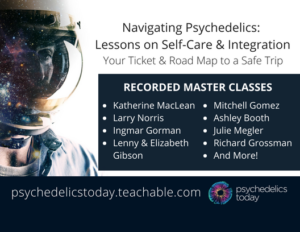


 Laura Mae Northrup, LMFT is an author, educator, somatic psychotherapist, and podcaster. Her book Radical Healership (Feb 2022) is a spiritually-informed and anticapitalist guide for healing practitioners who seek to build a values-driven healing practice. She is the host and creator of the podcast Inside Eyes, an audio series about people using entheogens and psychedelics to heal from sexual trauma. Her work focuses on defining sexual violence through a spiritual and politicized lens, mentoring healing practitioners in creating a meaningful path, and supporting the spiritual integrity of our collective humanity. You can learn more about her work here:
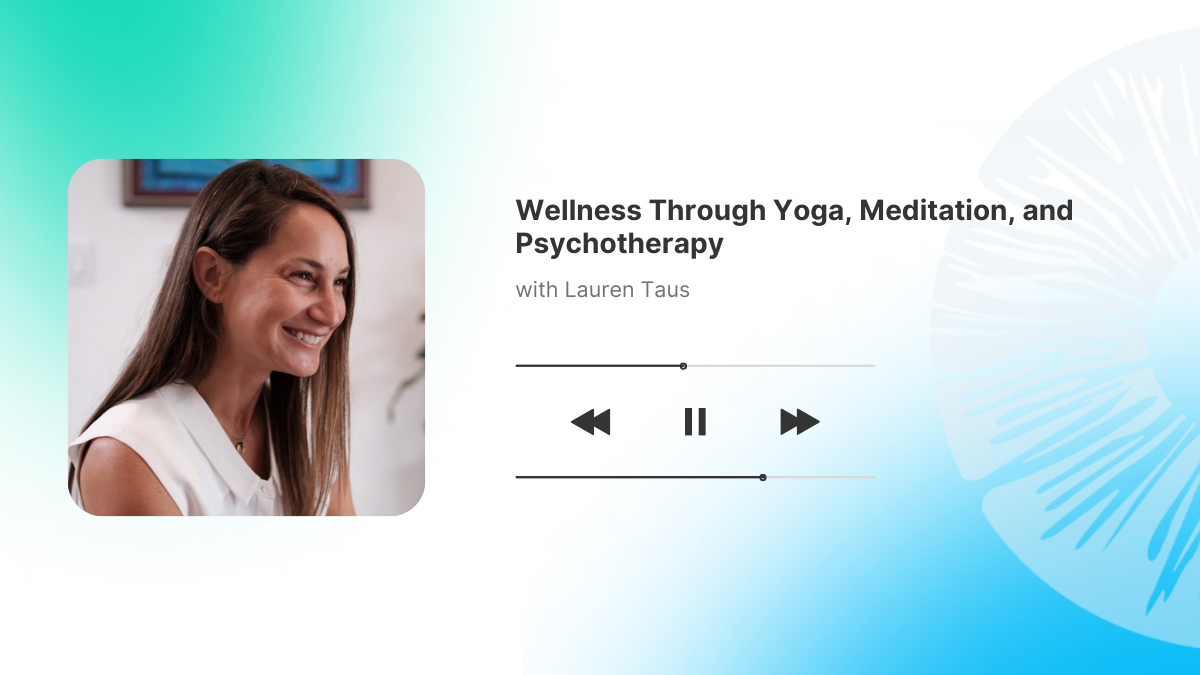
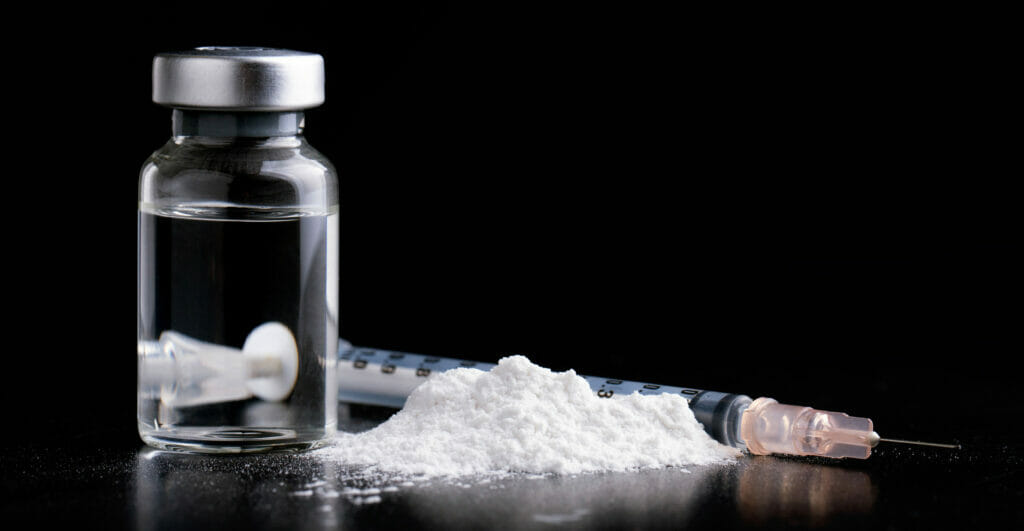
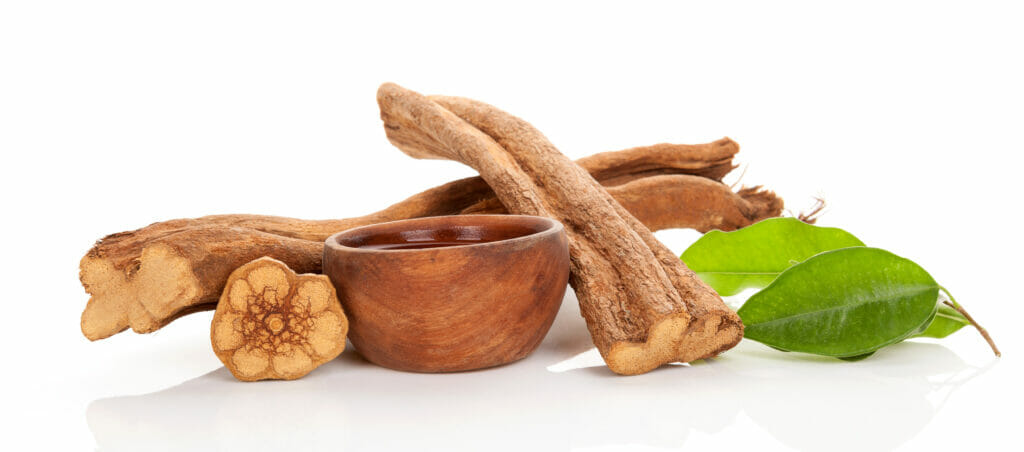
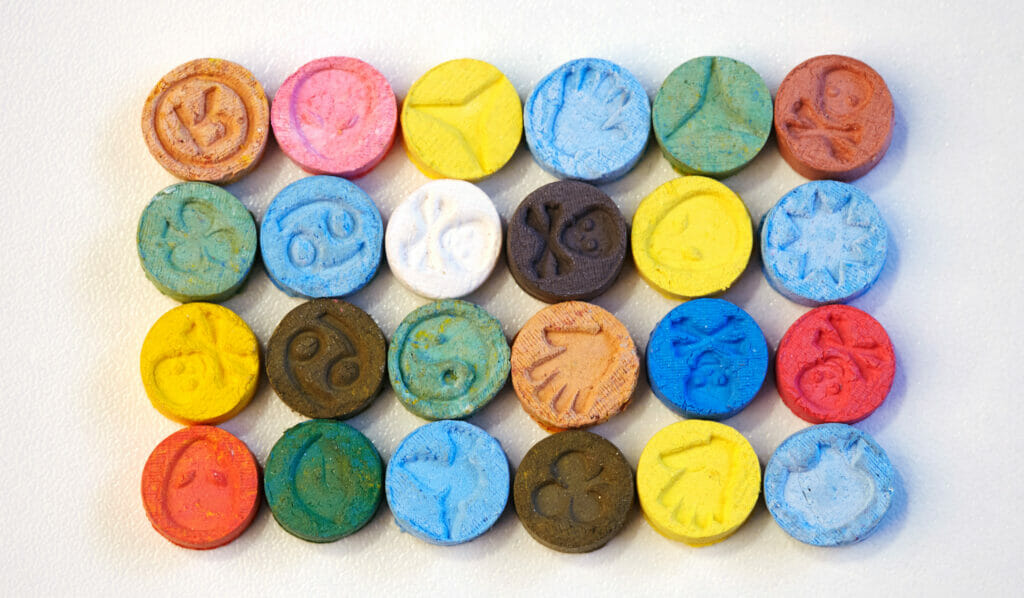
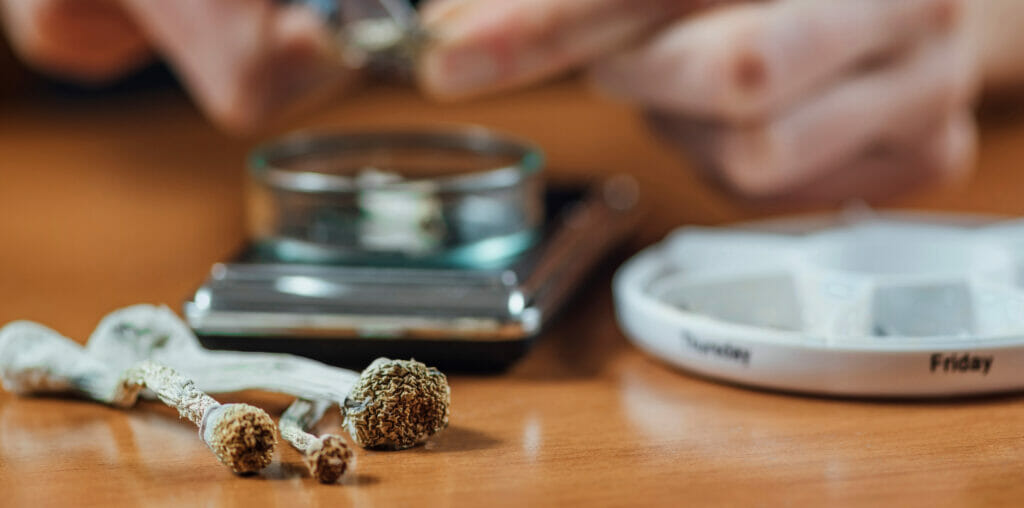

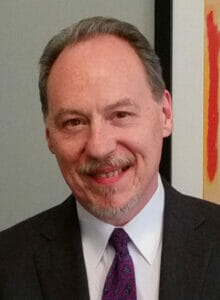 Andrew Tatarsky, Ph.D. has worked with people who struggle with drugs and their families for over 40 years. He developed Integrative Harm Reduction Psychotherapy (IHRP) for treating the spectrum of risky and addictive behavior as an alternative to traditional abstinence-only substance use treatment. IHRP brings relational psychoanalysis, CBT and mindfulness together in a harm reduction frame and meets people wherever they are on their positive change journeys, working collaboratively to support people in discovering their truth and what goals and approach to positive change best suit them. The therapy has been described in a series of papers and his book,
  Juliana Mulligan has been an active member of the Ibogaine community for nine years and is currently working on her MSW at NYU. She runs
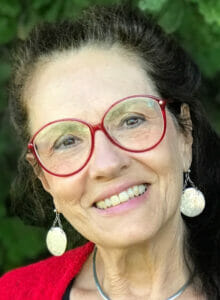 Kylea Taylor, M.S., LMFT developed and teaches
 Payton Nyquvest is the Founder, Chair & Chief Executive Officer of




 Greg McKee serves as Chairman and Chief Executive Officer of
 Dr. Oliver Grundmann

 Micah is the founder of

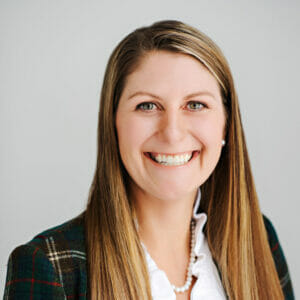 With Over 15 years founding, scaling, and operating innovative businesses across several industries, Kelsey Ramsden has built multiple eight-figure companies from the ground up. She is an experienced leader and acclaimed entrepreneur, twice recognized as Canada’s Top Female Entrepreneur of the Year. After serving as
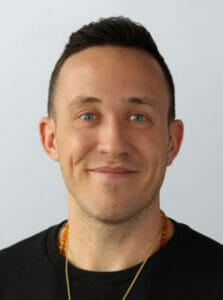 Payton Nyquvest is the Co-founder, Chair & Chief Executive Officer of
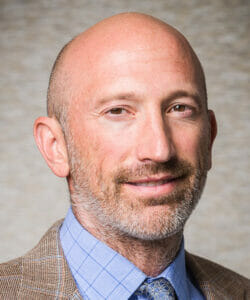 Juan Pablo Cappello is a passionate entrepreneur who believes in the power of technology and innovation to address humanity’s biggest challenges — mental wellness being one of them. In his home country of Chile, Juan Pablo has seen both the trauma caused by years of a military dictatorship and the power of psychedelic therapies to heal that trauma. As
 Ahmad Doroudian, Ph.D. is the Chief Executive Officer & Director
 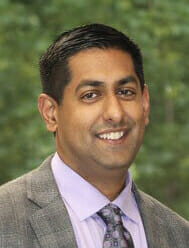 Dr. Abid Nazeer is the Chief Medical Officer for
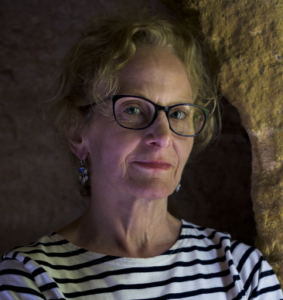 Erica Rex writes about science, environment, mental health, climate, and the forces shaping all of them. She’s written for The New York Times, Scientific American, The Times (UK), and is the recipient of a National Magazine Award. She was a subject in one of the first clinical trials using psilocybin to treat cancer related depression in 2012. Her book-in-progress traces the story of psychedelics through the lens of her quest to heal from childhood trauma. Ms Rex’s unique perspective shows how psychedelic medicine provides a pathway out of trauma, a light at the end of a very long tunnel.

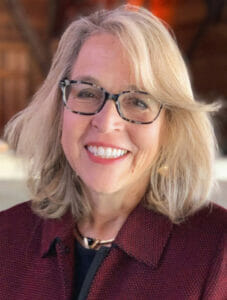 Rachel Yehuda is an Endowed Professor of Psychiatry and Neuroscience of PTSD and Vice Chair for Veteran Affairs in the Department of Psychiatry at the Icahn School of Medicine at Mount Sinai, where she directs the Center for Psychedelic Psychotherapy and Trauma Research and the Traumatic Stress Studies Division. She is also Director of Mental Health at the James J. Peters VA Medical Center in the Bronx. She is the recipient of numerous federal grants and awards, has authored several hundred peer-reviewed scientific papers, and is a member of the National Academy of Medicine. Dr. Yehuda’s work has focused primarily on the neuroscience and treatment of trauma and PTSD.
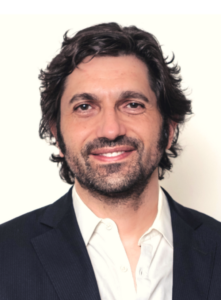


 Patrick Moher is an industrious entrepreneur working in psychedelics and cannabis, currently the CEO at Microdose Psychedelic Insights. As a passionate and unapologetic environmentalist, his relentless work ethic has directly translated to previous success in his photography career, as well as founding Ethical Image, co-finding Alan Aldous Communications, Goodwood Accessories, UCannAcademy & and becoming a partner at ADCANN. Patrick is focused on helping combine creativity, CSR, and sustainable profitability for companies. He has a dynamic ability to unite individuals across social and corporate spectrums to create unique business solutions. His dedication to community service has seen him actively collaborate with many volunteer organizations, photograph hundreds of events/portraits/weddings, & sponsor the planting of over 20,000 trees (and counting).
 Rebecca Kronman, LCSW, is a licensed therapist, mother of two and founder of Plant Parenthood, a digital and in-person community of parents who use psychedelics. She is a psychotherapist with a private practice in Brooklyn, New York, where she offers ketamine-assisted psychotherapy and works with clients to prepare for and integrate after psychedelic experiences. She is also a writer, and wrote “
 Liam Farquhar is a legal psychedelic guide and integration specialist, working between London and Amsterdam. He also does men’s group work and therapeutic work. He uses a ‘7 Lens’ approach that he developed as the foundation for all his services, combining: Internal Family Systems; Grofian (based on the work of Stanislav Grof); Jungian (based on the work of Carl Jung); Mindfulness; Scientific; Shamanic; and Trauma/Somatic. He is also a past Navigating Psychedelics graduate.

 Gibrán Rivera is a teacher, coach, guide, and Master Facilitator. He is devoted to the development of leaders and leadership networks. He works to help figure out how to thrive in times of VUCA (Volatility, Uncertainty, Complexity, Ambiguity). Gibrán is the originator of the Evolutionary Leadership Workshop, host of the Better Men Project, and one of the teachers of What Should White People Do? His work brings close attention to dynamics of power, equity, and inclusion. He has designed and facilitated the coming together of some of the most prestigious fellowships in the country, and he specializes in transformational offsite retreats. His work is based on the understanding that our next evolutionary leap depends on trust and the currency of love, and he is devoting his life to defining better ways of being together in this world.




 Carlene MacMillan, M.D. is the co-founder/CEO of Brooklyn Minds. She is a Harvard-trained adult and child psychiatrist who pioneers team-based and tech-enabled mental health care that helps individuals with complex psychiatric concerns live meaningful lives. She collaborates with stakeholders to build novel value-based (as opposed to volume-based) care models. Dr.MacMillan is also known for her role as the co-host of New Frontiers, an award-winning show on Clubhouse where mental health experts weigh in on aspects of our culture. She is an internationally recognized leader in Mentalization Based Treatment, collaborating with leaders at the Anna Freud National Centre for Children and Families. She is on the Clinical Advisory board of Osmind and a member of the Ketamine Taskforce for Access to Safe Care and Insurance Coverage. She is on the Clinical TMS Society Insurance Committee and is the co-Chair of the American Academy of Child and Adolescent Psychiatry Consumer Issues Committee.


 Tiago Reis Marques is a senior fellow at Imperial College, a lecturer at the Institute of Psychiatry, King’s College London and a psychiatrist at the prestigious Maudsley Hospital. The Maudsley Hospital and the Institute of Psychiatry constitute the largest psychiatry center in Europe and ranks among the 3 best in the world. During his research career, he has received numerous prestigious awards, including the Young Investigator Award from the Brain and Behavior Research Foundation, the Research Award from the Royal Society of Medicine’s psychiatry section and the Young Investigator Award of the International Congress on Schizophrenia Research. He is also a co-funder and CEO of Pasithea, a biotech company developing new drugs for the treatment of psychiatric and neurological disorders.
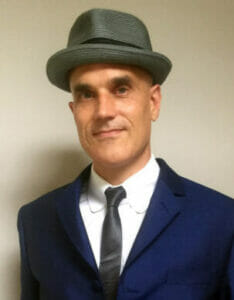 Benjamin Mudge has a background in music, art and political activism, and is now a PhD candidate in the Psychiatry Department at Flinders University, as well as Director of Bipolar Disorder CIC. He taught himself the science of bipolar disorder, while working at Neuroscience laboratories and GlaxoSmithKline, to be able to manage his own personal experience of manic depression. After psychiatrists prescribed him 17 different pharmaceuticals (all of which were problematic), he gave up on pharmaceutical psychiatry and decided to find his own solution to living with manic depression. He has been managing his bipolar disorder with ayahuasca for 14 years – without any need of pharmaceuticals – and was awarded a PhD scholarship to research whether his personal protocol could assist other bipolar people. His future vision is to make ayahuasca ceremonies available to bipolar people as an alternative treatment to pharmaceutical drugs.
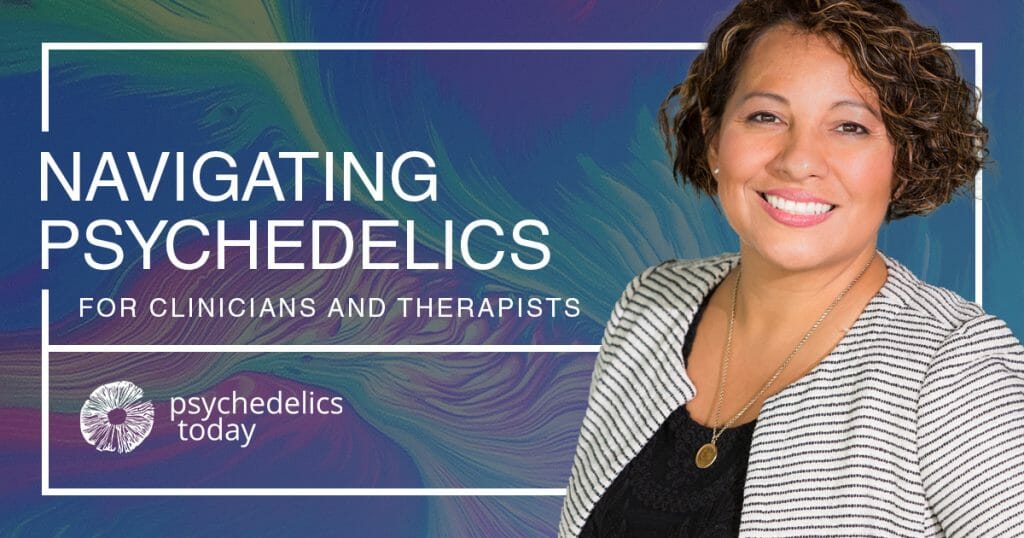

 Dr. Devon Christie, MD, is a clinical instructor with the UBC Department of Medicine and has a focused practice in chronic pain. She is a Registered Counsellor emphasizing Relational Somatic Therapy for trauma, and a certified Mindfulness Based Stress Reduction teacher (UCSD) and Interpersonal Mindfulness teacher (UMass). She is trained to deliver both MDMA-assisted therapy for PTSD (MAPS USA) and ketamine-assisted psychotherapy. She is passionate about educating future psychedelic therapists on trauma-informed, relational somatic skills and is co-founder of the Psychedelic Somatic Psychotherapy training program. She also teaches for the California Institute of Integral Studies (CIIS) Certificate Program in Psychedelic Therapy and Research, the Integrative Psychiatry Institute Certificate Program in Psychedelic Assisted Therapy, and the ONCA Foundation Psychedelic Therapy program. She is currently Principal Investigator and study therapist for a Canadian MAPS-sponsored open-label compassionate access study investigating MDMA-assisted therapy for PTSD, co-investigator on a study investigating MDMA-assisted therapy for fibromyalgia, and is the Medical and Therapeutic Services Director with Numinus Wellness Inc.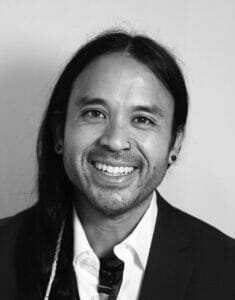

 Manesh is a Ph.D. candidate in Neuroscience at McGill University and has been lead or co-author on over a dozen scientific publications and book chapters on topics including psychedelics, meditation, mind-wandering, and the default-mode network. His Ph.D. dissertation focuses on the default-mode network and he is also conducting research on the brain mechanisms underlying LSD, psilocybin, and DMT in collaboration with Dr. Robin Carhart-Harris and others from the Imperial College London Center for Psychedelic Research. In his free time, he also runs a YouTube channel,
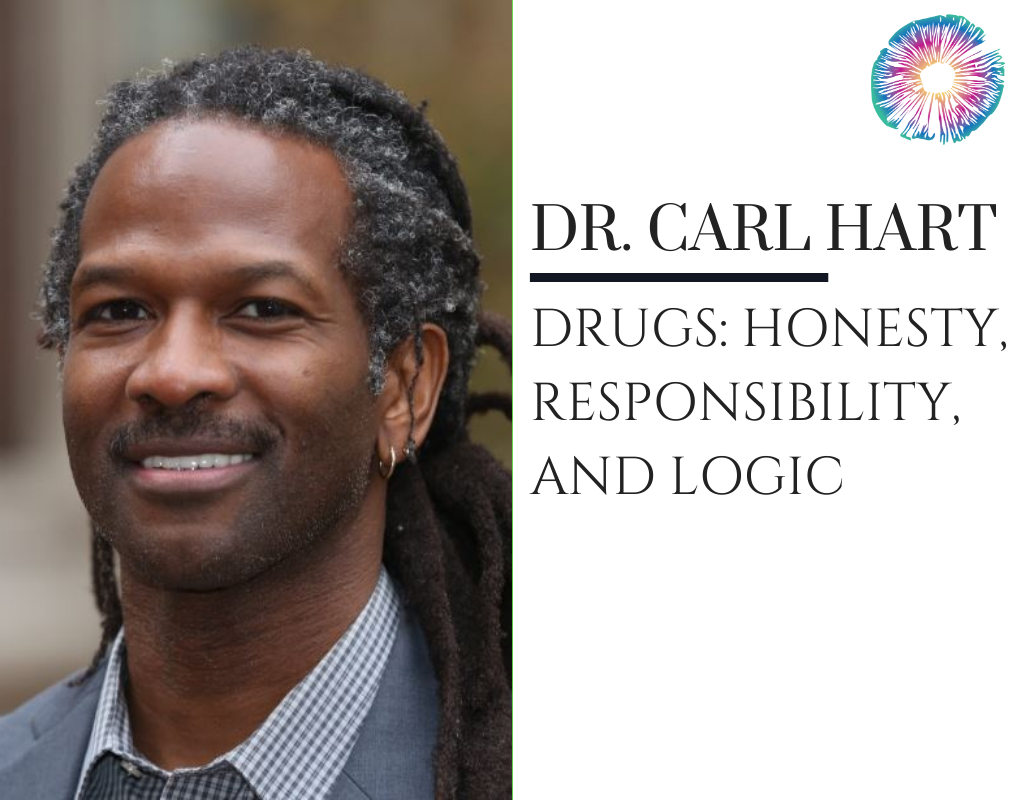



 Robin Divine is a writer, psychedelic advocate, and the creator of
 asmine Virdi is a freelance writer in the psychedelic space. Since 2018, she has been working for the independent publishing company
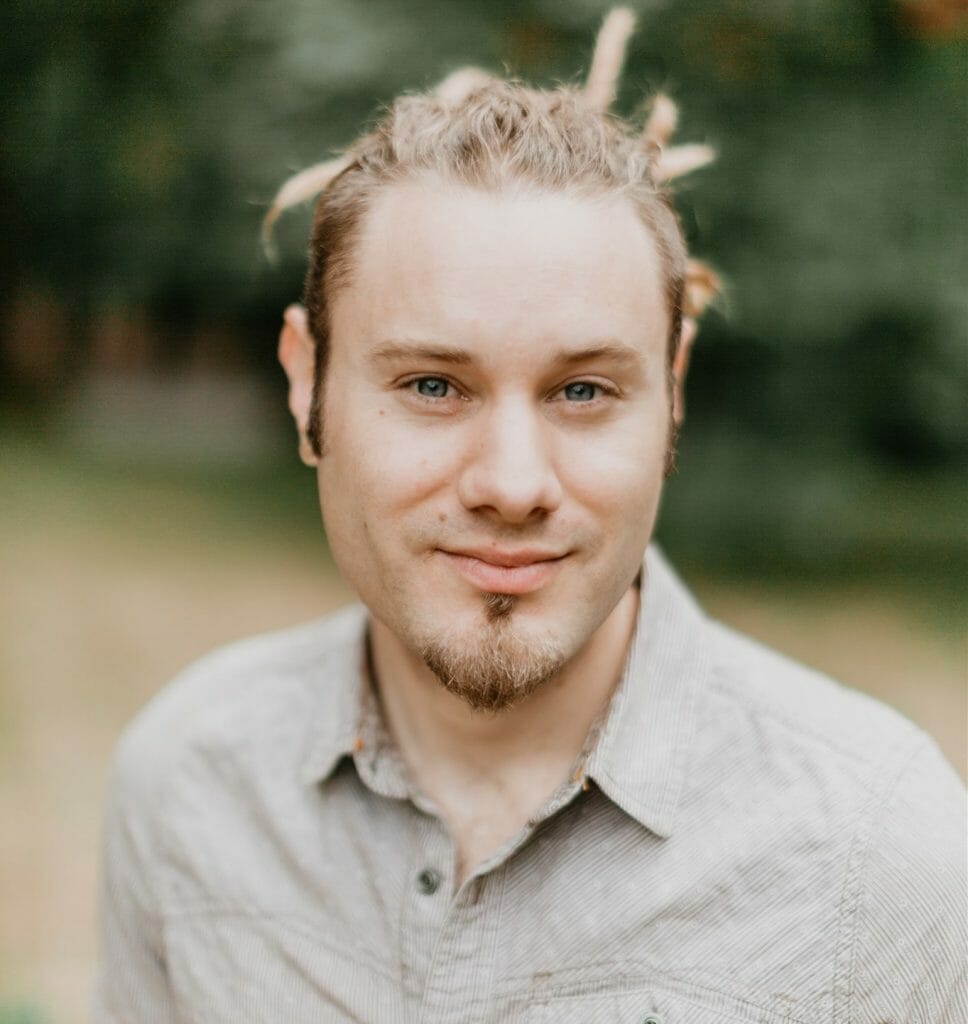


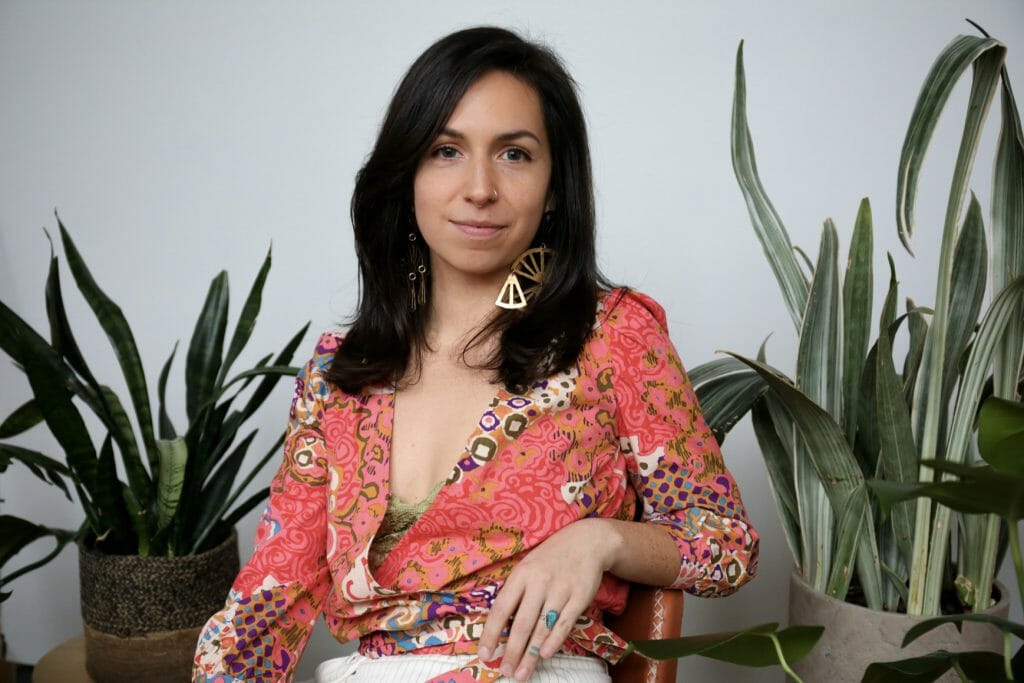

 Originally from the Pacific Northwest and raised in a little logging town on the Columbia River, Joel Lambert grew up performing on stage and in commercials before selling all he had and running off to join the armed forces, where he served as a Navy SEAL for ten years, earning distinction and experiencing combat in places like Kosovo and Afghanistan. Returning home decorated and serving as a lead Instructor at BUD/S, the screening and selection school for men aspiring to join the elite Navy SEALs, he was drawn back into the world of film and television.


 Hadas Alterman is an Israeli-American attorney, born in Jerusalem and raised in the San Francisco Bay Area. She has a J.D. from Berkeley Law and a B.A. in Community Studies/Agriculture & Social Justice from the University of California at Santa Cruz. Prior to founding Plant Medicine Law Group, she worked with a leading cannabis law firm in San Francisco. Hadas was the Policy Director of NYMHA, an organization that she co-founded that successfully lobbied for the introduction of a New York bill to decriminalize psilocybin by statute, and is a Board Member of the Psychedelic Bar Association. She also serves on the Equity Subcommittee of the Oregon Psilocybin Advisory Board.
 Serena Wu is a Chinese-American lawyer, born in Hainan and raised in Los Angeles. She has a J.D. from Harvard University Law School and a B.A. in Media Studies from University of California, Berkeley. Serena began her legal career at Davis Polk & Wardwell LLP in New York City as a litigation associate, and is deeply committed to increasing equitable access to alternative healing, including psychedelic plant medicines. She is the founder of @womeninpsychedelics, an Instagram account that showcases the contributions, voices, and experiences of women in the psychedelics space, and Asian Psychedelics Society (“APS”), a group dedicated to discussions about psychedelics and mental health in the AAPI community.
  Adriana Kertzer is a Brazilian-American attorney, born and raised in São Paulo. Adriana has a J.D. from the Georgetown University Law Center, a B.A. from Brown University in Judaic Studies and International Relations, and an M.A. from Parsons The New School for Design. She began her legal career as a corporate associate on Simpson Thacher & Bartlett’s Latin American capital markets team. She was Senior Advisor to the Senior Deputy Chairman at the National Endowment for the Arts under President Obama, is on the board of Doctors for Cannabis Regulation, and is the author of the book

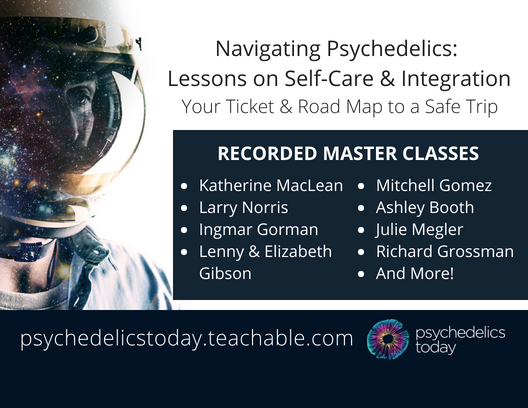

 Pierre Bouchard is a Licensed Professional Counselor with a private practice in Boulder and Denver, CO. He specializes in blending somatics, embodiment, attachment theory, and trauma therapy with ketamine-assisted psychotherapy. A graduate of Naropa University (in Contemplative Psychotherapy), he has trained in several somatic psychotherapy modalities, most recently the Hakomi Method under Melissa Grace, and currently, in Ido Portal’s movement system at Boulder Movement Collective. He has maintained a meditation practice for 19 years, is working on opening a ketamine clinic, and in his spare time, works as a vinyl DJ.


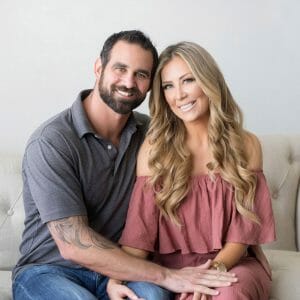

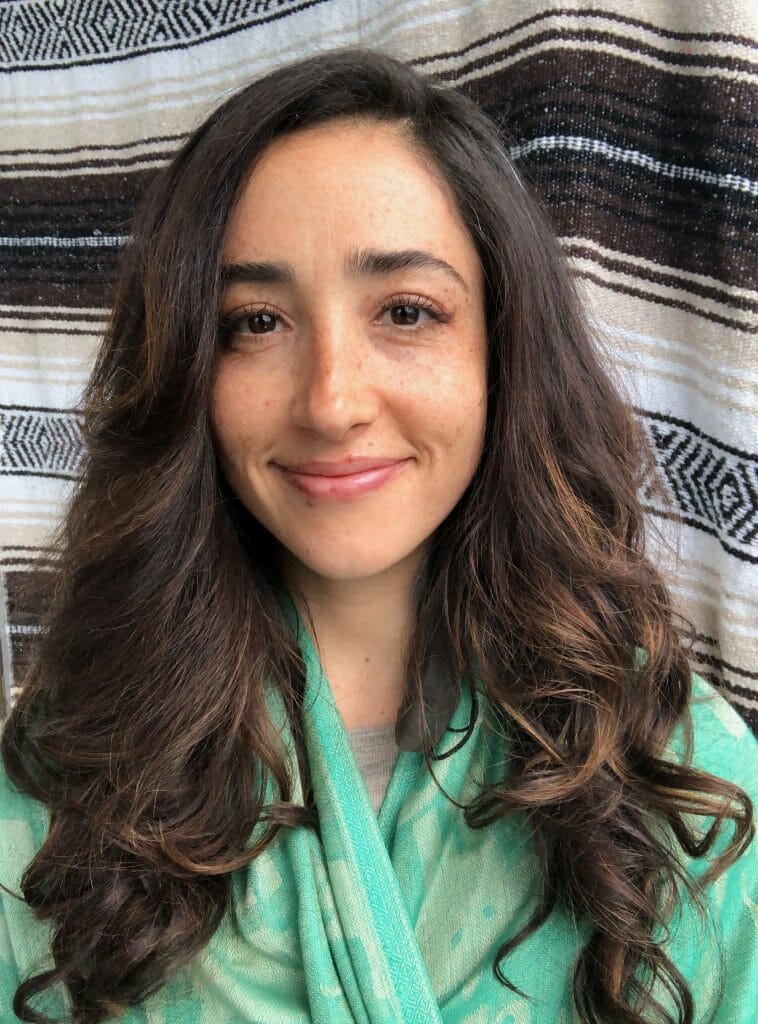


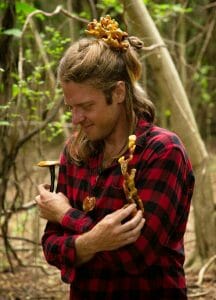

 About Benjamin Mudge
 Franklin King IV, MD, is the director of training and education at the Mass General Center for the Neuroscience of Psychedelics and a clinical instructor at Harvard Medical School. His primary clinical and research interest is in the utilization of psychedelic-assisted psychotherapy to treat a variety of chronic psychiatric conditions, including depression and anxiety disorders, and in strategies to optimize these interventions for different patient populations. In addition, Dr. King teaches and supervises residents and fellows at Mass General, and practices clinically as a staff psychiatrist at the Center for Anxiety and Traumatic Stress Disorders as well as on the Acute Psychiatry Service in the Emergency Department.
 Gary Laderman, Goodrich C. White Professor of American Religious History and Cultures, is the author of the new book, Don’t Think About Death: A Memoir on Mortality (Deeds Publishing, 2020), and hosts the podcast, Sacrilegious.



 About Nick Meyers and
 About Richie Ogulnick



 About Kile Ortigo

 About Dena Justice


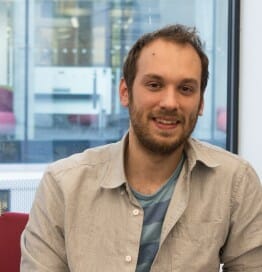
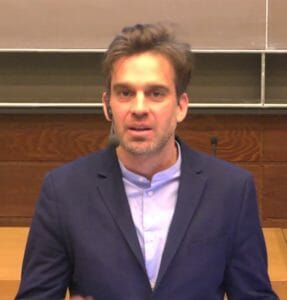

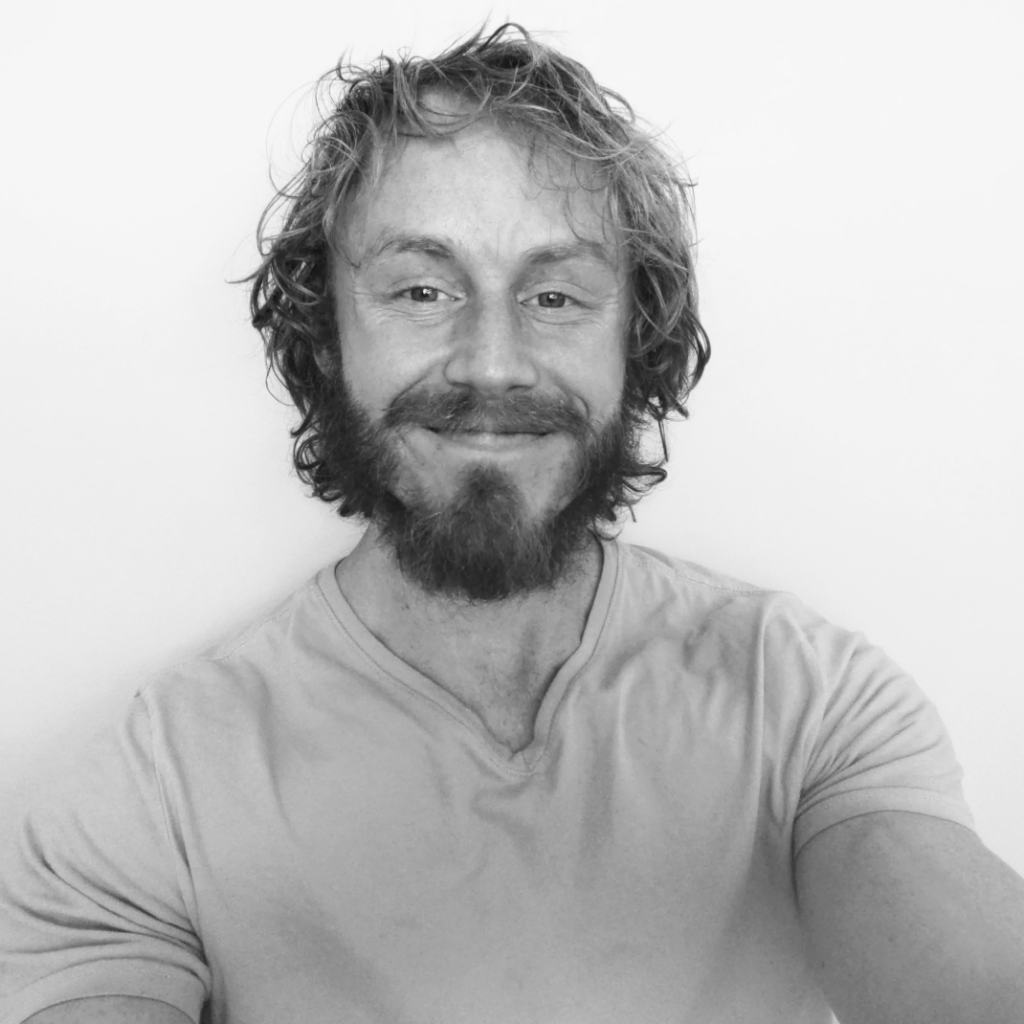

 About Christopher Solomon
 About JR Rahn

 About Dr. Ryan Westrum
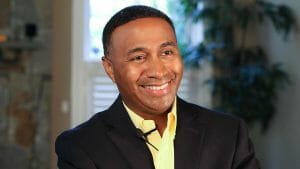 About Dr. Hassan Tetteh

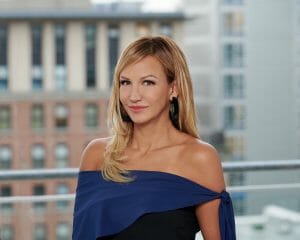 About Penny White


 About VeronikaGold, LMFT
 About Dr. Harvey Schwartz
 About Mendel