In today’s Solidarity Fridays episode, Kyle and Joe talk about last week’s incident at the US Capitol and point out that the most recognizable figure from the protest calls himself a shaman and promotes the use of psychedelics.
This leads to a discussion about how we in the psychedelic community like to believe that psychedelics lead to connection, self-actualization, and love, but they can also lead to crazy ideas, an openness to conspiracy theories, and other dark paths. They talk about how they both went down conspiracy rabbit holes for years, but ultimately came to the realization that while it was all interesting and aligned with their distrust of the government, they couldn’t prove any of the conspiracies they were spending so much time looking into, and even if they could, would that really better their lives or the community around them?
They talk about where we’ve arrived as a culture in terms of trust in the government and other authoritarian institutions, how we’re dealing with an unending stream of information constantly being thrown at us, how we decide what truth is, how people unintentionally project their own biases on others, how more people should read philosophy, how we’re merging with technology and not using our brains like we should be (like critically thinking), and how we need to practice digital hygiene and really reflect on what we’re getting out of our time with social media and the neverending cycle of news and opinions that surrounds us.
Notable Quotes
“[Pyschedelics have] definitely put a lot of interesting ideas and beliefs in my head from time to time, and I’ll sit there and entertain them, but I feel like, at times, psychedelics have really shown me that I really don’t know much about anything.” -Kyle
“The Tim Leary line- ‘Think for yourself and question authority.’ Totally. But, don’t just listen to what some maniacs are saying on the internet. Like, don’t believe what Kyle and I are saying. Verify. This is a cryptocurrency line- don’t trust, verify. …One of the great things that psychedelics have baked in is that they work. You can have MDMA or DMT or ayahuasca and you can come back and report back. It’s the substance interacting with the psyche and the body- nothing to do with what Kyle and Joe say, hopefully.” -Joe
“I hope everybody continues to do their thing [and] express however they want to express on the internet. But I think there is something about that [idea of] digital hygiene that we just should be aware of. Like, what are you consuming? And is it draining you? Is it motivating you? Is it inspiring you?” -Kyle
“Psychedelics can be used in really whack ways. They can also be used in really amazing ways. So let’s try to be really intentional about how we can use them in amazing ways, and same thing with our standard other technologies.” -Joe
Links
Robert Forte’s appearance on Pyschedelics Today: The Hidden History of Psychedelics
The Mass Psychology of Fascism, by Wilhelm Reich
R. Buckminster Fuller’s concept of ephemeralization
Principles: Life and Work, by Ray Dalio
Deep Work: Rules for Focused Success in a Distracted World, by Cal Newport
Program or Be Programmed: Ten Commands for a Digital Age, by Douglas Rushkoff
The Smell of Rain on Dust: Grief and Praise, by Martín Prechtel
Youtube: Adam Curtis’ documentary: “HyperNormalisation- A different experience of reality”

Support the show!
- Patreon
- Leave us a review on Facebook or iTunes
- Share us with your friends
- Join our Facebook group – Psychedelics Today group – Find the others and create community.
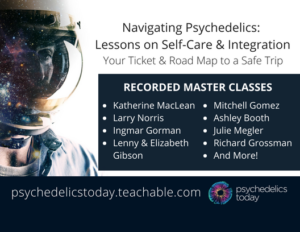
Navigating Psychedelics


 About VeronikaGold, LMFT
 About Dr. Harvey Schwartz
 About Mendel
 About Gary Michael Smith, Esq.


 About Kristina and Jonas















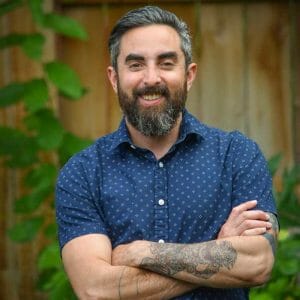
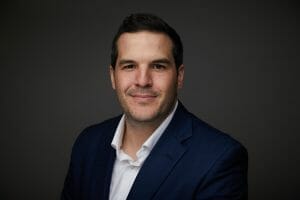
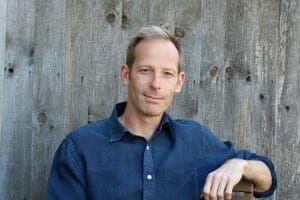
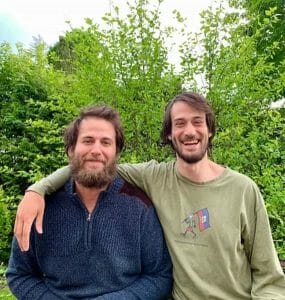 Ryan and Rory are two brothers from Vermont, that have struggled with mental illness and addiction most of their lives. With the help of plant medicines, they came to realize disconnection was at the core of their problems. They created Cultivating Connections as an attempt to try and foster deeper connections in every aspect of their lives. One of the ways they do this is with their podcast. Another way is with their weekly group ritual.




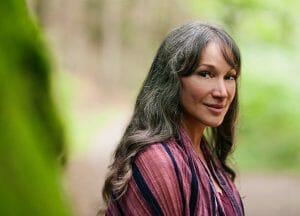


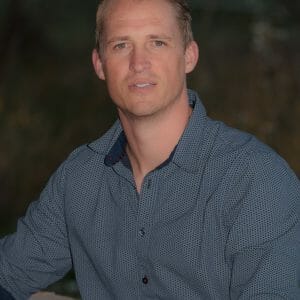
















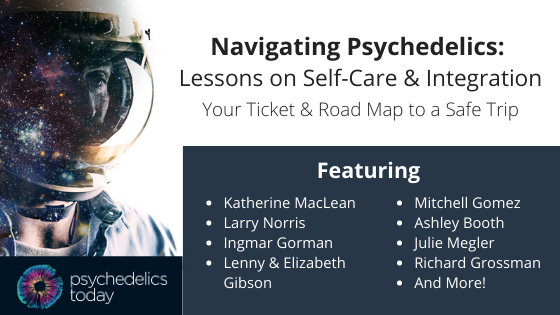



















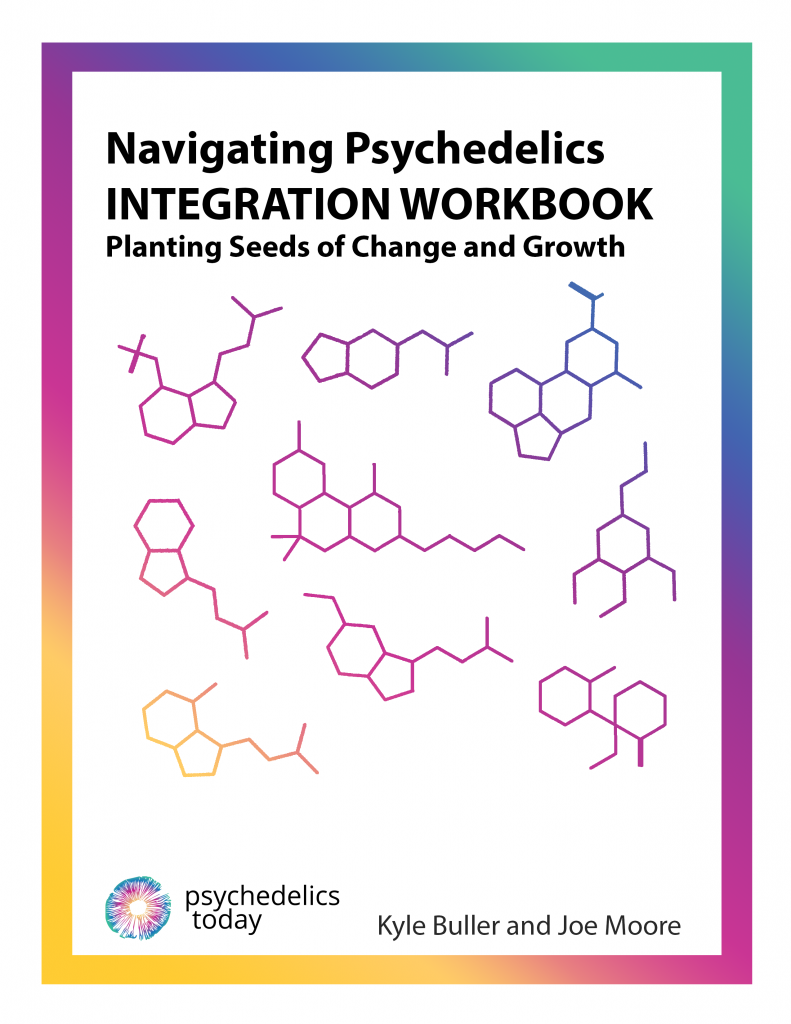
























 is designed to bring psychedelic experiences into the flow of your life and maximize their potential for helping you create the life you want to live
















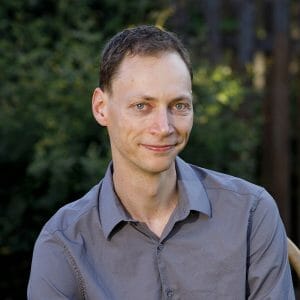

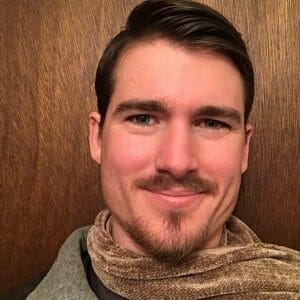
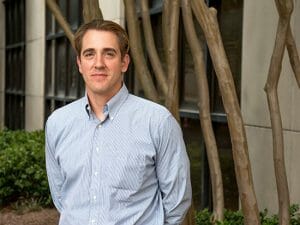
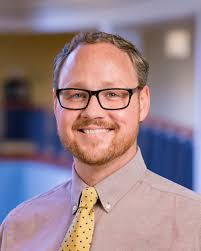 Dr. Alan K Davis is an Assistant Professor of Social Work at The Ohio State University and an Adjunct Assistant Professor in the Psychedelic Research Unit at Johns Hopkins University. Dr. Davis’s clinical experience includes working with people diagnosed with trauma-based psychological problems such as addiction, PTSD, depression, and anxiety. His clinical expertise includes providing evidenced-based treatments such as motivational interviewing, cognitive behavioral therapy, acceptance and commitment therapy, and psilocybin-assisted psychotherapy. Consistent with his clinical interests, his research interests and expertise focus on contributing to the knowledge of and ability to help those suffering with substance use and mental health problems, understanding how to improve clinical outcomes through examining new treatments, and developing ways to conceptualize substance use and mental health problems through a strengths-based approach.