
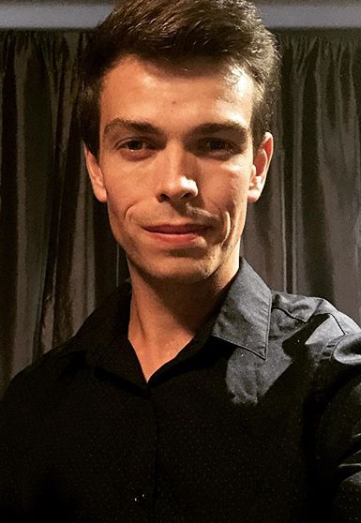
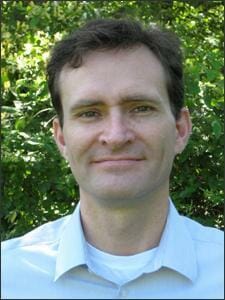
In this episode, hosts Kyle and Joe interview Balázs Szigeti, PhD and David Erritzoe, PhD to discuss the self-blinded microdosing study in collaboration with the Imperial College London.
In this episode, they explore the self-blinding study and it’s pros and limitations, with the aim to collect data on microdosing and its possible benefits.
**Update as of 1/22/2018 – The plant psychedelic study extension was approved, together with the extension that allows for volumetric dosing.
3 Key Points:
- Microdosing (LSD) has the least amount of research so far among research on drugs like Psilocybin, MDMA and Ketamine.
- This microdosing study includes a procedure on how self-experimenters can implement placebo control. This will help determine whether microdosers feel benefits due to the placebo effect or because of the pharmacological action of the microdose.
- Just because microdosing may have a placebo effect (the way a user feels while taking it) it may actually have benefits that one cannot necessarily ‘feel’ (users may become more creative, have better problem-solving skills, etc).

Support the show
- Patreon
- Leave us a review on iTunes
- Share us with your friends – favorite podcast, etc
- Join our Facebook group – Psychedelics Today group – Find the others and create community.
Navigating Psychedelics
Show Notes
About Balázs
- Balazs attended his undergrad in the UK at Imperial College and studied Theoretical Physics
- He moved to Scotland to get his Ph.D. in Computational Neuroscience
- He became interested in psychedelics via the Global Drug Survey
- He was doing MDMA research and then the microdosing project came to him
About David
- He is a medical doctor and works in clinical psychology doing research
- He does brain imaging and his background has been in addiction, depression and schizophrenia
- He did his postdoc at Imperial and worked with Robert Carhart Harris
- He worked in a clinical trial working with people of treatment-resistant depression
- He is currently working on an online survey for microdosing
Psychedelic Medicine
- MDMA for PTSD is the most advanced in terms of available scientific evidence for psychedelic medicine
- There is already a big gap in psilocybin vs MDMA for treatment
- There isn’t much research on microdosing yet
- In order to do research on microdosing, you’d have to bring in a ‘patient’ and have them in the lab for many hours at a time, very frequently, and it’s not practical
The Microdosing Study
- In this microdosing study, they are testing cognitive function
- The user will have to fill out a questionnaire throughout the duration of the microdose
- There were a lot of things, very political for the downfall of psychedelic science
- When the double-blind method was introduced for science, it used methods that would have compromised the ‘setting’ of taking psychedelics
- There is a manual that the users have to follow for the setup process
- Its a semi-randomized process where they take the microdose over 4 weeks and it may be either the psychedelic or a placebo
- It works on a method of a dose hidden in a capsule assigned to a QR code, where the user doesn’t know what they take until the end of the study
- This is a study inviting people that plan to microdose a blotter based psychedelic or plant-based psychedelics.
- Its a hands-off study of observation, based on a users own plan on taking the substance
Summary of the Study
The Imperial-Beckley self-blinding microdose study is a new global study on psychedelics microdosing. The study uses a unique ‘self-blinding’ methodology where participants implement their own placebo control.
In the study, voluntary participants microdose on their own initiative, using their own substance, without the study team’s supervision. However, the study team provides a manual that explains step by step how self-experimenters can set up their own placebo control. The placebo control is implemented by placing both microdoses and empty capsules into sealed envelopes, which are then labelled with QR codes and distributed according to a schedule. Participants won’t know whether their capsules contain a microdose or an empty placebo until the end of the study.
The study is run entirely on the internet, therefore microdosers can participate from anywhere in the world, recruitment is now open.
This ‘self-blinding’ design allows the team to investigate whether the purported benefits of microdosing are due to the placebo effect, or the pharmacological action of the psychedelic, which is a critical scientific questions regarding microdosing.
Limitations of the Study
- Its half-way between a clinical study and an observational study
- They aren’t sending the users the LSD, they are just providing the platform for the users to share their experience on
- In this trial, the flaw is that the research team doesn’t know the dose size of the blotter the user takes, it could start as a 100mg, more, less. Its a variable that cannot be controlled
- The fix would be to have the LSD sent to the lab, tested for dose size, and then sent back to the user (anonymously), but since it’s illegal it cannot be done
- It’s also hard to determine even distribution of a blotter into microdose size
- They don’t know if the user is cutting the blotter paper like a pie or in squares
- Also, because the drug is being bought on the black market, they wont know if there are adulterants in the drug unless the user tests the drug themselves
- David and Balázs also say that based on current findings, most LSD tested is pure LSD, where a drug like MDMA is more common to contain an adulterant
- They do have plans to extend the study to include plant based psychedelics and volumetric dosing
What is a Psychedelic Microdose?
- Psychedelic microdosing is not the same as Pharmacological microdosing
- A microdose in pharmacological context is 1/100th of a dose, where a psychedelic microdose is more like 1/10th of a dose
Is Microdosing Worth it?
- People like David Nichols and Ben Sessa think microdosing is pointless
- It could be that microdosing is a glorified placebo effect
- Most people who are microdosing have had previous experience with psychedelics
- People are doing it because they believe there is a benefit that comes from it
- The placebo control is the most important component of this self-blinded method
- People say that microdosing stimulates their creativity, but creativity is hard to measure
- One thing they could measure is personality through a personality assessment
- One thing that has been studied is an increase in the ‘Openness’ personality trait after psychedelic use
- The flaw is that a personality test is a person answering questions about themselves
Current Findings
- The benefit of this study is it doesn’t take people out of their natural, personal setting
- Based on the feedback already received, the users are getting their guess right only half of the time, on whether it is the microdose or the placebo
- Just because microdosing may have a placebo effect (the way they feel while taking it) it may actually have benefits (users may be more creative, have better problem-solving skills, etc).
- Homeopathy is widely believed to be a placebo effect in the scientific community, but the homeopathy is continuing to grow
Setting Up the Study
Links
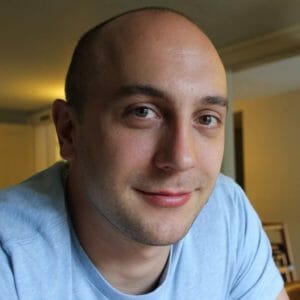
About Balázs Szigeti, PhD
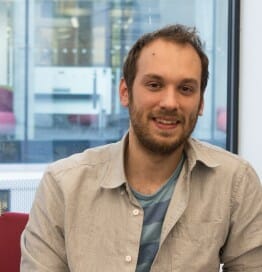
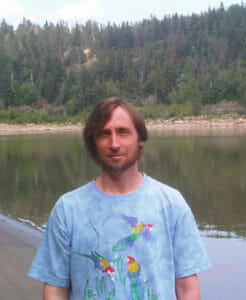
Dr. Balazs Szigeti has studied theoretical physics at Imperial College, but turned towards neuroscience for his PhD studies at the University of Edinburgh. His main work is about the behavioural neuroscience of invertebrates, but he has a diverse scientific portfolio that includes computational neuroscience and driving forward the OpenWorm open science initiative. Balazs is also the editor of the Dose of Science blog that is published in collaboration with the Drugreporter website. Dose of Science discusses and critically assesses scientific studies about recreational drugs. Recently Balazs has started a collaboration with the Global Drug Survey to quantitatively compare the dose of recreational users of various drugs with the scientific literature.
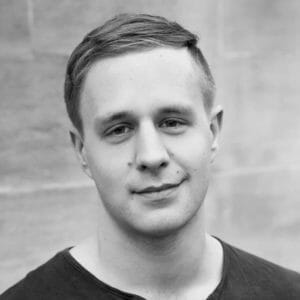
About David Erritzoe, PhD
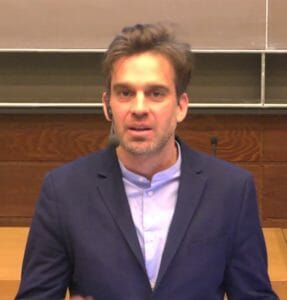
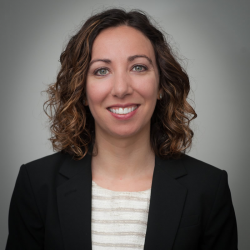
Dr. David Erritzoe is qualified as a medical doctor from Copenhagen University Medical School and currently holds an Academic Clinical Lectureship in Psychiatry at Imperial College London. Alongside his clinical training in medicine/psychiatry, David has been involved in psychopharmacological research, using brain-imaging techniques such as PET and MRI. He has conducted post-doc imaging research in the neurobiology of addictions and major depression. Together with Prof Nutt and Dr Carhart-Harris he is also investigating the neurobiology and therapeutic potential of MDMA and classic psychedelics.













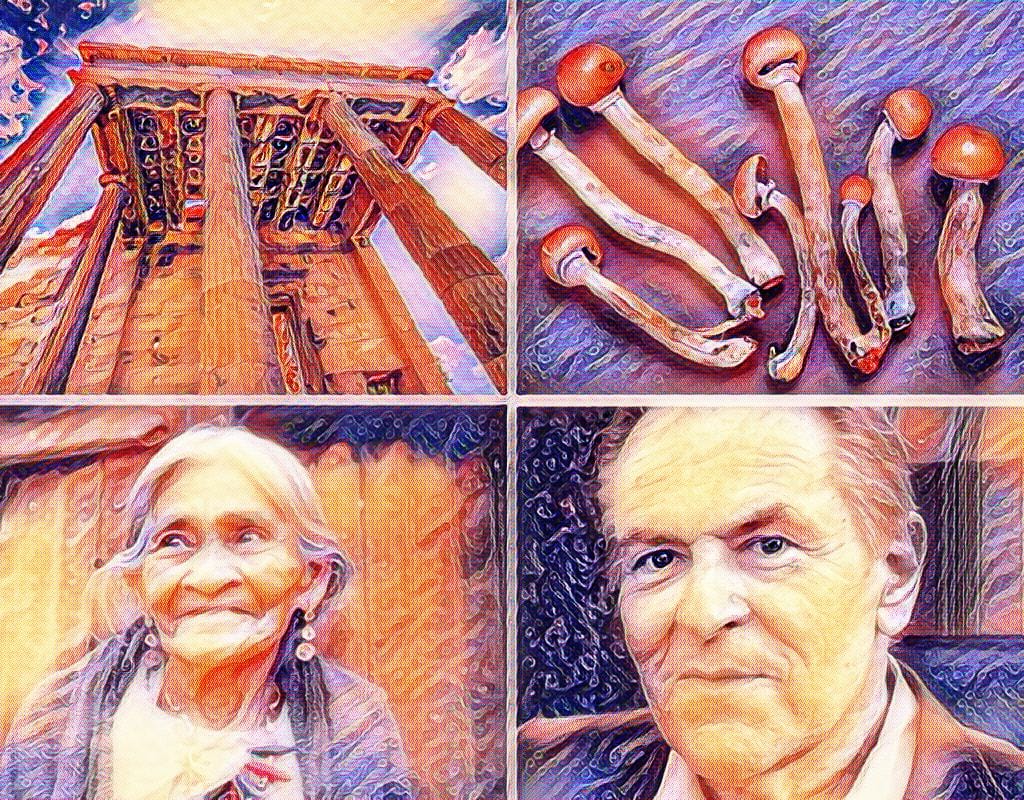

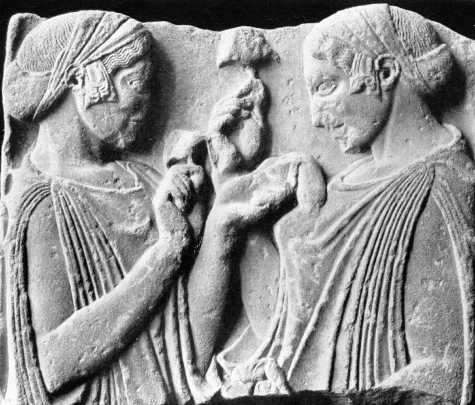
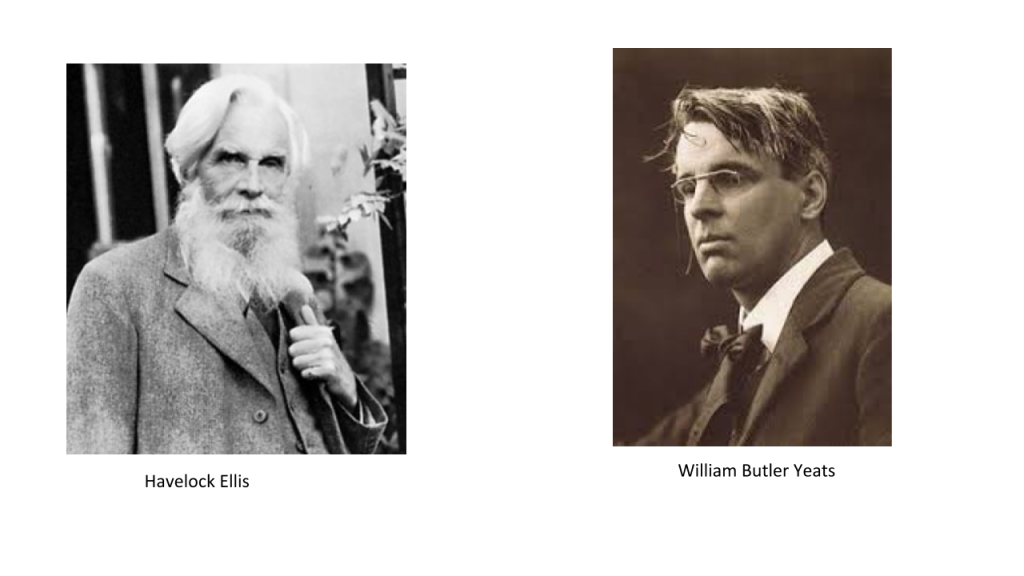 Humphry Osmond worked a little mental hospital up in Saskatchewan and began experimenting with LSD [and mescaline]. Aldous Huxley somehow learned of this work and said, “If you’re in LA, come by and see me.” Osmond didn’t think it would ever happen, but in fact, there was a bureaucratic problem at the hospital. They needed to reorganize and move Osmond up and get rid of the guy that was above him, and so while they were doing that, they sent Osmond off to an APA convention in LA – where he got in touch with Huxley. They went to a few sessions of the APA convention and were bored to tears. So they adjourned back to Huxley’s place and Osmond turned him on. It took about 90 minutes before it really hit him and then it blew his mind. Huxley was the author of Brave New World and Ape and Essence. Huxley was one of the major intellectuals in the 20th century and an enormously successful author, half blind, but intensely intellectual. He was part of a circle of people that stretches back really to Havelock Ellis and Hermann Hesse [Who wrote Siddhartha and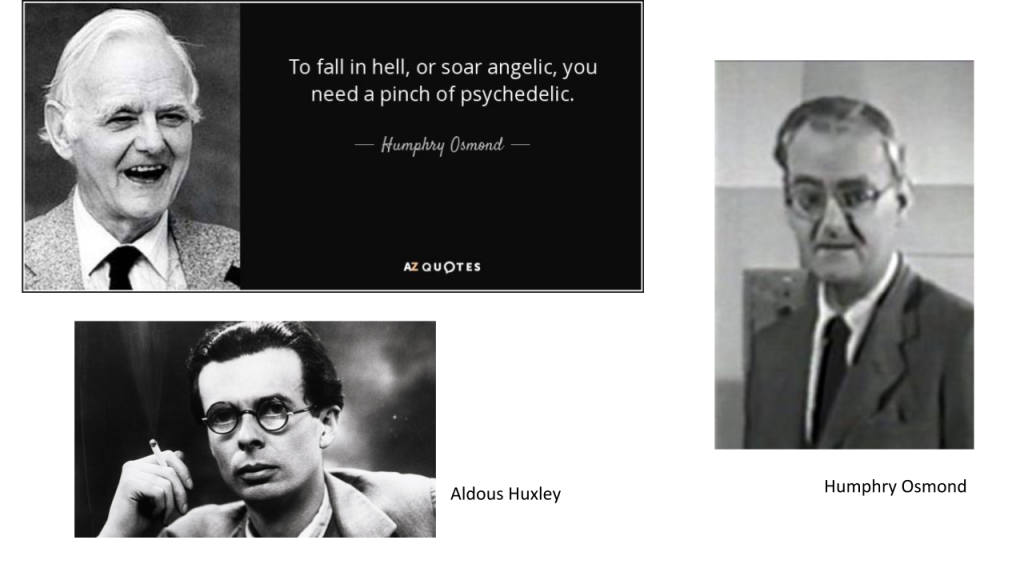
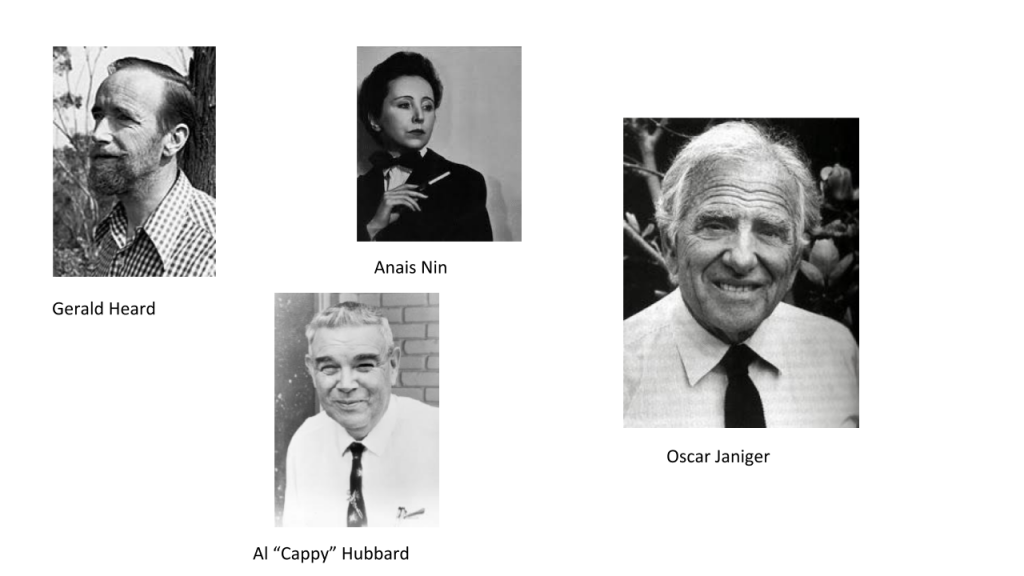

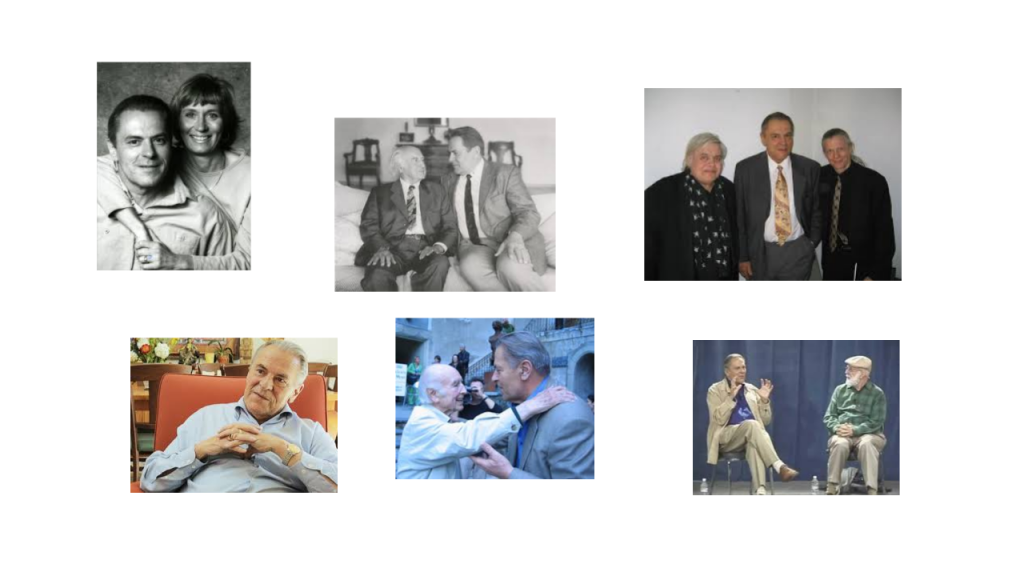 The John Hopkins research fell apart when LSD became criminalized. Michael Murphy and Stan fortuitously hooked up and Murphy invited Stan to Esalen as scholar-in-residence. After a few years Stan needed to produce an income for Esalen, so he put together the technique called, “Holotropic Breathwork.” When I was telling Stan for the second time, the reason I decided on holotropic breathwork training was that I had an experience with holotropic breathwork that was identical with the most powerful experiences I’ve ever had with LSD. Stan said, “That’s what convinced me too.” It’s not like taking a pill and you don’t have any choice, ’cause you gotta work at it, that’s why it’s called breath work – but you can get to the same place.





 .
. 




 Shane earned his Bachelor of Arts Degree in Psychology from the University of Colorado in Boulder, CO, completed extensive coursework towards a Master of Arts Degree in Sport & Performance Psychology at the University of Denver, and earned his Master of Arts Degree in Sport & Exercise Psychology from Argosy University.
























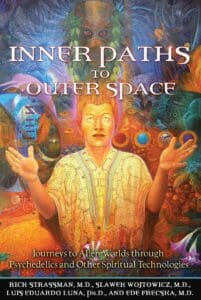



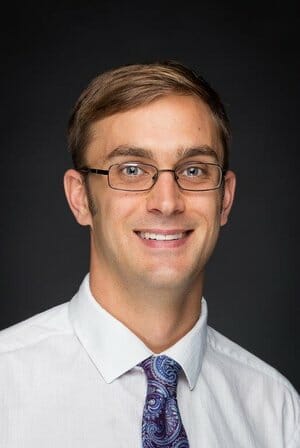


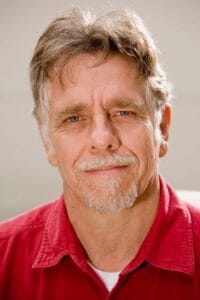



















 Dr. Ben Sessa, M.B.B.S., M.D., B.Sc., M.R.C.Psych., is a consultant child and adolescent psychiatrist working in adult addiction services and with custodial detained young people in a secure adolescent setting. He trained at UCL medical school, graduating in 1997. He is interested in the developmental trajectory from child maltreatment to adult mental health disorders. Dr Sessa is currently a senior research fellow at Bristol, Cardiff and Imperial College London Universities, where he is conducting the UK’s first clinical st



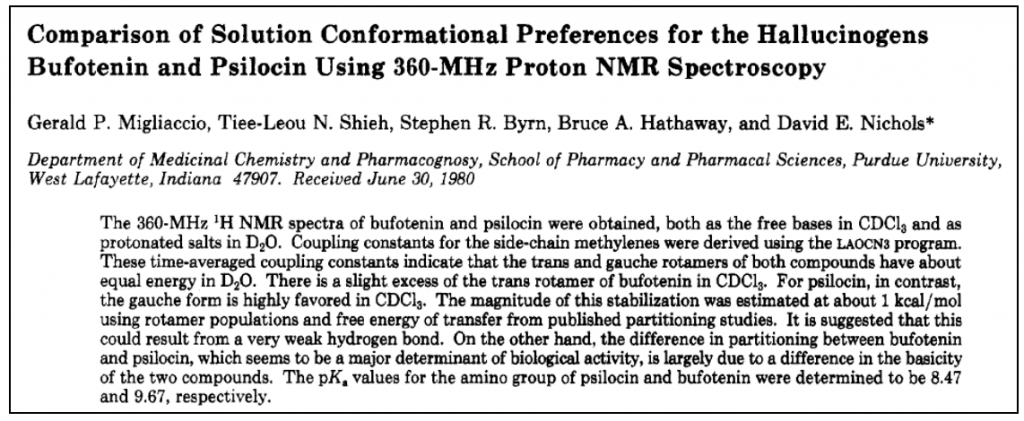 Figure 3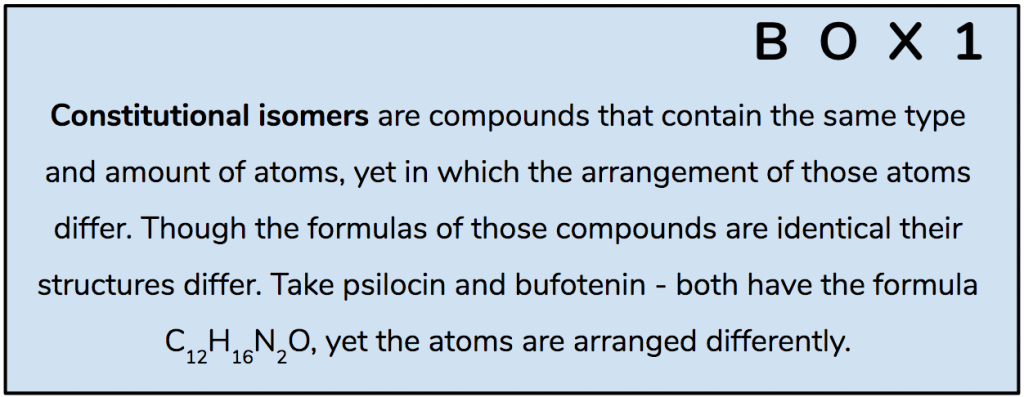
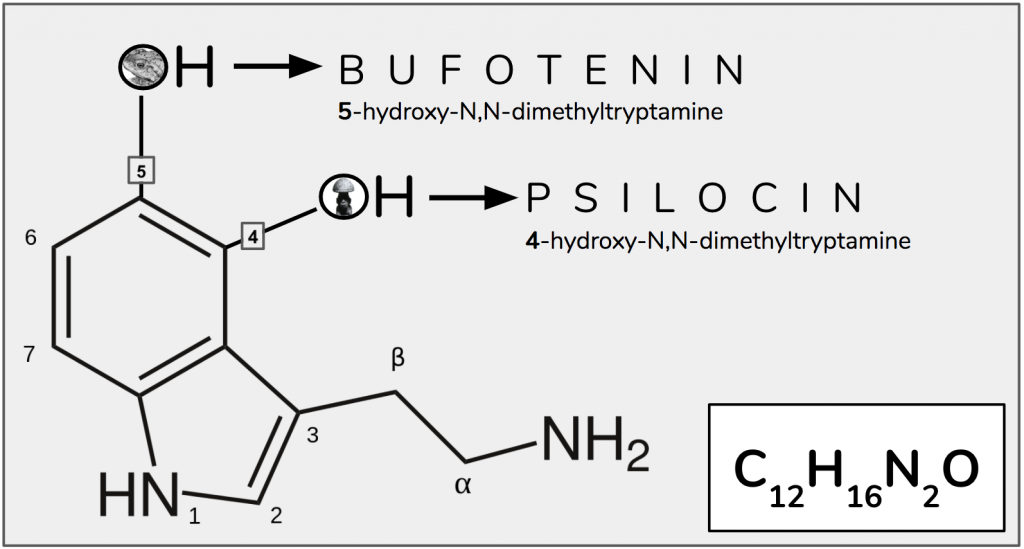


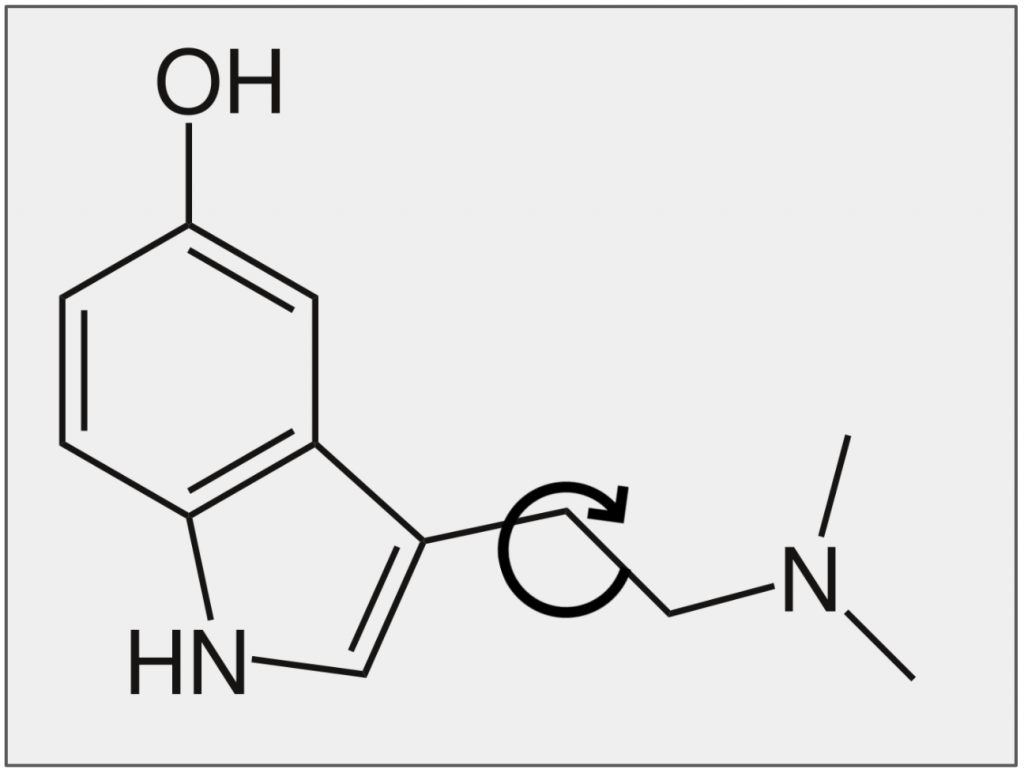 Figure 5
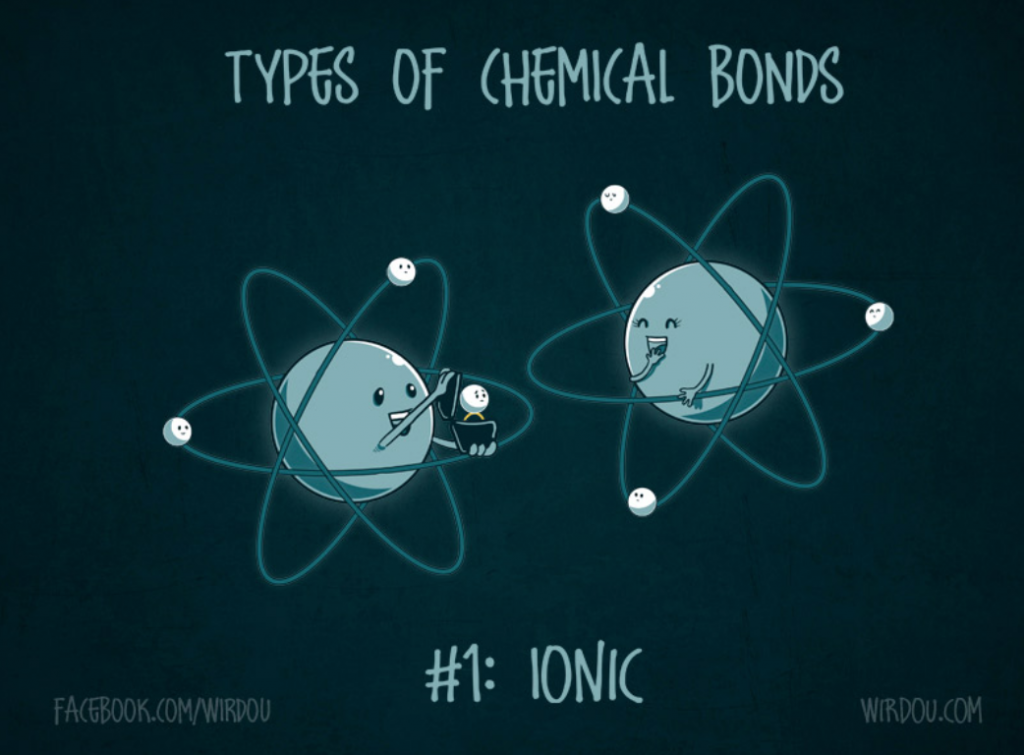 Figure 6. Ionic bonds.
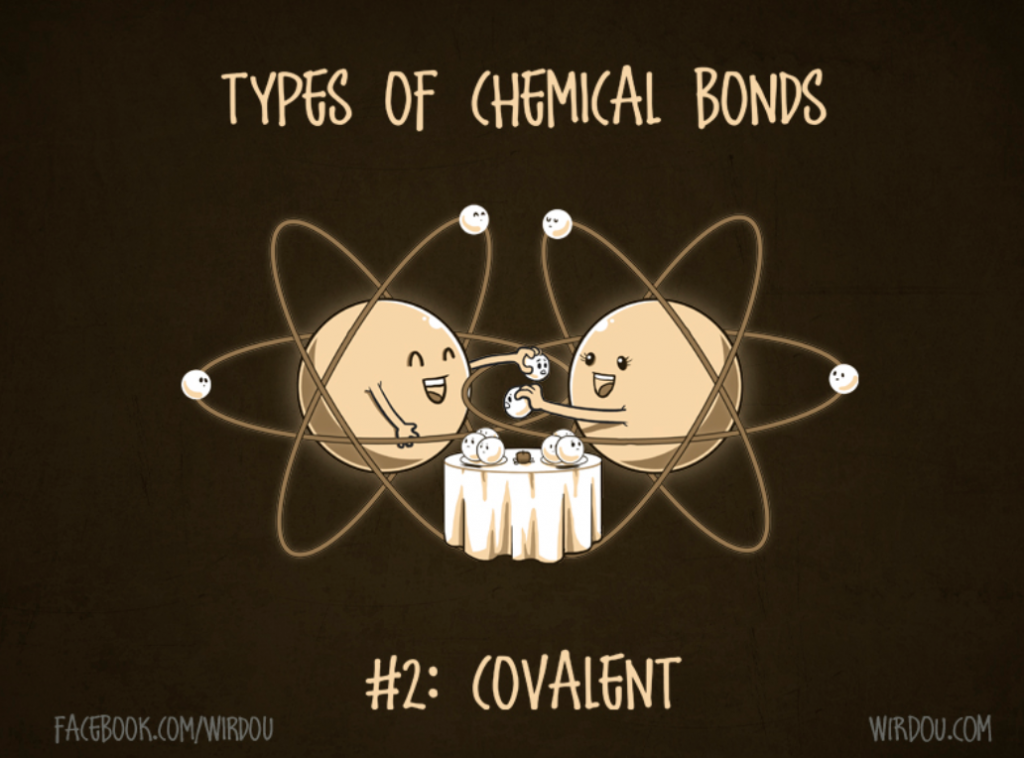 Figure 7. Covalent bond.
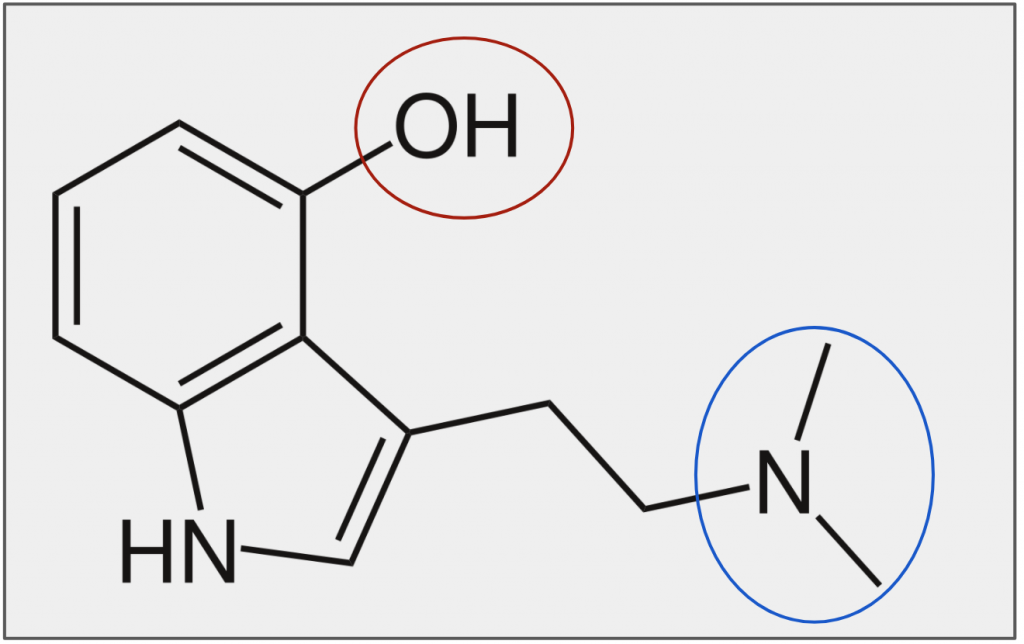
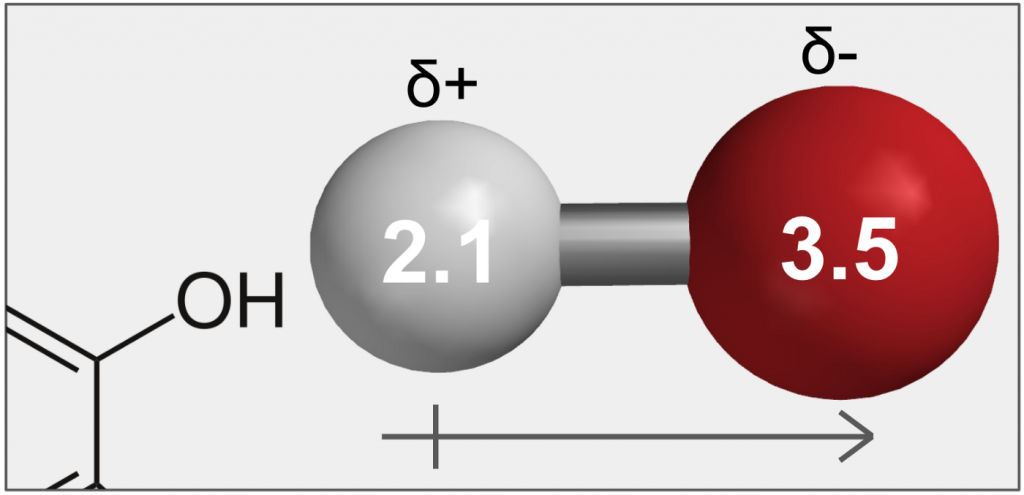
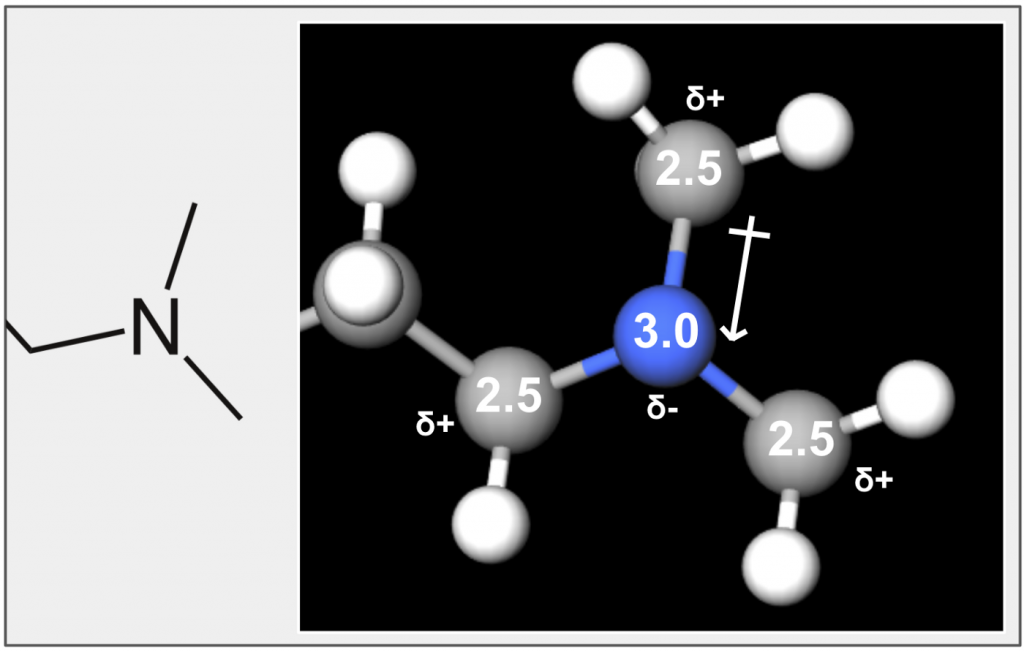


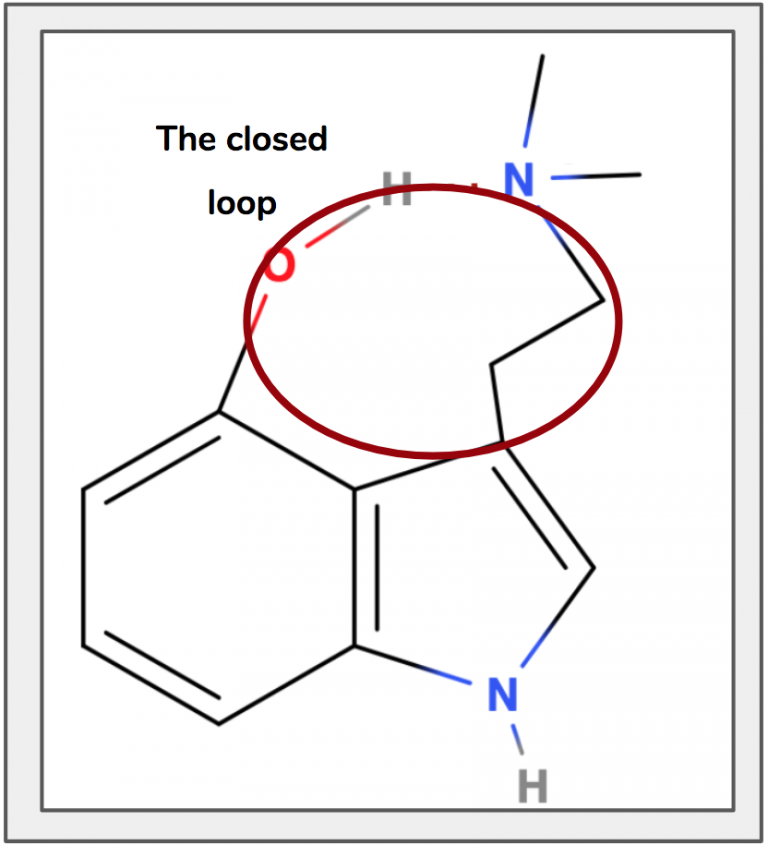
 Figure 14
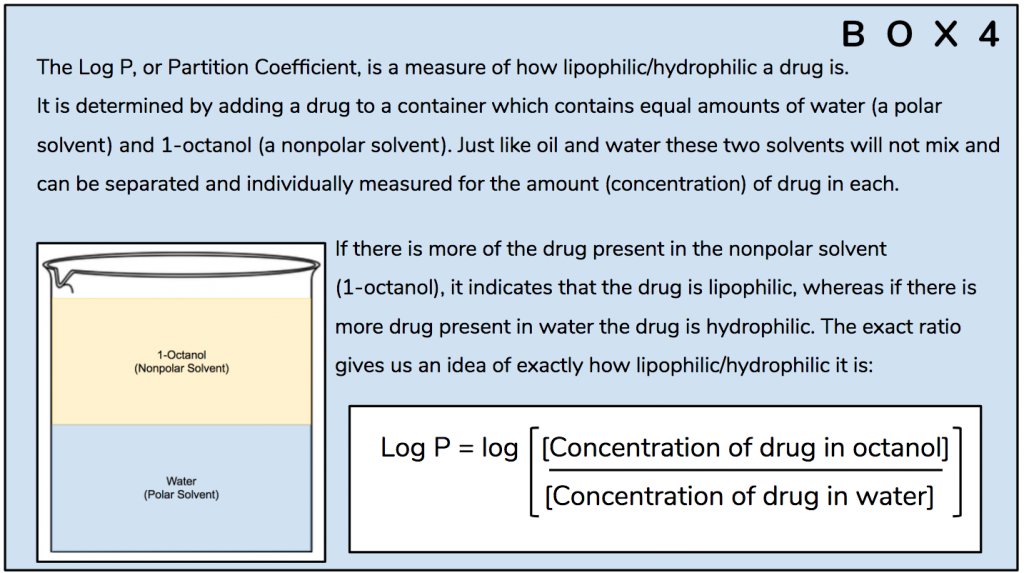
 When they measured the pKa and the Log P for both psilocin and bufotenin they found the following:


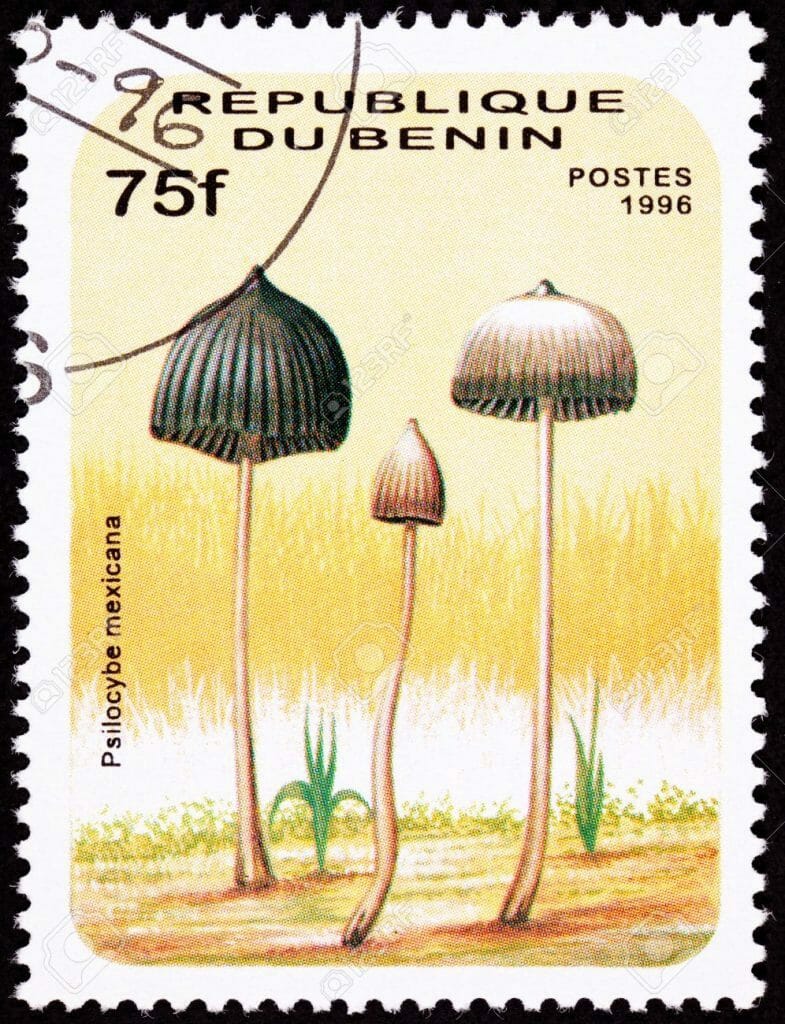 Figure 1
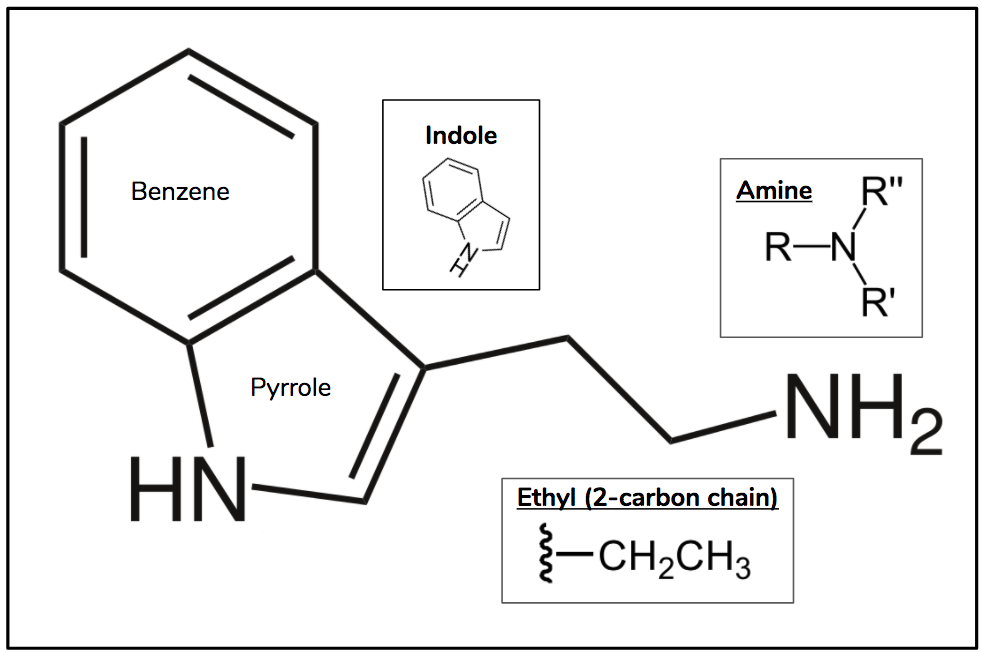 Figure 2


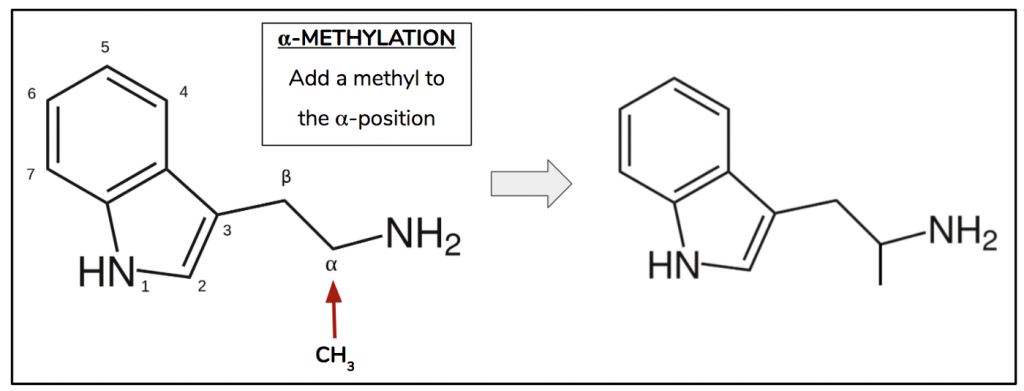 Figure 4
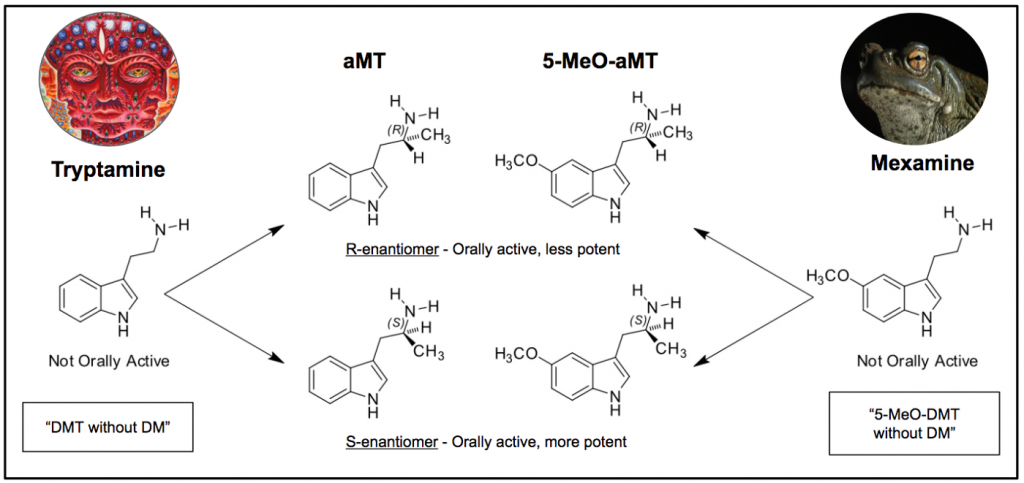 Figure 5
 Figure 6
 Figure 7
 Figure 8




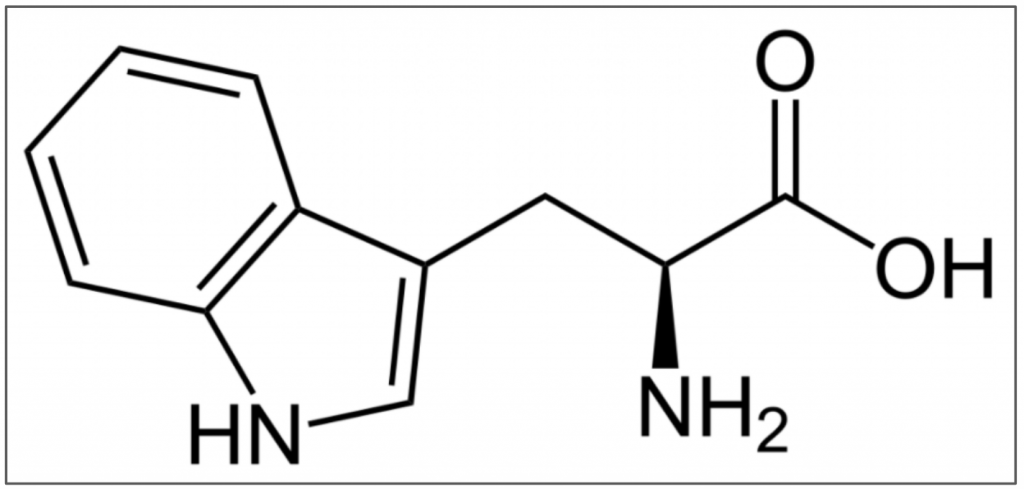 Figure 3. L-tryptophan
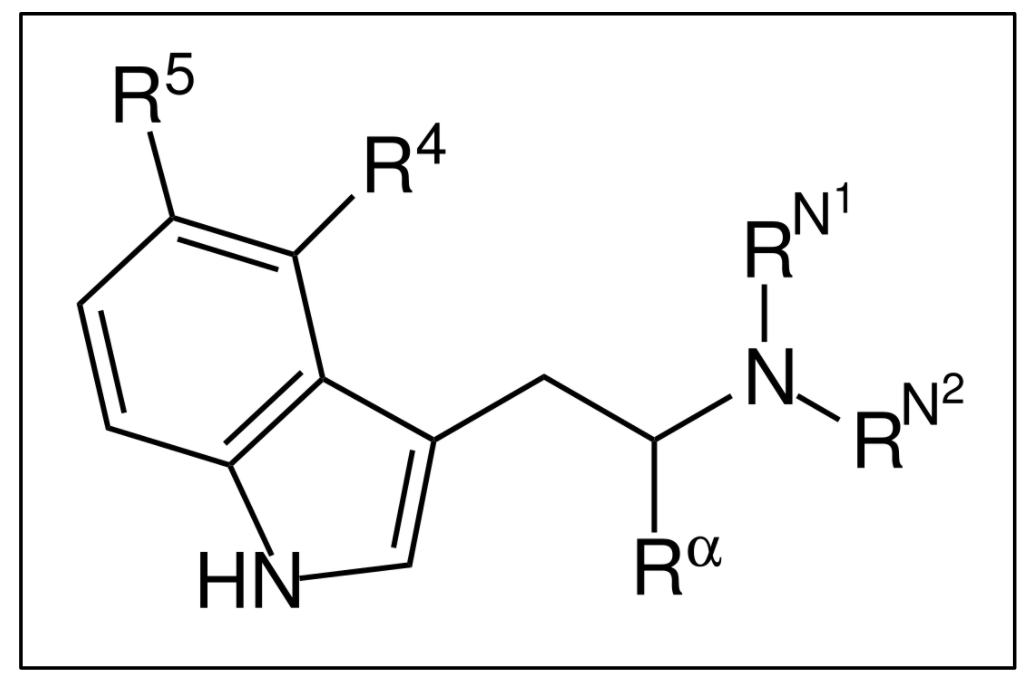 Figure 4
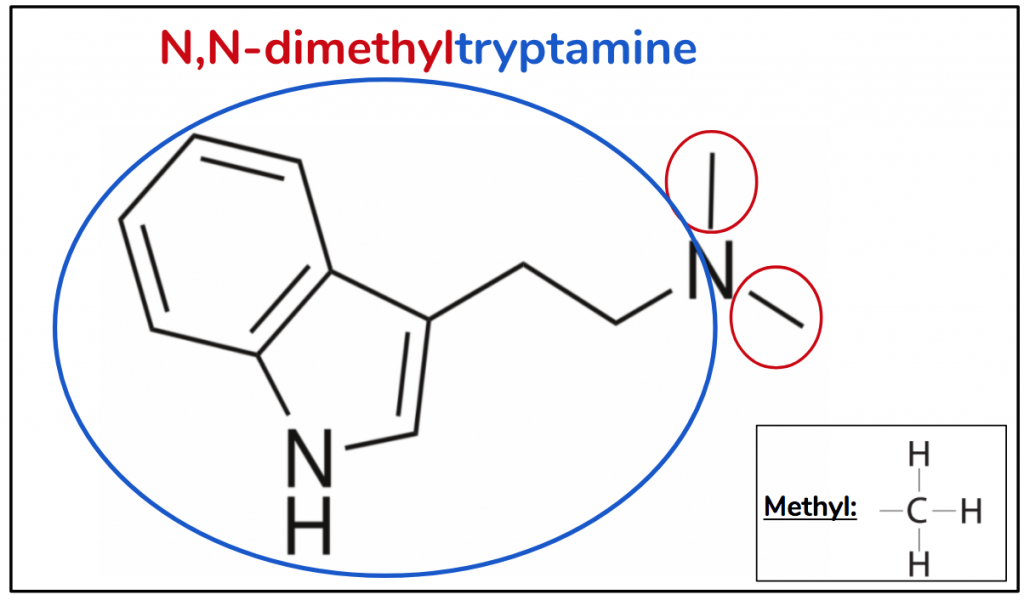 Figure 5
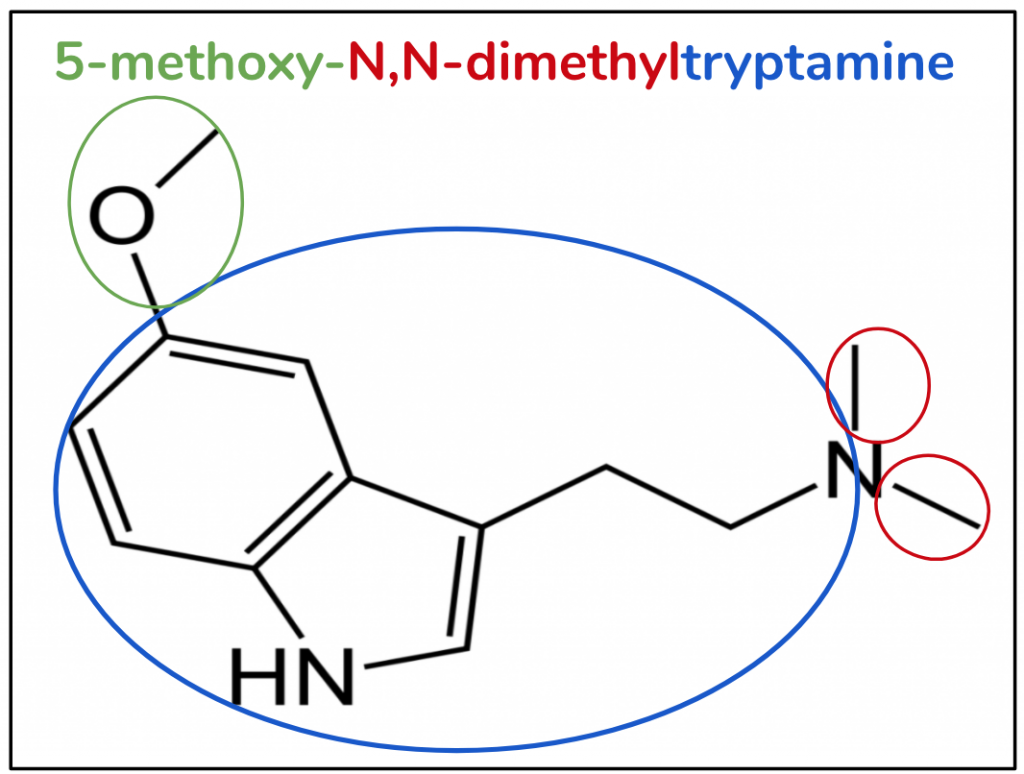 Figure 6
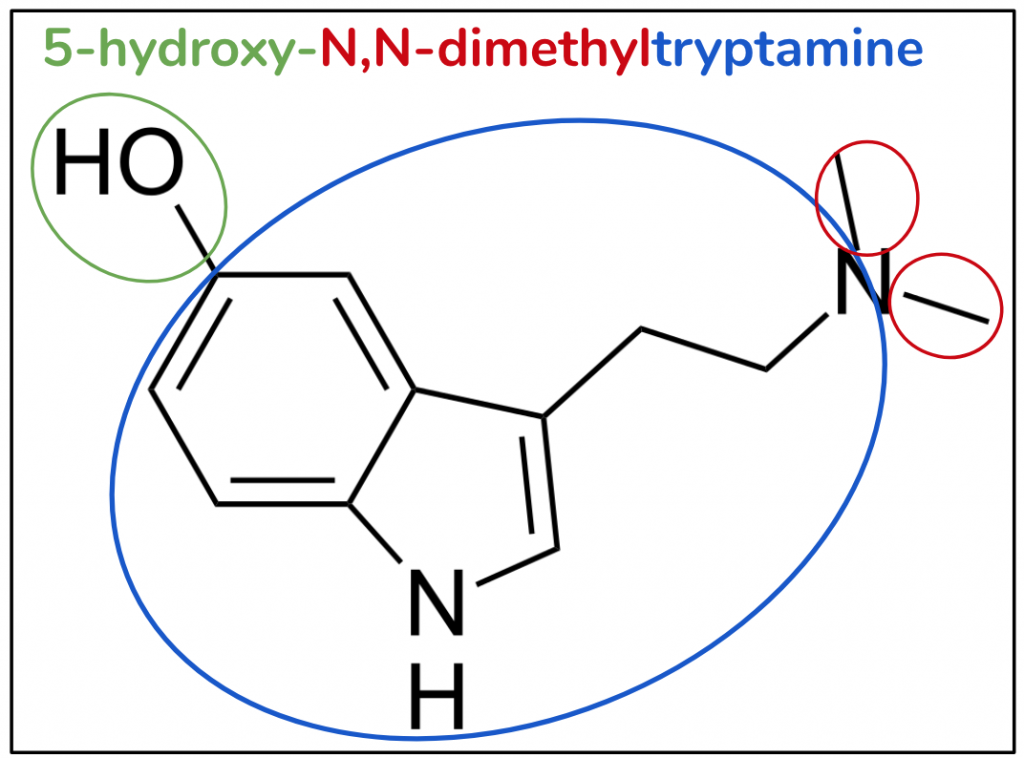 Figure 7
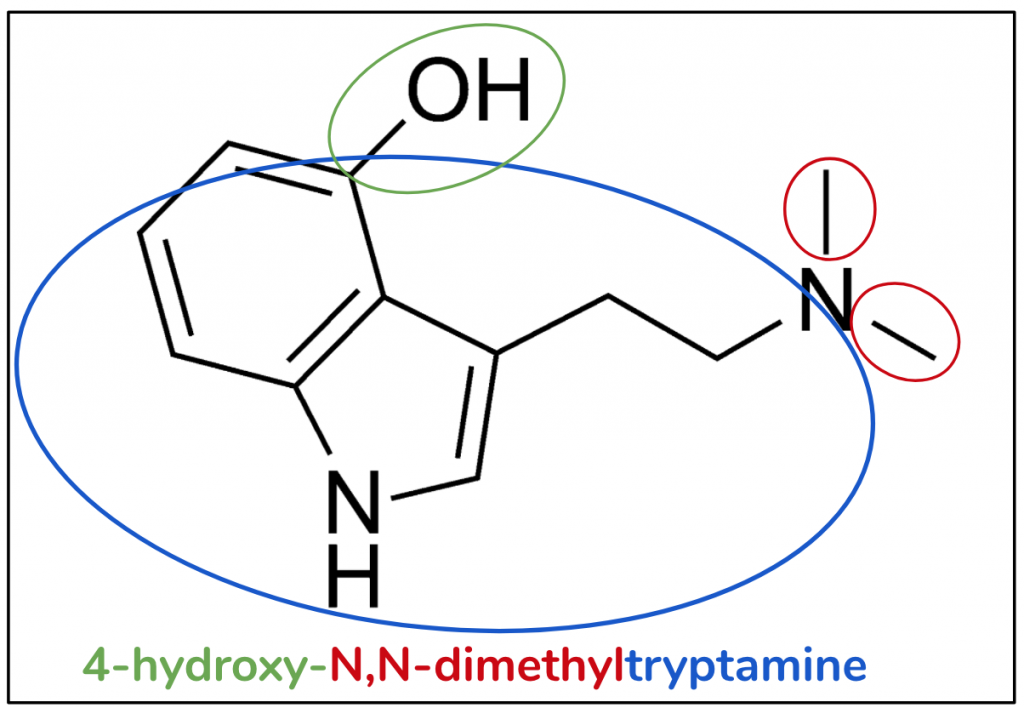 Figure 8
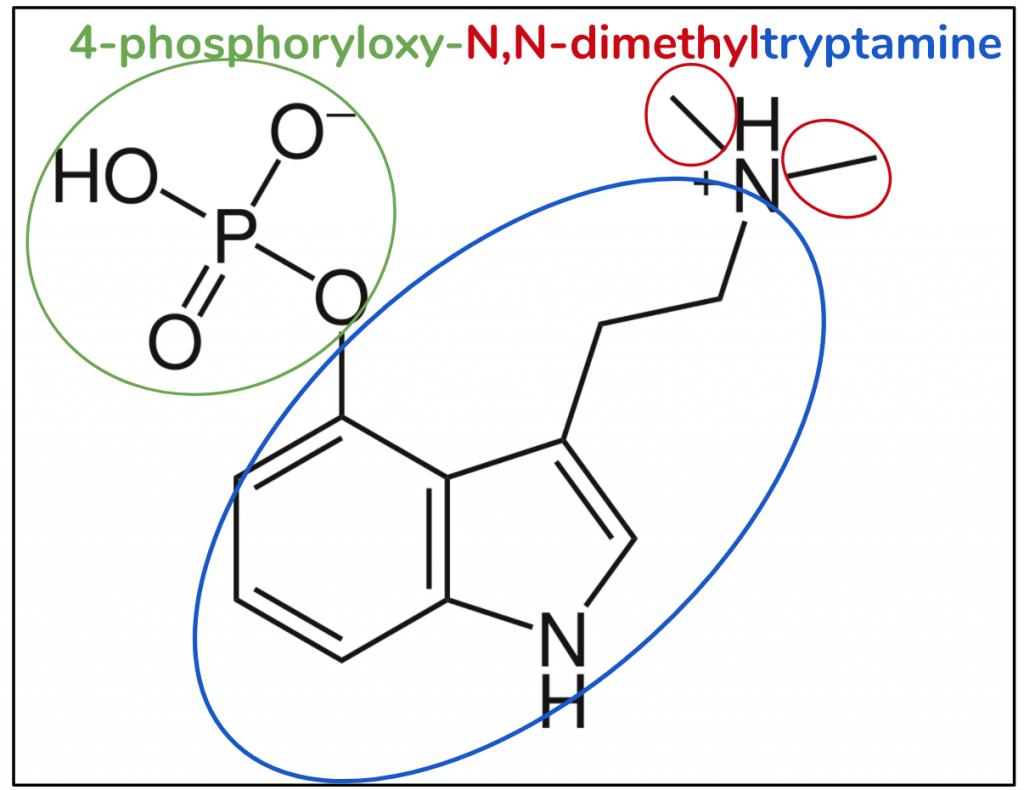 Figure 9
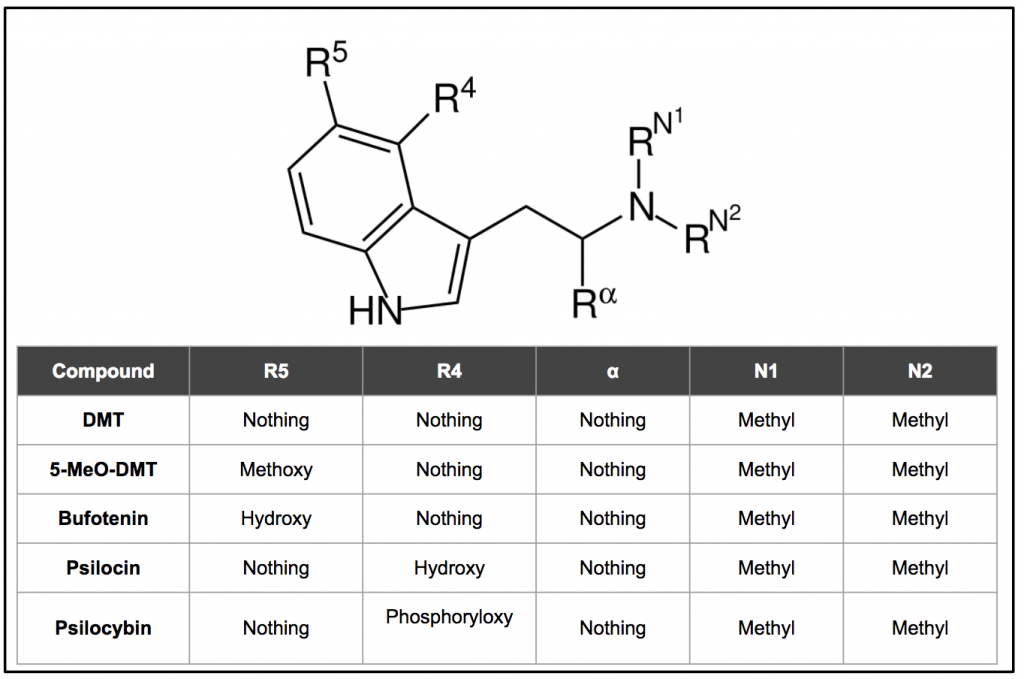 Figure 10


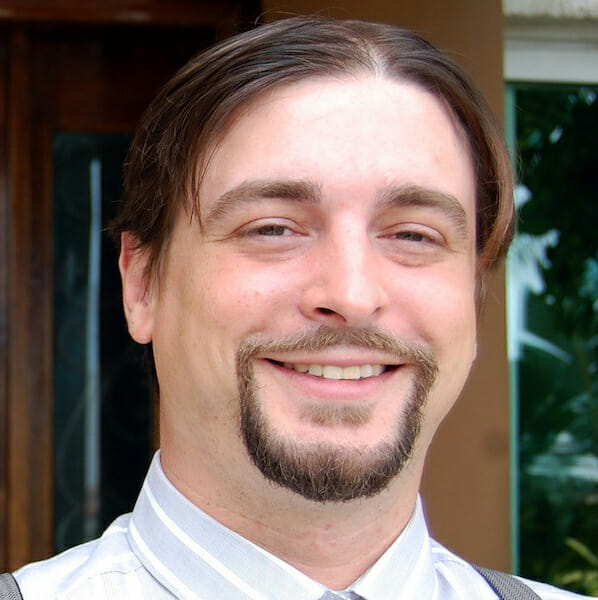


 Dr. Brown Specializes in whole health psychiatry. This approach differs from many other practitioners who more and more practice symptomatic management when it comes to mental health. Dr. Brown takes the perspective that the body has the ability to heal itself, but from time to time may need assistance through balancing the things that are important for physical health that are also important from mental health. These include, sleep, diet, exercise, meditative/spiritual practice and cultivating positive social relationships. Dr. Brown also has a strong command of how to balance vital nutrients in our body with the aid of supplementation to augment traditional psychopharmacological therapies. Dr. Brown’s method is aimed primarily at the treatment of Depression and Anxiety as well as other mood disorders and ADHD. Dr. Brown is a specialist in the treatment of OCD specifically and is board certified by the ABPN in both adult as well as child and adolescent psychiatry.


 In addition to his work with Medicinal Mindfulness, Daniel has a successful spirituality and life coaching practice with his wife, Alison, through their company, Aspenroots Counseling LLC. Highly skilled in identifying and cultivating giftedness in young people and supporting significant life transitions, Daniel is inspired to support passionate and talented individuals striving to live into their calling. A primary focus of his practice involves assessing and addressing the benefits and difficulties related to psychedelic and cannabis use and misuse.







 supportive ways, working collectively toward shared goals while enhancing the personal journey of each individual. Cosmic Sister promotes love, higher consciousness, abundance and creativity, and members pledge to hold each other’s best interests at heart as allies and affiliates. We want to see women shine.


 Vilmarie Narloch, PsyD., is the Drug Education Manager at Students for Sensible Drug Policy. In this role, Vilmarie oversees the development and implementation of the SSDP Peer Education program, which is a training program for SSDP Members to become certified to deliver our drug education program, Just Say Know, to their peers. Vilmarie is passionate about reforming drug education in the U.S. and abroad, and has dedicated years of study on the topic for her dissertation. Vilmarie has taken on this position because as an organization driven by students with exceptional knowledge on drug policy and other drug use related issues, SSDP is uniquely positioned and qualified to be developing a drug education program. Additionally, Vilmarie educates staff and the network on the current state of research and treatment issues with regard to substance use disorders and mental health. Vilmarie aims to aid in the connection of policy and practice by helping our network understand the impact of policy on access to treatment and care while utilizing the latest research.






 She received her Master’s of Science in Nursing from the University of Miami, Florida and post master’s certificate in psychiatry at the University of California-San Francisco. Julie maintains licenses in family medicine and psychiatry in an effort to close the gap between medical and psychiatric care, incorporating the mind/body connection for most effective treatment. She currently is in private practice in the San Francisco/Bay Area.


 Peter Sjöstedt-H is an Anglo-Scandinavian philosopher who specialises in the thought of Schopenhauer, Nietzsche, and Whitehead within the fields of Philosophy of Mind and Metaphysics – especially with regard to panpsychism and altered states of sentience. Peter received a Bachelor’s degree in Philosophy and a Master’s degree in Continental Philosophy from the University of Warwick, where he was awarded a first-class distinction for his dissertation on Kant and Schelling in relation to ‘intellectual intuition’. He subsequently became a Philosophy Lecturer in London for six years but is now engaged in his PhD at Exeter University where he also teaches philosophy modules and writing skills. Peter is the author of
