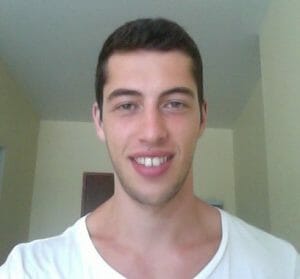
Download Kwasi Adusei of the Psychedelic Society of Western New York joins us to talk about the Global Psychedelic Month of Service campaign. This is a wonderful campaign to help encourage members of the psychedelic community to become more involved in their communities.
About The Global Psychedelic Month of Service
Still hiding in the psychedelic closet? Looking for an opportunity to join the movement? This November, find a need in your community, gather your friends, and participate in the Global Psychedelic Month of Service.
In the month of November, the global psychedelic community invites you to take on a need in your community in the name of psychedelics. Psychedelic groups all over the world are joining the cause by giving back.
At the core of the psychedelic movement is a mission of social activism. So take part in seeing this mission through by volunteering at your local soup kitchen, food pantry, or doing a community clean up.
The integration of a psychedelic experience is as important as the experience itself. Transform the feelings of connectedness induced by the psychedelic experience, into actions of connectedness.
How to get involved
1. Find a local service organization
2. Reach out to find volunteer opportunities in the month of November
3. Find psychedelic friends to volunteer with
4. Volunteer and send in pictures and number of hours completed
What to join the cause? Email buffalopsychedelic@yahoo.com with your name and location so we can add you to the list of participating individuals.
Kwasi Adusei Show Topics
Building community
Breaking down stigma
Doing psychedelic things
Spending time helping
Doing compassionate things
Psychedelic values and morals
Access to expensive MDMA therapies
How to bring more diversity into the psychedelic movement
Kwasi dedicates his work in the psychedelic movement to altering the stigma in mainstream channels by promoting the science, the healing potential of psychedelics, and civic engagement.
Kwasi is a nurse and a doctoral student at the University at Buffalo, studying to be a Psychiatric Nurse Practitioner. He is the founder of the Psychedelic Society of Western New York and project manager for Psychonauts of the World, an initiative to share meaningful psychedelic stories, with the ultimate goal of publishing them in a book as an avenue to raise money for psychedelic research. He is also one of the administrators for the Global Psychedelic Network, a conglomerate of psychedelic groups and individuals from around the world.
He hopes to use his training and education to become a psychedelic therapist. Born in Ghana and raised in the Bronx, New York, Kwasi hopes to bring psychedelic therapy to communities of color.
Kyle and Joe report from the scene of the amazing Horizons: Perspectives on Psychedelics conference. We had the chance to interview attendees of Horizons NYC 2017 outside the venue on the closing day.
Horizons is a fantastic event at an amazing venue in the heart of Manhattan at the historic venue – “The Cooper Union.” The same podium on stage was shared by Abraham Lincoln, Susan B Anthony, and along with many other important historical figures.
It was an amazing event and we hope that this episode helps share some of the excitement. We talked to past guests, future guests, and also some new friends. You may recognize some of the voices 🙂 Let us know what you think of this episode and if you want to hear similar episodes to this in the future.
In the show, we speak about a lot of things from Horizons NYC including
The most interesting thing learned
The sense of community inside a conference like this
Some problems the movement has that we need to stay aware of
Issues with communicating the science of psychedelics with a wider audience
Volunteering for events for free tickets
Do you want to listen to Joe and Kyle recap their highlights of the conference and the Psymposia Microdosing event? Support us on Patreon to get exclusive access! Check out the video introduction to this episode – Here
Horizons: Perspectives on Psychedelics is an annual forum that examines the role of psychedelic drugs in science, medicine, culture, and spirituality.
In recent years, a growing community of scientists, doctors, artists, activists, seekers, and scholars have orchestrated a renaissance in psychedelic thought and practice.
Horizons brings together the brightest minds and the boldest voices of this movement to share their research, insights, and dreams for the future.
Horizons was founded in 2007 by Kevin Balktick, with Neal M. Goldsmith, Ph.D., joining as speaker curator and MC in 2008.
Horizons Media, Inc., a 501c(3) not-for-profit educational charity, is currently led by board members Kevin Balktick, Neal M. Goldsmith, Ph.D., James Vasile, Esq., and Ingmar Gorman, M.A.
Having outgrown Judson Memorial Church, its original location, Horizons is now hosted at The Cooper Union Great Hall, which has been a center for public dialogue since its founding in 1858, having hosted such illustrious speakers as Abraham Lincoln, Mark Twain, Frederick Douglass, Susan B. Anthony, and more recently, Barack Obama.
Horizons Media, Inc. conducts no other business besides the annual conference and is funded in solely by registration and concession sales. All profits go towards producing and improving the following year’s event. Its board members are not compensated.
Horizons Media, Inc. is not a political advocacy or scientific research organization, nor does it have any financial relationships with other organizations and businesses that participate as presenters or informational presences.
Sign up for our online course, “Navigating Psychedelics: Lessons on Self-Care & Integration”
Kyle and Joe talk with Shane LeMaster about ketamine as a therapeutic tool and also a tool for self-discovery and personal development. Shane shares some amazing stories, and we get to peel off some of the layers around ketamine. There are some amazing uses, and perhaps some therapeutic falling short of the mark in the ketamine world that we discuss. Hope you enjoy!
Shane is a past guest on the show and one of our favorites. You will really like his past episodes where we talked about peyote, treating veterans, Jiujitsu for PTSD and microdosing for athletic performance. (first – second)
Sign up for our course!
Show Topics/Discussion
Chemical effects
Lego world of the Ketamine experience
Hallucinogenic properties of Ketamine for Shane
Astral Projection
Therapeutic method. Music, Temp, Comfort, Safe setting, etc.
Not trauma work – getting to see all of reality as the machine as it is and his role in it.
Shane earned his Bachelor of Arts Degree in Psychology from the University of Colorado in Boulder, CO, completed extensive coursework towards a Master of Arts Degree in Sport & Performance Psychology at the University of Denver, and earned his Master of Arts Degree in Sport & Exercise Psychology from Argosy University.
Shane is nationally certified as a Sport Psychology Consultant and a licensed mental health clinician in the state of Colorado. Having worked in community non-profit mental health since 2008, Shane has gained experience working with the entire spectrum of mental disorders and with all populations and age groups. Shane plans on attending a Ph.D program in Counseling Psychology where his interest in Resiliency, Mental Toughness, and Mindfulness Training Program Development can be explored and further developed.
He is a life-long athlete having competed at various levels in more than a dozen different sports. Because of his passion for warrior cultures of past and present, Shane has been ardently developing his own “Warriorship,” training in various forms of Martial Arts for 25 years. Shane feels that the self-discipline, the philosophy of non-violence, the innumerable mental and physical benefits, and the enjoyment that he gains from the Martial Arts is what helped drive his passion in the field of Psychology.
His personal interest in Eastern Philosophy stems from his adoption of a Buddhist lifestyle and blends well with his training in Western Psychological Science. Clients describe Shane as an out-of-the-box clinician that is easy to get along with, knowledgeable on a variety of topics, credible with lived experience, and as having the ability to make therapy fun and interesting.
Download
Animals are known to indulge in psychoactive compounds. Humans are not the only species who like to become intoxicated. From bees drinking to fermented nectars to reindeer of the Siberian tundra eating Amanita muscaria mushrooms, Aaron and Andras find a creative way to start a conversation about drug policy, harm reduction, and psychedelics. Aaron and Andras have started a company that produces tshirts depicting cute animals doing drugs. While this may seem like a way to promote drug use using cute animals, Aaron and Andras have a deeper meaning, which is about starting a conversation and trying to shift the cultural narrative about drug use.
If you want to get one of your own t-shirts, use the coupon code: PSYCHEDELICSTODAY25 to receive 25% off your purchase!
Cute Animals Doing Drugs was created by two friends to raise awareness around these issues, support drug policy reform, and encourage honest conversations about drugs in everyday life.
We believe individuals have the right to sovereignty over their own consciousness and that there is no reason to deny any adult the safe and beneficial use of psychoactive substances.
We believe social and political change can start from the bottom-up. Our apparel serves as a conversation-starter and a fun, unique way to show your support for an increasingly important social issue.
Cute Animals Doing Drugs is here to call attention to these issues, support psychedelic research, encourage drug policy reform, and promote cognitive liberty for all.
We also donate 10% of our pre-tax profits to MAPS, the Drug Policy Alliance, and other drug-related non-profit organizations.
Andras L is a cofounder of Cute Animals Doing Drugs Apparel, an initiative intended to help shift societal perceptions around drug use. Cute Animals builds on his previous work as a director on the board of Canadian Students for Sensible Drug Policy, where he advocated for the advancement of harm reduction and evidence-based drug policy reform. He is especially focused on reversing harmful policies and combating stigma. Andras graduated with an M.Sc. in Primary Care Research from McGill University and now researches infectious disease.
Aaron
Aaron co-founded Cute Animals Doing Drugs Apparel with Andras in the summer of 2017. He finished his BA at McGill University in 2014 and has since been traveling the world and working online. Aaron has a longstanding fascination with psychedelics, and is particularly interested in the subjective elements of psychedelics experience as well as the potential broad social impact of mainstreaming psychedelic use, especially in spiritual contexts. He writes about personal development, spirituality, and psychedelic experience at freedomandfulfilment.com.
Download
What is microdosing? Is this a growing trend in the psychedelic community? What do some people in the psychedelic community think about it? Can it really help boost creativity and productivity? While the idea that microdosing can help with depression, creativity, and productivity, these claims are usually backed by self-reported experiences. There is currently no hard science/research that highlights the risks, safety, or benefits of this concept despite the growing trend and loads of anecdotal evidence. If you want to learn more about this current trend, be sure to get your ticket to the upcoming Psymposia Microdosing event. We are sure all of these questions will be laid out on the table, and it will sure be a great night and discussion!
Brian Normand, Co-Founder of Psymposia, joins us again to talk about the Psymposia Microdosing event/Horizons afterparty. The event will be hosted by the one and only, Duncan Trussell. If you have plans to attend the Horizons: Perspectives on Psychedelics conference in NYC, be sure to check out the afterparty. It is always a great time and also a great place to “find the others.”
Save 5 dollars on your ticket with the coupon code psychedelicstoday
We also cover topics revolving around drug policy and Brian’s experience in the Amazon.
You’re invited to Psymposia’s 4th annual celebration following day 1 of the Horizons Perspectives on Psychedelics forum in New York City that examines the role of psychedelic drugs in science, healing, culture and spirituality.
This year, Comedian Duncan Trussell joins Hamilton Morris (VICELAND’s Hamilton’s Pharmacopeia), Katherine MacLean, Sophia Korb, and Paul Austin to talk about everything you wanted to know about microdosing and more, surrounded by a live audience in Brooklyn.
Co-sponsored by the Multidisciplinary Association for Psychedelic Studies // MAPS
Brian Normand is CoFounder, lead designer, and webmaster of Psymposia. He’s a greenthumb, social entrepreneur & occasional trouble maker, focused on changing minds and creating spaces to teach people about plants and drugs. He graduated from the University of Massachusetts Amherst with a BS in Plant, Soil, Insect Science, & Sustainable Horticulture, Magna Cum Laude.
Joe speaks with Becca Segall Tarnas about her work with Carl Jung’s Red Book and J.R.R. Tolkien. There is a substantial amount of overlap between the two. Why these two in a show about psychedelics? Transpersonal Jungian psychology is the bridge. There appears to be objects or entities beyond the veil of our perception and understanding (so far). We have a collective imagination collective unconscious that these things interact in. Psychedelics and other methods can give us access to these. Becca will be presenting her work to this point at the Prague ITC 2017. This discussion goes all over the world, so feel free to reach out if you have any questions. We really enjoy Becca’s work and hope to have her on again in the near future!
About Becca Segall Tarnas
Becca Segall Tarnasis a doctoral candidate in the Philosophy and Religion department at the California Institute of Integral Studies. Her dissertation research is focused on the theoretical implications of the synchronicity between the Red Books of C.G. Jung and J.R.R. Tolkien. Becca received her M.A. from CIIS, and her B.A. from Mount Holyoke College. Her research interests include ecology, imagination, philosophy, and depth psychology, and she is also co-editor of Archai: The Journal of Archetypal Cosmology.
All that is gold does not glitter, not all those who wander are lost; the old that is strong does not wither, deep roots are not reached by the frost. J. R. R. Tolkien
“The Road goes ever on and on
Down from the door where it began.
Now far ahead the Road has gone,
And I must follow, if I can.” Tolkien – The Fellowship of the Ring
“I indignantly answered, “Do you call light what we men call the worst darkness? Do you call day night?”
To this my soul spoke a word that roused my anger, “My light is not of this world.”
I cried, “I know of no other world!”
The soul answered, “Should it not exist because you know nothing of it?”
― C.G. Jung, The Red Book: Liber Novus
Download This talk was recorded live in Bolton, Vermont during a MAPS Psychedelic Dinner fundraising event in May 2016.
Lenny Gibson presented a lecture during the event about the brief history of psychedelics in the Western world — surveying the ancient Greek mysteries to the current contemporary psychedelic culture.
“Blessed is he who, having seen these rites,
undertakes the way beneath the Earth.
He knows the end of life,
as well as its divinely granted beginning.” Pindar
Creatures for a day! What is a man?What is he not? A dream of a shadow Is our mortal being. But when there comes to menA gleam of splendour given of heaven,Then rests on them a light of glory And blessed are their days. Pindar
I suddenly became strangely inebriated. The external world became changed as in a dream. Objects appeared to gain in relief; they assumed unusual dimensions; and colours became more glowing. Even self-perception and the sense of time were changed. When the eyes were closed, coloured pictures flashed past in a quickly changing kaleidoscope. After a few hours, the not unpleasant inebriation, which had been experienced whilst I was fully conscious, disappeared. What had caused this condition?
Dr. Albert Hofmann – Laboratory Notes (1943)
To fathom hell or soar angelic, just take a pinch of psychedelic.
Dr Humphry Osmond
Leonard Gibson, Ph.D., graduated from Williams College and earned doctorates from Claremont Graduate School in philosophy and The University of Texas at Austin in psychology. Lenny has 50 years of experience working with non–ordinary states of consciousness. He has taught at The University of Tulsa and Lesley College and served his clinical psychology internship at the Boston, MA V.A. Hospital. He also taught transpersonal psychology for 20 years at Burlington College. Lenny serves on the board of the Community Health Centers of the Rutland Region in Vermont. A survivor of throat cancer, he facilitates the head and neck cancer support group at Dartmouth Hitchcock Medical Center. He is a past president of the Association of Holotropic Breathwork International.
You can find out more about Lenny at these two links.
In this episode, Joe and Kyle discuss the difference contexts of psychedelic use:
Therapeutic
Recreational
Psychospiritual & Self-Discovery
Ceremonial & Shamanic
While these categories can be flexible and sometimes merge into one another, we thought that it would be important to give context to the variety of experiences. As MAPS has just received “Breakthrough Therapy” status on the MDMA-assisted psychotherapy research, this is an exciting time for research and therapeutic use of a powerful medicine. However, there may be some confusion about how the therapeutic approach is different from some of these other contexts and ways of using psychedelics. While we believe that all contexts are valid or legitimate and each carry their own risk/benefit, we thought that it would be helpful and fun to talk about our views about this subject.
Zoe Helene of Cosmic Sister and Medicine Hunter joins us to discuss feminism, psychedelic feminism and eco feminism, and her organization, Cosmic Sister. During this conversation, we explore ayahuasca safety in general as well as ayahuasca safety for women — from understanding the risks of Toé as an admixture to ayahuasca to traveling in a group to stay safe.
Other Show Topics
Synthetic vs Natural compounds
Masculine energy in the psychedelic space
Ayahuasca Dieta
Sex and ayahuasca
Working with sexual energy pre and post ceremony
Sexual abuse in the medicine space
Finding one’s voice and power
What is Psychedelic Feminism?
Psychedelic Feminism is a sub-genre of feminism that embraces the power of the frontier field of psychedelic healing, transformation, inspiration, and mind/body/spirit exploration into altered states of consciousness. Safe, intentional journeying with psychedelics can help women look deeply inside themselves, in part to face core feminist issues in fresh and exciting ways. – Cosmic Sister
About Cosmic Sister
Cosmic Sister® is a network that connects kindred-spirit women in mutually supportive ways, working collectively toward shared goals while enhancing the personal journey of each individual. Cosmic Sister promotes love, higher consciousness, abundance and creativity, and members pledge to hold each other’s best interests at heart as allies and affiliates. We want to see women shine.
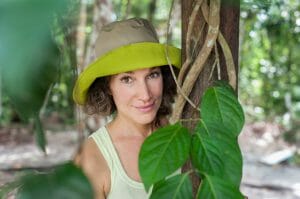
We envision a healthy, life-affirming balance of power between genders, worldwide. We envision a well world where women are fully respected globally, where their voices are heard and respected, and where a natural, healthy, life-affirming gender balance is restored. We believe that many of the world’s most critical problems are a result of a gross gender imbalance that has been sustained for thousands of years. We do not want our species to evolve in the direction we see the majority of human beings choosing, and we wish to be part of a global cultural shift that helps us evolve more rationally and with functioning minds, hearts and spirits with respect and love for other life-forms and the planet we all depend on to survive. We are passionate about helping to protect wilderness spaces and wildlife species that are currently in crisis or threatened.
Zoe Helene, MFA, an artist, environmental and cultural activist, and psychedelic feminist, founded Cosmic Sister, an “underground collective” for women who understand that balance of power between genders is the only way to true sustainability—a system in which all parties (human and non-human) thrive. Educational advocacy projects championing women’s frontline voices are a core concept in Cosmic Sister’s approach to creating positive change. Through these projects, Zoe emphasizes our responsibility—as Earth’s apex predator—to evolve ethically. Cosmic Sister’s educational advocacy projects include a trio of psychedelic feminism grants—Women of the Psychedelic Renaissance, Cosmic Sisters of Cannabis and the merit-based immersive Plant Spirit Grant—promote sacred plants (and fungi) such as ayahuasca, cannabis, peyote, and psilocybin mushrooms and our fundamental human right to journey with them. Zoe’s work in the field is focused on how exploring the wilderness of our own psyches with these natural allies can be a profoundly self-liberating experience for females in male-dominated cultures. She also speaks out for cannabis as a sacred plant for journeying and an “ambassador” for promoting the greater plant medicine conversation.
Zoe’s work has been featured in Bust, Vice, Forbes, Outside Magazine, Boston Magazine, Wisdom Daily, Utne Reader, AlterNet, Newsday and others, and her articles and interviews have been published in LA Yoga, Boston Yoga, Utne Reader, Huffington Post, Organic Spa Magazine, Eco Salon, Organic Authority and more. She has presented to audiences ranging from top-tier corporate executives to nonprofit organizations and women’s empowerment gatherings. Most recently, she led a psychedelic feminism talking circle at Bastyr University, and taught about Psychedelic Feminism: Core Concepts and Key Stages for Plant Spirit Journeying and Global Sustainable Medicinal Plant Trade at the 30th Anniversary of Rosemary Gladstar’s Women’s Herbal Conference. For the past decade, Zoe has traveled to remote regions of the globe with her husband, ethnobotanist and Medicine Hunter Chris Kilham, to promote medicinal plants (including sacred plants), environmental protection and cultural preservation and bear witness to the state of women, wilderness and wildlife. She also supports media professionals in communicating messages around global sustainable plant medicine and has worked with NBC Nightly News, The New York Times, The Dr. Oz Show and many others.
For the past decade, Zoe Helene has traveled to remote regions of the globe with her husband and partner Medicine Hunter Chris Kilham, to promote medicinal plants, environmental protection and cultural preservation.
The summer has been busy for us at Psychedelics Today. We have been working hard on launching our new online course, “Navigating Psychedelics: Lessons on Self-Care & Integration.” Beside lining interviews up for the podcast, we have been recording video interviews/master classes for the course. Since we just launched the course this week, we figured that would check in and just talk about what’s been going on.
This conversation takes off with Joe and Kyle discussing the recent DMTx event that took place last month in Boulder, Colorado. During this talk, we both speculate the risks and concerns of this research as well as the potential benefit. With the conversation revolving around DMT and extended-state DMT research, the discussion heads down the rabbit hole for a bit and we explore the global crisis, climate change, future uses of DMT, alien worlds and alternative dimensions, and more!
We also highlight the recent death of Baylee Ybarra Gatlin, who passed away at the Lightening in a Bottle festival during Memorial Day Weekend. The autopsy report suggests that Gatlin passed due to “Acute LSD Toxicity.” Many condolences to the Ms. Gatlin’s family and friends.
It is very unlikely that Gatlin died from “Acute LSD Toxicity,” but rather most likely from ingesting another substance like 25i-NBOMe. Tragic situations, like these, really stress the importance of substance testing. It seems that with the rise of research chemicals, adulterations in substances, and drugs laced with fentanyl one can never be 100% certain of what they are actually ingesting. If you have the time to ingest, you have the time to test. Get a test kit today.
Leave us a comment and let us know what you think of the show!
We have an awesome time speaking with SSDP’s Drug Education Manager, Dr. Vilmarie Narloch. Vilmarie is making a big difference with drug safety in the US and internationally with SSDP’s education program ‘Just Say Know.’
During the show we discuss Vilmarie’s work with policy around the Good Samaritan laws and other impressive and impactful harm reduction projects. We also discuss some of the pressure from various elements in the government regressing rules, like some law enforcement offices refusing to use Narcannaloxone to help save the lives of people overdosing.
This episode is a dose of compassion and gives perspective about the different impacts from the drug war and prohibition.
If you are a student who wishes to get involved in drug policy work, please check out the work that SSDP is doing. If you do not have a chapter at your school or university, start one today!
Vilmarie also joins us in our course Navigating Psychedelics for a master class featuring harm reduction strategies and more. Be sure to sign up today to learn more from Vilmarie and many others!
About Students For Sensible Drug Policy (SSDP)
Students for Sensible Drug Policy (SSDP) is the only international network of students dedicated to ending the war on drugs. At its heart, SSDP is a grassroots organization, led by a student-run Board of Directors. We create change by bringing young people together and creating safe spaces for students of all political and ideological stripes to have honest conversations about drugs and drug policy. Founded in 1998, SSDP is comprised of thousands of members at hundreds of campuses in countries around the globe.
About Just Say Know
Just Say Know is a series of drug education modules aimed at promoting open and honest dialogue around commonly used substances. The program aims to equip young people with harm reduction tools and skills as it relates to the specific substance, but can be applied to substance use generally.
Students for Sensible Drug Policy believes that students should be an overall part of any campus and community prevention and intervention strategy. Our SSDP Peer Education program seeks to empower students in our network to analyze the relationship between drug policy and drug use by providing evidence-based drug information, teaching students to recognize and address dangerous behaviors and unhealthy attitudes, and promoting prosocial and harm reduction oriented behaviors and attitudes.
Vilmarie Narloch, PsyD., is the Drug Education Manager at Students for Sensible Drug Policy. In this role, Vilmarie oversees the development and implementation of the SSDP Peer Education program, which is a training program for SSDP Members to become certified to deliver our drug education program, Just Say Know, to their peers. Vilmarie is passionate about reforming drug education in the U.S. and abroad, and has dedicated years of study on the topic for her dissertation. Vilmarie has taken on this position because as an organization driven by students with exceptional knowledge on drug policy and other drug use related issues, SSDP is uniquely positioned and qualified to be developing a drug education program. Additionally, Vilmarie educates staff and the network on the current state of research and treatment issues with regard to substance use disorders and mental health. Vilmarie aims to aid in the connection of policy and practice by helping our network understand the impact of policy on access to treatment and care while utilizing the latest research.
Vilmarie earned her M.A. in Counseling and Psychological Services from Saint. Mary’s University of Minnesota, and a Psy.D. in Clinical Psychology. During her time at Roosevelt, she was a graduate research assistant with Roosevelt University’s Illinois Consortium on Drug Policy. Her work at ICDP included research support, report co-authorship and event planning and coordination. Vilmarie’s interests in drug education, access to treatment, and harm reduction policy and practice have led her to numerous projects, including the provision of counseling and harm reduction services to students at the School of the Art Institute of Chicago and DePaul University, serving as a member of the Chicago Consortium on College Alcohol Harm Reduction, a predoctoral internship in the Adult Behavioral Services department in a local public health department, and a postdoctoral fellowship in a small prviate agency, where she provided therapy for individuals, couples, families, and groups in addition to supervising interns. Additionally, Vilmarie has been an adjunct instructor teaching undergraduate and graduate courses in psychology and substance use disorder treatment. She has dedicated her studies and clinical work to advance Harm Reduction as the standard of practice for substance use disorders. In doing so, she has sought opportunities to educate others in her field about harm reduction, including her students. Vilmarie’s dissertation, titled, “What Youth Want: Developing a Drug Education Curriculum Based on Youth Guidance and Evidence-Based Principles,” inspired her to continue to advocate for effective drug education on a professional level, which led to her current position at SSDP. Additionally, Vilmarie’s next personal career goal is to become trained to deliver psychedelic psychotherapy, which she considers to be the future of psychological practice.
This week we talk with Ashley Booth, co-founder of InnerSpace Integration and founder of the Aware Project: Rethinking Psychedelics. Ashley shares with us how she went from being an oceanographer to starting a psychedelic community in the Los Angeles area and also pursuing psychedelic research. We talk about how the formation and history of both the Aware Project and InnerSpace Integration, and the importance of building a psychedelic community.
We also talk about Ashley’s background in somatic practices such as Hakomi and how Hakomi can be used for integration as well as in the psychedelic space. Body psychotherapy seems to be a tool of the future for many psychotherapists who are interested in psychedelics and psychedelic research as normal talk therapy does not always address some of the underlying issues that are stored within the body.
Ashley Booth, M.S. is a scientist, philosopher, and psychedelic ambassador. After years of working in environmental science, she experienced a radical paradigm shift through the use of psychedelics which ignited a passion for the awakening of human consciousness. Ashley uses her scientific background to break through the “war-on-drugs” rhetoric and have an intelligent and scientifically-based conversation about the safety and use of psychedelic substances. Ashley is the founder of the Aware Project: Rethinking Psychedelics (awareproject.org), which hosts educational and community-building events in Los Angeles and San Diego, California. She is also a co-founder of the InnerSpace Integration (innerspaceintegration.com), a psychedelic integration support service and harm reduction organization in Southern California. For a year and a half, she worked as a psycho-spiritual coach at Crossroads Treatment Center, supporting people through ibogaine and 5-MeO-DMT experiences. She is a certified Kundalini yoga teacher and is currently training in a somatic psychotherapy approach known as the Hakomi Method. www.AshleyBooth.net
Download Daniel Pinchbeck, author of the new book, How Soon is Now?joins us this week to talk about the global ecological crisis, climate change, and how psychedelics may play a role in transforming human culture.
If you do believe that we are in a time of great ecological crisis, what are you doing about it? Taking action is the most important step to creating change, but are we willing to take the sacrifices and action to create change?
Daniel shares his insights about how to take action to implement change. While some of these changes may be challenging, i.e., stop traveling as much, it may be necessary to help cut carbon emissions and to slow down the global warming cycle. Or is it too late to even take action?
Our model controlled for experiences with other classes of psychoactive substances (cannabis, dissociatives, empathogens, popular legal drugs) as well as common personality traits that usually predict drug consumption and/or nature relatedness (openness to experience, conscientiousness, conservatism). Although correlational in nature, results suggest that lifetime experience with psychedelics in particular may indeed contribute to people’s pro-environmental behavior by changing their self-construal in terms of an incorporation of the natural world, regardless of core personality traits or general propensity to consume mind-altering substances. Thereby, the present research adds to the contemporary literature on the beneficial effects of psychedelic substance use on mental wellbeing, hinting at a novel area for future research investigating their potentially positive effects on a societal level.
We are on the brink of an ecological mega-crisis, threatening the future of life on earth, and our actions over the next few years may well determine the destiny of our descendants. Between a manifesto and a tactical plan of action, How Soon is Now? by radical futurist and philosopher Daniel Pinchbeck, outlines a vision for a mass social movement that will address this crisis.
Drawing on extensive research, Daniel Pinchbeck presents a compelling argument for the need for change on a global basis. The central thesis is that humanity has unconsciously self-willed ecological catastrophe to bring about a transcendence of our current condition. We are facing an initiatory ordeal on a planetary scale. We can understand that this initiation is necessary for us to evolve from one state of being – our current level of consciousness – to the next. Overcoming outmoded ideologies, we will realize ourselves as one unified being, a planetary super-organism in a symbiotic relationship with the Earth’s ecology and the entire web of life.
Covering everything from energy and agriculture, to culture, politics, media and ideology, How Soon Is Now? is ultimately about the nature of the human soul and the future of our current world. Pinchbeck calls for an intentional redesign of our current systems, transforming unjust and elitist structures into participatory, democratic, and inclusive ones. His viewpoint integrates indigenous design principles and Eastern metaphysics with social ecology and radical political thought in a new synthesis.
I am the author of Breaking Open the Head (Broadway Books, 2002), 2012: The Return of Quetzalcoatl (Tarcher/Penguin, 2006), Notes from the Edge Times(Tarcher/Penguin, 2010), andHow Soon Is Now (Watkins, 2017). I co-founded the web magazine, Reality Sandwich, and Evolver.net, and edited the publishing imprint, Evolver Editions, with North Atlantic Books. I was featured in the 2010 documentary, 2012: Time for Change, directed by Joao Amorim and produced by Mangusta Films. I founded the think tank, Center for Planetary Culture, which produced the Regenerative Society Wiki. I hosted the talk show Mindshift on GaiamTV. My essays and articles have been featured in The New York Times Magazine, Esquire, Rolling Stone, ArtForum, The New York Times Book Review, The Village Voice, Dazed & Confused, and many other publications.
Check out our upcoming course, Navigating Psychedelics
Learn about harm reduction practices, self-care, and ways to integration your experience
Download Sara Gael joins us on this week’s episode. Sara is the Director of Harm Reduction at the Zendo Project. We get into some great stuff including some of Zendo’s biggest wins, how Zendo works, how to discuss harm reduction with festival organizers, and how to manage difficult experiences that arise in the Zendo. Something interesting that we learned during this talk was how law enforcement at Burning Man has really been interested in learning more about Zendo and their services, and requested Zendo to help train their staff.
Sara also shares her experience and insights working on the MAPS Phase 2 MDMA-assisted psychotherapy for PTSD trials and how she got involved in psychedelic research. We also explore how transpersonal psychology can serve as an important framework for working with psychedelic experiences.
We hope you enjoy this episode. Be sure to leave us a comment below and share this episode!
The Zendo Project
The Zendo Project is sponsored by the Multidisciplinary Association for Psychedelic Studies (MAPS). Zendo provides harm reduction services to the community and to festivals. Zendo strives to:
Reduce the number of psychiatric hospitalizations and arrests.
Create an environment where volunteers can work alongside one another to improve their harm reduction skills and receive training and feedback.
Demonstrates that safe, productive psychedelic experiences are possible without the need for law enforcement-based prohibitionist policies.
Sara Gael, M.A., Director of Harm Reduction, Zendo Project
Sara received her Master’s degree in Transpersonal Counseling Psychology at Naropa University. She began working with MAPS in 2012, coordinating psychedelic harm reduction services at festivals and events worldwide with the Zendo Project. Sara was an Intern Therapist for the recently completed MAPS Phase 2 clinical trial of MDMA-assisted psychotherapy for PTSD in Boulder, CO. She maintains a private practice as a psychotherapist specializing in trauma and non-ordinary states of consciousness. Sara believes that developing a comprehensive understanding of psychedelic medicines through research and education is essential for the health and well being of individuals, communities, and the planet.
Community is an important part of integration. One of the most difficult aspects of integration is returning to a society that doesn’t understand or support psychedelic exploration. In fact, re-entering society can feel like a stark contrast between the interconnected, transpersonal state of the psychedelic experience. Therefore, one of most important tools for successful integration is a supportive, understanding community. We encourage our Guests to connect with and build supportive communities around themselves when they return home from the event. We support them in seeking professional help if necessary.
It is the week of the 4th of July. That means the United States is celebrating the signing of the Declaration of Independence, breaking free from the British Empire, and becoming an independent nation. With the holiday underway, it seems like a great time to reflect on the concept of freedom (including cognitive liberty) and what it means to each and every one of us.
In honor of Independence Day and the Declaration of Independence, here is a quote by Terence McKenna:
In this episode, Joe and Kyle reflect on the concept of personal freedom, cognitive liberty, and the impact that the War on Drugs has on the American people. It seems to be the consensus that the War on Drugs is failing. The policy has huge negative consequences on people across the globe, and significantly marginalizes minority groups and people of color.
Cognitive Liberty
As psychedelic research continues to progress in the academic and scientific realm, many people are still subjected to arrest and imprisonment because of this failed policy. Kyle and Joe share their thoughts about the pursuit for cognitive liberty and personal freedom.
The unexamined life is not worth living – Socrates
Do you think that exploring one’s own consciousness, whether through plants or other drugs, be illegal? Why should a person have to “ask permission” to have an experience with their own body, mind, and spirit?
We are giving away a SPECIAL offer just for the 4th of July! Receive 10% off our Earl-Bird special with the coupon code “freedom” when you check out. You do not want to miss this offer!
Download Shane LeMaster joins us again to talk about his work with veterans, enhancing human performance and traditional use of peyote. If you haven’t listened to part one, check that out first here.
Show Topics
Warriorship and Shambhala
Micro-dosing as it would apply to sports performance research
Flow states
Eckhart Tolle
Microdosing at JuJitsu competitions
High or standard dose psychedelic use at NASA
The difference between microdosing and normal dosages
Shane earned his Bachelor of Arts Degree in Psychology from the University of Colorado in Boulder, CO, completed extensive coursework towards a Master of Arts Degree in Sport & Performance Psychology at the University of Denver, and earned his Master of Arts Degree in Sport & Exercise Psychology from Argosy University.
Shane is nationally certified as a Sport Psychology Consultant and a licensed mental health clinician in the state of Colorado. Having worked in community non-profit mental health since 2008, Shane has gained experience working with the entire spectrum of mental disorders and with all populations and age groups. Shane plans on attending a Ph.D program in Counseling Psychology where his interest in Resiliency, Mental Toughness, and Mindfulness Training Program Development can be explored and further developed.
He is a life-long athlete having competed at various levels in more than a dozen different sports. Because of his passion for warrior cultures of past and present, Shane has been ardently developing his own “Warriorship,” training in various forms of Martial Arts for 25 years. Shane feels that the self-discipline, the philosophy of non-violence, the innumerable mental and physical benefits, and the enjoyment that he gains from the Martial Arts is what helped drive his passion in the field of Psychology.
His personal interest in Eastern Philosophy stems from his adoption of a Buddhist lifestyle and blends well with his training in Western Psychological Science. Clients describe Shane as an out-of-the-box clinician that is easy to get along with, knowledgeable on a variety of topics, credible with lived experience, and as having the ability to make therapy fun and interesting.
Interested in learning more about psychedelic self-care and integration? Check out and sign up for our new online course!
Doing work with veterans and gaining their trust for therapeutic relationships.
Traditional approaches to ayahuasca.
First hand accounts of what the Peyote world is like.
Shifting away from the predominant Newtonian Cartesian paradigm after psychedelic use and understanding that we know very little about what is really happening here in the world.
Shane earned his Bachelor of Arts Degree in Psychology from the University of Colorado in Boulder, CO, completed extensive coursework towards a Master of Arts Degree in Sport & Performance Psychology at the University of Denver, and earned his Master of Arts Degree in Sport & Exercise Psychology from Argosy University.
Shane is nationally certified as a Sport Psychology Consultant and a licensed mental health clinician in the state of Colorado. Having worked in community non-profit mental health since 2008, Shane has gained experience working with the entire spectrum of mental disorders and with all populations and age groups. Shane plans on attending a Ph.D program in Counseling Psychology where his interest in Resiliency, Mental Toughness, and Mindfulness Training Program Development can be explored and further developed.
He is a life-long athlete having competed at various levels in more than a dozen different sports. Because of his passion for warrior cultures of past and present, Shane has been ardently developing his own “Warriorship,” training in various forms of Martial Arts for 25 years. Shane feels that the self-discipline, the philosophy of non-violence, the innumerable mental and physical benefits, and the enjoyment that he gains from the Martial Arts is what helped drive his passion in the field of Psychology.
His personal interest in Eastern Philosophy stems from his adoption of a Buddhist lifestyle and blends well with his training in Western Psychological Science. Clients describe Shane as an out-of-the-box clinician that is easy to get along with, knowledgeable on a variety of topics, credible with lived experience, and as having the ability to make therapy fun and interesting.
Interested in learning more about psychedelic self-care and integration? Check out and sign up for our new online course!
Download In this episode, Kyle talks with Leia Friedman, co-founder of the Boston Entheogenic Network (BEN) and also known as “The Psychedologist.” Kyle recently was invited to facilitate an “Introduction to Transpersonal Breathwork” workshop for BEN. Joe also was in town for the weekend and presented a talk about “Breathwork, Psychedelics, and Ecological Collapse.” It was a great psychedelic weekend in Massachusetts.
After the workshop, Kyle had the opportunity to sit down and talk with Leia about her interests in the psychedelic field, feminism and eco-feminism, and how she got involved with starting a psychedelic group in Boston. She provides some helpful tips and advice for creating/starting your own local group.
Tips for starting your own psychedelic group:
First, what is the point of the group?
What is the purpose or mission?
Learn about your local laws and the legal risks
Do not condone or facilitate illegal activity
Go slow
Find the others to help you out
Check in with yourself and the other members of the group
Protect your members
Start online to gain awareness and then start an in-person meet up
Sign up below to get your FREE download “How to Create Your Own Psychedelic Group”
We hope you enjoy this episode and let us know what you think!
Kyle and Leia holding space for the breathwork circleBreathwork on the river.Joe and Kyle presenting, “Breathwork, Psychedelics, and Ecological Collapse” in Lowell, MA, USA
Leia Friedman is a professor, clinician, writer and the cofounder of Boston Entheogenic Network. Her present focus is an amalgamation of psychology, ecology, and experiences of altered consciousness as tools for deeper self-understanding. She is also involved in local social and climate justice activism, alphabet soup, and body positivity.
Download In this episode, Kyle talks with Allison Pelissier, of The Traveling Light Machine, about the Lucia N°03 Hypnagogic Light Machine. It turns out it is very powerful and induces powerful visions in some.
During Kyle’s recent trip to Vermont, he met a fellow fan of the podcast, Grant, at the recent Dreamshadow Holotropic Breathwork retreat. While meeting Grant felt like a synchronicity, it led Kyle to experience the Lucia N°03 with Allison. Kyle shares his experience with the hypnagogic light machine in this episode while Allison discusses the background and development of this this fascinating piece of technology. Be sure to continue below to learn more about the Lucia N°03, get show notes/links, and to find out more about Allison’s work.
Consider leaving us a comment to let us know what you think about the episode.
About The Lucia N°03 Hypnagogic Light Machine
The Lucia N°03 was developed in Austria by clinical psychologist Dr. EngelbertWinkler and medical neurologist Dr. Dirk Proeckl.
It is important to note that the Lucia N°03 is not a medical device. Rather it is a therapeutic light meditation. That is, it helps light travelers achieve a state of effortless meditation. It is not in competition with, nor a replacement for pharmaceutical drugs, clinical therapy, or any other medical intervention. It is a journey into consciousness.
The Lucia N°03 gently entrains the brain, stimulates the pineal gland and opens up a beautiful space for visionary exploration.
The Lucia N°03 helps clear the mind and allow even beginning meditators to reach a space of peace quickly. It is not a replacement for a meditation practice but quite the opposite – it encourages people to meditate by realizing how powerful the practice can be and gives them the confidence (and roadmap) to get there on their own. As the Lucia is both a stimulation (through light), and a relaxation (through brain entrainment), it helps the individual learn to let go in stressful situations, rather than resist and make things even more difficult. The Lucia N°03 also uses a wide spectrum of light which has been reported to have a great impact for people with both seasonal affective disorder and other types of depression.
The Lucia light experience is different for each person, as it works with each person’s individual system and has a balancing effect. Everyone feels more clear and centered after an experience, while some people feel more energized or deeply relaxed.
Dedicated to assisting in the expansion of consciousness of humanity, Allison is a lightworker that is both a clairvoyant and ambassador for the Lucia N°03 light experience. Allison has a MA in International Education and Development and a BA in Political Economics. She also holds a 200 hr Yoga Teaching Certification, a Children’s Yoga Teaching Certification and has worked across the world in many different capacities as an academic teacher, textbook author, meditation and yoga teacher, project manager and developer and light ambassador.
The Lucia N°03 light experience peaked Allison’s interest after her first experience at Light Eye Mind Gallery in London, UK. She traveled deeply into her own mind and memories and emerged from the experience feeling like she had come back to herself in a way she would never have suspected could be possible. Her experience helped her shift from a state of depression and PTSD to an ability to sleep through the night and wake up with a sense of joy again.
Feeling a strong calling to work with the Lucia N°03, Allison purchased her own lamp and started touring around the US with Traveling Light Machine project, aiming to bring the experience to wherever the light was called. The most moving part of the experience for Allison is that as a light ambassador she holds space for people to have their own experiences. She strongly believes that we cannot help anyone, but rather hold space for them to see and love themselves.
Currently Allison travels around the US and the world with her partner in business and love, Zachary Noel, sharing the Lucia N°03 light experience.
The MAPS Psychedelic Science 2017 conference was the largest psychedelic conference in history to date. It is an exciting time to be part of the movement and to get involved in the field. There is a push to legalize psychedelics for therapy and to recognize these substances as medicine. While the field needs the science and research to legitimize psychedelics as medicines to treat various disorders, but the change in status does not mean access for everyone. This is not to discourage the research or science, we acknowledge that it is important, but rather it is to help educate the public that the change in status does not mean psychedelics will be legal for recreational use.
There may be a misconception floating around that once MDMA or psilocybin becomes medicine there will be greater access. This is not entirely true according to Jag Davies. The criminalization of psychedelic substances will continue despite the health and clinical applications. Jag and the DPA strive to help move drug policy away from a criminalization approach and help to move it towards a more health-based approach.
In this episode, we talk with Jag Davies, Communication Strategy Director of the Drug Policy Alliance (DPA). Jag provides us with his insights about the current state of psychedelics, psychedelic research, and other drug laws. Jag also talks about his work with the DPA and what the DPA’s mission is. We discuss drug policy, advocacy, harm reduction, scheduling vs penalty, racism, and so much more.
One of the best things to do to get involved is to help spread the word about the healing potential of psychedelic medicines and substances. The policy around these substances are constantly changing and new issues are always arising. We talk a lot about privilege in this episode, and how being in a privileged position makes it easier to speak about experiences with psychedelics or other substances.
Another great way to get involved is connecting with the Drug Policy Alliance. There is a wonderful drug reform conference coming up and that is also a great way to get your foot in the door with this work. The Reform Conference is happening in Atlanta, Georgia, from October 11th-14th. If you do not think you can attend, try applying for the scholarship, which ends June 9th.
About the Drug Policy Alliance
The Drug Policy Alliance (DPA) is the nation’s leading organization promoting drug policies that are grounded in science, compassion, health and human rights.
Our supporters are individuals who believe the war on drugs is doing more harm than good. Together we advance policies that reduce the harms of both drug use and drug prohibition, and seek solutions that promote safety while upholding the sovereignty of individuals over their own minds and bodies. We work to ensure that our nation’s drug policies no longer arrest, incarcerate, disenfranchise and otherwise harm millions – particularly young people and people of color who are disproportionately affected by the war on drugs.
Mission and Vision of the Drug Policy Alliance
The Drug Policy Allianceenvisions a just society in which the use and regulation of drugs are grounded in science, compassion, health and human rights, in which people are no longer punished for what they put into their own bodies but only for crimes committed against others, and in which the fears, prejudices and punitive prohibitions of today are no more.
Our mission is to advance those policies and attitudes that best reduce the harms of both drug use and drug prohibition, and to promote the sovereignty of individuals over their minds and bodies.
As director of communications strategy, Jag Davies works with communications, program, development and senior management staff to oversee production of all DPA publications and to facilitate best practices in the implementation of the organization’s messaging and brand identity. Davies manages a team that includes DPA’s research coordinator and communications coordinator, as well as external consultant relationships with writers, designers, and multimedia content producers.
Davies also plays a key role in DPA’s media work. He is regularly quoted in a wide range of media outlets and his writings have appeared in the New York Times, Washington Post, BBC.com, CNN.com, and dozens of regional and online publications.
Davies has more than a decade of professional experience working to establish drug policies grounded in science, compassion, health and human rights. Before joining the organization, he served as director of communications for MAPS, a nonprofit pharmaceutical company conducting clinical trials aimed at developing marijuana and certain psychedelic drugs into federally-approved prescription medicines. Davies also previously served as policy researcher for the American Civil Liberties Union (ACLU) Drug Law Reform Project (now known as the Criminal Law Reform Project), where he coordinated local, state, federal, and international efforts to end punitive drug policies that cause the widespread violation of constitutional and human rights.
In this episode, Kyle and Joe talk with Julie Megler from Entheogenic Research, Integration, and Education (ERIE) about psychedelics and integration. We learn about the work and mission of ERIE, and how Julie got involved/interested in psychedelics. Integration is a growing concern in the psychedelic world. We continue the conversation by having Julie on the show to learn more about her work. Leave us a comment below and let us know what you think!
ERIE is a 501(c)(3) organization dedicated to the sharing of entheogenic and transpersonal knowledge in a non-hierarchical, community based format, located in the San Francisco Bay Area.
We offer a platform for entheogenic research, integration and education. ERIE is not only a hub of integration information for entheogenic and transpersonal experiences, we also host peer integration circles to facilitate meaning-making and community building. We host monthly educational events including symposiums, forums, and conferences on varied topics surrounding entheogenic research and activism.
We are dedicated to supporting cognitive liberty by offering a learning environment to support grassroots education and outreach on the topics of integration and entheogenic potentials.
Mission
The Entheogenic Research, Integration, and Education (ERIE) mission:
1) Review and conduct research on the use of traditional plant medicines, and their modern analogs, for creativity, healing, personal growth, and spiritual exploration
2) Develop integration methods that combine new research with existing, tested practices to help people incorporate extraordinary experiences into their lives
3) Articulate a new educational paradigm that honors and draws upon the vast Indigenous knowledge of plant and fungi kingdoms, then envisions new applications of it within contemporary Western contexts
4) Create a forum for the responsible discussion of these topics.
*Psychiatric Nurse Practitioner * Trained in Somatic Experiencing * Shipibo/Vegetalista Dieta Experience*
Julie is a board certified nurse practitioner in psychiatry and family medicine. She received her Master’s of Science in Nursing from the University of Miami, Florida and post master’s certificate in psychiatry at the University of California-San Francisco. Julie maintains licenses in family medicine and psychiatry in an effort to close the gap between medical and psychiatric care, incorporating the mind/body connection for most effective treatment. She currently is in private practice in the San Francisco/Bay Area.
Her practice focuses on integrative mental health services for emotional and physical well being, as well as integration of non-ordinary states of consciousness. In addition to her clinical work, Julie is on the board of directors of ERIE (Entheogenic Research, Integration, and Education). She has presented on the topics of psychedelic risk reduction, integration, and therapeutic applications of ayahuasca at the Psychedelic Science Conference 2013 & 2017, The Women’s Visionary Congress, Detroit’s First Entheogenic Conference, and the Visionary Convergence 2015.
She has also co-authored chapters in the books Manifesting Minds and The Therapeutic Uses of Ayahuasca. As an experienced clinician, and activist for the psychedelic movement, Julie is dedicated to educating the community about safety and the therapeutic benefits of entheogens. Her particular emphasis on integration assists individuals to develop practices that bring insights from entheogenic work to daily life. You can learn more about Julie’s work at erievision.org & mindfulnp.com.
Julie has done many ayahuasca sessions and other plant work as well. This along with her medical provider practice as a nurse practitioner in the San Francisco Bay Area. She is able to speak about psychedelic integration from a unique perspective with her background. We think you will really enjoy this episode and please let us know what you think.
As psychedelics and plant medicines continue to gain mainstream attention, more and more people are becoming interested in having their own experience. While many people travel outside their home country to experience ayahuasca legally in a retreat setting, many people are participating in ceremonies in the “underground” all over the world. Attending a festival, large or small, is also a very common place for people to experiment with psychedelic substances. This new wave of psychedelic use is almost like a new rites of passage for many. Two parts of any rites of passage is the preparation and integration of the experience. Sherree Malcolm Godasi can and does help.
We talk with Sherree Malcolm Godasi about her work with psychedelic preparation and integration. As she mentions on her site, Psychedelic Integration Coach:
Preparation for ceremony and ongoing, post-ceremony integration of the lessons shown by Ayahuasca are all about developing the physiological and psychological flexibility that would enable the drinker to surrender to her awesome, wise spirit. It is also about harnessing the time, effort and resources put into ceremony work to ensure that the healing is anchored and cultivated in the default life. The diligent preparation stage aims to cleanse the mind, body and energetic field and opens the drinker to receive, and is most beneficial when started a month in advance.
Following the ceremony, as the lessons from La Medicina – THE Medicine – will keep unfolding for weeks, months and even years later, a mindful integration stage of minimum 3 months is recommended. This intentional awareness surrounding the experience allows you to successfully retain the positively life-changing connection with Mother Ayahuasca long after you exit the jungle and return to your home environment – this is how miracles turn into your reality.
What type of services does Sherree Offer?
Information addressing your concerns about the use of psychedelic substances/entheogens based on contemporary scientific research, ancient medicine teachings, my academic studies, professional training and personal experience
Support and guidance to those who are experiencing challenging and adverse effects related to psychedelic substances
Support and guidance to those who are undergoing a spiritual emergence or spiritual emergency, due to the use of psychedelic substances or otherwise
Educational tools to individuals who wish to learn how to support others who have experienced/are experiencing altered states.
What type of services does Sherree NOT offer?
Plant medicines or psychedelic substances of any kind, or advice on where/how to acquire them
Psychedelic therapy sessions, guided medicine journeys, or ceremonies involving plant medicines or psychedelic substances
References to facilitators or centers who provide psychedelics/medicine sessions
Recommendations for using any plant medicines/psychedelic substances
Psychotherapy or other clinical mental health services, medical services, evaluations or diagnosis, or legal services.
Sherree Malcolm Godasi, “The Psychedelic Integration Coach”, lends a passionate philosophy about mindful integration of the psychedelic experience as an enriching self-care practice and a harm reduction technique. She holds a Master’s in psychology specializing in Psychedelic Integration Therapy with a focus on spiritual/depth theories, is a certified senior Psychedelic Integration and Addiction Recovery Coach at Being True To You and is trained in Spiritual Emergence. She also co-leads ayahuasca healing retreats to Peru, incorporating a preparation and post-retreat integration program. Her approach draws from transpersonal, mindfulness and shamanic healing modalities to fuse ancient wisdom with modern & practical practices. At this psychedelic renaissance she hopes to educate towards a responsible engagement with entheogens to cultivate a connection with our inner healer and live that psychedelic feeling.
David Stetson – Oka Center Ibogaine – Ibogaine Therapy
IBOGAINE and AYAHUASCA in the MAYAN YUCATÁN
Kyle and Joe discuss iboga and ibogaine with David Stetson who runs Oka Ibogaine Center in the Yucatan Peninsula of Mexico. David was a wonderful guest on the show and we had a lovely talk that was very broad. We discussed the ecological issues surrounding iboga and ibogaine therapy, as well as the differences between the more traditional model and the clinical model of administering these medicines. Oka has recently started offering ayahuasca retreats as well.
We also get to talk about the idea of psychedelic aftercare facilities and they are substantial importance for people requiring serious psychedelic work to heal. When healing, going back to your old life is often not the best decision. The inpatient rehab model is something that we should really look at. The Holistic House in the Las Vegas area is one successful model and we are very excited about it.
We hope you enjoy the episode and reach out if you have any questions or comments.
Our place is a marriage of two different worlds: While we respect and utilize western clinical protocols for safety and detox success, we love and live by our numerous and ongoing experiences with the traditional use of these master plants in Africa and Peru.
David’s passion has been Bwiti since his Iboga initiation in 2007. It’s his privilege to be sharing this medicine with people in need.
David is extensively well-traveled in Gabon, Africa where he is known as Okukwe. During his time in Gabon he learned Bwiti traditions, music, and ceremonial practices and is proficient on both the moungongo (musical bow) and ngombi (harp) instruments.
David views Bwiti and Ibogaine as a lifeway that champions communion with others while also empowering the individual. His approach to working and healing with others starts with the awareness of alienation and isolation as common and appropriate responses to our western culture, and is based in nonjudgement.
We discuss our recent trip to MAPS‘s Psychedelic Science 2017. It was incredibly fun and we loved being able to connect with so many with this shared interest. Many attendees are actively working to progress the case of psychedelic substances.
This was the largest psychedelic conference ever in recorded history attended by over 3000 people from 42 countries. There were discussions around ayahuasca, peyote, DMT, salvia, MDMA and many other substances. Some of the most interesting discussions were around ibogaine treating people with addiction. Turns out there are far more things that can be treated with ibogaine than simply opiate addiction.
I was very excited to discuss drug testing and harm reduction with the people from DanceSafe. We were also able to check out some really interesting technology – lights and music – that triggered some of the most intense visuals of my life. Illuminated SF put that demonstration together. It is highly recommend.
The experience of Psychedelic Science 17 was so incredible and encouraging that I cannot wait to go to the next one. Being around the movement was truly humbling and gratifying. Connecting with people from as far as Brussels, Poland and Hong Kong gave extra context to how far and wide this movement is spreading and that there is real depth in the movement.
We hope you enjoy the episode. If you want to connect with us please feel free to reach out using the contact page. If you want to stay in touch with us please join our mailing list and we will send some interesting links to you on a semi regular basis.
MAPS made available a tremendous amount of the talks for free on youtube. You should spend some time digging through the talks for things you may find very interesting.
Download Peter is a psychedelic philosopher focusing on panpsychism, psychedelics, Whitehead, Nietzsche and some other heavy weights. We discuss Peter’s psychedelic philosophy and influences from psychedelic liberty cap mushrooms found in a field in England, his influence on the famous comic author Warren Ellis, his essay Neo-Nihilism, transhumanism and much more. We really look forward to having Peter on the show again in the future!
‘The terms morality, logic, religion, art, have each of them been claimed as exhausting the whole meaning of importance. Each of them denotes a subordinate species. But the genus stretches beyond any finite group of species.’ (MT)
‘Philosophy is an attempt to express the infinity of the universe in terms of the limitations of language.’ (Autobiog.)
‘The doctrines which best repay critical examination are those which for the longest period have remained unquestioned.’ (MT)
‘[I]n the development of intelligence there is a great principle which is often forgotten. In order to acquire learning, we must first shake ourselves free of it. We must grasp the topic in the rough, before we smooth it out and shape it.’ (MT)
Peter Sjöstedt-H is an Anglo-Scandinavian philosopher who specialises in the thought of Schopenhauer, Nietzsche, and Whitehead within the fields of Philosophy of Mind and Metaphysics – especially with regard to panpsychism and altered states of sentience. Peter received a Bachelor’s degree in Philosophy and a Master’s degree in Continental Philosophy from the University of Warwick, where he was awarded a first-class distinction for his dissertation on Kant and Schelling in relation to ‘intellectual intuition’. He subsequently became a Philosophy Lecturer in London for six years but is now engaged in his PhD at Exeter University where he also teaches philosophy modules and writing skills. Peter is the author of Noumenautics and an inspiration behind the new inhuman philosopher Marvel Superhero, Karnak.
In the words of futurist, philosopher and pop star Alexander Bard: ‘One of our favourite contemporary philosophers, Peter Sjöstedt-H…think a psychedelic Nietzsche’.
Kyle and Joe recently chatted with a second therapist who works underground. Trained as a traditional therapist, this therapist integrates MDMA work into her practice with selective clients. She has been mentored by a teacher who has done this work for a very long period of time. She has a community of therapists around her providing support.
MDMA is not a typical psychedelic drug but it is the focus of most of MAPS’s efforts in the Psychedelic Psychotherapy world. Psychedelic therapy is THE frontier of psychology. Therapists like Selina are on the vanguard of these therapies. By working underground they have great risks (legal) and advantages (huge amounts of healing for their patients).
Why are we waiting? We are in a mental health crisis, far too many people are suffering and committing suicide. If one compares this to any recent “outbreak” the numbers certainly make sense to fast track MDMA as a viable therapy for PTSD and other disorders.
We want to keep interviewing people doing underground work, so please send them our way for interviews. We are going to be able to provide anonymity for those that want it, so feel free to ask about this if you want it.
Enjoy!!
MDMA Therapist – Show Notes
Dosage for sessions
135-140 mg starting dose
80 mg booster (optional)
Psilocybin dosing – Depends on what type of experience a person is looking for
We will not provide any information about this therapist. Please do not email/contact us about therapy sessions or gaining information about the therapist. These interviews are anonymous and private. We can provide general advice. We will not provide any information about this or other anonymous guests of the show. Thanks for understanding!
Download Kevin is a science writer, graduate student researcher and aspiring clinician, harm reduction educator and substance use recovery advocate. Kyle and Joe talk to him about loads of topics including early Iboga therapies, an early Boston Ibogaine Conference, his approach to journalism and his future aspirations to do future clinical work and research.
Kevin graduated from Northeastern University in 2013 with a degree in neuroscience. As an undergraduate he completed an internship as a research assistant at Harvard Medical School working on the Phase 2 dose-response study investigating the therapeutic potential of MDMA-assisted psychotherapy for treatment of cancer related anxiety. Kevin was also one of the founders of the Northeastern chapter of Students for Sensible Drug Policy, and in 2009 the group hosted and co-sponsored the Boston Ibogaine Forum. He now lives in New York City where he is enrolled in a clinical psychology graduate program at The New School for Social Research and is pursuing a doctoral degree. Kevin has worked part-time for the Drug Policy Alliance, and also works as a writer covering topics related to psychedelic therapy, addiction, and mental health advocacy. His recent contributions include: New Scientist, Reason.com, Reset.me, Reality Sandwich, and VICE.com.
Download
Psymposia’s MC and Host, Lex Pelger, joins us again on Psychedelics Today to talk about Psymposia’s upcoming Blue Dot Tour. Lex also talks about his graphic novel about cannabis, the endocannabinoid system, and the War on Weed.
Our goal is to hit blue cities in red states that serve as such pressure cookers of activism, education, and art. But also blue cities in blue states, red towns in red states, purple villages in green states, and anywhere we can find a host from Mexico to Canada.
Lex is Host of Psymposia. He’s also a drug writer and scientist based in Brooklyn.
His current project, Anandamide or: the Cannabinoid a graphic novel about cannabis (based on Moby Dick), illustrates the beauties of the endocannabinoid system (the Whale), the brutalities of the racist War on Weed (Ahab), and the staggering benefits of medical marijuana to ease the aging of our grandparents
He graduated from Boston University with a BS in Biochemistry and Molecular Biology
Download In this episode, Joe and Kyle chat with Ed Liu of the podcast, Psychedelic Milk. It has been great to connect with other folks that host podcasts, and are doing whatever they can to spread the message about psychedelics and the psychedelic movement. We really enjoyed talking with Ed and appreciated his honesty as well as the conversations he is bringing to the field.
PsychedelicMilk.com is an independent media collective that takes a deeper look into the world of psychedelics through interviews and discussions. Our mission is to bring more awareness and understanding to alternative medicine and different ways of thinking to our our audiences through young and exciting ways. Psychedelic Milk also aims to investigate old and new consciousness opening technologies to see what roles they can play in our modern world. We believe psychedelic technologies are not just limited to plant medicines, but can be accessed through meditation, movement, knowledge, and many more. If you like the podcast, leave us a review on iTunes! (will help us tremendously)
About Ed Liu
Ed Liu is a podcast host and a music producer – previously charted on the Beatport Top 100. He is currently the host of the Psychedelic Milk podcast, a long form conversational interview with interesting and influential guests from all over the world to discuss topics of consciousness, psychedelics, and new emerging technologies.
Kyle and Joe speak with, Paul Austin, psychedelic educator, founder of The Third Wave and Psychedelia. Paul is a super fun guy to talk to. He tours both in the US and internationally to speak about microdosing. Microdosing is becoming incredibly popular and seems to be making psychedelics more popular in the mainstream. Microdosing can help with creativity, therapy and many other things without any of the burden of a “full” dose.
What is the psychedelic Third Wave? Paul describes it as:
A new era of psychedelic use. It is an era of psychedelic use defined by practical, measured use for specific purposes. It is an era, not for ‘dropping-out’ of society, but for integrating psychedelics into the mainstream. It is an era, not to fear psychedelics for their possible negative repercussions, but to embrace psychedelics for their tremendous upside.
Some insight from DR. JAMES FADIMAN
“For some people, it is helpful to identify your goals. Your goals may be spiritual: to have direct experience with aspects of your tradition or another tradition, to transcend prior beliefs, even to transcend belief itself. You may hope to have what is called a “unity experience,” in which there is no separation between your identity and all else. Your goals may be social: to improve relationships with your spouse, children, siblings, parents, colleagues, friends, and spiritual and secular institutions. Your goals may be psychological: to find insight into neurotic patterns, phobias, or unresolved anger or grief.”
We get into some great psychedelic topics such as:
As an entrepreneur and avid psychedelic explorer, Paul believes in the power of rational dialogue and community engagement in stripping away the stigma around psychedelic use.
He understands the power of responsible psychedelic use in aiding psycho-spiritual development, and believes in sharing this message with others.
When not ruminating on his next psychedelic project, Paul enjoys traveling, reading, and spending time outside.
Download Joe and Kyle talk at length about the recently produced documentary titled “The Sunshine Makers” created by Cosmo Feilding-Mellen and starring both Nick Sand and Tim Scully.
Let us know what you think about this and if it was interesting to you at all. Please rent or purchase the documentary through our amazon link here to support Psychedelics Today.
Kyle and Joe talk to an anonymous MDMA therapist and relationship coach. He has been working with people while they use MDMA beginning in the early days while it was still legal and continues to facilitate work with people while it is prohibited.
For his safety, his identity is kept anonymous. The insights here are wonderful and worth learning. Hopefully you will learn something here and it can be applied to future therapies once we hit the 2021 MAPS target date.
Some interesting thoughts from the interview:
Transcending the parent-child relationship.
We are human beings that can be in good relationship with one another.
Do I feel safe? What does it mean to feel safe?
Appropriate dosages.
Intuitive approaches for engaging with the client patient.
The future of psychedelic research is endless. There seems to be thousands of ways to get involved, and thousands of ways to approach the topic. In this talk, Kyle and Joe talk with Thomas Roberts Ph.D. — author of the book, The Psychedelic Future of the Mind: How Entheogens Are Enhancing Cognition, Boosting Intelligence, and Raising Values. Tom shares his story with us about how he got involved in the field of psychedelic research and education. Starting in 1981, Dr. Roberts taught one of the world’s first university-cataloged psychedelic course, “Foundations of Psychedelics Studies.”
We get into a great conversation with Tom about his early days at Esalen to talking about mindapps, mindbody states, and different ways to approach psychedelic research.
Topics of Discussion:
Esalen Institute — Stanislav Grof, Holotropic Breathwork, and Maslow
Psychedelics in humanities and religion
Joseph Campbell
How the, The Hero with a Thousand Faces relates to the new archetype of the conscious explorer
The Good Friday Experiment
Huston Smith
Tips and advice about starting a psychedelic course/independent study
Thomas B. Roberts promotes the legal adaptation of psychedelics for multidisciplinary cultural uses, primarily their academic and spiritual implications. He formulated Multistate Theory (2013) coined Singlestate Fallacy, mindapps, neurosingularity, metaintelligence, and ideagen, and he named and characterized the Entheogen Reformation (2016). He is a founding member of the Multidisciplinary Association for Psychedelic Studies, a cofounder of the Council on Spiritual Practices and the International Transpersonal Association, originated the Rising Researcher conference sessions, and launched the celebration of Bicycle Day to commemorate the day that Albert Hofmann first intentionally took LSD.
AB Hamilton College, MA University of Connecticut, PhD Stanford, Roberts is an emeritus professor of educational psychology at Northern Illinois University, where he taught Foundations of Psychedelic Studies as an Honors Program Seminar. Started in 1981 and taught through 2013, it is the world’s first university-cataloged psychedelic course.
In the fall of 2006, he was a Visiting Scientist at the Johns Hopkins Medical Schools’ Behavioral Pharmacology Research Unit (Griffiths psilocybin team). His website is: www.niu.academia.edu/ThomasRoberts
It is the start of a New Year. People are saying 2016 has been pretty horrible, but 2016 has been pretty decent in regards to psychedelic science and research. We are hoping that 2017 will be a fruitful year as well.
Download Joe and Kyle talk to Shannon Clare Petitt about the current state of MDMA research and what MAPS needs to do in the next number of months with the FDA as the phase three trials become approved. A few days after the interview the New York Times reported that the phase three research was approved. Shannon’s story is great and optimistic. If you are interested in how to get a job in the psychedelic field, this is certainly an episode you’ll want to listen to. We also discuss some possible tweaks to the studies that could be done that may yield interesting results, and also why MAPS is taking the approach that they are (its the most straightforward way to push the research through the FDA). Continue reading “Shannon Clare Petitt – MAPS, Zendo and an update on MDMA’s status”
Faan was a great guest. He is currently working on a cannabis startup in Montréal, Québec, Canada named Indeeva Biomedical. Joe previously interviewed Faan for his permaulture podcast Permaculture Salad to talk about how shamanism, ayahuasca and permaculture go together in a complementary way (link). At the time of that interview Faan was living on a permaculture/ayahuasca retreat center in Peru named the Paititi Institute.Continue reading “Faan Rossouw – Indeeva Biomedical”
Download Kyle recently had the great opportunity to attend one module of the MAPS MDMA Therapy sessions. In this episode we talk about the experience at the workshop and about some other valuable topics as well. Let us know what you think, and please leave a review on iTunes! Continue reading “Kyle and Joe – MAPS MDMA training in New York”
In this episode Kyle and Joe speak about the recent interview they recorded with Dimitri Muganis. There were some relatively important points in the interview that needed further discussion and expansion and in this podcast we unravel some of the material. There is plenty more to unpack there.
Some of what is discussed in this episode includes.
Race
Class
Research and Treatment
When should one take priority
Democratization of the medicines
Privilege
Paying for people to participate in research
The white upper middle class bias in the research
The bias in research towards veterans
Overall there are loads of things that we discussed, and in short the real message here is that we all need to keep moving forward. There is plenty of room for growth in the field for all of us to move our agendas forward.
With endless amounts of research left to be run, we can still treat people. I’m not sure we are going to see Psychedelic medicines be used in the next 1-2 years in major hospitals outside of research, but we are going to see it in the next decade for sure.
Tom Shroder Joe and Kyle talk about Tom’s great book titled “Acid Test: LSD, Ecstasy, and the Power to Heal”. Tom is an editor, and author of a number of books as well as the former editor of the Washington Post.
Interviewing Tom was real fun and we appreciate him joining us for the show.
We get into some great topics including
Tom’s interesting connection to Rick Doblin
The history of Rick’s rise to influence
The story of the Mithoefers transitioning from emergency medicine and sailing to Holotropic Breathwork and MDMA research
The book and this interview also follow the story of a US Marine who came home with treatment resistant PTSD and was then treated by the Mithoefers with MDMA as part of their research.
The book is amazing and well worth your time if you want to get familiarized with the hopes and history of psychedelic research.
Brian Normand is Co-Founder of Psymposia, greenthumb, and occasional
trouble maker, focused on creating spaces and projects to teach people about plants and drugs.
He graduated from the University of Massachusetts Amherst with a BS in Plant, Soil, Insect Science, & Sustainable Horticulture, Magna Cum Laude. He lives in Baltimore.
In this interview, we discuss a lot, but here are some highlights.
Brian’s introduction to psychedelic art.
Music and plants informing Brian’s interest.
The genesis of Psymposia at a more academic conference.
The stuffiness of the academic world and it not being suitable for everyone.
Yet how important the academic work in top schools is.
Rick Doblin, David Nichols, Mithoffers and Grifiths and Dennis McKenna are individuals who prove how important it is to have top academic credentials.
Bio via Psymposia – Katherine MacLean is an academically trained research scientist and meditation practitioner with a long-standing interest in the brain, consciousness and the science of well-being. As a graduate student at the University of California, Davis, Katherine was supported by a prestigious National Science Foundation research fellowship to study the effects of intensive meditation training on concentration, emotional well-being and brain function.
As a postdoctoral fellow and faculty member at the Johns Hopkins University School of Medicine, she was one of the only scientists in the world studying psilocybin — a psychedelic chemical found naturally in certain types of mushrooms. Her groundbreaking research on psilocybin and personality change suggests that psychedelic medicines may be the key to enhancing mental health and promoting openness and creativity throughout the lifespan.
Ingmar Gorman, M.A. is a currently unlicensed doctoral student in Clinical Psychology at the New School for Social Research. His clinical work is supervised by licensed clinical psychologists at his training sites. After receiving his B.A. in Psychology from the New College of Florida. Ingmar completed a pre-doctoral externship at Bellevue’s Chemical Dependency Outpatient Program and Dual Diagnosis Inpatient Unit, where he obtained specialized training in treating people living with substance use disorders. He has also gained extensive experience treating severe mental illness at South Beach Psychiatric Hospital’s Heights Hill Outpatient Clinic. Ingmar has trained in individual and group psychotherapy at Beth Israel Medical Center’s Psychiatric Inpatient Services, as well as the Brief Psychotherapy Research Program. Ingmar uses an integrative approach to treatment utilizing Cognitive Behavioral Therapy (CBT) and Psychodynamic principles. When treating substance misuse, Ingmar draws on his extensive training with Dr. Andrew Tatarsky and Dr. Jen Talley, in Harm Reduction Psychotherapy and Mindfulness based approaches.
Download This episode features Joe Moore, co-host of Psychedelics today. Joe was a student at Plymouth State University in New Hampshire and is now working in the software industry as well as hosting a few podcasts and coordinating Transpersonal Breathwork workshops mostly in Breckenridge, Colorado.
Kyle and Joe speak with Djinn Thompson about their podcast Psychedelic Parenting and the future of the Psychedelic Parenting organization. Other topics that were covered include:
Talking about psychedelics and substances with teenagers and children
The Aftercare Project and psychedelic integration, and holding space.
How to pass on the values of the psychedelic experience through spirituality, conscious living, social justice, free expression, and radical honesty.
Djinn has over 20 years’ experience with psychedelic plants and has been trip sitting in a professional capacity for over a decade, having served as a facilitator for legal psilocybin retreats in Jamaica and other venues. Djinn specializes in working with victims of childhood trauma, those with treatment-resistant depression, and issues related to LGBTQ identities. Djinn came out as a nonbinary trans person in 2017. They are currently pursuing a Masters Degree in Social Work. Djinn was previously the host of the Psychedelic Parenting Podcast under their birth name, and has been a speaker on psychedelics and family life at multiple conferences, both in the USA and abroad.
Hope everyone enjoys this episode. We really enjoyed talking to Djinn and feel blessed by their wealth of knowledge and wisdom. Let us know what you think!
Download Kyle and Joe speak with Raven Renee Ray about the Aftercare project. Here is a short description of the project from it’s facebook site.
The Aftercare Project is dedicated to the psychological and spiritual well-being of people reintegrating after challenging psychedelic experiences.
The conversation is fun and wide ranging. We hope it is helpful and informative to academics, therapists, counselors and psychiatrists who are interacting with people coming back from difficult experiences.
Here is a slightly longer description of the ACP.
Given the fact that ayahuasca has shown promise in research studies, we feel we not only have the humane duty to help those in need, but also the responsibility to ensure the reputation of ayahuasca and her traditional stewards among decision-makers in our own culture. This will allow us to continue holding space for research to continue, while protecting traditional practices. Because of the colossal challenges inherent in navigating multicultural spaces and the lack of understanding outside of the anthropological community regarding conflicting paradigms of urban capitalism and jungle reciprocity, we must do our best as North Americans to prepare those in our own communities who are called to this experience prior to their trip. This preparation will include full, informed consent, education on safety, cultural expectations and differences, and what to do in the case that further care is required upon return.
Raven is also fundraising for the Aftercare Project. You can find a page for the fundraising effort here.
Download
Lex, Kyle and Joe discuss MAPS, Psymposia, Ibogaine, Mushrooms, Ketamine, LSD, Cannabis, and loads more. Lex is working on a book related to the supremely complex neurochemistry of cannabis.
In this episode of Psychedelics Today, Joe interviews the co-host of the show, Kyle Buller. As hosts of the show, we thought that it would be fun to dig a little deeper into our own personal narratives to give our listeners an idea of who we are. This episode offers the opportunity for Kyle to share his story about how he became interested in psychedelics and other non-ordinary states of consciousness.
From Kyle of Psychedelics Today
I became interested in non-ordinary states of consciousness at an young age. One event that sparked my interest in these topics stems from suffering a near-death experience when I was teenager. This experience changed the trajectory of my life and also left me with asking myself many questions about life and death.
Tune into this episode as Joe asks me about my history with non-ordinary states of consciousness, the development of a psychedelic course at Burlington College, my interest in Holotropic Breathwork, and much more.
Download Kyle and Joe get to talk with Elizabeth regarding her experience with MDMA assisted psychotherapy, Holotropic Breathwork, and her work with Stan and Christina Grof in the Grof Transpersonal Training program. Elizabeth also discusses the importance of bodywork such as working with people who “aren’t back” from their experience, doing breathwork/bodywork with other experienced facilitators, observation of bodywork, and the lack of bodywork in psychedelic psychotherapy. Elizabeth will be facilitating some Dream Work at her next Holotropic Breathwork workshop.
Download Philosophy and psychedelics brought Lenny to Holotropic Breathwork. Since then he has co-facilitated countless sessions with even more people mainly in Vermont, but also in Massachusetts and Maine. Lenny and Elizabeth (his wife) have helped foster Kyle and Joe’s interest in Holotropic states and facilitating breathwork sessions. We are thankful and happy to share this two part interview with Lenny Gibson.
Download
Brett Greene is the co founder of Psymposia. Kyle and I talk to him about how Psymposia is different from events currently being put on and important for the psychedelic world. Story telling of people in the psychedelic world is just as important as doctors and academics giving presentations. Psymposia is having their busiest year yet. Check them out here to keep track of their upcoming events.
https://vimeo.com/143491234
Keeping Tabs
A microdose of all things psychedelic news, all in one place. Get bi-weekly updates, education, and events straight to your inbox.
We won’t share your information. Unsubscribe at any time.